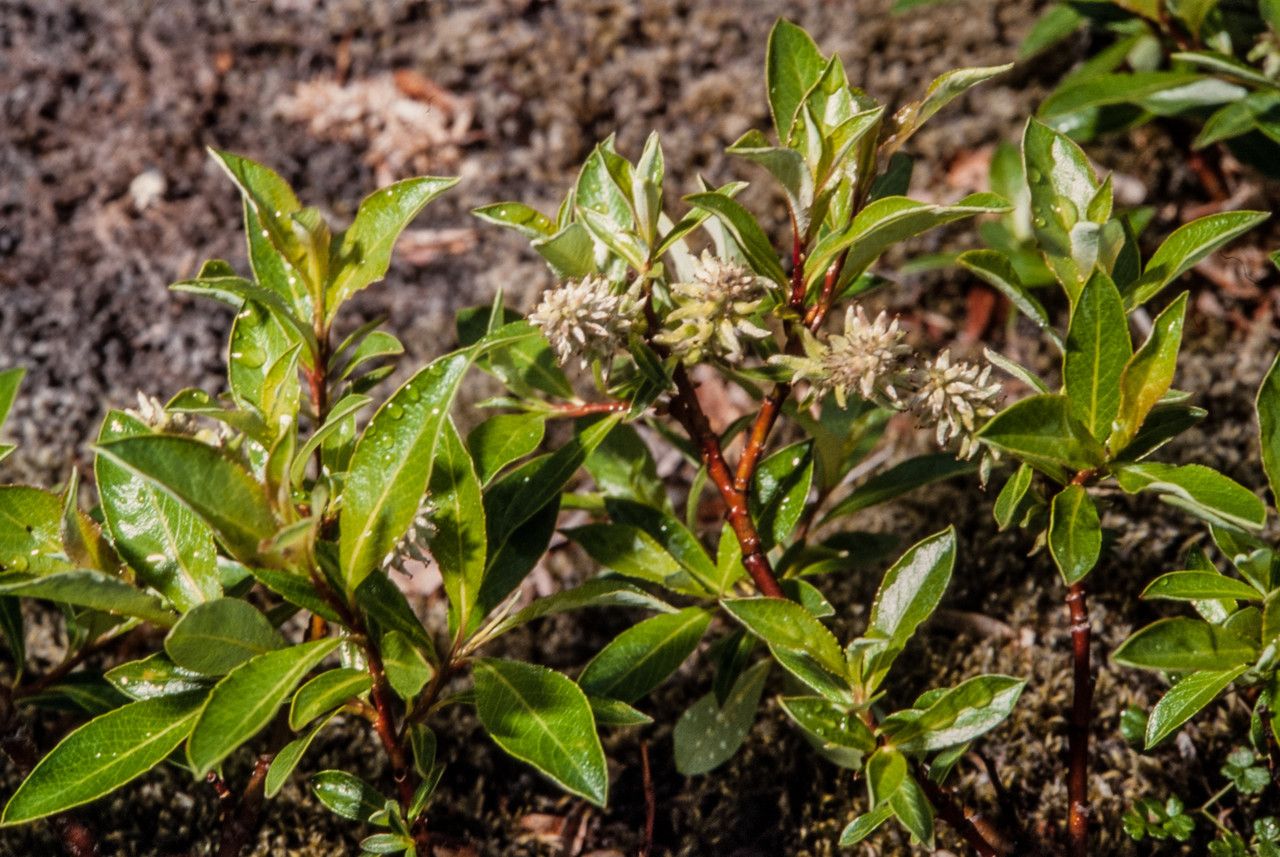
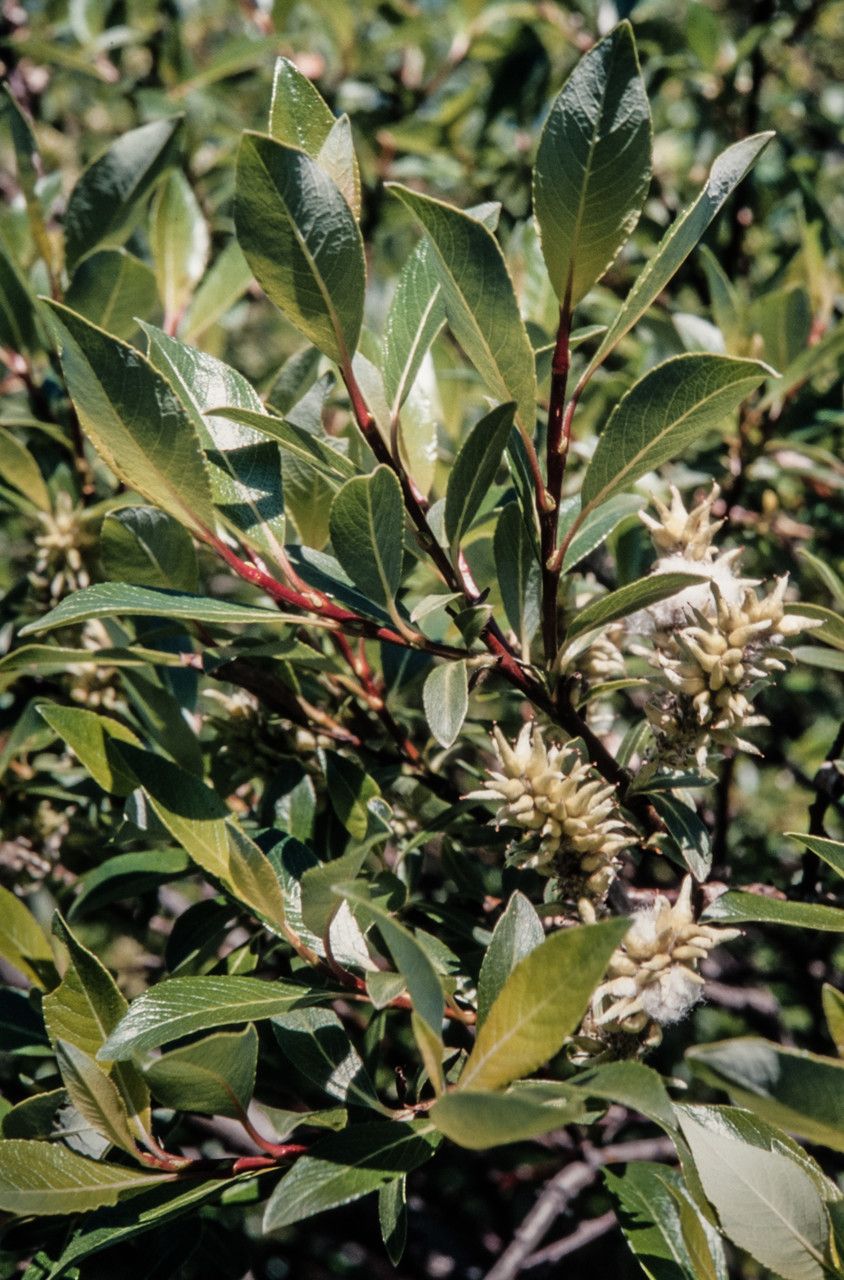
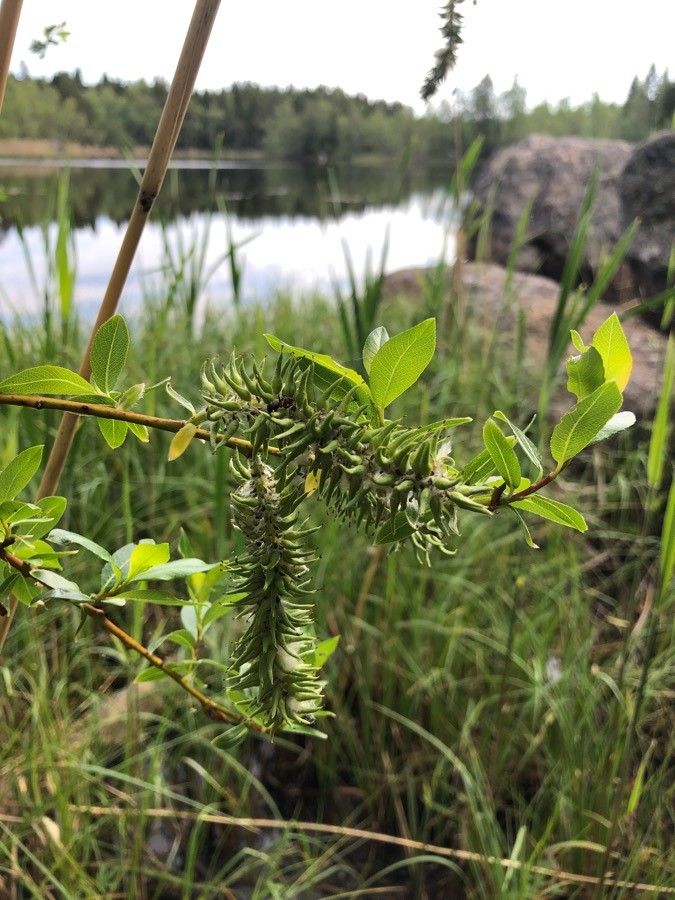
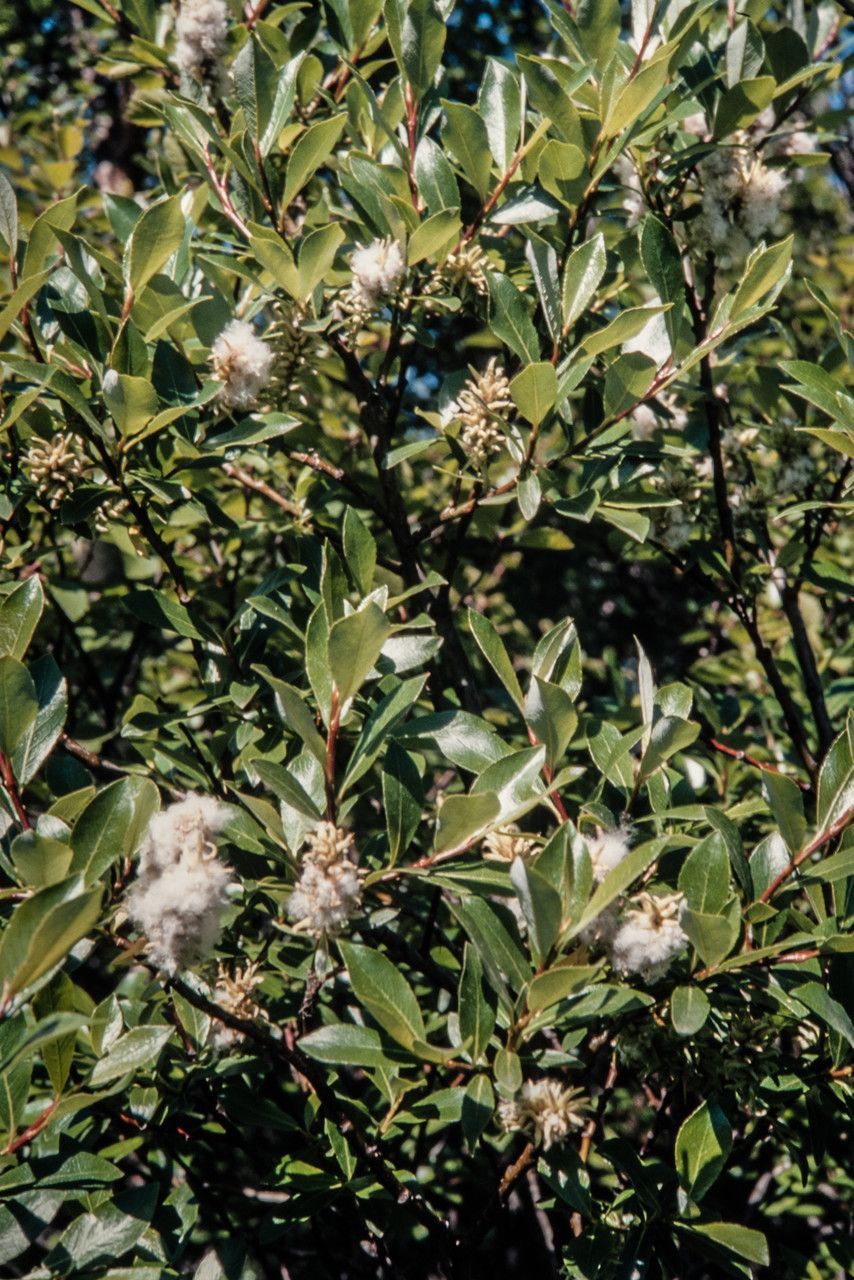
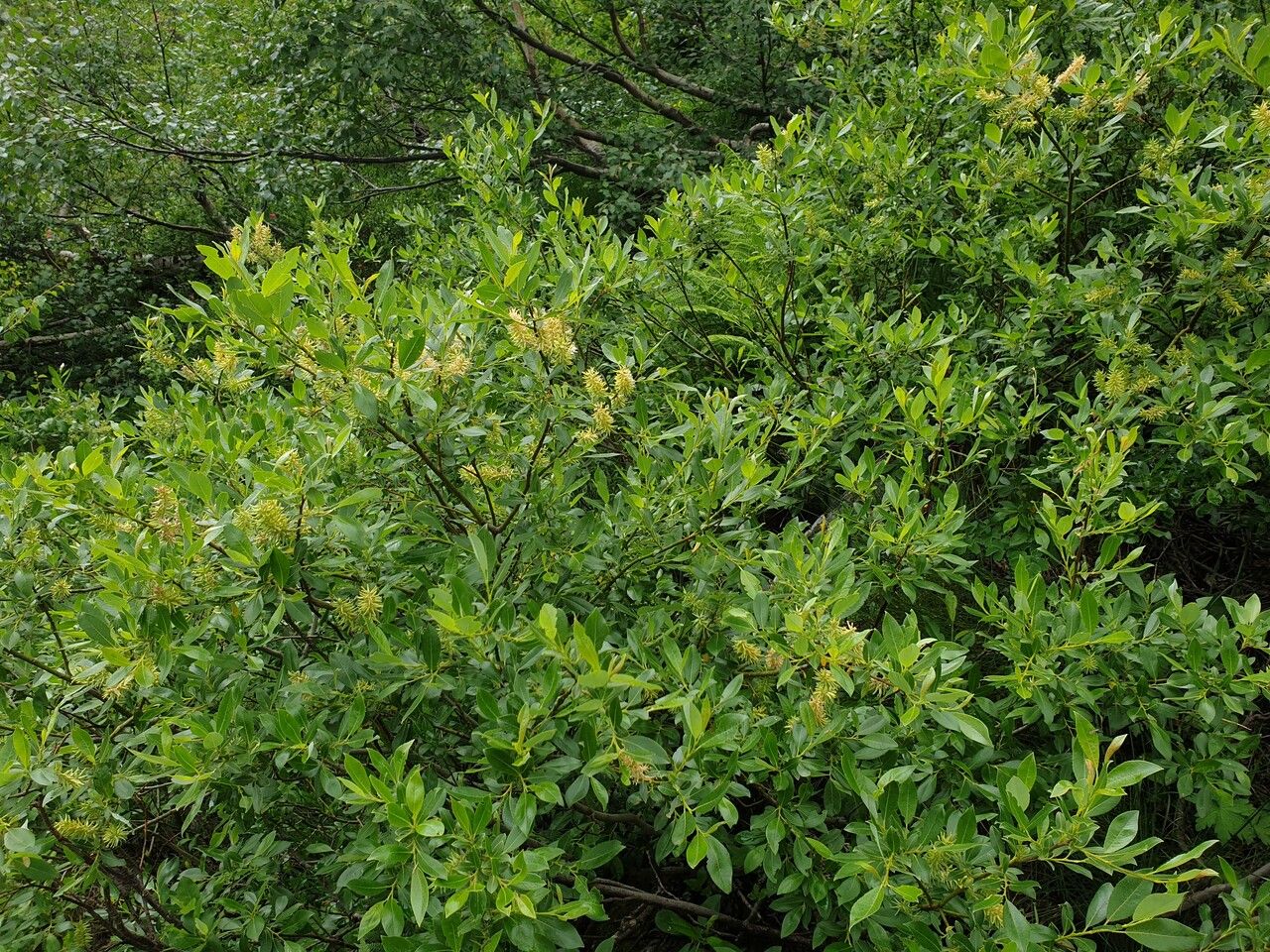
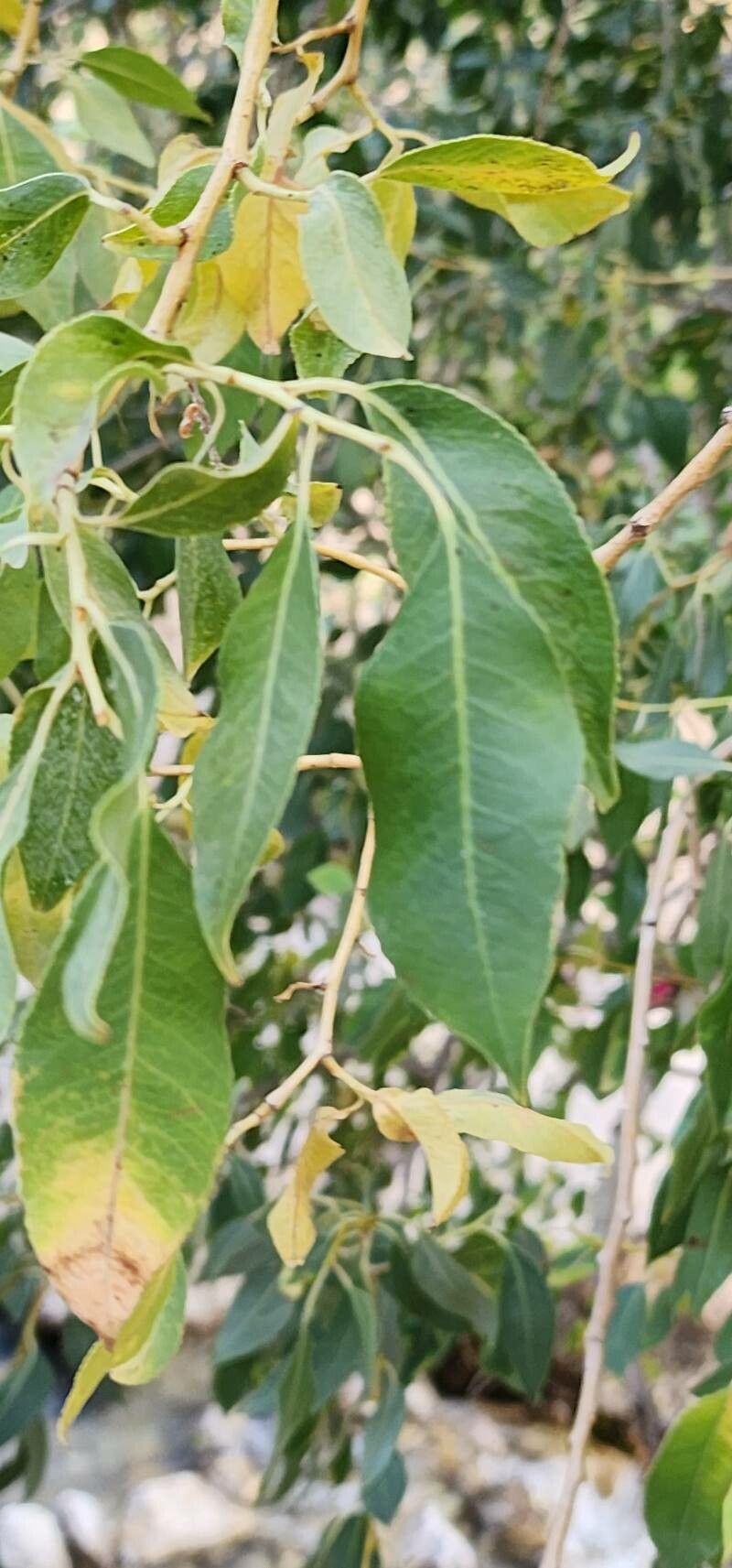
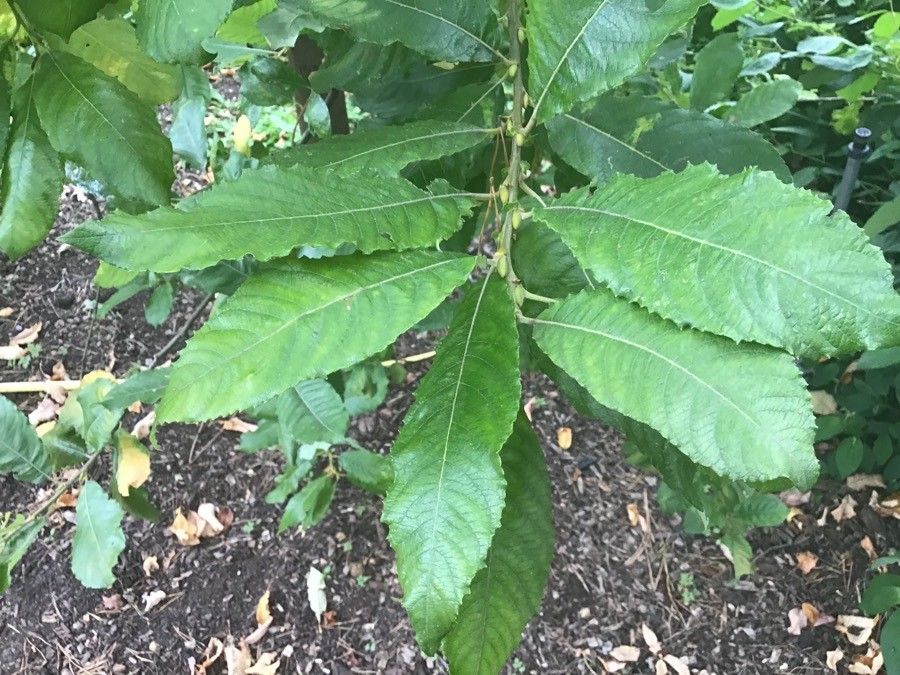
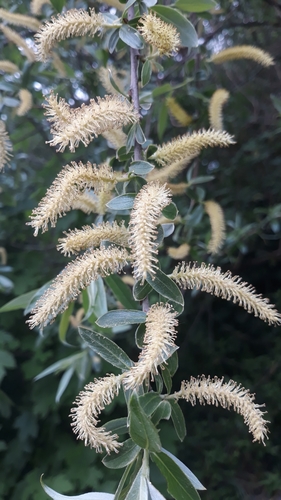
Salix phylicifolia, the tea-leaved willow, is a species of willow native to Northern Europe including Iceland, the Faroe Islands, Scandinavia, Finland, Russia, and Western Siberia. It was the first bush found on the new volcanic island of Surtsey near Iceland.
Tea-leaved willow is disease-resistant and is usually not susceptible to illnesses. Care-wise, this plant is fairly low-maintenance. Planted outdoors, it needs only light watering, and larger specimens typically do not require pruning. Smaller plants, however, should be trimmed after they finish blooming. Tea-leaved willow is appropriate for anyone with outdoor space, such as a garden or deck, and does not demand extensive care experience.
How to keep Salix Phylicifolia.
Light
Tea-leaved willow is native to open habitats, such as sunny meadows and forest margins, which provide abundant light. It prefers full sun but can also tolerate partial sun, adapting well to different light conditions.
Water
The tea-leaved willow, native to the riparian zones of Northern Europe, flourishes in consistently damp soil. To maintain its vigor, it requires watering twice a week. This plant is well adapted to periodic flooding, and its strong root system helps stabilize riverbanks by responding effectively to natural changes in water levels.
Temperature
The tea-leaved willow is highly adaptable to a variety of climatic conditions, from very hot summers to cold winters. Still, it has a preferred temperature range for growth. If temperatures get too high, the plant is vulnerable to heat and humidity stress, which can cause it to die. In areas where temperatures approach the lower limit of its cold tolerance, it is important to provide insulation to protect the plant.
Fertilizer
Apply fertilizer to your Tea-leaved willow in early spring to encourage healthy growth. Routine feeding improves the plant’s overall health, producing vigorous growth, greater tolerance of harsh conditions, and increased resistance to diseases and pests. Stick to a consistent fertilization timetable for your Tea-leaved willow to promote vibrant, deeply colored foliage and a full, lush appearance.
Pruning
To prune tea-leaved willow effectively, it is best to do so in early spring. Focus on removing dead, diseased, or weak branches to boost growth and improve air circulation. This practice encourages flowering and enhances the plant's shape. Always use clean, sharp tools to reduce damage and promote both health and aesthetics.
Botanical profile.
- Plant Type
- Tree, Shrub
- Life Cycle
- Perennial
- Genus
- Salix
- Family
- Salicaceae
- Hardiness Zone
- 2-7
- Mature Height
- 0.91 m to 3.05 m
- Mature Spread
- 0.91 m to 2.13 m
- Leaf Color
- Dark Green, Olive Drab
- Leaf Type
- Deciduous
- Flower Size
- 1.02 cm to 2.03 cm
- Bloom Time
- Early spring, Mid spring
- Planting Time
- Spring
- Harvest Time
- Late spring, Early summer
- Native Area
- Russia, Norway, Sweden, Kazakhstan, Denmark, Slovakia, Iceland, Finland, Estonia, Ireland, United Kingdom, Latvia
Other names.
Reader questions.
What are the sunlight requirements for Tea-leaved Willow (Salix phylicifolia)?
The Tea-leaved Willow (Salix phylicifolia) thrives in varying sunlight conditions. It requires full sun, which means it needs above 6 hours of sunlight daily, to flourish. Alternatively, it can also grow in partial sun, requiring about 3-6 hours of sunlight each day. It's important to observe how sunlight moves through your garden, ensuring you place your Tea-leaved Willow in a location that offers the right balance of light and shade to meet its needs and ensure its happiness.
What is the botanical name of the Tea-leaved Willow?
The botanical name of the Tea-leaved Willow is Salix phylicifolia.