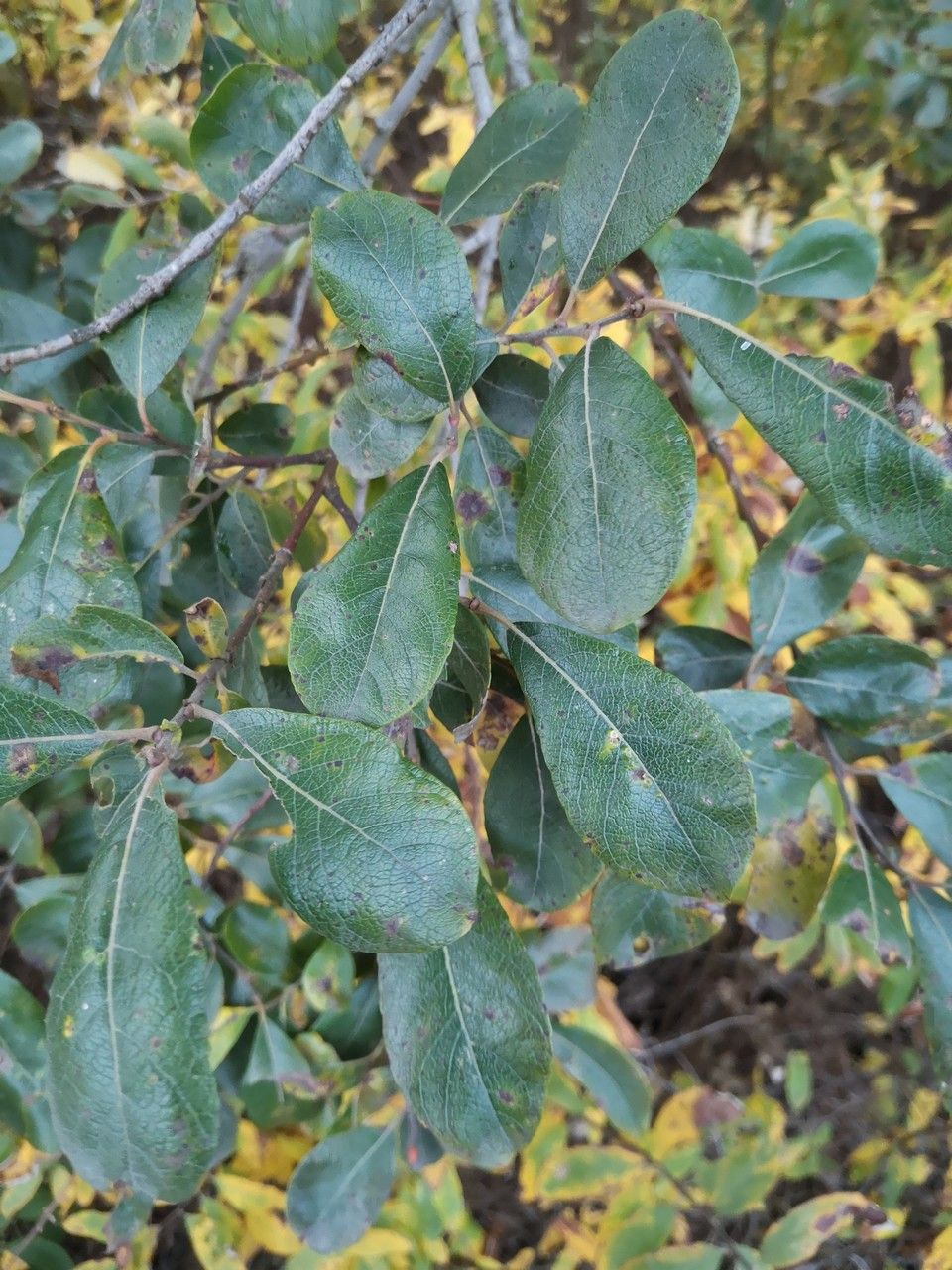
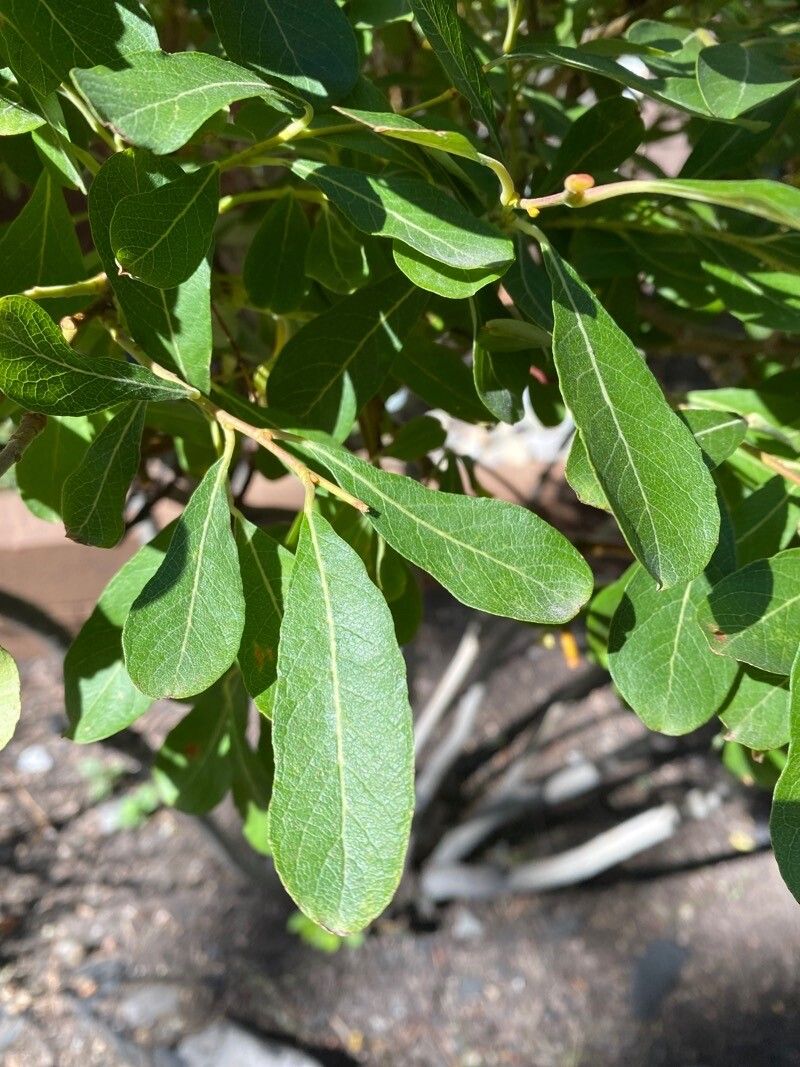
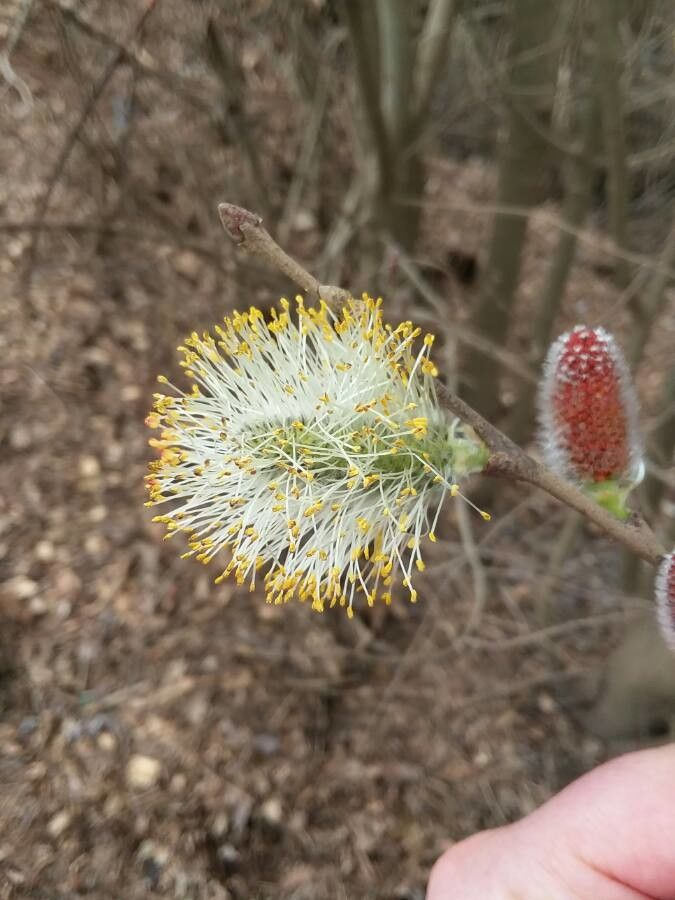
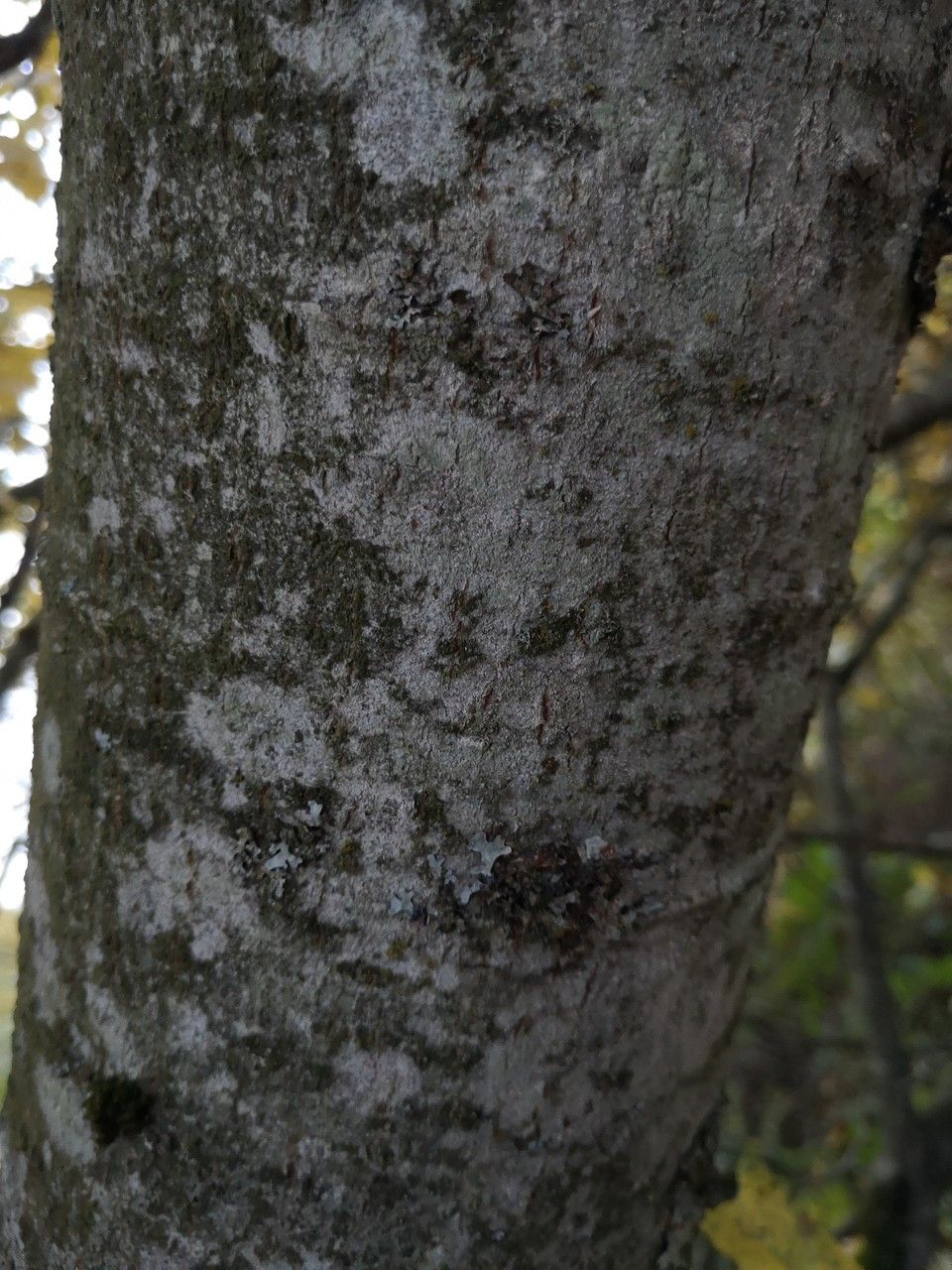
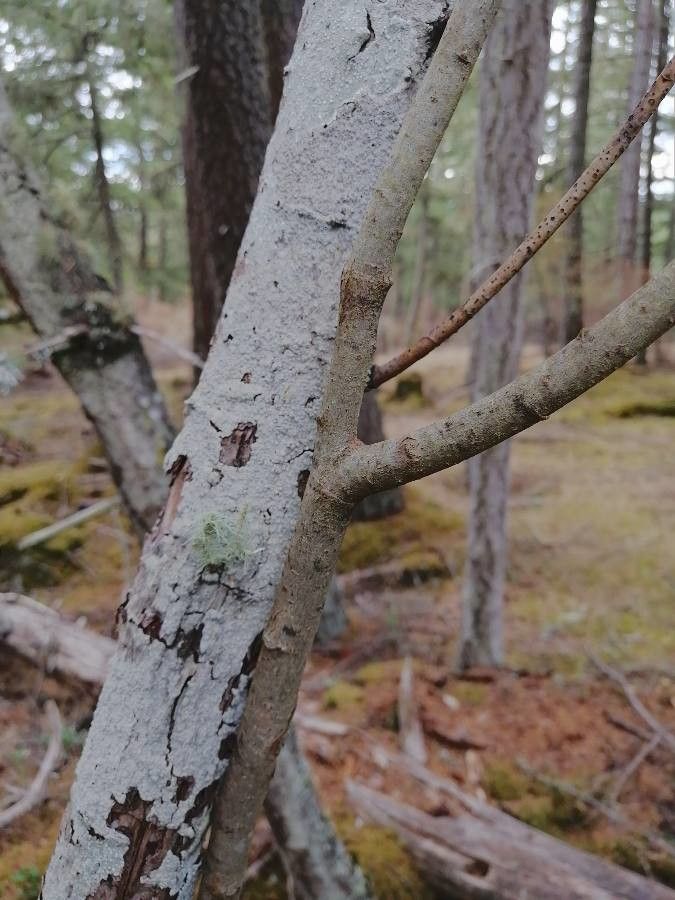
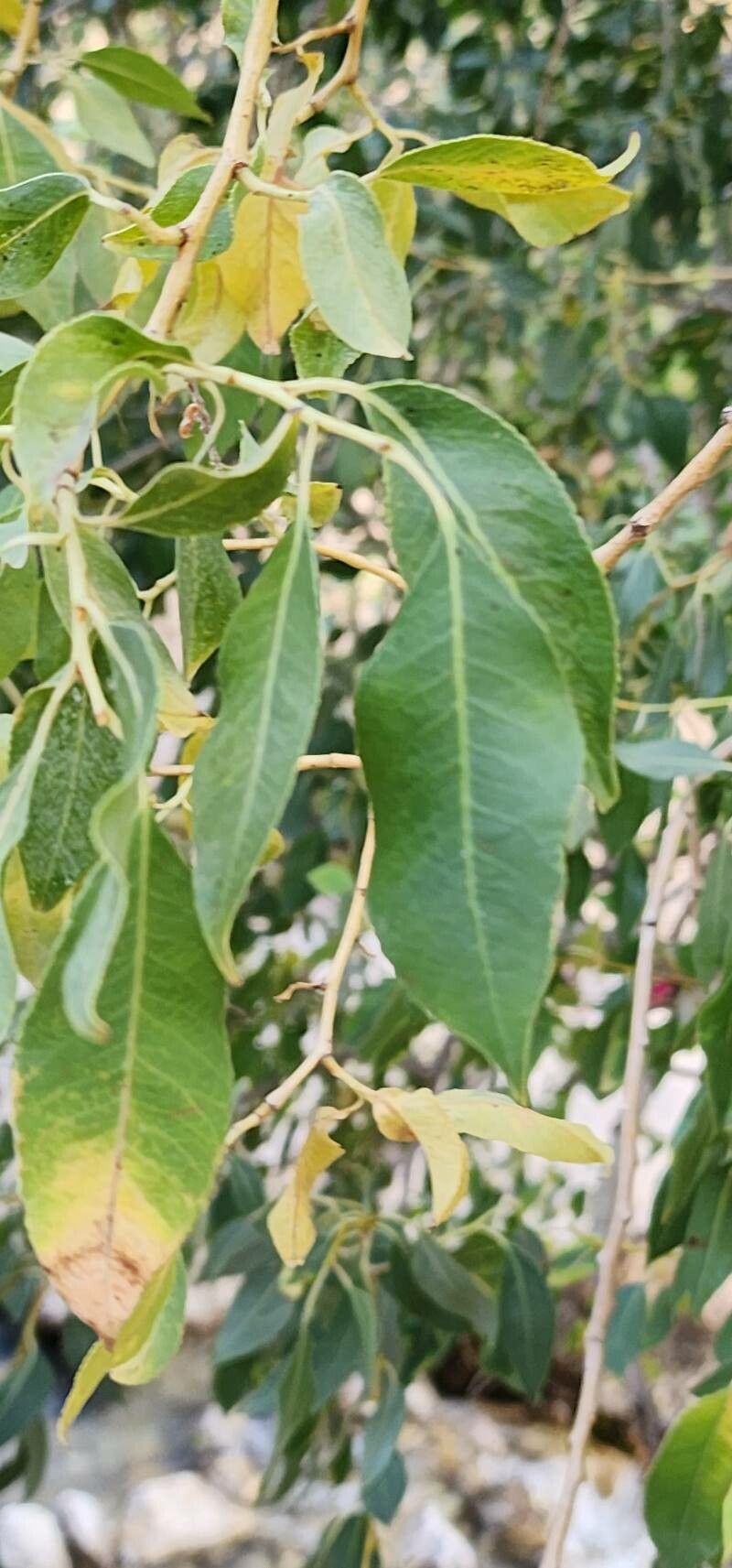
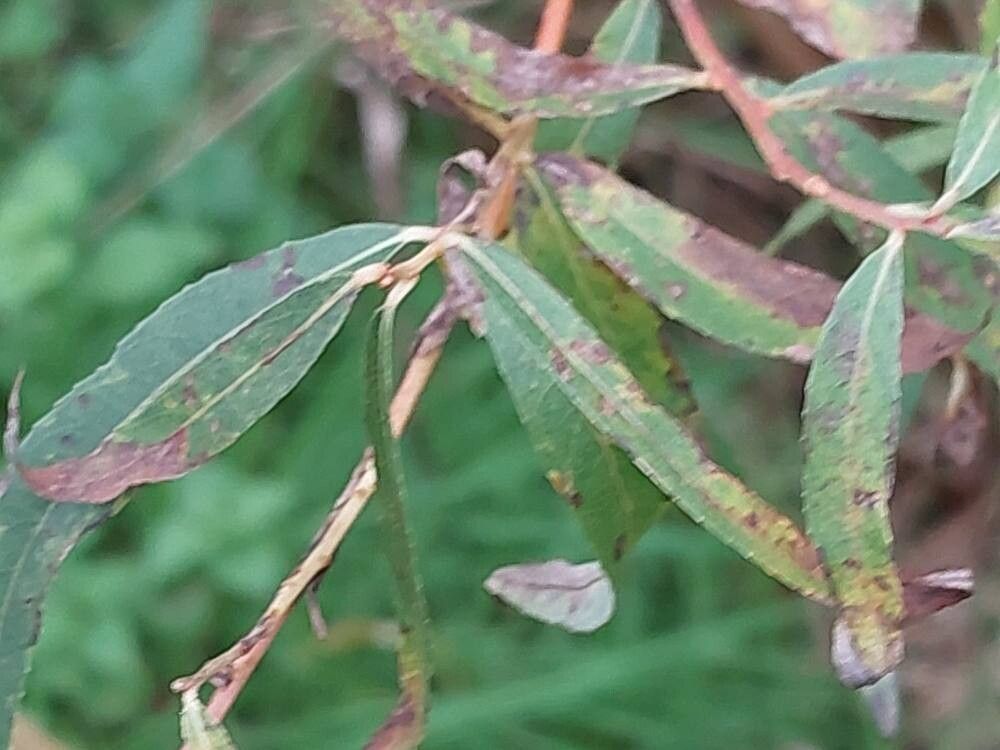
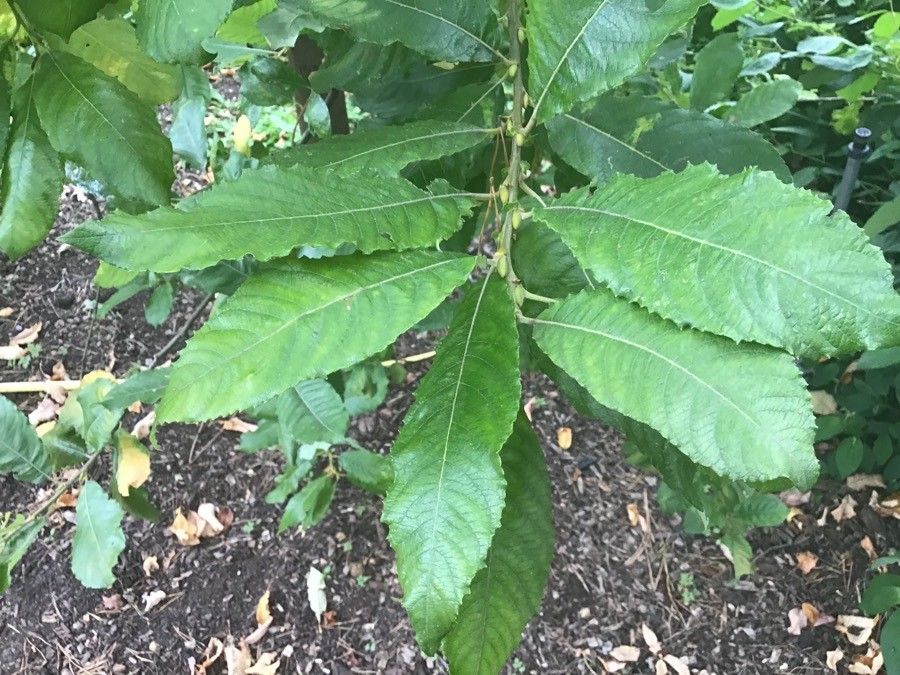
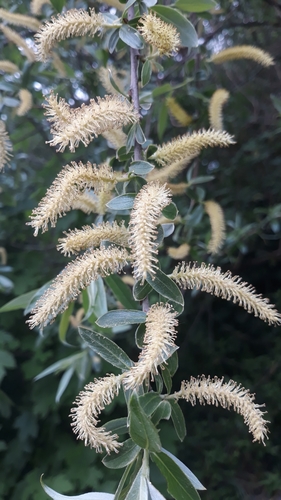
Salix scouleriana (Scouler's willow; syn. S. brachystachys Benth., S. capreoides Anderss., S. flavescens Nutt., S. nuttallii Sarg., S. stagnalis Nutt.) is a species of willow native to northwestern North America. Other names occasionally used include fire willow, Nuttall willow, mountain willow, and black willow.
Scouler Willow demonstrates strong resistance to disease and is generally unlikely to be affected by illnesses. This plant is relatively easy to care for. When grown outdoors it needs only minimal watering, and larger plants usually do not require pruning; smaller plants should be pruned after they have finished blooming. Scouler Willowt is suitable for anyone with outdoor space, such as a garden or a deck, and does not demand much prior experience in plant care.
How to keep Salix Scouleriana.
Light
Scouler Willow grows best in places with plenty of sunlight, though it can tolerate sites with moderate light. Abundant sunlight promotes healthier vegetation, particularly during its growth stages. Its native habitat suggests it receives adequate light exposure. However, too much or too little sunlight can harm its health.
Water
Scouler Willow thrives in moist environments and requires consistent soil moisture, although it is moderately drought-tolerant. It should be watered regularly, approximately every three weeks, to prevent waterlogging. Typically found near water bodies, the growth season of Scouler Willow is closely tied to water availability for optimal health.
Temperature
Scouler Willow is found in climates with temperatures ranging from 41 to 95 °F (5 to 35 ℃). It favors a moderate range for optimal growth. Seasonal temperature adjustments may be needed to ensure healthy growth.
Fertilizer
Fertilize your Scouler Willow in early spring to encourage healthy growth. Regular feeding improves its overall health, producing vigorous growth, increased resilience to harsh conditions, and enhanced resistance to pests and diseases. Keep a consistent fertilization routine for your Scouler Willow to maintain foliage that is vibrant, richly colored, and lush in appearance.
Pruning
The Scouler Willow is a resilient plant characterized by its upright growth and lance-shaped leaves. To keep it healthy and thriving, prune it in early spring. This will help remove any dead or crossing branches, improve air circulation, and encourage new growth. Light pruning is ideal for maintaining the plant's shape and promoting lush new foliage. However, be cautious with heavy pruning, as it can stress the plant.
Botanical profile.
- Plant Type
- Tree, Shrub
- Life Cycle
- Perennial
- Genus
- Salix
- Family
- Salicaceae
- Hardiness Zone
- 5-9
- Mature Height
- 0.91 m to 20.12 m
- Mature Spread
- 2.13 m to 14.94 m
- Leaf Color
- Green
- Leaf Type
- Deciduous
- Flower Color
- Yellow, Green
- Flower Size
- 2.03 cm to 4.06 cm
- Bloom Time
- Spring
- Planting Time
- Spring, Summer, Autumn
- Harvest Time
- Late spring, Early summer, Mid summer
- Native Area
- Mexico
Other names.
Reader questions.
What are the sunlight requirements for Scouler Willow?
Scouler Willow thrives best in locations with abundant sunlight, requiring full sun exposure of above 6 hours of sunlight a day, but it can also grow well with partial sun, about 3-6 hours of sunlight daily. It's important to observe how sunlight moves through your garden to find spots that provide the perfect balance of light and shade, ensuring the plants' optimal growth and health. Originally from habitats with sufficient sunlight, the Scouler Willow does best when it has plenty of light, especially during its growth phases. Although it can endure moderate light, both extreme and insufficient sunlight might negatively impact its wellbeing.
What is the native climate for Scouler Willow?
Scouler Willow, scientifically known as Salix scouleriana, thrives in climates where temperatures range from 41 to 95 °F (5 to 35 °C). It prefers these moderate temperature ranges for optimal growth, indicating its adaptability to a variety of weather conditions without the need for seasonal temperature adjustments typically. However, it is highly cold-resistant, which allows it to survive without special frost protection measures in most winter environments.
How do I use artificial lighting for Scouler Willow indoor plants?
For Scouler Willow plants grown indoors where natural sunlight is limited, artificial lighting can be a vital solution for maintaining optimal growth. Choosing the right type of artificial light is crucial, with LED lights being a popular choice due to their ability to provide specific wavelengths needed by plants. Full sun plants require 30-50W/sq ft, partial sun plants 20-30W/sq ft, and full shade plants 10-20W/sq ft of artificial light. The light source should be placed 12-36 inches above the plant, mimicking natural sunlight as much as possible. It's also important to determine the duration of exposure, typically 8-12 hours per day, to match the plant's natural daylight needs.
How does Scouler Willow handle cold winters?
Scouler Willow has a strong resistance to cold, making it well-adapted to survive winter months without needing specific frost protection in most cases. Nonetheless, in extremely cold conditions, where temperatures are expected to fall below -25°C, it's crucial to take additional precautions. Wrapping the trunk and branches with insulating materials such as non-woven fabric or cloth can offer protection. Additionally, watering the plant abundantly before the first freeze in autumn to ensure the soil remains moist can be beneficial. This practice helps the plant endure winter and early spring by preventing drought and water scarcity.
What are the signs of insufficient or excessive sunlight in Scouler Willow?
Signs of insufficient sunlight in Scouler Willow include smaller new leaves, leggy or sparse growth, faster leaf drop, slower or no new growth, lighter-colored new leaves, indicating a lack of chlorophyll. Excessive sunlight can lead to chlorosis (leaves turning yellow), sunscald (damage shown as pale or necrotic areas), leaf curling (a defense mechanism to minimize water loss), wilting (loss of turgor pressure), and leaf scorching (brown, dry edges on leaves). These symptoms highlight the plant's struggle with light conditions and stress the importance of providing the right amount of sunlight for healthy growth.
What symptoms indicate that Scouler Willow is affected by low temperatures?
When exposed to temperatures below its cold tolerance threshold, Scouler Willow may not show immediate signs of distress during winter. However, if temperatures drop below -25°C, the plant's branches can become brittle and may dry out by springtime, leading to a lack of new shoot growth. The recommendation for managing this issue is to prune away any dead branches in spring that have failed to produce new leaves, aiding in the plant's recovery and continued health.
What are the solutions to correct sunlight issues for Scouler Willow?
To address sunlight issues for Scouler Willow, gradual adjustment to the right light conditions is key. For indoor plants, gradually increase sunlight exposure to at least 6 hours daily using a south-facing window or provide additional light with artificial grow lights for at least 8 hours. For outdoor plants, move them to sunnier spots gradually to avoid shock. Reducing obstructions, like pruning branches that block light, and transplanting smaller plants during dormant periods to sunnier locations with good drainage can significantly improve light availability. Note that parts of the plant already affected by poor light may not recover, but new growth should be healthy with improved light conditions.
How should Scouler Willow be cared for in high temperatures?
During summer, it's essential to ensure that the environment around Scouler Willow remains below 35°C to avoid heat stress. If temperatures soar above 38°C, the plant may exhibit stress symptoms such as lighter leaf colors, dry and withered leaf tips, and increased susceptibility to sunburn. To mitigate these effects, trimming away sunburned and dried parts of the plant, relocating it to a shadier spot, or employing a shade cloth can provide relief. Moreover, watering the plant during cooler times, like mornings and evenings, helps maintain soil moisture and protect the plant from heat stress.