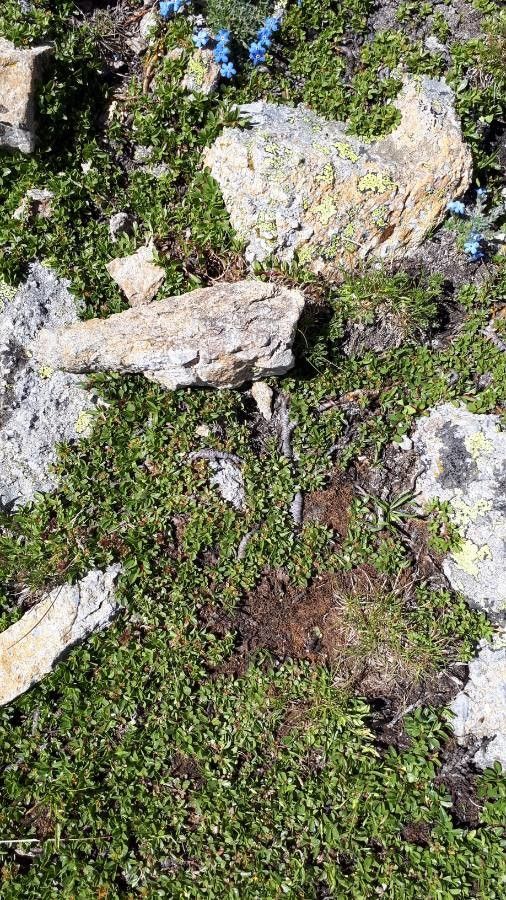
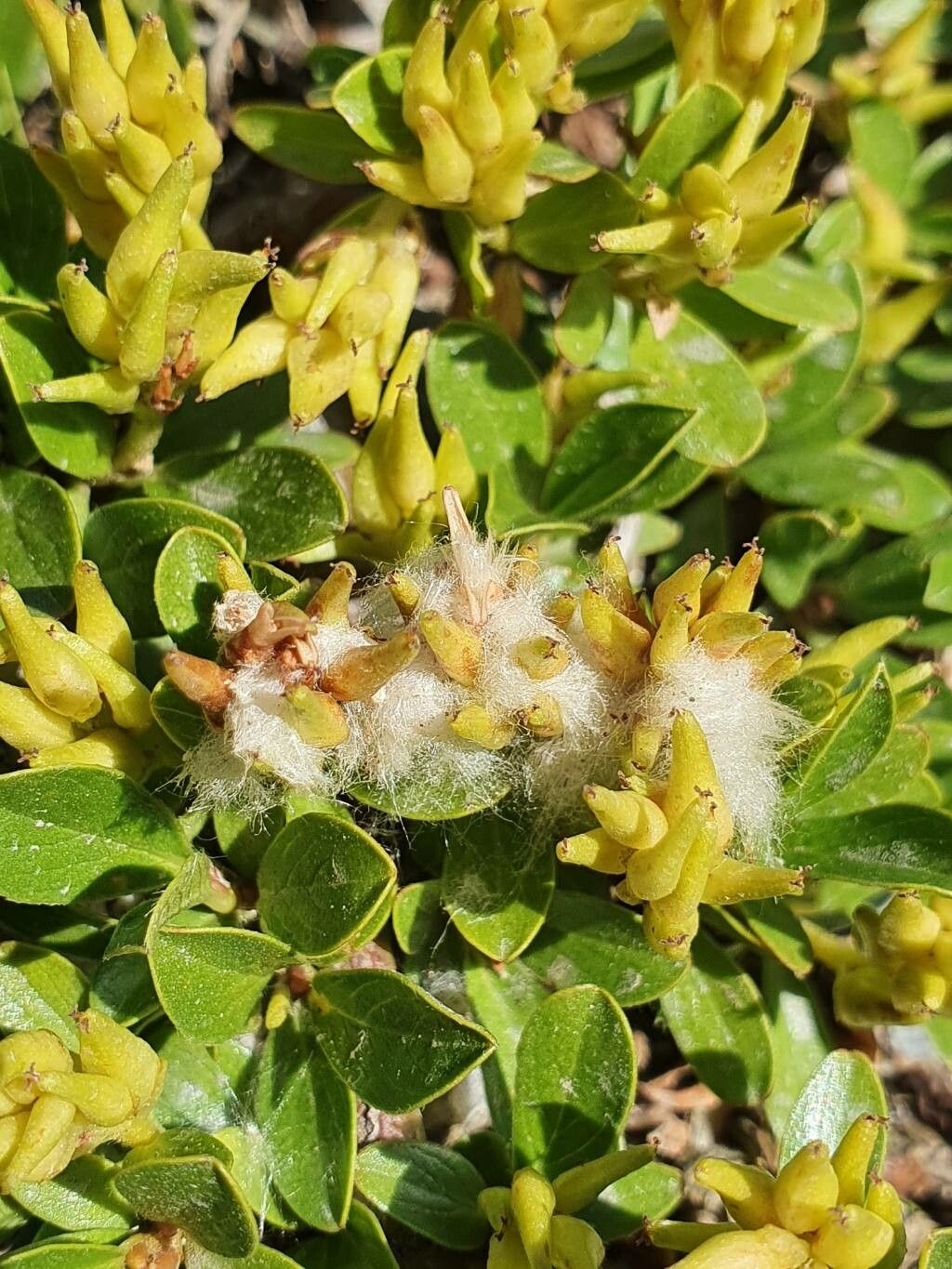
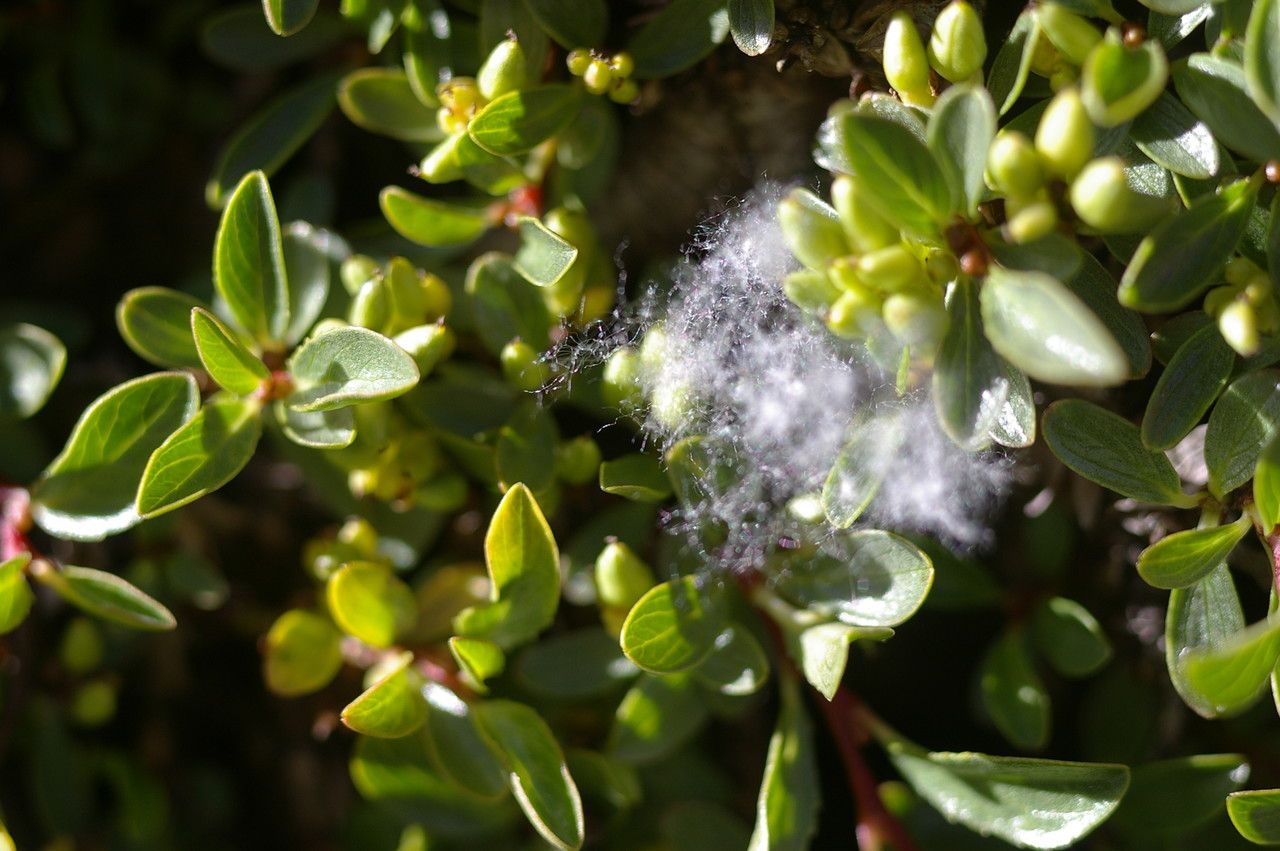
Salix serpyllifolia, commonly known as the thyme-leaved willow, is a small deciduous shrub belonging to the family Salicaceae. Native to Europe and Asia, this plant thrives in various habitats, including wetlands, riverbanks, and rocky slopes.
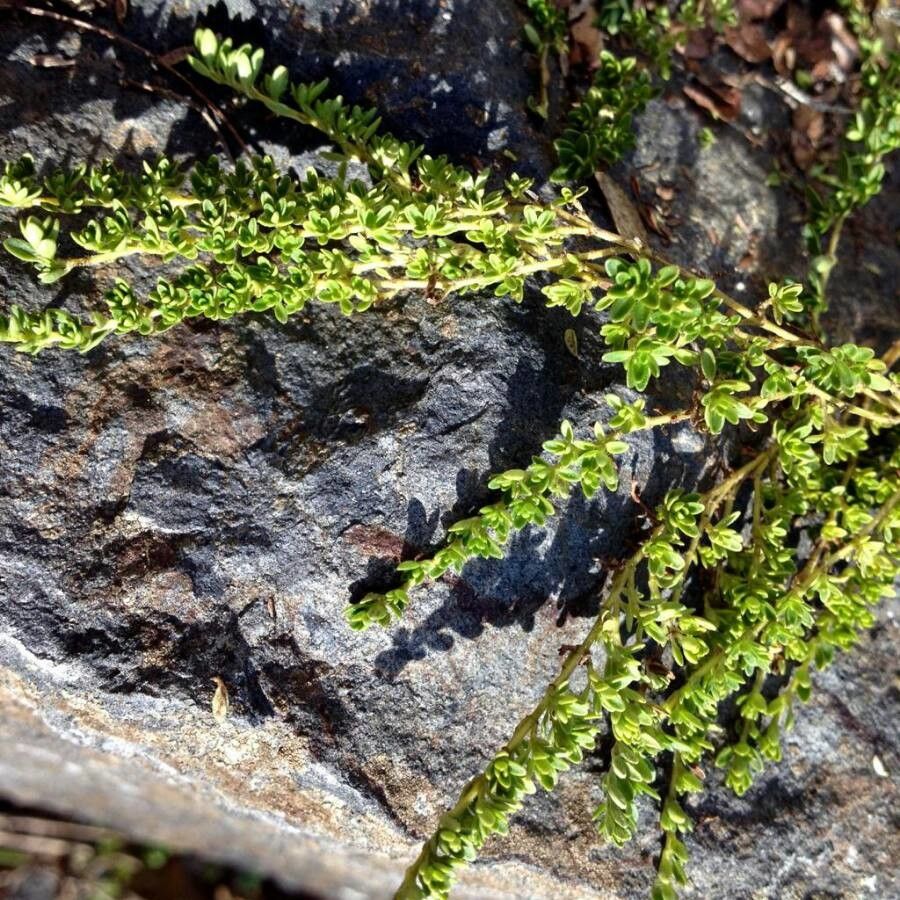
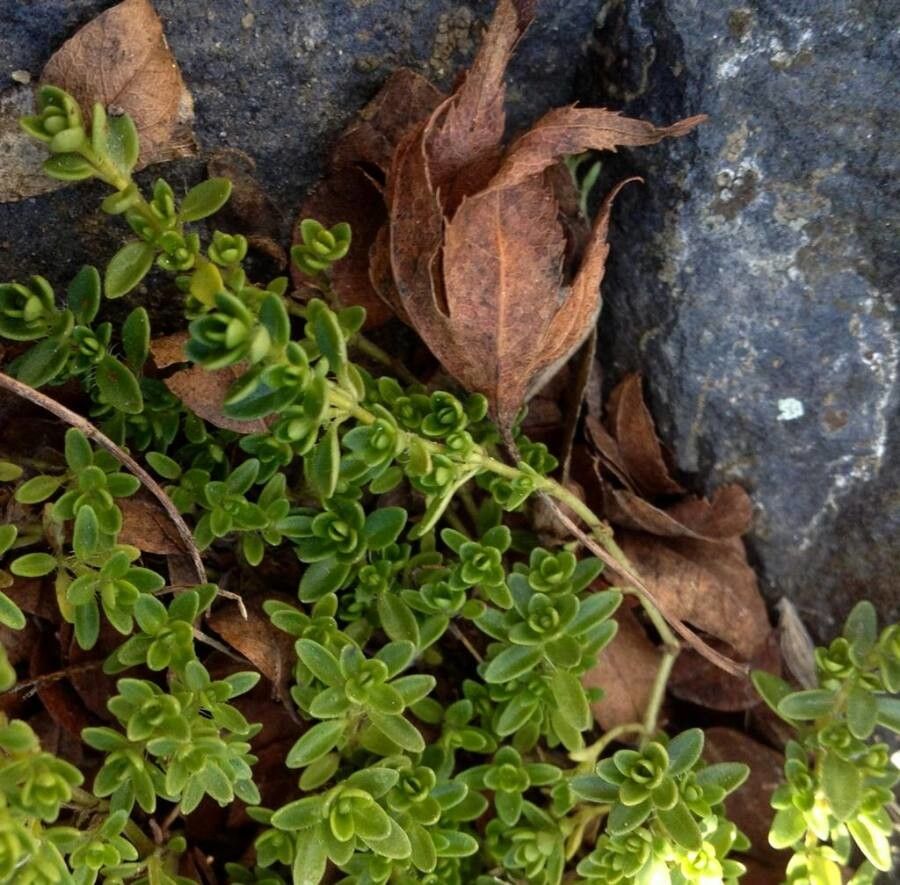
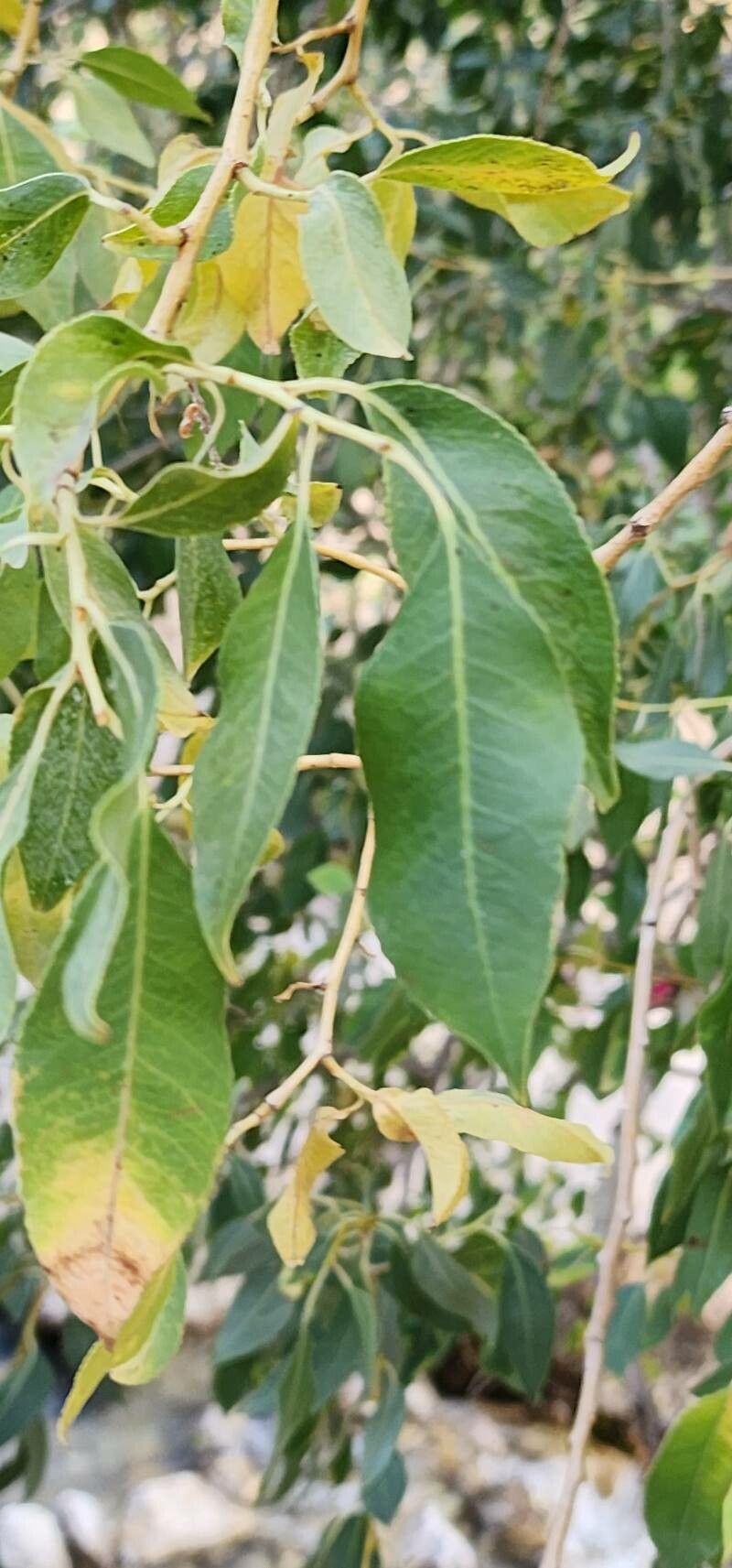
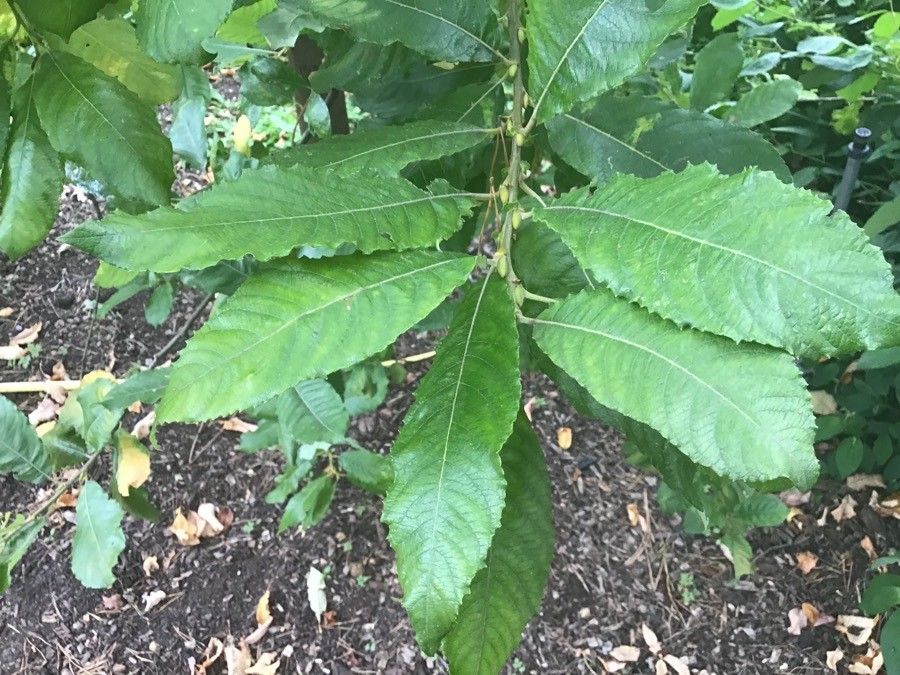
Typically reaching up to 1 meter in height, Salix serpyllifolia has slender branches adorned with small leaves that resemble thyme. The leaves are green on the upper surface and pale green underneath, featuring serrated edges.
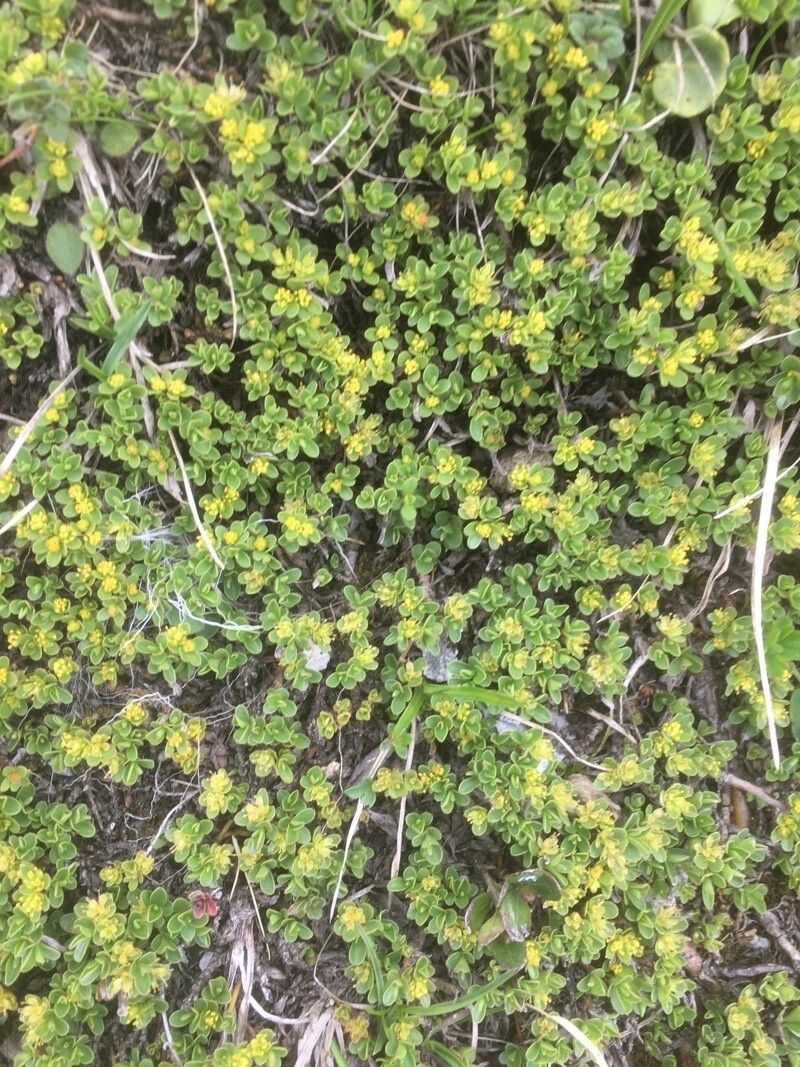
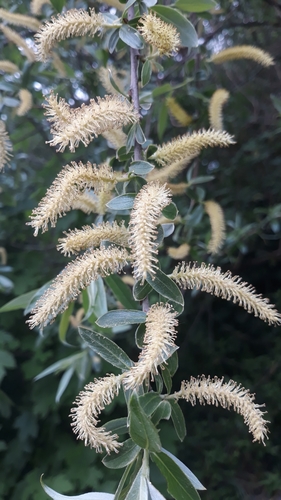
The plant produces male and female flowers on separate plants, blooming from April to May before the leaves appear. The male flowers are yellowish-green catkins, while the female flowers are smaller, greenish-yellow catkins.
Traditionally, Salix serpyllifolia has been used for medicinal purposes due to its anti-inflammatory properties, which can help alleviate pain caused by rheumatism or arthritis. Additionally, it is employed for erosion control, thanks to its ability to stabilize soil along riverbanks and slopes. It also serves as an important food source for various wildlife, including birds such as finches that feed on its seeds during winter months.
In summary, Salix serpyllifolia is a versatile plant that offers both ecological benefits and medicinal properties, making it a valuable species in various ecosystems around the world.
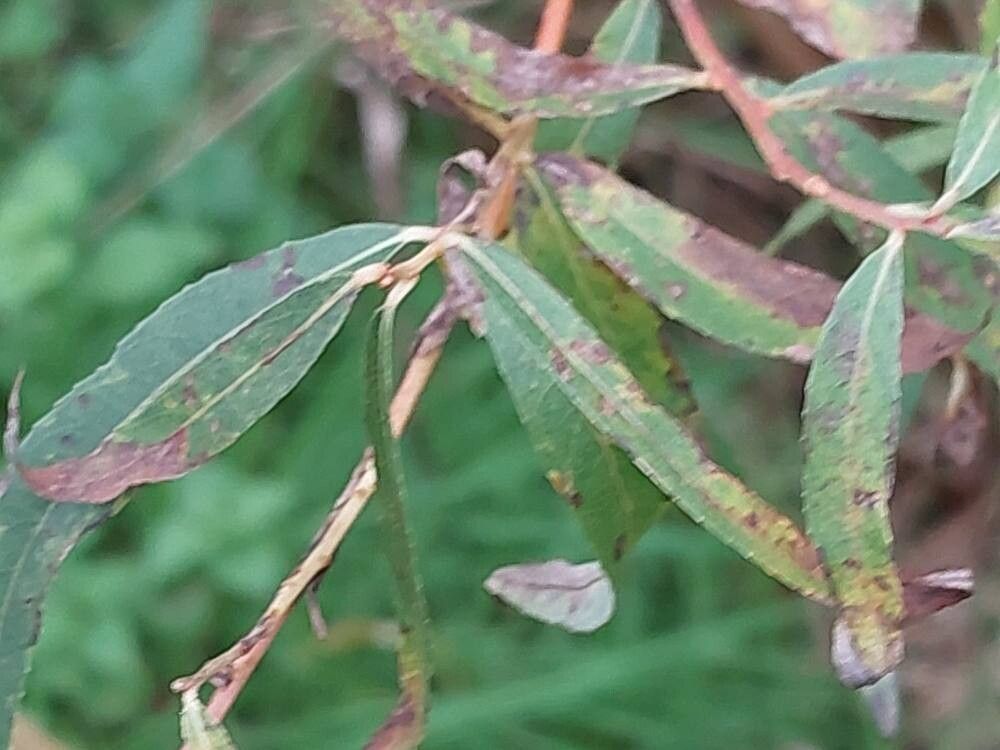
Thyme-leaf willow exhibits strong disease resistance and is generally not vulnerable to illnesses. In terms of care, the plant is fairly low-maintenance. When grown outdoors it needs only minimal watering, and larger specimens usually do not require pruning. Smaller plants should be pruned after they finish blooming. Thyme-leaf willow is suitable for anyone with an outdoor area, such as a garden or a deck, and does not require substantial gardening experience.
How to keep Salix Serpyllifolia.
Temperature
The Thyme-leaf willow exhibits remarkable flexibility to different weather conditions, from blistering hot summers to freezing cold winters. Nevertheless, there exists an ideal temperature spectrum for its growth. When temperatures climb too high, the plant becomes susceptible to stress from heat and excessive humidity, leading potentially to its death. In areas where temperatures reach the lower end of its cold tolerance threshold, it's crucial to apply protective insulation methods to shield the plant.
Fertilizer
For your Thyme-leaf willow's healthy development, apply fertilizer in the early spring. Ongoing fertilization boosts its general well-being, leading to robust growth, durability in harsh circumstances, and enhanced resistance to diseases and pests. Keep up with a particular fertilization routine for your Thyme-leaf willow to guarantee richly colored and bountifully lush foliage.
Botanical profile.
- Plant Type
- Shrub
- Life Cycle
- Perennial
- Genus
- Salix
- Family
- Salicaceae
- Hardiness Zone
- 4-7
Other names.