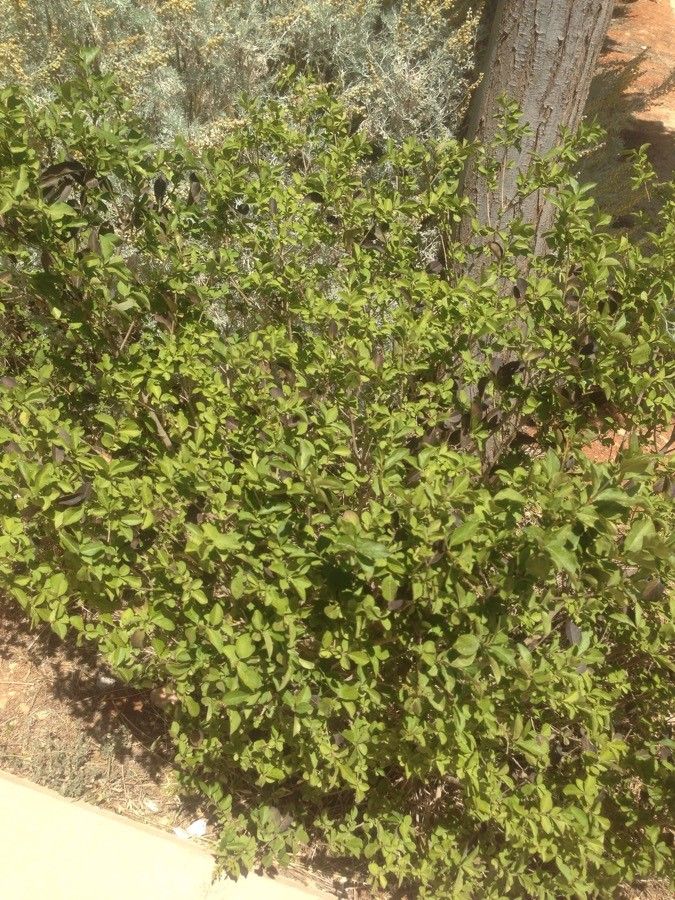
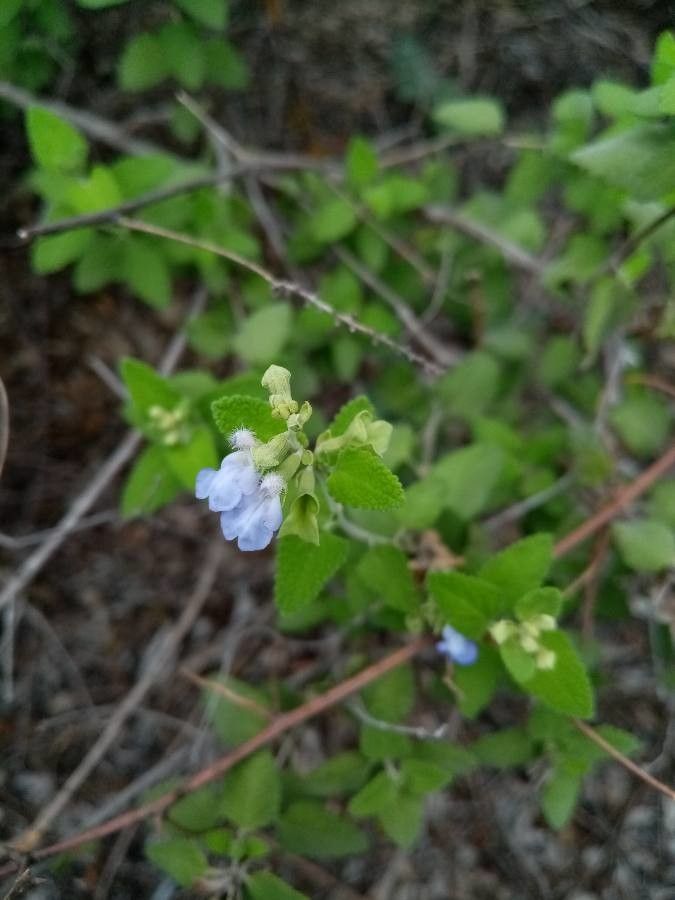
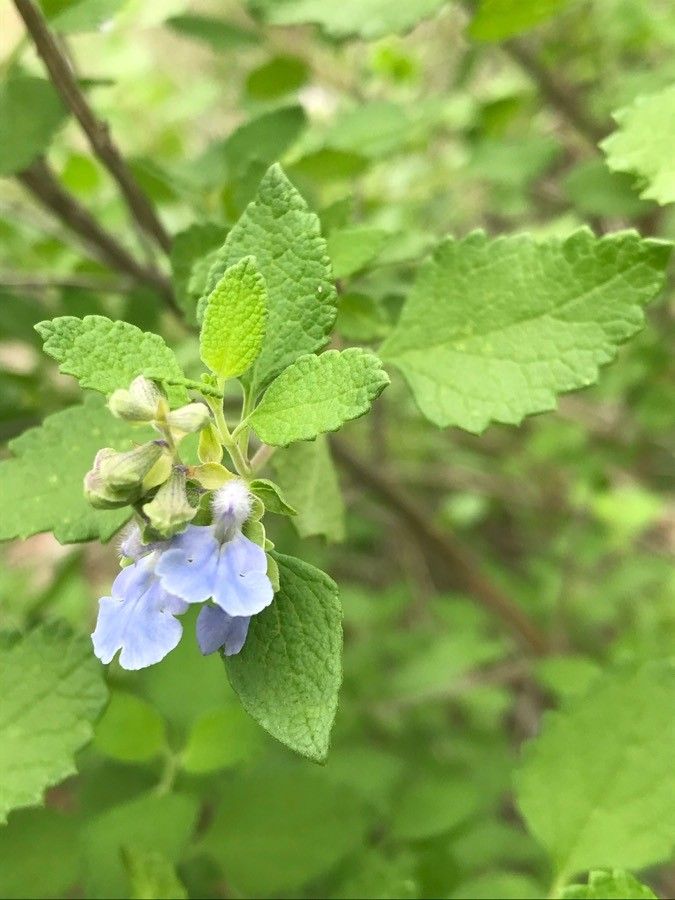
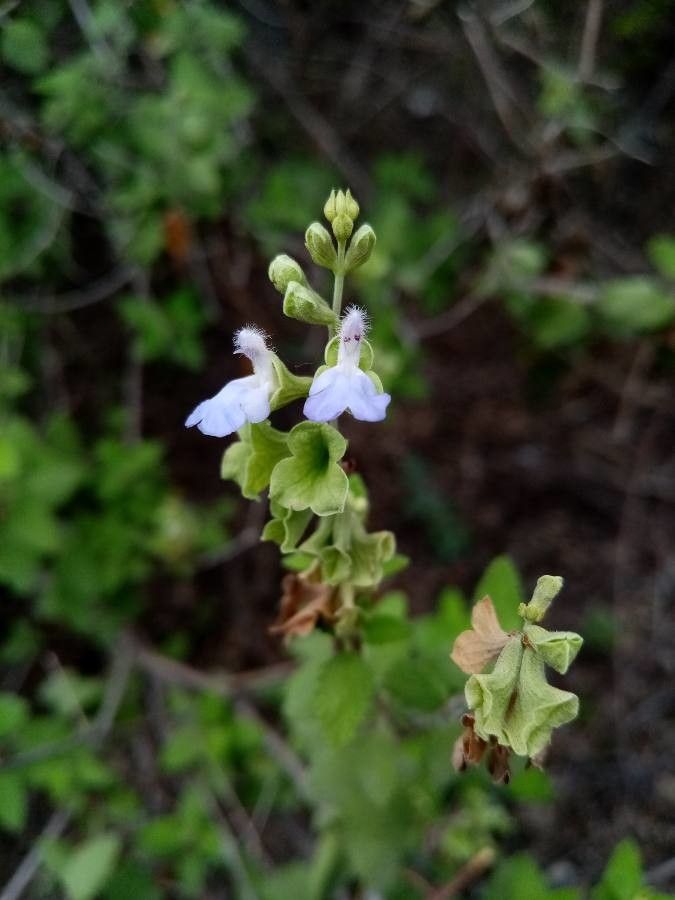
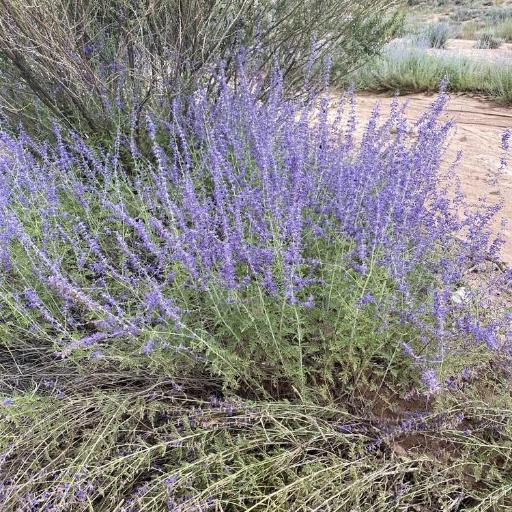
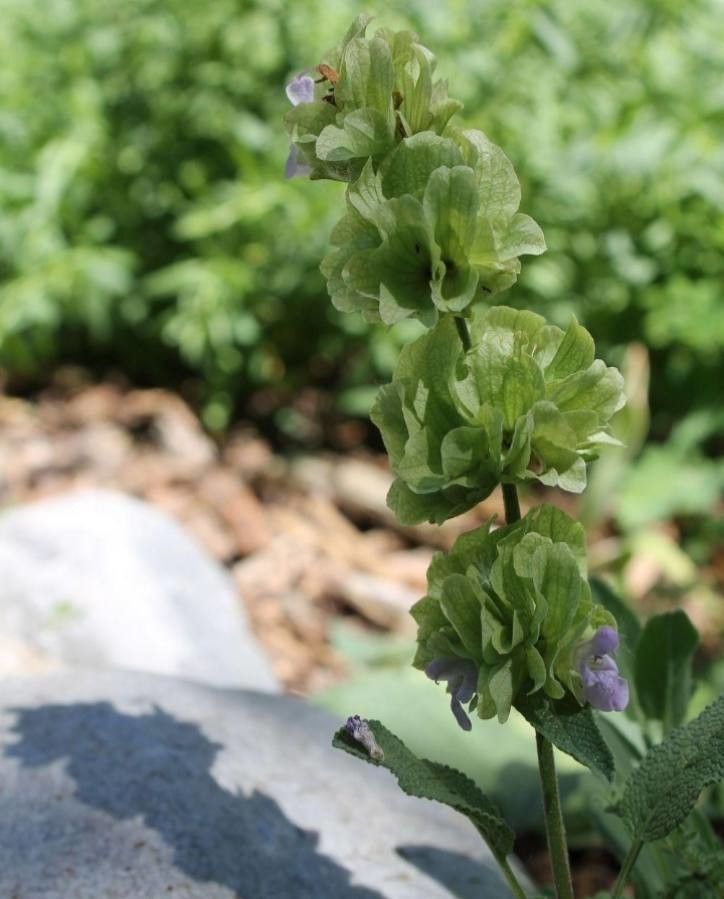
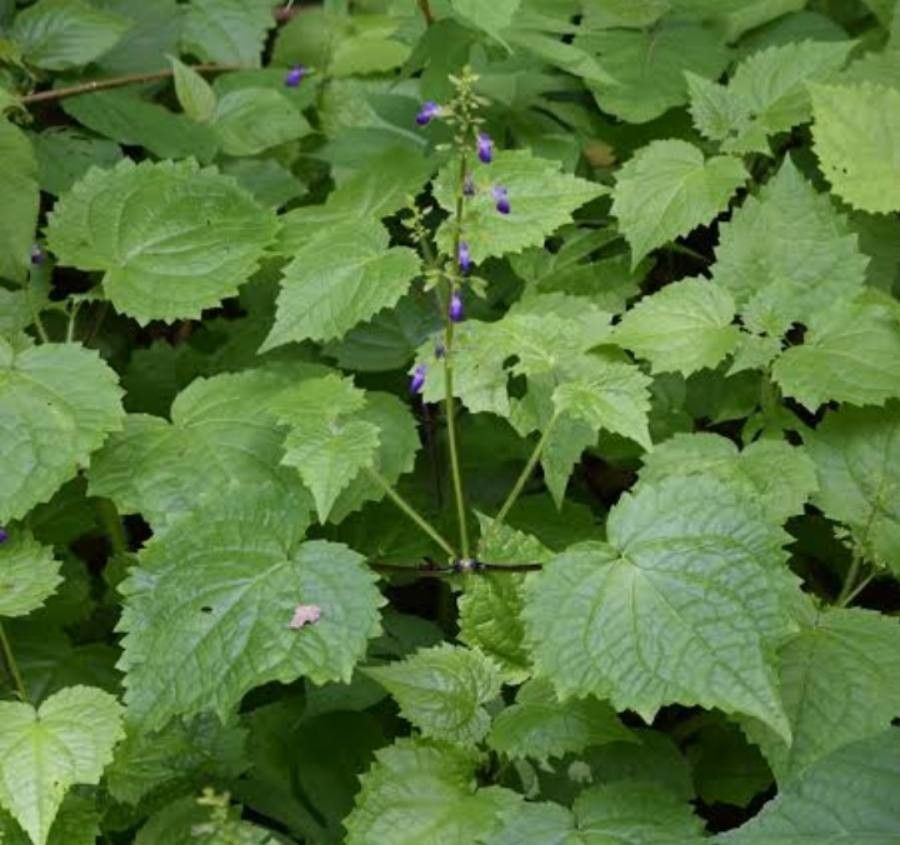
Salvia ballotiflora is a species of flowering plant in the mint family, Lamiaceae, that is native to Texas in the United States as well as northeastern and central Mexico. Common names include shrubby blue sage and mejorana.
Shrubby blue sage is highly resistant to disease and typically does not suffer from illnesses. Regarding maintenance, this species is fairly easy to care for. When grown outdoors it needs only occasional watering, and mature plants usually do not require pruning. In contrast, smaller specimens should be trimmed after they finish flowering. Shrubby blue sage is appropriate for anyone who has an outdoor area, like a garden or a deck, and does not demand extensive gardening experience.
How to keep Salvia Ballotiflora.
Light
Shrubby blue sage comes from open habitats, such as sunny meadows and forest edges, which offer abundant light. It thrives in Full Sun but can also tolerate Partial Sun, adapting well to various sunlight conditions.
Water
Shrubby blue sage, native to moderate climates, thrives with consistent moisture and weekly watering. As an herbaceous perennial, it grows best outdoors where it can benefit from natural rainfall. This supports its vigorous growth during the active season, balancing its tolerance for drought with its humidity needs.
Temperature
Shrubby blue sage comes from tropical areas, where the climate is usually warm and humid. Consequently, it is adapted to high temperatures and humidity. It does not tolerate sudden temperature shifts and prefers a consistent temperature, so avoiding indoor temperature fluctuations is important. It typically cannot endure cold and needs warmer conditions to grow. If the ambient temperature falls too low, the plant may stop growing or even die.
Fertilizer
The best time to fertilize a Shrubby blue sage is in early spring as it comes out of dormancy. This encourages overall growth and the development of flowers. Fertilization improves the foliage, stems, and branches, while encouraging larger, more vibrant, and longer-lasting blooms. It helps transfer nutrients from the roots to the flowers and enhances the plant's health and resistance to disease.
Pruning
Shrubby blue sage, known for its blue flowers and bushy shape, needs pruning between early and late winter. This helps improve its form, encourages denser growth, and removes dead stems. Performing this seasonal maintenance reduces the risk of disease, fosters vibrant growth in spring, and minimizes stress on the plant.
Botanical profile.
- Plant Type
- Shrub
- Life Cycle
- Perennial
- Genus
- Salvia
- Family
- Lamiaceae
- Hardiness Zone
- 7-10
- Mature Height
- 0.91 m to 1.83 m
- Mature Spread
- 49 cm to 91 cm
- Leaf Color
- Gray, Dark Gray
- Leaf Type
- Evergreen
- Flower Size
- 1.02 cm to 2.03 cm
- Bloom Time
- Mid spring, Late spring, Summer, Early fall
- Planting Time
- Spring, Summer, Autumn
- Harvest Time
- Summer, Fall
- Native Area
- Mexico
Other names.
Reader questions.
What is the botanical name of the Shrubby blue sage?
The botanical name of the Shrubby blue sage is Salvia ballotiflora.