Salvia dominica, commonly known as Dominican sage, is a perennial herbaceous plant that belongs to the Lamiaceae family. Native to the Caribbean islands, this versatile plant thrives in various habitats, including dry forests, rocky hillsides, and coastal areas.
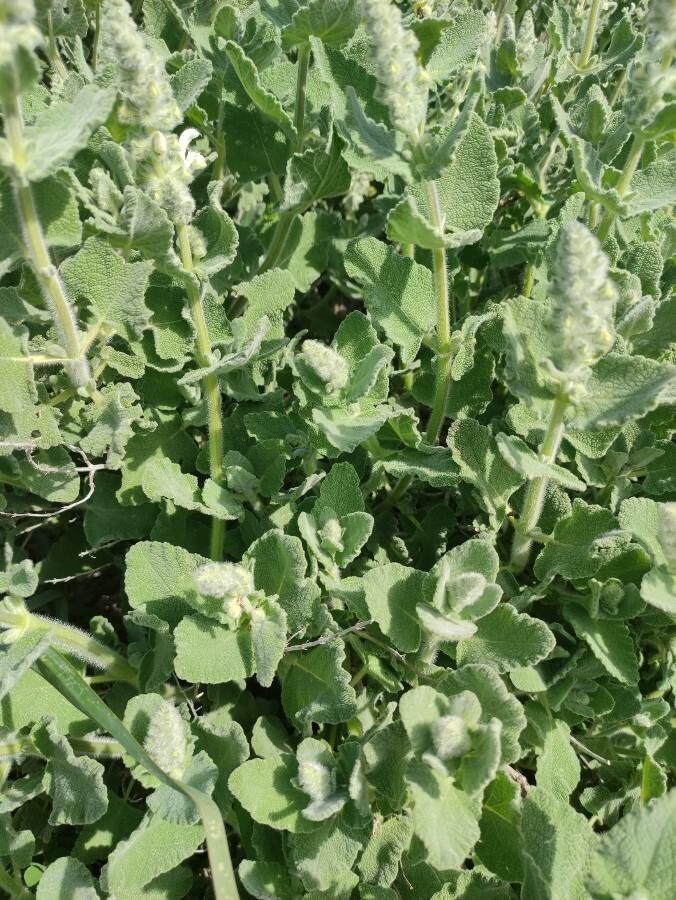
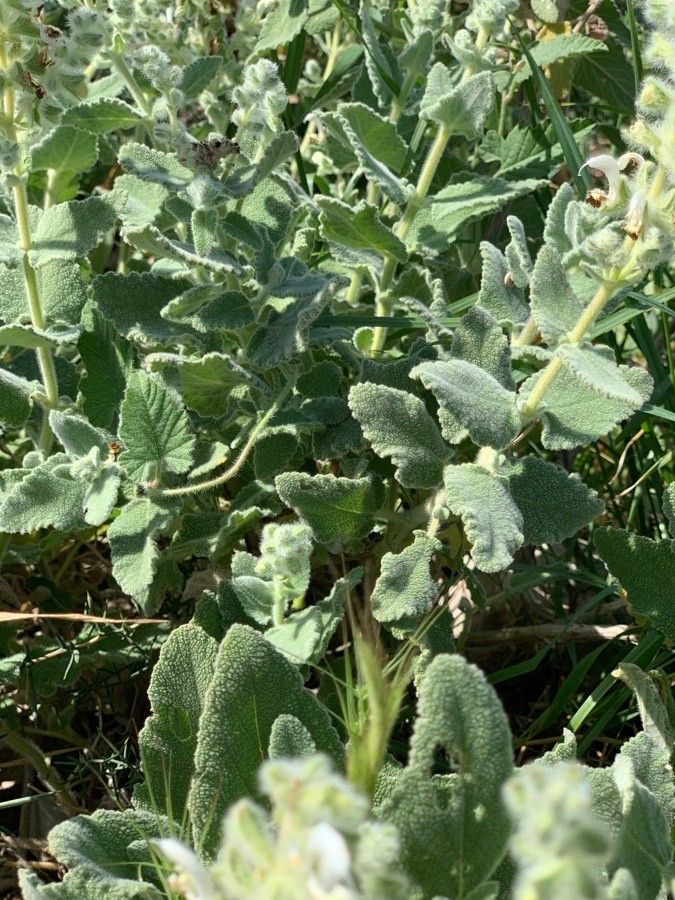
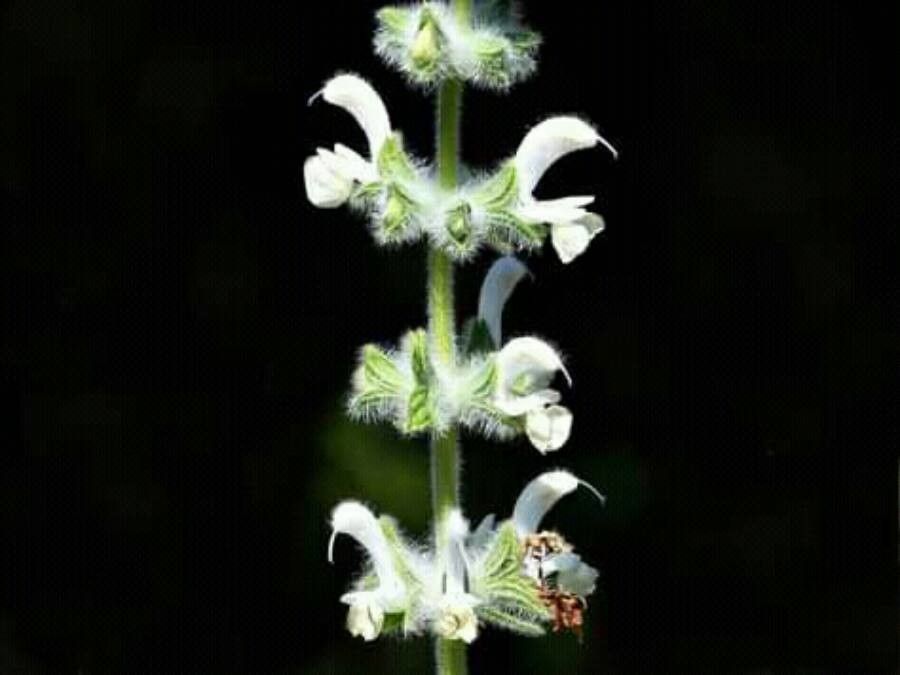
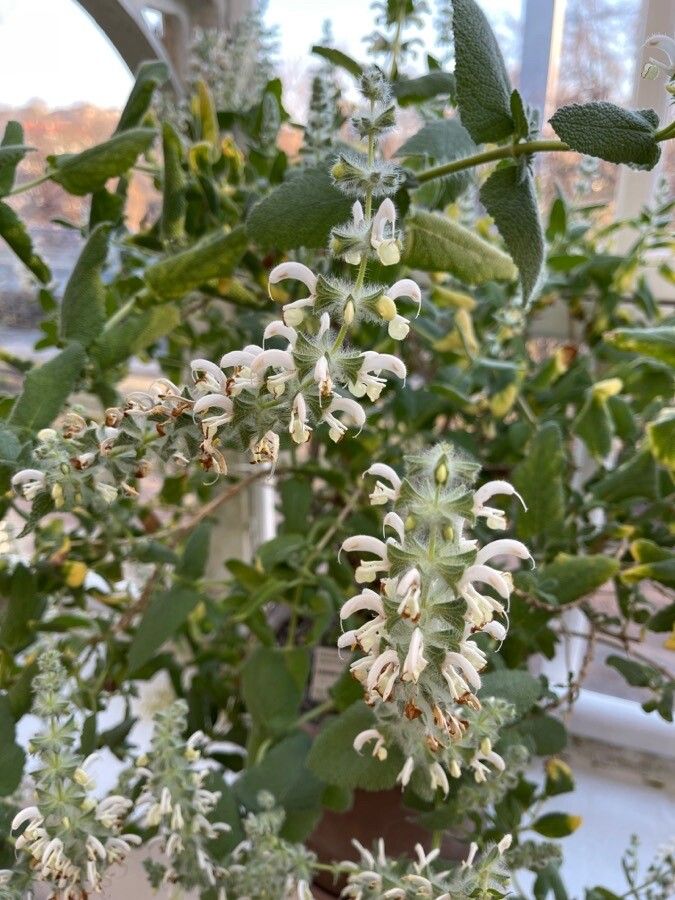
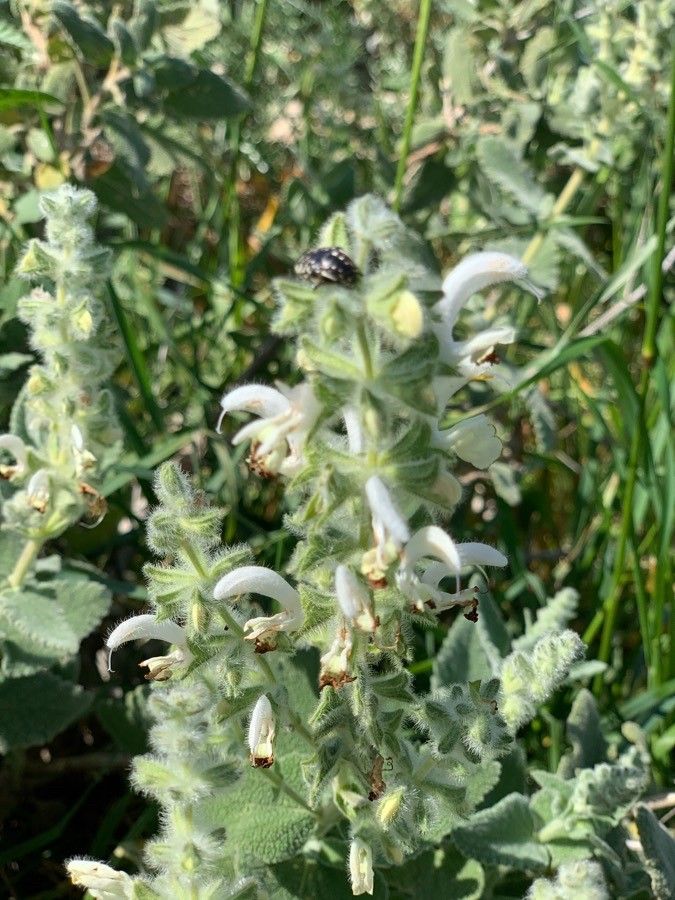
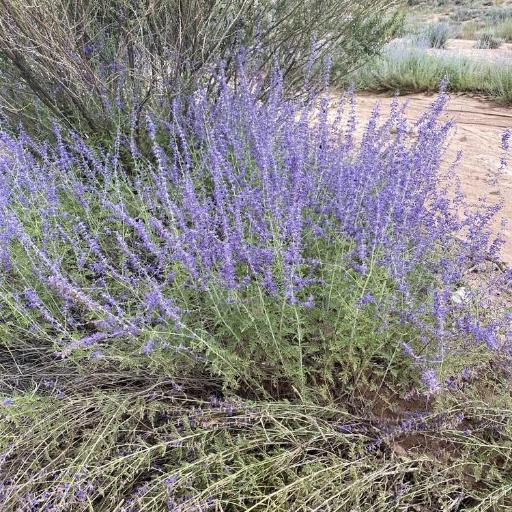
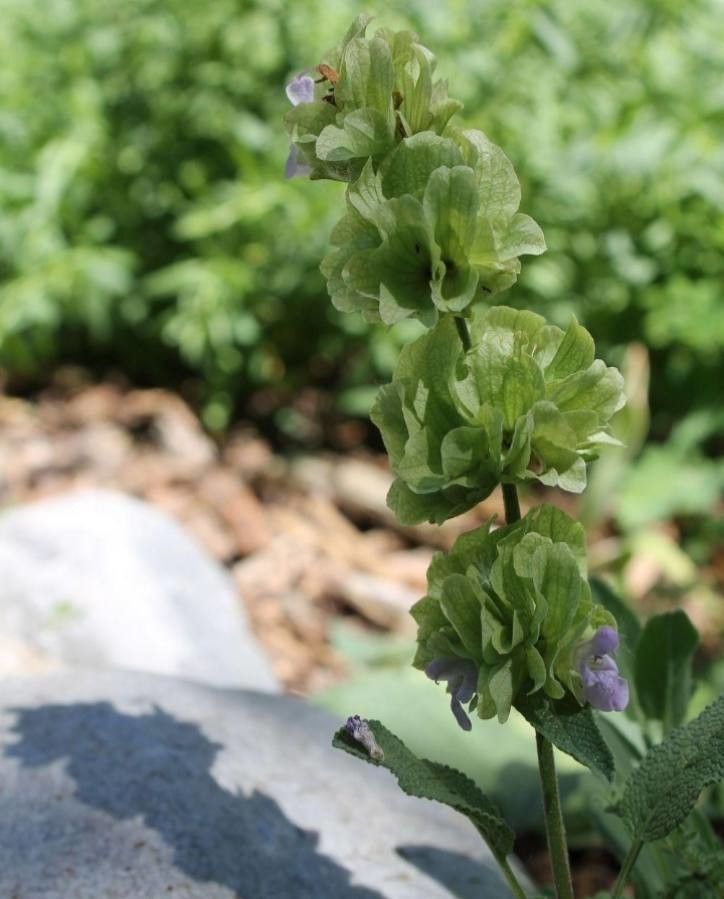
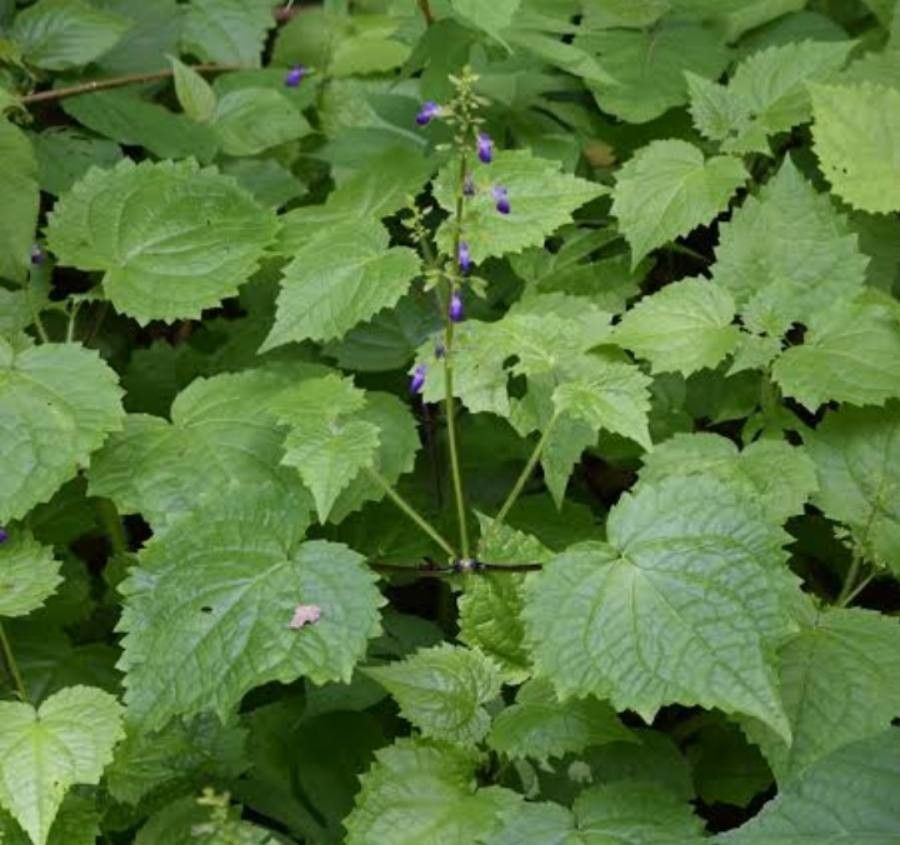
Reaching up to 1 meter in height, Salvia dominica features square stems and opposite leaves that are either ovate or lanceolate in shape. The leaves are dark green on the top and lighter underneath, with a slightly hairy texture. The plant produces tubular, two-lipped flowers that are pink or purple, blooming from late spring through summer.
Indigenous peoples of the Caribbean islands have traditionally used Salvia dominica for medicinal purposes, treating ailments such as fever, coughs, colds, and headaches.
Apart from its medicinal properties, Salvia dominica is also prized for its ornamental value, boasting attractive flowers that draw pollinators like bees and butterflies.
In summary, Salvia dominica is a fascinating plant that offers both medicinal benefits and aesthetic appeal, making it a valuable addition to gardens around the world.
Dominica sage is fairly disease-resistant and is usually not susceptible to illnesses. However, it can be vulnerable to pests and diseases present in its environment. Such infections are generally mild. Regarding care, this plant needs moderate maintenance. Regular pruning is necessary to preserve an attractive appearance and healthy growth. Fertilizing may also encourage flowering. Dominica sage is well suited for people with outdoor areas like a garden or patio and does not demand extensive care experience. When grown indoors, it may require more attention.
How to keep Salvia Dominica.
Light
Dominica sage is a sun-loving perennial herbaceous plant that originates from open habitats and commonly thrives in meadows and grasslands. It prefers full sun but can also tolerate partial sun conditions.
Water
Drought-resistant varieties of Dominica sage require minimal watering, mainly during periods of drought. On the other hand, tender varieties and young plants need regular watering. They should receive about 2.5 cm (1 inch) of water every 7 to 10 days to prevent the soil from drying out completely.
Temperature
Dominica sage adapts well to temperature, tolerating higher heat and wider temperature fluctuations. In hot weather, attention should be paid to watering and providing adequate shade to prevent sunburn. However, Dominica sage is not very tolerant of low temperatures; although it can endure some cold, very cold conditions may cause frost damage.
Fertilizer
Typically one spring application of fertilizer is enough for Dominica sage, although multiple feedings can boost growth. Apply every 1 to 1.5 months. Fertilizing improves leaf appearance and function, helping maintain uniform color and a healthy texture. It also encourages root development and nutrient uptake for long-term plant health.
Pruning
Prune Dominica sage in early spring to remove dead branches and shape the plant. This will improve air circulation and encourage blooming. Make sure to make clean cuts just above leaf nodes for the best healing. Regular pruning helps maintain a compact structure, promotes vigorous growth, and extends the flowering period.
Botanical profile.
- Plant Type
- Herb
- Life Cycle
- Perennial
- Genus
- Salvia
- Family
- Lamiaceae
- Hardiness Zone
- 9-11
- Mature Height
- 61 cm to 91 cm
- Mature Spread
- 49 cm to 76 cm
- Leaf Color
- Dark Green
- Leaf Type
- Evergreen
- Flower Color
- Lavender, White
- Flower Size
- 1.02 cm to 1.52 cm
- Bloom Time
- Late spring, Early summer, Mid summer
- Planting Time
- Autumn, Winter
- Harvest Time
- Mid summer, Late summer, Early fall
- Native Area
- Cyprus, Egypt, Syria
Other names.