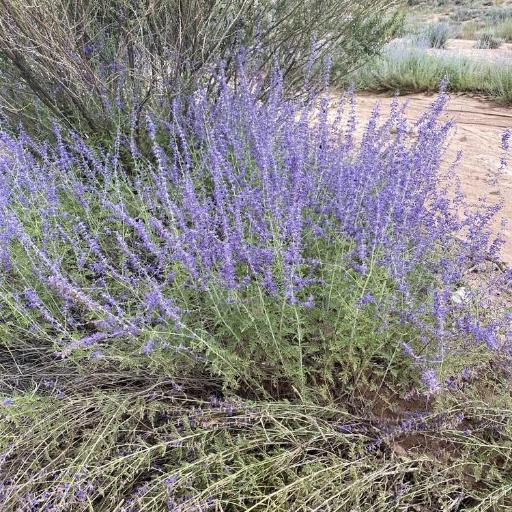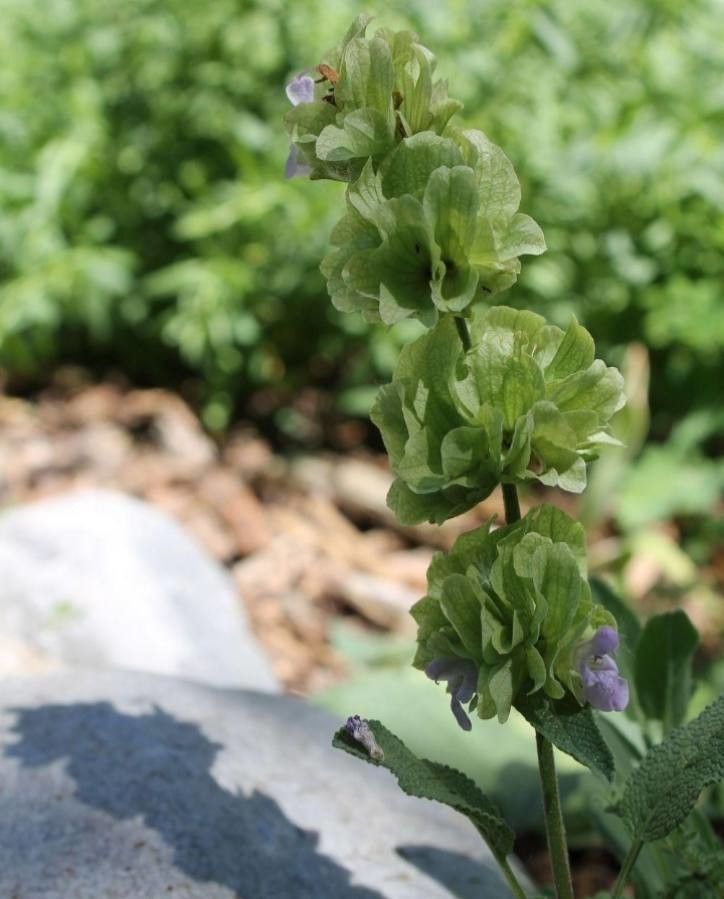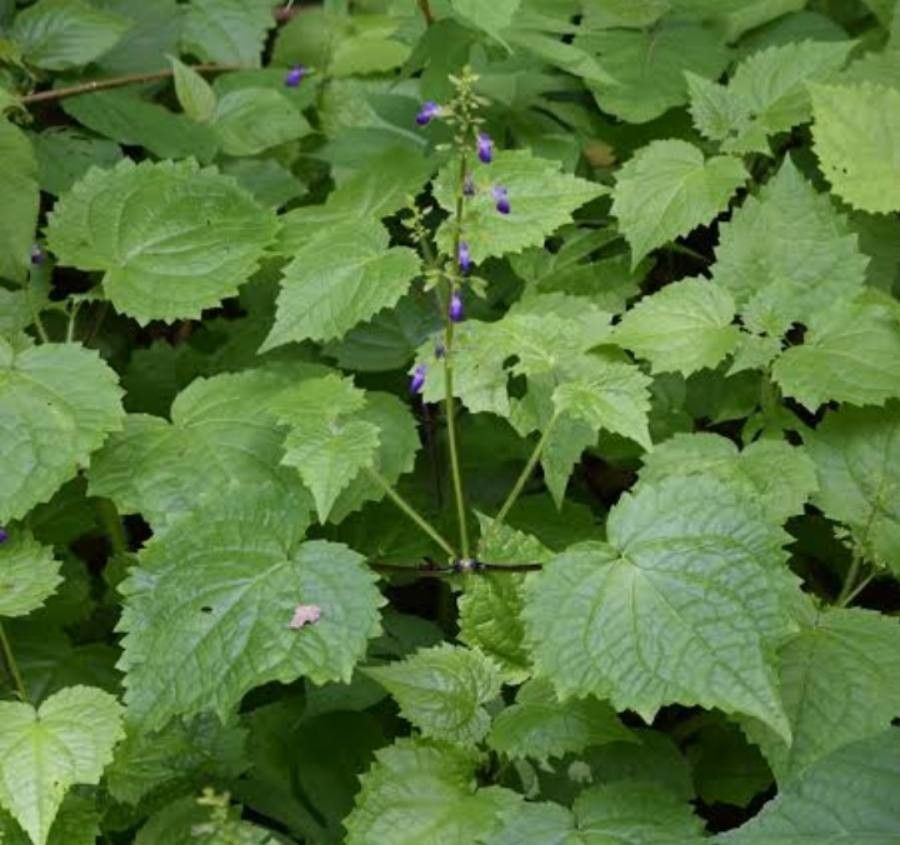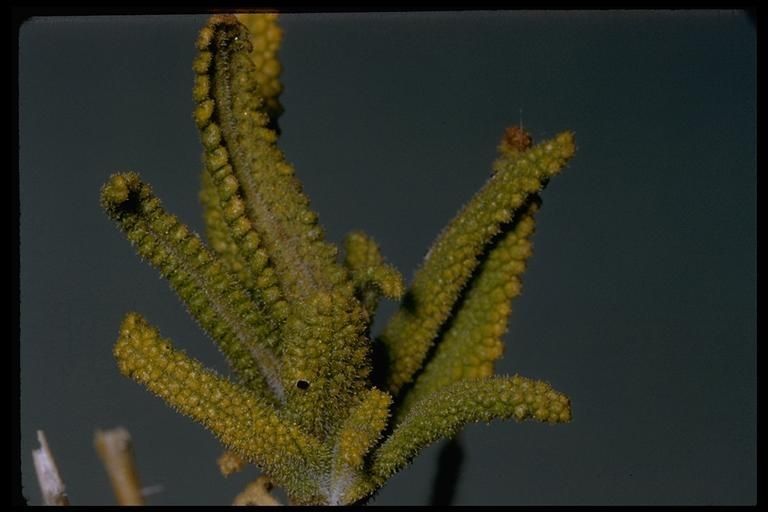
Salvia eremostachya, commonly known as desert sage, is a perennial herbaceous plant in the Lamiaceae family. Native to the southwestern United States and northern Mexico, it thrives in arid regions such as deserts, rocky slopes, and canyons.
This plant features a woody base with numerous stems that can grow up to 3 feet tall. The gray-green leaves have a velvety texture and are arranged oppositely on the stems. Blooming from late spring through early summer, the tubular-shaped flowers of Salvia eremostachya have two lips and come in shades of lavender or purple.
For centuries, Native American tribes have utilized desert sage for medicinal purposes, including treating respiratory ailments, reducing fever, and relieving pain. Today, herbalists continue to value it for its anti-inflammatory properties.
Salvia eremostachya thrives in well-draining soil and requires full sun exposure. Although drought-tolerant once established, it benefits from occasional watering during prolonged dry spells. This hardy plant attracts pollinators such as bees and butterflies while its strong scent repels deer.
Overall, Salvia eremostachya is an attractive addition to any garden or landscape due to its unique appearance and medicinal benefits.