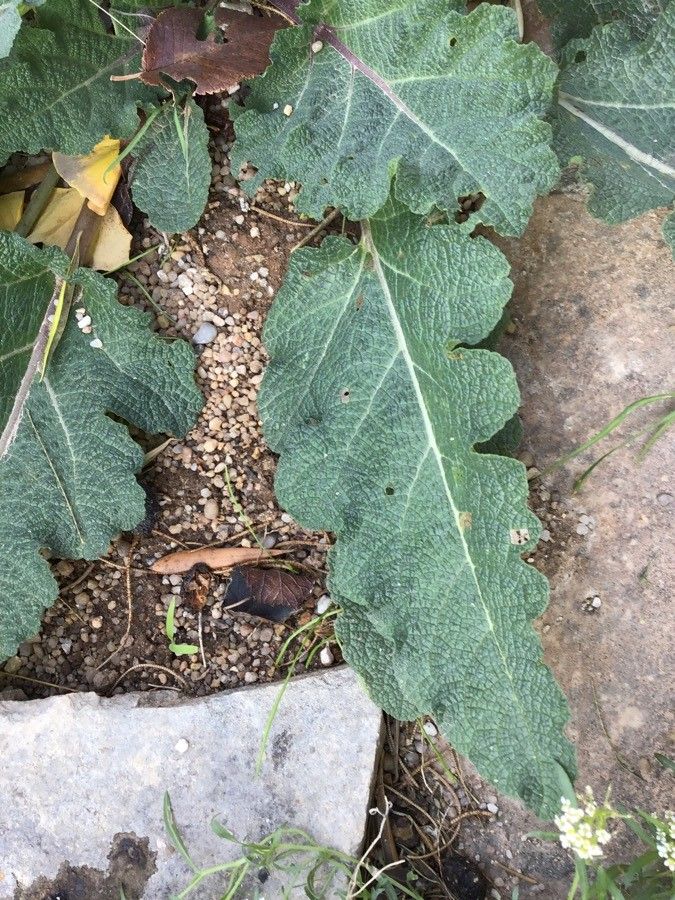
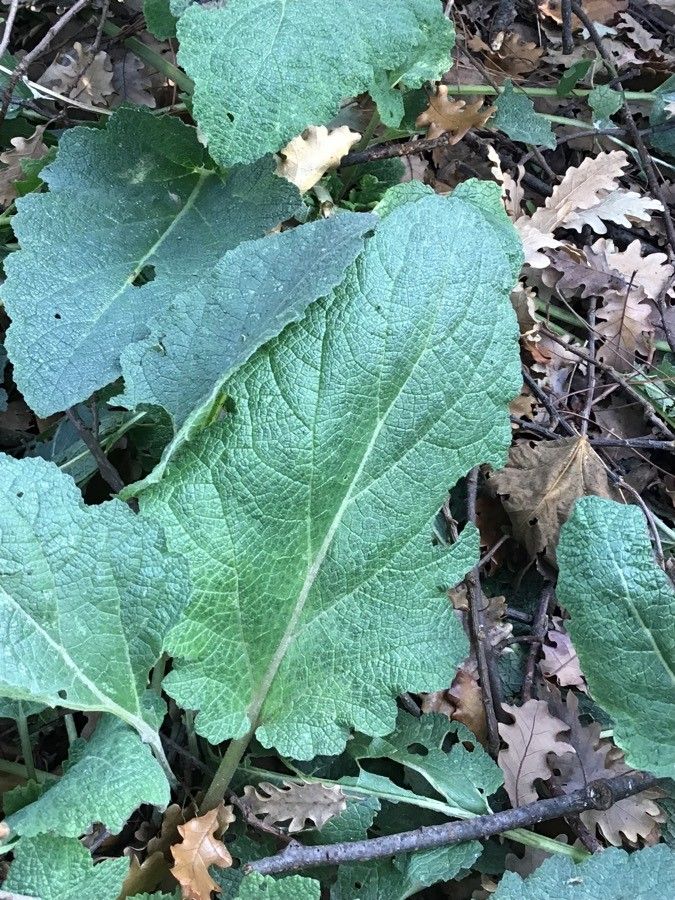
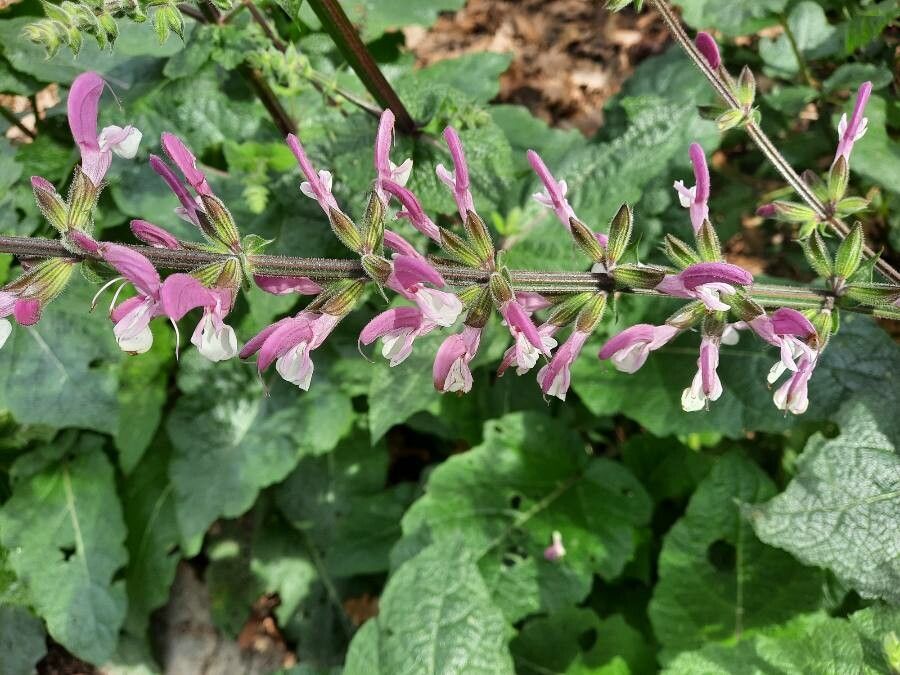
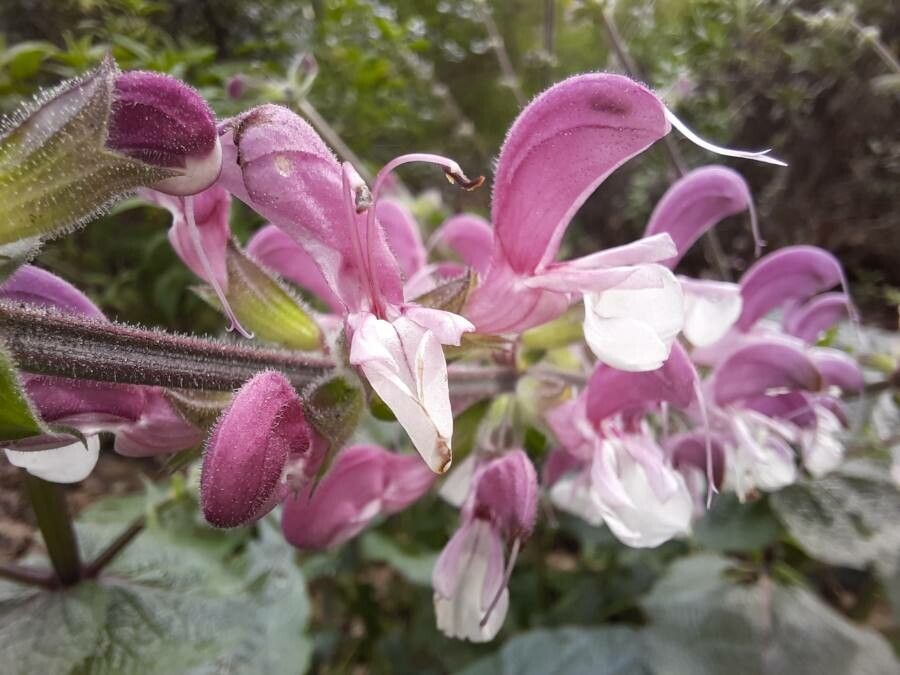
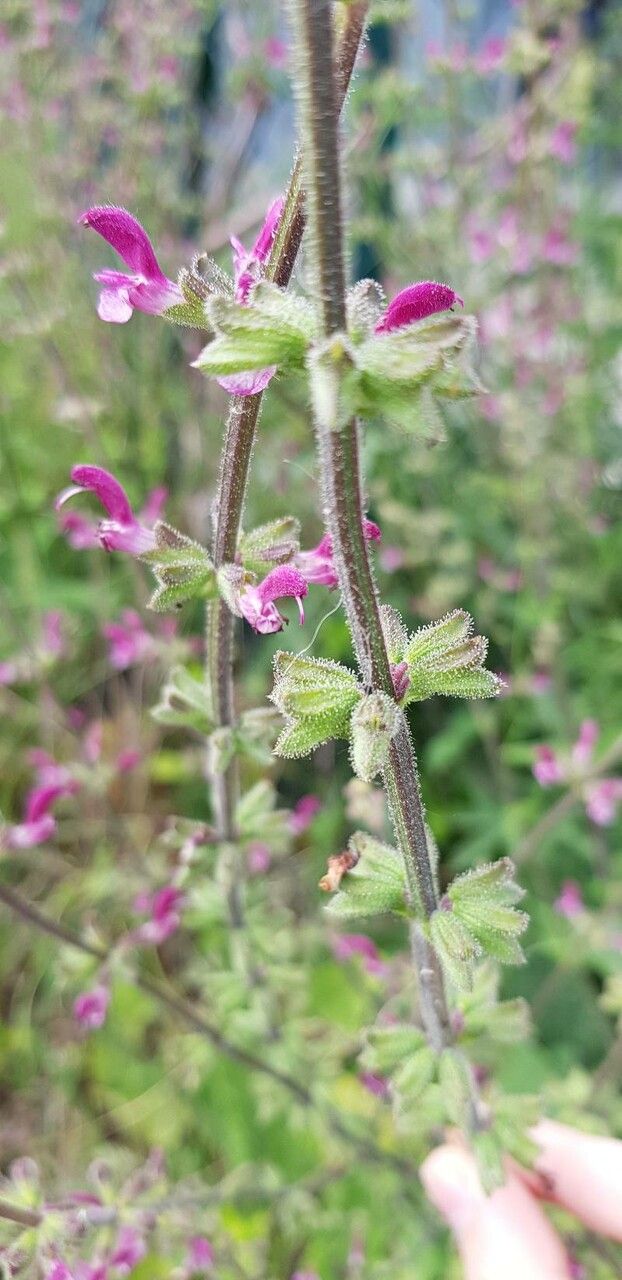
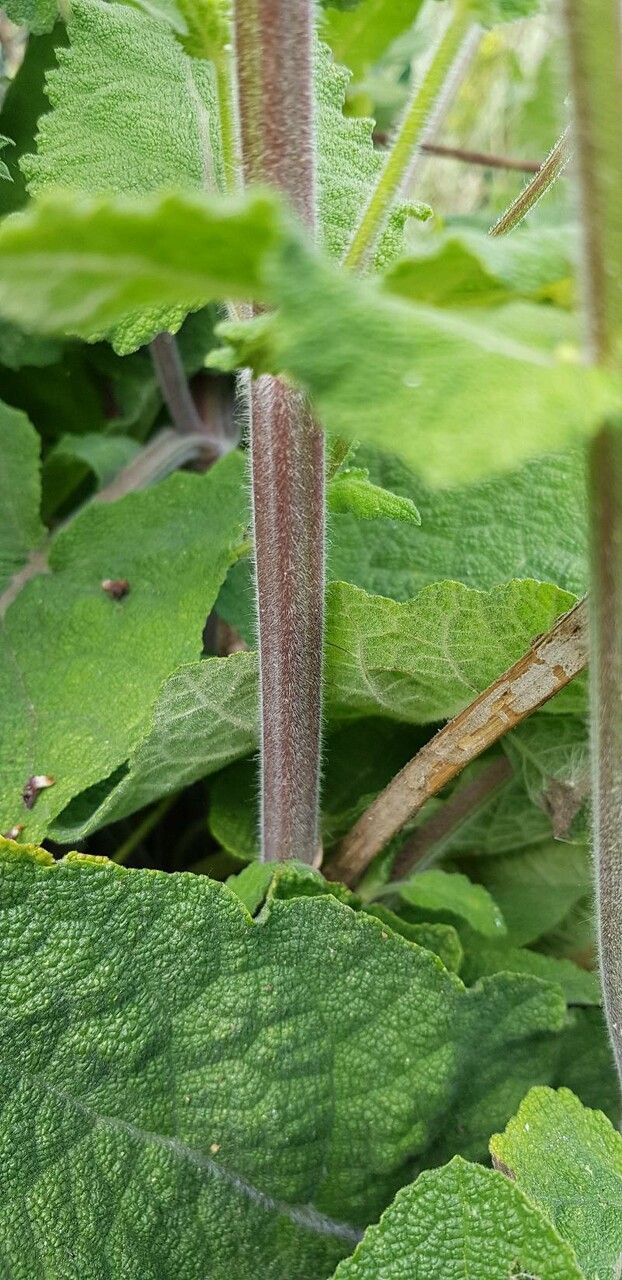
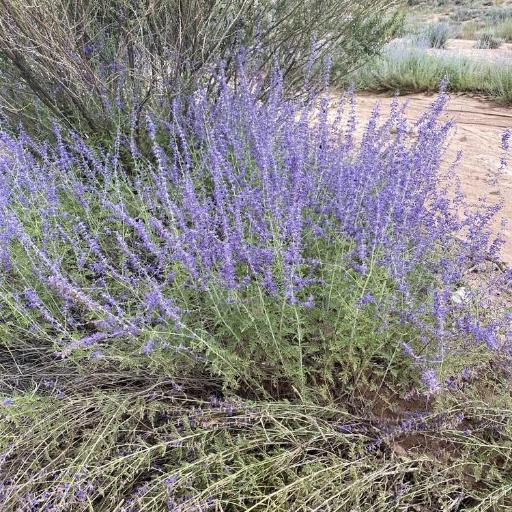
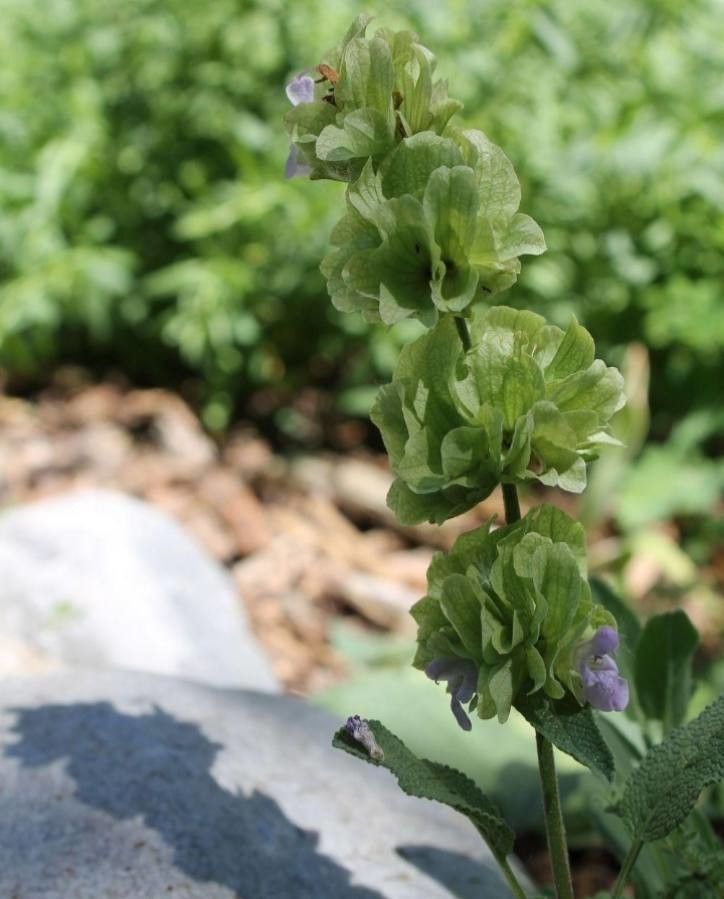
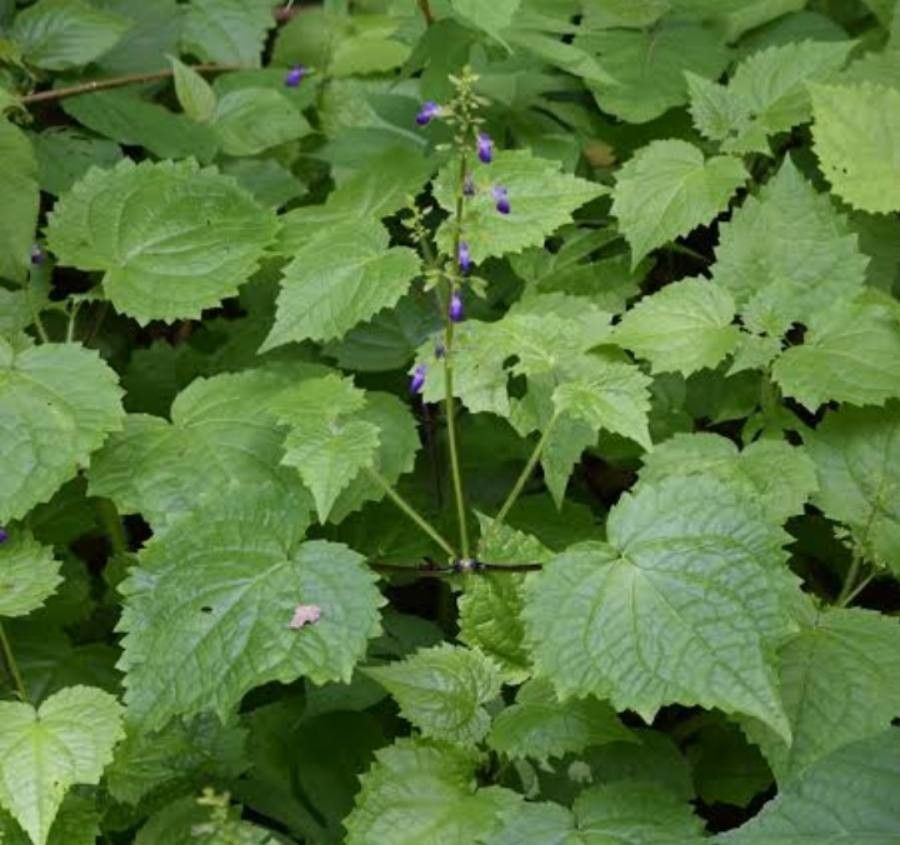
Salvia hierosolymitana, commonly known as Jerusalem sage, is a perennial herbaceous plant in the Lamiaceae family. Native to the Middle East, specifically Israel, Jordan, and Syria, it can grow up to 1 meter in height. The plant features gray-green leaves covered in fine hairs and small flowers that are white or pale pink, arranged in whorls on spikes emerging from the stem.
Historically, Salvia hierosolymitana has been valued for its medicinal purposes, particularly for its anti-inflammatory properties. Additionally, its aromatic leaves, which have a slightly bitter taste, have been used as a culinary herb.
This plant thrives in well-drained soil with full sun exposure but can also tolerate partial shade. During the growing season, it requires moderate watering; however, once established, it can withstand drought conditions.
In recent years, Salvia hierosolymitana has gained popularity among gardeners due to its attractive foliage and flowers, which are known to attract pollinators such as bees and butterflies.
Overall, Salvia hierosolymitana is an intriguing plant that offers both medicinal benefits and ornamental appeal, making it an excellent addition to any garden or landscape design project.
Botanical profile.
Other names.