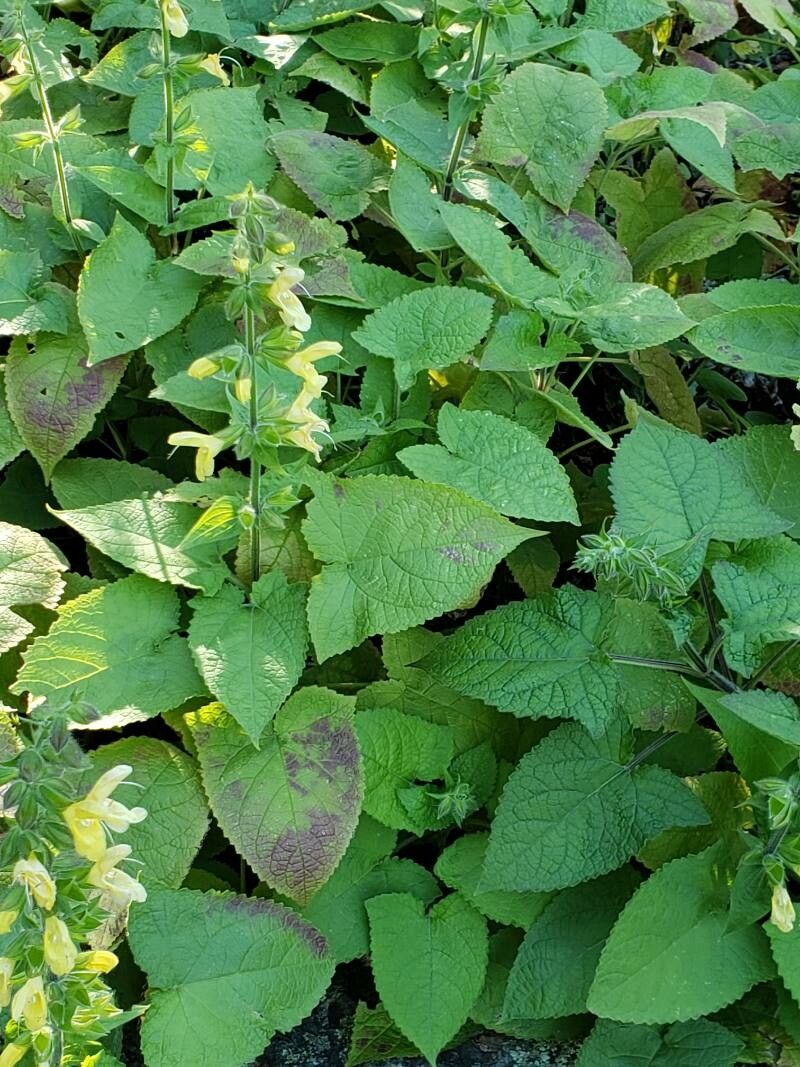
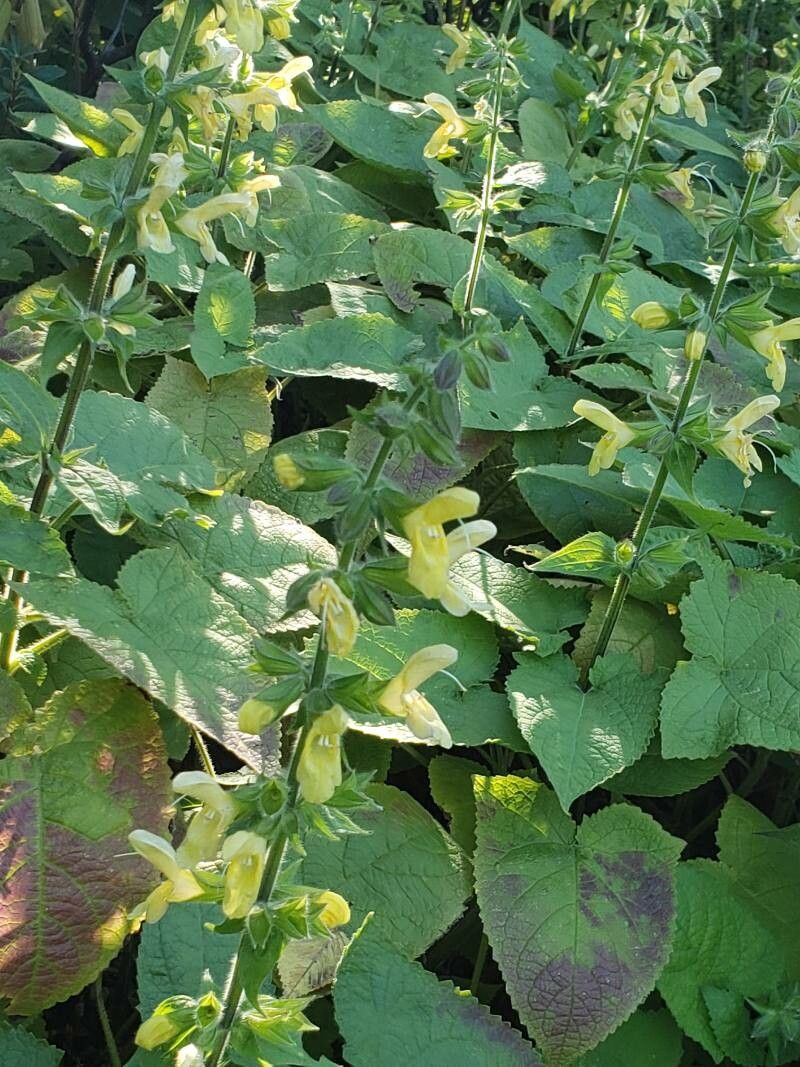
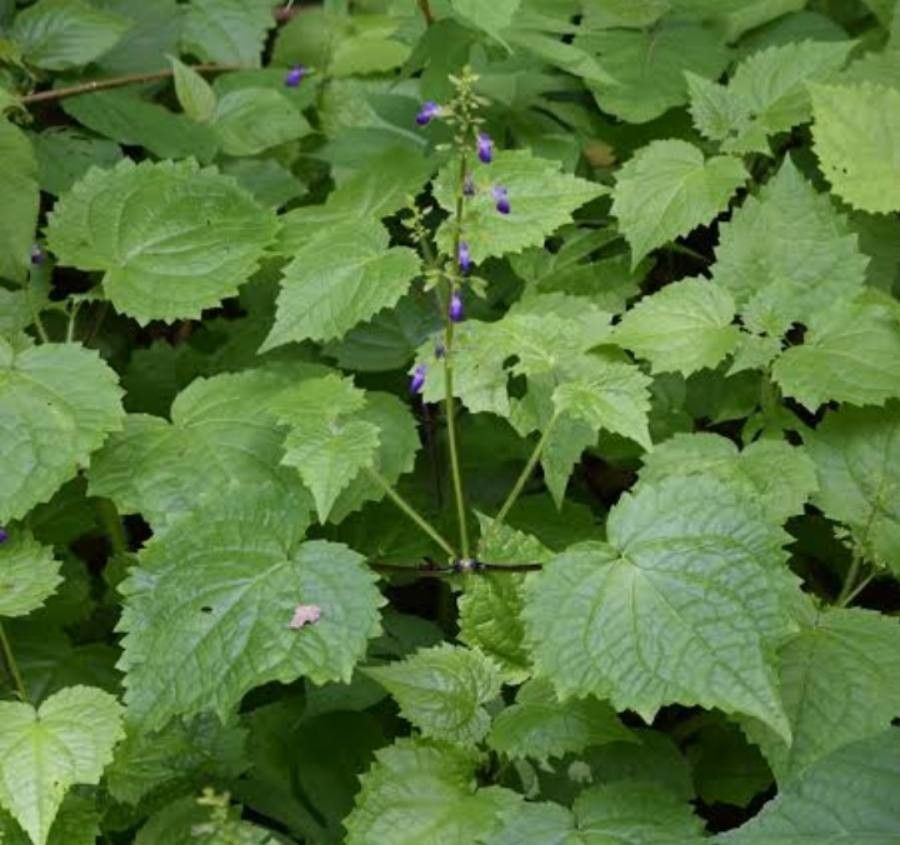
Salvia koyamae (Shinano-akigiri) is a species of flowering plant in the Lamiaceae family. It is a perennial rarely found in the wild and native to the Japanese island of Honshu, where it has a close affinity to two other salvia species: Salvia glabrescens and Salvia nipponica. It was named by Tomitaro Makino, considered the "father of Japanese botany".
Japanese yellow sage has strong resistance to disease and is typically not prone to illnesses. In terms of care, this plant is fairly low-maintenance. Planted outdoors, it needs only minimal watering, and larger specimens generally do not require pruning. Smaller plants, however, should be pruned after they have bloomed. Japanese yellow saget is suitable for anyone with an outdoor area, such as a garden or deck, and does not demand much care experience.
How to keep Salvia Koyamae.
Water
Drought-resistant varieties of Japanese yellow sage require minimal watering, needed only during periods of drought. In contrast, tender varieties and young plants need regular watering, approximately 2.5 cm (1 inch) every 7 to 10 days, to prevent the soil from completely drying out.
Pruning
Japanese yellow sage flourishes in shady areas, displaying vibrant yellow flowers and lush foliage. To encourage growth and prevent leggy stems, prune in early spring. Regular pruning helps improve air circulation, lowers the risk of disease, and promotes vigorous blooming. Always use clean, sharp tools to ensure effective and healthy cuts.
Botanical profile.