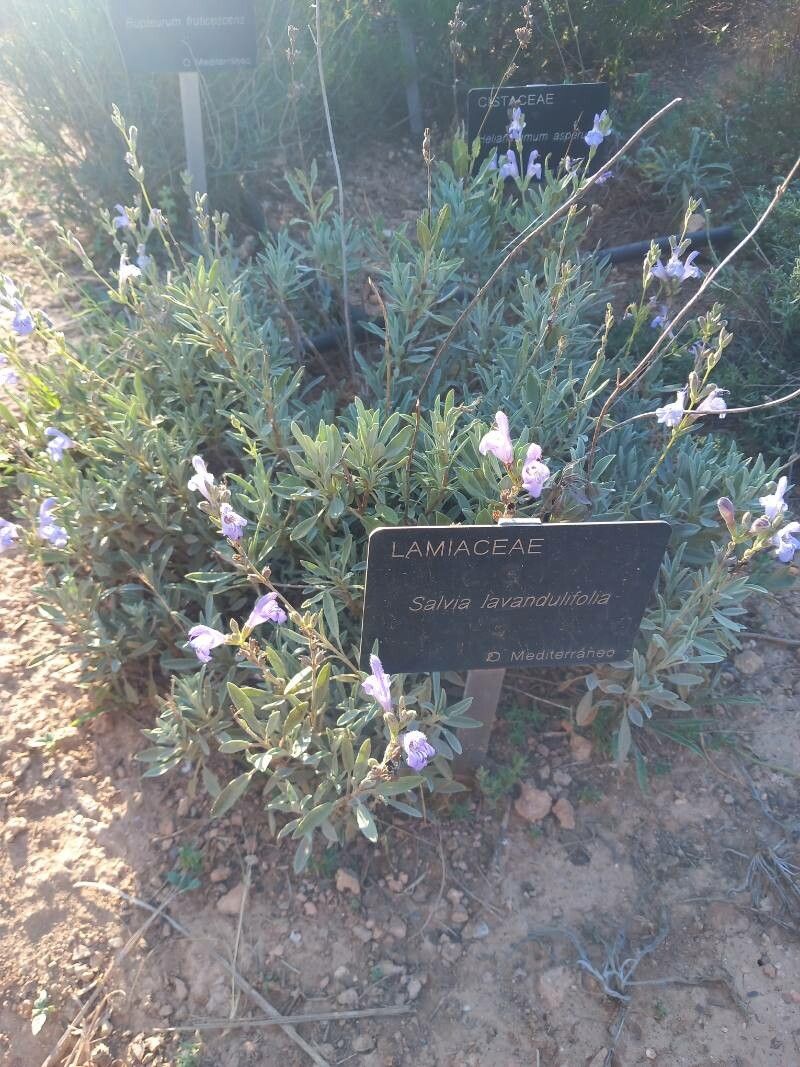
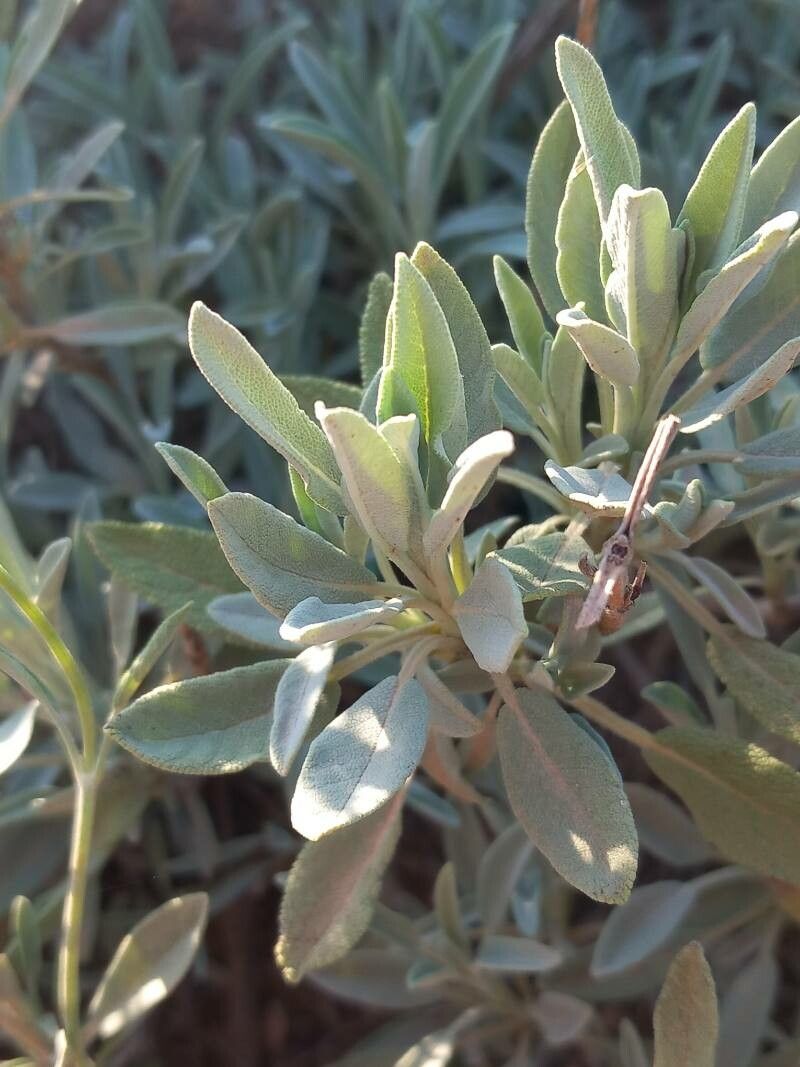
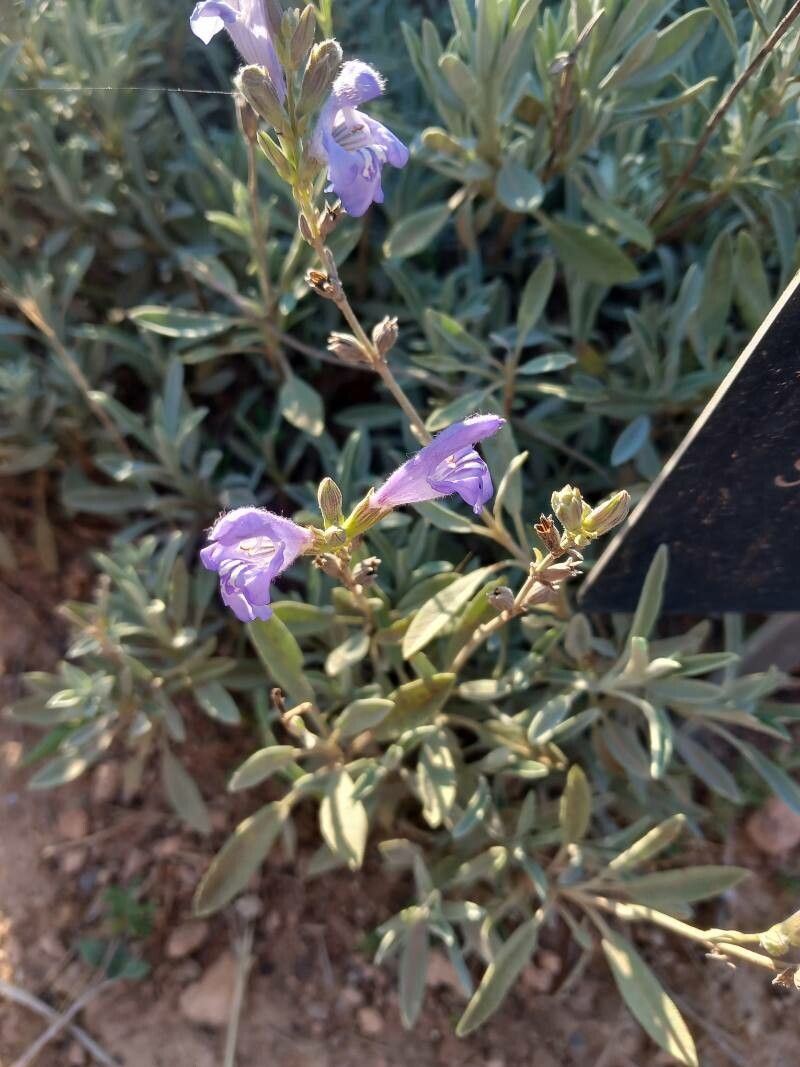
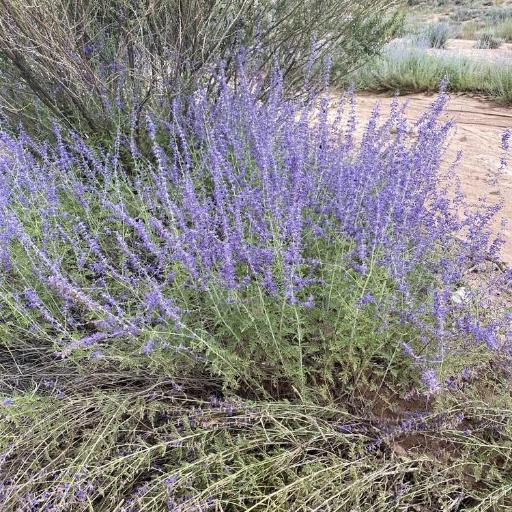
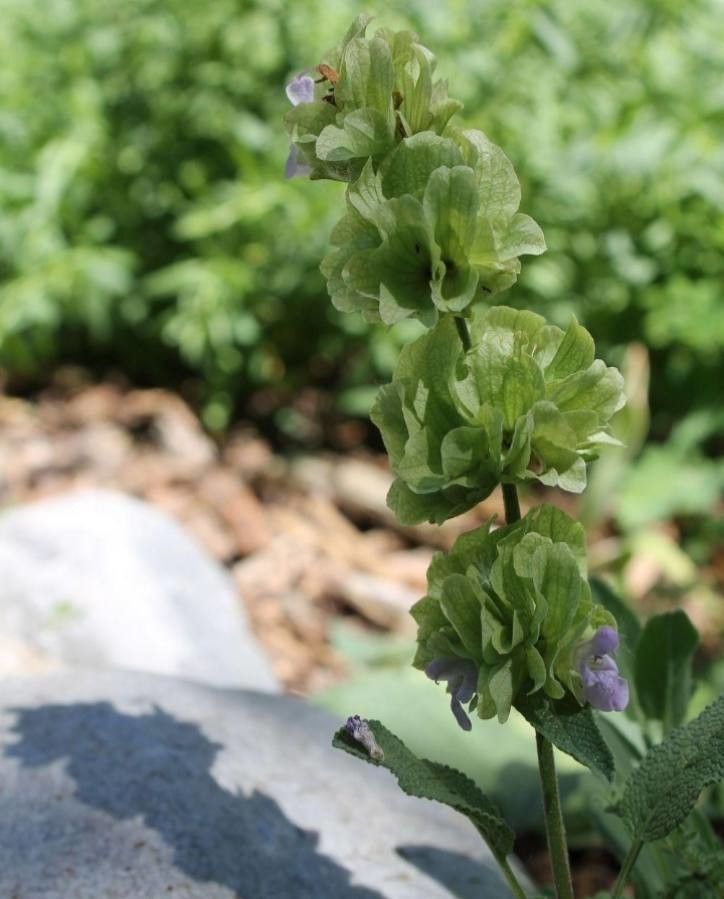
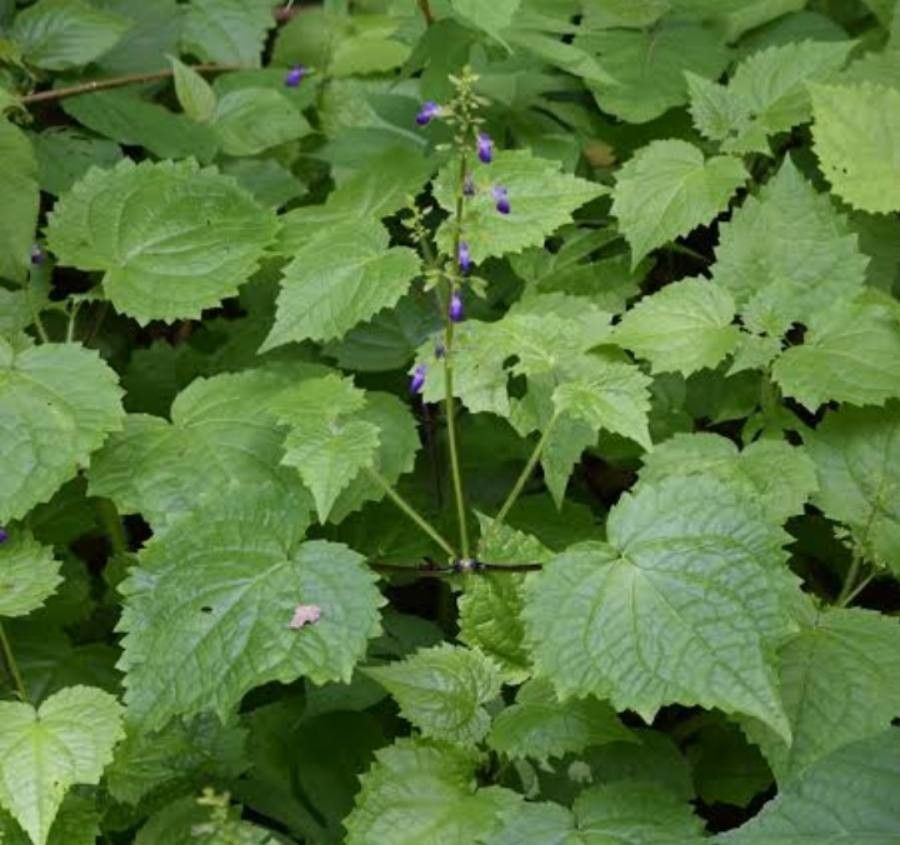
Salvia lavanduloides, the lavender leaf sage, is a species of flowering plant in the family Lamiaceae, native to Mexico, Guatemala, Honduras, and Costa Rica. Found in montane forests, it is fire-adapted.
Salvia lavanduloides has strong resistance to diseases and is generally not vulnerable to illnesses. However, it can be affected by pests and diseases that exist in its surroundings. These problems are typically not serious. Regarding maintenance, this plant needs a moderate level of care. It should be pruned regularly to preserve a neat appearance and support healthy growth. Applying fertilizer can also help encourage flowering. Salvia lavanduloides is appropriate for anyone with outdoor space, such as a garden or patio, and does not demand extensive care experience. It may need more attention when cultivated indoors.
How to keep Salvia Lavanduloides.
Light
Salvia lavanduloides is a sun-loving perennial herbaceous plant that originates from open habitats, often thriving in meadows and grasslands. It prefers full sun but can also tolerate partial sun.
Water
Salvia lavanduloides flourishes in dry environments due to its strong drought tolerance. While under cultivation, it only needs watering once a week. This plant has a robust root system that effectively taps into deep soil moisture. In extended periods of drought, Salvia lavanduloides conserves its resources by going dormant, a strategy that suits the infrequent rainfall patterns of its native habitat.
Temperature
Salvia lavanduloides is quite adaptable to temperature and can withstand high heat and large fluctuations in temperature. In hot weather, you should pay attention to watering and provide adequate shade to avoid sunburn. Conversely, Salvia lavanduloides has relatively low cold tolerance. While it can endure some cold, very low temperatures may cause frost damage.
Fertilizer
The best time to fertilize Salvia lavanduloides is in early spring, when it is coming out of dormancy and beginning active growth. Fertilization supplies essential nutrients for healthy development. Although Salvia lavanduloides has relatively low fertilizer requirements, applying fertilizer once a year can improve its survival and encourage better, longer-lasting flowers.
Pruning
Pruning Salvia lavanduloides in early spring encourages healthy growth and abundant blooms. Start by removing any dead stems and thinning out crowded areas to improve air circulation. Regular pruning also helps maintain the plant's shape and vitality, keeping it attractive throughout the growing season. For the best techniques, consult horticultural guides.
Botanical profile.
- Plant Type
- Herb
- Life Cycle
- Perennial
- Genus
- Salvia
- Family
- Lamiaceae
- Hardiness Zone
- 8-11
- Mature Height
- 61 cm to 91 cm
- Mature Spread
- 40 cm to 61 cm
- Leaf Color
- Green, Gray
- Leaf Type
- Deciduous
- Flower Color
- Lavender
- Flower Size
- 1.02 cm to 1.52 cm
- Bloom Time
- Summer, Fall
- Planting Time
- Spring, Summer, Autumn
- Harvest Time
- Late summer, Fall, Early winter
- Native Area
- Honduras, Mexico, Guatemala, Costa Rica