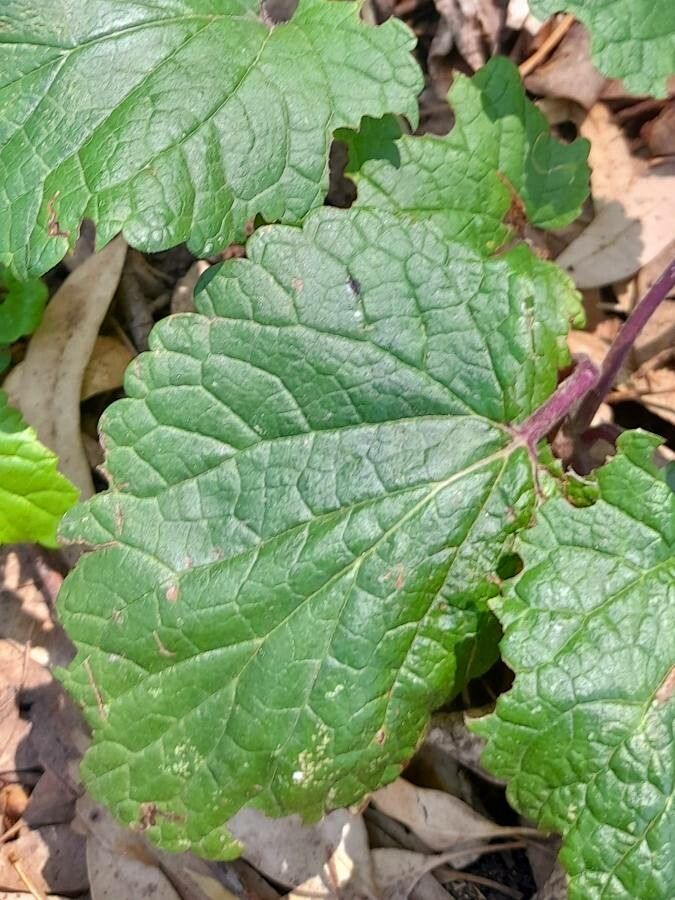
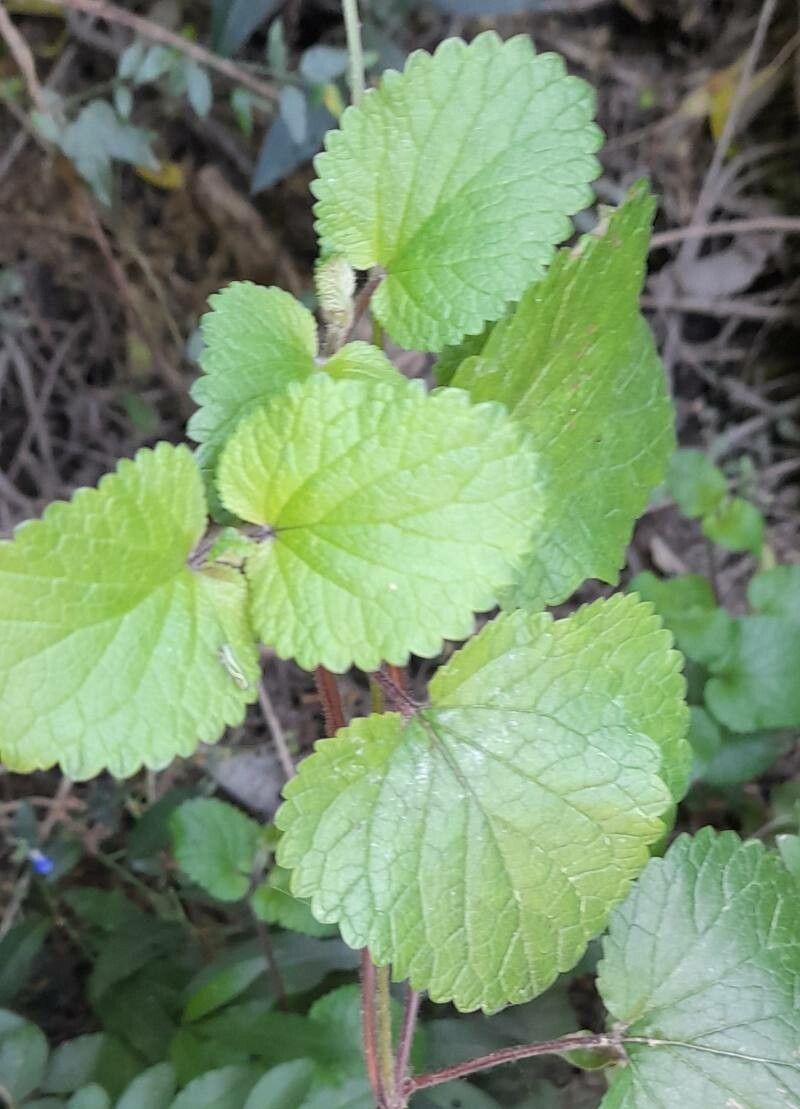
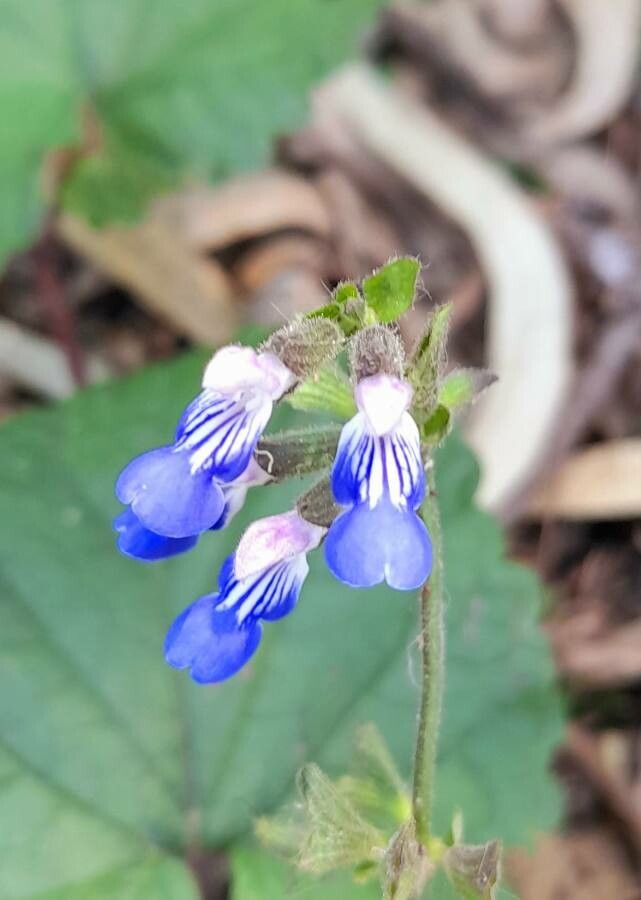
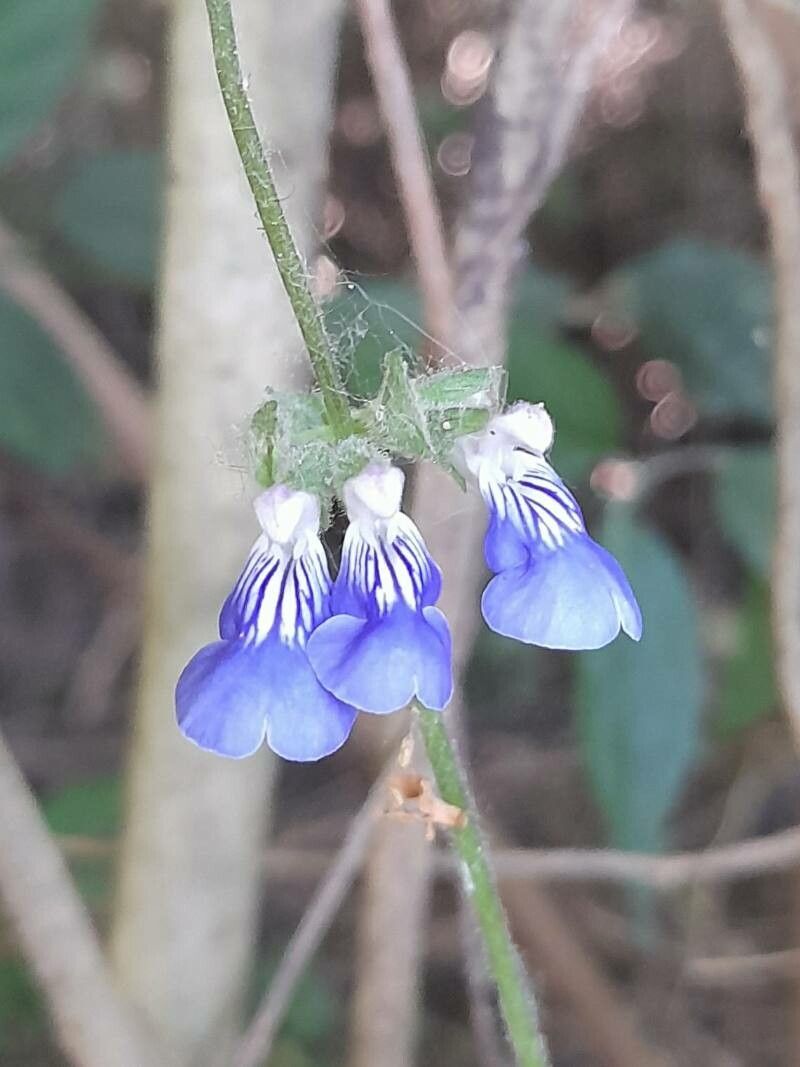
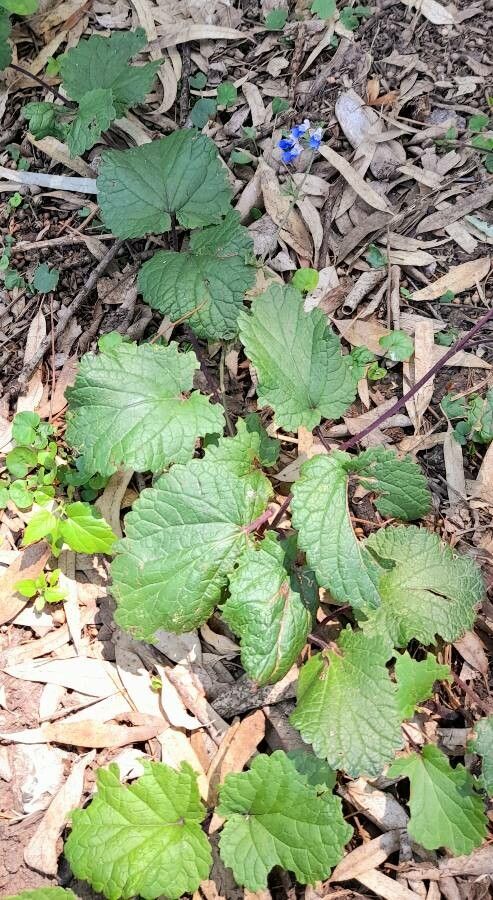
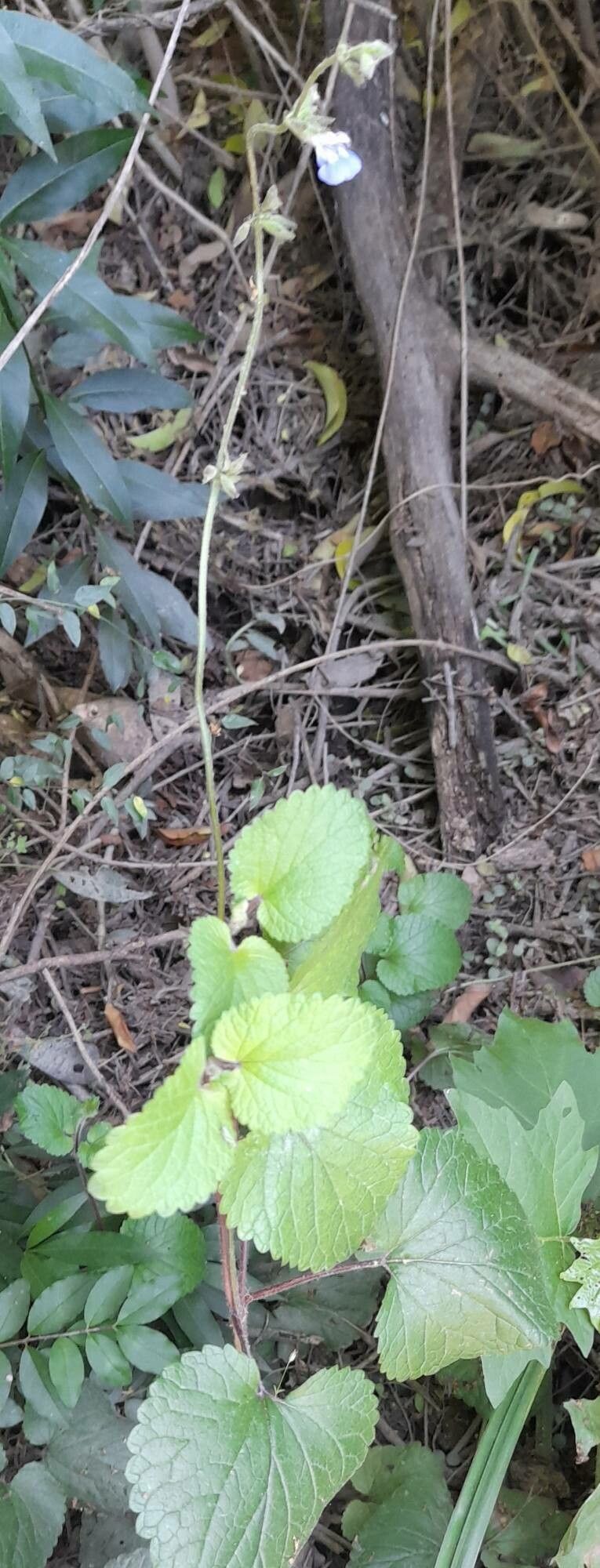
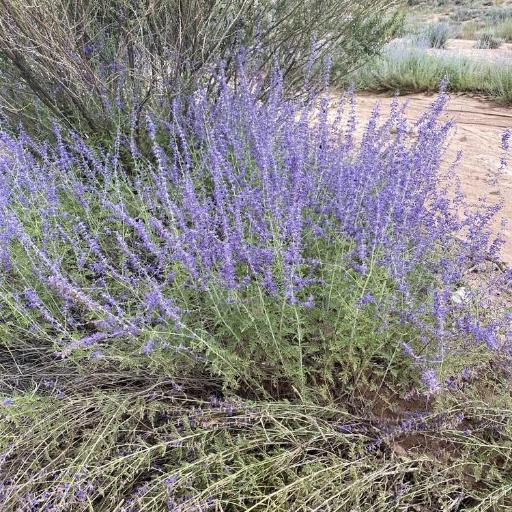
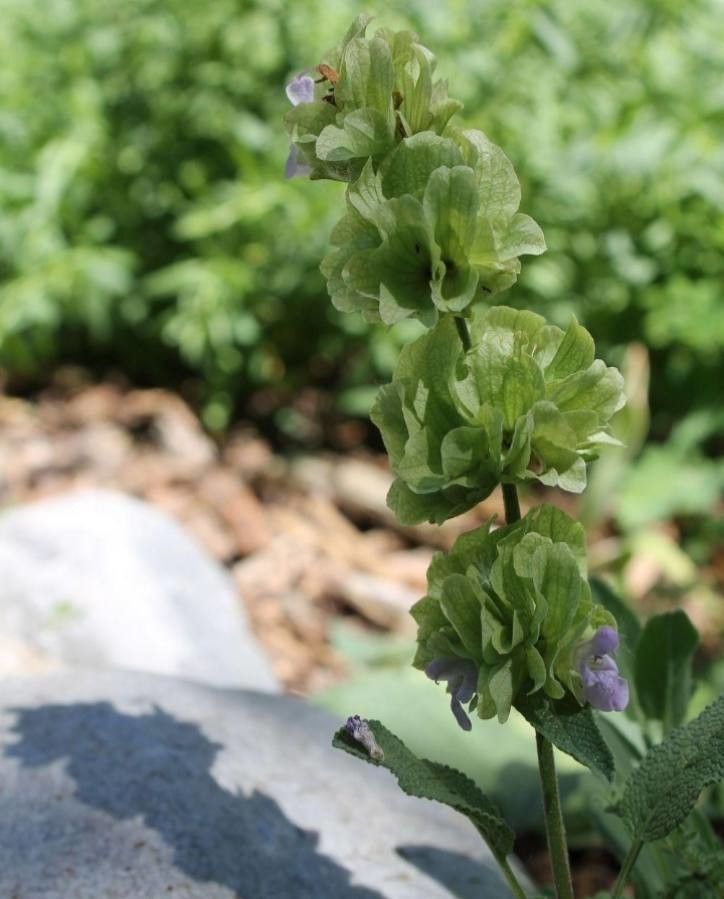
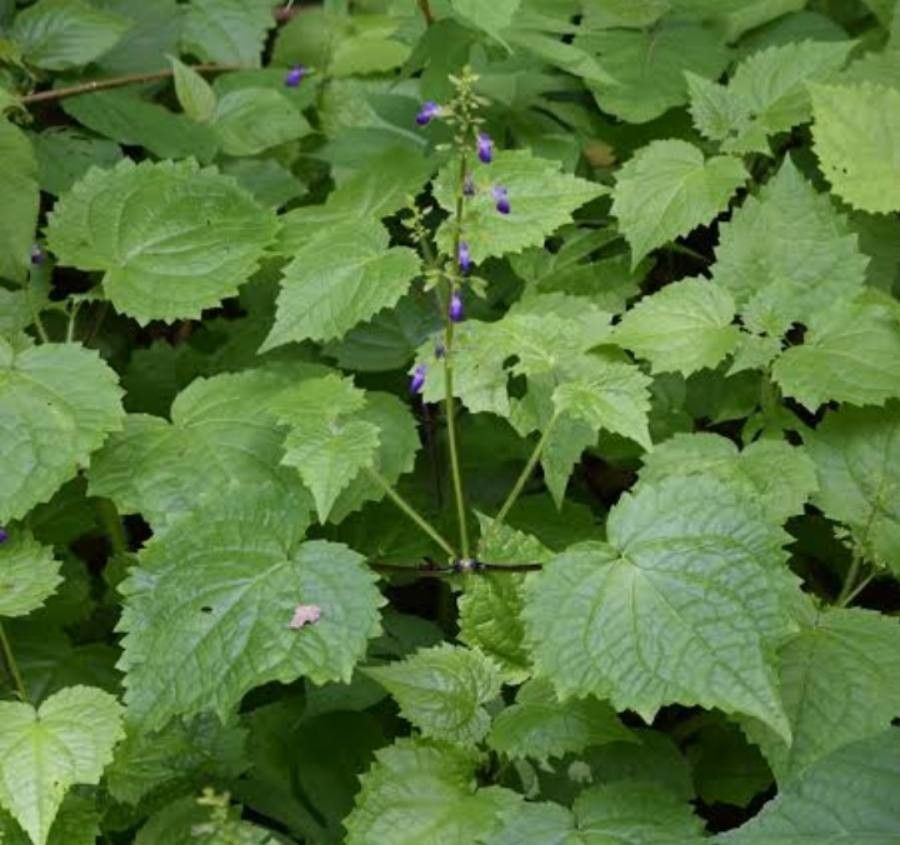
Salvia procurrens is fairly disease-resistant and generally does not tend to get sick. However, it can be vulnerable to pests and diseases present in its surroundings. These issues are typically minor. In terms of care, this plant needs moderate upkeep. Regular pruning is required to keep a neat appearance and support healthy growth. Fertilizing can also help encourage flowering. Salvia procurrens is suitable for anyone with outdoor space, such as a garden or patio, and does not demand extensive gardening experience. It may need more attention when grown indoors.
How to keep Salvia Procurrens.
Light
Salvia procurrens is native to habitats like forest understories and rocky terrain, where it grows in natural shade. It prefers partial sun but can tolerate both full sun and full shade, illustrating its versatile, hardy nature.
Water
Drought-resistant varieties of Salvia procurrens require minimal watering, mainly during periods of drought. On the other hand, tender varieties and young plants need regular watering, about 2.5 cm (1 inch) every 7 to 10 days, to keep their soil from drying out completely.
Temperature
Salvia procurrens can adjust to a wide variety of temperature conditions, but its range may still be restricted by different combinations of moisture and heat. It grows best in warm summer climates with sufficient rainfall or watering. Long stretches of cloudy, rainy weather, as well as prolonged high temperatures, can raise the likelihood of Salvia procurrens dying. In winter, adequate protection from cold can enhance the plant's survival rate.
Fertilizer
For Salvia procurrens, the primary time to fertilize is in early spring when the flowers are forming. Using an appropriate fertilizer promotes better blooms and helps Salvia procurrens produce attractive flowers. Fertilizing in early spring ensures excellent flowers during the season and provides energy for dormant growth phases.
Pruning
Salvia procurrens benefits greatly from strategic pruning in early spring to improve its shape and vigor. For best results, focus on removing dead stems to encourage bushier growth and prevent the plant from becoming leggy. Make sure the plant has good air circulation and light by using sharp, sterilized tools to avoid spreading disease. After pruning, provide appropriate care and watering to support healthy growth.
Botanical profile.
- Plant Type
- Herb
- Life Cycle
- Perennial
- Genus
- Salvia
- Family
- Lamiaceae
- Hardiness Zone
- 7-10
- Mature Height
- 10 cm to 20 cm
- Mature Spread
- 30 cm to 61 cm
- Leaf Color
- Green, Dark Green
- Leaf Type
- Deciduous
- Flower Color
- Blue, Lavender
- Flower Size
- 1.02 cm to 1.52 cm
- Bloom Time
- Summer, Early fall, Mid fall
- Planting Time
- Spring, Summer, Autumn
- Harvest Time
- Late summer, Fall, Early winter
Other names.