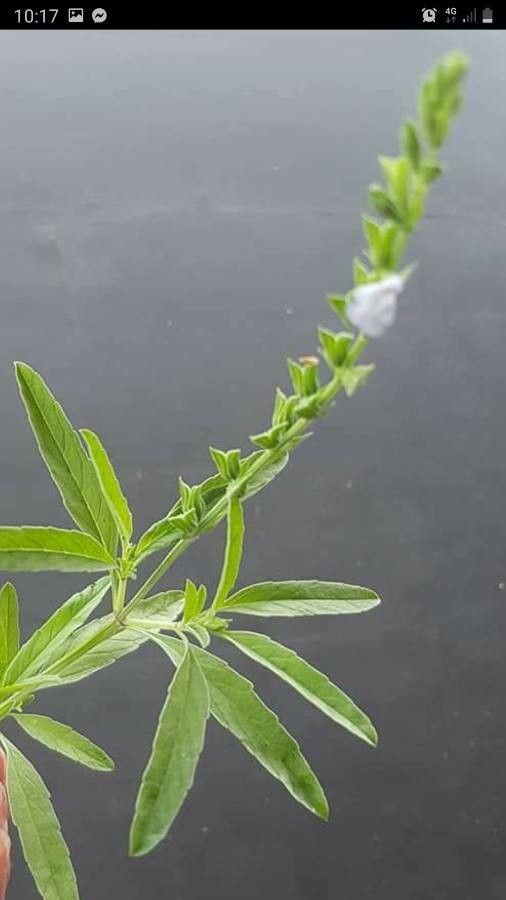
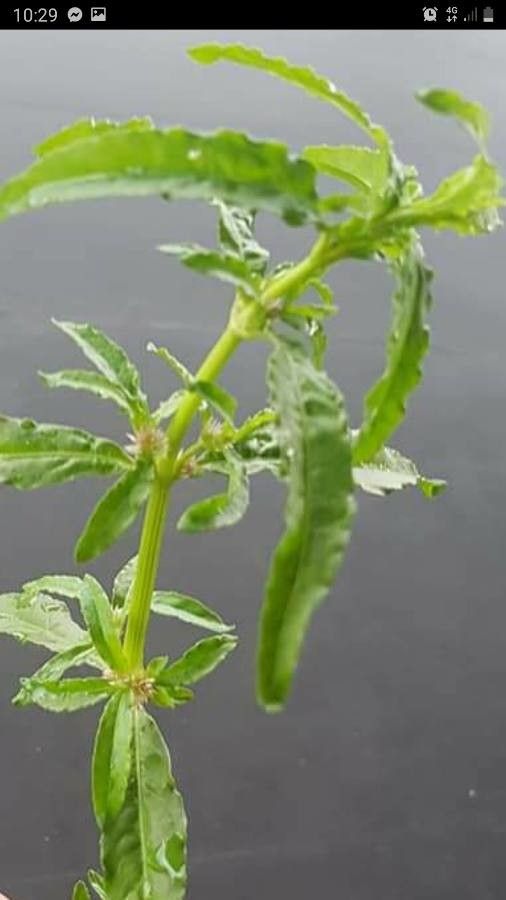
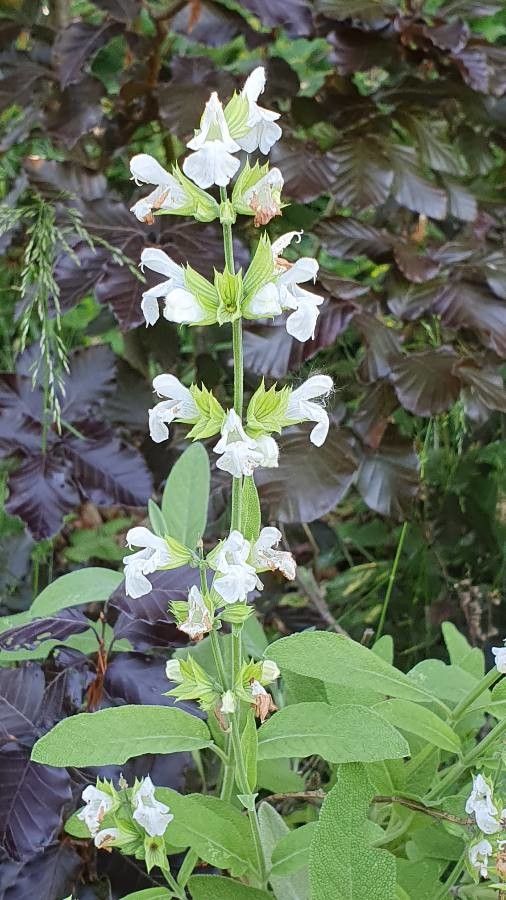
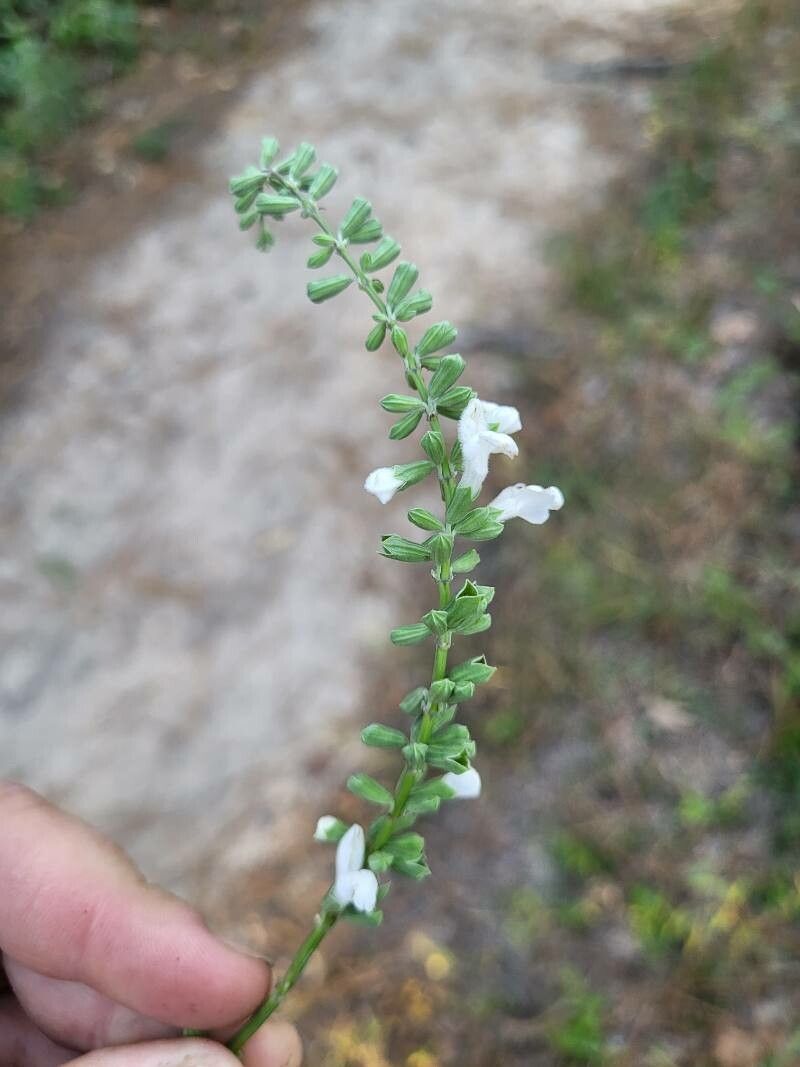
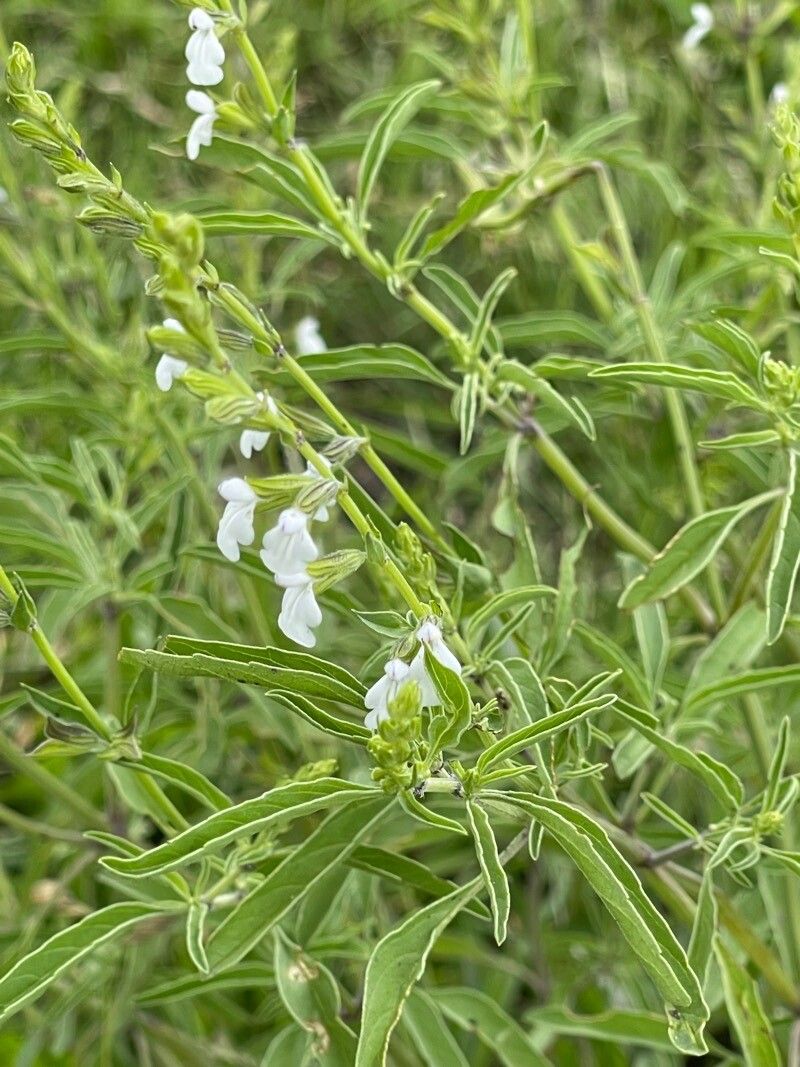
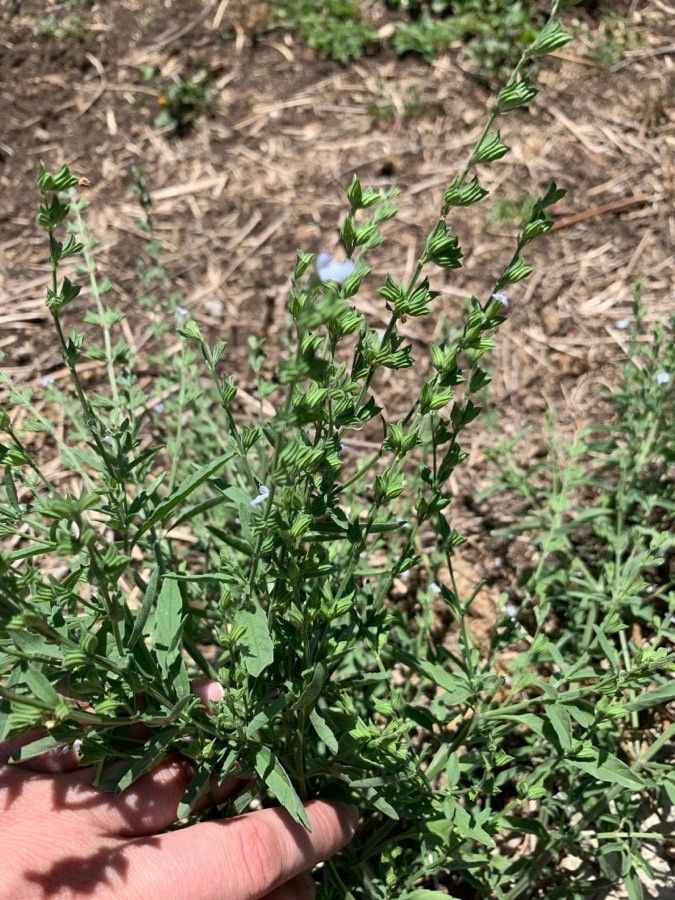
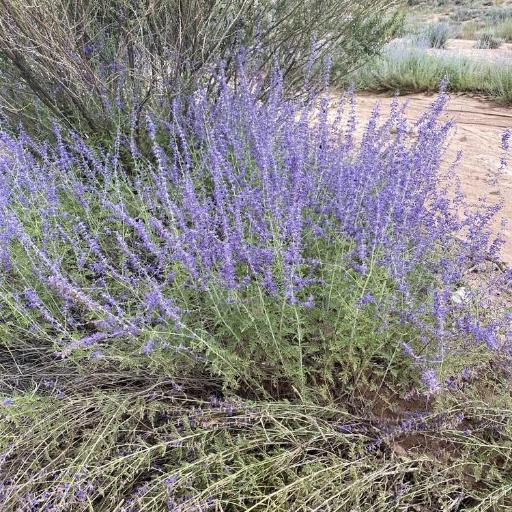
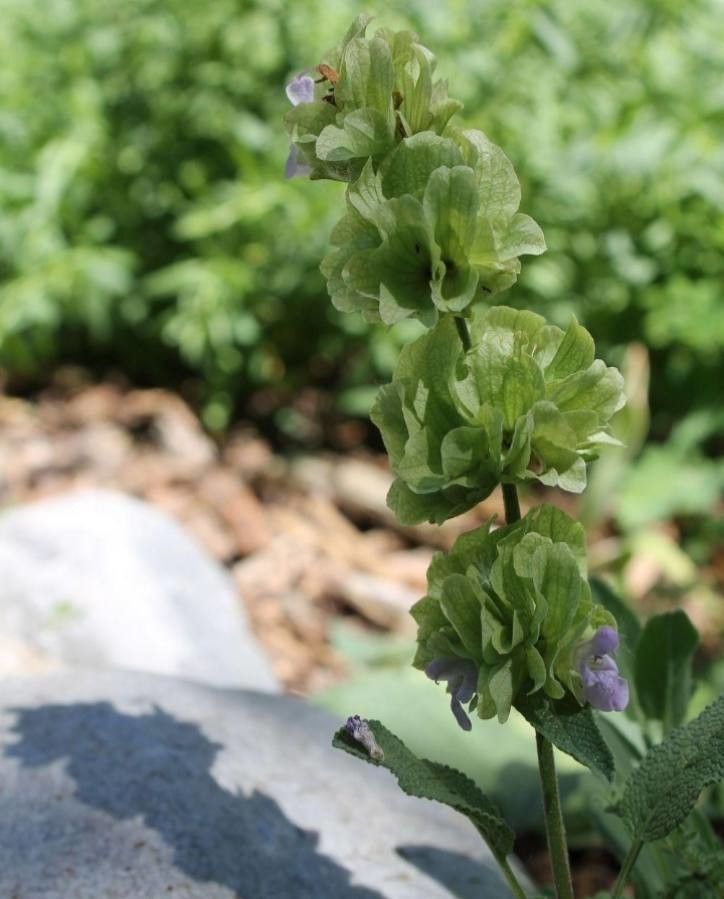
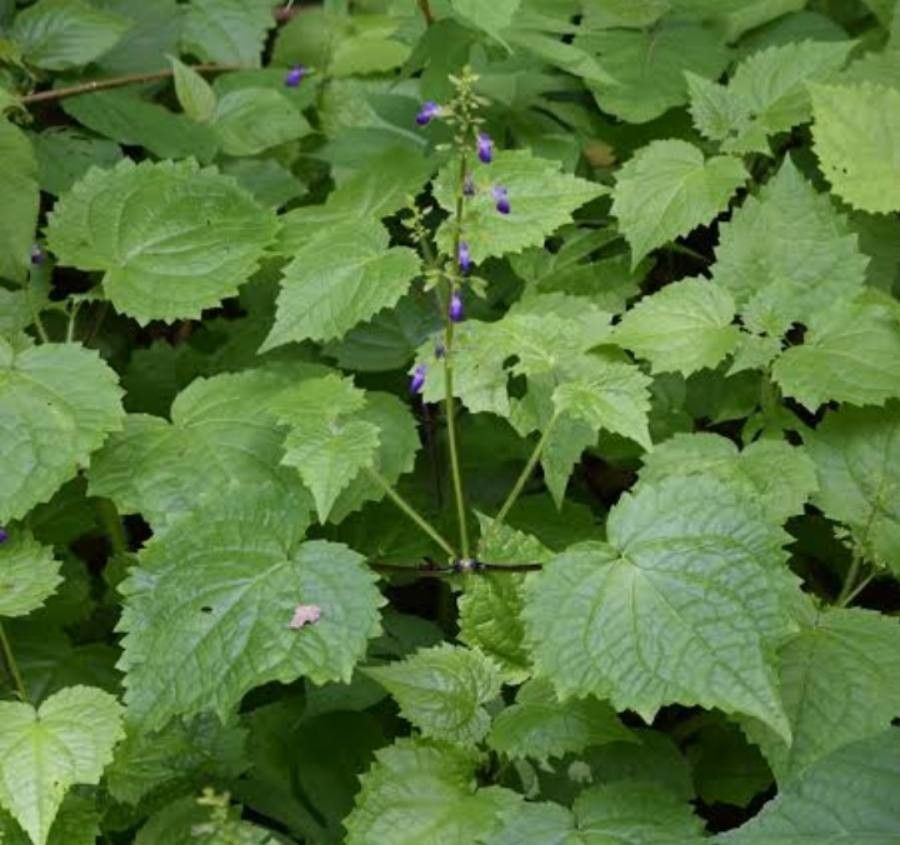
Salvia reflexa, commonly known as Lance-Leaved Sage or Wild Sage, is a perennial herbaceous plant that belongs to the Lamiaceae family. Native to Australia, it thrives in diverse habitats such as woodlands, forests, and heathlands. The plant can grow up to 1 meter in height and features lance-shaped leaves that are green on top and grayish-white underneath. Its small, tubular flowers, which are bluish-purple, are arranged in whorls on spikes that emerge from the stem tips.
Indigenous Australians have utilized Salvia reflexa for medicinal purposes for centuries. The plant contains essential oils with antiseptic properties, which have been used to treat various ailments such as coughs, colds, sore throats, and headaches.
Gardening enthusiasts also favor Salvia reflexa for its attractive foliage, which adds color and texture to gardens and landscapes. The plant requires well-drained soil and moderate watering during dry periods, but it can tolerate drought conditions once it is established.
In conclusion, Salvia reflexa is an appealing herbaceous perennial native to Australia, renowned for its medicinal properties that have been valued by indigenous Australians for centuries. Additionally, its attractive foliage makes it a superb choice for gardeners looking to add texture and beauty to their gardens while also enjoying the health benefits of this remarkable plant species.
Sage mint is fairly disease-resistant and generally not prone to illness. Still, it can be affected by pests and diseases present in its environment; such infections tend to be mild. Regarding care, this plant needs a moderate level of maintenance. It should be pruned regularly to keep a neat appearance and encourage healthy growth, and applying fertilizer can help increase flowering. Sage mint is a good choice for anyone with outdoor space like a garden or patio and does not demand extensive care experience. It can, however, need more attention if kept indoors.
How to keep Salvia Reflexa.
Light
Sage mint performs best in sites that receive plenty of sunlight. It can endure partial sun, but less effectively. In its native habitat, sage mint was subjected to consistent sunlight, which is vital for its overall health. Excessive sun, however, can cause water stress, while inadequate sunlight limits its growth.
Water
Sage mint is a drought-tolerant plant that thrives in well-draining soil with balanced moisture. For optimal health, it should be watered once a week. Typically grown outdoors, sage mint benefits from natural temperature and rainfall changes that support its growth cycle.
Temperature
Adapted to a native climate of 68 to 95 °F (20 to 35 °C), sage mint performs best within this temperature range. Seasonal temperature adjustments should match these values.
Fertilizer
Sage mint does well with frequent, mild applications of fertilizer to encourage healthy leaf growth. You should feed Sage mint roughly once a month throughout the summer. Nitrogen is essential for foliage, and adding nitrogen-rich fertilizers helps Sage mint thrive.
Pruning
Sage mint is a robust perennial plant known for its aromatic leaves and purple-blue flowers. To maintain its health and appearance, prune it in early spring. This will help remove dead stems, improve airflow, and prevent the plant from becoming leggy. Be sure to use sterilized tools to prevent the spread of disease. Regular pruning not only encourages better foliage and flowering but also extends the overall lifespan of sage mint.
Botanical profile.
- Plant Type
- Herb
- Life Cycle
- Annual
- Genus
- Salvia
- Family
- Lamiaceae
- Hardiness Zone
- 9
- Mature Height
- 30 cm to 61 cm
- Mature Spread
- 30 cm
- Leaf Color
- Green, Dark Green
- Leaf Type
- Semi-evergreen
- Flower Color
- White, Purple
- Flower Size
- 0.51 cm to 1.27 cm
- Bloom Time
- Summer, Early fall
- Planting Time
- Spring, Summer, Autumn
- Harvest Time
- Late summer, Fall
- Native Area
- Mexico
Other names.
Reader questions.
What are the sunlight requirements for Sage mint?
Sage mint requires ample sunlight to thrive, with a preference for locations that offer full sun exposure for more than 6 hours a day. It can also tolerate partial sun, about 3-6 hours of sunlight, but its growth is less favorable in these conditions. Originating in an environment with consistent sun, its health heavily depends on adequate sunlight. However, both overexposure, leading to water stress, and underexposure, stunting its growth, can adversely affect the plant.
What is the ideal temperature range for sage mint?
Sage mint thrives best in a native environment with temperatures ranging between 68 to 95 °F (20 to 35 °C). It is acclimated to this thermal scope, and seasonal thermal adjustments should be made to align within these values for the plant to prosper optimally.
How does artificial lighting support indoor Sage mint plants?
When natural sunlight is insufficient, especially during winter or in less sunny spaces, artificial lighting becomes crucial for the growth of indoor Sage mint plants. Adequate lighting ensures faster, healthier growth by mimicking natural sunlight. LED lights are recommended for their ability to be customized to the specific wavelengths needed by plants. Full sun plants require 30-50W/sq ft of artificial light, while partial sun plants need 20-30W/sq ft. The light should be placed 12-36 inches above the plant for 8-12 hours per day to mimic natural daylight hours effectively.
Does sage mint have any cold tolerance?
Sage mint has some degree of cold tolerance and generally does not require any additional cold protection measures when the temperature is above 0°C. However, if temperatures are expected to drop below 0°C, temporary measures for cold protection are necessary. This can include wrapping the plant with materials such as plastic film, fabric, or other insulating materials. These protective measures should be removed once the temperature rises again to avoid any potential damage to the plant.
What are the signs of inadequate light in Sage mint?
Symptoms of light deficiency in Sage mint include smaller new leaves, leggy or sparse growth, faster leaf drop, slower or no new growth, and lighter-colored leaves, indicating a lack of chlorophyll. Additionally, chlorosis may occur, making leaves turn yellow due to the breakdown of chlorophyll from insufficient sunlight. Sunscald can damage leaves or stems with intense sunlight exposure, while leaf curling, wilting, and leaf scorching are defensive responses to excessive sunlight, indicating stress and reduced plant health.
How does low temperature affect sage mint and what are the remedies?
Sage mint has moderate tolerance to low temperatures and thrives best when kept above 20°C. If temperatures fall below -5°C, the plant's leaves may start to droop, and in severe cases, they might wilt and eventually fall off. To combat this, you should trim off the frost-damaged parts of the plant. Before the plant is exposed to low temperatures again, wrap it with insulating materials such as non-woven fabric or cloth, and construct a wind barrier to protect it from cold winds.
How can light exposure be improved for indoor and outdoor Sage mint plants?
For indoor Sage mint, gradually move the plant to a sunnier spot each week until it receives at least 6 hours of direct sunlight daily, using a south-facing window for maximum exposure. If the plant is large or hard to move, consider additional lighting, like grow lights, for at least 8 hours a day. Outdoors, adapt your plants to brighter conditions slowly to prevent sunburn. Pruning obstructions and transplanting during the dormant period can also help increase sunlight exposure. Note that parts of the plant already affected may not recover, but new growth will be healthy with improved light conditions.
What should be done if sage mint experiences high temperatures?
During the summer, it's important to ensure that sage mint is kept below 35°C. Temperatures exceeding 38°C can cause the leaves to lighten in color, dry and wither at the tips, curl, and make the plant more susceptible to sunburn. To alleviate these issues, trim away the sunburned and dried-up parts of the plant. Moving the plant to a shaded location, or using a shade cloth to provide protection from the midday and afternoon sun, can help. Additionally, watering the plant in the morning and evening to keep the soil moist will support its well-being under high temperatures.