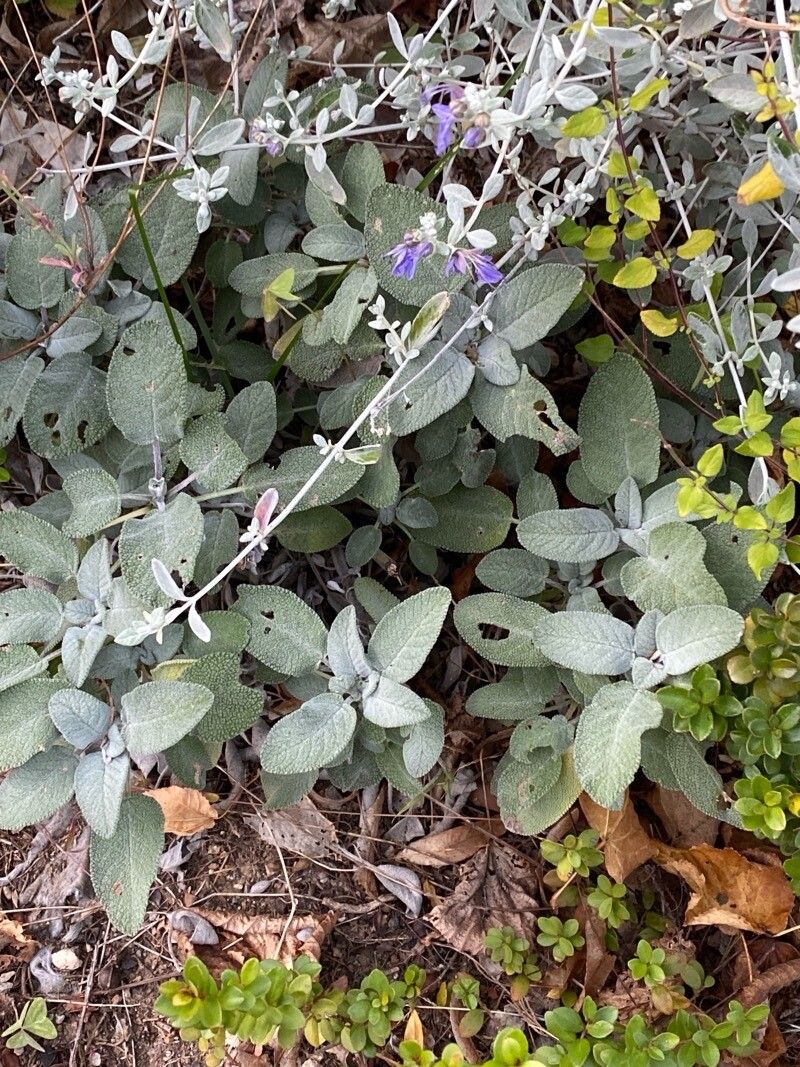
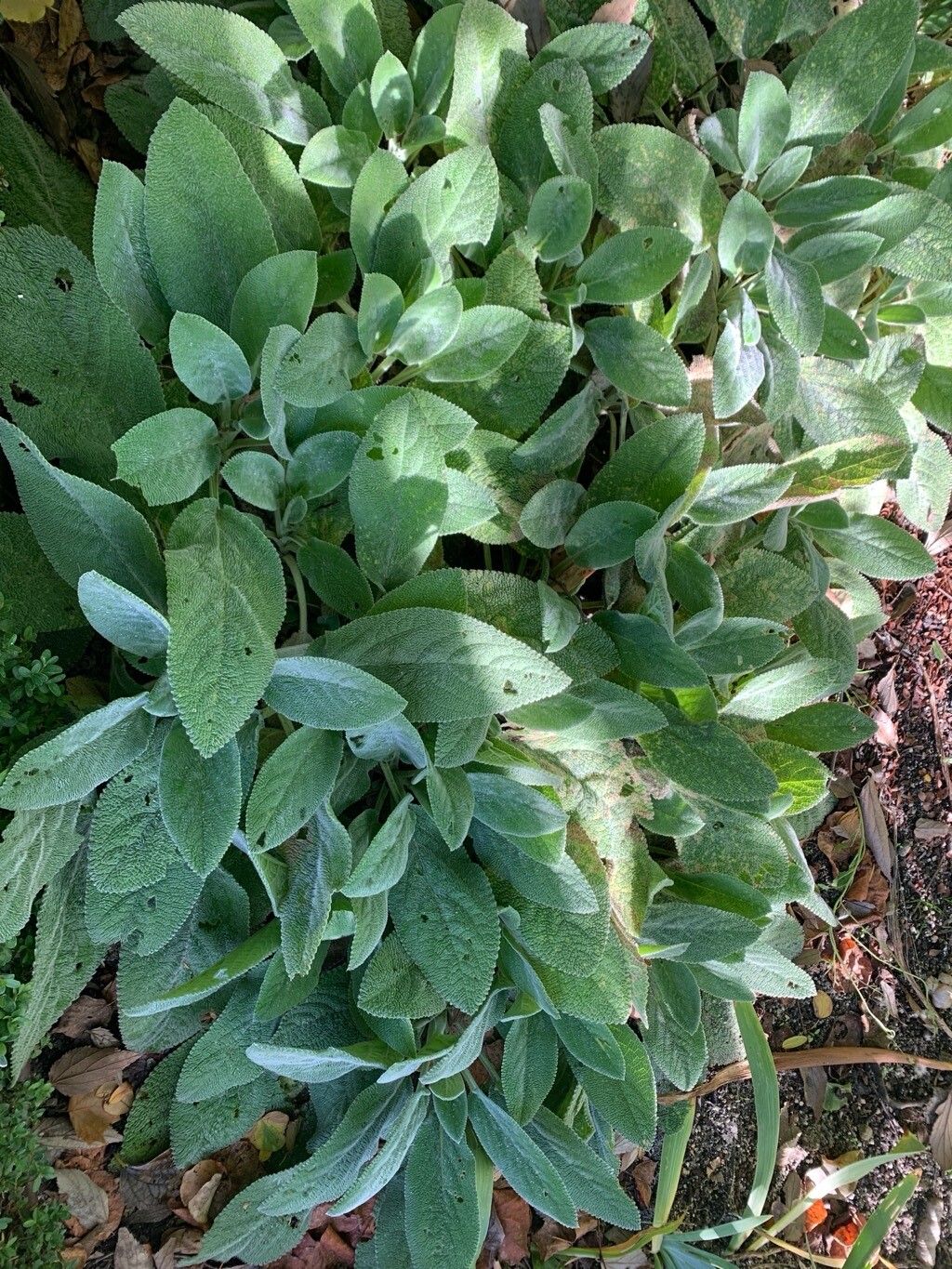
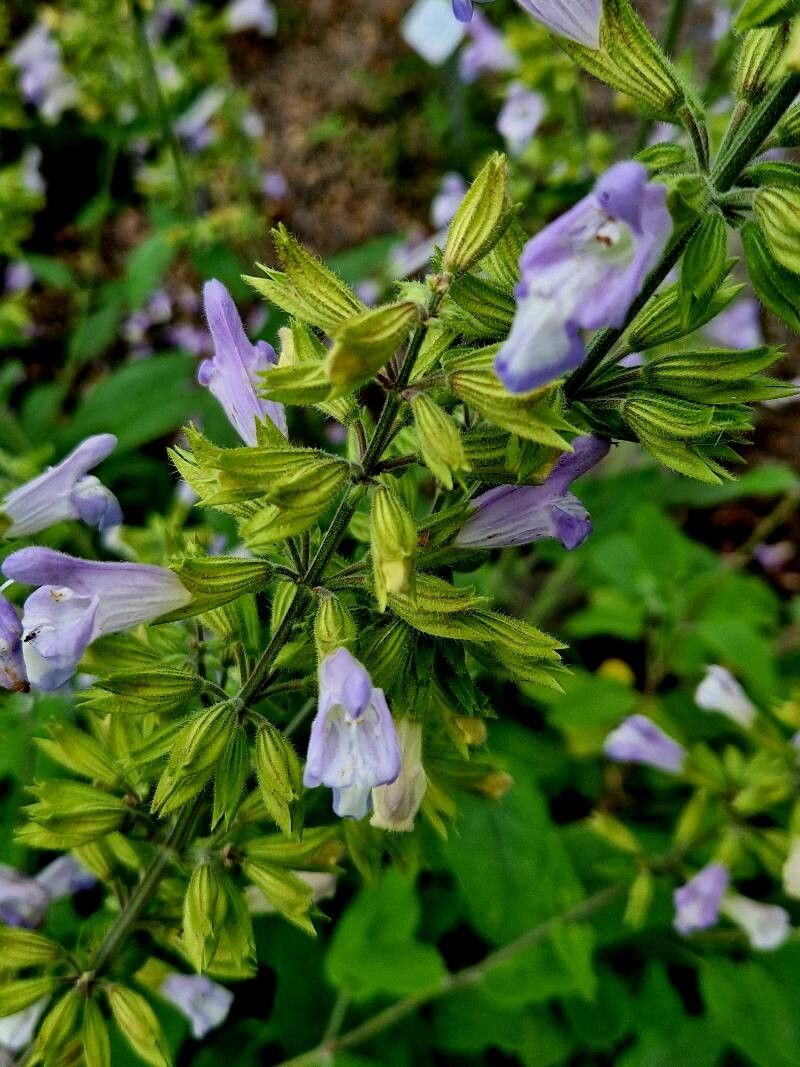
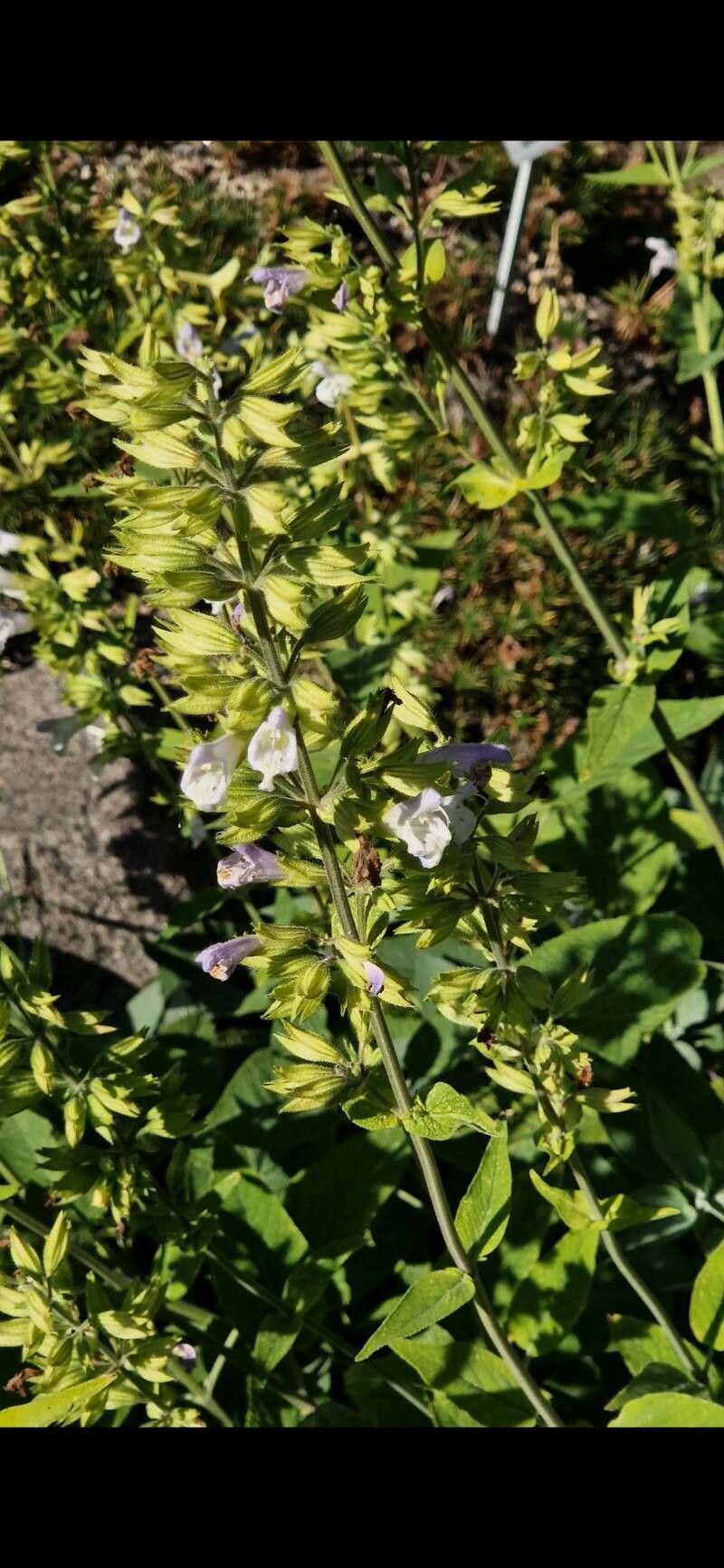
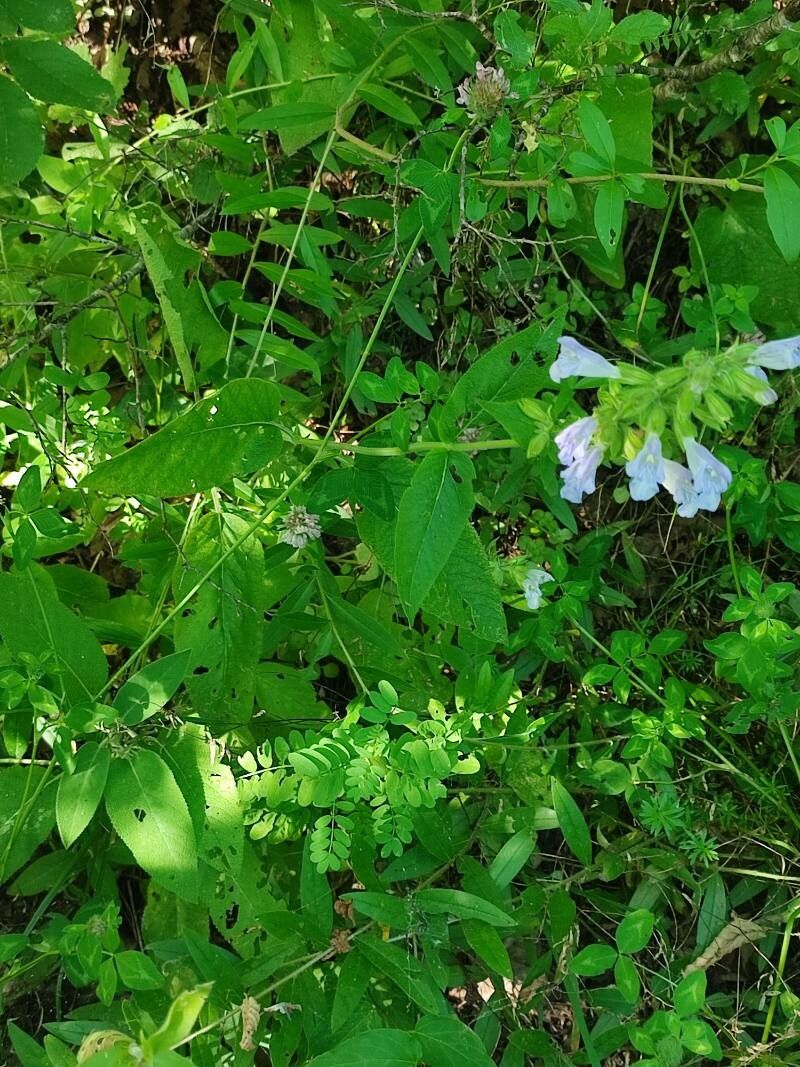
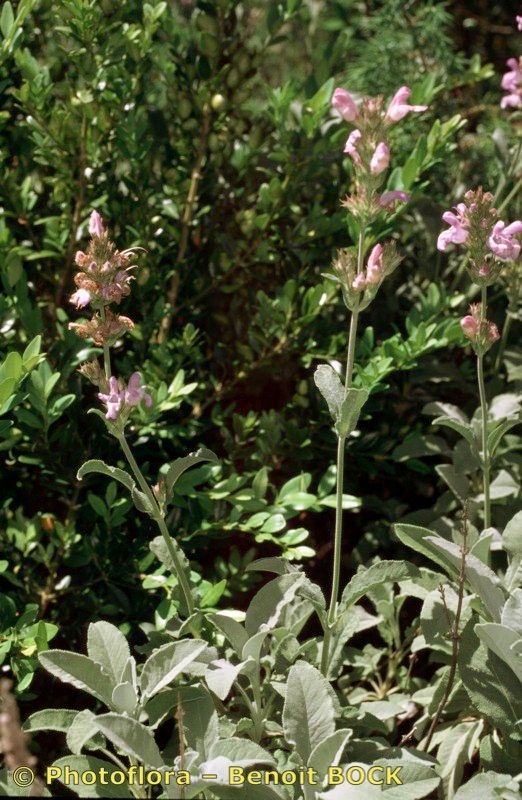
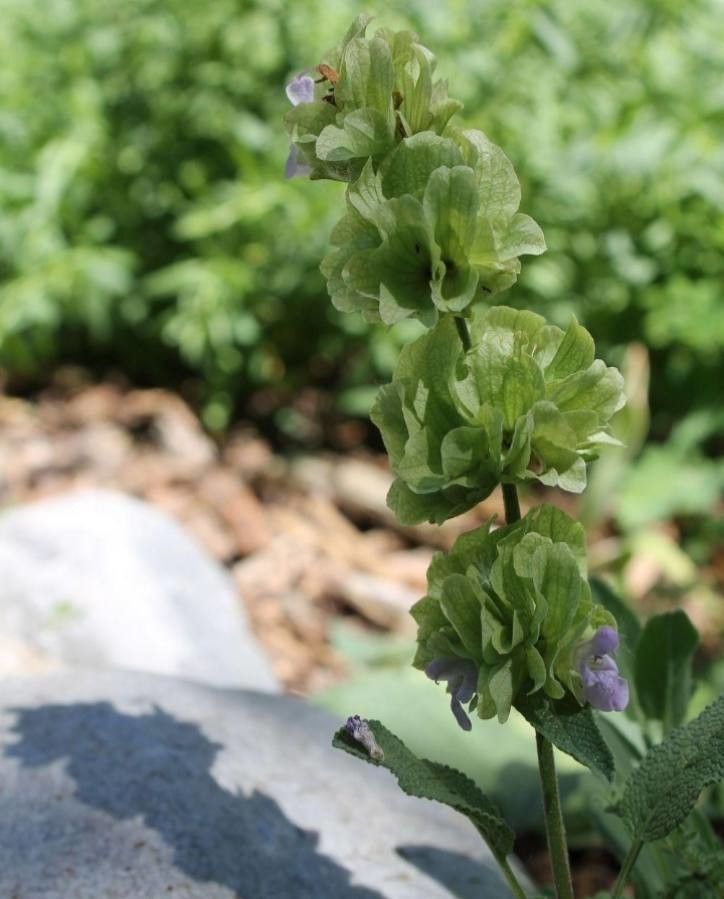
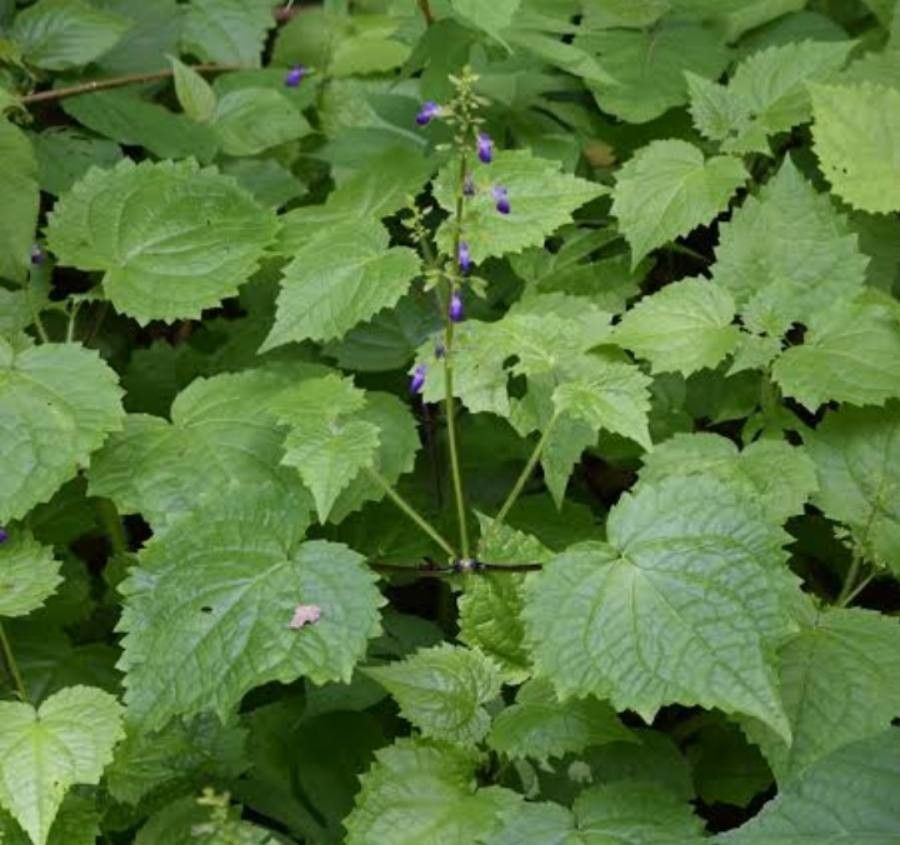
Salvia tomentosa, the balsamic sage, is a species of flowering plant in the family Lamiaceae. It is native to the Balkan Peninsula, Crimea, Turkey, Lebanon/Syria, and the Transcaucasus, and it has been introduced to Germany. A mound-forming perennial reaching 0.5 to 1 m, the Royal Horticultural Society considers it a good plant to attract pollinators.
Balsamic sage is fairly disease-resistant and typically not prone to illnesses. However, it can be affected by pests and diseases present in its environment. These problems are usually mild. In terms of care, this plant requires moderate maintenance. It should be pruned regularly to keep a neat appearance and support healthy growth. Fertilizing can also help encourage flowering. Balsamic sage is suitable for people with outdoor spaces like a garden or patio and does not demand extensive gardening experience. It may need more attention when grown indoors.
How to keep Salvia Tomentosa.
Light
Balsamic sage is a perennial herbaceous plant that prefers sunny locations and comes from open habitats, frequently thriving in meadows and grasslands. It prefers full sun but can also tolerate partial sun.
Water
Balsamic sage, native to Mediterranean climates, flourishes in well-drained soils and moderate humidity. To keep the plant healthy, water it weekly, making sure the soil stays consistently moist but not waterlogged. Proper watering during the growing season is essential for the plant's best growth and the production of aromatic leaves.
Temperature
Balsamic sage can tolerate a wide range of temperatures, but its distribution can still be restricted by various combinations of water and heat. It performs best in warm summers with adequate rainfall or regular watering. Extended stretches of cloudy, rainy weather or prolonged high temperatures can make Balsamic sage more likely to die. In winter, shielding it from cold improves the plant's chances of survival.
Fertilizer
Usually one spring application of fertilizer is enough for Balsamic sage, though repeated feedings can maximize its growth. Feed it once a month to every six weeks. Fertilization improves the leaves' appearance and function, encouraging even color and a healthy texture. It also encourages root development and better nutrient uptake, supporting the plant's long-term health.
Pruning
To ensure your balsamic sage thrives, adopt proper pruning techniques. Start by lightly pruning in early spring to shape the plant and remove any damaged parts. After the first flowering, perform a more thorough pruning to encourage a second bloom. Regularly trim off spent flowers to extend the flowering period and improve air circulation and overall growth.
Botanical profile.
- Plant Type
- Herb
- Life Cycle
- Perennial
- Genus
- Salvia
- Family
- Lamiaceae
- Hardiness Zone
- 7-10
- Mature Height
- 61 cm to 91 cm
- Mature Spread
- 49 cm to 76 cm
- Leaf Color
- Gray, Silver
- Leaf Type
- Deciduous
- Flower Color
- Lavender
- Flower Size
- 1.52 cm to 2.03 cm
- Bloom Time
- Summer
- Planting Time
- Spring
- Harvest Time
- Late summer, Early fall, Mid fall
- Native Area
- Russia, Turkey, Syria, Bulgaria, Albania, Lebanon, Greece, Croatia, Serbia