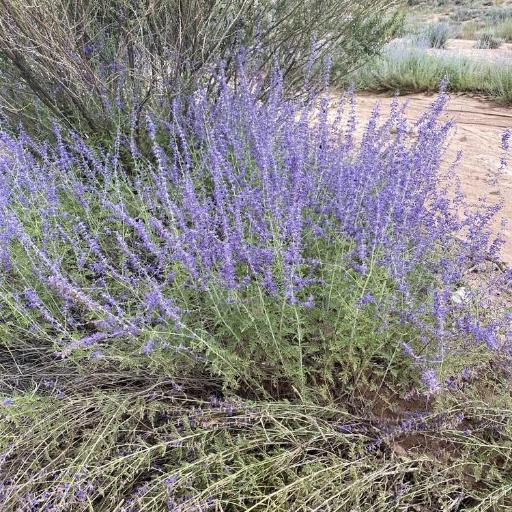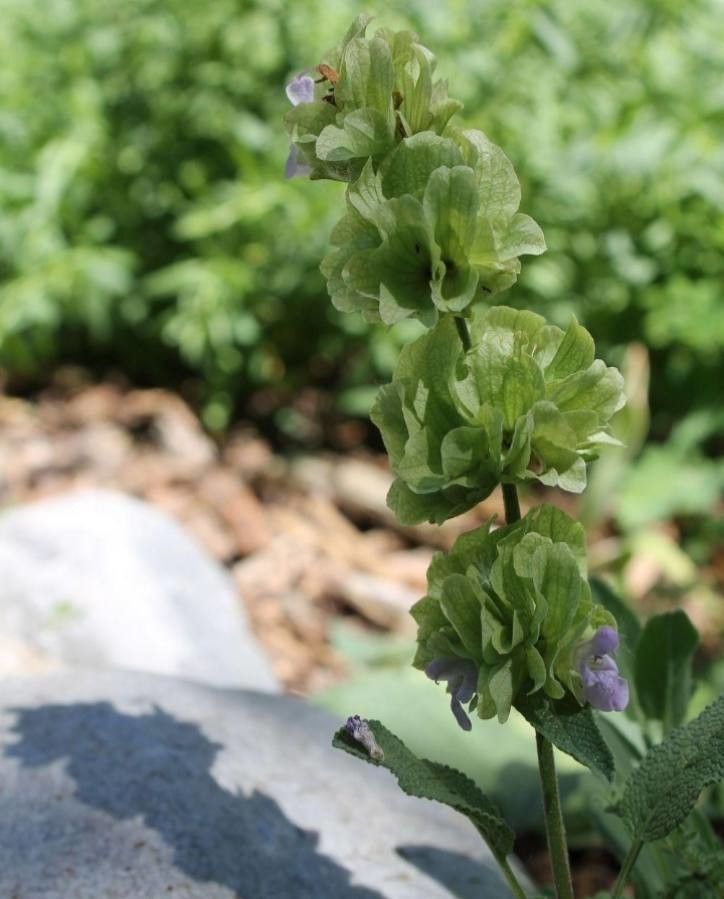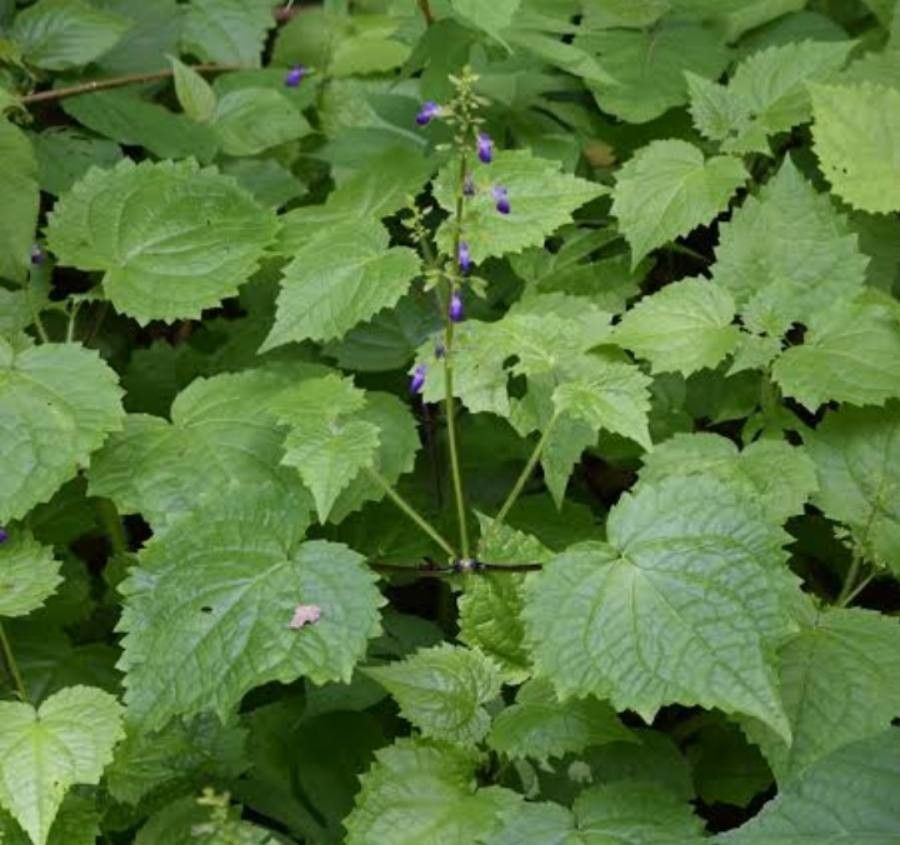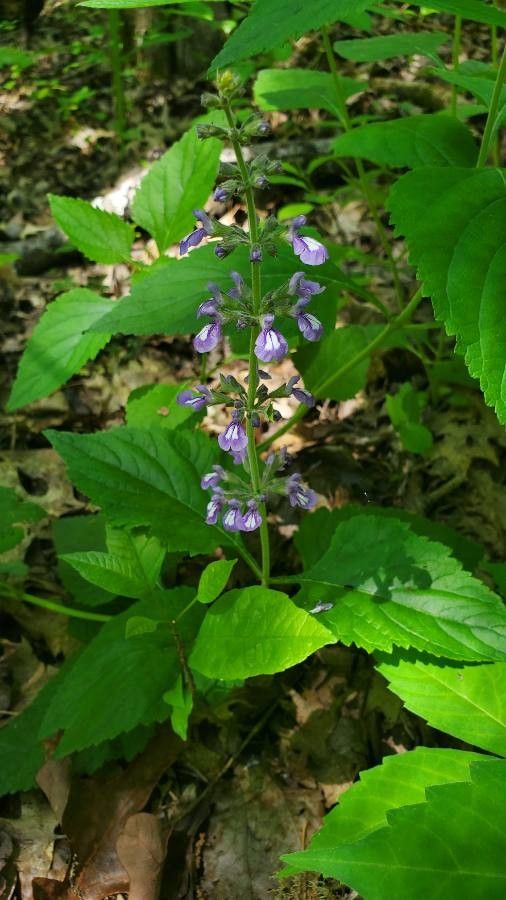
Salvia urticifolia, commonly known as nettleleaf sage, is a perennial herbaceous plant in the mint family. It is native to the southwestern United States and northern Mexico. The plant can grow up to 2 feet tall and features square stems with opposite leaves covered in fine hairs, giving them a nettle-like appearance.
The flowers of Salvia urticifolia are small, tubular, and bluish-purple. They bloom in late spring or early summer, attracting bees, butterflies, and hummingbirds. The plant thrives in well-drained soils and prefers full sun or partial shade.
For centuries, Native American tribes have used Salvia urticifolia for medicinal purposes, believing it to have anti-inflammatory properties. It was traditionally used to treat sore throats, headaches, feverish conditions, and digestive issues.
In addition to its medicinal uses, Salvia urticifolia is also valued for its ornamental appeal. Its attractive foliage and flowers make it an excellent choice for garden borders or rock gardens.
Overall, Salvia urticifolia is an intriguing perennial with both ornamental and medicinal properties, making it a valuable addition to any garden or landscape design.
Nettleleaf sage is fairly disease-resistant and typically not prone to illnesses. However, it can be affected by pests and diseases present in its surroundings. Such infections are generally not severe. In terms of care, this plant needs moderate maintenance. It should be pruned regularly to preserve a neat appearance and encourage healthy growth. Applying fertilizer can also help promote flowering. Nettleleaf sage is suitable for anyone with outdoor space, such as a garden or patio, and does not require extensive care experience. It may need more attention when grown indoors.
How to keep Salvia Urticifolia.
Light
Nettleleaf sage is a sun-loving, perennial herbaceous plant native to open habitats, commonly thriving in meadows and grasslands. It prefers full sun but can also tolerate partial sun.
Water
Nettleleaf sage thrives in moderately moist soil that remains consistently damp but not waterlogged. It requires weekly watering and benefits from rainwater during its growing season, which helps support its health and vigor as an herbaceous perennial.
Temperature
Nettleleaf sage can tolerate a wide range of temperatures, though its distribution may still be restricted by different combinations of moisture and heat. It grows best in warm summer conditions with sufficient rainfall or watering. Extended periods of cloudy, rainy weather, as well as prolonged high temperatures, can raise the likelihood of Nettleleaf sage dying. In winter, proper protection from cold can increase the plant's chances of survival.
Fertilizer
The best time to fertilize a Nettleleaf sage is in early spring, when it is coming out of dormancy and starting active growth. Feeding supplies essential nutrients needed for healthy development. Although Nettleleaf sage has fairly low fertilizer requirements, annual feeding can improve its survival and encourage better, longer-lasting blooms.
Pruning
Nettleleaf sage is known for its distinctive nettle-like leaves and aromatic properties. To encourage growth and enhance flowering, it's best to prune the plant in early spring, removing about one-third of its size. Regular light pruning helps prevent the plant from becoming leggy, improves air circulation, and reduces the risk of disease, thus promoting overall health and vitality.
Botanical profile.
- Plant Type
- Herb
- Life Cycle
- Perennial
- Genus
- Salvia
- Family
- Lamiaceae
- Hardiness Zone
- 5-9
- Mature Height
- 30 cm to 91 cm
- Mature Spread
- 49 cm to 61 cm
- Leaf Color
- Green, Dark Green
- Leaf Type
- Deciduous
- Flower Color
- Purple, Lavender
- Flower Size
- 1.52 cm to 2.03 cm
- Bloom Time
- Mid spring, Late spring, Early summer
- Planting Time
- Spring, Summer
- Harvest Time
- Summer