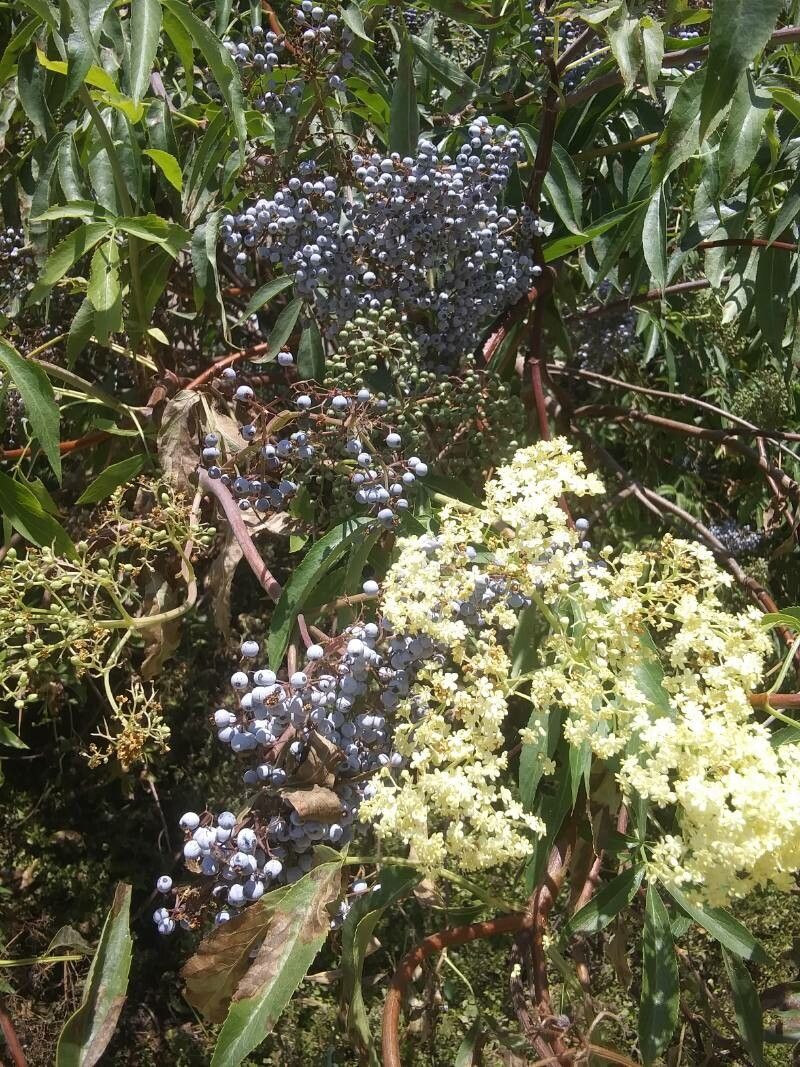
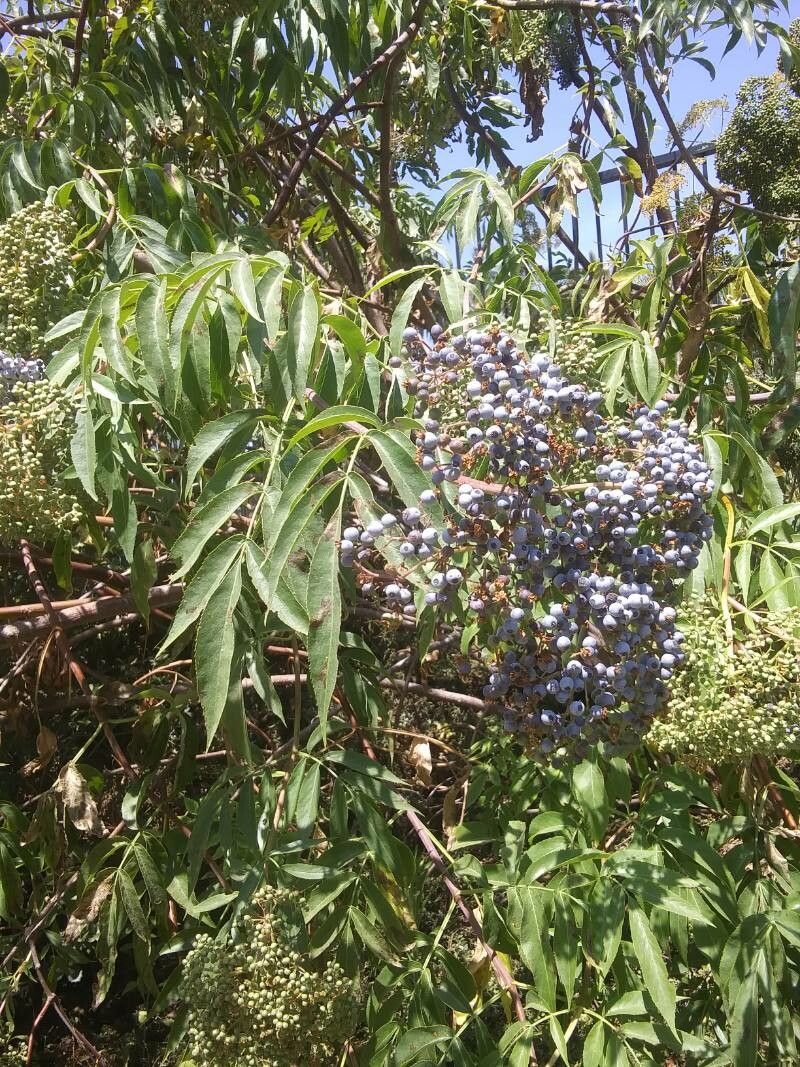
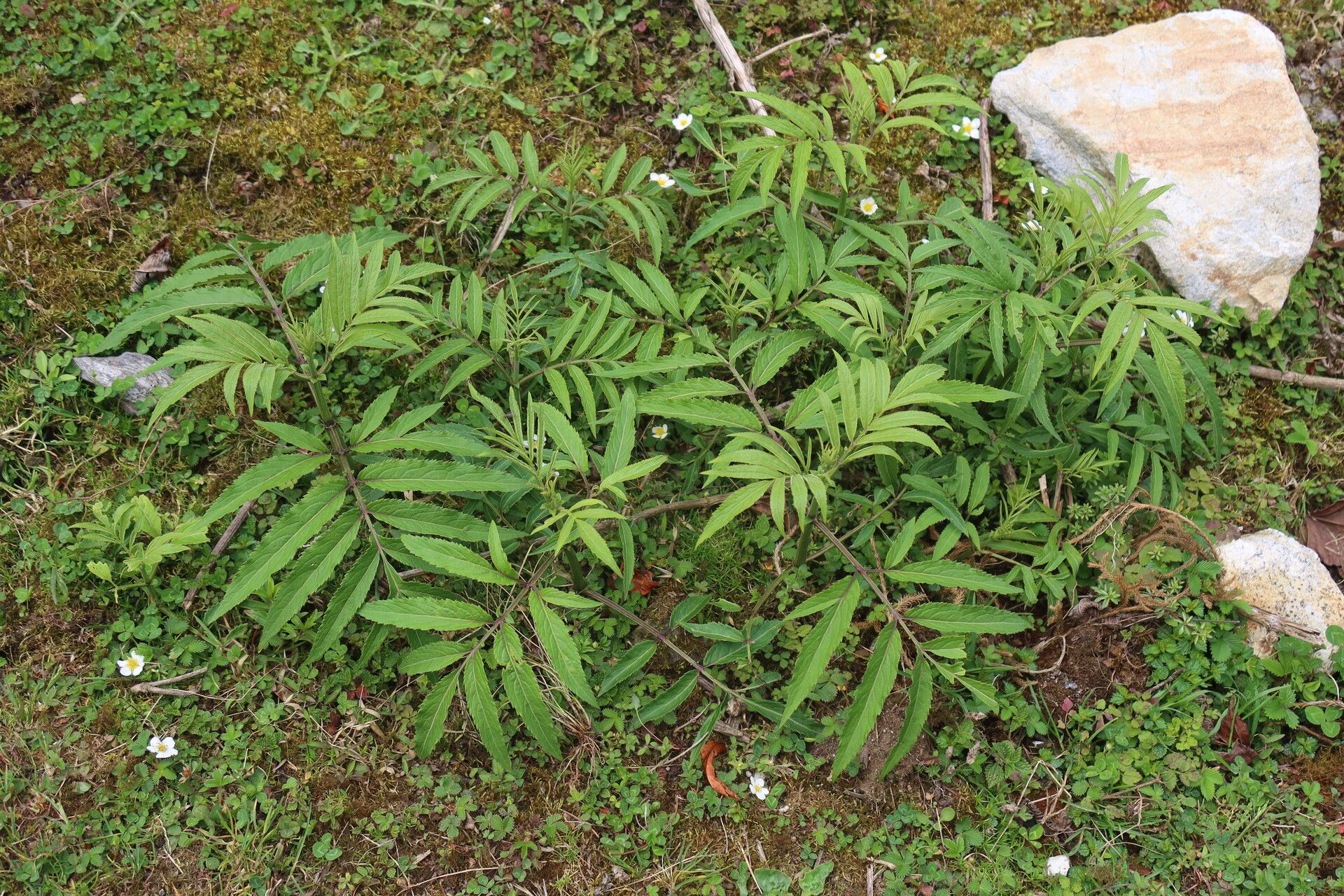
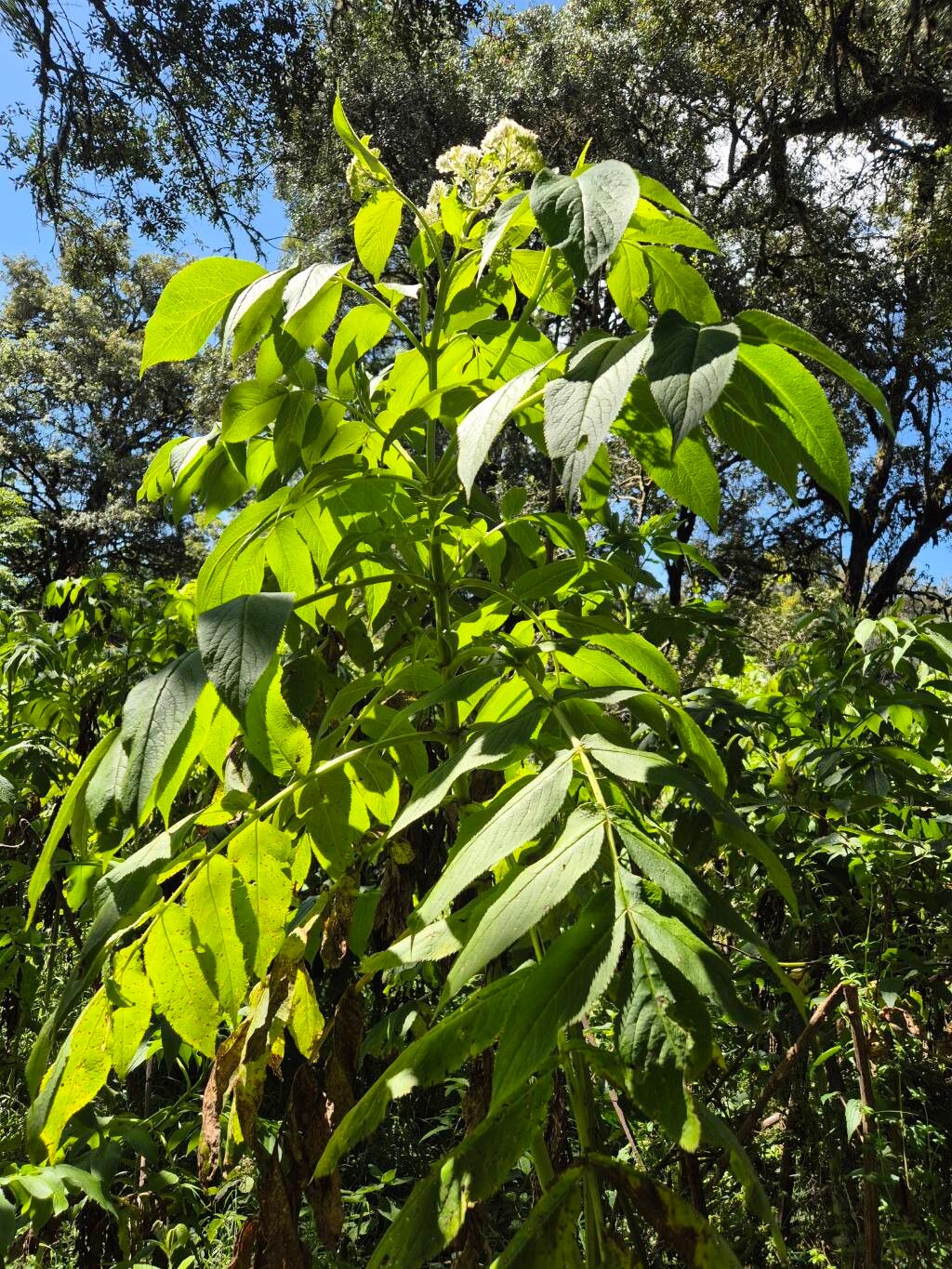
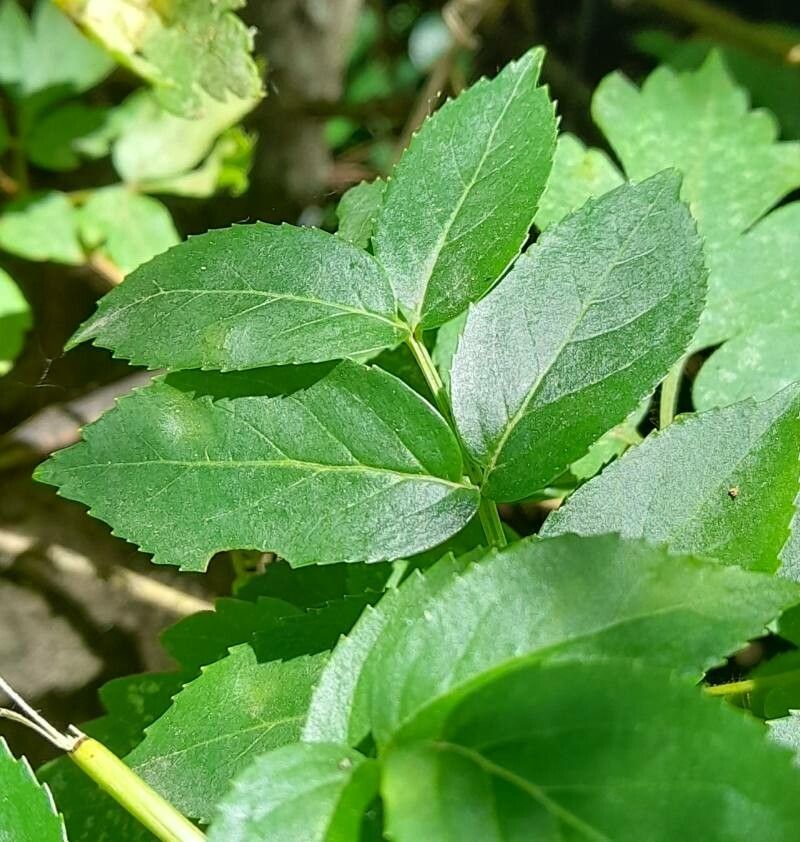
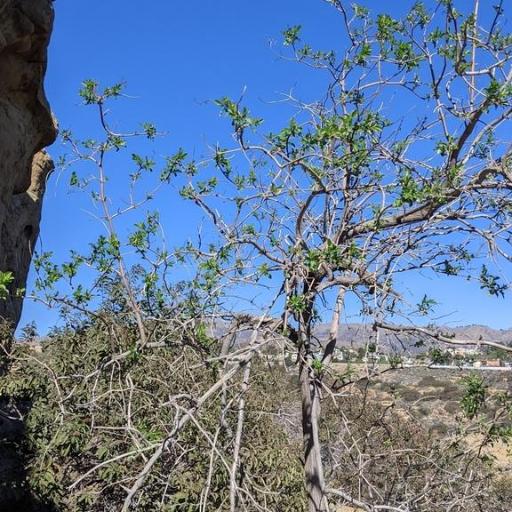
Sambucus mexicana may refer to the following North American black or blue elderberry species:Sambucus mexicana C.Presl ex DC.= Sambucus mexicana var. bipinnata Schltdl. & Cham. = Sambucus canadensis L. = Sambucus nigra L. subsp. canadensis (L.) BolliSambucus mexicana auct. non C.Presl ex DC.= Sambucus mexicana C.Presl ex DC. subsp. cerulea (Raf.) A.E.Murray = Sambucus cerulea Raf. = Sambucus nigra L. subsp. cerulea (Raf.) Bolli
Common elderberry shows strong resistance to disease and is generally not vulnerable to illnesses. Regarding care, this plant is relatively low-maintenance. When grown outdoors it needs little watering, and larger specimens typically do not require pruning. Smaller plants, however, should be pruned after they finish blooming. Common elderberry is suitable for anyone with outdoor space, such as a garden or a deck, and does not demand much gardening experience.
How to keep Sambucus Mexicana.
Light
Elderberry thrives best in places where it receives a moderate amount of sunlight, although it can also endure places with substantial sunlight exposure. Too much sunlight, however, could potentially impact its growth negatively. Changes in exposure to sunlight can potentially affect its growth.
Temperature
The elderberry plant usually thrives best between temperatures of 32 to 95 ℉ (0 to 35 ℃), but it can withstand winter temperatures as severe as -40 ℉ (-40 ℃). It is often found in humid, fertile soils and is a common sight in North America's temperate zones.
Fertilizer
Encourage healthy development by applying fertilizer to your Common elderberry at the beginning of spring. Consistent fertilization boosts general health, leading to robust growth, increased toughness under harsh conditions, and superior disease and pest resistance. Uphold a definite fertilization timetable for your Common elderberry to guarantee vivid leaves with rich color and a luxuriant look.
Pot & Repot
While repotting the Common elderberry, select a container that is 1-2 inches (2.5–5 cm) wider and has sufficient drainage. Employ a potting mixture that drains well. Perform the repotting during either spring or autumn, making certain that the root ball sits a bit beneath the flower pot's edge. After the repotting process, water it comprehensively and position it in a heated location that receives indirect sunlight.
Botanical profile.
- Plant Type
- Shrub, Tree
- Life Cycle
- Perennial
- Hardiness Zone
- 3-9
- Mature Height
- 3.05 m
- Mature Spread
- 1.52 m to 3.66 m
- Leaf Color
- Green
- Leaf Type
- Deciduous
- Flower Color
- White, Cream
- Flower Size
- 0.51 cm to 0.51 cm
- Bloom Time
- Early summer, Mid summer
- Planting Time
- Spring, Autumn
- Harvest Time
- Mid summer
- Native Area
- Colombia, Belize, Honduras, Mexico, Guatemala, El Salvador, Nicaragua, Costa Rica, Panama
Other names.