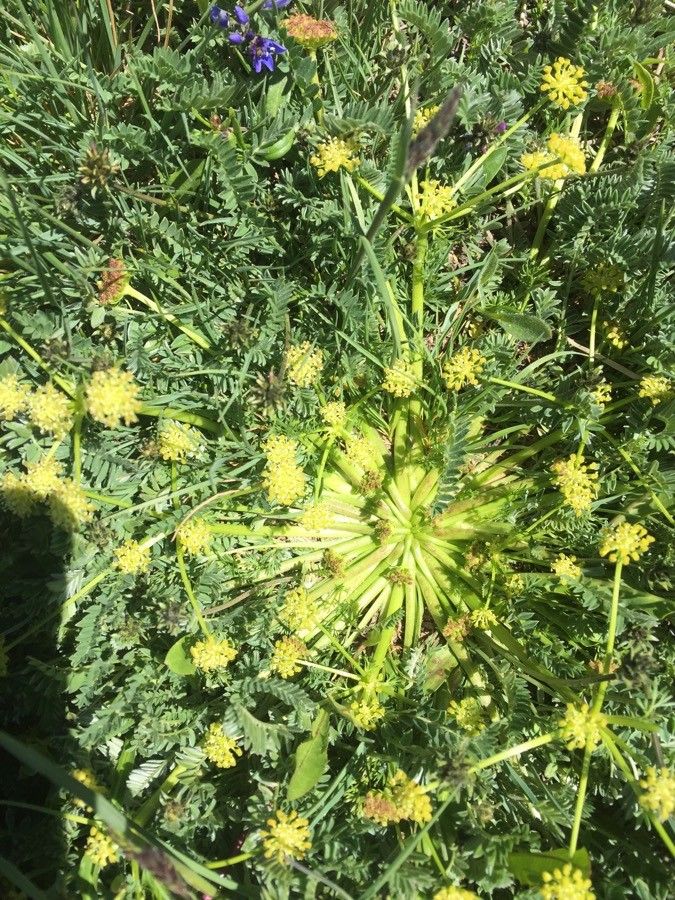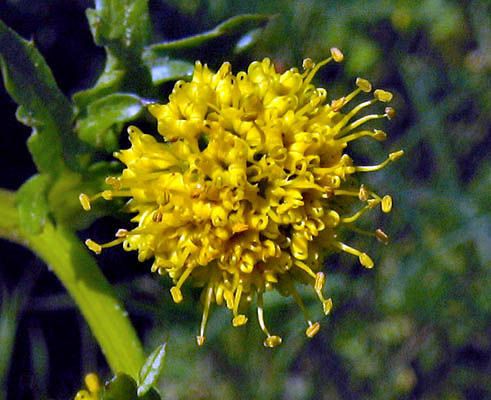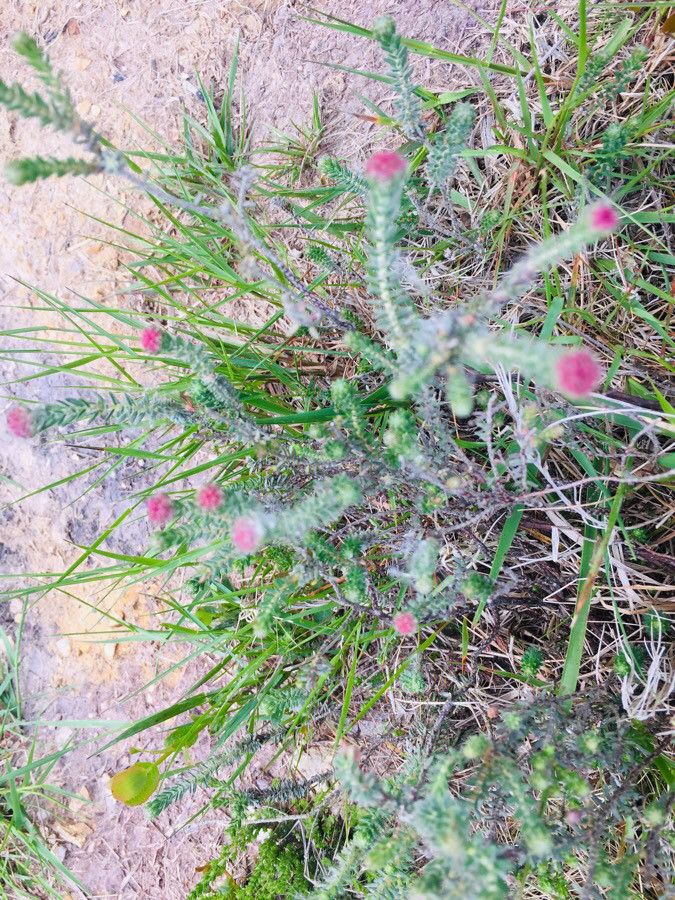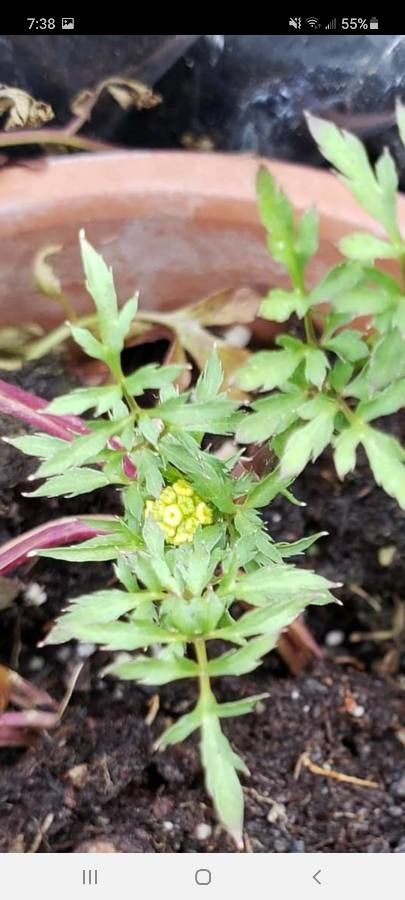
Sanicula bipinnata is a species of plant in the family Apiaceae known by the common name poison sanicle. It is endemic to California where it is found in low-elevation mountains and foothills, especially in the hills along the coast. It occurs in the California Coastal Range and Sierra Nevada foothills, including Ring Mountain, California.
Poison sanicle is fairly disease-resistant and generally not prone to illnesses. That said, it can be affected by pests and diseases present in its surroundings. These problems are typically mild. Regarding care, the plant needs a moderate level of maintenance. Regular pruning is required to keep a neat appearance and support healthy growth. Fertilizing can also encourage it to flower. Poison sanicle is well suited for someone with outdoor space, such as a garden or patio, and does not demand extensive experience in plant care. It may need more attention when grown indoors.
How to keep Sanicula Bipinnata.
Fertilizer
One fertilizer application in spring is typically enough for Poison sanicle, though several feedings can optimize growth. Fertilize every month to six weeks. Feeding improves the leaves' appearance and function, helping them maintain even color and a healthy texture. It also encourages root development and better nutrient uptake for the plant's long-term health.