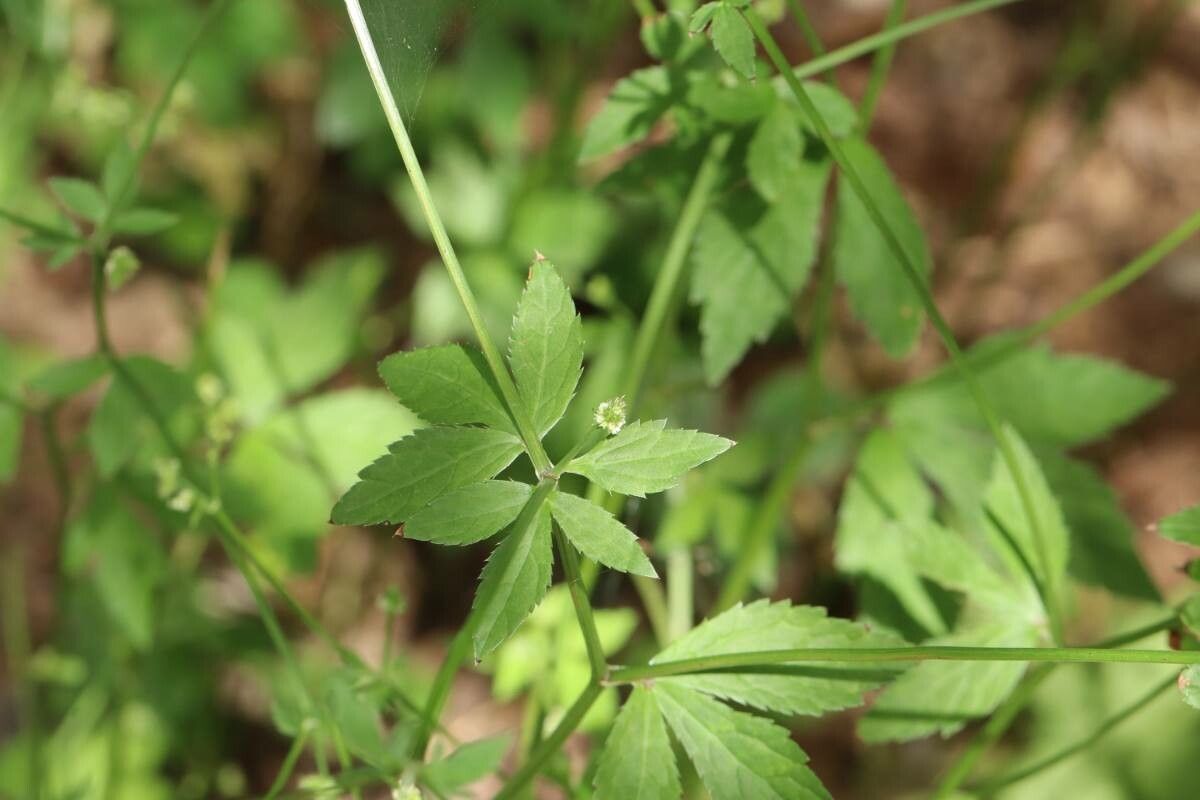
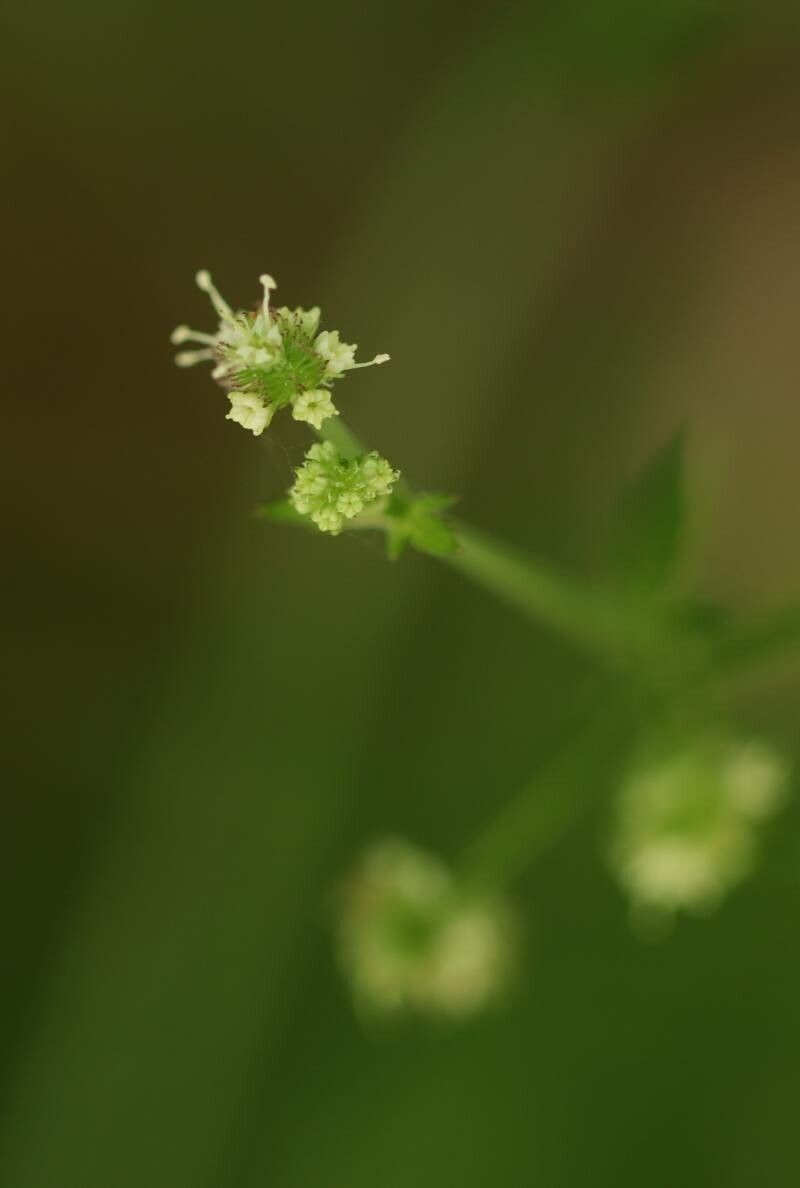
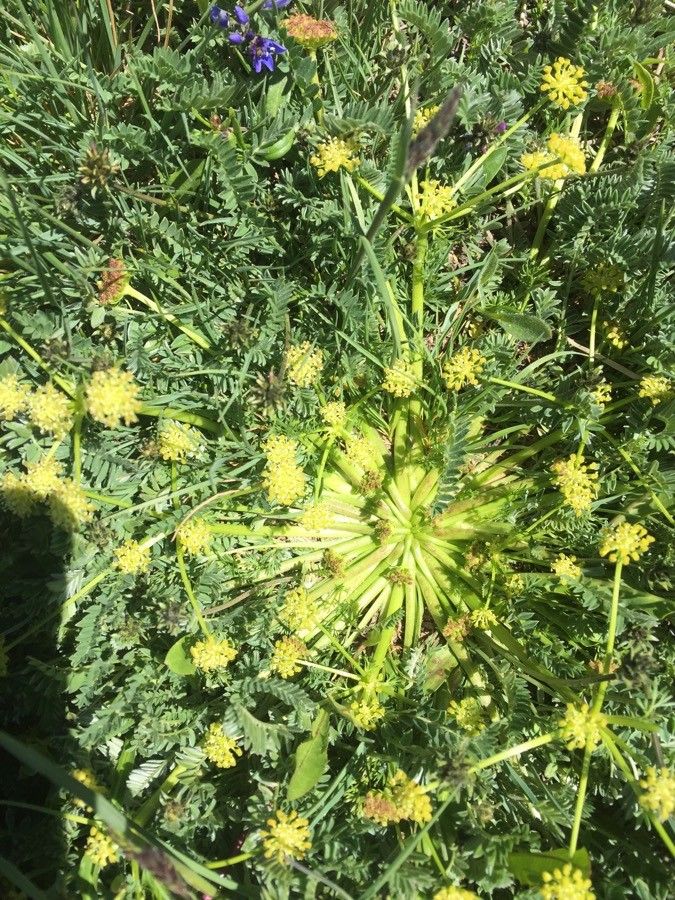
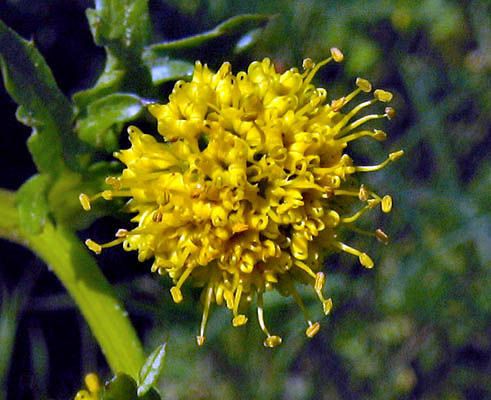
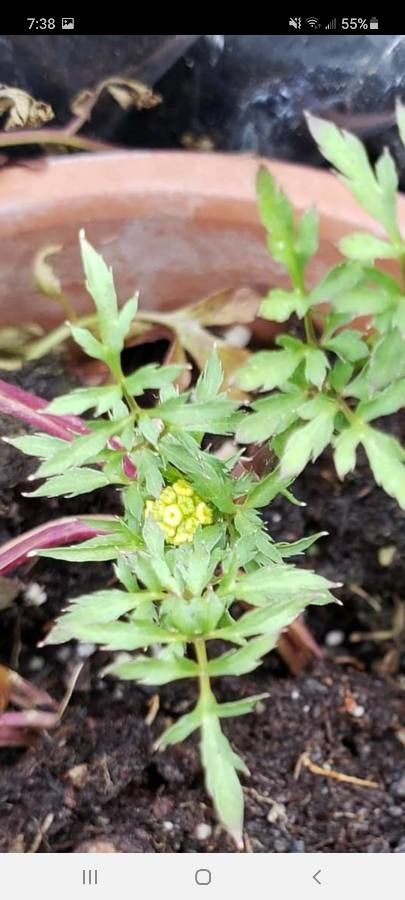
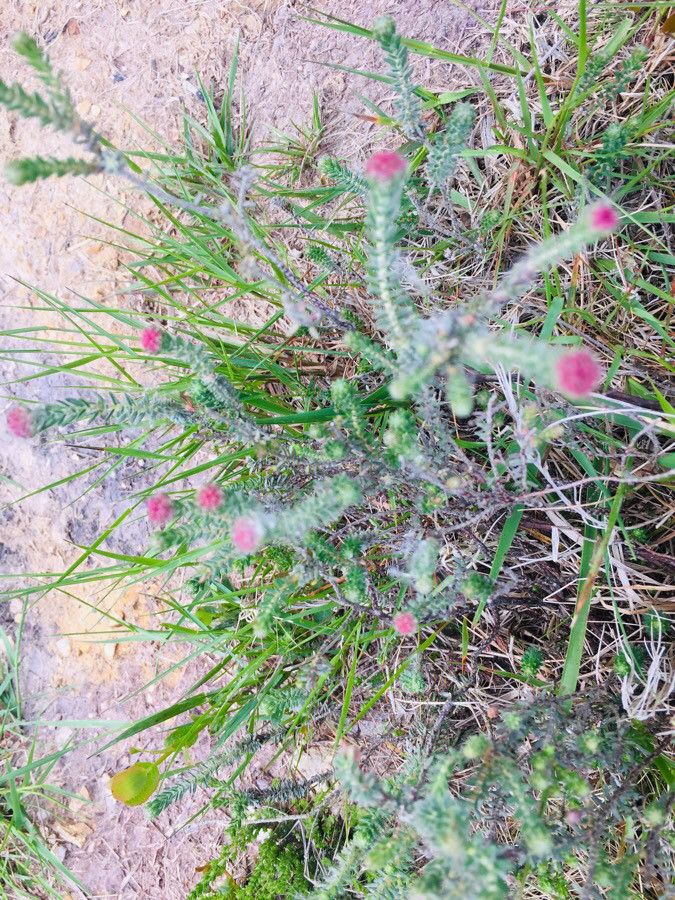
East asian sanicle has strong resistance to disease and generally is not highly susceptible to illnesses. Still, it can be affected by pests and diseases present in its environment. Those infections tend to be mild. For care, this plant needs a moderate level of maintenance. It should be pruned regularly to preserve a good appearance and support healthy growth. Fertilizing can also help encourage flowering. East asian sanicle is well suited for anyone with outdoor space, such as a garden or patio, and does not demand extensive care experience. When kept indoors it may require more attention.
How to keep Sanicula Chinensis.
Light
East Asian sanicle occurs naturally in habitats like forest understories and rocky sites, where it grows under natural shade. It prefers partial sun but can tolerate full sun or full shade, showing its versatile and hardy nature.
Water
East Asian sanicle is native to moist forest floors and thrives in conditions with consistent moisture, though it should not be waterlogged. Watering it weekly encourages healthy growth. As an understory plant, it flourishes in higher humidity, which is crucial for maintaining its healthy foliage during the active growing seasons.
Temperature
East asian sanicle shows strong temperature adaptability, able to endure higher heat and wide temperature fluctuations. In hot conditions, attention should be given to watering and providing adequate shade to avoid sunburn. On the other hand, East asian sanicle is relatively sensitive to low temperatures; it can tolerate some cold, but very cold conditions may cause frost damage.
Fertilizer
A single application of fertilizer in spring is generally sufficient for East Asian sanicle, but multiple feedings can maximize growth. Feed once every month to a month and a half. Fertilization improves leaf appearance and function, supporting consistent color and a healthy texture. It also promotes root development and nutrient absorption for long-term plant health.
Pruning
The East Asian sanicle is known for its distinctive, finely divided leaves and small, spherical flowers. To promote healthy growth, remove dead parts, and create more space, it is best to prune the plant from early to late spring. Pruning during this time encourages robust development and extends the blooming period.
Botanical profile.
- Plant Type
- Herb
- Life Cycle
- Perennial
- Genus
- Sanicula
- Family
- Apiaceae
- Hardiness Zone
- 6-9
- Mature Height
- 91 cm
- Mature Spread
- 20 cm to 40 cm
- Leaf Color
- Dark Green
- Leaf Type
- Semi-evergreen
- Flower Color
- White
- Flower Size
- 0.20 cm to 0.25 cm
- Bloom Time
- Mid spring, Late spring
- Planting Time
- Spring, Summer
- Harvest Time
- Early summer, Mid summer
- Native Area
- Russia, Japan, Koppen, South Korea, China
Other names.