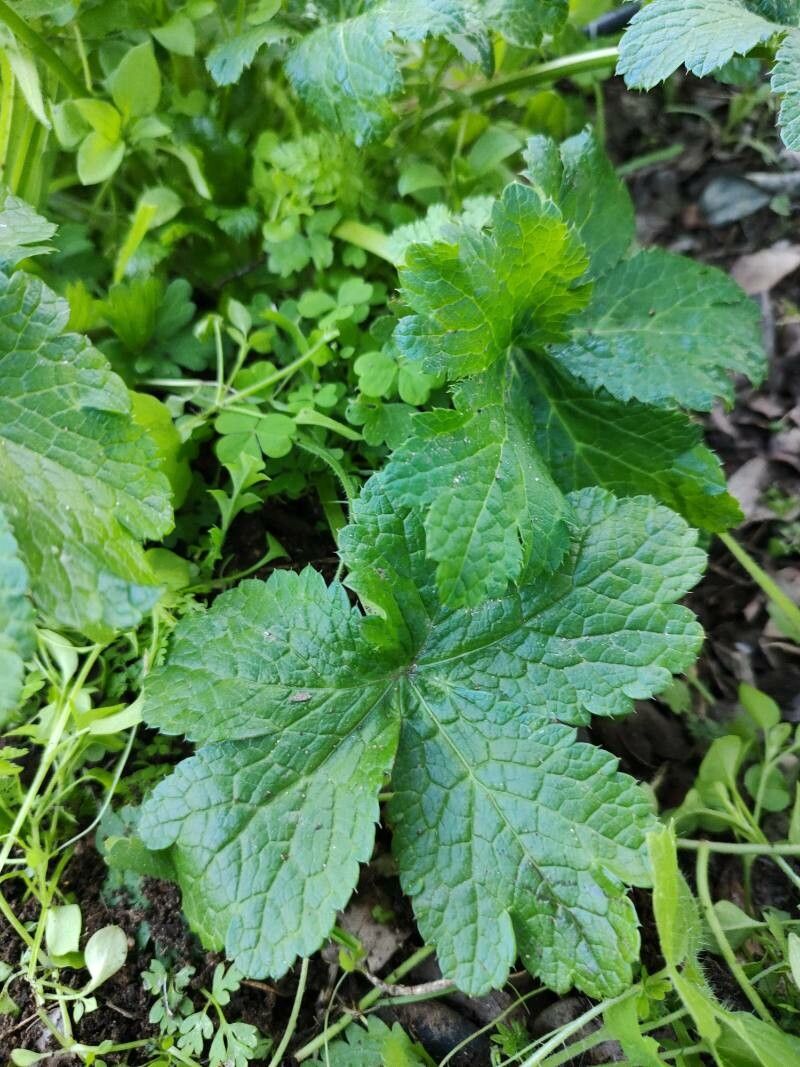
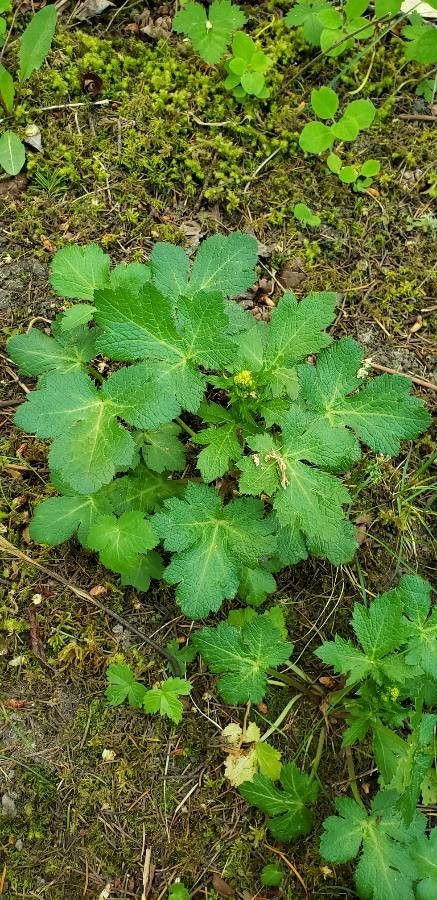
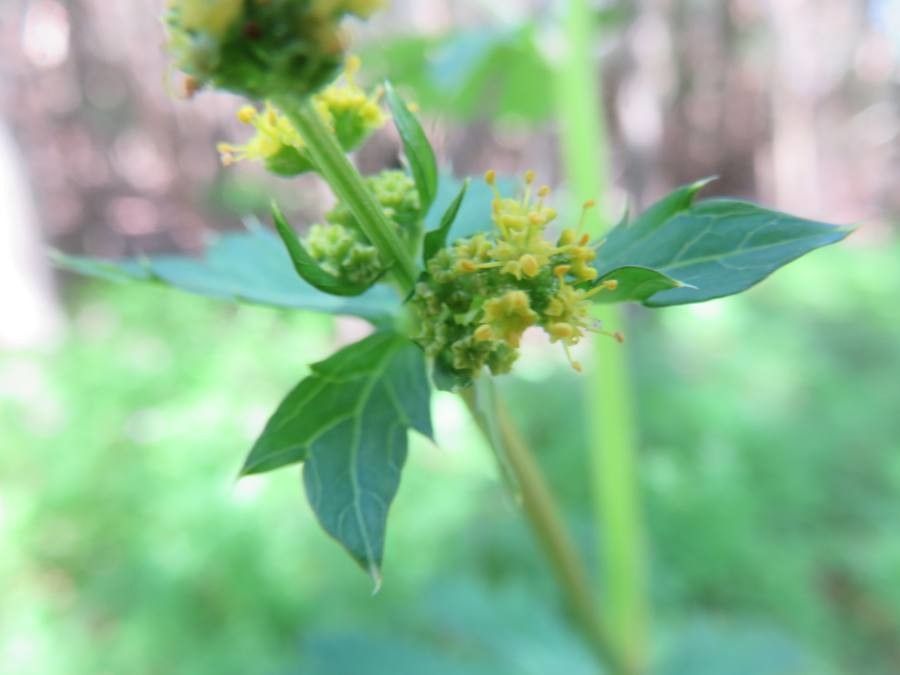
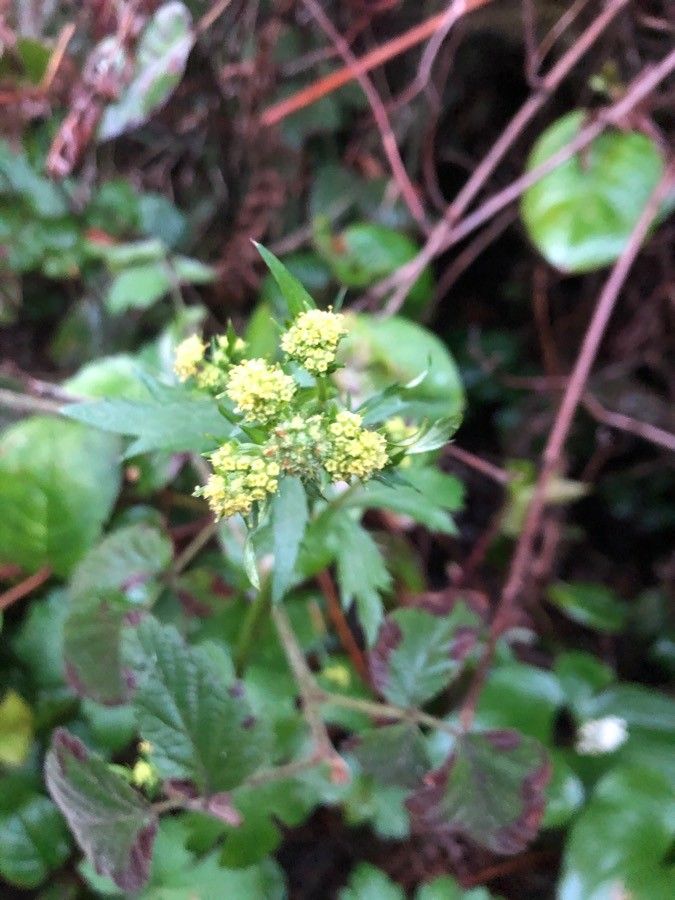
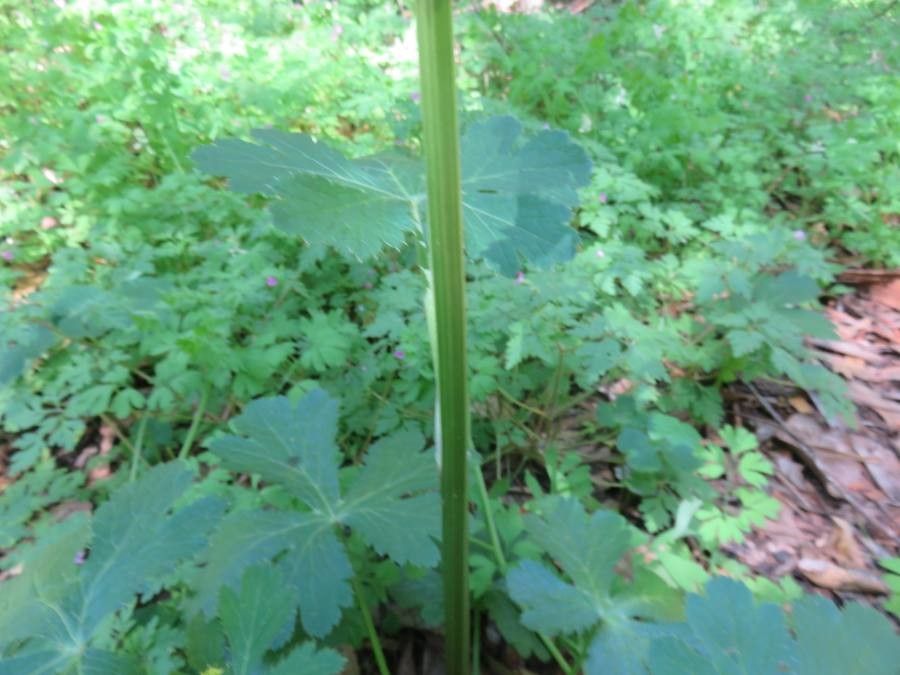
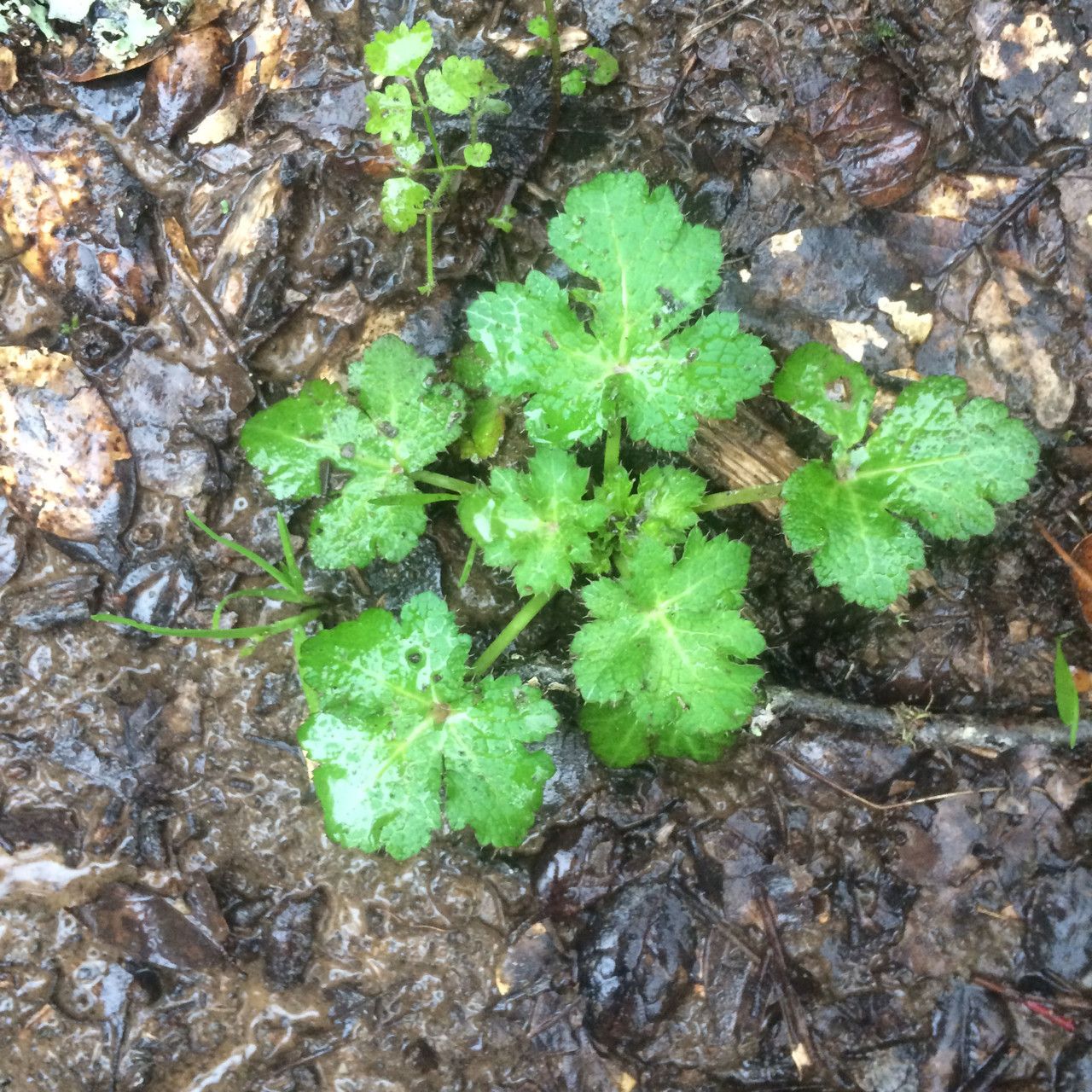
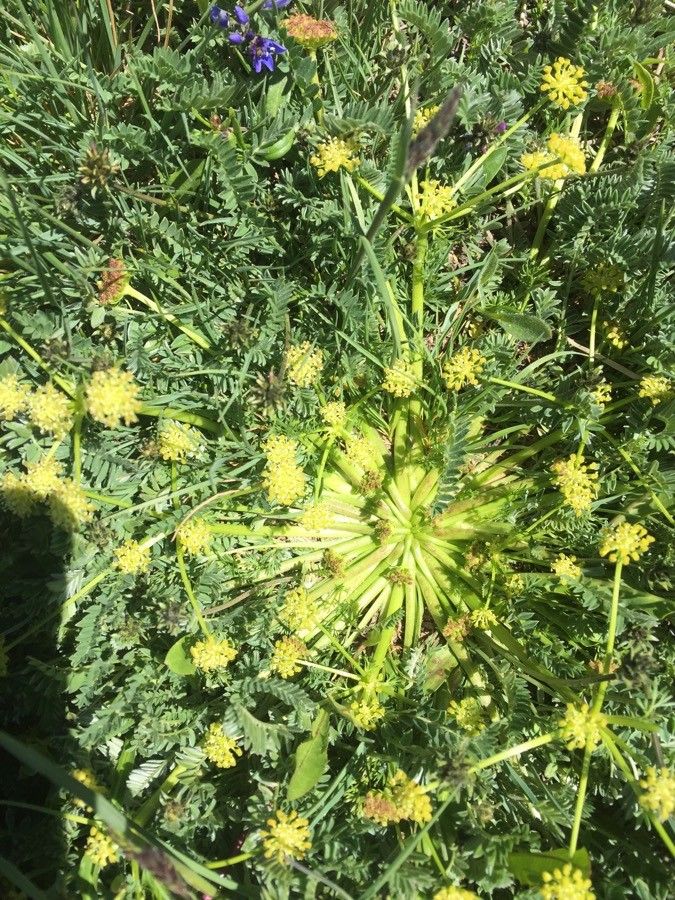
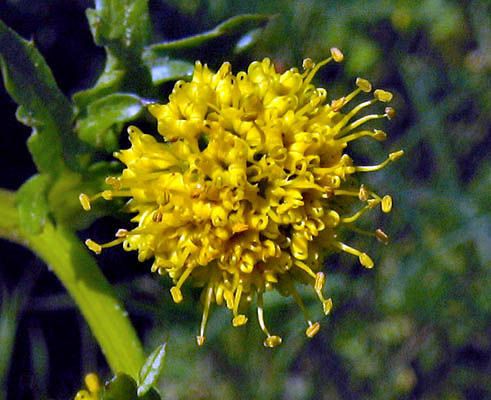
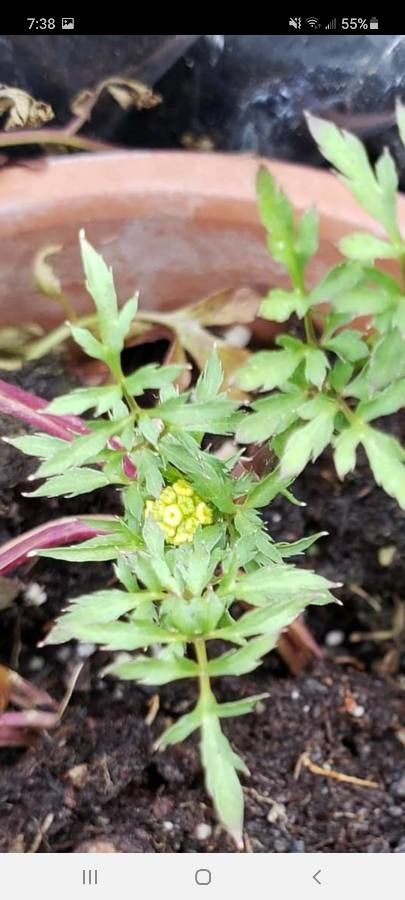
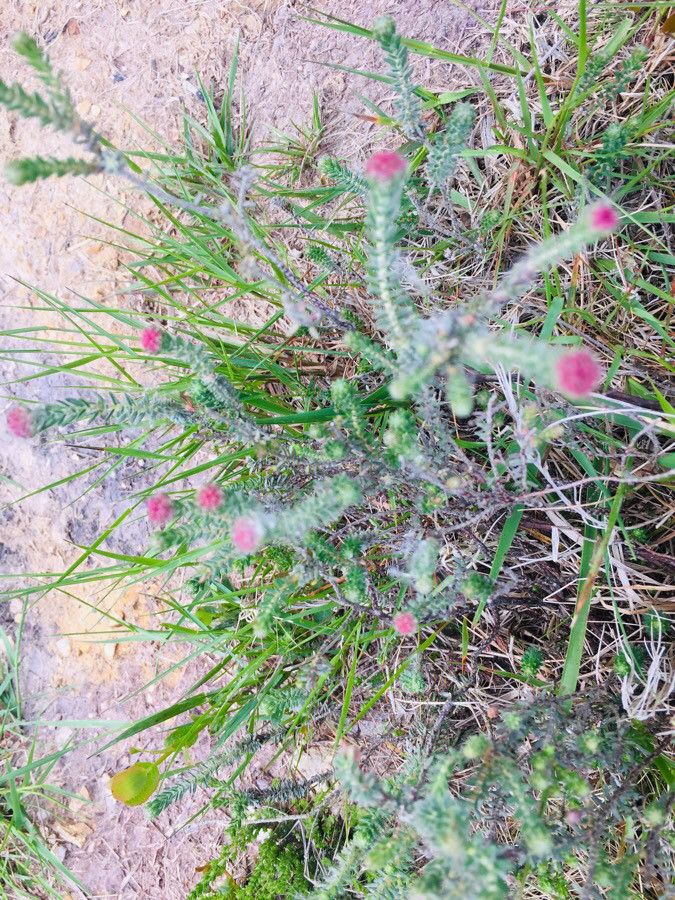
Sanicula crassicaulis, commonly known as Pacific sanicle, is a perennial herbaceous plant in the Apiaceae family. It is native to the western regions of North America, including California and Oregon. The plant typically grows to a height of 1-2 feet and features a basal rosette of leaves that are deeply lobed and toothed. The hairy stem supports small greenish-white flowers arranged in umbels at its top.
Pacific sanicle thrives in moist soils found in shaded areas such as forests or alongside streams. Indigenous peoples have historically utilized the plant for medicinal purposes, such as treating wounds and respiratory ailments.
The leaves are edible when young but become bitter as they age due to their high tannin content. Additionally, Pacific sanicle serves as an important food source for wildlife, including deer, elk, and rabbits.
In summary, Sanicula crassicaulis is a significant native species that contributes to the health of ecosystems within its natural range. It also offers medicinal benefits that have been recognized and utilized by humans for centuries.
Botanical profile.
- Plant Type
- Herb
- Life Cycle
- Perennial
- Genus
- Sanicula
- Family
- Apiaceae
- Hardiness Zone
- 7-8
- Mature Height
- 1.22 m
- Mature Spread
- 49 cm to 91 cm
- Leaf Color
- Dark Green
- Leaf Type
- Semi-evergreen
- Flower Color
- White, Cream
- Flower Size
- 2.54 cm
- Bloom Time
- Spring
- Planting Time
- Spring, Autumn
- Harvest Time
- Summer
- Native Area
- Mexico
Other names.