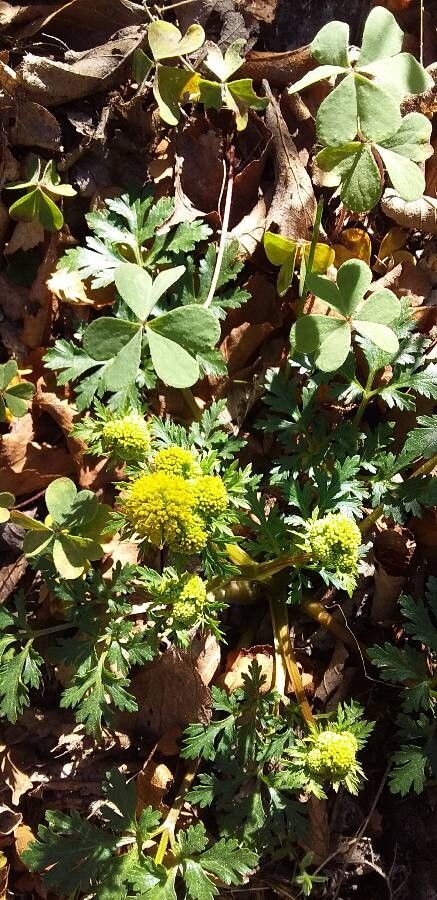
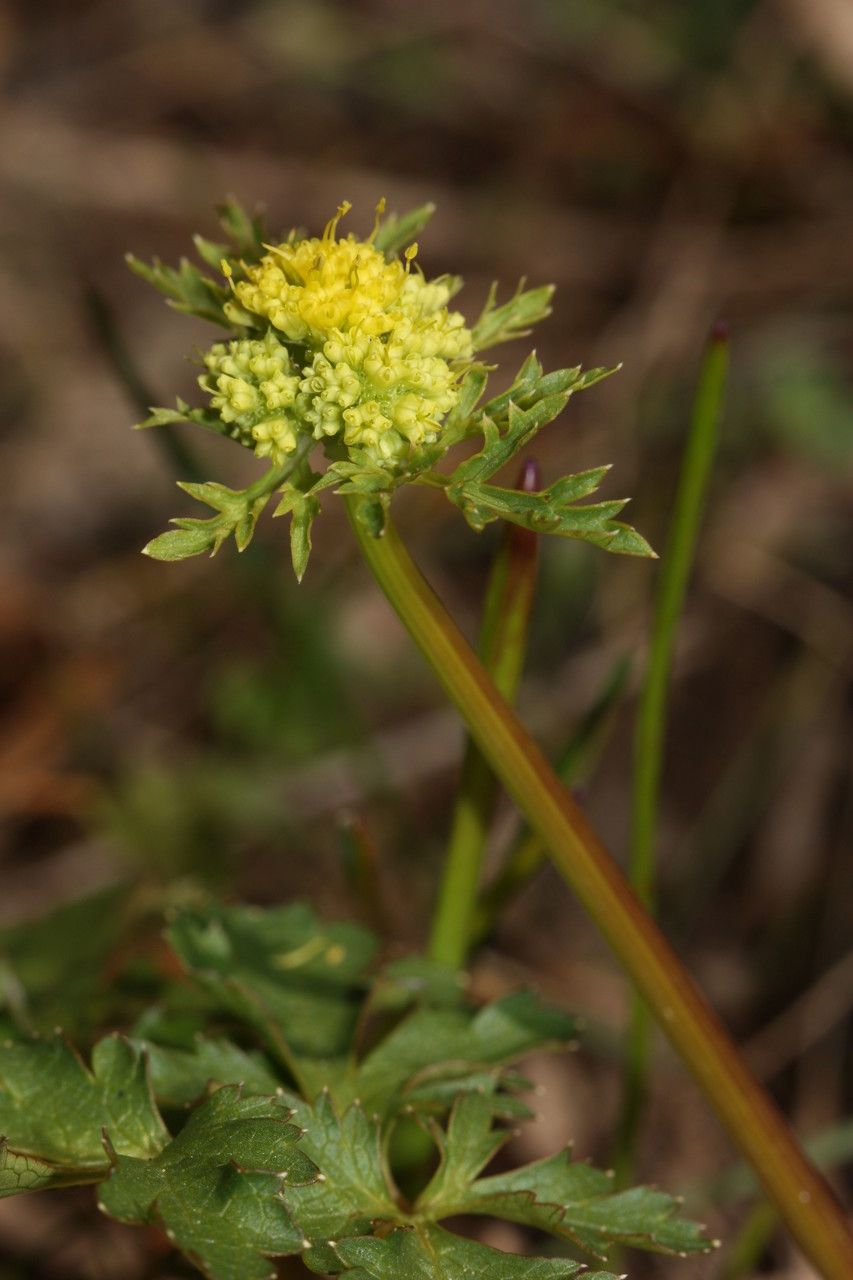
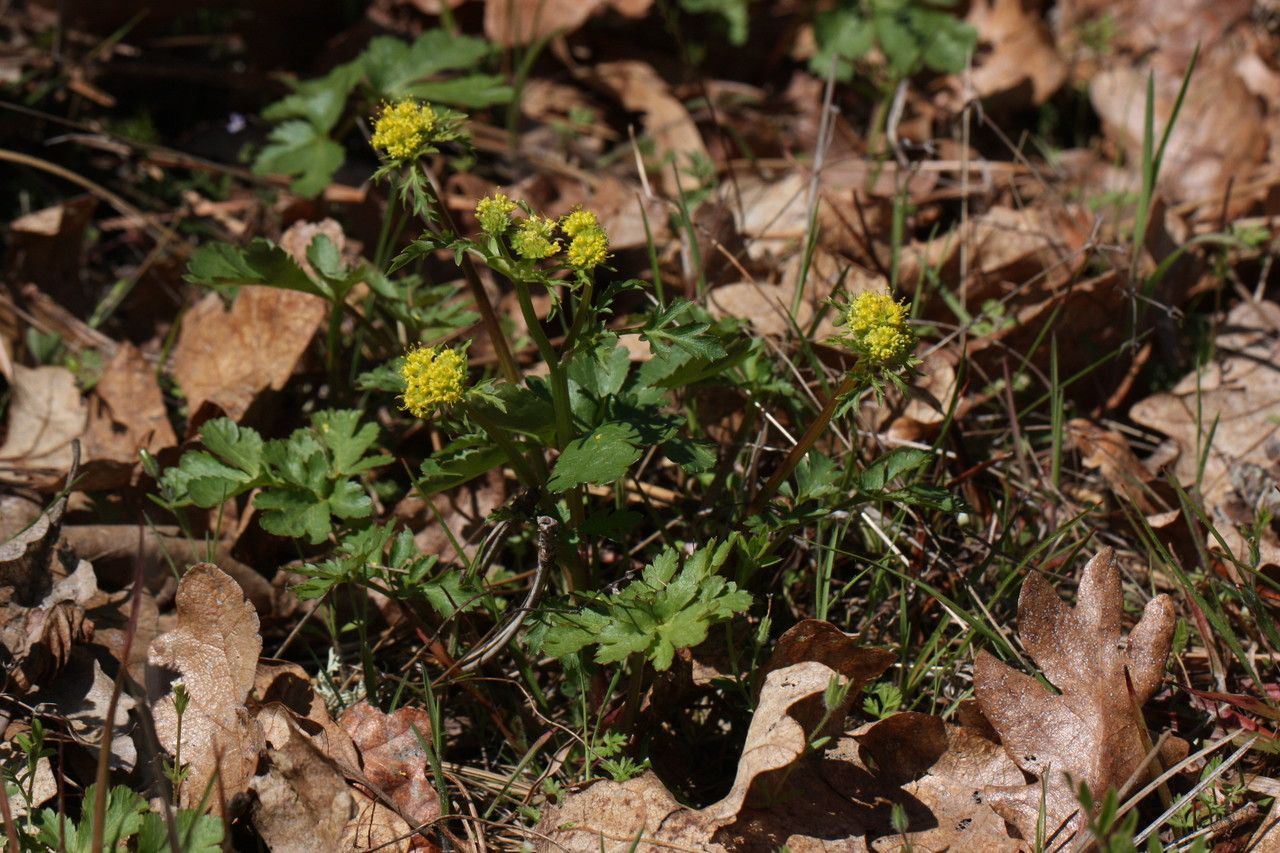
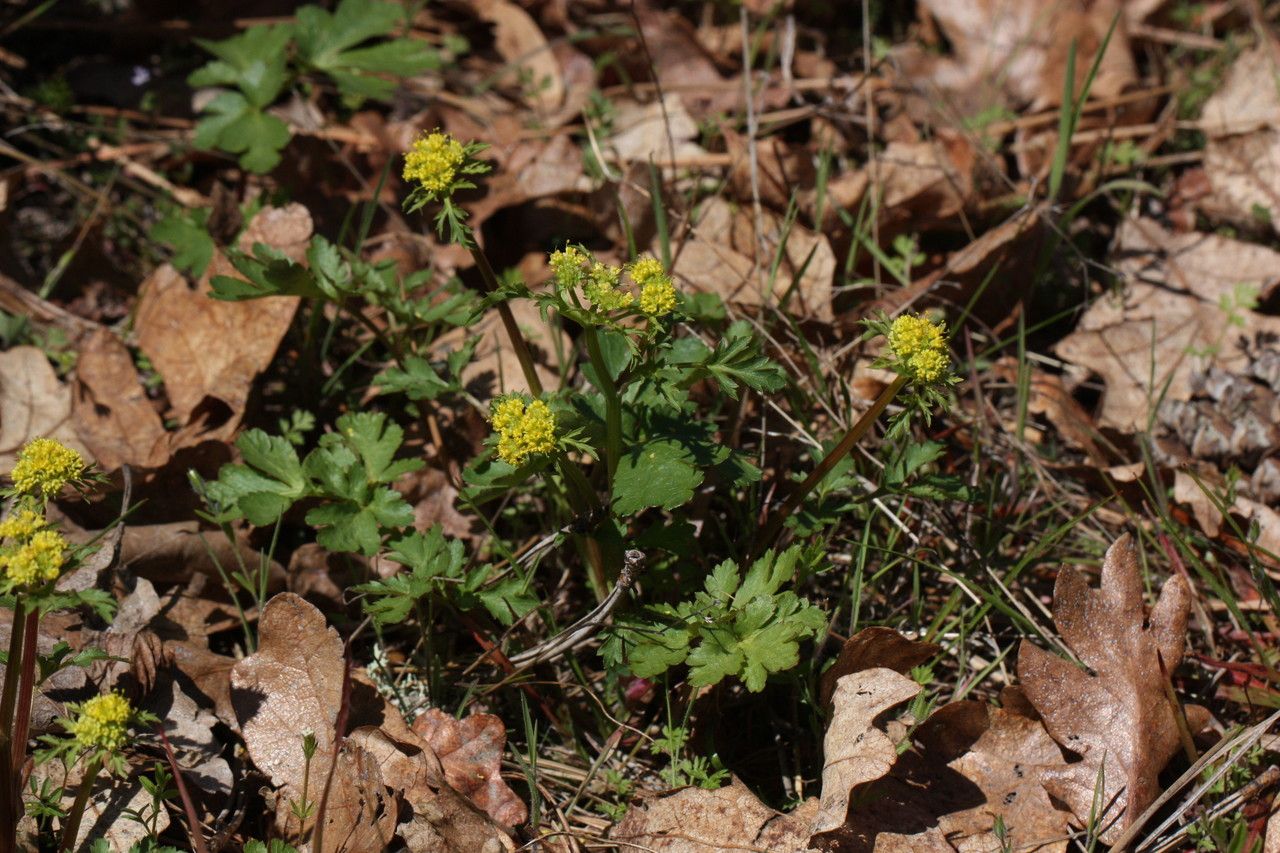
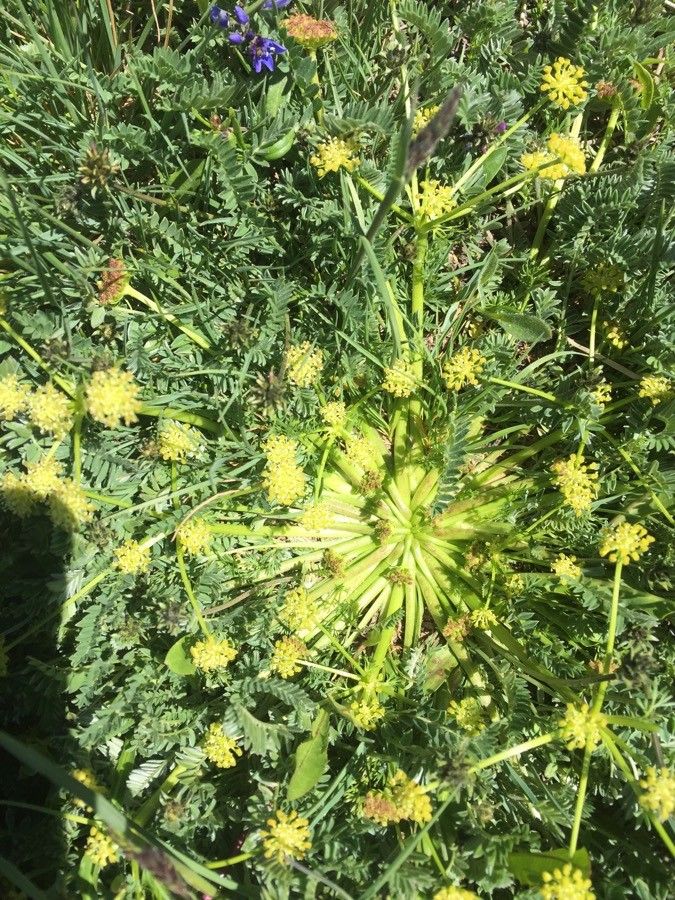
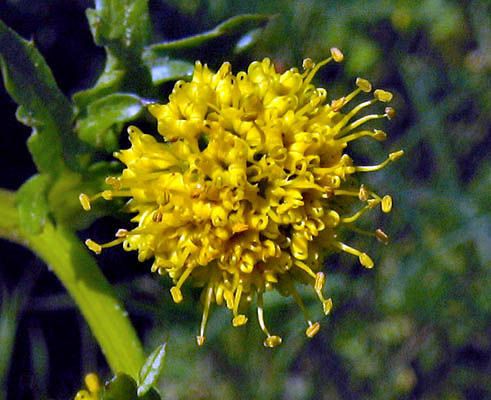
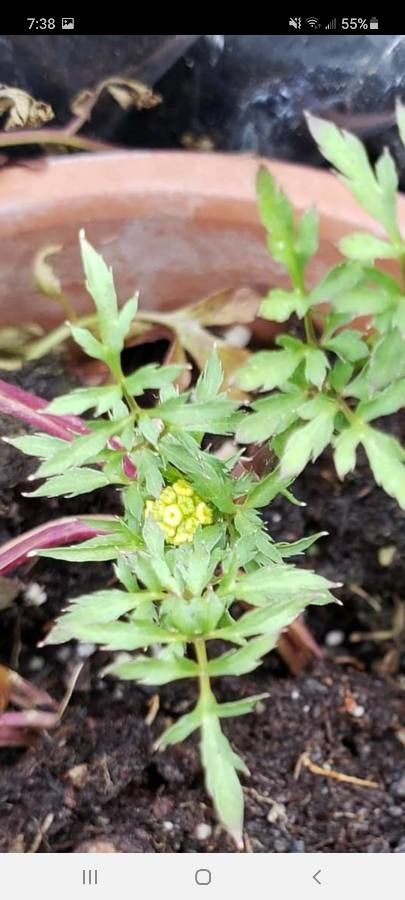
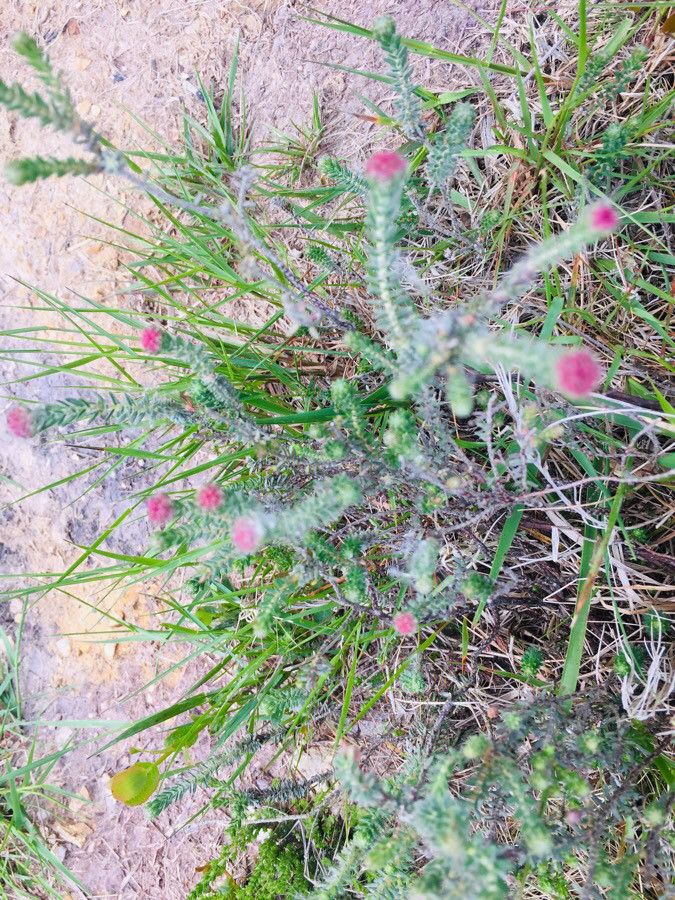
Sanicula graveolens, also known as the Sierra Sanicula or Sierra Black Snakeroot, is a perennial herbaceous plant in the Apiaceae family. Native to California, it thrives in various habitats, including chaparral, oak woodlands, and coniferous forests.
The plant can grow up to 60 cm tall and features a basal rosette of deeply lobed leaves with toothed edges. Its stem is hairy and topped with small, greenish-white flowers arranged in umbels. These flowers typically bloom from May to July.
Traditionally, Native American tribes have utilized Sanicula graveolens for medicinal purposes, such as treating snake bites and respiratory ailments. The plant contains compounds known for their anti-inflammatory properties.
Sanicula graveolens prefers well-drained soils and can grow in both partial shade and full sun. It is adaptable to various soil types, including sandy soils and clay loams.
Overall, Sanicula graveolens is an intriguing perennial herb with medicinal benefits, naturally found in California's diverse habitats.
Northern sanicle is fairly disease-resistant and generally not prone to illnesses. However, it can be susceptible to pests and diseases present in its environment. These infections are typically not severe. In terms of care, this plant requires moderate maintenance. It should be pruned regularly to preserve a neat appearance and support healthy growth. Fertilizing can also help encourage flowering. Northern sanicle is suitable for anyone with outdoor space, like a garden or patio, and does not require extensive care experience. It may need more attention if grown indoors.
How to keep Sanicula Graveolens.
Light
Northern sanicle naturally occurs in habitats like forest understories and rocky locations, where it grows in naturally shaded conditions. It favors partial sun but can tolerate both full sun and deep shade, showing its adaptable and hardy character.
Water
Northern sanicle naturally grows in areas with abundant moisture, thriving in soil that remains evenly moist. While it has moderate drought tolerance, weekly watering is important to maintain the ideal moisture levels. It is best cultivated outdoors, where it can benefit from natural rainfall, which helps support its resilience throughout the growing season.
Fertilizer
One fertilizer application in spring is generally enough for Northern sanicle, though repeated feedings can maximize growth. Apply fertilizer every month to a month and a half. Fertilizing improves the appearance and function of the leaves, helping maintain even color and a healthy texture. It also promotes root development and nutrient uptake, supporting the plant's long-term health.
Pruning
Northern sanicle showcases umbels of small, yellowish flowers along with finely divided leaves. To encourage growth and flowering, it is best to prune the plant from early to late spring, removing any dead stems. Regular pruning helps maintain the plant's shape and density, and removing spent flowers prevents self-seeding, resulting in a healthier appearance.
Botanical profile.
Other names.