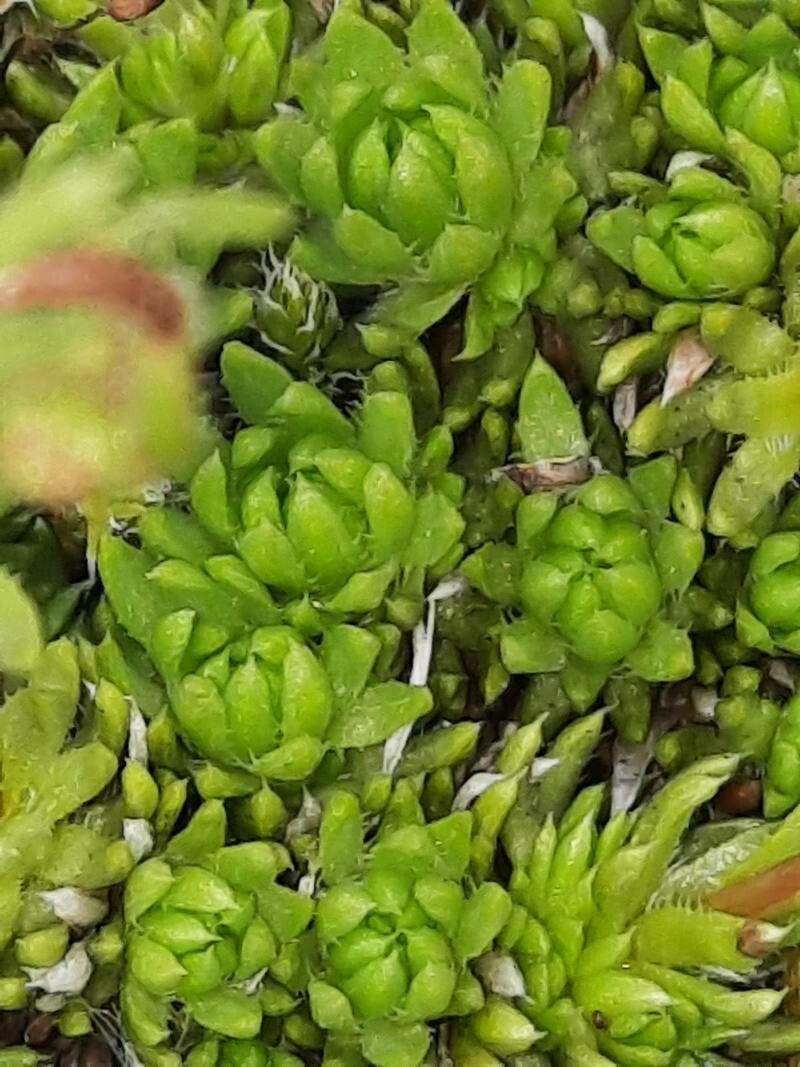
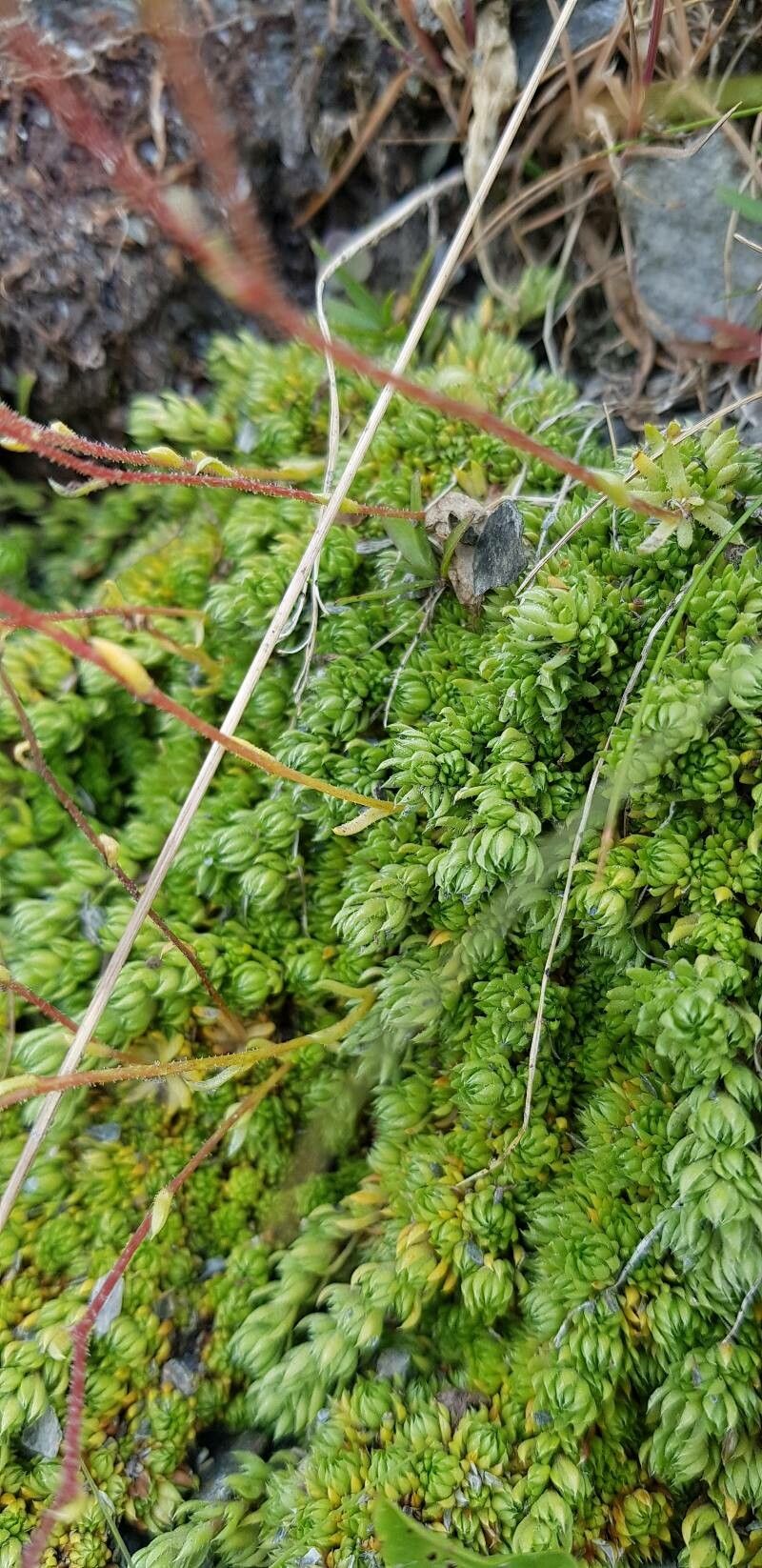
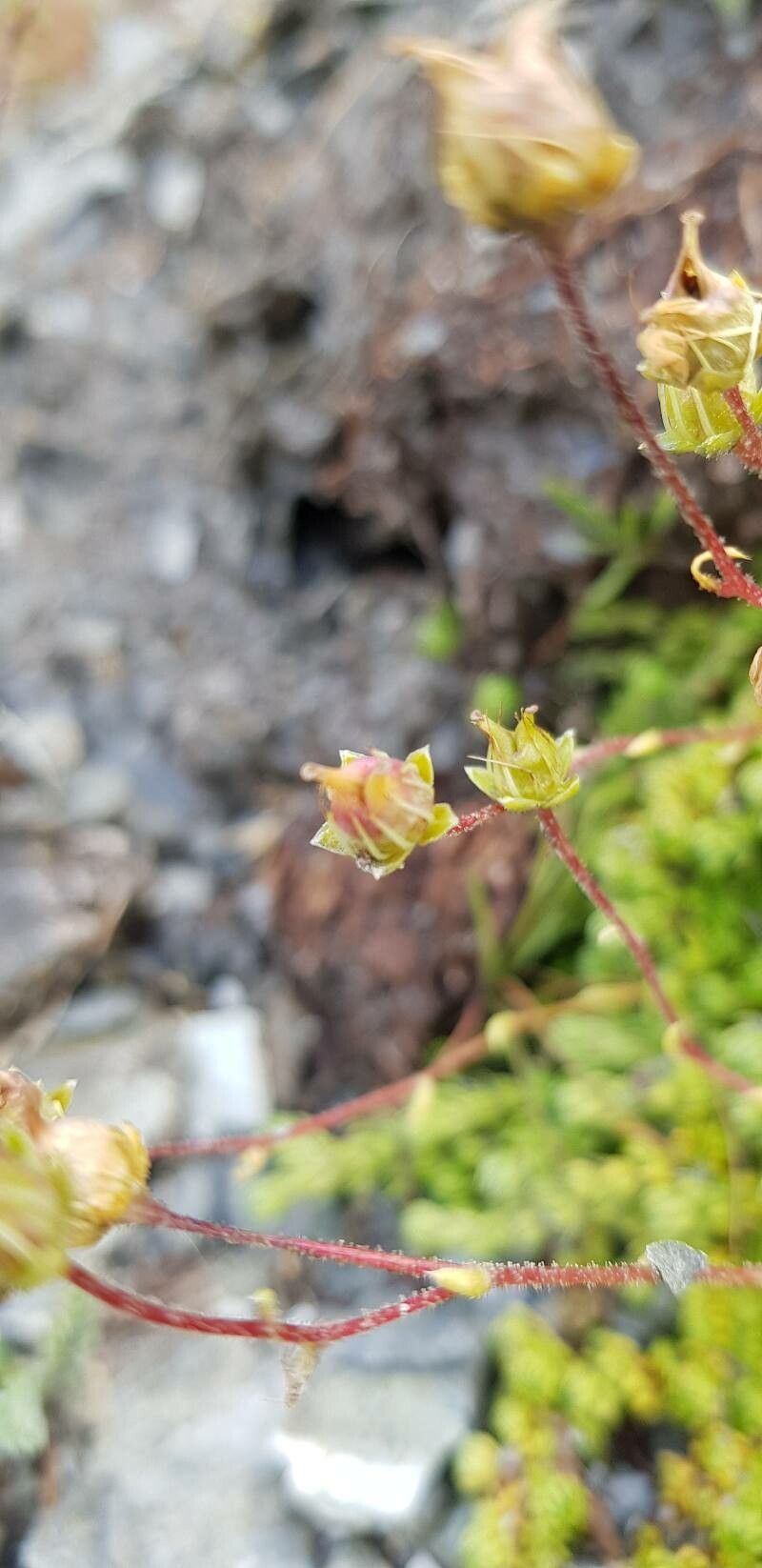
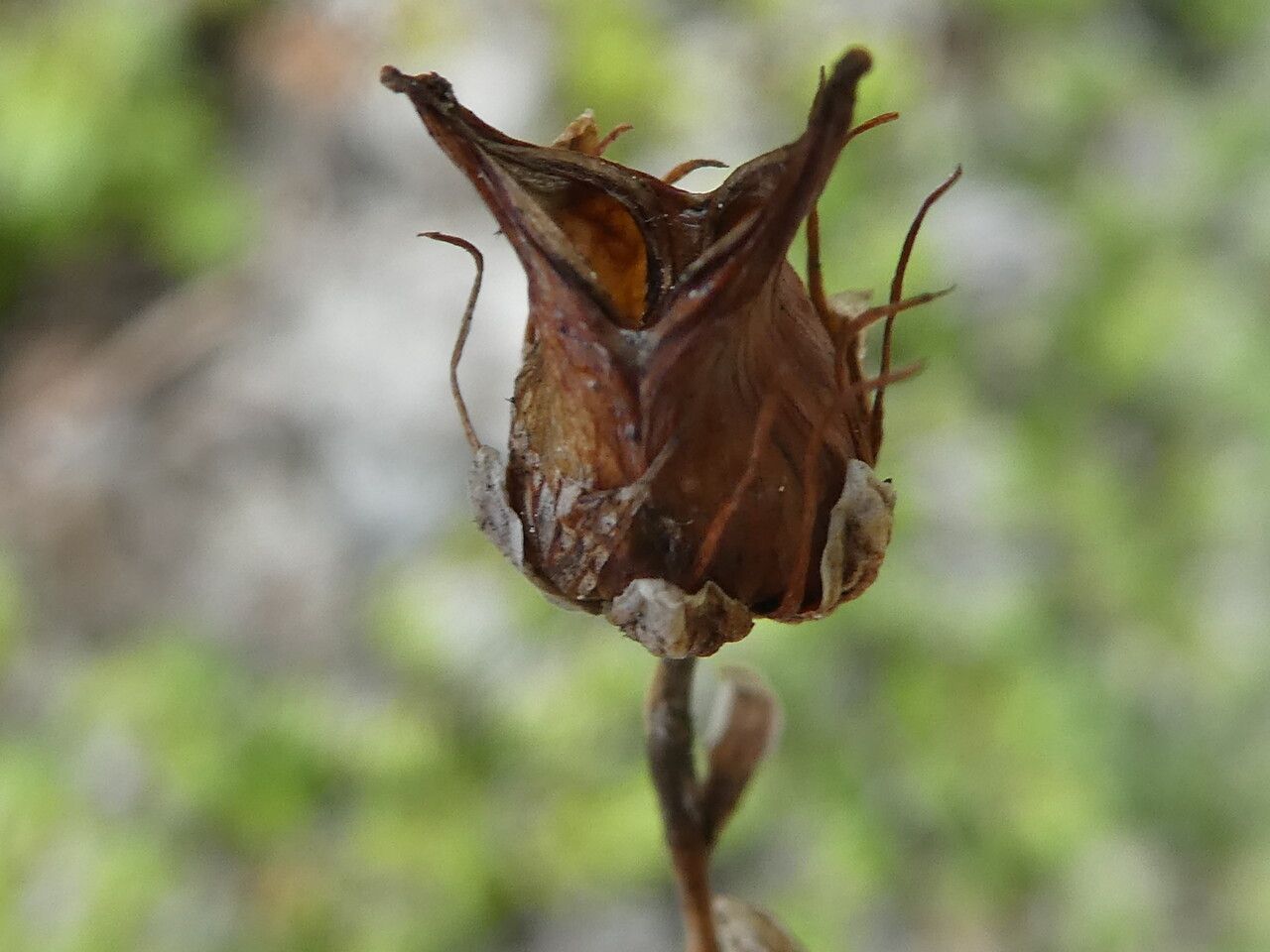
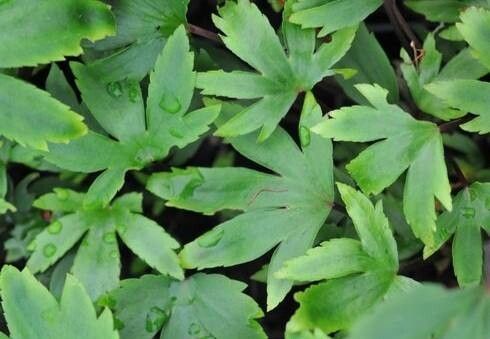
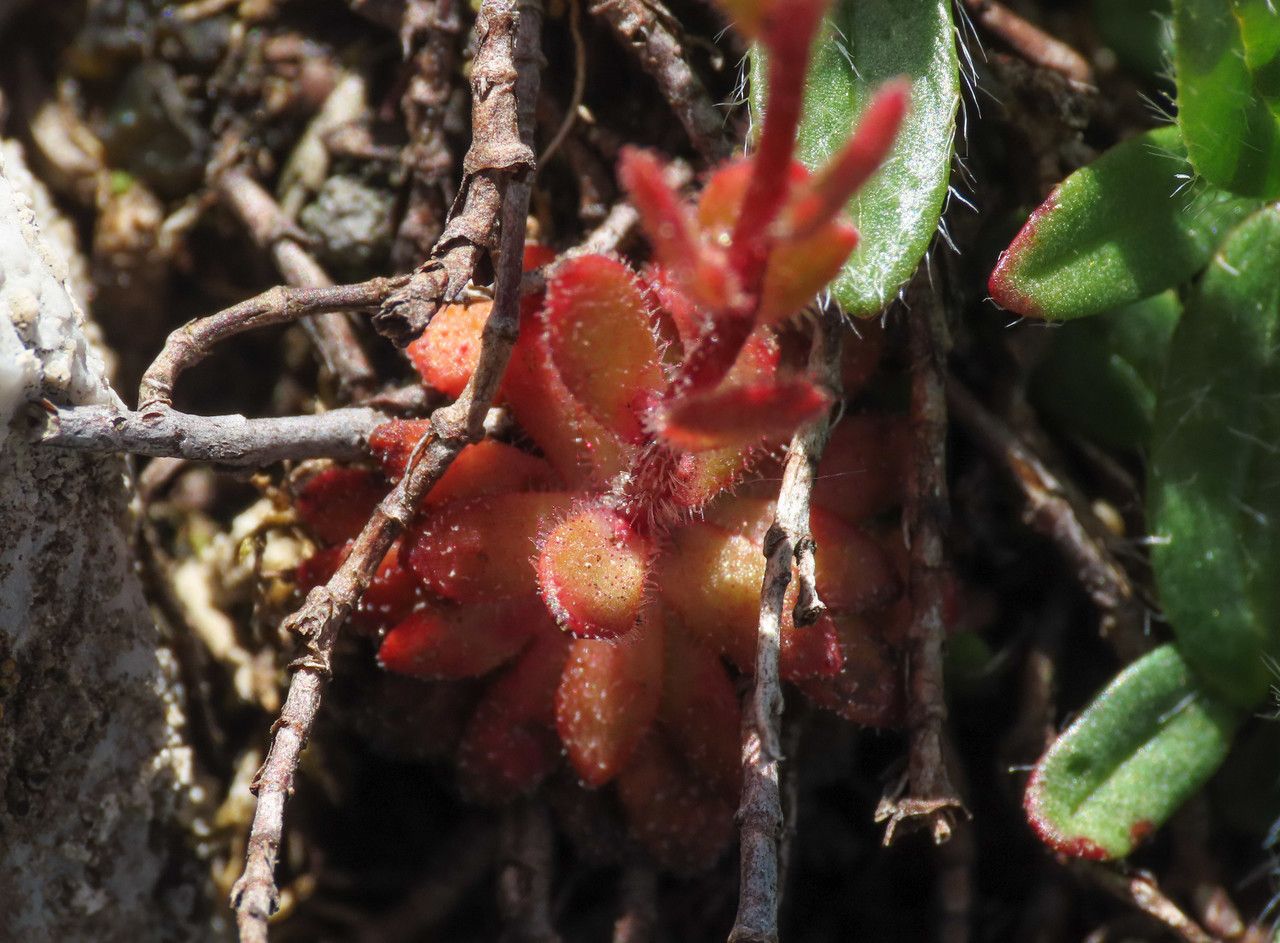
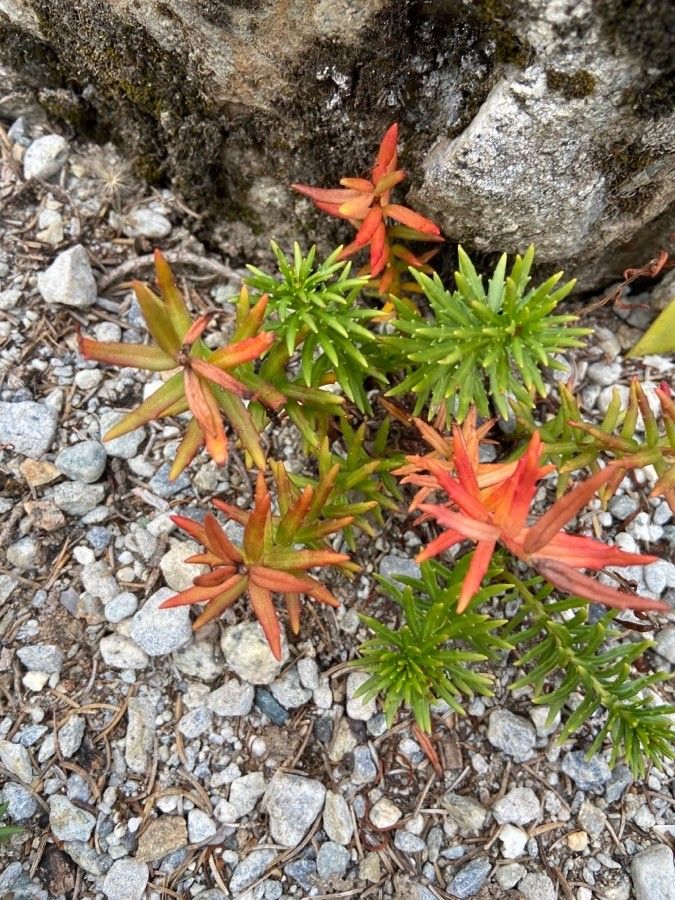
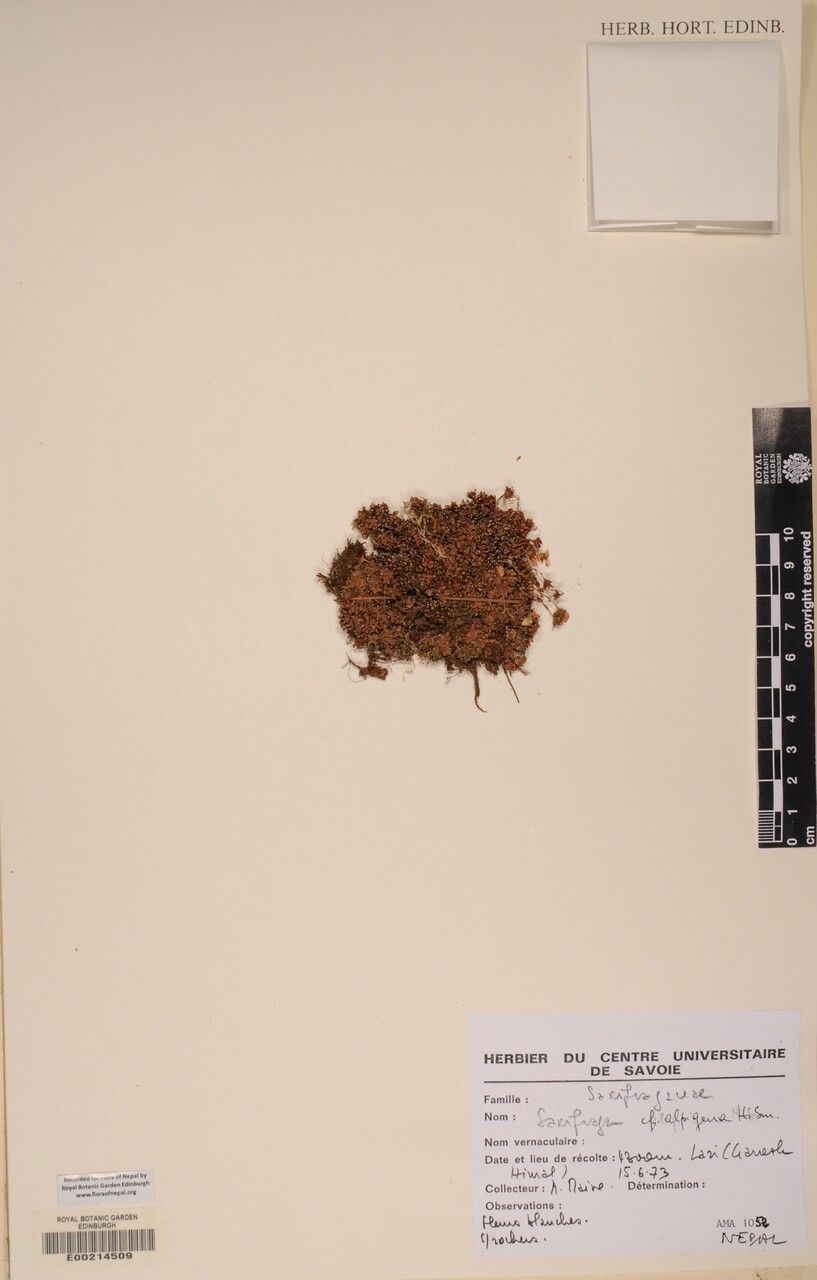
Saxifraga bryoides, commonly known as mossy saxifrage, is a small perennial plant from the Saxifragaceae family. Native to Europe and Asia, it thrives in rocky crevices, cliffs, and alpine meadows. This plant forms dense mats with small rosettes of bright green, oval-shaped leaves that have toothed edges and a slightly hairy texture.
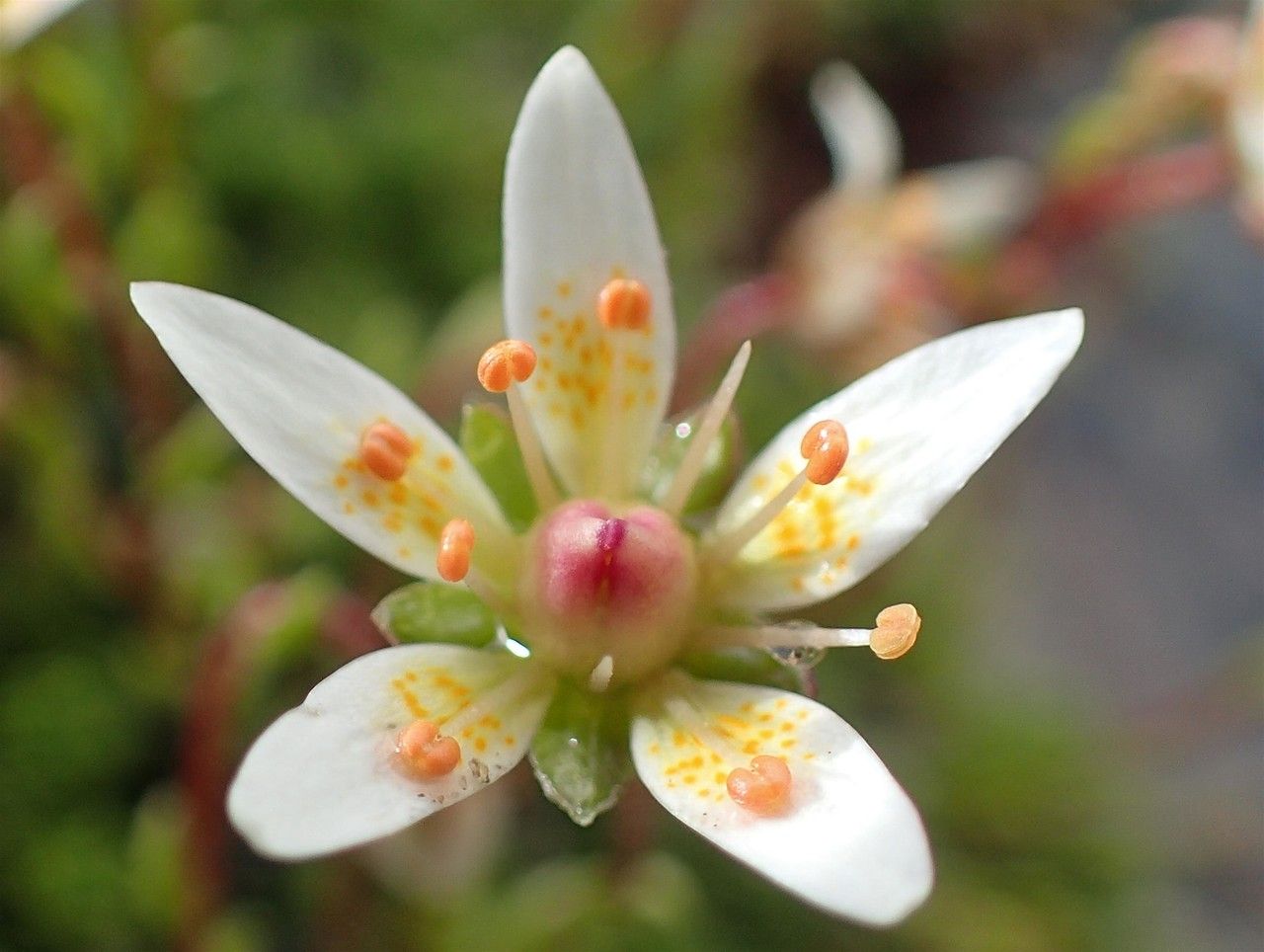
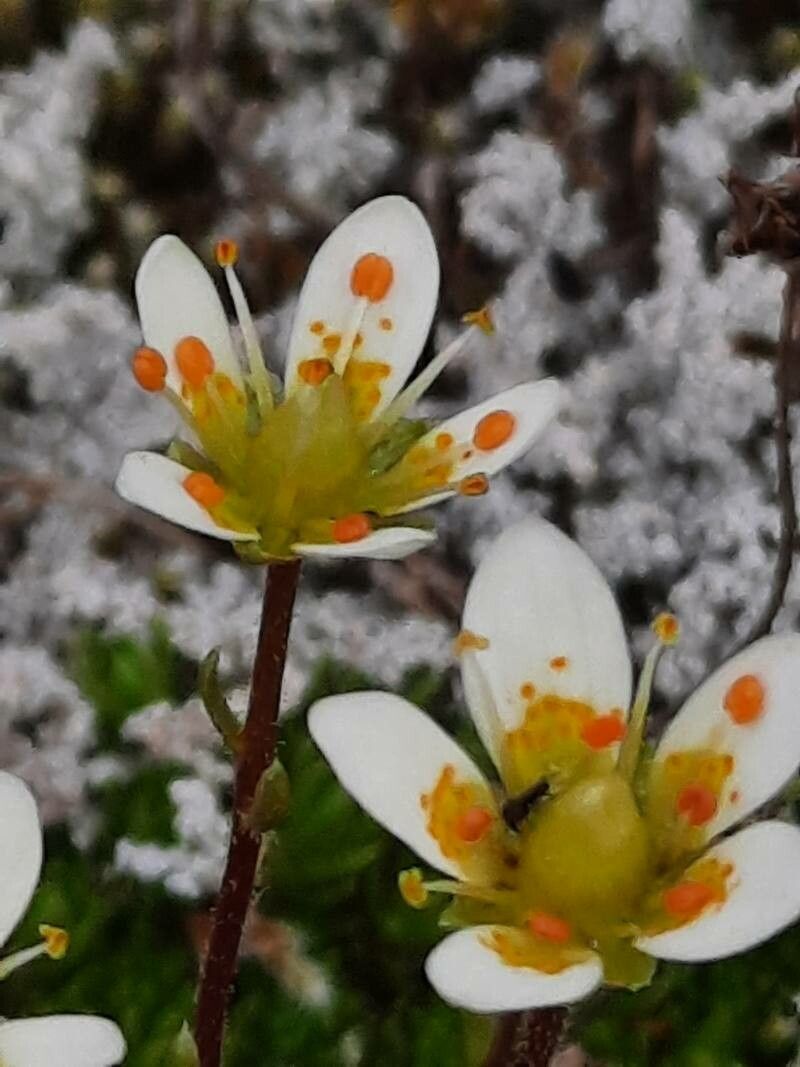
In spring, Saxifraga bryoides produces delicate white or pink flowers on thin stems that rise above the foliage. These star-shaped flowers, composed of five petals, bloom for several weeks before fading.
Mossy saxifrage is easy to grow and excels in well-draining soil with ample sunlight, though it can also tolerate partial shade. It requires moderate watering during its growing season but should be kept dry during its winter dormancy.
Historically, indigenous people have used the plant for its anti-inflammatory properties in medicinal applications. Additionally, it attracts pollinators like bees and butterflies to gardens and natural habitats.
Overall, Saxifraga bryoides is an attractive, low-growing perennial ideal for rock gardens or alpine landscapes. It is hardy against harsh weather conditions, such as frost and drought, while providing aesthetic appeal through its vibrant green foliage and delicate spring blooms.
Mossy saxifrage has good disease resistance and is generally not prone to illnesses. Nevertheless, it can be affected by pests and diseases present in its environment. Such infections are usually mild. Regarding care, this plant needs moderate maintenance. It should be pruned regularly to keep a neat appearance and support healthy growth. Fertilizing can also help encourage flowering. Mossy saxifrage is suitable for anyone with an outdoor area, such as a garden or patio, and does not require extensive care experience. It may demand more attention when grown indoors.
How to keep Saxifraga Bryoides.
Light
Mossy saxifrage thrives in locations receiving strong sunshine throughout the day but can tolerate spots with diminished light for part of the day. The plant comes from sunny habitats, which support healthier growth. Excessive sun can cause water loss, while too little light may limit growth.
Water
Mossy saxifrage is a plant native to alpine regions, where it thrives in moist, well-drained environments. It requires weekly watering to keep the soil consistently moist without causing waterlogging. As an evergreen, it is important to ensure it receives enough water during the growing season to maintain healthy foliage throughout the year.
Fertilizer
For Mossy saxifrage, the primary time to apply fertilizer is in early spring when the flowers are developing. The appropriate fertilizer promotes improved blooms and assists Mossy saxifrage in producing attractive flowers. Fertilizing in early spring guarantees strong flowering during the season and supplies energy for dormant growth phases.
Pruning
Mossy saxifrage is a low-growing plant that forms a dense, cushion-like shape with its foliage. To encourage healthy growth and maintain its compact form, it is best to prune this plant in early spring or late winter. During pruning, remove any dead stems and spent flowers to enhance its ornamental appearance. Be careful not to prune too much, as excessive pruning can stress the plant.
Botanical profile.
- Plant Type
- Herb
- Life Cycle
- Perennial
- Genus
- Saxifraga
- Family
- Saxifragaceae
- Hardiness Zone
- 3-7
- Mature Height
- 3 cm
- Mature Spread
- 5 cm to 10 cm
- Leaf Color
- Green, Blue
- Leaf Type
- Evergreen
- Flower Color
- White, Yellow
- Flower Size
- 1.02 cm to 1.52 cm
- Bloom Time
- Early summer, Mid summer
- Planting Time
- Spring
- Harvest Time
- Late summer, Early fall
- Native Area
- Germany, Austria, Italy, Spain, Switzerland, Slovakia, Bulgaria, Poland, Romania, Ukraine, France
Other names.
Reader questions.
What are the sunlight requirements for Mossy Saxifrage?
Mossy Saxifrage flourishes best under conditions of abundant day-long sunshine, requiring more than 6 hours of sunlight to qualify as full sun, and can also grow well in partial sun, which is about 3-6 hours of sunlight. It’s important to note that while the plant prefers locations filled with sunlight, which is essential for its healthier growth, both excessive sunlight and insufficient light exposure can have adverse effects. Excessive sunlight may lead to water loss, whereas not enough sunlight can hinder growth. Observing how sunlight moves through your garden will help in choosing spots that provide the right balance of light and shade for your Mossy Saxifrage.
What is the name of the plant?
The name of the plant is Mossy saxifrage.
How does artificial lighting benefit indoor Mossy Saxifrage plants?
For indoor Mossy Saxifrage plants, when natural sunlight is insufficient, especially during winter or in less sunny spaces, artificial lighting provides a crucial alternative for optimal growth. The right type of artificial light, such as LED lights, can be tailored to supply specific wavelengths needed by the plants. Full sun plants require 30-50W per square foot, partial sun plants need 20-30W per square foot, and full shade plants require 10-20W per square foot of artificial light. The light source should be placed 12-36 inches above the plant to mimic natural sunlight conditions and should be kept on for 8-12 hours per day to emulate the length of natural daylight hours.
What is the botanical name of Mossy saxifrage?
The botanical name of Mossy saxifrage is Saxifraga bryoides.
What are the signs of inadequate lighting in Mossy Saxifrage?
Signs of inadequate lighting in Mossy Saxifrage include the growth of smaller leaves compared to previously matured ones, leggy or sparse growth, indicating that the spaces between leaves or stems are becoming longer, faster leaf drop as the plant sheds older leaves to conserve resources, and slower or halted new growth as the plant enters a survival mode with poor light conditions. Additionally, lighter-colored new leaves and symptoms of chlorosis, where leaves turn yellow due to a lack of chlorophyll, are common. Excessive sunlight exposure can lead to sunscald, leaf curling as a defense against water loss, wilting from excessive transpiration, and leaf scorching, evident by brown, dry edges on leaves.
What are effective solutions for light-related issues in Mossy Saxifrage?
To address light-related issues in Mossy Saxifrage, indoors, gradually moving the plant to a sunnier location, ensuring at least 6 hours of sunlight daily, or using artificial lighting like a desk or ceiling lamp switched on for at least 8 hours a day can be beneficial. For outdoor plants, a gradual transition to sunnier spots while avoiding drastic changes in light intensity helps prevent sunburn. It's advisable to reduce obstructions such as pruning branches or leaves blocking the sunlight and consider transplanting smaller plants during their dormant period to a location with better sunlight and drainage is recommended for ground plants. Note, however, that parts of the plant affected by insufficient sunlight might not recover, but new growth should be healthy after adjusting the light exposure.