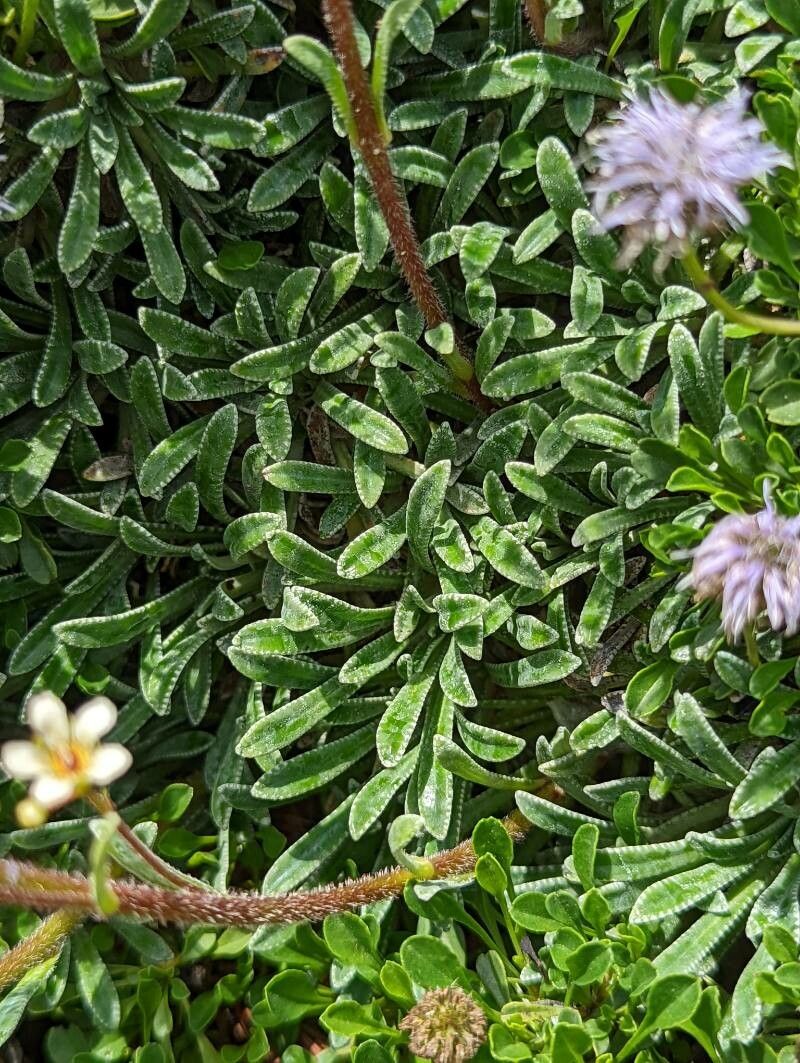
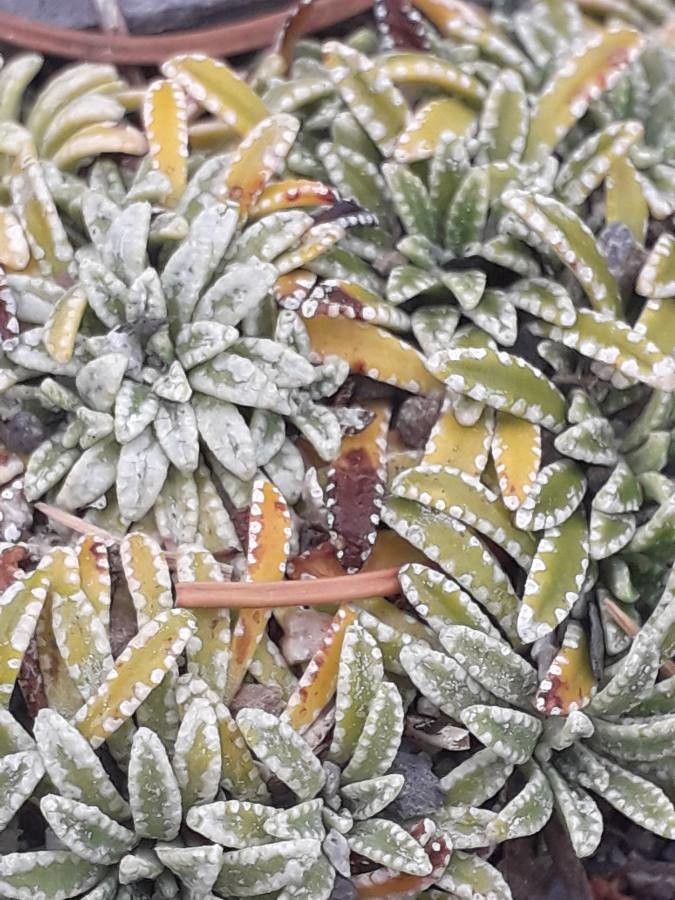
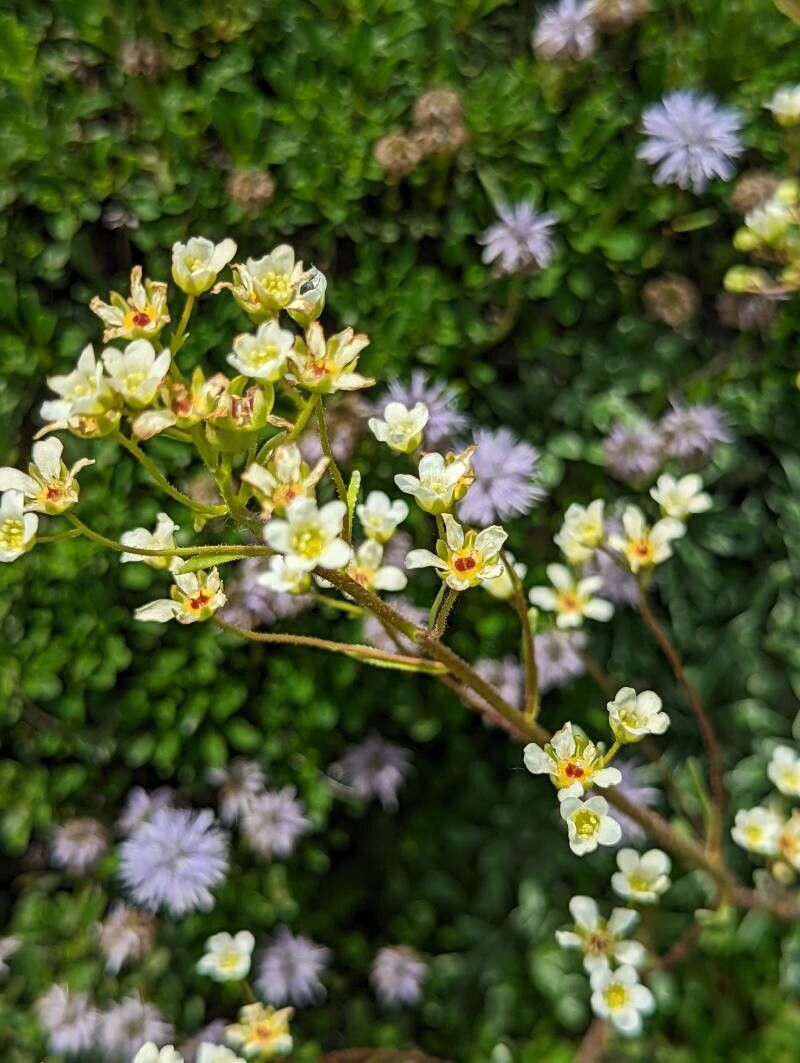
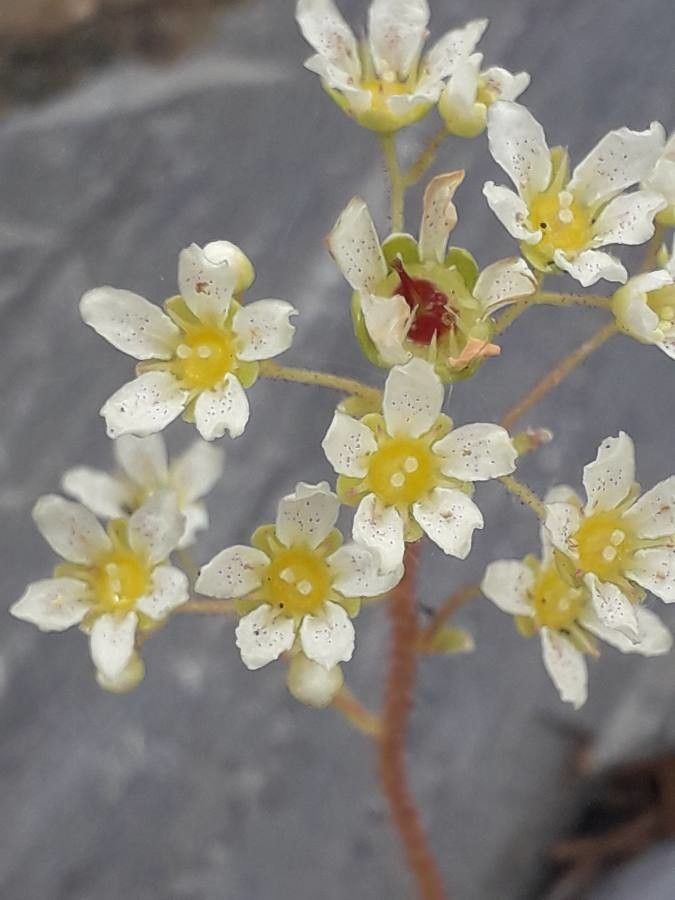
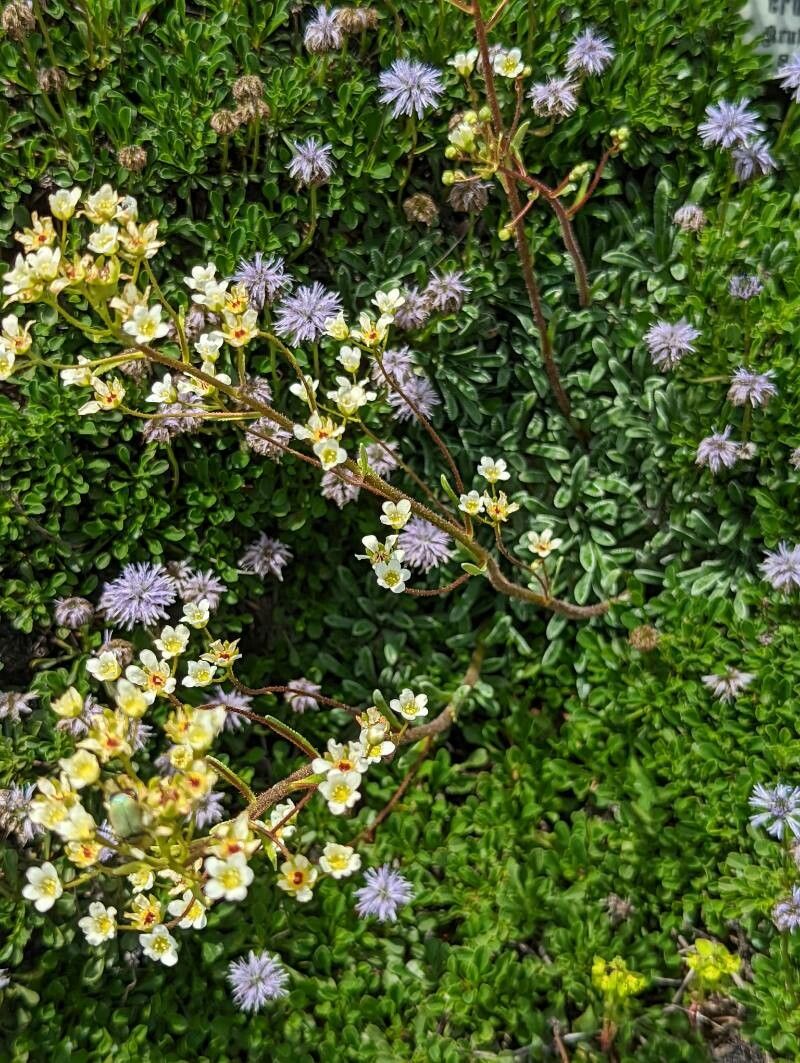
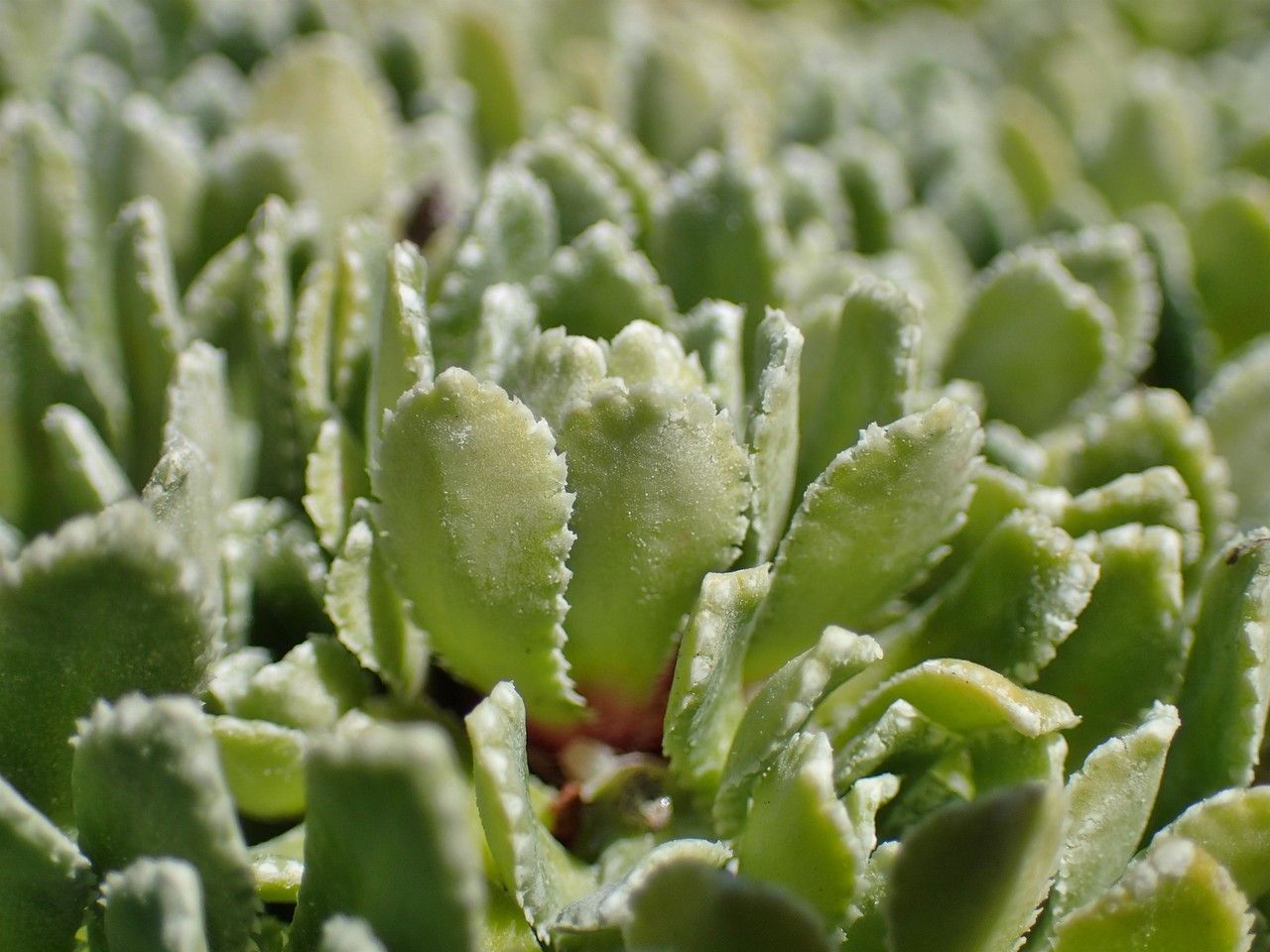
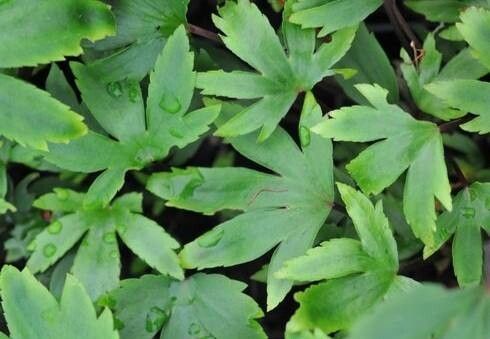
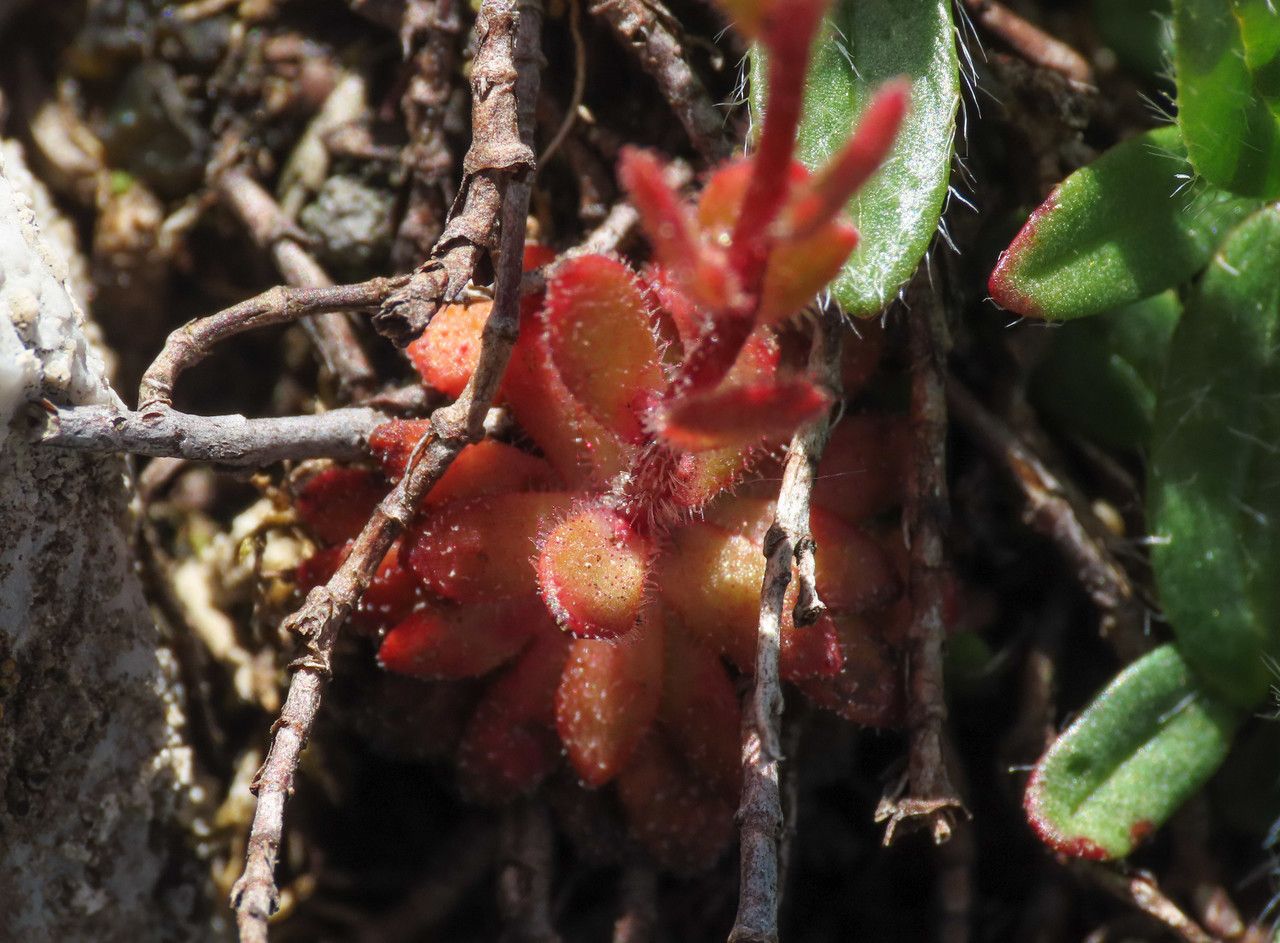
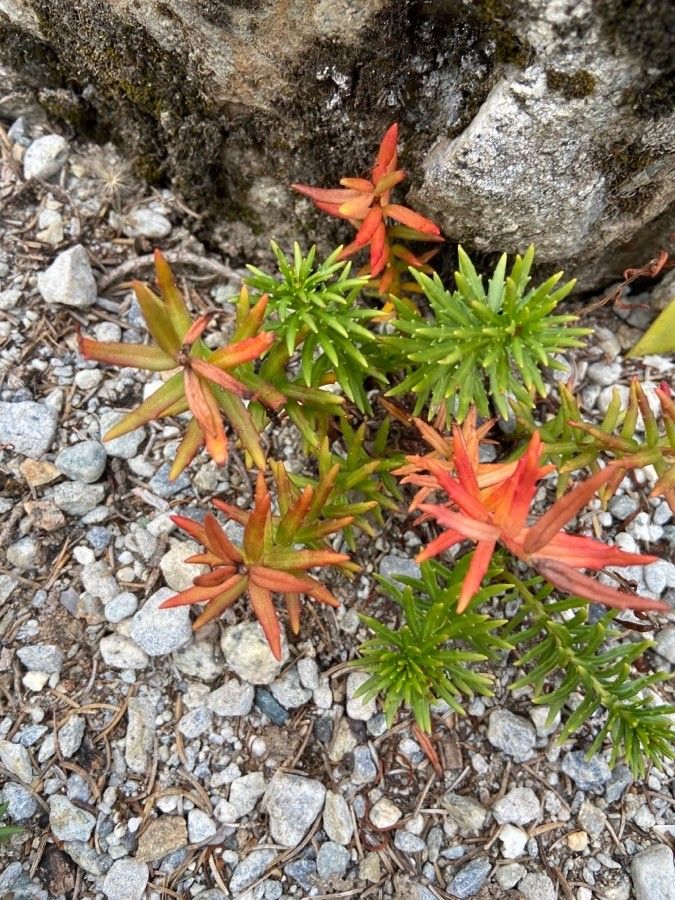
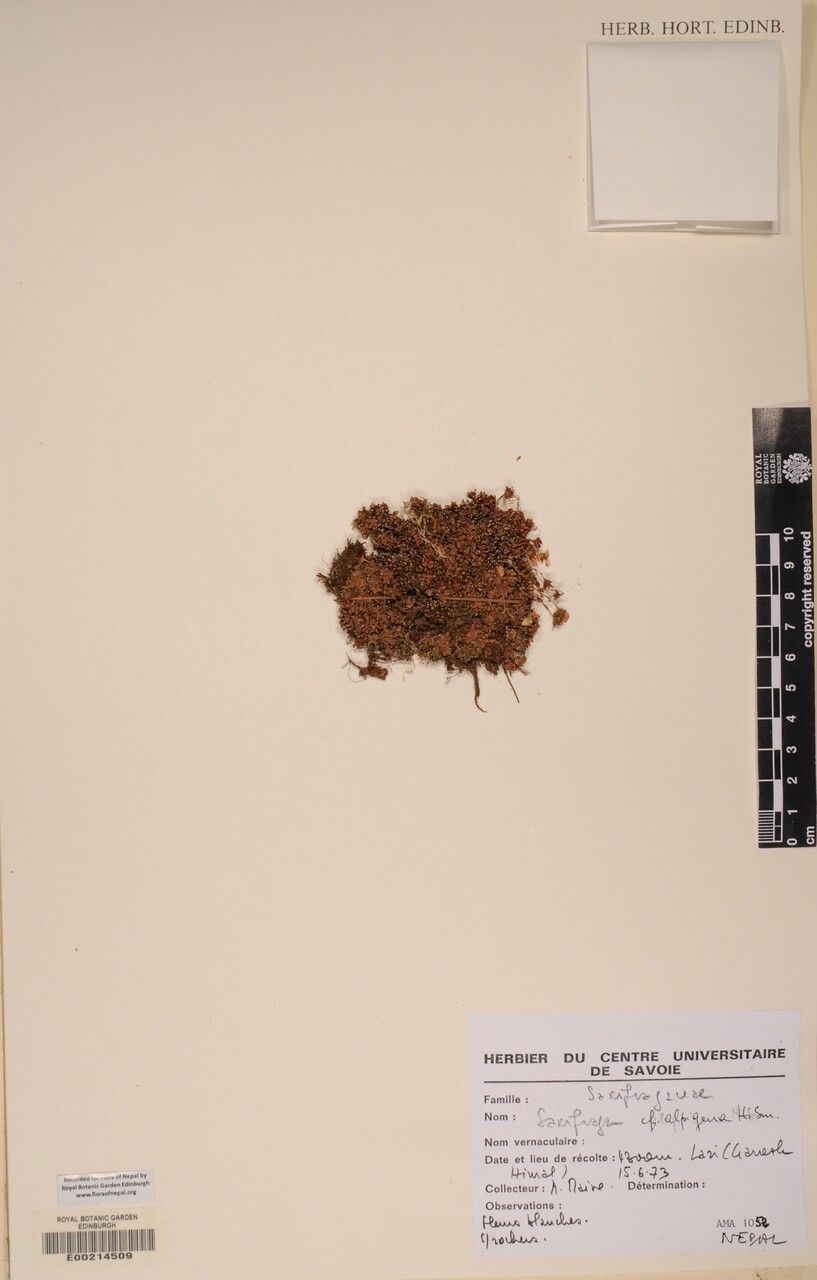
Saxifraga crustata, the crusted-leaved saxifraga and silver saxifrage, as well as encrusted saxifrage, is an evergreen perennial plant species in the family Saxifragaceae, native to the Eastern Alps. This species was described by Austrian botanist Lorenz Chrysanth von Vest in 1804.
Encrusted saxifrage has strong disease resistance and is generally not susceptible to illnesses. However, it can be affected by pests and diseases present in its surroundings. These infections are usually mild. In terms of care, this plant requires moderate maintenance. It should be pruned regularly to maintain a tidy appearance and healthy growth. Fertilizing can also help encourage flowering. Encrusted saxifrage is suitable for anyone with outdoor space, such as a garden or patio, and does not demand extensive experience in plant care. It may need more attention when grown indoors.
How to keep Saxifraga Crustata.
Light
Encrusted saxifrage is found naturally in habitats such as forest understories and rocky sites, where it grows in natural shade. It prefers partial sun but can tolerate full sun or full shade, reflecting its versatile and hardy nature.
Water
To properly care for encrusted saxifrage, ensure that the soil remains consistently moist, but not soggy, during the summer months. In the winter, especially in cool and damp climates, be careful not to overwater.
Fertilizer
A single fertilizer application in spring is typically adequate for Encrusted saxifrage, though repeated feedings can boost growth to its fullest. Apply fertilizer roughly every month to month and a half. Fertilization improves the leaves' appearance and function, helping maintain uniform color and a healthy texture. It also promotes root development and nutrient uptake, supporting the plant's long-term health.
Pruning
Encrusted saxifrage is a compact, rosette-forming perennial known for its encrusted leaves and clusters of white flowers. For the best results, prune the plant from early to late spring. This involves removing damaged foliage, cutting back spent stems, and improving air circulation. These steps encourage healthier growth and reduce the risk of disease, helping the plant to thrive.
Botanical profile.
Other names.