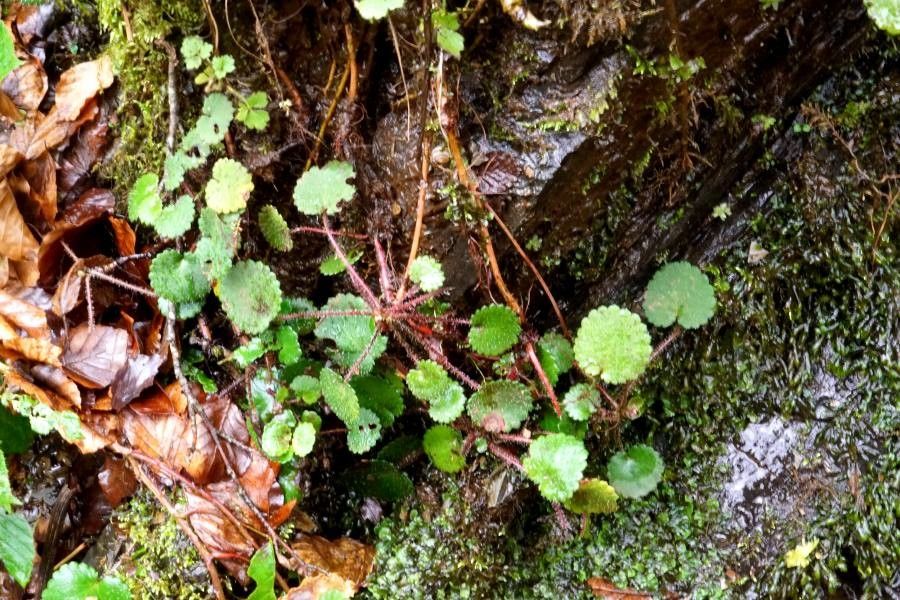
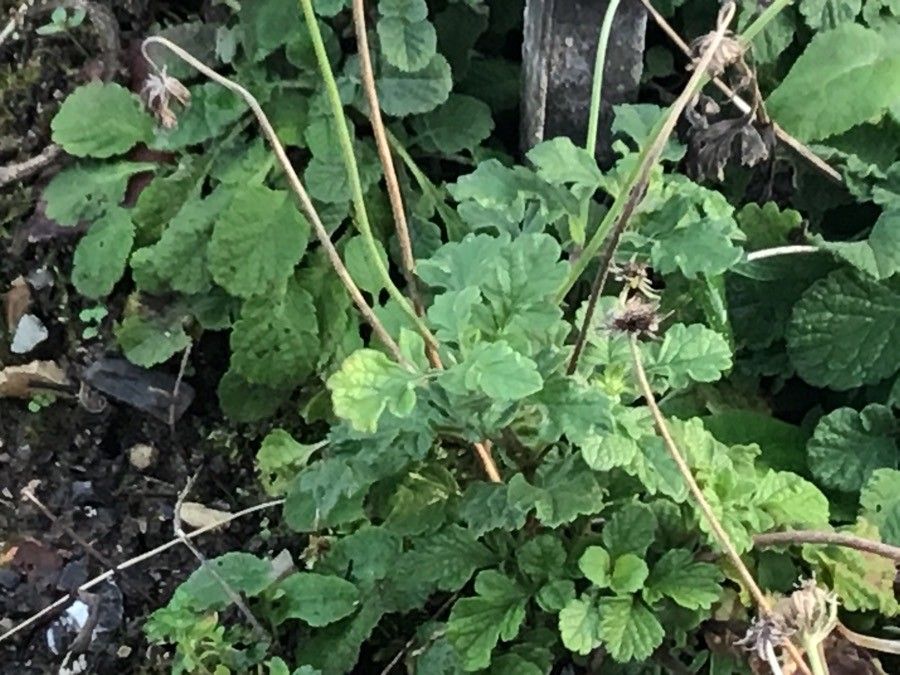
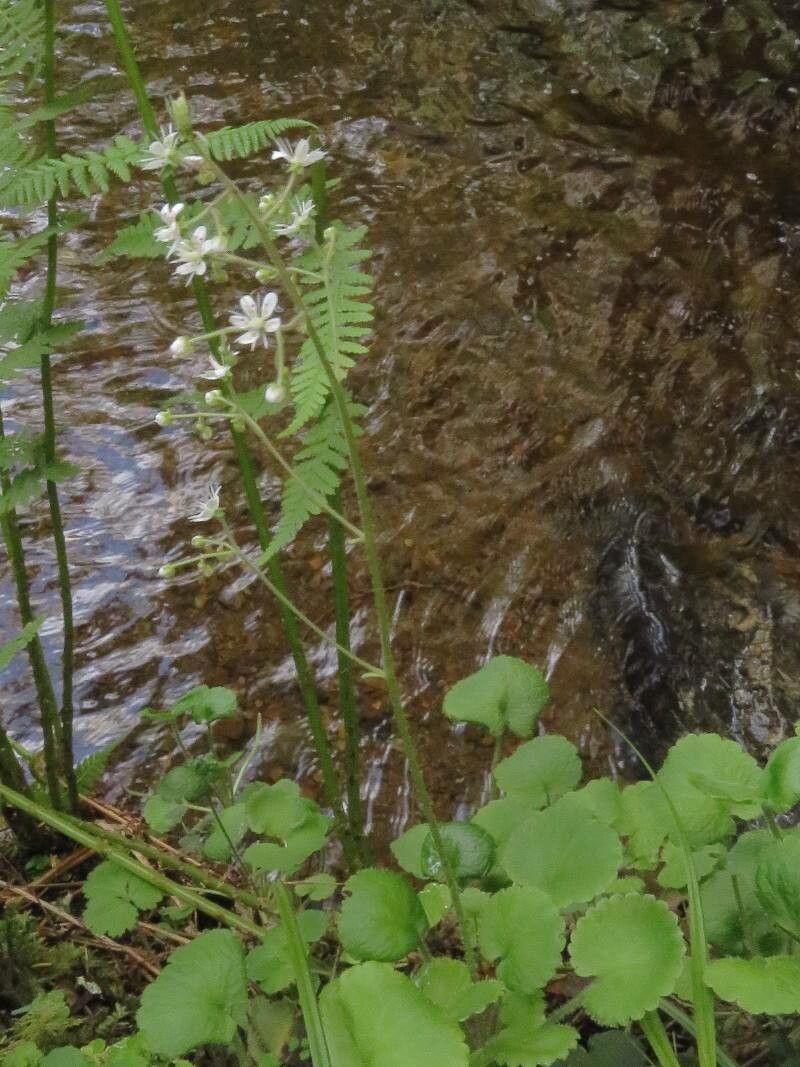
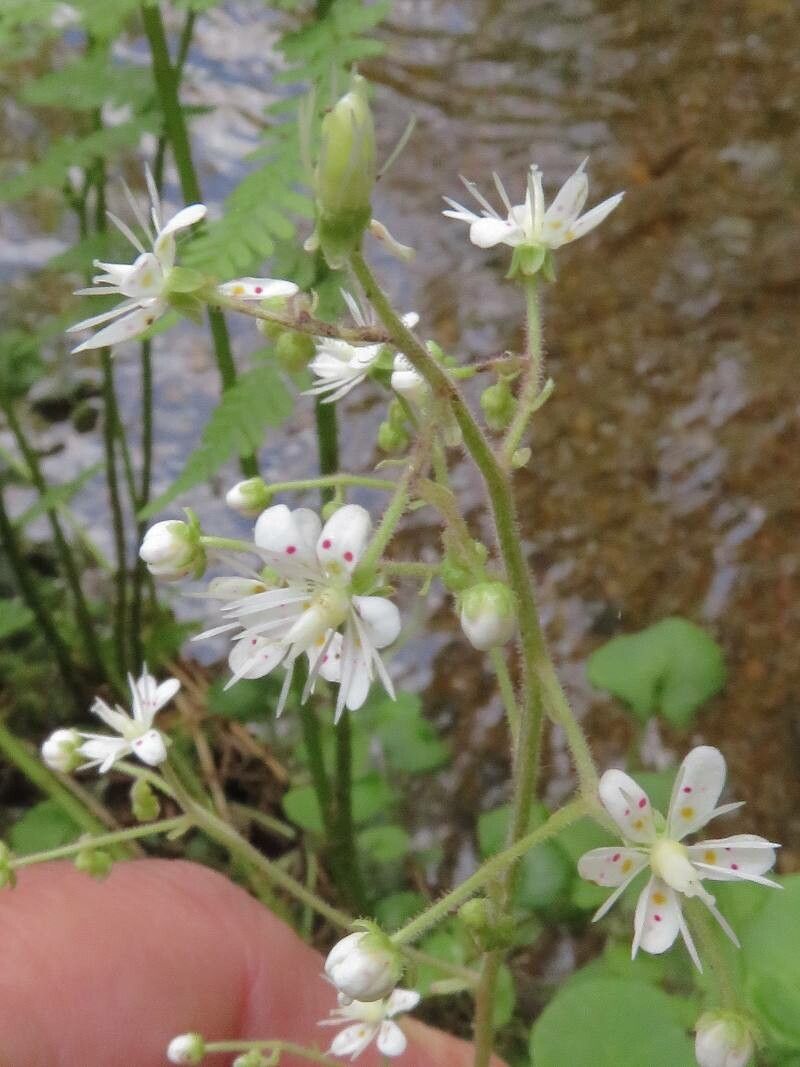
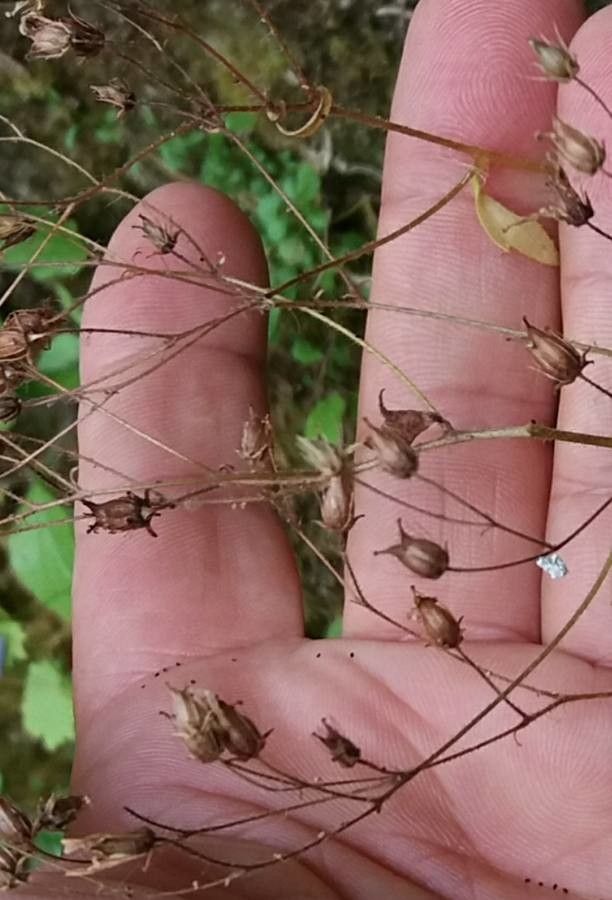
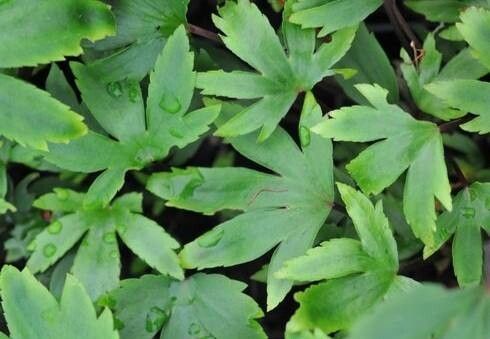
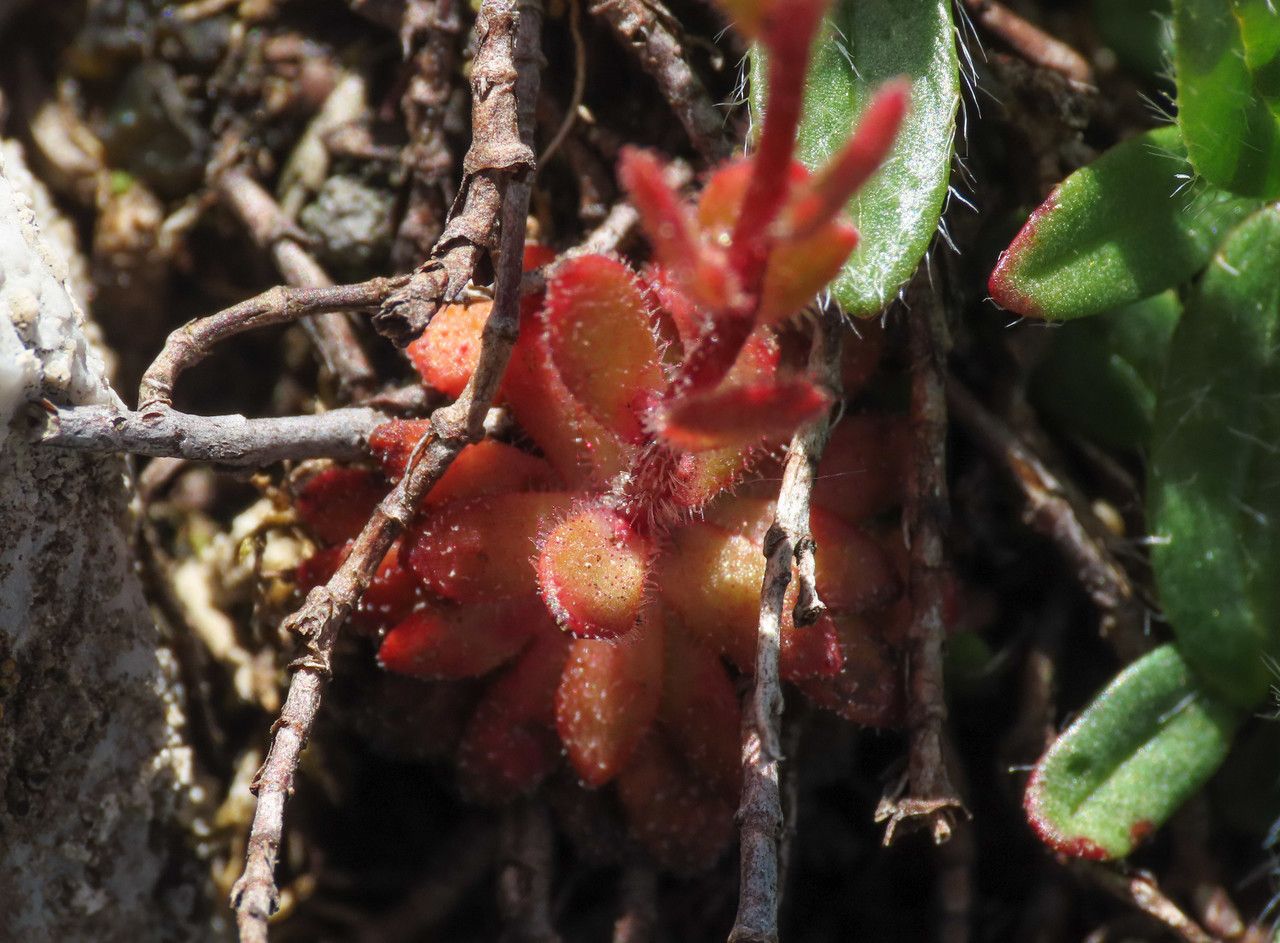
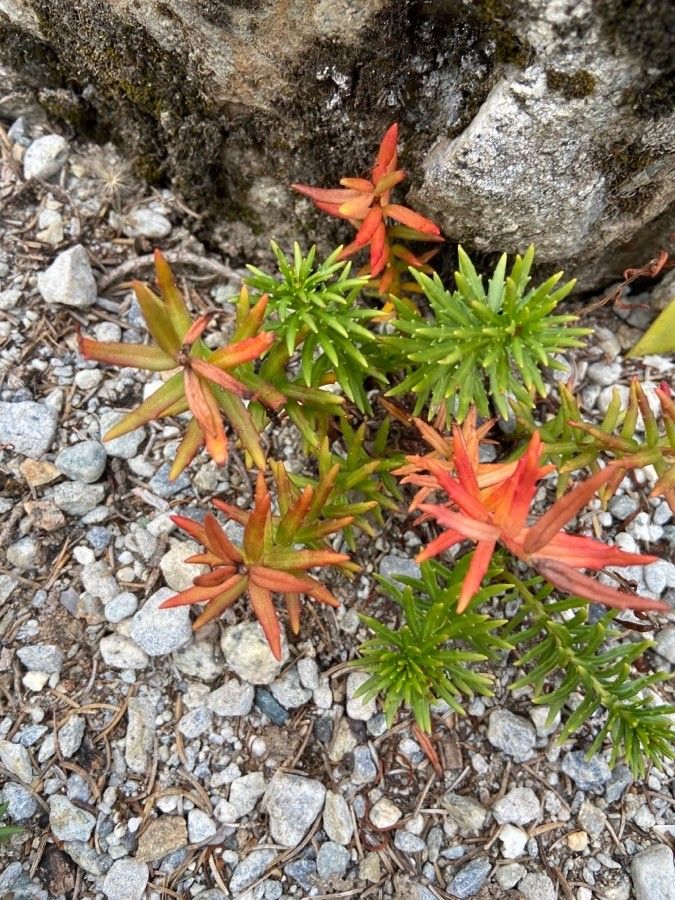
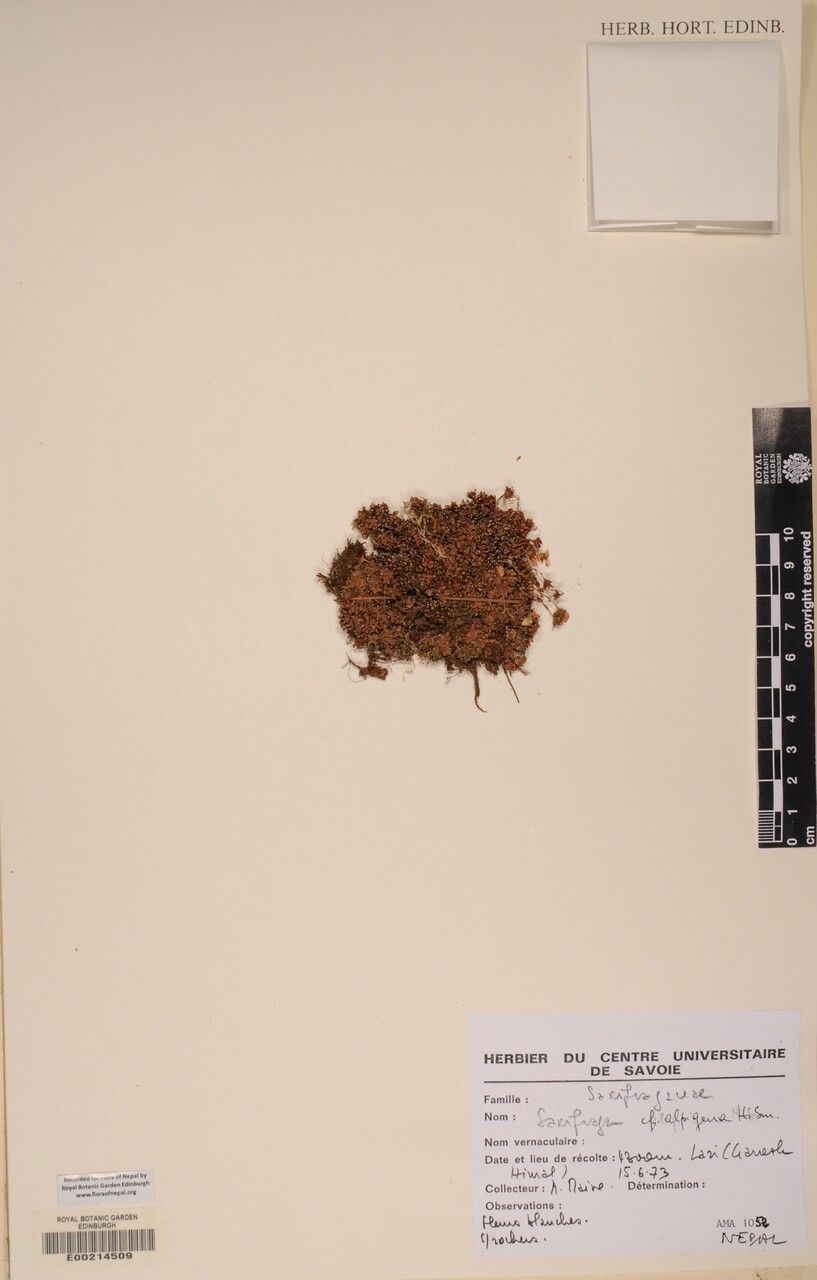
Saxifraga hirsuta, commonly known as hairy saxifrage, is a small herbaceous plant belonging to the Saxifragaceae family. Native to Europe and Asia, it thrives in rocky habitats such as cliffs, alpine meadows, and tundra regions.
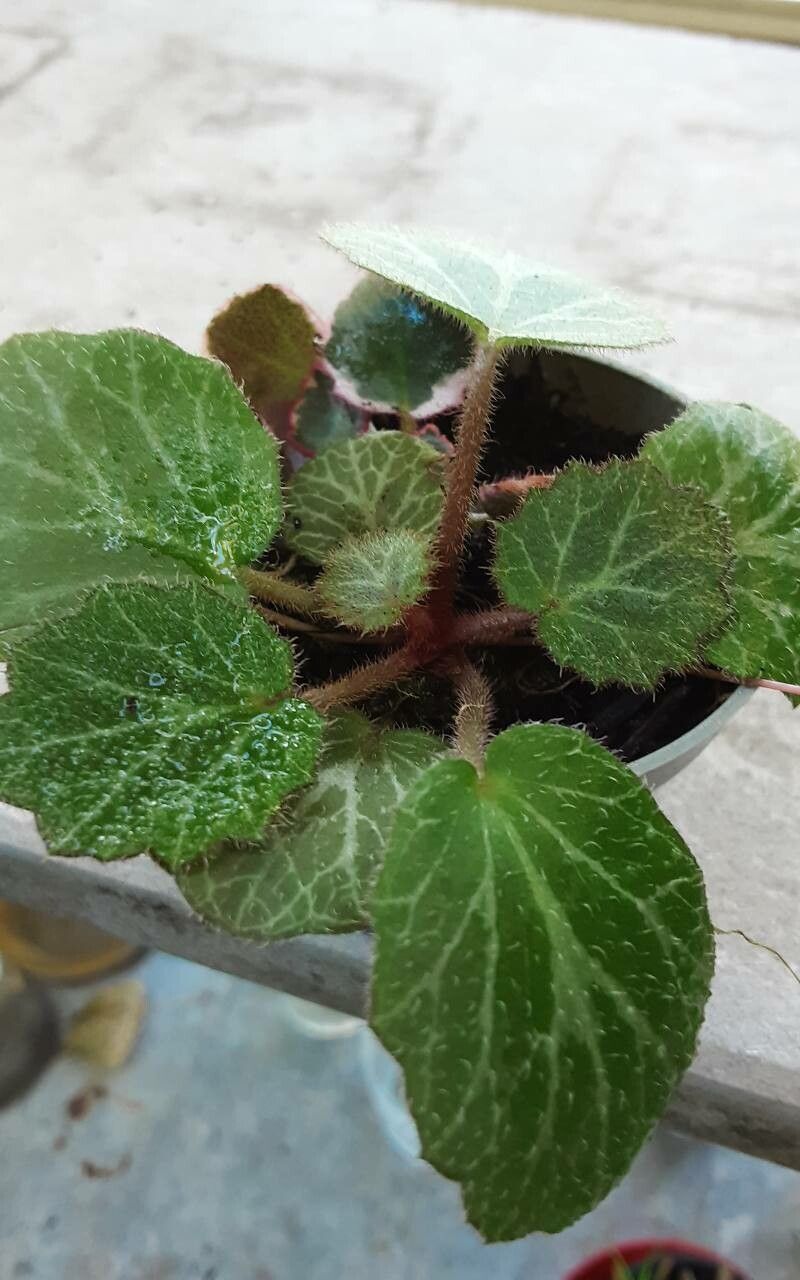
The plant features a rosette of basal leaves that are hairy on both sides and can grow up to 10 cm in diameter. These oval-shaped leaves have toothed margins and a dark green hue. The plant's stem can reach up to 20 cm in height, with small white or pink flowers that bloom from May through August.
Hairy saxifrage serves as an important food source for various insects, including bees, butterflies, moths, and flies, which pollinate its flowers while feeding on its nectar.
Traditionally, the plant has been used by healers for its medicinal properties, particularly in treating ailments such as coughs and respiratory issues due to its expectorant qualities.
Overall, Saxifraga hirsuta is an attractive alpine perennial that enhances rock gardens or borders with its delicate white-pink flowers during the summer months. It also provides ecological benefits by supporting pollinators like bees and butterflies.
Kidney saxifrage is generally resistant to disease and typically not prone to serious infections. However, it can be affected by pests and diseases present in its environment, and these problems are usually mild. Regarding care, the plant needs moderate maintenance. Regular pruning is needed to keep a neat appearance and support healthy growth. Fertilizing can also encourage flowering. Kidney saxifrage suits anyone with an outdoor area, such as a garden or patio, and does not demand extensive gardening experience. It may need more attention when cultivated indoors.
How to keep Saxifraga Hirsuta.
Light
Kidney saxifrage naturally occurs in habitats like forest understories and rocky sites, where it grows in natural shade. It favors partial sun but can tolerate full sun or full shade, reflecting its adaptable, hardy nature.
Water
The kidney saxifrage flourishes in moist environments and needs watering once a week, although it can withstand short periods of dryness. Commonly cultivated indoors for its attractive foliage, this plant requires careful attention to soil moisture levels to ensure it remains lush and healthy.
Fertilizer
The primary time to fertilize Kidney saxifrage is in early spring when the flowers are forming. The appropriate fertilizer promotes better blooms and helps Kidney saxifrage produce attractive flowers. Fertilizing in early spring ensures strong flowers throughout the season and supplies energy for dormant growth phases.
Pruning
To promote healthy growth and maintain the shape of your kidney saxifrage, prune it from early to late spring. Remove any dead leaves to improve air circulation and reduce the risk of disease. Avoid heavy pruning, but a light trim can encourage blooming and keep the plant manageable. This will enhance the appearance and vigor of your kidney saxifrage, resulting in a lush display.
Botanical profile.
- Plant Type
- Herb
- Life Cycle
- Perennial
- Genus
- Saxifraga
- Family
- Saxifragaceae
- Hardiness Zone
- 5-8
- Mature Height
- 30 cm
- Mature Spread
- 30 cm
- Leaf Color
- Dark Green, Forest Green
- Leaf Type
- Evergreen
- Flower Color
- White, Pink
- Flower Size
- 1.02 cm to 1.52 cm
- Bloom Time
- Mid spring, Late spring
- Planting Time
- Spring, Autumn
- Harvest Time
- Early summer, Mid summer
Other names.
Reader questions.
What are the sunlight requirements for Kidney Saxifrage (Saxifraga hirsuta)?
Kidney Saxifrage, or Saxifraga hirsuta, flourishes under specific sunlight conditions. It requires partial sun, which means about 3-6 hours of sunlight per day, to thrive. For areas with less exposure, ensuring it receives less than 3 hours of sunlight falls under the full shade category. It's essential to observe the movement of sunlight through your garden throughout the day. This observation helps in choosing the ideal spots that offer a harmonious balance of light and shade, contributing to the well-being of your Kidney Saxifrage.