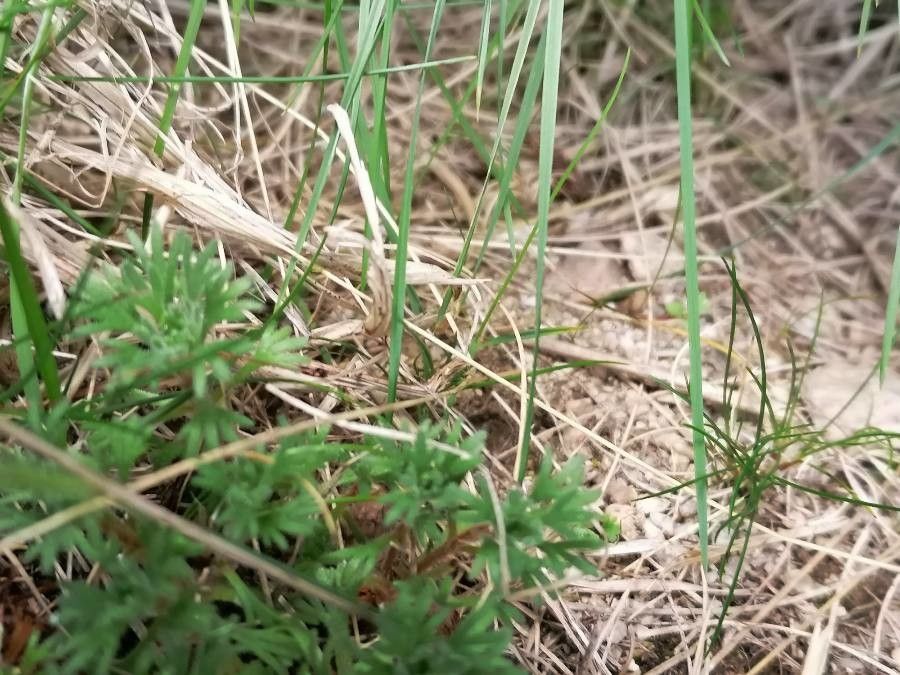
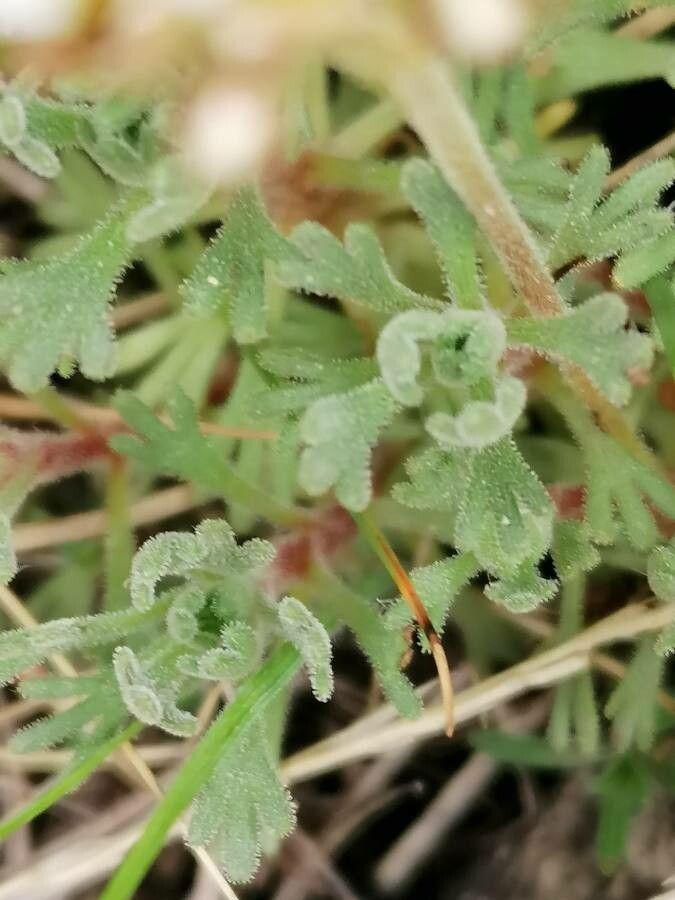
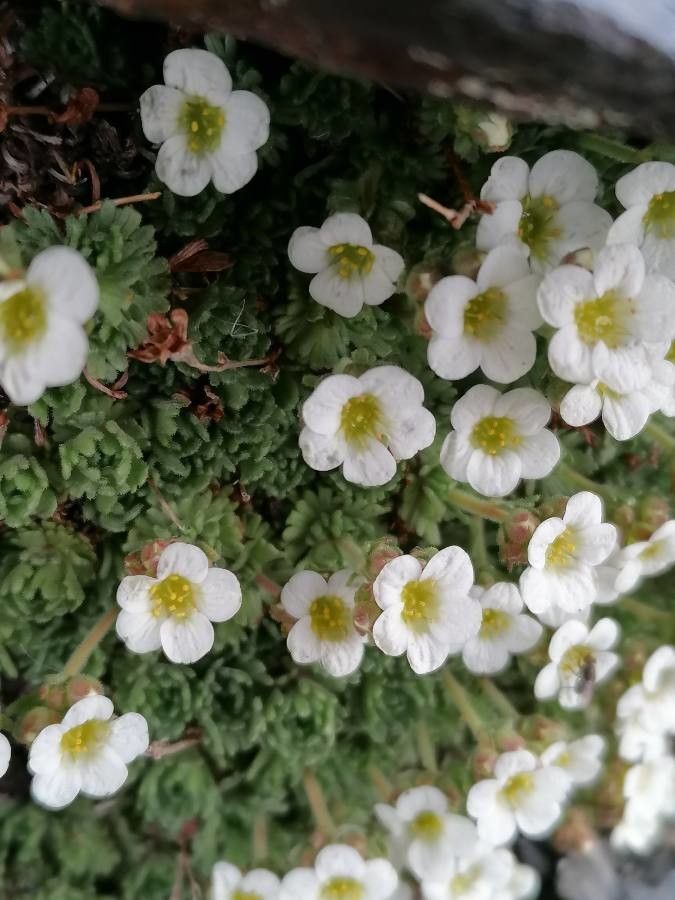
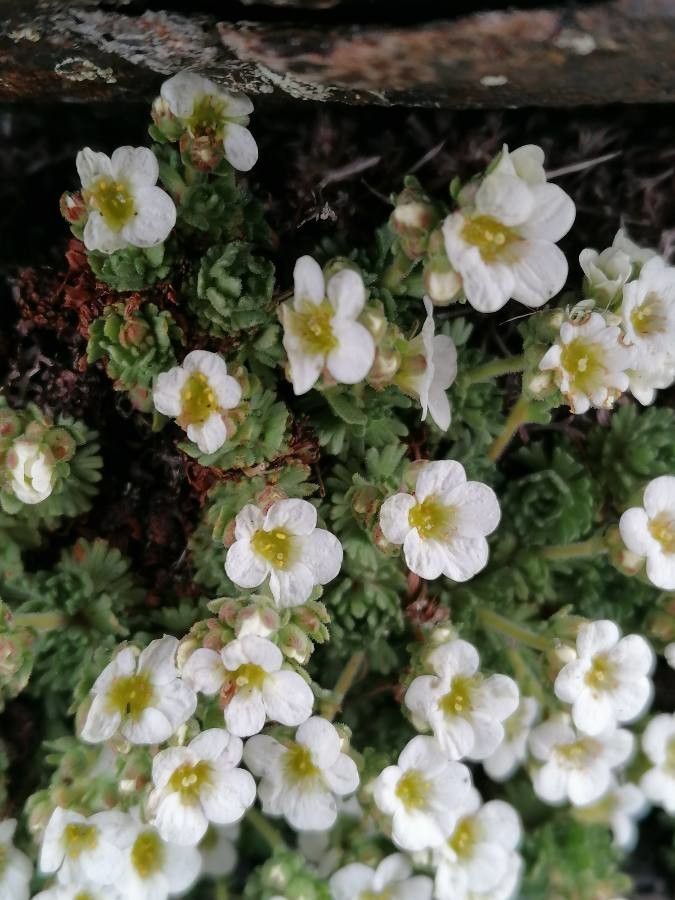
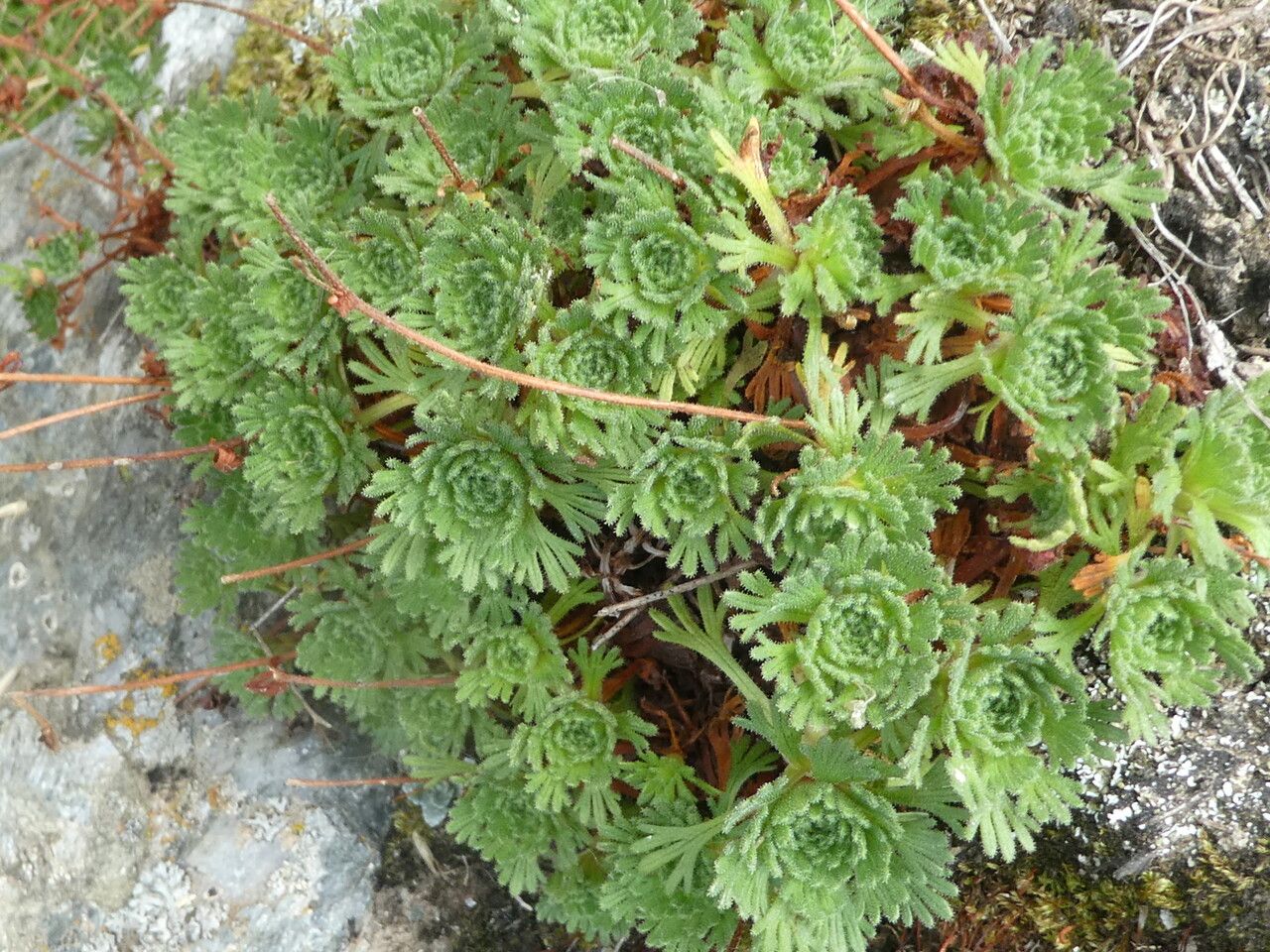
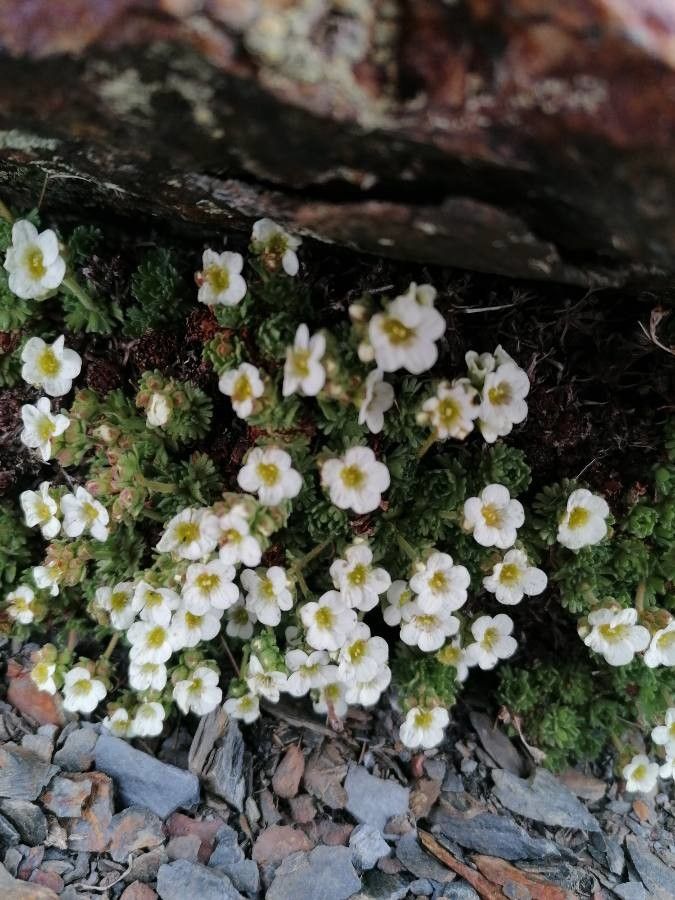
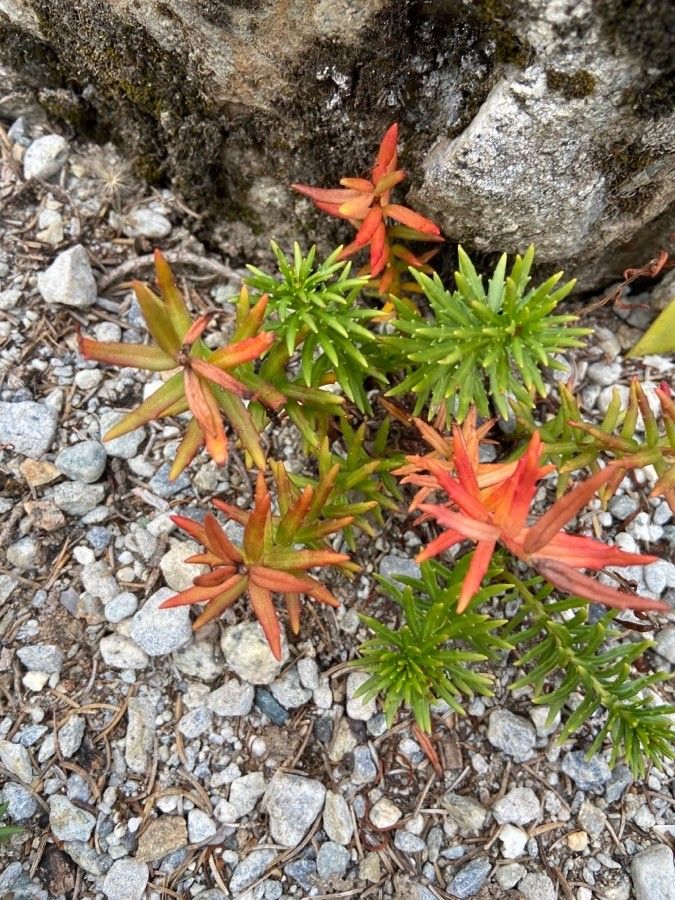
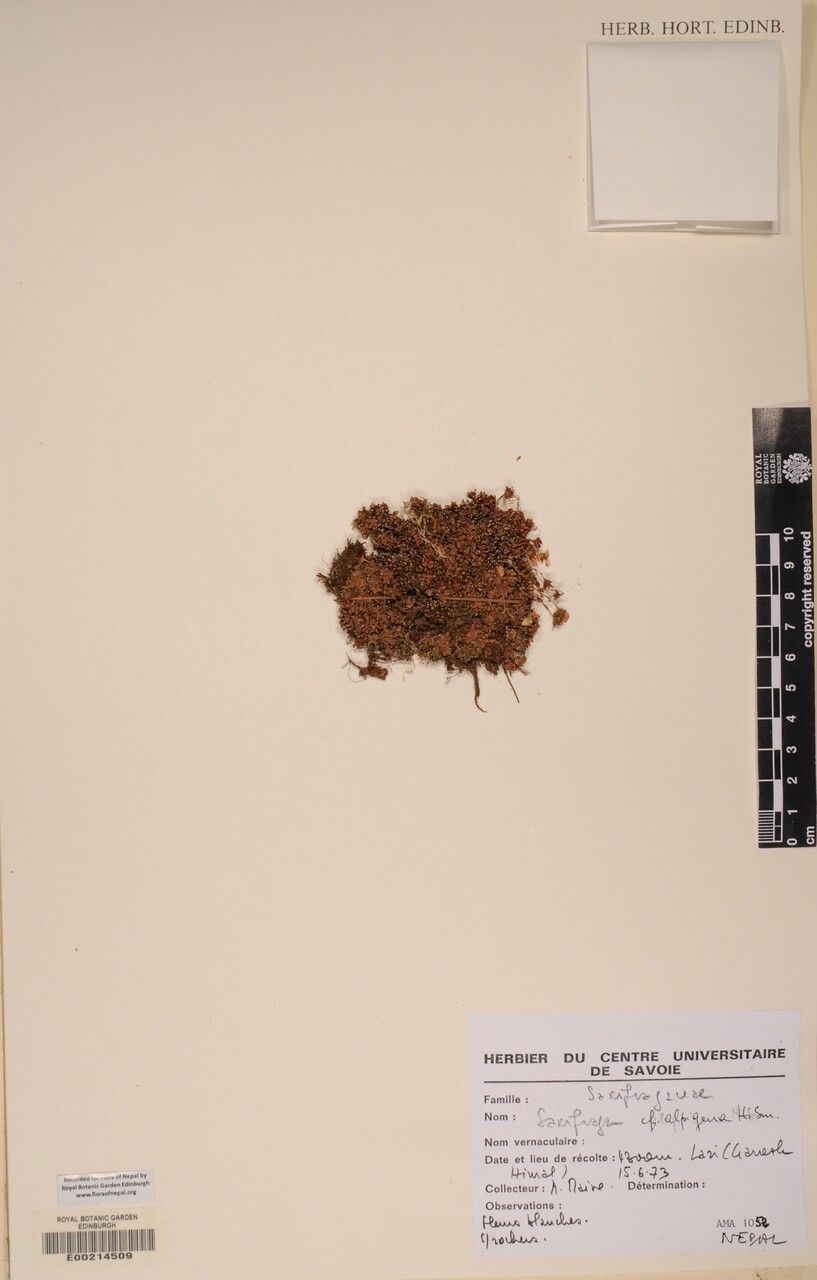
Hairy saxifrage is fairly resistant to disease and usually not prone to illness. However, it can be affected by pests and diseases present in its surroundings. These problems are typically not severe. For care, this plant requires a moderate amount of maintenance. It should be pruned regularly to keep a neat appearance and support healthy growth. Fertilizing can also help encourage flowering. Hairy saxifrage is suitable for anyone with outdoor space, such as a garden or patio, and does not demand extensive gardening experience. It may need more attention when grown indoors.
How to keep Saxifraga Pubescens.
Water
Hairy saxifrage requires consistent watering to thrive. In the summer, keep the soil moist but not soggy. During the winter, especially in cool and wet climates, be careful not to overwater, as this can lead to root problems.
Fertilizer
One fertilizer application in spring is generally enough for Hairy saxifrage, although repeated feedings can maximize growth. Apply fertilizer about every month to month and a half. Fertilizing improves leaf appearance and function, encouraging even color and a healthy texture. It also promotes root development and nutrient uptake, supporting the plant’s long-term health.
Pruning
Hairy saxifrage is a plant characterized by its hairy leaves and delicate flowers, which require minimal pruning. To encourage growth and improve airflow, trim away dead leaves and old flower stalks from early to late spring. Keep an eye on the plant for signs of overgrowth, but try to preserve its natural shape. This approach helps maintain robust health and prevents disease.
Botanical profile.
- Plant Type
- Herb
- Life Cycle
- Perennial
- Genus
- Saxifraga
- Family
- Saxifragaceae
- Hardiness Zone
- 3-10
- Leaf Type
- Semi-evergreen
Other names.
Reader questions.
What are the sunlight requirements for Hairy Saxifrage?
Hairy Saxifrage, botanically known as Saxifraga pubescens, thrives in varying sunlight conditions. It prefers partial sun, receiving about 3-6 hours of sunlight a day, but it can also grow in full shade, where it gets less than 3 hours of sunlight daily. It's important to observe the movement of sunlight through your garden, allowing you to identify locations that offer a suitable balance of light and shade to meet the needs of your plants, thus ensuring their well-being.