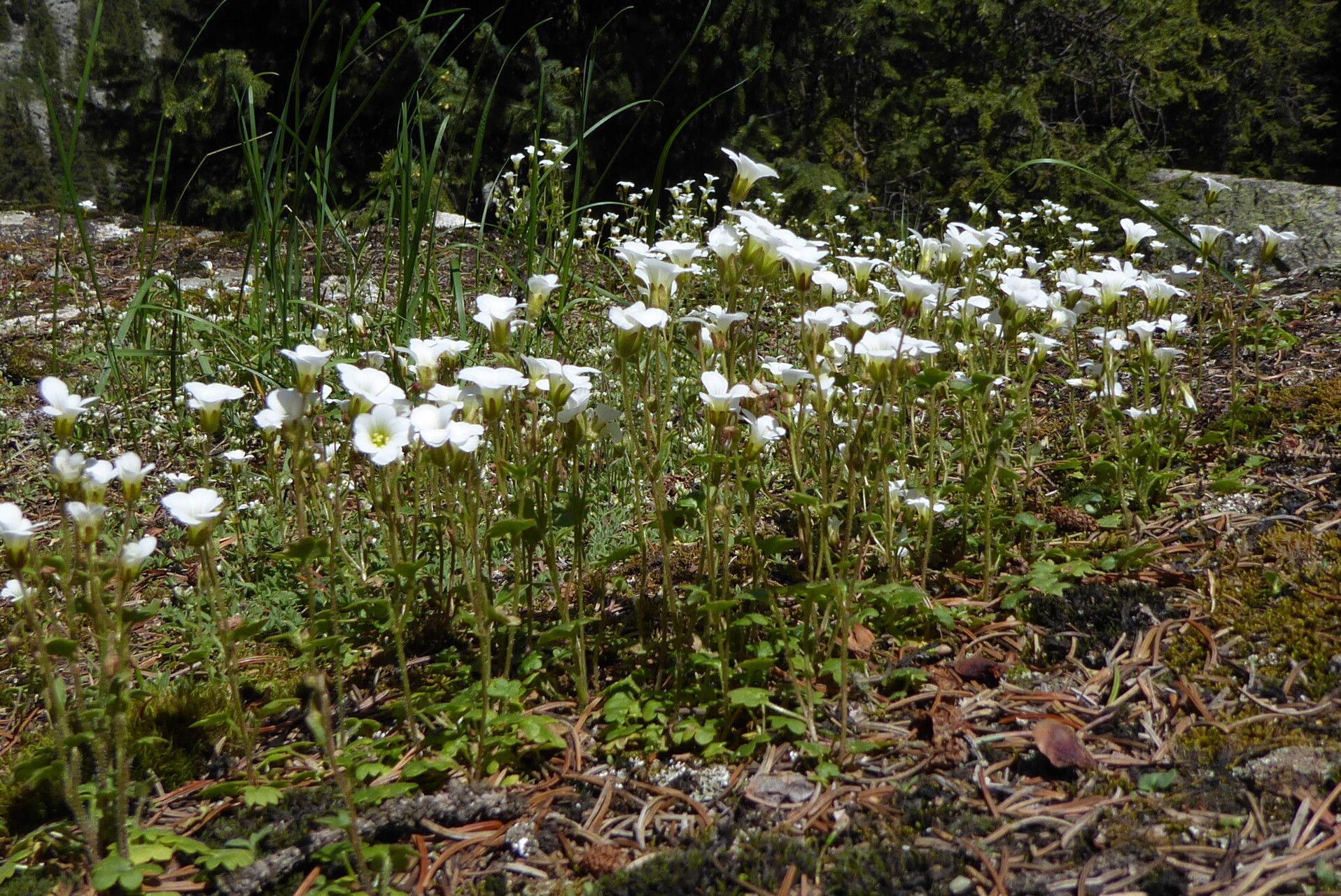
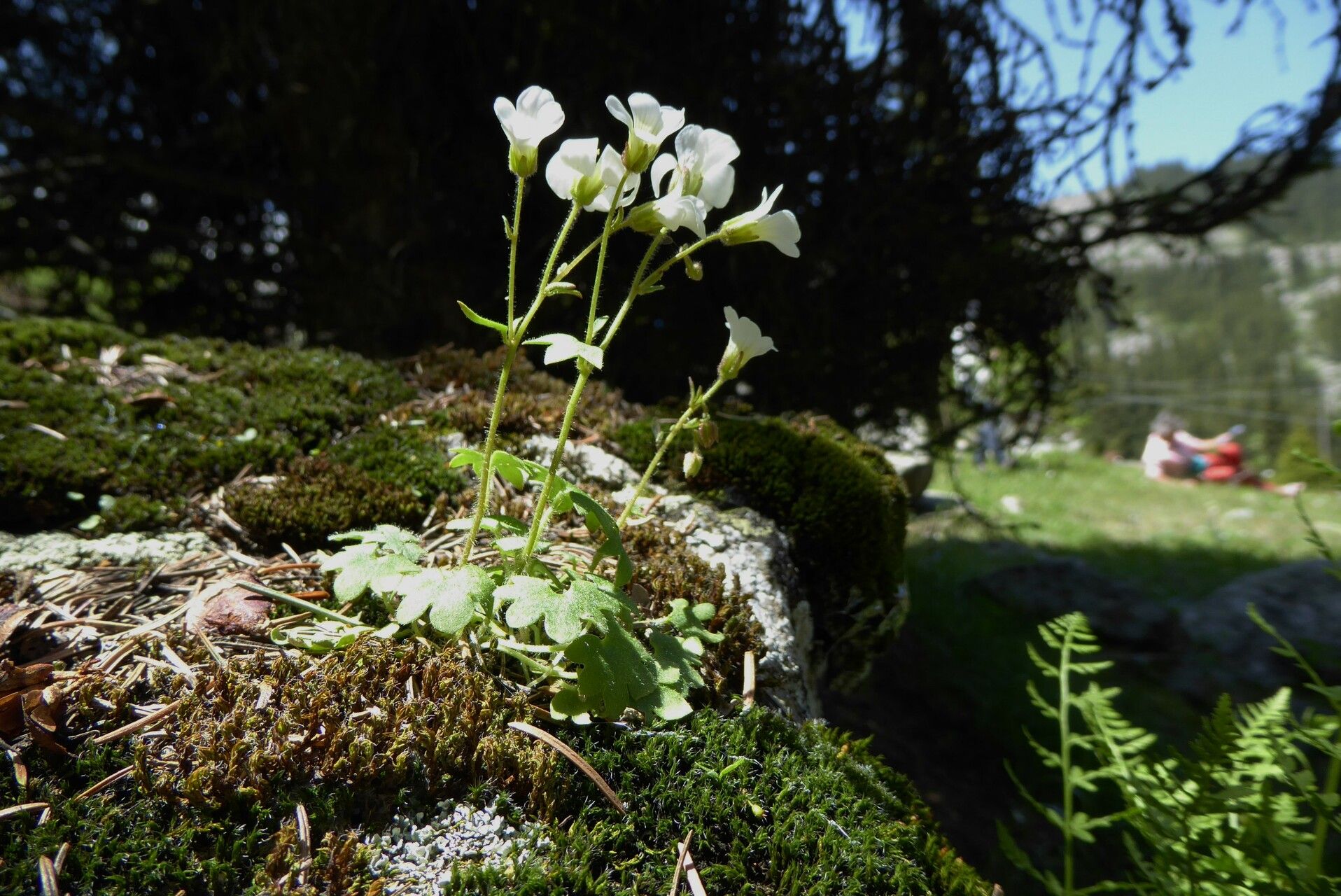
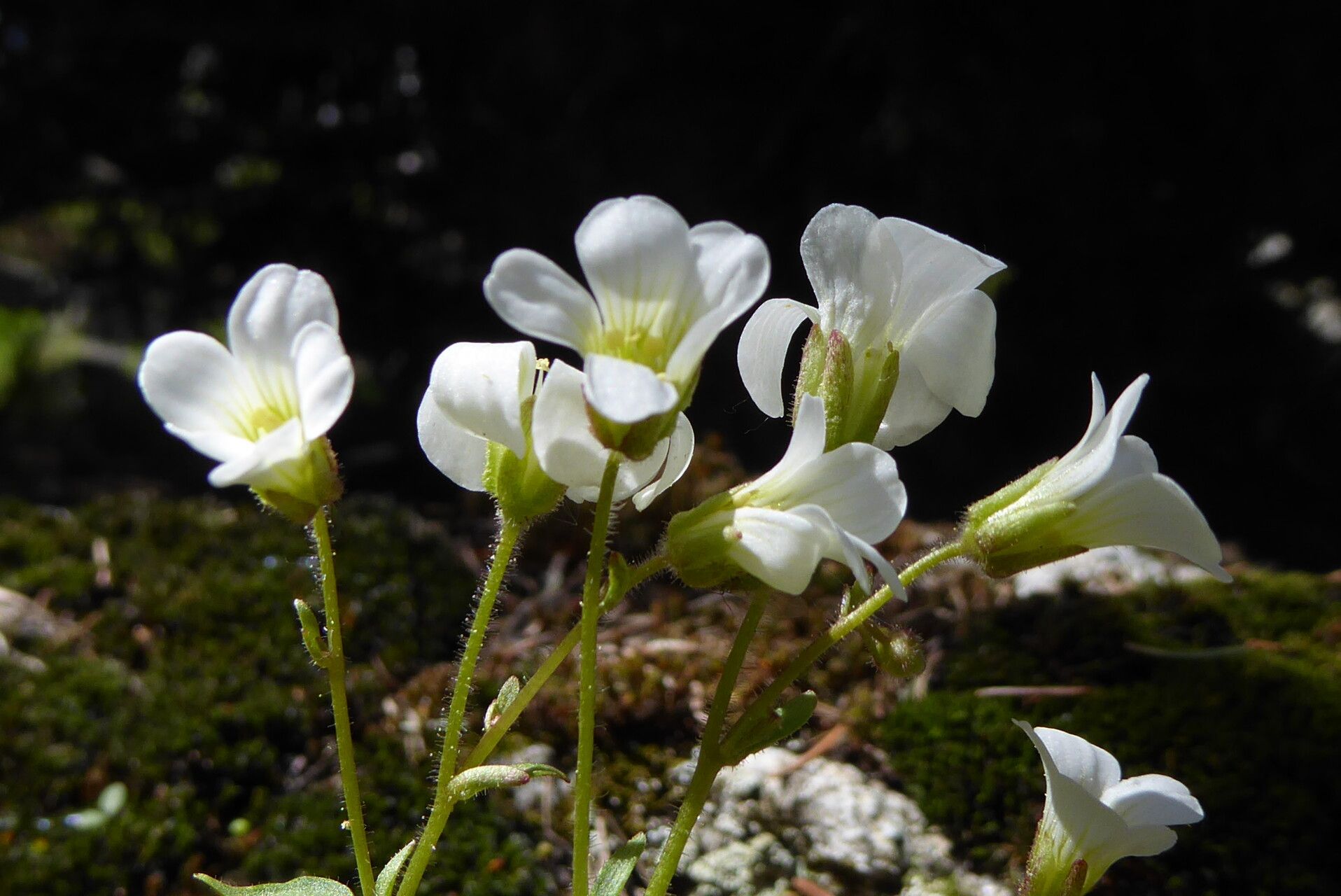
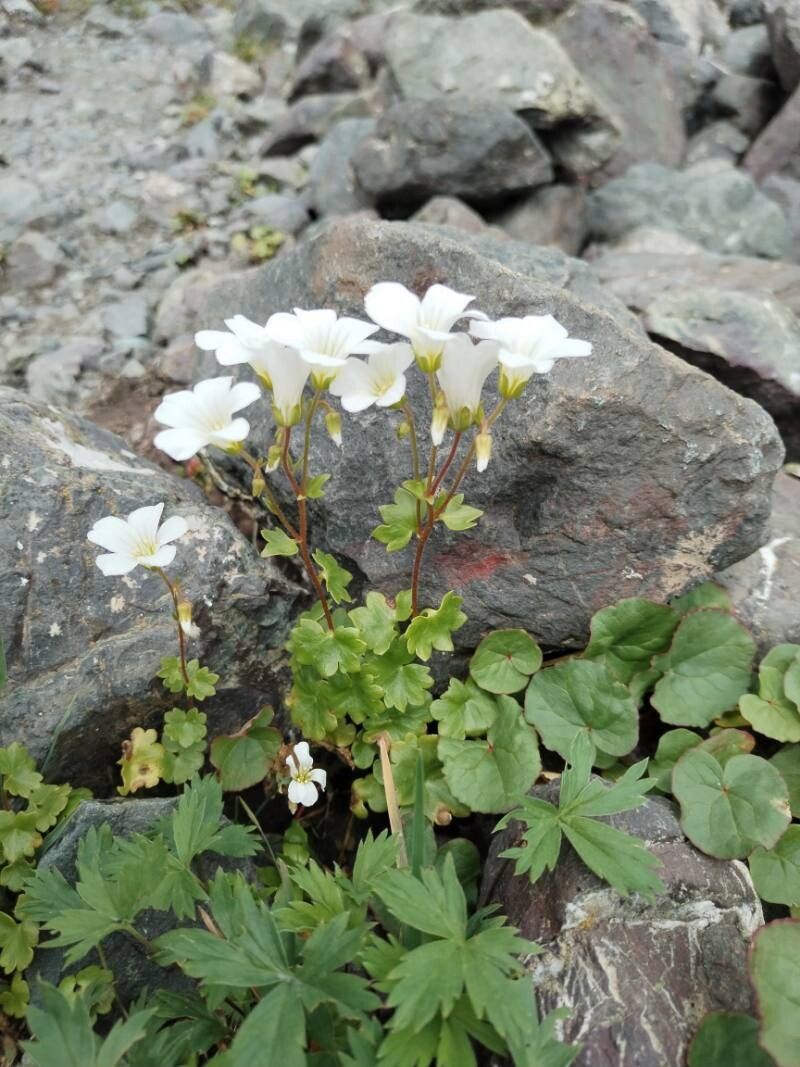
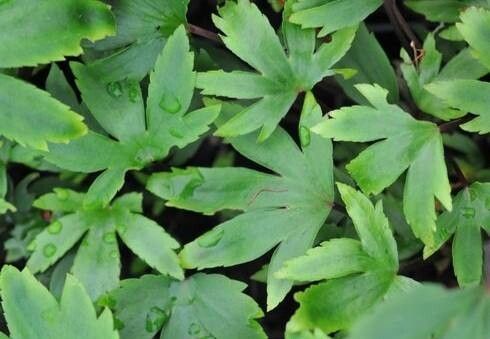
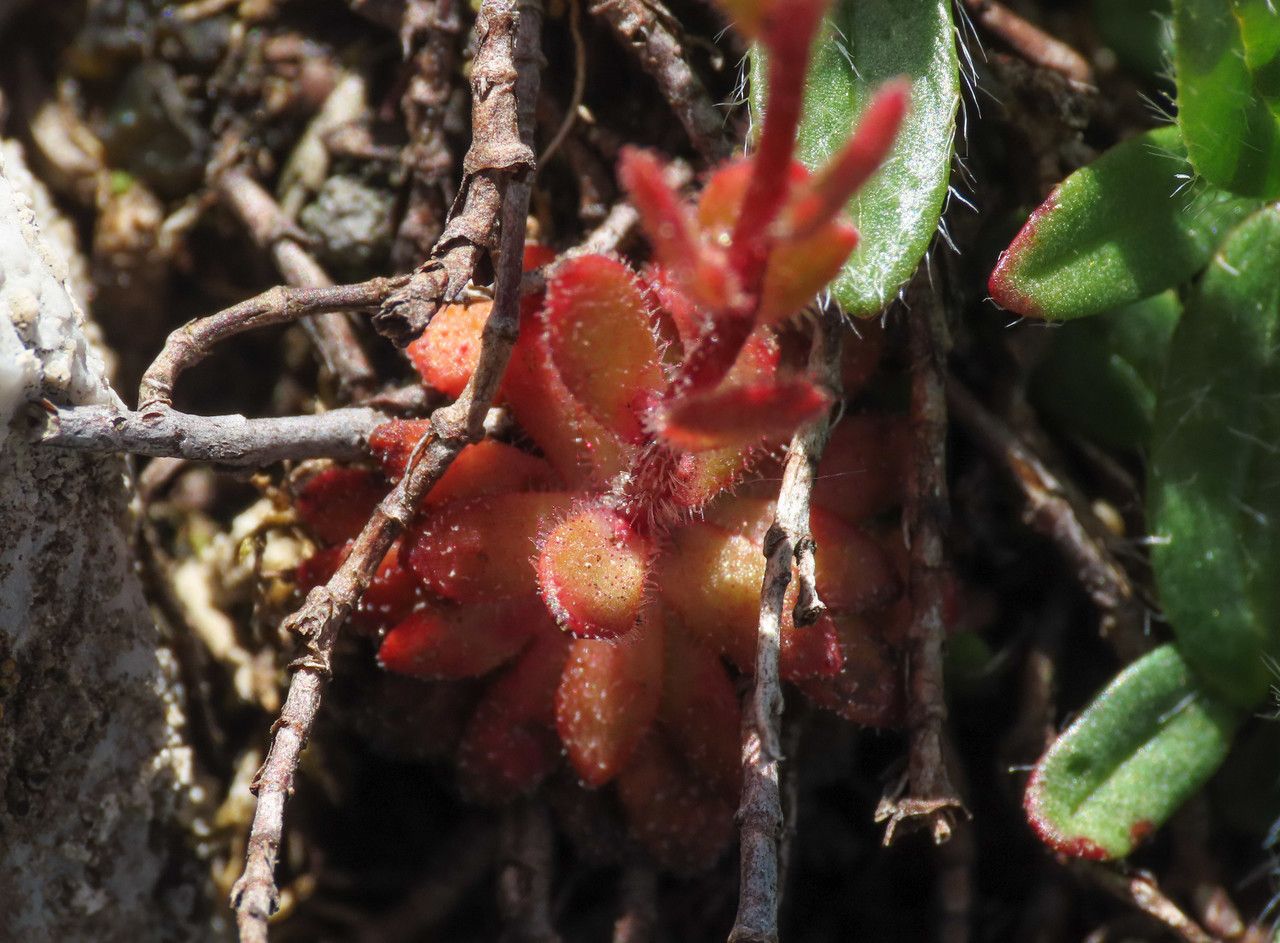
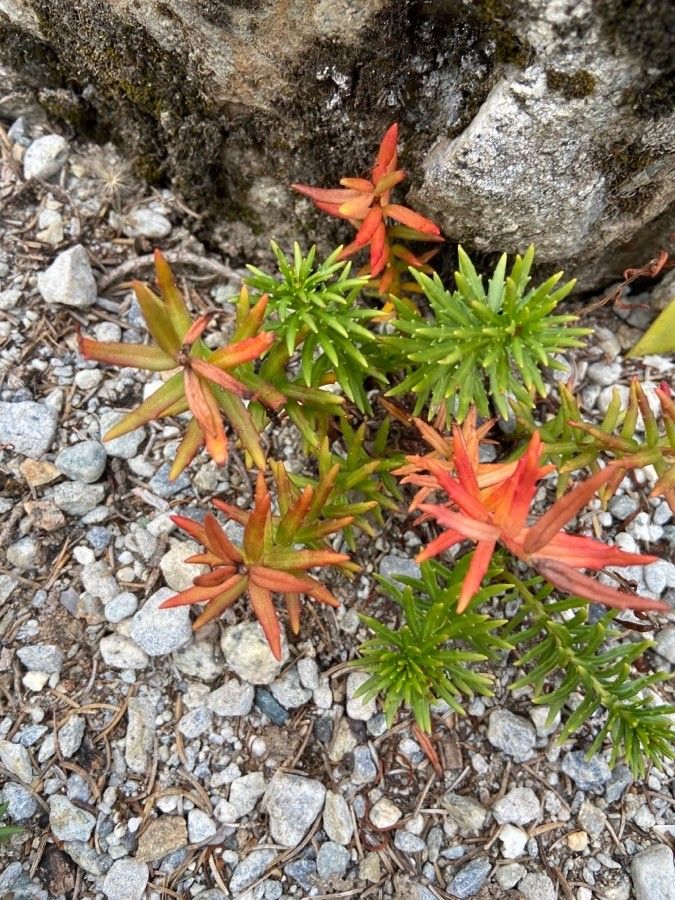
Nodding saxifrage is fairly disease-resistant and typically does not suffer from many illnesses. Nevertheless, it can be affected by pests and diseases present in its environment. Such infections are generally mild. Regarding care, this plant demands a moderate level of maintenance. Regular pruning is necessary to preserve a neat appearance and support healthy growth. Applying fertilizer can also encourage flowering. Nodding saxifrage is appropriate for anyone with an outdoor area, such as a garden or patio, and does not need extensive gardening experience. It may need more attention when cultivated indoors.
How to keep Saxifraga Sibirica.
Light
The Nodding saxifrage flourishes naturally in habitats like forest sub-canopies or rocky regions where it naturally gets shade. It is optimally suited to partially sunny circumstances, yet it can acclimatize to either full sun or complete shade, which reveals its adaptive and robust character.
Fertilizer
The optimal time to fertilize Nodding saxifrage is in the early spring during the formation of flowers. Proper fertilization promotes enhanced blooms and aids Nodding saxifrage in yielding attractive flowers. Early spring fertilization guarantees outstanding flowers throughout the season and supplies energy for inactive growth stages.
Botanical profile.
- Plant Type
- Herb
- Life Cycle
- Perennial
- Hardiness Zone
- 2-7
- Mature Height
- 5 cm to 20 cm
- Mature Spread
- 5 cm to 15 cm
- Leaf Color
- Green, Dark Green
- Leaf Type
- Evergreen
- Flower Color
- White
- Flower Size
- 1.52 cm to 2.03 cm
- Bloom Time
- Early summer, Mid summer
- Planting Time
- Spring, Summer
- Harvest Time
- Late summer, Early fall
- Native Area
- Tajikistan, India, Sweden, Austria, Slovakia, Pakistan, Poland, China, Russia, Norway, Kyrgyzstan, Kazakhstan, Italy, Switzerland, Denmark, Iceland, Japan, Mongolia, Finland, Koppen, United Kingdom, Romania
Other names.