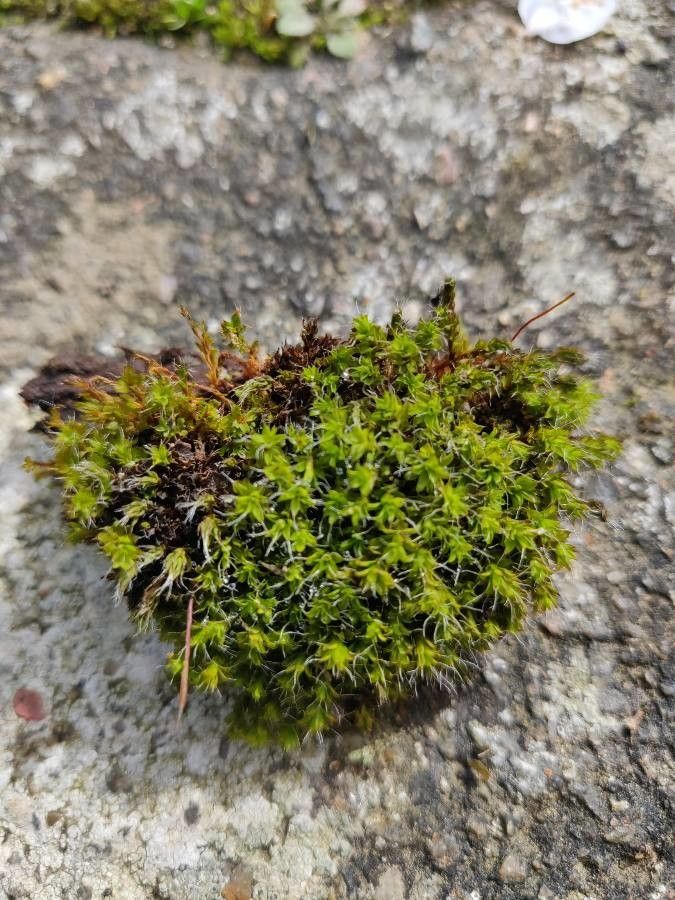
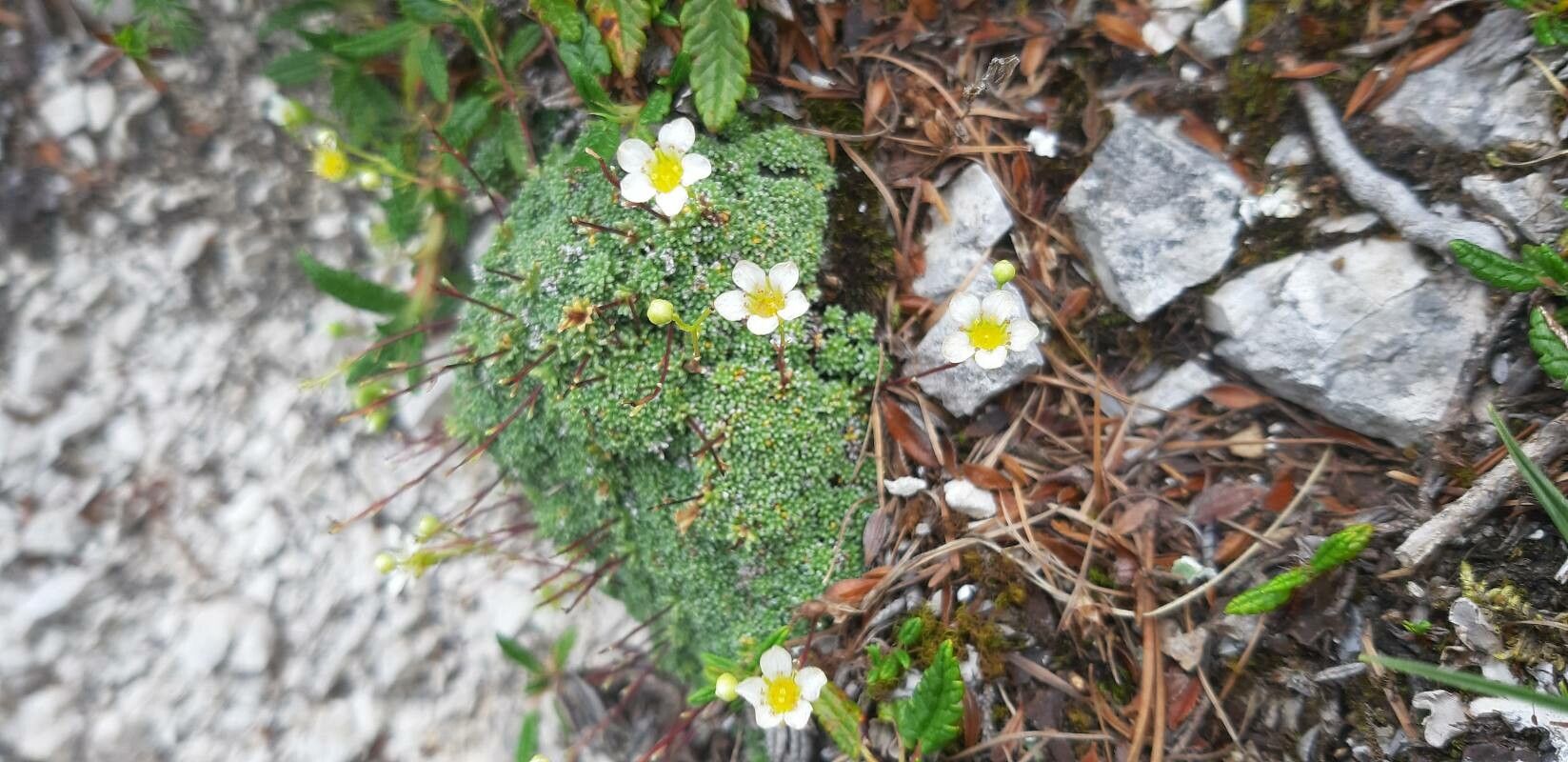
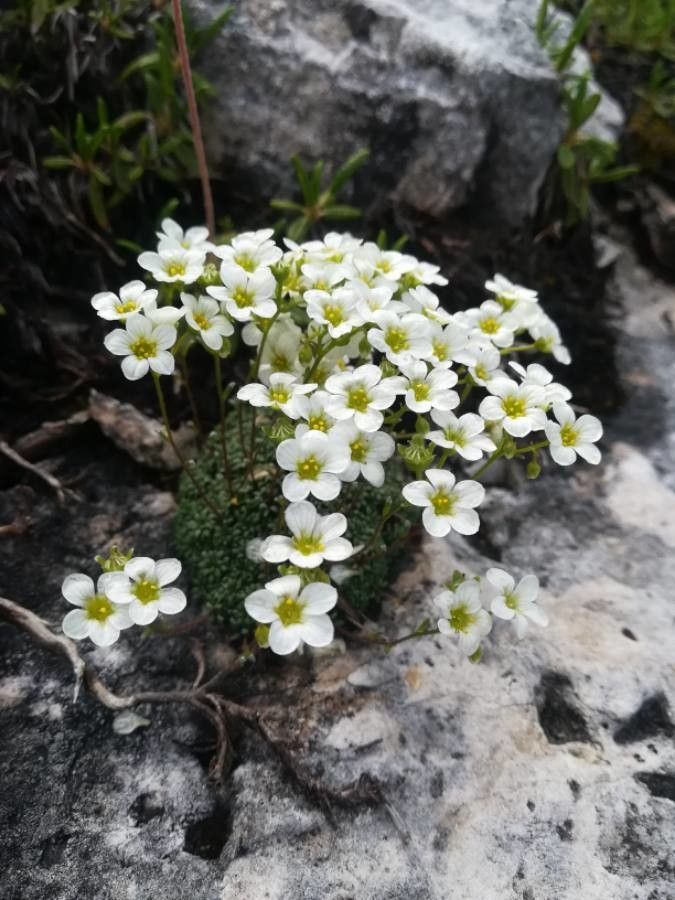
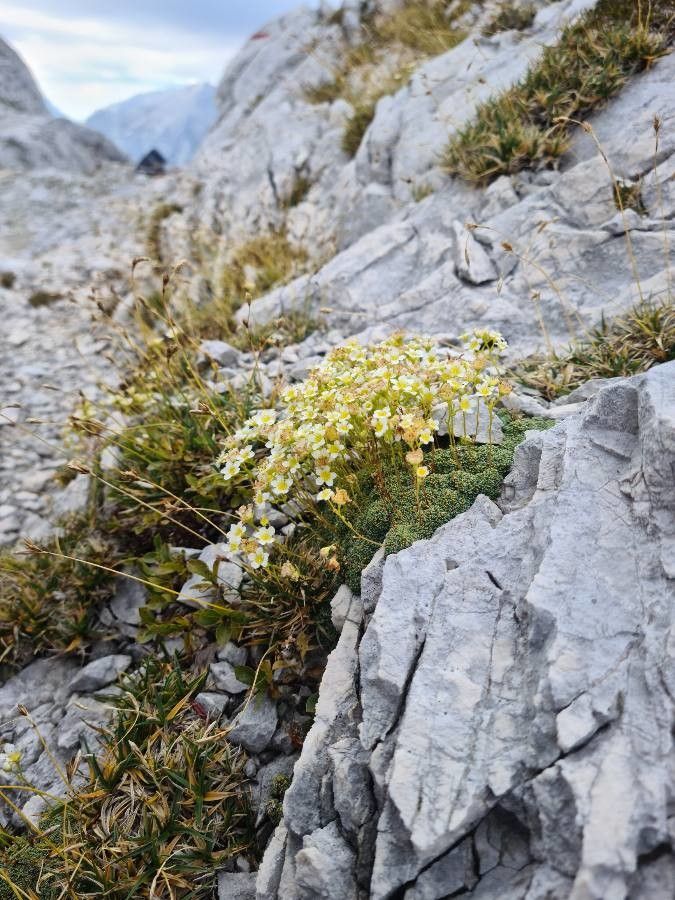
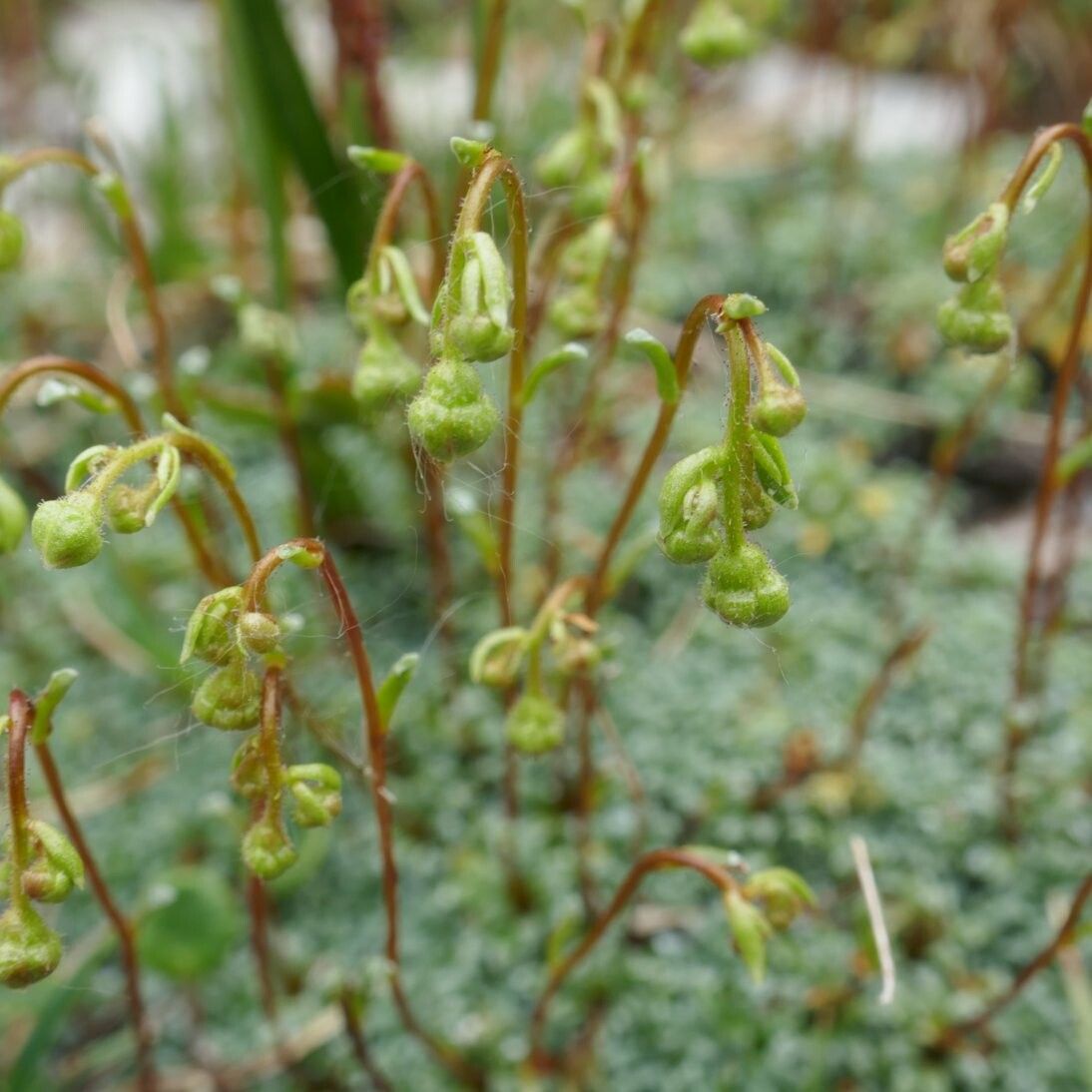
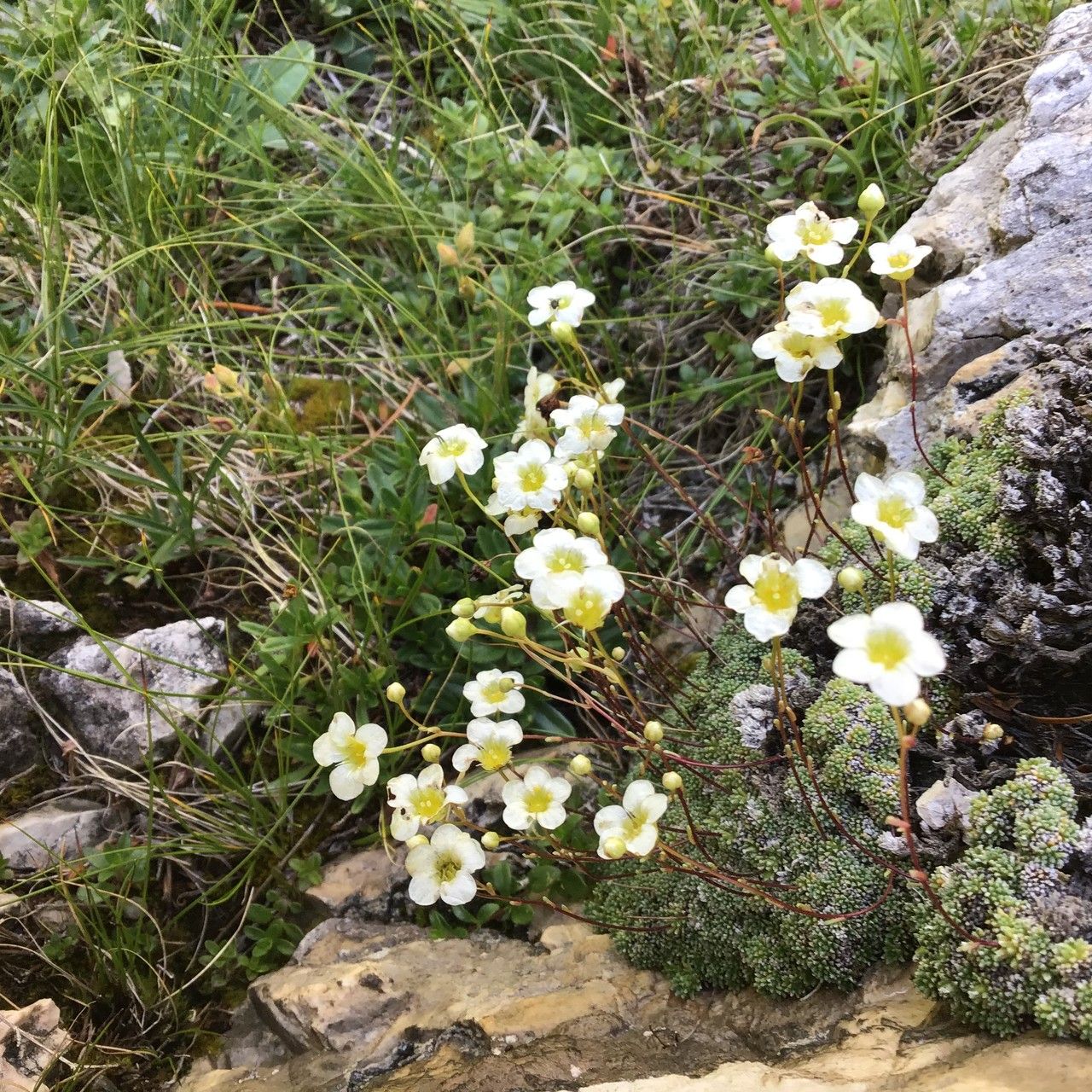
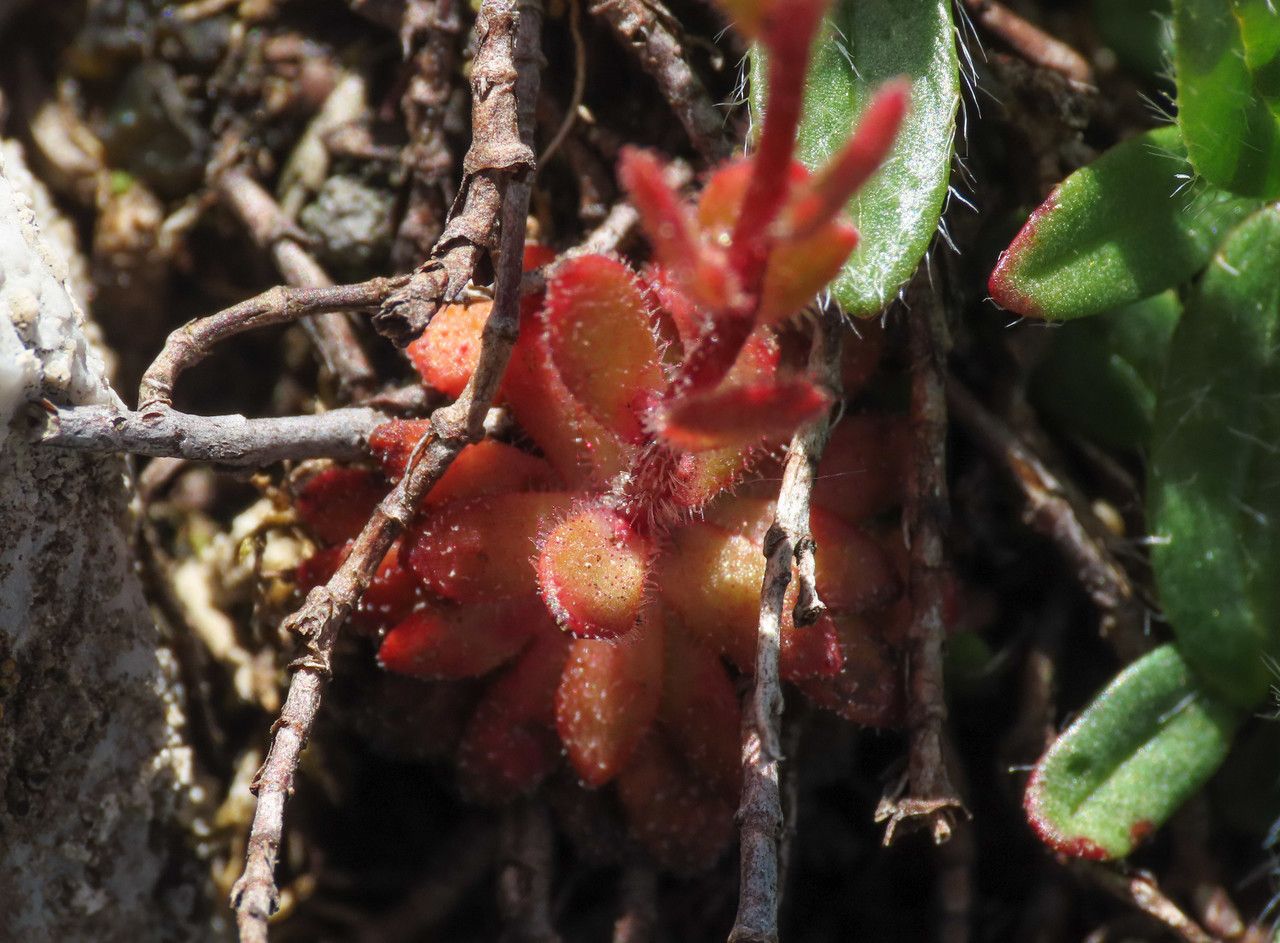
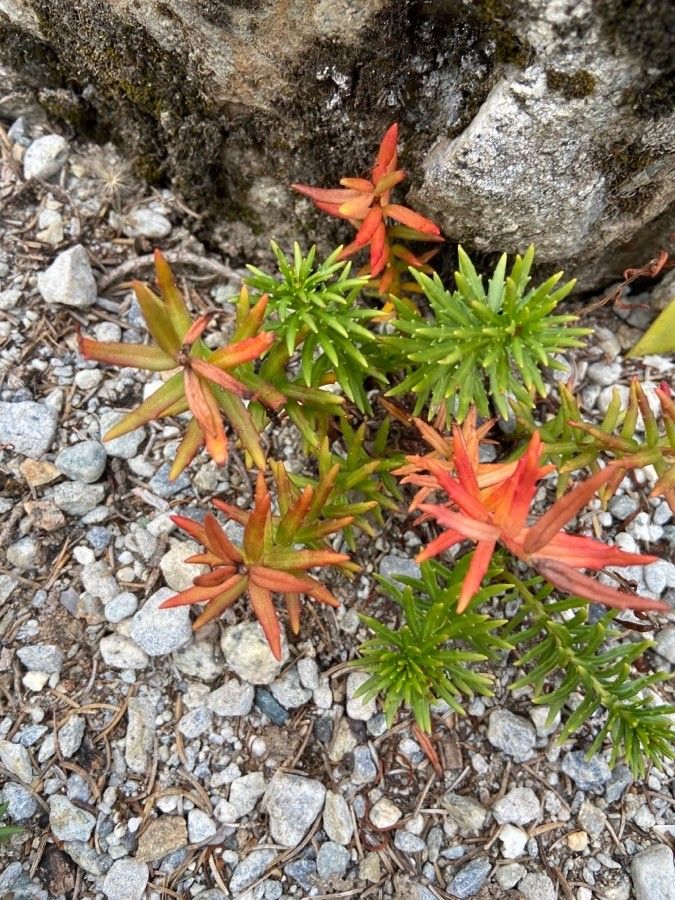
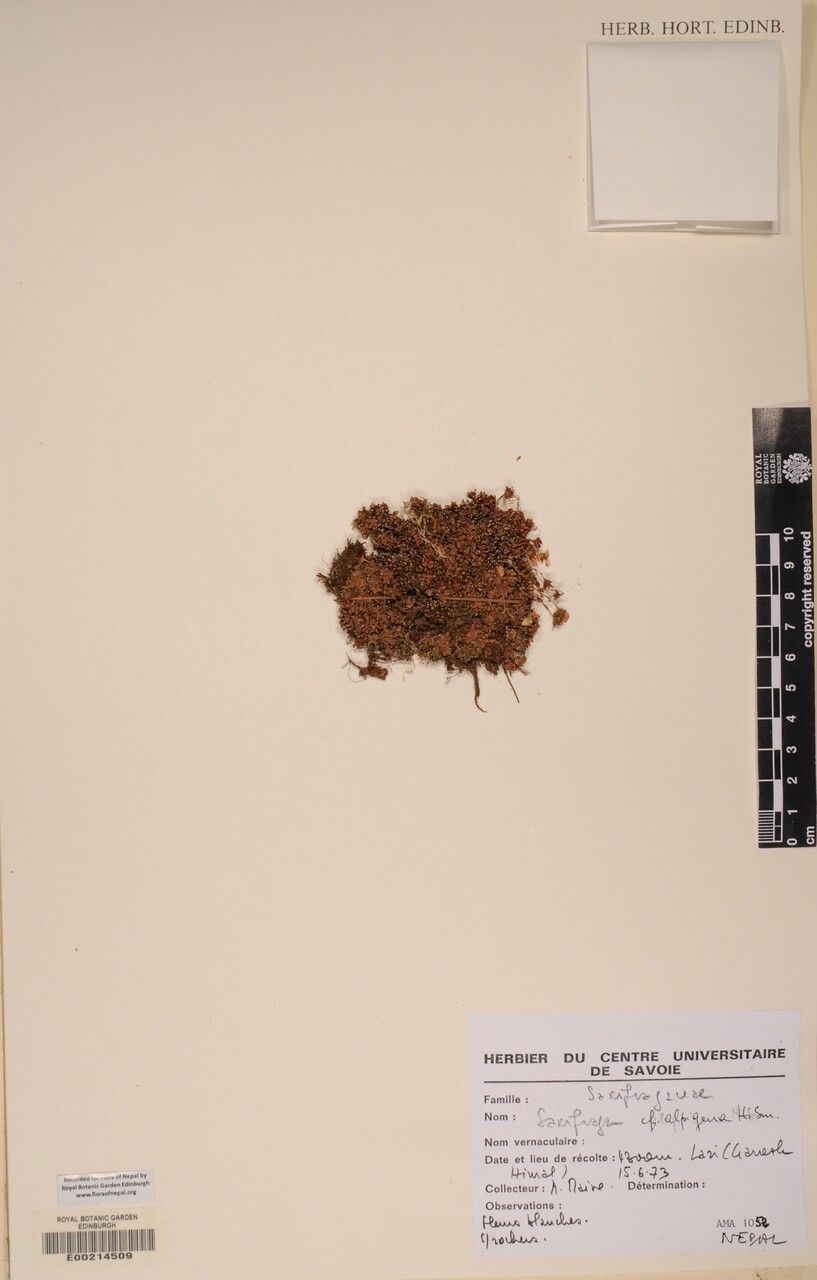
Saxifraga squarrosa, the Dolomites saxifrage, is a species of flowering plant belonging to the family Saxifragaceae. It is native to the Eastern Alps.
Dolomites saxifrage has good resistance to disease and is generally unlikely to be affected by illnesses. However, it can be vulnerable to pests and diseases present in its environment. Such infections are usually mild. Regarding care, this plant needs moderate maintenance. Regular pruning is required to keep a neat appearance and healthy growth. Fertilizing can also help encourage flowering. Dolomites saxifrage is appropriate for anyone with an outdoor area, like a garden or patio, and does not demand much prior care experience. It may need more attention when grown indoors.
How to keep Saxifraga Squarrosa.
Fertilizer
One fertilizer application in spring is generally sufficient for Dolomites saxifrage, though multiple feedings can boost growth. Apply fertilizer about once every one to one and a half months. Fertilizing improves leaf appearance and function, helping maintain even color and a healthy texture. It also promotes root development and nutrient uptake for long-term plant health.
Pruning
To encourage the healthy growth and shape of Dolomites saxifrage, begin with a light pruning in early spring. Carefully remove any damaged stems, but be cautious not to prune too much, as this plant grows slowly. This approach helps improve air circulation and reduces the risk of disease. For more detailed care instructions, refer to reputable sources such as the Royal Horticultural Society (RHS).
Botanical profile.
Reader questions.
What are the light requirements for Dolomites saxifrage?
Dolomites saxifrage, also known by its botanic name Saxifraga squarrosa, thrives under specific light conditions. It requires partial sun, meaning it should receive about 3-6 hours of sunlight daily. Alternatively, it can grow in full shade, which is defined as receiving less than 3 hours of sunlight each day. When planning where to plant your Dolomites saxifrage in the garden, it's essential to observe how the sunlight moves throughout the day. Choosing the right spots that offer an ideal balance of light and shade will ensure your plants grow healthily and happily.