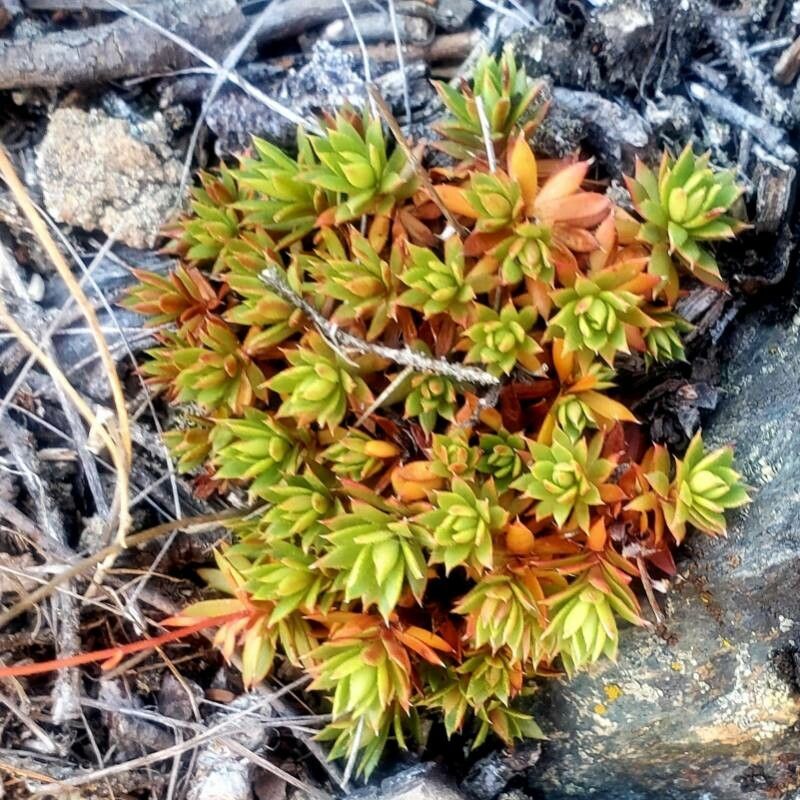
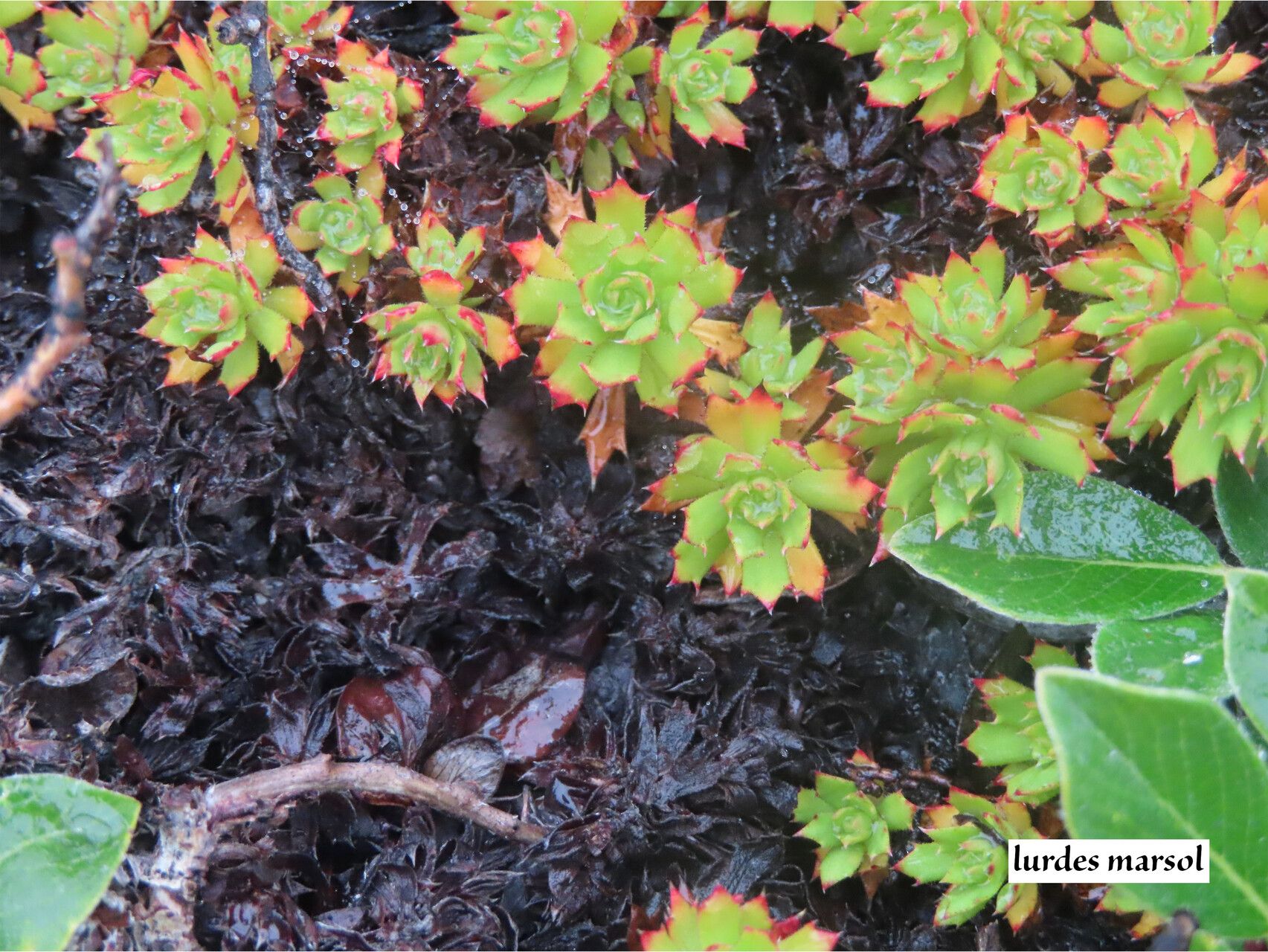
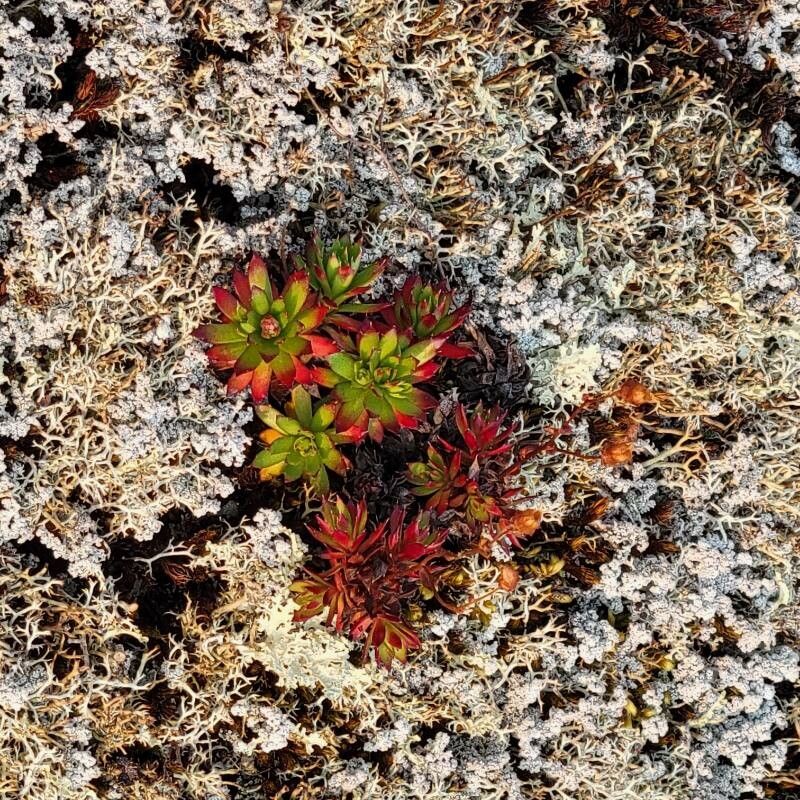
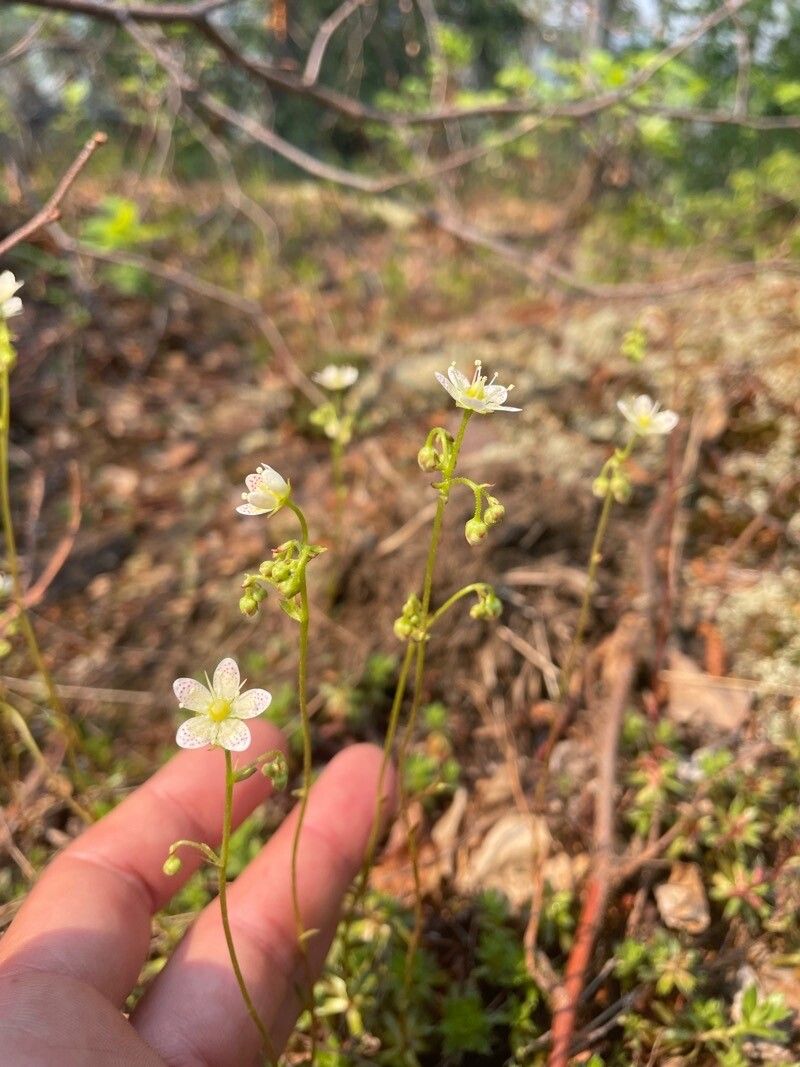
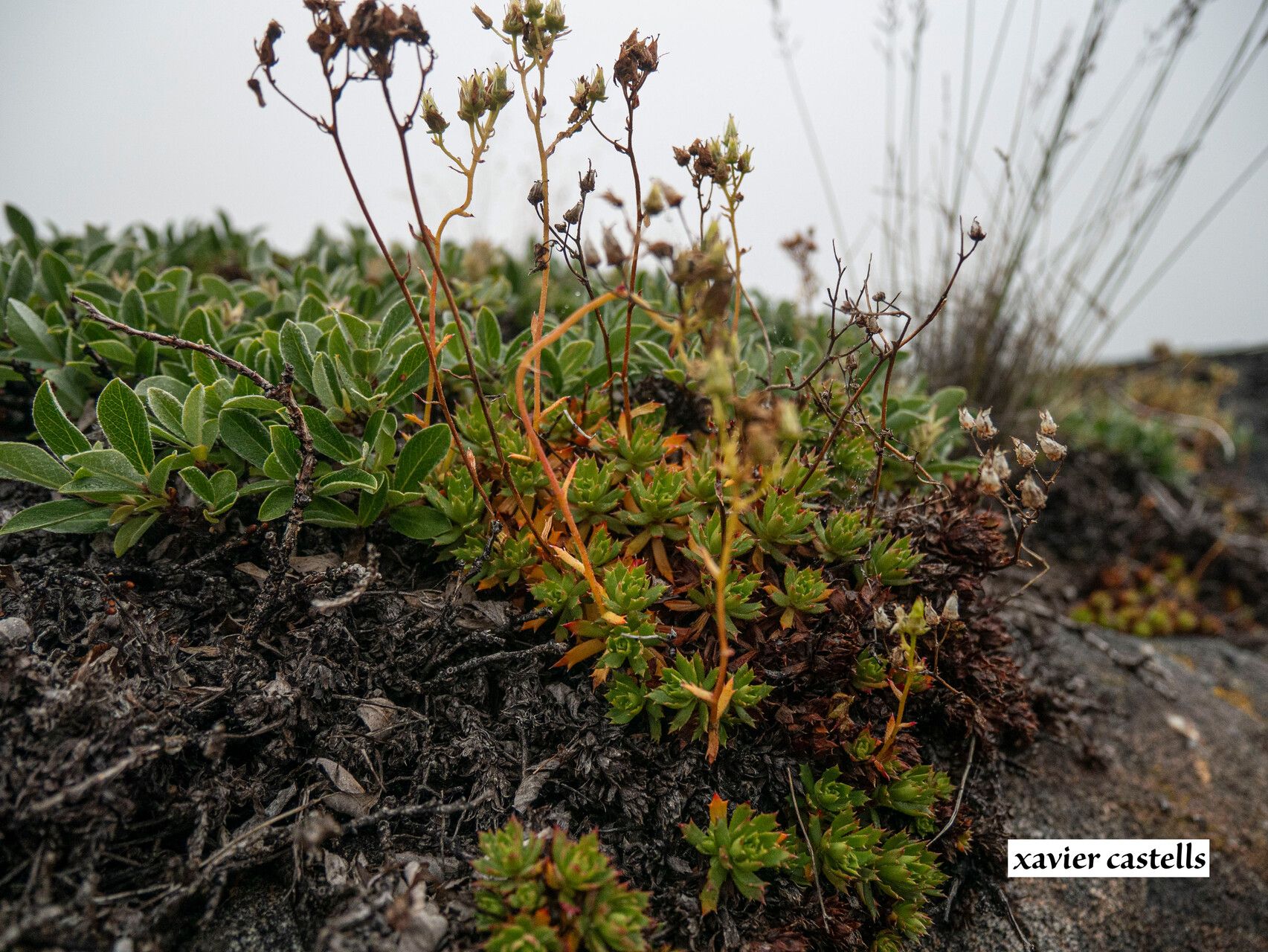
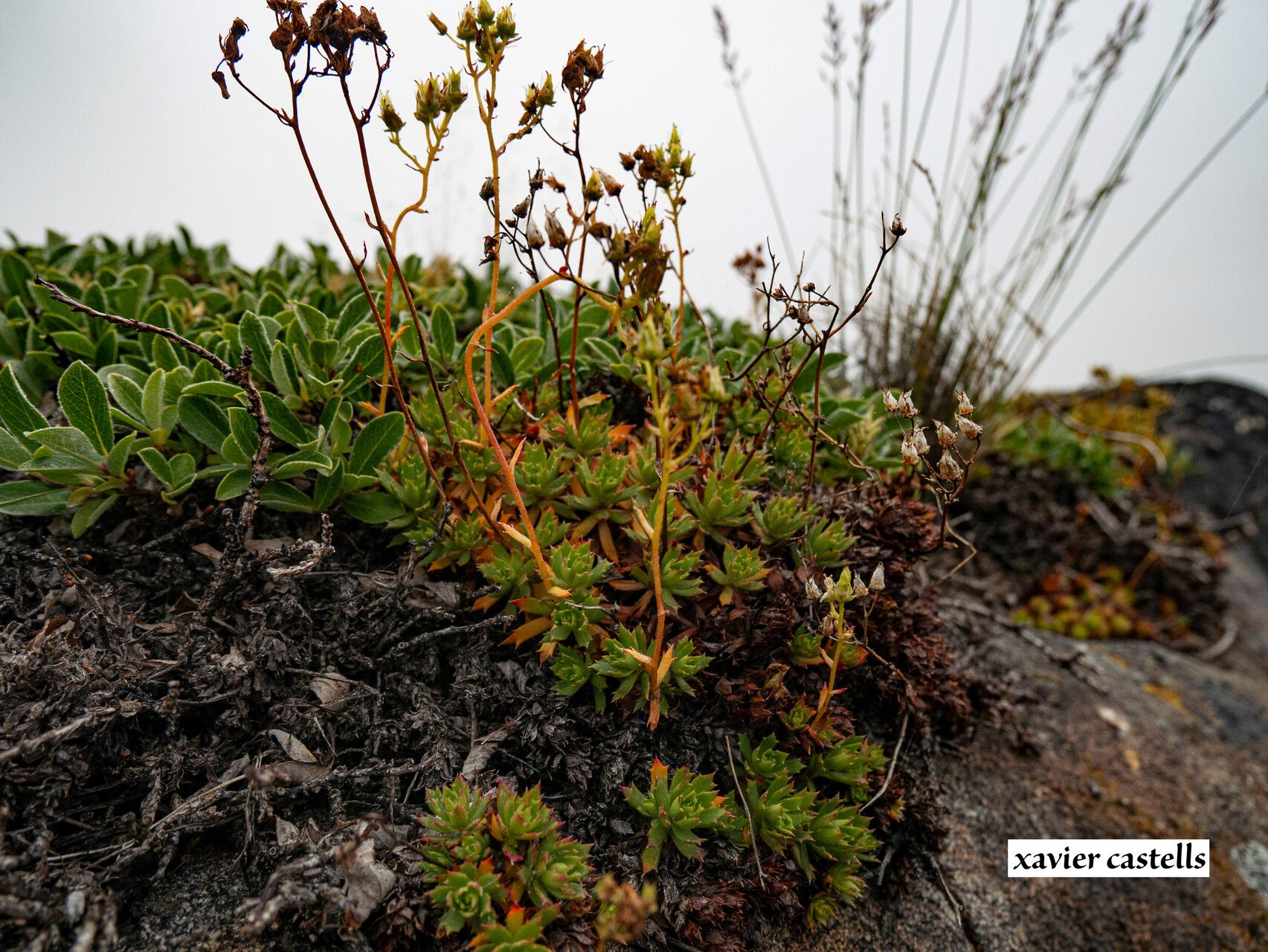
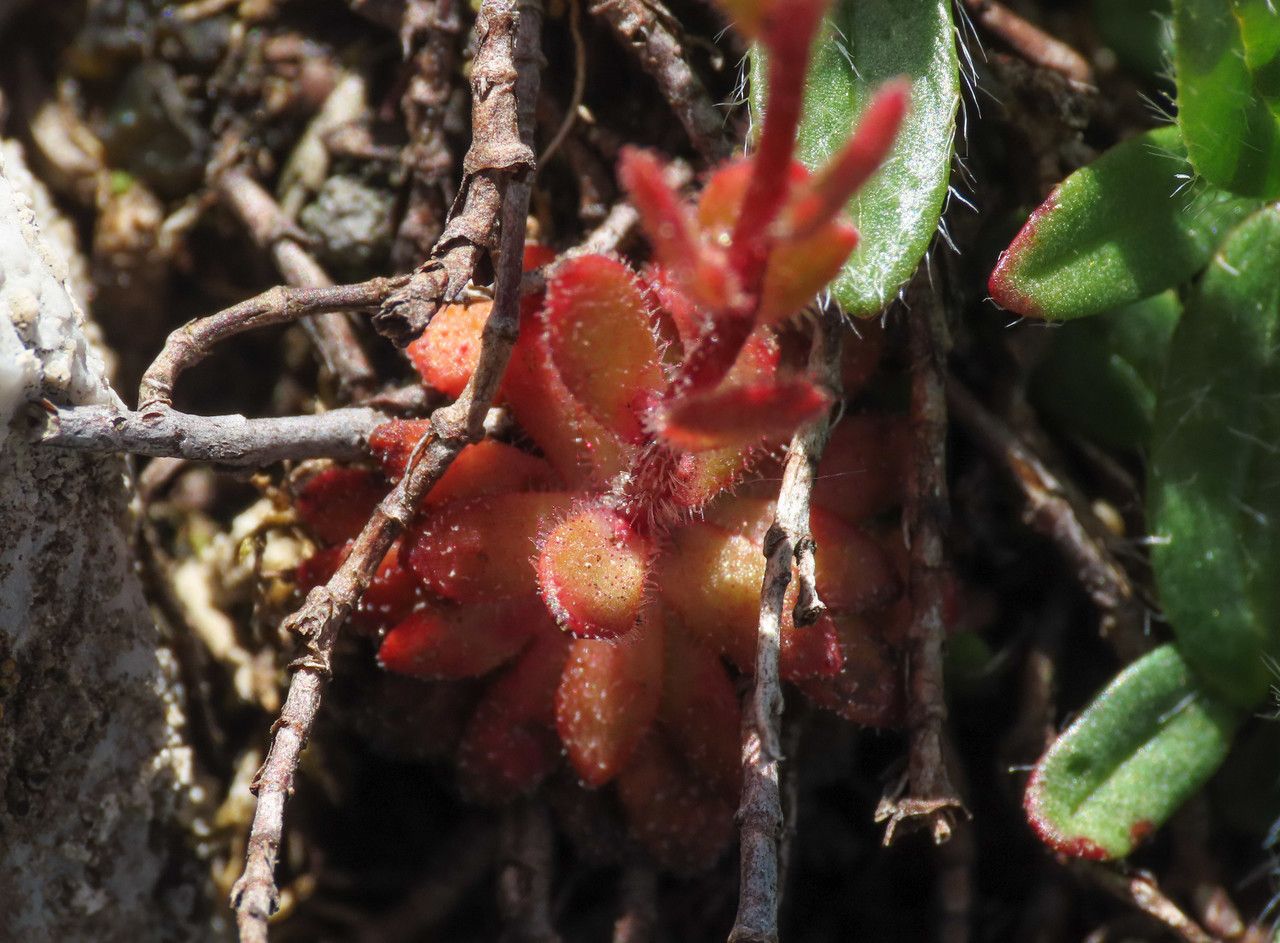
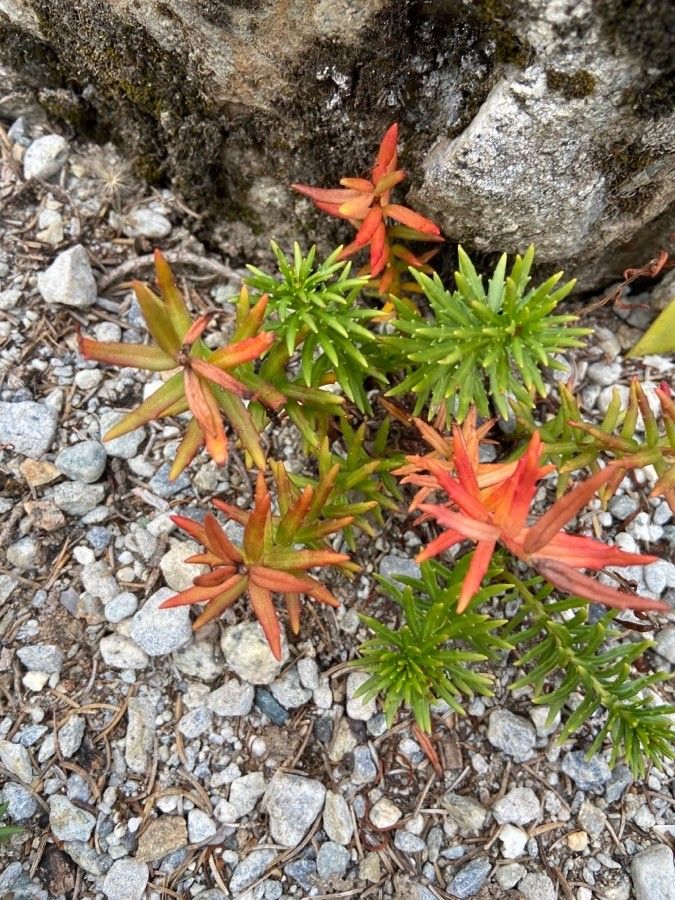
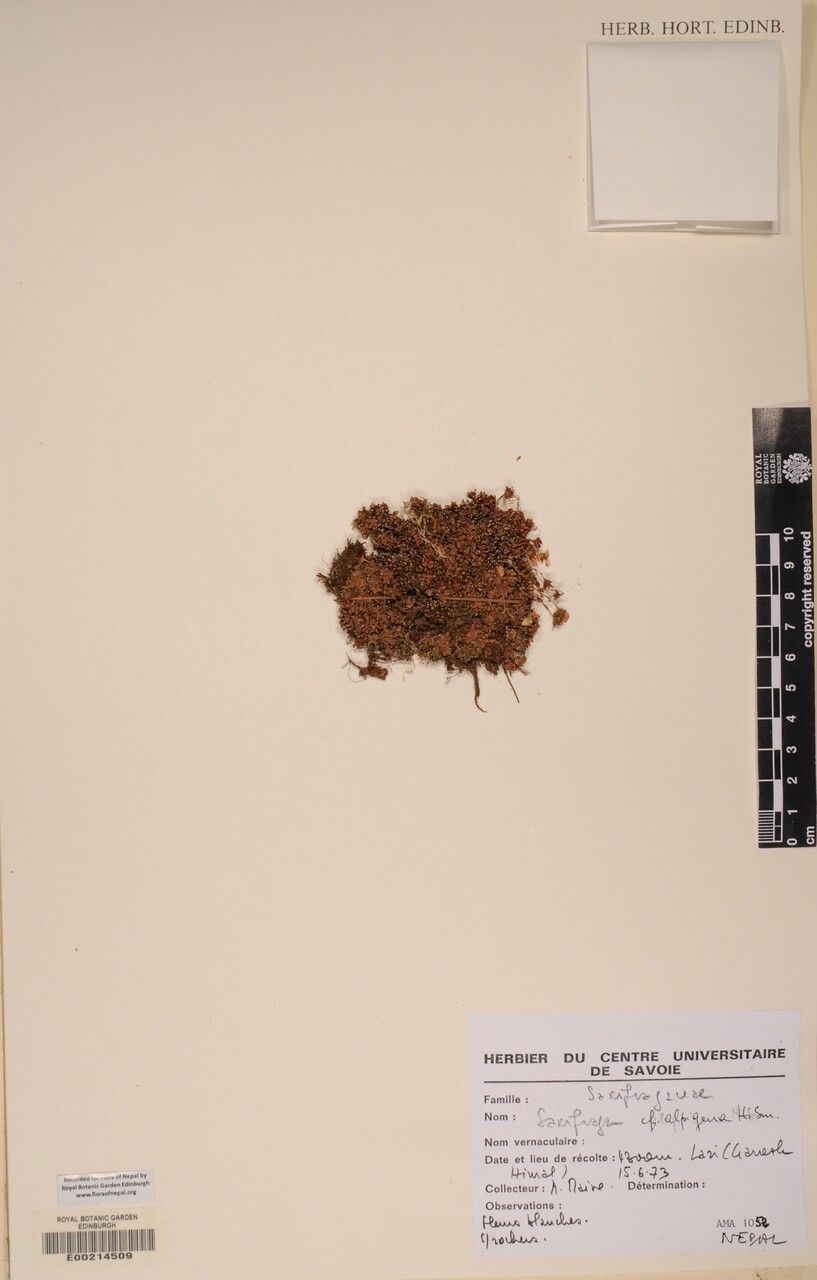
Three-toothed saxifrage shows good resistance to disease and is generally unlikely to suffer from illnesses. Still, it can be vulnerable to pests and diseases present in its environment. These infections are generally not serious. For care, this plant requires a moderate level of maintenance. It should be pruned regularly to keep a neat appearance and support healthy growth. Fertilizing can also help encourage flowering. Three-toothed saxifrage is appropriate for anyone with outdoor space, such as a garden or patio, and does not demand extensive care experience. It may need more attention when grown indoors.
How to keep Saxifraga Tricuspidata.
Light
Three toothed saxifrage occurs naturally in habitats like forest understories or rocky sites, where it grows in natural shade. It prefers partial sun but can tolerate full sun or full shade, showing that it is versatile and hardy.
Water
The three-toothed saxifrage needs regular watering to keep the soil consistently moist, but not soggy, during the summer months. In the winter, be careful not to overwater, especially in cool and wet climates.
Fertilizer
The primary time to fertilize Three toothed saxifrage is in early spring, when the flowers are forming. The proper fertilizer promotes better blooms and helps Three toothed saxifrage produce attractive flowers. Fertilizing in early spring ensures excellent flowers during the season and supplies energy for dormant growth phases.
Pruning
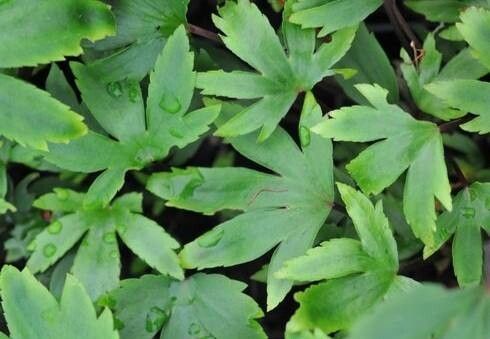
Three-toothed saxifrage is known for its toothed leaves and star-shaped flowers. To maintain the plant's health and appearance, it's best to prune in early spring. This helps remove damaged foliage, encourages new growth, and extends the blooming period. Additionally, thinning out overcrowded areas will improve air circulation. This pruning approach not only enhances the plant's ornamental appeal but also helps prevent diseases.
Botanical profile.
- Plant Type
- Herb
- Life Cycle
- Perennial
- Genus
- Saxifraga
- Family
- Saxifragaceae
- Hardiness Zone
- 2-7
- Mature Height
- 5 cm to 15 cm
- Mature Spread
- 10 cm to 20 cm
- Leaf Color
- Dark Green
- Leaf Type
- Evergreen
- Flower Color
- White
- Flower Size
- 1.02 cm to 1.52 cm
- Bloom Time
- Early summer, Mid summer
- Planting Time
- Spring, Autumn
- Harvest Time
- Late summer, Early fall
- Native Area
- Denmark
Other names.
Reader questions.
What are the sunlight requirements for Three Toothed Saxifrage (Saxifraga tricuspidata)?
Three Toothed Saxifrage, also known as Saxifraga tricuspidata, thrives in conditions that meet specific sunlight exposure requirements. For an environment considered partial sun, the plant needs about 3-6 hours of sunlight daily. If the plant is to grow in full shade, it requires less than 3 hours of sunlight per day. It's essential to observe the sunlight's movement through your garden to identify spots that offer the ideal balance of light and shade. This consideration will help ensure that your Three Toothed Saxifrage plants remain healthy and happy.
What is the common name of Saxifraga tricuspidata?
The common name of Saxifraga tricuspidata is Three-toothed Saxifrage.
What are the key characteristics of Three-toothed Saxifrage?
The key characteristics of Three-toothed Saxifrage (Saxifraga tricuspidata) are not provided in the available information.
What are the common symptoms associated with Three-toothed Saxifrage?
There are no common symptoms associated with Three-toothed Saxifrage provided in the available information.