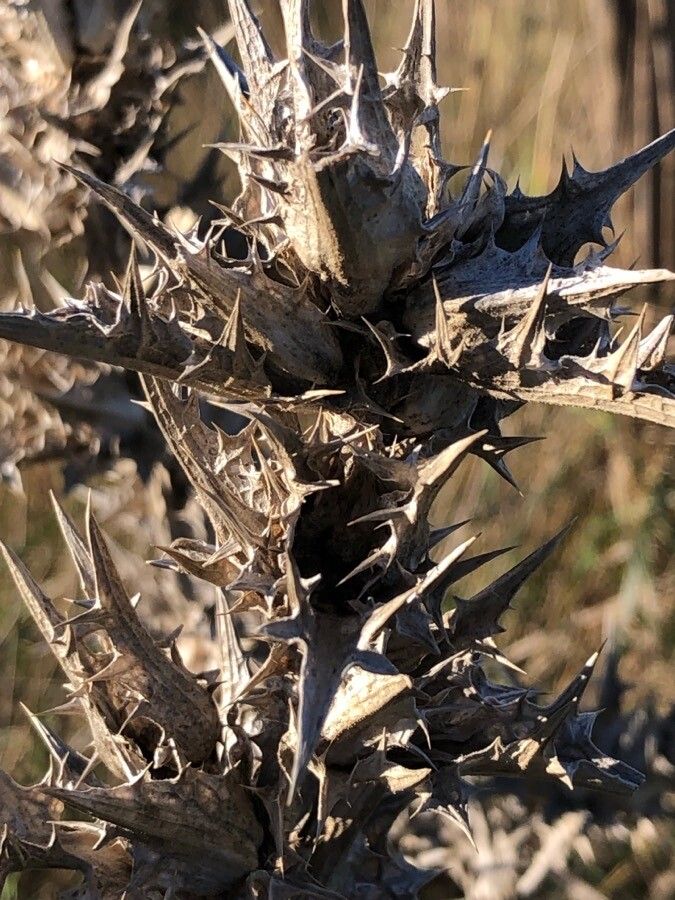
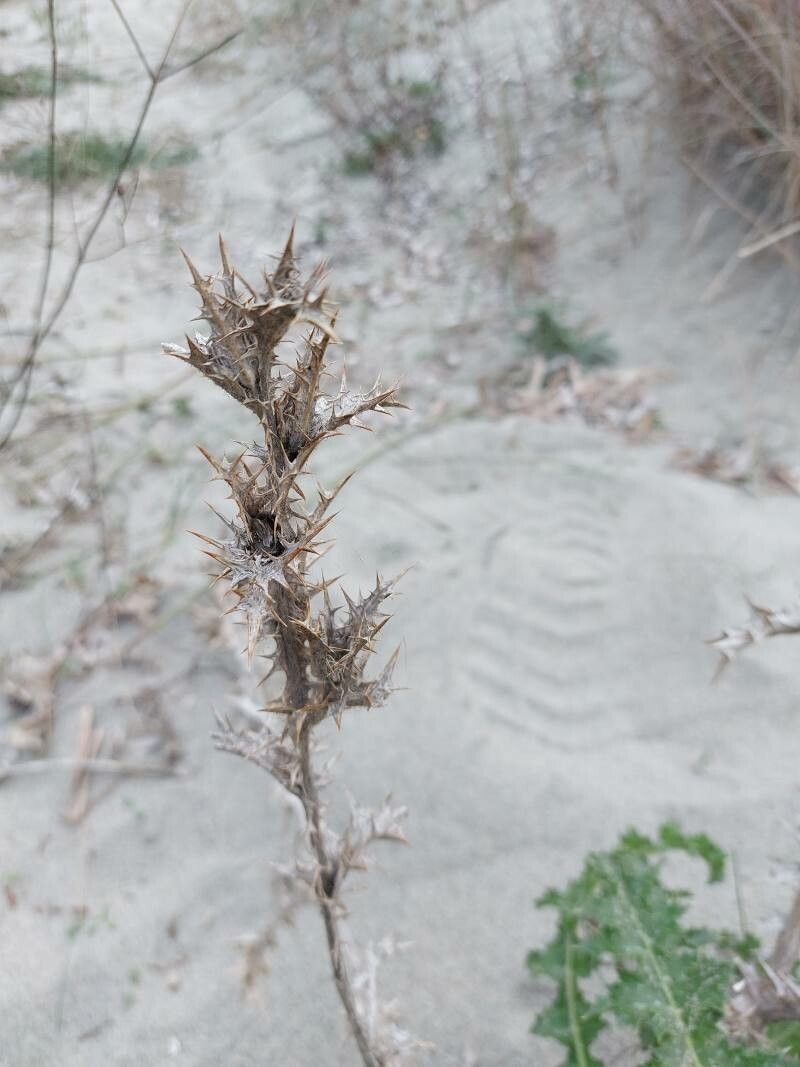
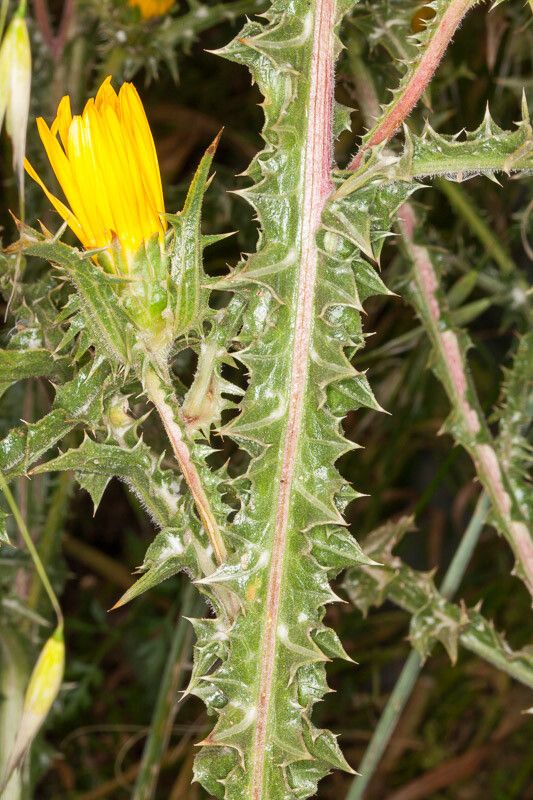
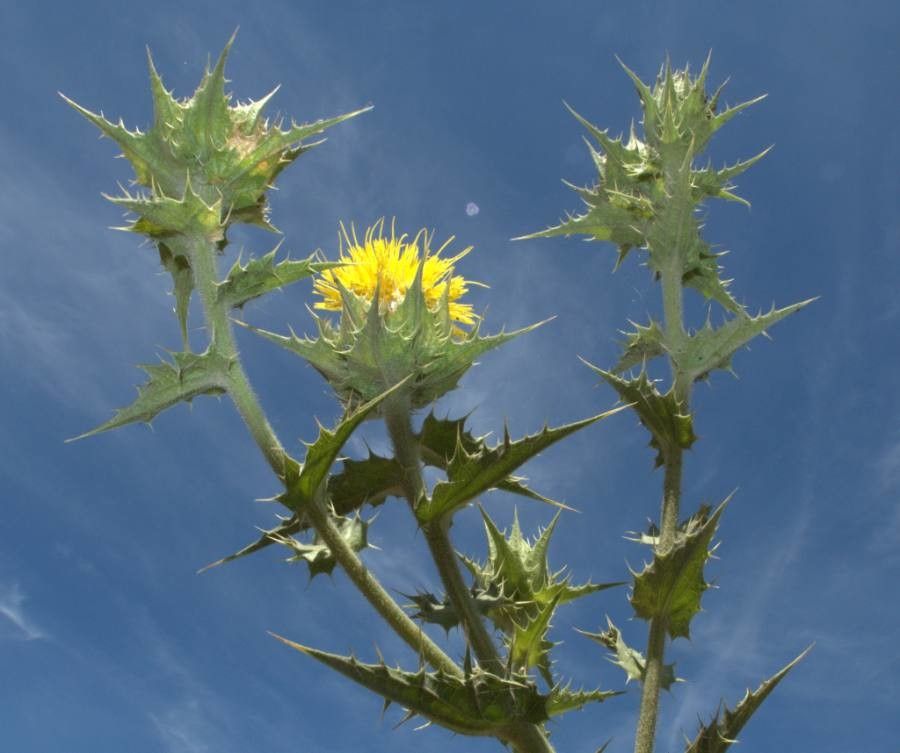
Scolymus hispanicus, commonly known as Spanish Salsify or Spanish Oyster Plant, is a perennial herbaceous plant belonging to the Asteraceae family. Native to the Mediterranean region, it can be found in various parts of Europe and North Africa.
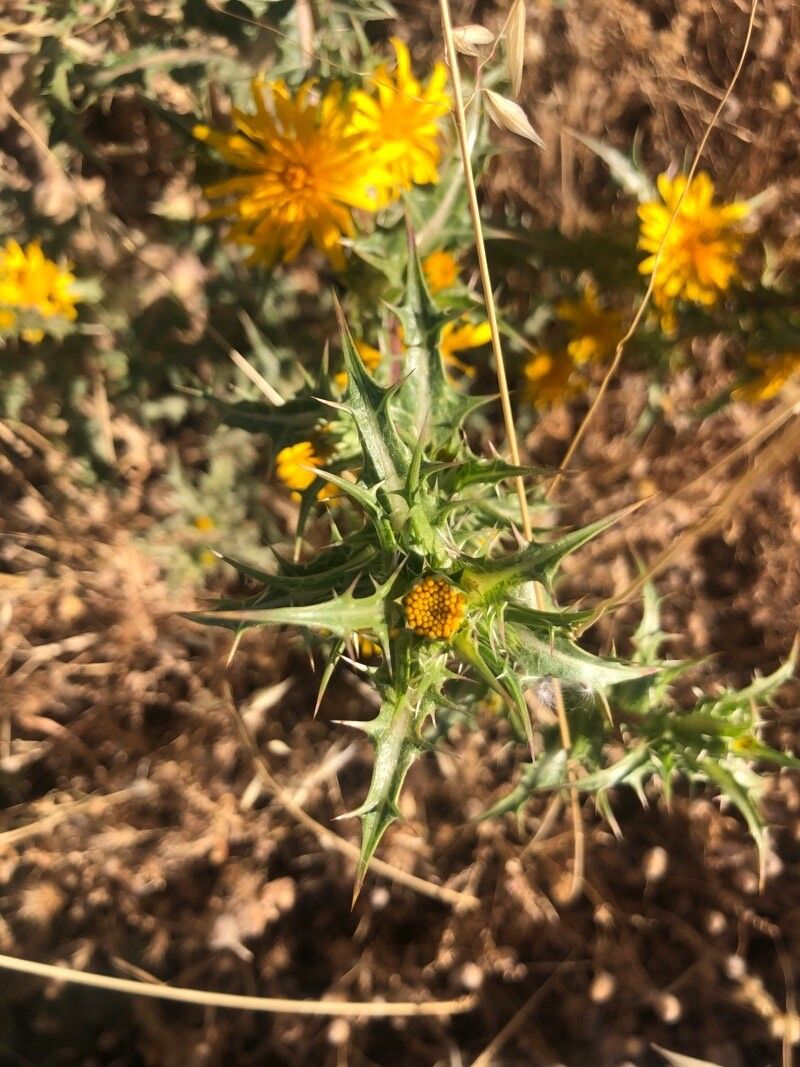
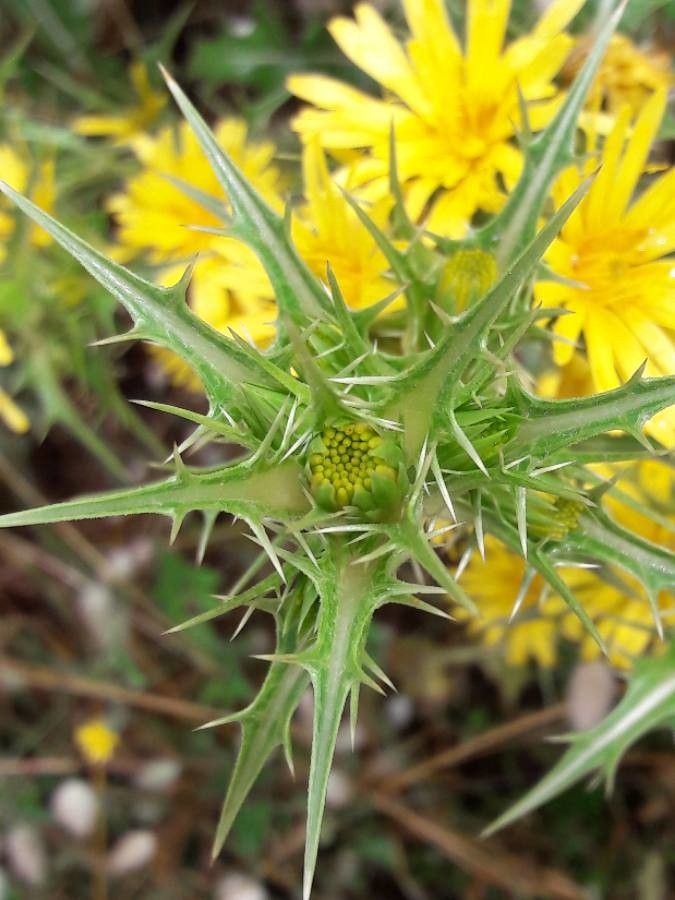
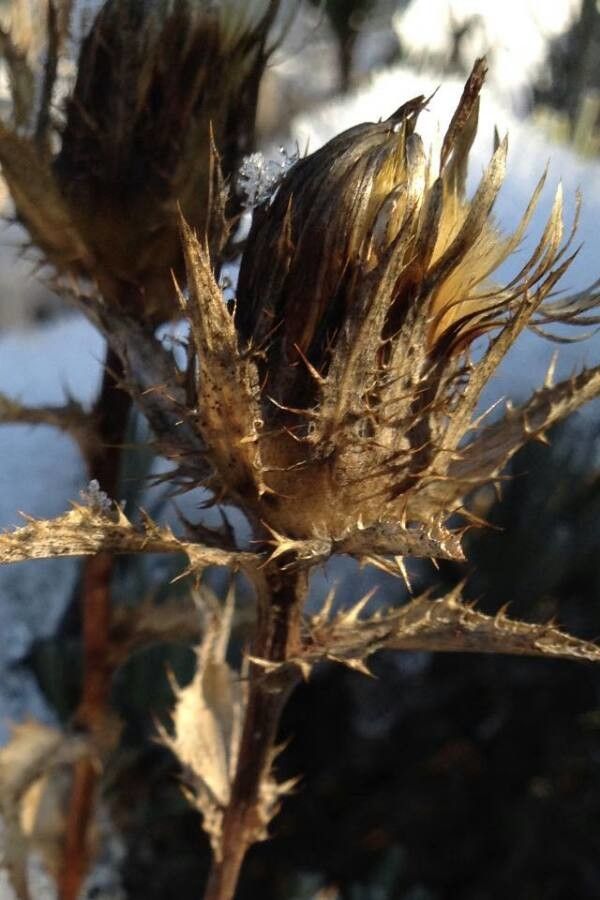
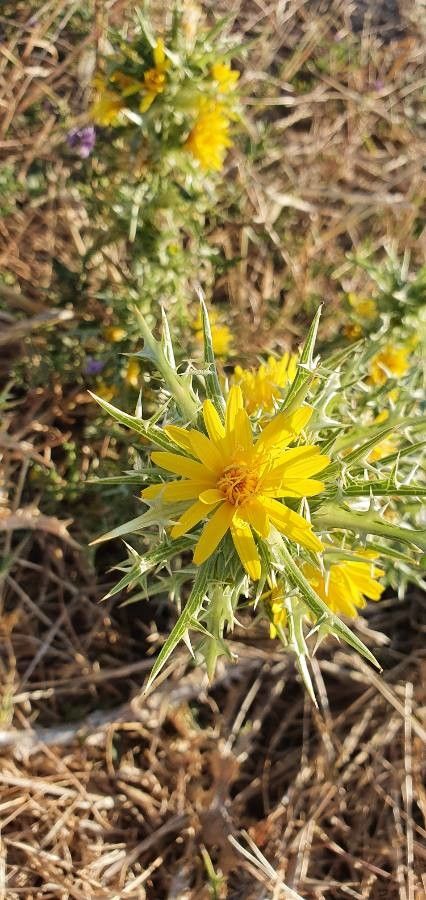
This plant can grow up to 1 meter in height and features a deep taproot system that can extend up to 2 meters underground. Its leaves are long, narrow, and spiny, with a waxy texture that helps reduce water loss. The flowers are yellow or orange, with ray petals surrounding a central disk.
Scolymus hispanicus has been used for centuries for its medicinal properties, as it contains compounds such as flavonoids, saponins, tannins, and terpenoids, which possess anti-inflammatory effects.
The plant is also edible. Its young leaves can be used in salads, while its roots are cooked similar to salsify or oysters, hence the common name "Spanish Oyster Plant." Traditionally, it has also been used as an aphrodisiac.
In modern times, Scolymus hispanicus is being studied for its potential use in treating diabetes due to its ability to lower blood sugar levels. It may also have potential applications in treating liver diseases because of its hepatoprotective effects.
Overall, Scolymus hispanicus is an intriguing plant with both medicinal and culinary uses, making it worth further exploration, both scientifically and culturally.
Common goldenthistle has moderate resistance to disease but can be vulnerable to issues like leaf spot. Its vulnerability to insect pests may differ by variety, although most are less resistant to pests. For care, Common goldenthistle requires regular watering and fertilization and frequent removal of yellow leaves. It is important to control pests and diseases as they occur and to harvest the plant in a timely way. Common goldenthistle is suitable for people who can devote some time and effort to regular care.
How to keep Scolymus Hispanicus.
Light
The common goldenthistle reaches its highest photosynthetic potential under moderate-intensity sunlight, as observed in its native open grasslands. This amount of sunlight fosters healthy growth and vitality. Both too little and too much light can negatively affect its productivity. At every growth stage, it benefits from a consistent balance of sunlight.
Water
The common goldenthistle thrives in well-drained soils and is drought-tolerant once established. It does well in semi-arid conditions, benefiting from weekly watering to avoid over-saturation. Although natural rainfall helps its growth, additional watering is essential during dry periods, particularly in its active season.
Temperature
Common goldenthistle is a plant of temperate regions that does well in native temperatures of 68 to 95 °F (20 to 35 ℃). It favors warm conditions and grows best in summer. To ensure its survival, modify the temperature during extreme seasonal changes.
Fertilizer
Common goldenthistle species respond well to one or two applications of organic natural fertilizers containing potassium and phosphorus. Apply the fertilizer before planting, work it into the soil, and water thoroughly. Typically one application suffices, but a second can be applied once seedlings have become established. Avoid overusing fertilizer, as excess can harm the plants.
Pruning
The common goldenthistle is characterized by its thorny leaves and vibrant yellow flowers. To encourage growth, prune the plant from early to late spring, paying special attention to removing dead stems and thinning out dense areas. Regular deadheading not only promotes blooming but also improves the plant's overall health, reducing the risk of disease and enhancing its appearance for a thriving garden display.
Botanical profile.
- Plant Type
- Herb
- Life Cycle
- Biennial, Perennial
- Genus
- Scolymus
- Family
- Asteraceae
- Hardiness Zone
- 6-9
- Mature Height
- 76 cm
- Mature Spread
- 49 cm
- Leaf Color
- Green, Yellow Green
- Leaf Type
- Semi-evergreen
- Flower Color
- Yellow
- Flower Size
- 2.03 cm to 3.05 cm
- Bloom Time
- Summer
- Planting Time
- Spring
- Harvest Time
- Late summer, Early fall, Mid fall
- Native Area
- Libya, Egypt, Turkey, Croatia, Morocco, Slovenia, Russia, Romania, France, Portugal, Tunisia, Cyprus, Bulgaria, Greece, Ukraine, Serbia, Lebanon, Syria, Italy, Spain, Switzerland, Iran, Albania, Algeria
Other names.
Reader questions.
How should I water my Common goldenthistle?
To properly care for the Common goldenthistle, it is important to use filtered water at a room temperature or slightly warmer. This is because tap water may contain harmful particles. Cold water can be a shock to this plant, as it prefers warm environments. It is also recommended to avoid overhead watering, as it can cause issues with the foliage. Instead, water the plant by applying filtered, room temperature water directly to the soil until it is completely soaked. This helps moisten the roots and allows them to spread and gather the necessary nutrients from the soil. Soaking the soil is highly beneficial for the health of the plant.
What are the sunlight requirements for Common Goldenthistle?
Common Goldenthistle thrives under moderate intensity sunlight, typical to its native open grasslands, where it achieves its peak photosynthetic potential. Approximately 3-6 hours of daily sunlight is ideal, striking a balance between partial sun and shade. It's essential to monitor the way sunlight moves through your garden to identify spots that offer a perfect balance of light and shade, ensuring the plants' health and happiness.
What is the preferred temperature range for Common goldenthistle?
Common goldenthistle thrives in a temperate climate and is most comfortable in a temperature range of 68 to 95 °F (20 to 35 °C). It prefers warmth and flourishes best during the summer months. Adjusting the temperature during extreme seasonal shifts is critical to ensure the plant's survival. Despite its strong cold resistance, special frost protection measures might be necessary when winter temperatures are expected to drop below -25°C, such as covering the plant with soil or straw. Additionally, watering the plant abundantly before the first freeze in autumn to maintain moist soil can help prevent winter and early spring drought.
What do I do if I give my Common goldenthistle too much water or too little water?
Overwatering is a more common problem than underwatering for Common goldenthistle plants. When this plant is overwatered, its stems and leaves may wilt and turn yellow. Overwatering for a long time can also cause diseases like root rot, mold, and mildew, which can be lethal. Underwatering is less common because the Common goldenthistle has decent drought tolerance. However, it is still possible, and when it happens, the leaves become brittle and brown. It is important to recognize the signs of overwatering early in order to save your plant. Some diseases caused by overwatering, such as root rot, cannot be corrected if you wait too long. If you notice early signs of overwatering, reduce your watering immediately and assess the soil quality. If the soil drains poorly, replace it with a loose, well-draining potting mix. If you see signs of underwatering, simply water more regularly until the signs disappear.
How does artificial lighting support Common Goldenthistle's growth indoors?
When natural sunlight is insufficient, especially during winter or in less sunny spaces, artificial lighting becomes crucial for the optimal growth of indoor Common Goldenthistle plants. LED lights are recommended due to their ability to provide specific wavelengths needed for plant growth. Full sun plants require 30-50W/sq ft, partial sun plants need 20-30W/sq ft, and full shade plants require 10-20W/sq ft of artificial light. The artificial light source should be placed 12-36 inches above the plant to mimic sunlight effectively and be kept on for 8-12 hours per day to simulate natural daylight hours adequately.
How does Common goldenthistle react to low temperatures, and what solutions are recommended?
Common goldenthistle is cold-tolerant and prefers temperatures above 20°C. During winter, it is advised to keep the temperature above 0°C. If temperatures fall below -25°C, the plant may not show immediate changes, but a decrease in sprouting or complete lack of sprouting may occur come springtime. The recommended solution for these conditions is to remove any parts of the plant that have failed to sprout in the spring, fostering new growth and recovery.
How frequently do I need to water my Common goldenthistle?
If your Common goldenthistle is in a pot, the best way to check if it needs water is by putting your finger in the soil. If the top two to three inches of soil are dry, it's time to water it. If you have the Common goldenthistle planted outdoors in the ground, you can use a similar method to test the soil. When the first few inches of soil are dry, it's time to water. Usually, during spring and early fall, you'll need to water this plant about once a week using this method. However, when it's extremely hot, watering twice or more per week may be necessary. Nevertheless, mature and well-established Common goldenthistle plants are quite resilient and can tolerate drought well.
What are some symptoms of inadequate lighting in Common Goldenthistle?
Symptoms of insufficient lighting in Common Goldenthistle include smaller new leaves compared to older ones, leggy or sparse growth, faster leaf drop, slower or halted growth, lighter-colored or pale new leaves, chlorosis or yellowing of leaves, sunscald, leaf curling, wilting, and leaf scorching. These symptoms indicate that the plant is not receiving the appropriate amount of sunlight needed for healthy growth.
What are the effects of high temperatures on Common goldenthistle and how can they be mitigated?
During the summer, it's crucial to ensure that Common goldenthistle does not exceed a temperature of 35°C. Exposure to temperatures above 38°C can result in the leaves becoming lighter in color, prone to curling, susceptibility to sunburn, and in severe cases, wilting and drying of the entire plant. To mitigate these effects, it's recommended to trim away the sunburned and dried-up parts of the plant. Relocating the plant to a shaded area during the midday and afternoon sun or using a shade cloth can help protect it from excessive heat. Additionally, watering the plant in the morning and evening helps maintain soil moisture and supports the plant's well-being in high temperatures.
How much water does my Common goldenthistle require?
To properly water your Common goldenthistle, don't hold back on the amount of water you give it. Wait until the top couple of inches of soil are dry before giving it a good, deep watering. Make sure to water enough so that the entire soil gets soaked. You should add enough water that the excess drains out of the holes at the bottom of the pot. If you don't see excess water draining, you may not have given enough water. But be careful not to let water accumulate in the soil, as this can harm the plant. On the other hand, if water isn't draining properly from the pot, this could be a sign of poorly draining soil, which is bad for the plant's health. If the plant is outside, one inch of rain per week should be enough.
What solutions can alleviate Common Goldenthistle's light deficiency symptoms?
To address light deficiency in Common Goldenthistle, gradually increase the plant's exposure to sunlight by shifting it to sunnier spots each week until it receives between 3-6 hours of direct sunlight daily. For indoor or immobile plants, consider using artificial light sources such as desk lamps or professional grow lights for at least 8 hours daily. Outdoors, move plants to sunnier locations gradually to prevent sunburn. Reducing obstructions like pruning trees can help increase sunlight exposure. If possible, transplanting smaller plants during their dormant period into a sunny location with good drainage can also be beneficial. It's important to note that parts of the plant affected by insufficient sunlight may not recover, but new growth should be healthy following these adjustments.
How should I give water to my Common goldenthistle as it grows?
The water needs of the Common goldenthistle can vary depending on its growth stages. In the early years of its life or when it has just been transplanted, more water is necessary. During these stages, the plant focuses on developing new roots to support future growth, which requires additional moisture. However, as the plant matures, it will require less water. Another growth stage that may require increased watering is during the bloom period, as flower development consumes more moisture.