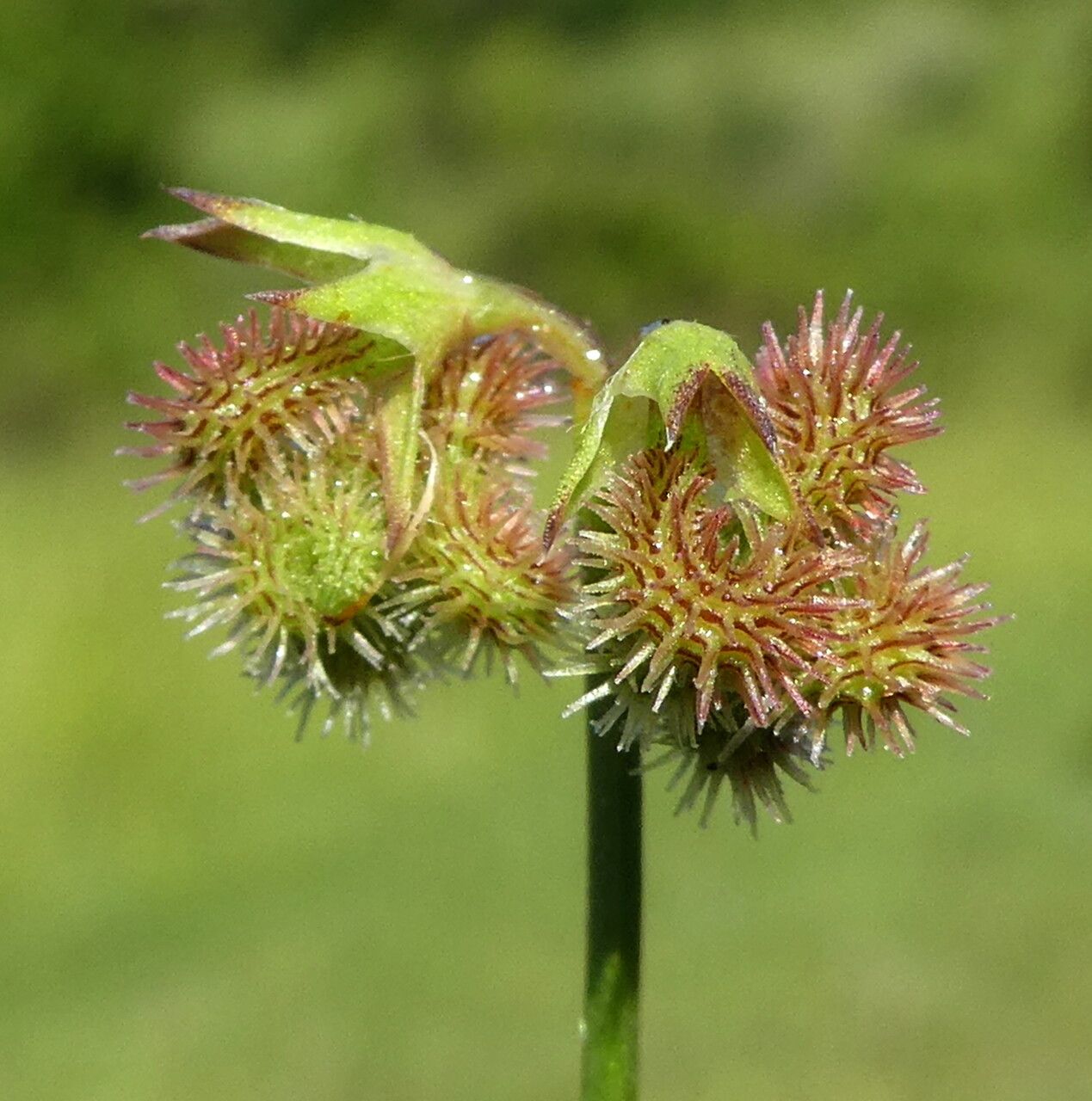
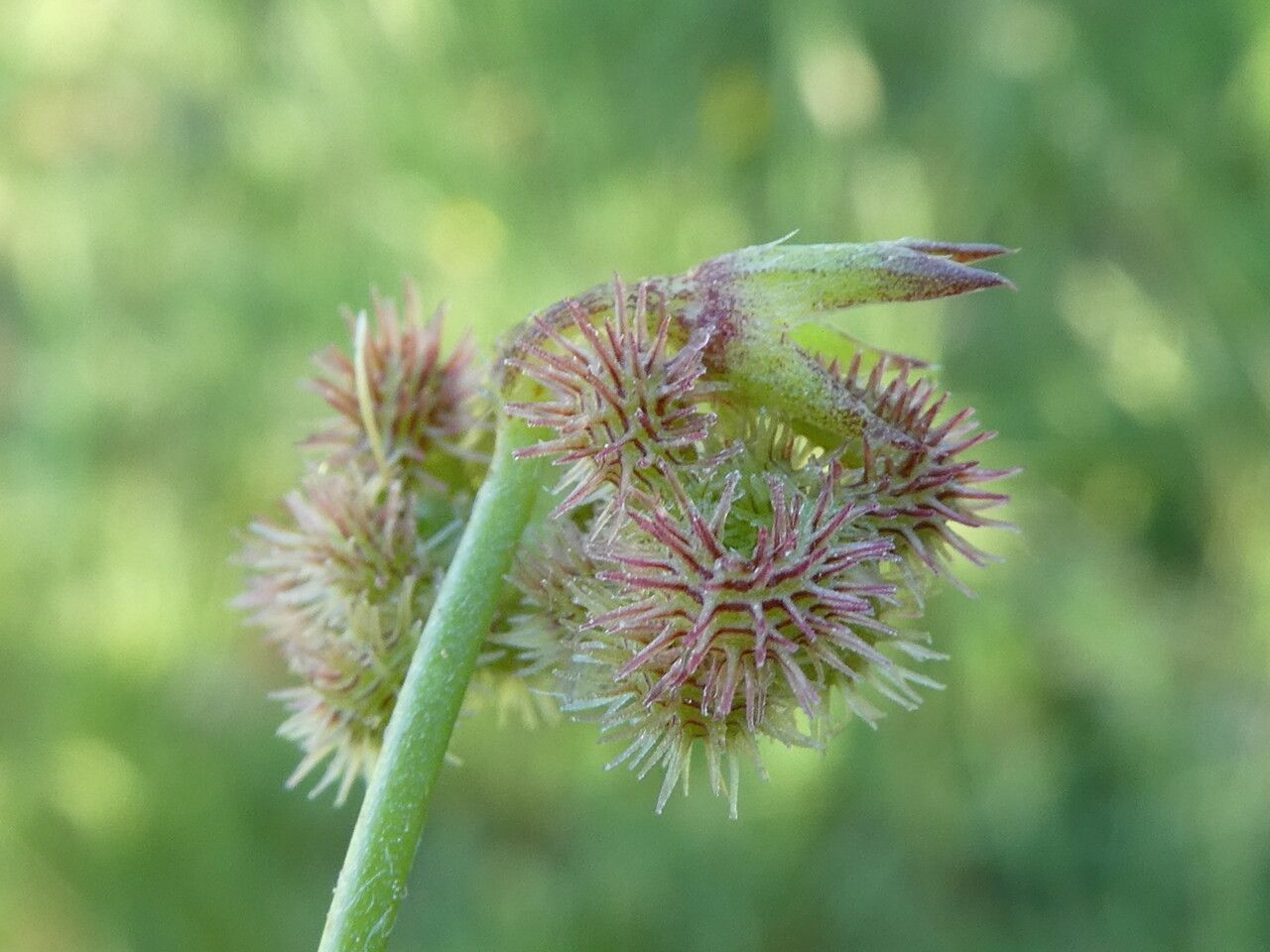
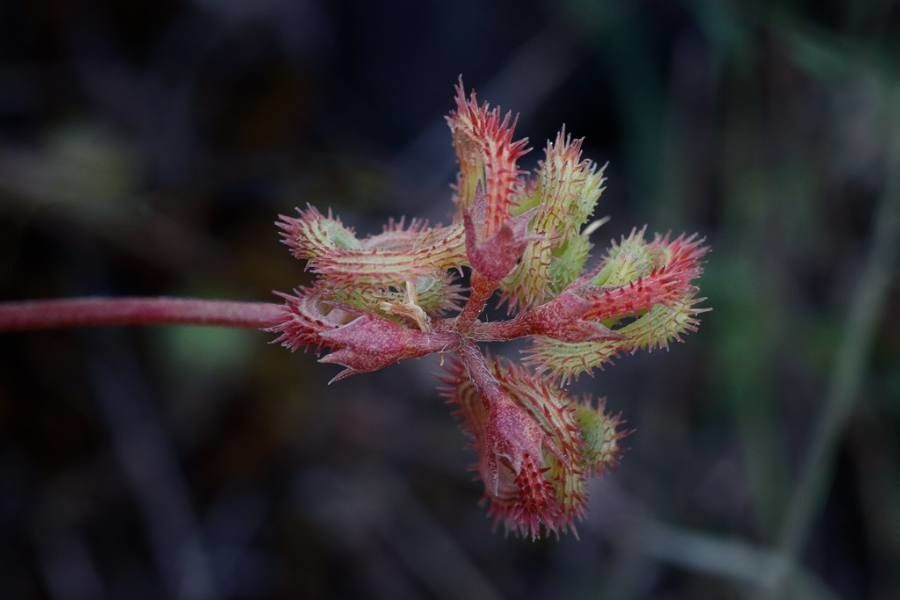
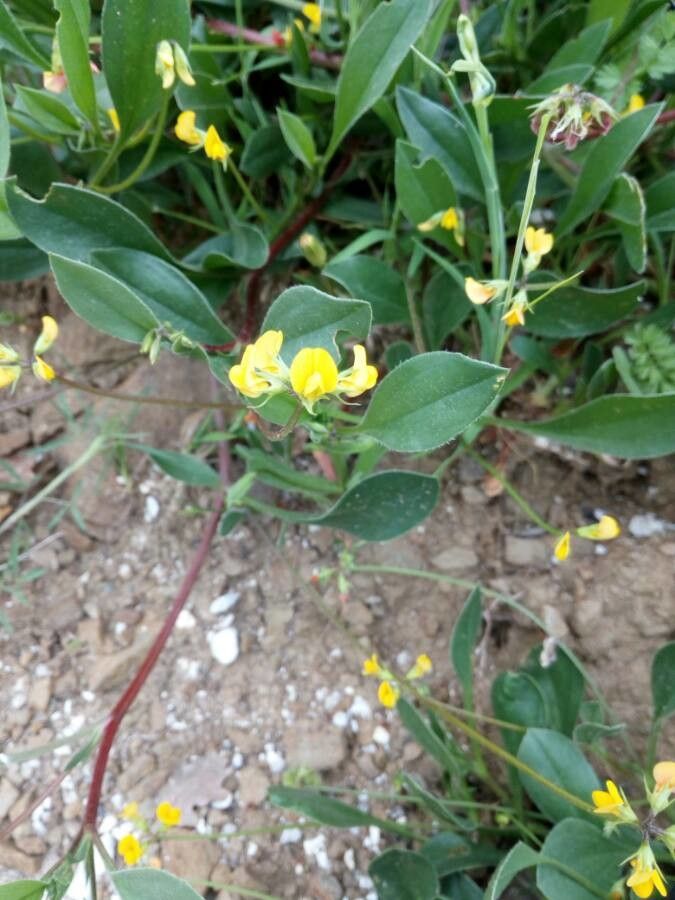
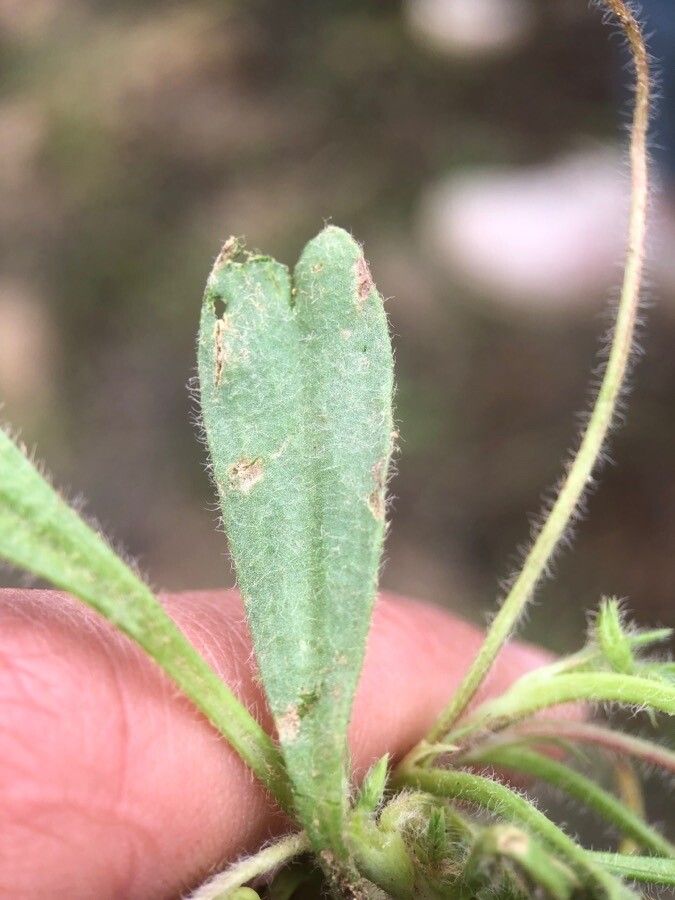
Scorpiurus muricatus, commonly known as spiny scorpion's tail or spiny caterpillar, is a small annual plant belonging to the legume family, Fabaceae. Native to the Mediterranean region, this plant thrives in various habitats such as dry grasslands, rocky slopes, and disturbed areas.
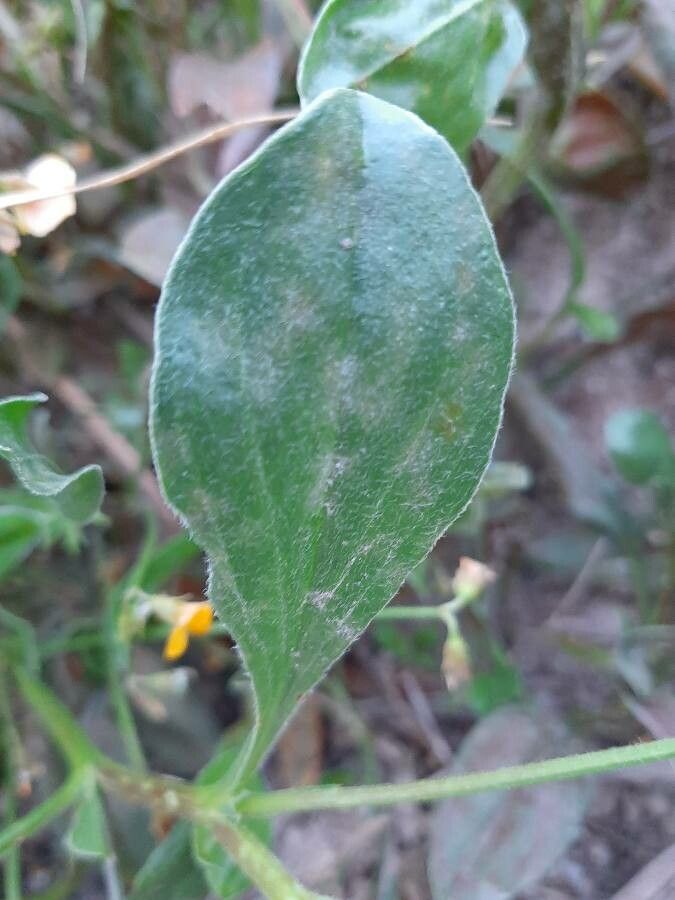
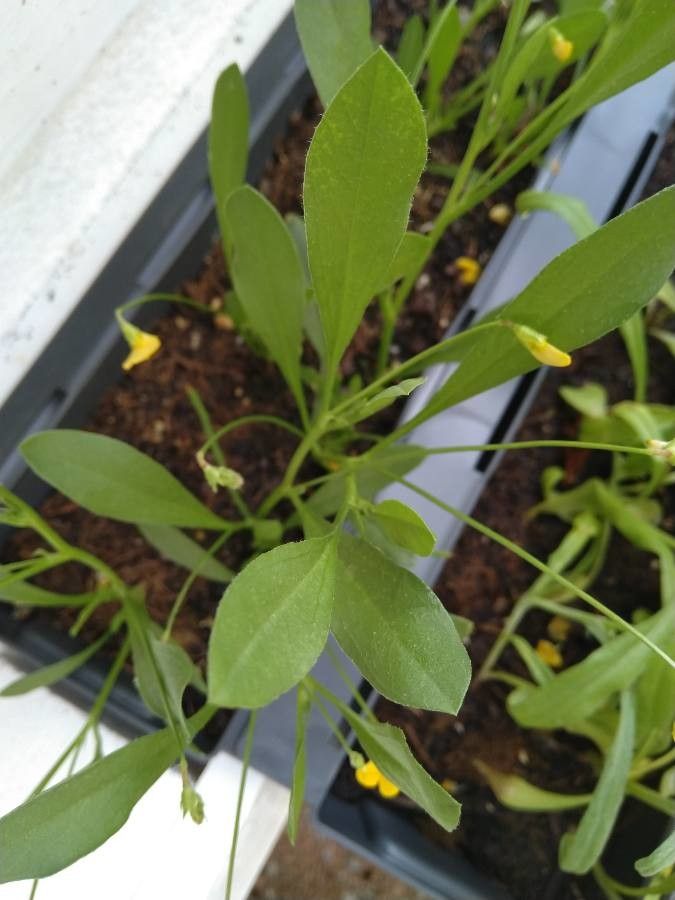
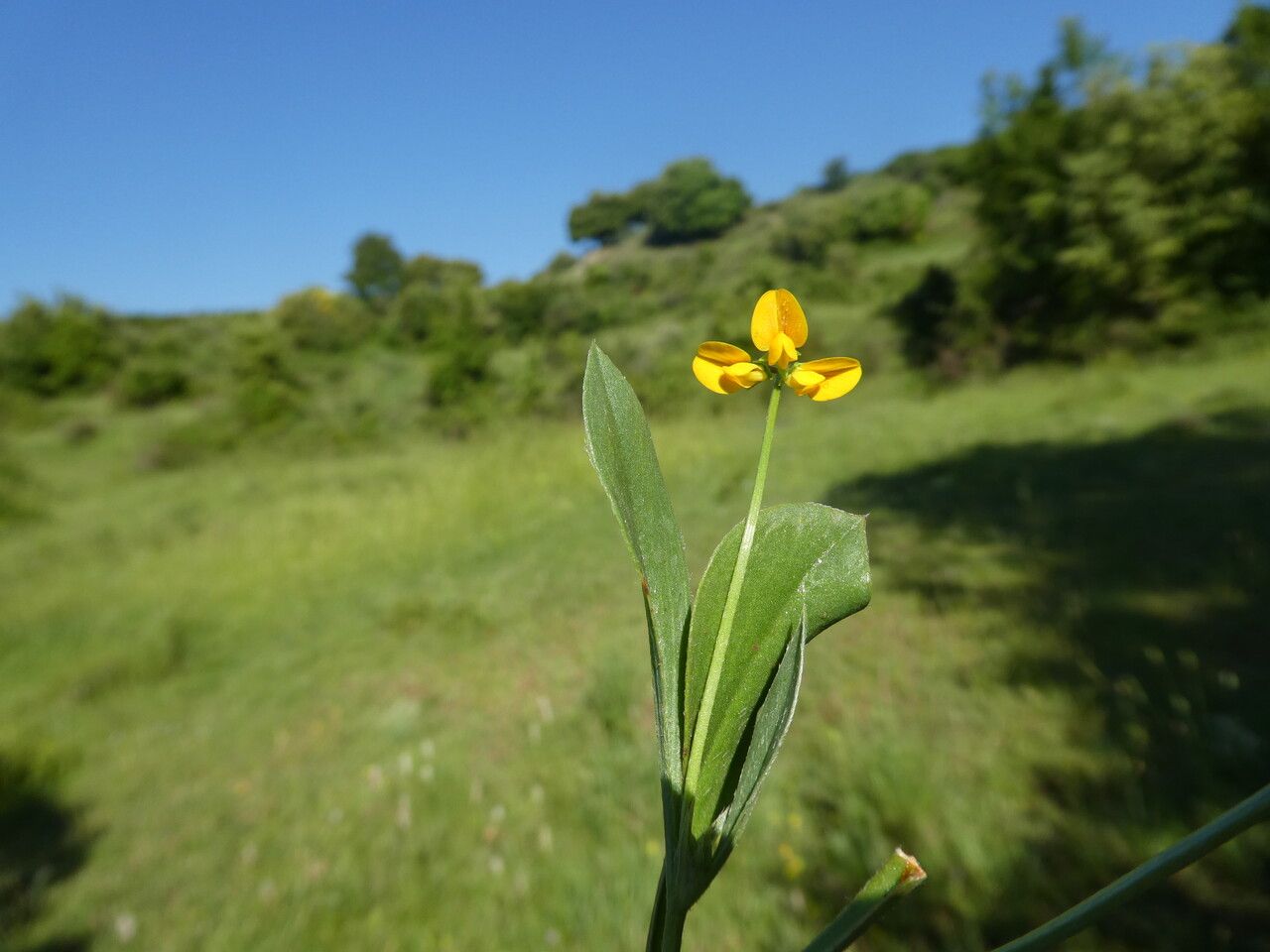
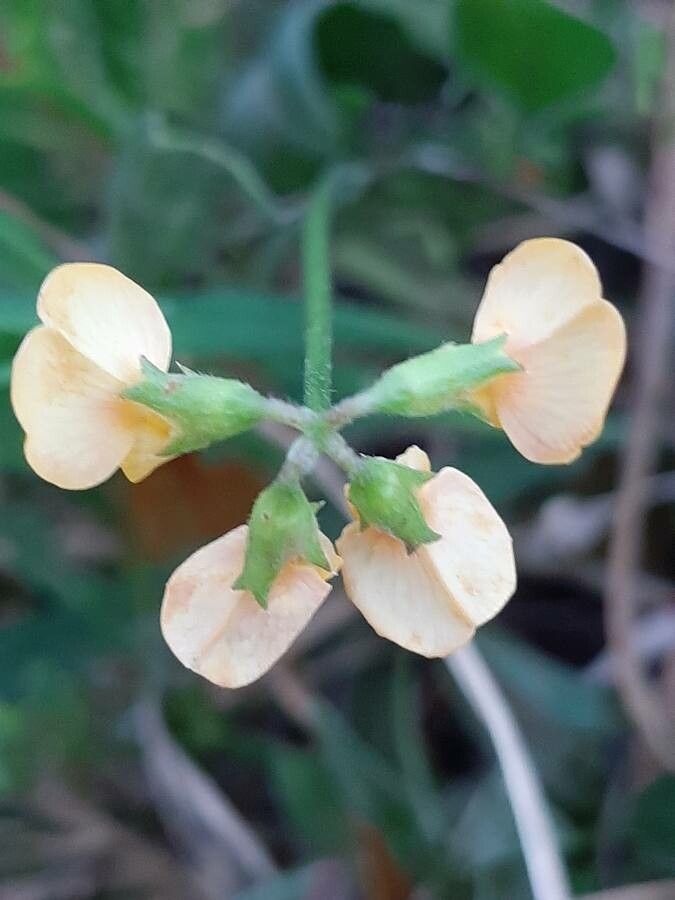
The plant grows up to 30 cm in height and features a slender stem adorned with small leaves divided into three leaflets. Its flowers are small, yellowish-green, and have a distinctive shape resembling a scorpion's tail or caterpillar.
Scorpiurus muricatus is an important forage crop for livestock due to its high protein content. Additionally, it has medicinal properties such as anti-inflammatory effects and can be used to treat skin diseases.
Adapted to dry environments, the plant develops long taproots that allow it to access water deep underground. It also produces hard seeds that can remain dormant in the soil for several years until favorable conditions for germination arise.
Overall, Scorpiurus muricatus is a fascinating plant with unique characteristics that make it valuable both ecologically and economically.
Prickly scorpion's-tail shows good resistance to disease and typically is not susceptible to illnesses. Still, it can be affected by pests and diseases present in its environment. Such infections are generally mild. Regarding care, this plant needs a moderate amount of attention. It should be pruned regularly to preserve a neat appearance and encourage healthy growth. Applying fertilizer can also assist in boosting blooms. Prickly scorpion's-tail is appropriate for anyone with outdoor areas like a garden or patio and does not demand extensive gardening experience. It may need extra care when cultivated indoors.
How to keep Scorpiurus Muricatus.
Light
Prickly scorpion's-tail thrives in strong sunlight and can also grow fairly well in dappled light. Its native habitat receives abundant sun. If it doesn't get enough sunlight, growth is reduced and the plant's health may decline. Excessive exposure does not significantly harm the plant.
Water
Prickly scorpion's-tail, a plant native to the Mediterranean, thrives in regions with moderate rainfall and demonstrates good drought tolerance. To recreate its natural habitat's wet-dry cycle, it should be watered weekly. In areas with unpredictable weather, it's crucial to maintain adequate moisture during its growing season to ensure the plant remains healthy and blooms well.
Humidity
This plant will thrive in moderate humidity, which is probably the level in your home. However, misting it a few times a week can be very beneficial. Make sure the room has good ventilation.
Temperature
Prickly scorpion's-tail is native to regions with temperate climates. Its preferred temperature range is 68 to 95 °F (20 to 35 ℃). Seasonal adjustments may be required to maintain this range, particularly during cooler months.
Fertilizer
Prickly scorpion's-tail benefits from regular, weak applications of fertilizer to encourage healthy leaf growth. You should feed Prickly scorpion's-tail roughly once a month during the summer. Nitrogen is important for foliage, and providing nitrogen-rich sources helps Prickly scorpion's-tail prosper.
Pruning
Regular pruning of the prickly scorpion's-tail plant promotes bushy growth and supports overall health. To achieve the best results, prune the plant during its active growth period, from early to late spring. Effective pruning techniques include thinning out crowded branches and removing any dead foliage. This practice not only enhances flowering and maintains the plant's shape but also improves air circulation, which helps reduce the risk of disease.
Botanical profile.
- Plant Type
- Herb
- Life Cycle
- Annual
- Genus
- Scorpiurus
- Family
- Fabaceae
- Hardiness Zone
- 9
- Mature Height
- 30 cm
- Mature Spread
- 20 cm to 40 cm
- Leaf Color
- Green
- Leaf Type
- Semi-evergreen
- Flower Color
- Yellow
- Flower Size
- 0.51 cm to 2.03 cm
- Bloom Time
- Mid spring, Late spring, Early summer
- Planting Time
- Spring
- Harvest Time
- Summer
- Native Area
- Libya, Egypt, Turkey, Montenegro, Croatia, Morocco, Slovenia, Russia, Iraq, Ethiopia, Qatar, Portugal, France, Saudi Arabia, Tunisia, Cyprus, Bulgaria, Greece, Serbia, Lebanon, Syria, Italy, Spain, Iran, Albania, Algeria, Kuwait
Other names.
Reader questions.
How should I water my Prickly scorpion's-tail plant?
Prickly scorpion's-tail can be watered using various tools such as a garden hose with a spray nozzle or a watering can. This plant is not too particular about the type of water it receives, as it can survive on rainwater, tap water, or filtered water. It is generally recommended to avoid watering this plant from above to prevent damage to the leaves and flowers and reduce the risk of diseases. A drip irrigation system can be a good way to water Prickly scorpion's-tail as it provides even and direct water to the soil. When watering a potted Prickly scorpion's-tail, you can use a cup, watering can, or tap to water the soil directly.
What are the sunlight requirements for Prickly scorpion's-tail?
Prickly scorpion's-tail, known botanically as Scorpiurus muricatus, thrives best under full sun conditions, requiring more than 6 hours of sunlight daily. It can also grow reasonably well in partial sun, which is about 3-6 hours of sunlight. It's essential to observe how sunlight moves through your garden to ensure that you plant Scorpiurus muricatus in a location that provides a perfect balance of light and shade, facilitating optimal growth and plant health.
What is the native environment and preferred temperature range for Prickly scorpion's-tail?
Prickly scorpion's-tail, scientifically known as Scorpiurus muricatus, is native to temperate environments. It thrives best in a temperature range from 68 to 95 °F (20 to 35 °C). To maintain this temperature range, especially during the cooler months, seasonal adjustments may be necessary. Although the plant has some cold tolerance and usually does not require special care when temperatures are above 0°C, protective measures should be taken if temperatures are expected to drop below freezing. Such measures can include wrapping the plant with plastic film, fabric, or other materials, which should be removed once the temperature rises again.
What should I do if I give my Prickly scorpion's-tail plant too much or too little water?
To remedy underwatering for the Prickly scorpion's-tail, simply water it more regularly when you notice it lacks moisture. Overwatering, on the other hand, can lead to more severe problems, potentially causing diseases and ultimately death for the plant. To prevent this, choose a suitable growing location with ample sunlight to dry the soil and good drainage to avoid waterlogged soils. If you have overwatered a potted Prickly scorpion's-tail, consider changing it to a new pot that has better soil drainage and more drainage holes. When repotting, use loose soils and an efficiently draining pot.
What essentials should be considered for growing Prickly scorpion's-tail?
Growing Prickly scorpion's-tail successfully requires it to be placed in locations where it can receive intense sun rays, as it flourishes under such conditions due to its native preference for sunny habitats. Without sufficient sunlight, its growth may be subdued, and plant health could decline. However, excessive sun exposure doesn't significantly harm it. For indoor plants, artificial lighting serves as a crucial alternative when natural sunlight is inadequate, with LED lights being a popular choice for providing necessary wavelengths. Full sun plants need 30-50W/sq ft of artificial light, partial sun plants 20-30W/sq ft, and full shade plants 10-20W/sq ft. Adjusting the light source's distance (12-36 inches) and duration (8-12 hours daily) is vital for mimicking natural sunlight conditions.
How does Prickly scorpion's-tail react to low temperatures?
Prickly scorpion's-tail has a moderate tolerance to low temperatures and performs optimally when temperatures are above 20°C. However, during winter, it is crucial to keep the plant above 0°C. If temperatures fall below -5°C, the plant's leaves may droop, and while they can recover in mild cases, severe cold may cause leaves to wilt and fall off. The recommended solution for frost damage is to trim off the affected parts and, to prevent future occurrences, wrap the plant with non-woven fabric or cloth. Additionally, creating a wind barrier can protect it from cold winds.
How often do I need to water my Prickly scorpion's-tail plant?
Prickly scorpion's-tail, a plant that needs regular watering, should be watered about once per week in the beginning of spring. As the season progresses and temperatures rise, you may need to increase watering to two to three times per week. However, be careful not to exceed this rate as it can harm the plant. It's important to maintain relatively moist but not wet soil for the plant, regardless of watering frequency. If you're growing Prickly scorpion's-tail in a pot, you'll typically need to water more frequently compared to an in-ground plant due to faster drying of pot soil. In most cases, plan to water a container-grown Prickly scorpion's-tail a few times per week versus once per week for an in-ground plant.
What are the symptoms of insufficient or excessive sunlight in Prickly scorpion's-tail?
When Prickly scorpion's-tail is grown in conditions with insufficient light, it may display symptoms such as smaller new leaves, leggy or sparse growth, faster leaf drop, slower or ceased new growth, lighter-colored new leaves, chlorosis, and symptoms of excessive sunlight exposure like sunscald, leaf curling, wilting, and leaf scorching. These symptoms are indicators of either too little or too much sunlight, affecting the plant's ability to photosynthesize effectively, leading to poor health or growth.
What should be done if Prickly scorpion's-tail is exposed to high temperatures?
During the summer months, it's essential to ensure that the temperature surrounding Prickly scorpion's-tail does not exceed 35°C. Exposure to temperatures above 38°C can cause the leaves to lighten in color, tips to dry and wither, leaves to curl, and increase susceptibility to sunburn. To mitigate these effects, trim away sunburned and dried parts of the plant. Consider relocating the plant to a shaded area or use a shade cloth to protect it from direct midday and afternoon sun. Moreover, maintaining soil moisture by watering the plant in the morning and evening is advisable.
How much water does my Prickly scorpion's-tail plant need?
To determine how much water to give your Prickly scorpion's-tail, there are a few options. Some gardeners prefer to feel the soil to check for moisture. For this method, water until the first six inches of soil feel moist. Alternatively, you can use a set measurement. Typically, about two gallons of water per week is recommended, but adjust based on temperature and soil dryness. Be cautious not to overwater if your plant needs less water. If growing in a container, a different approach is needed. Ensure all layers of dry soil are moistened, either by sticking your finger into the soil or observing excess water draining from the pot.
How can I address sunlight-related issues for Prickly scorpion's-tail?
To optimize growth for Prickly scorpion's-tail facing sunlight-related issues, gradual adjustments to sunlight exposure are recommended. For indoor plants, gradually moving them to sunnier spots until achieving at least 6 hours of direct sunlight, using south-facing windows, or employing artificial lighting like desk or ceiling lamps for at least 8 hours daily can be effective. Outdoors, acclimate plants to brighter conditions by shifting their position weekly to avoid sunburn. Remove obstructions such as overhanging branches for outdoor plants, and consider transplanting smaller plants during their dormant period to locations with better sunlight and drainage.
How can I know if I am giving enough water to my Prickly scorpion's-tail plant?
Avoiding overwatering your Prickly scorpion's-tail can be tricky because they have deep roots that need weekly moistening. However, they are highly prone to root rot and browning if watered excessively. Underwatering is less of a concern as these plants can survive for some time without additional watering. Nevertheless, if you wait too long before watering, the plant will likely wilt and the leaves may become dry.