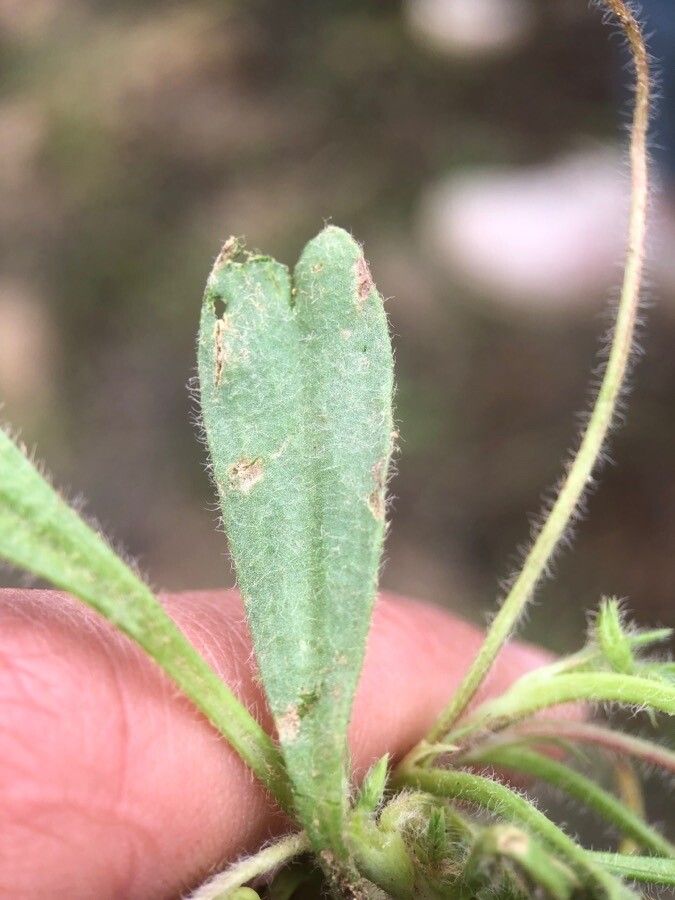
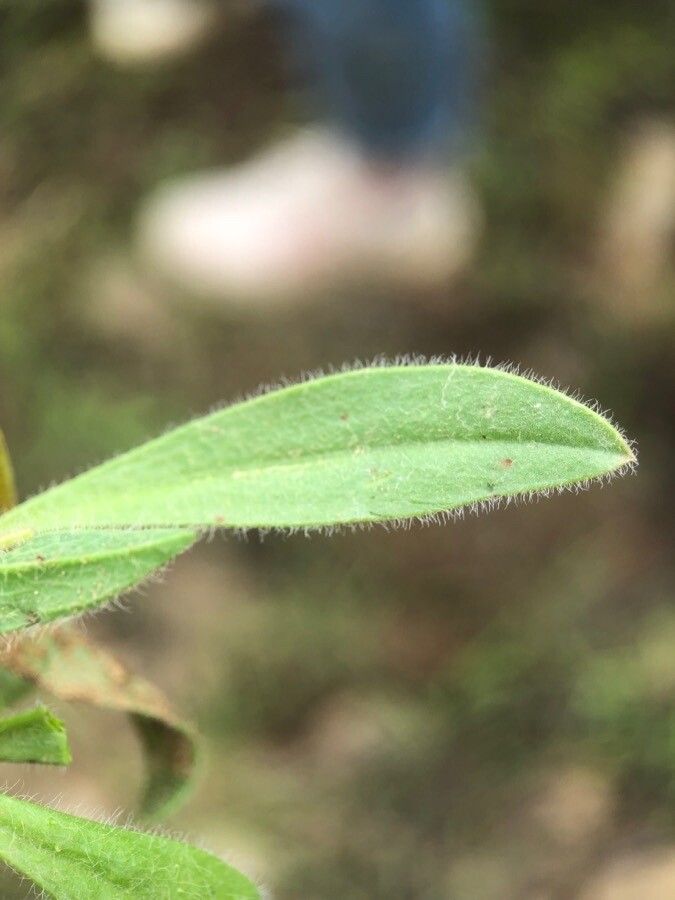
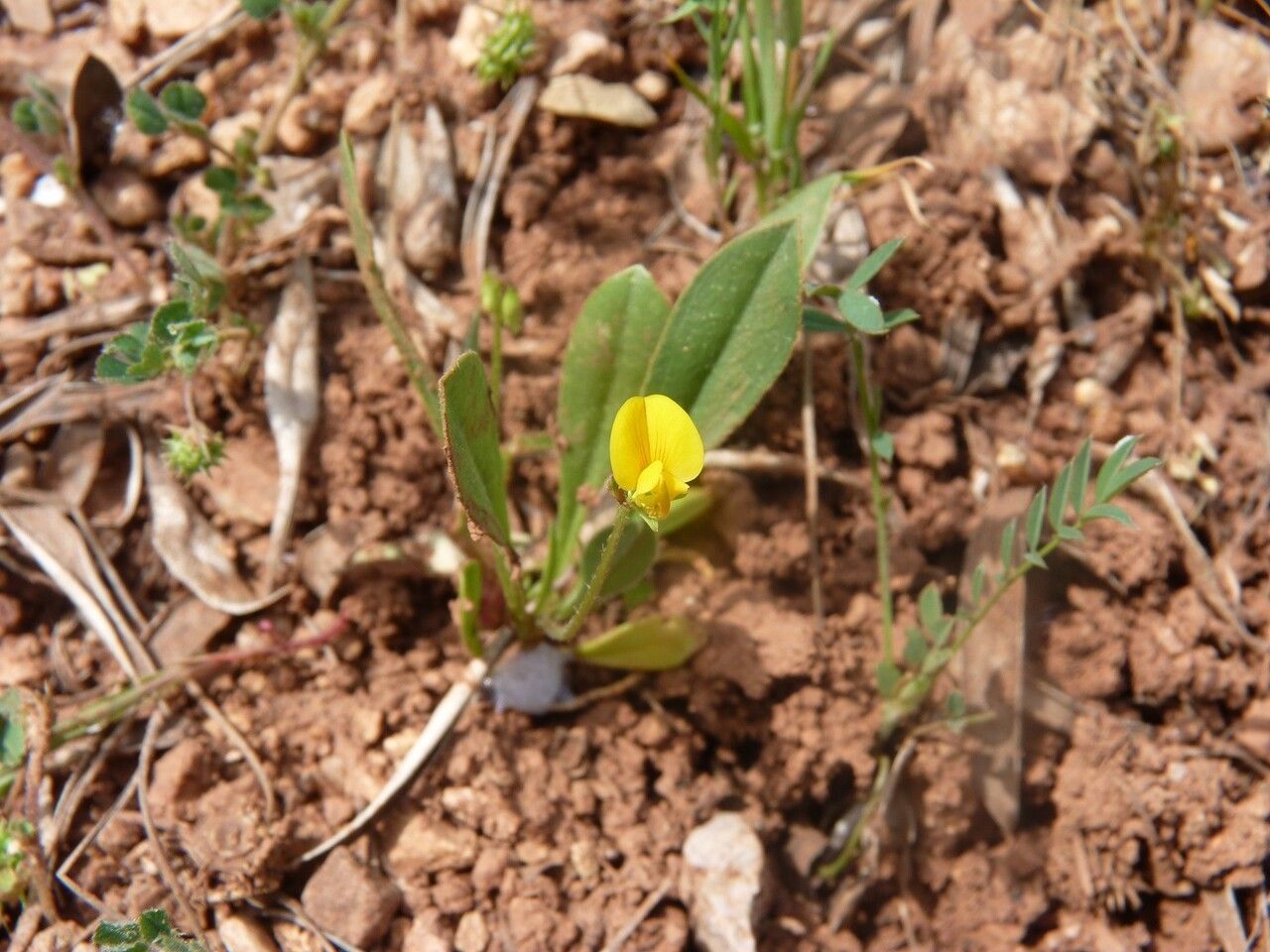
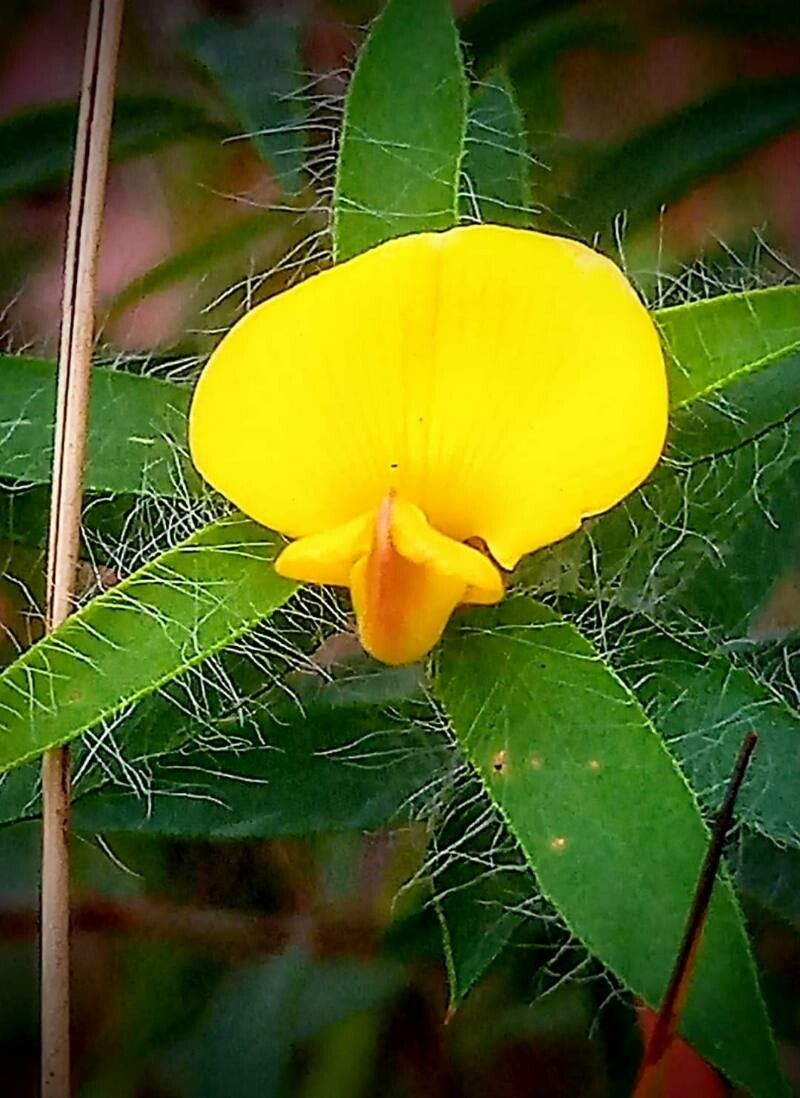
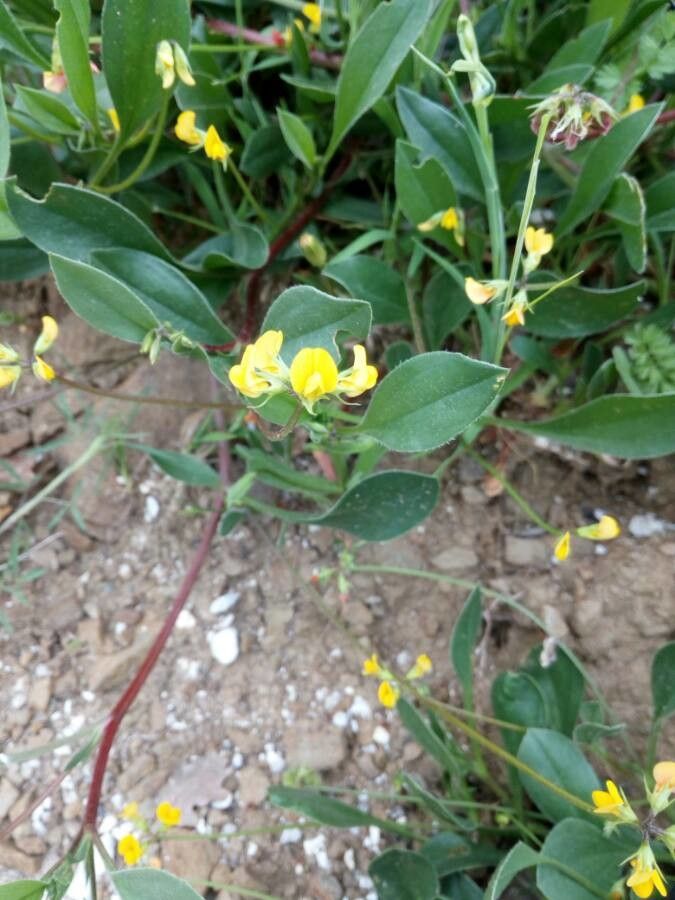
Single-flowered scorpiurus is fairly resistant to disease and generally does not tend to suffer from illnesses. Nevertheless, it can be vulnerable to pests and diseases present in its environment. Such infections are usually mild. In terms of upkeep, this plant needs moderate maintenance. It should be pruned regularly to preserve a neat appearance and support healthy growth. Fertilizing can also help encourage flowering. Single-flowered scorpiurus is suitable for anyone with outdoor space, like a garden or patio, and does not demand extensive care experience. It may need more attention when grown indoors.
How to keep Scorpiurus Vermiculatus.
Light
Single-flowered scorpiurus comes from bright, open habitats where it performs best in full sun. It can tolerate partial sun but favors direct sunlight for ideal growth. This annual or biennial plant is noted for its sun-loving character.
Water
The single-flowered scorpiurus, native to the Mediterranean, thrives in moderate humidity and needs regular watering to maintain consistent moisture. Ideally, it should be watered twice a week. Though it can withstand short periods of dryness, regular watering during the growing season is crucial for its health. This makes it an excellent choice for rock gardens and as a border plant.
Temperature
Single-flowered scorpiurus can tolerate a wide range of temperatures, but its range may nevertheless be constrained by different combinations of moisture and heat. It performs best in warm summers with sufficient rainfall or irrigation. Extended periods of cloudy, rainy weather or prolonged high temperatures can raise the chance of Single-flowered scorpiurus dying. In winter, adequate protection from cold can enhance the plant's survival.
Fertilizer
When most of the Single-flowered scorpiurus blooms have opened fully, resume fertilizing. During the period of peak flowering, apply fertilizer every three to four weeks, as weather allows. Then, when the plant begins producing fewer new blooms, stop fertilizing; there is no need to feed it when it can no longer produce more flowers.
Pruning
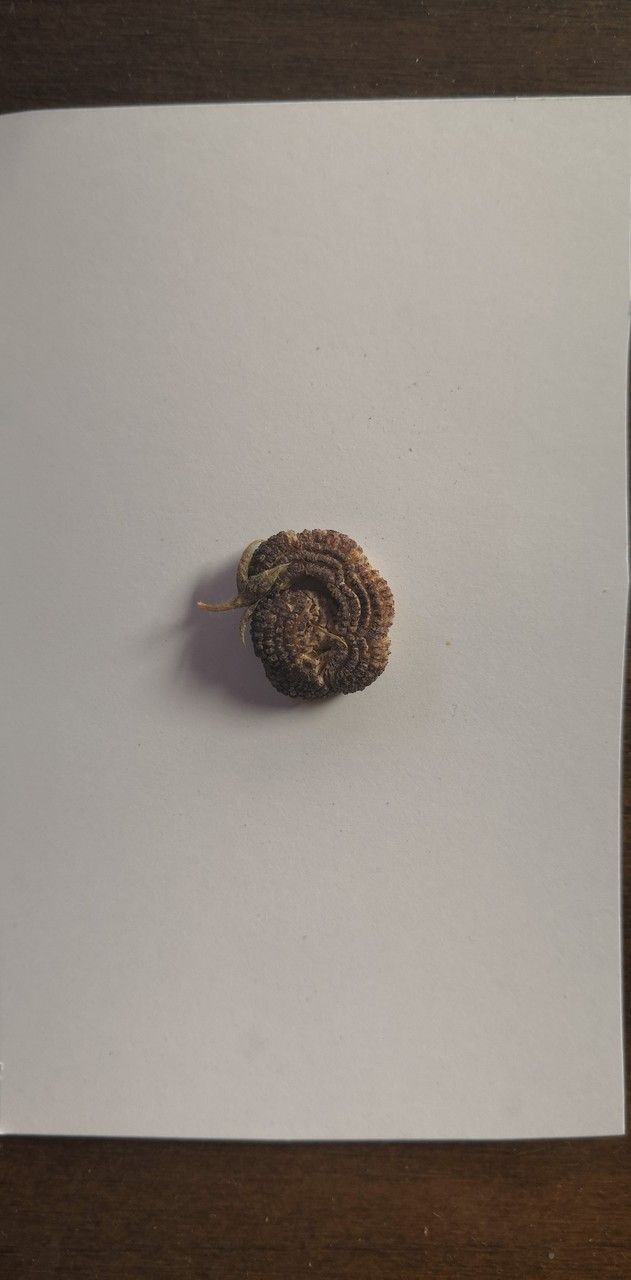
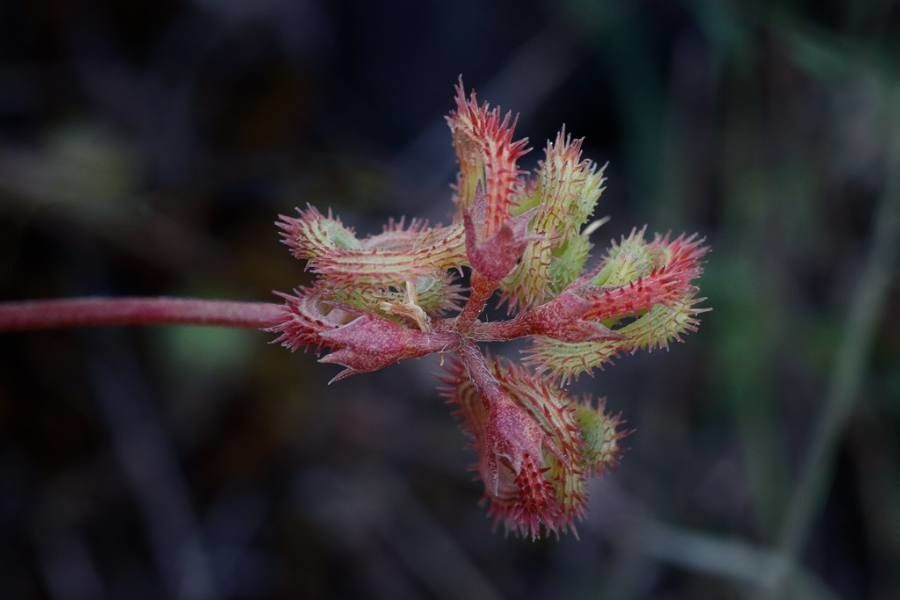
The single-flowered scorpiurus, known for its distinctive coiled seed pods, thrives with regular pruning. Trimming away dead branches and shaping its growth not only enhances its appearance but also encourages healthy development. To avoid interfering with its flowering, it's best to prune from early to late spring. This timing allows for improved sunlight and air circulation. When pruning, make sure to use clean cuts to help prevent disease.
Botanical profile.
- Plant Type
- Herb
- Life Cycle
- Annual
- Genus
- Scorpiurus
- Family
- Fabaceae
- Hardiness Zone
- 8-11
- Mature Height
- 20 cm to 40 cm
- Mature Spread
- 30 cm to 49 cm
- Leaf Color
- Green
- Leaf Type
- Deciduous
- Flower Color
- Yellow
- Flower Size
- 0.51 cm to 0.76 cm
- Bloom Time
- Mid spring, Late spring, Early summer
- Planting Time
- Spring, Summer
- Harvest Time
- Summer
- Native Area
- Tunisia, Portugal, Italy, Spain, Algeria, Greece, Morocco, France