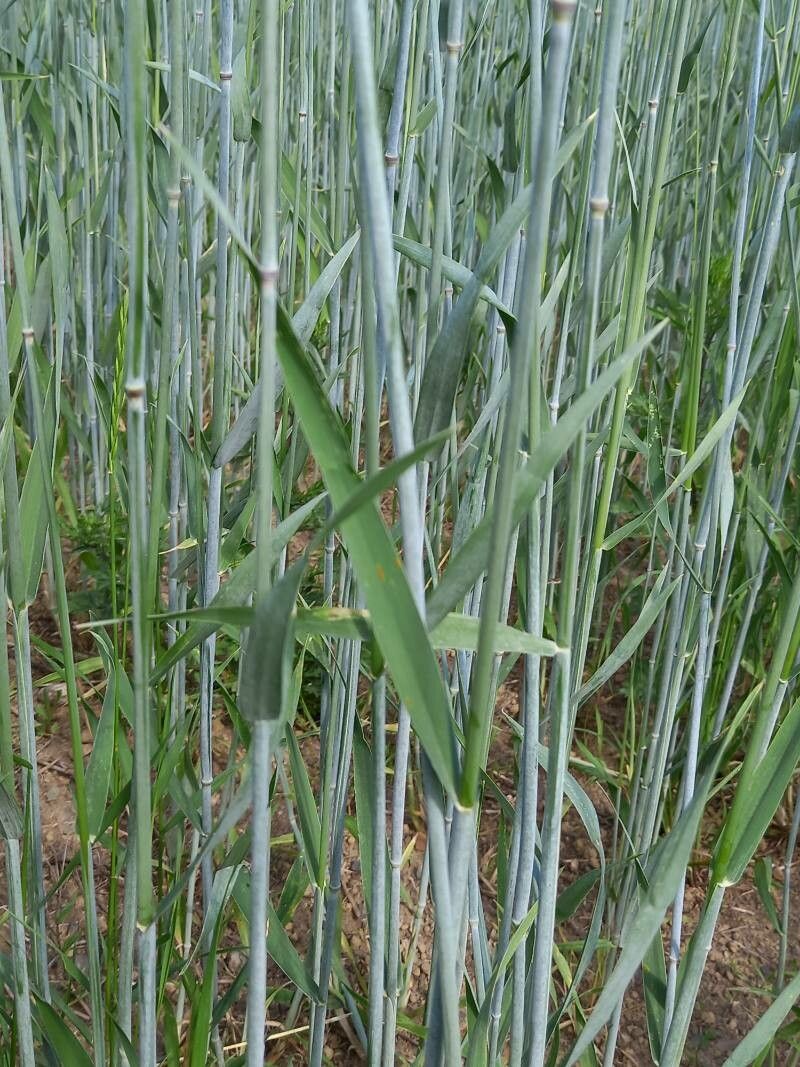
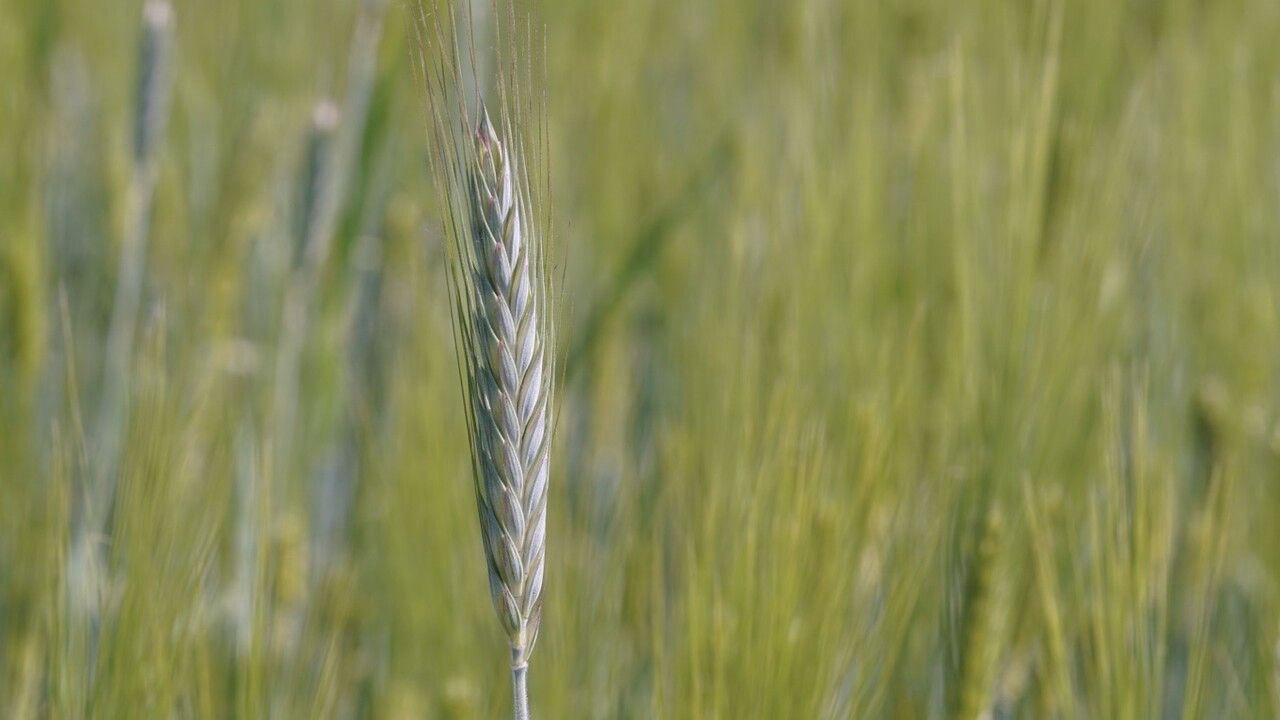
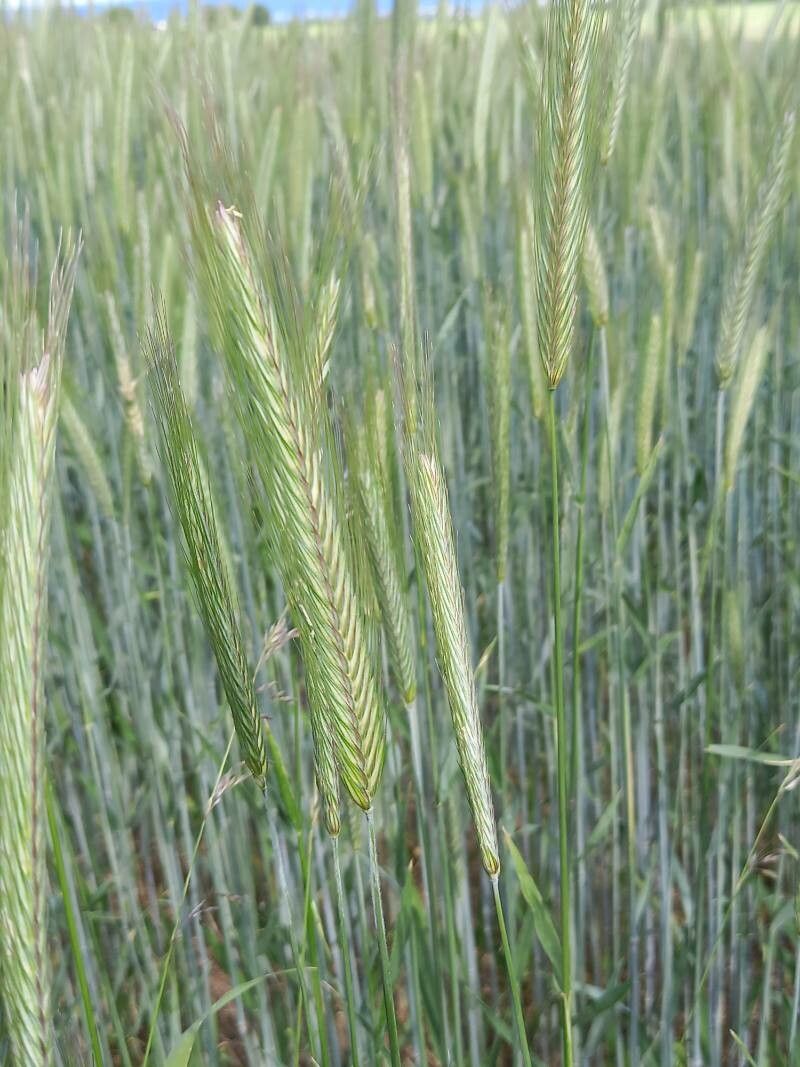
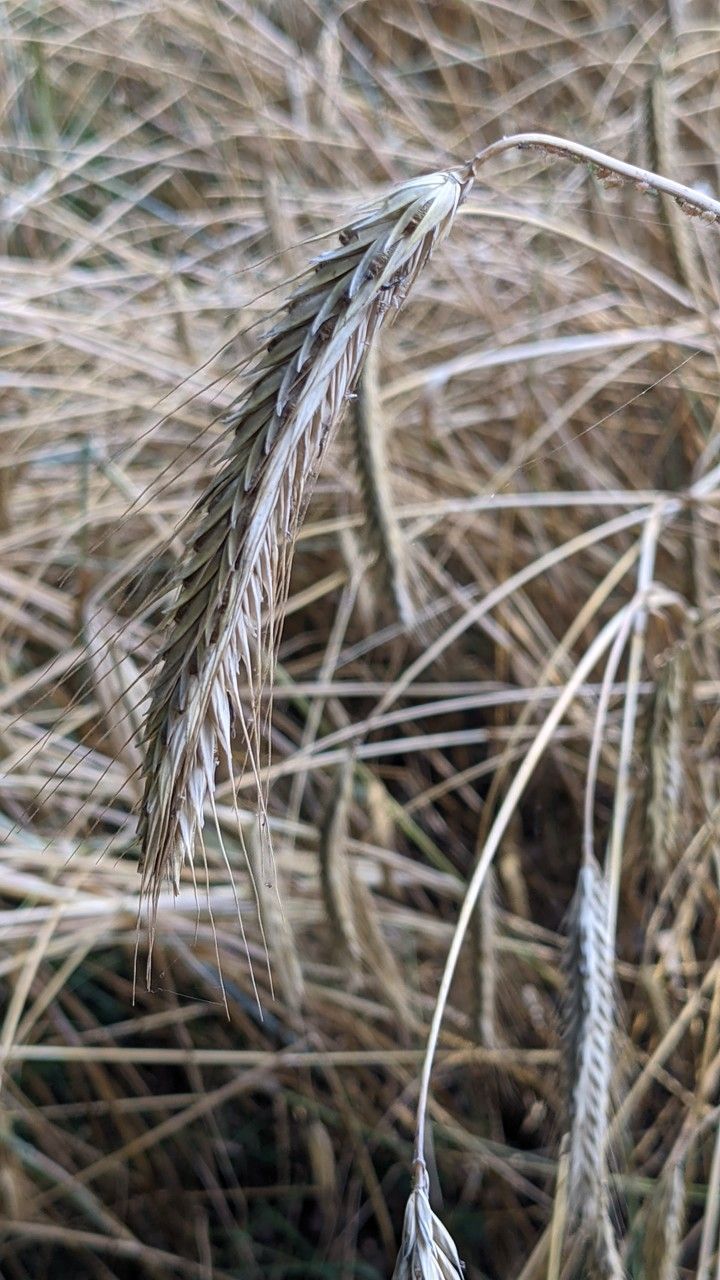
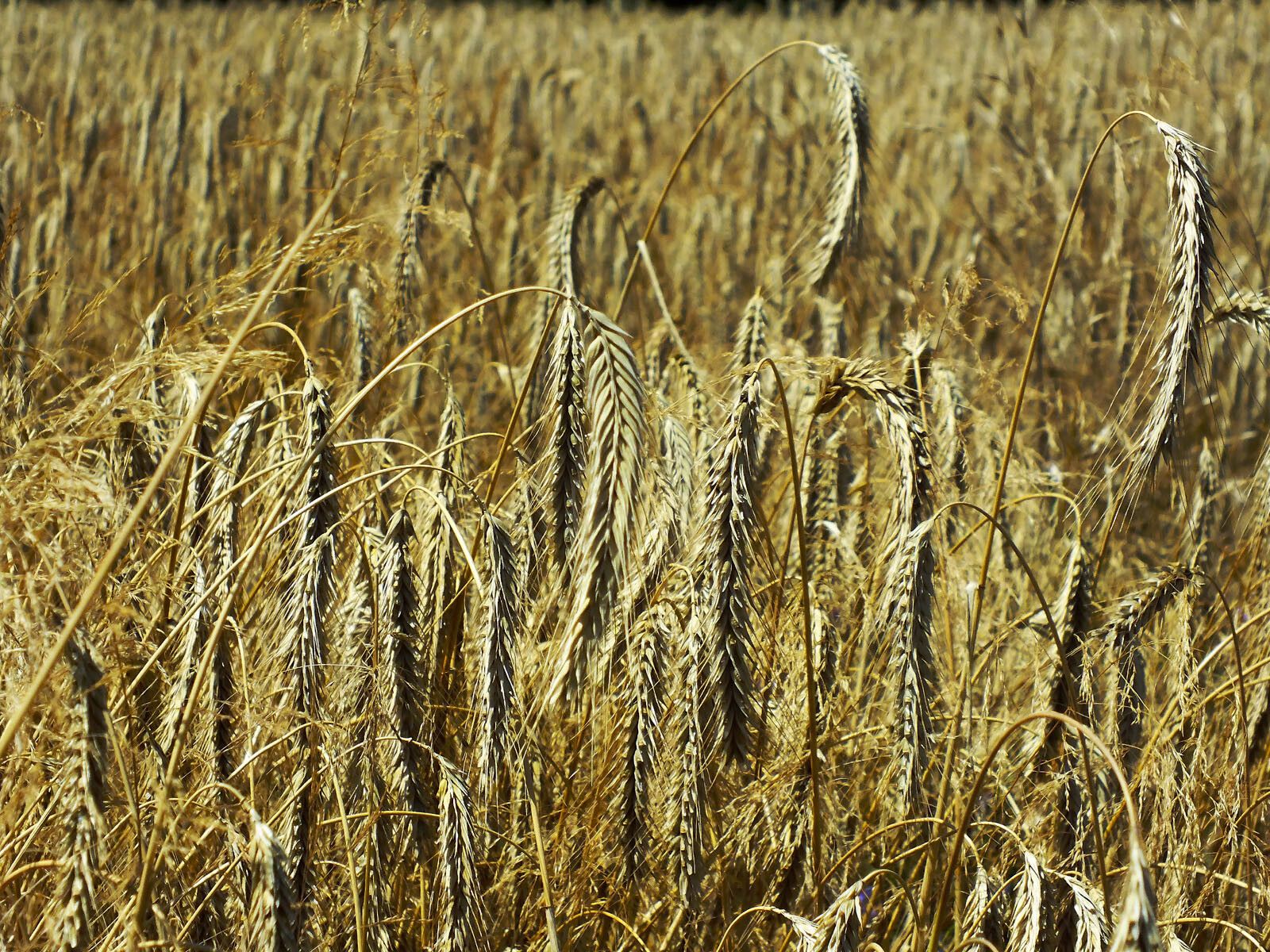
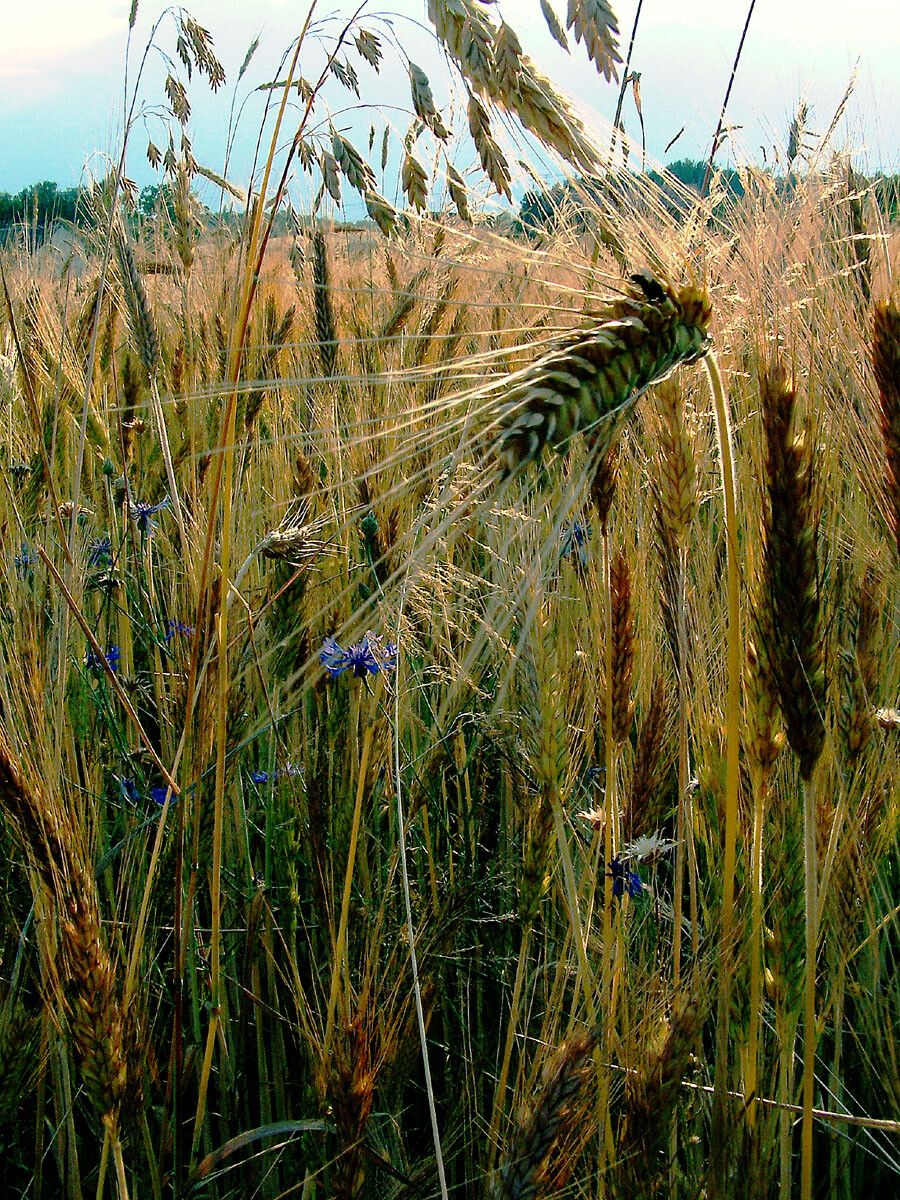
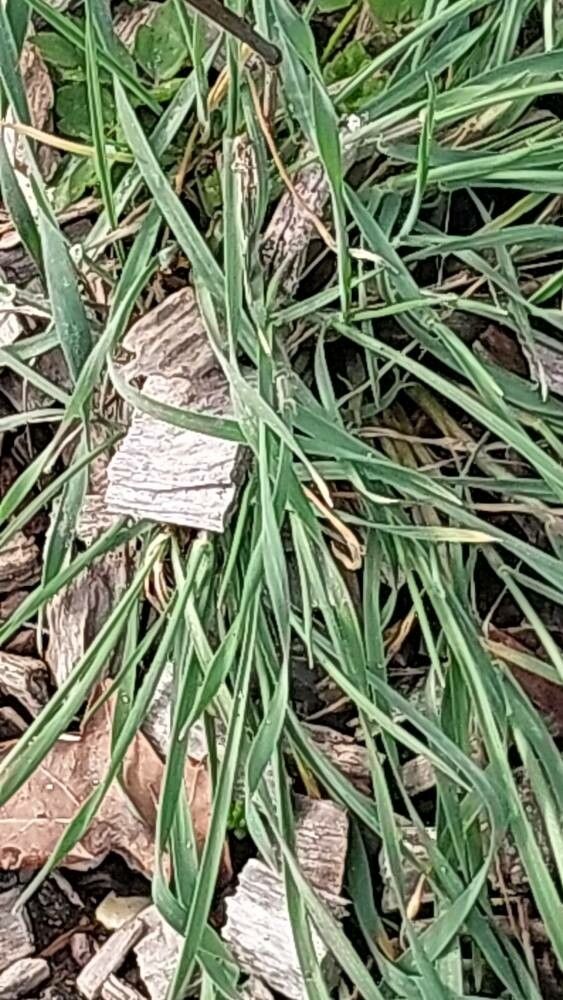
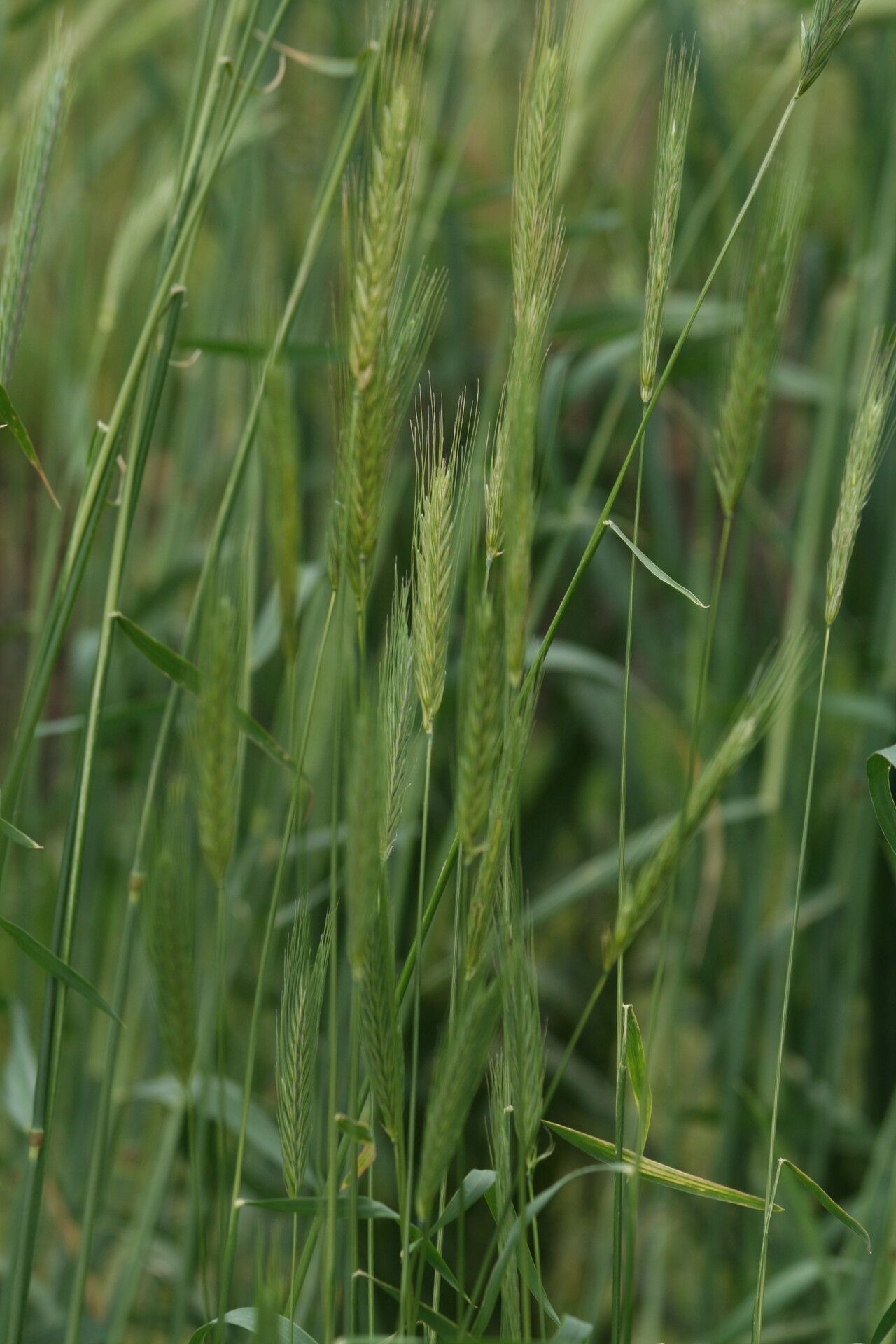
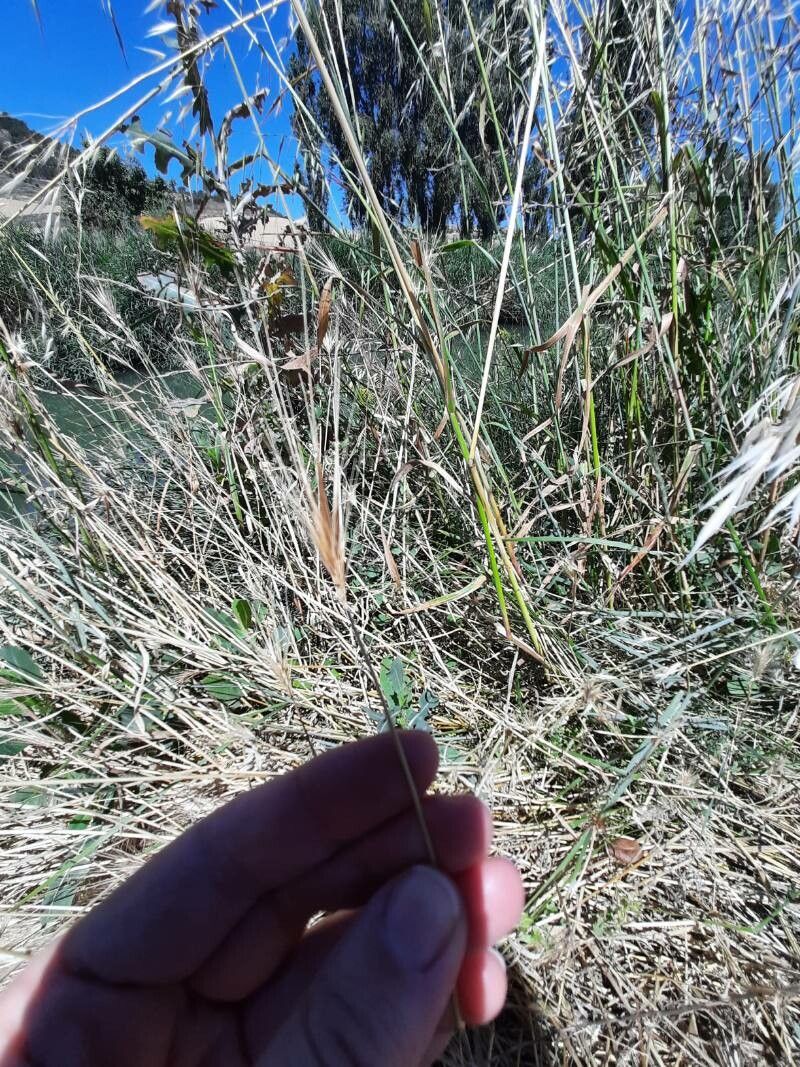
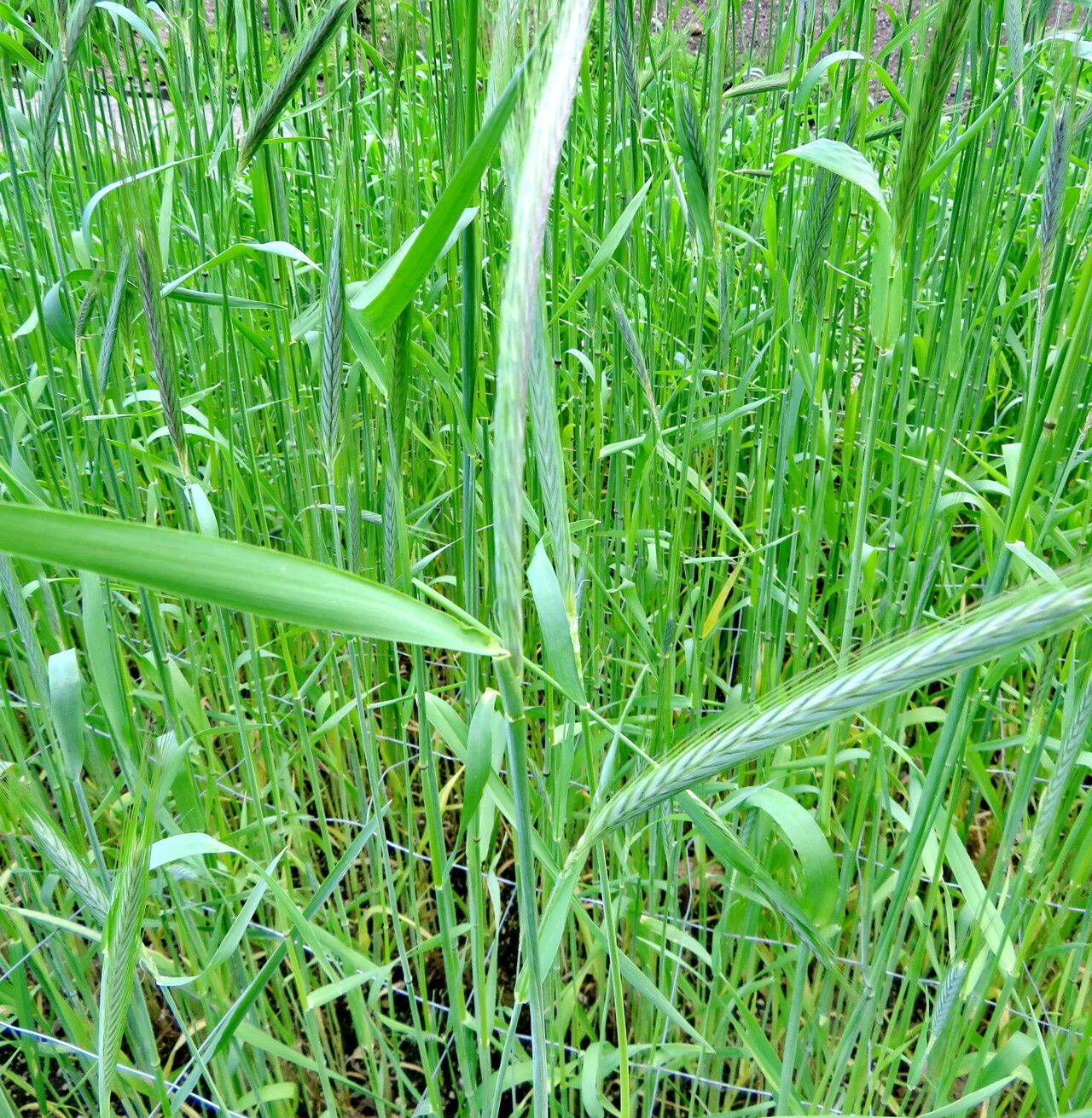
Rye (Secale cereale) is a grass grown extensively as a grain, a cover crop and a forage crop. It is a member of the wheat tribe (Triticeae) and is closely related to both wheat (Triticum) and barley (genus Hordeum). Rye grain is used for flour, bread, beer, crispbread, some whiskeys, some vodkas, and animal fodder. It can also be eaten whole, either as boiled rye berries or by being rolled, similar to rolled oats. Rye is a cereal grain and should not be confused with ryegrass, which is used for lawns, pasture, and as hay for livestock.
Rye is resistant to disease and is typically not susceptible to illnesses. Regarding care, this plant is fairly low-maintenance. Outdoors it needs little watering, and larger specimens usually do not require pruning. Small plants, though, should be pruned after they finish blooming. Rye is appropriate for anyone with an outdoor area, such as a garden or deck, and does not demand much gardening experience.
How to keep Secale Cereale.
Light
Rye thrives in places with abundant sunlight, though it can also tolerate moderately lit conditions. Sun exposure is essential for its vigorous growth and greatly influences its photosynthetic function. Its native habitat points to a strong solar influence. Both too much and too little light can be harmful to the plant.
Water
Rye grows best in well-drained soil with moderate moisture levels and benefits from weekly watering to ensure optimal growth. This cereal crop is suited for temperate regions with seasonal rainfall patterns. When planning agriculture, it's important to note that rye can endure short periods of drought.
Temperature
Rye is native to temperate regions and needs a robust mix of warm and cool temperatures. It prefers a range of 68 to 95 °F (20 to 35 °C). Seasonal adjustments in temperature may be necessary to optimize its growth.
Fertilizer
For best growth, Rye needs three fertilizer applications: before planting, one month after seedlings emerge, and a final application 1 to 1.5 months after the second. Some Rye varieties also gain from extra fertilizer at planting to promote rapid growth.
Botanical profile.
- Plant Type
- Grass
- Life Cycle
- Annual
- Genus
- Secale
- Family
- Poaceae
- Hardiness Zone
- 3-7
- Mature Height
- 0.91 m to 1.22 m
- Mature Spread
- 10 cm
- Leaf Color
- Green, Dark Green
- Leaf Type
- Semi-evergreen
- Flower Size
- 1.02 cm
- Bloom Time
- Late spring, Early summer
- Planting Time
- Autumn
- Harvest Time
- Mid summer
- Native Area
- Turkey
Other names.
Reader questions.
What should I do if I give my Rye plant too much water or too little water?
Proper watering is essential for this beautiful ornamental grass to thrive. If the grass is planted in the ground, watering issues can be resolved. However, in a container, it is important to avoid both overwatering and underwatering as they can quickly kill the grass. Lack of water can cause stunted growth while overwatering can result in yellow leaves with brown tips. Underwatering can lead to drooping leaves, weak seed head production, and browned leaves. If you suspect improper watering, start by determining if there's too much or too little water. If there's excessive water, stop watering immediately and allow time for heavy soils to dry out. Once new growth appears, test the soil for moisture and decide if additional watering is necessary. If the grass is not receiving enough water, simply give it a deep drink and observe if it perks up. It's important to remember that a long, deep watering is better than frequent shallow watering. Deep watering encourages the growth of deep roots, making the grass more resistant to drought and less susceptible to water-related problems.
Why should I add fertilizer to my Rye?
Plants require nutrients to grow, but certain types can obtain all they need without additional fertilizers. Fertilizing Rye is primarily done to enhance its yield during each harvest. Just like other plants, Rye utilizes nutrients for growth and various internal processes that lead to the development of edible seeds or grains. Nutrients enable plants to flourish, carry out photosynthesis, and eventually produce seeds or fruits. Insufficient nutrients can result in reduced tillering, smaller seed size, and lower protein content in the final product.
What are the sunlight requirements for Rye (Secale cereale)?
Rye requires areas generously bathed in sunlight and flourishes best in full sun, defined as over 6 hours of sunlight per day. However, it can also endure moderate light conditions, like partial sun, which is about 3-6 hours of sunlight per day. Observing how sunlight moves through your garden is crucial for choosing spots that provide the perfect balance of light and shade, ensuring the plant's happiness. Sun exposure significantly affects Rye's photosynthesis process and overall growth.
What is the native climate for growing Rye?
Rye is native to temperate climates and thrives in a mix of warm and cool temperatures, ideally between 68 to 95 °F (20 to 35 °C). It requires seasonal temperature adjustments for optimal growth. Rye's robust nature allows it to tolerate cold well, eliminating the need for additional frost protection measures in winter. However, to prepare for winter, it's advisable to water the plant generously before the first freeze in autumn. This ensures the soil stays moist and enters a frozen state, which helps prevent drought and water scarcity during the colder months.
How frequently should I give water to my Rye plant?
The watering needs of Rye grass will vary depending on where it is planted. Generally, watering this grass once a week is recommended. However, in hot climates, watering once or twice a week during the summer may be necessary. In moderate climates, watering once every seven days or more may be enough. Grass in containers typically need more frequent watering compared to grasses in the ground. Additionally, the location and exposure to sunlight also play a role. Shaded grasses require less frequent watering compared to grasses planted in the ground. It is important to water Rye only when the soil is dry. To determine if the soil is dry, you can press your finger a couple of inches into the soil. For potted grass, you can weigh the pot using a portable scale or simply feel its lightness to assess if it needs watering. When the roots lack sufficient water, the blades of the grass may appear folded and thinner than usual. Despite its drought tolerance, Rye grass benefits from regular, deep waterings, which will result in a beautiful color. In its natural habitat, Rye grows in open scrubland, subjected to extreme heat, bright sun, and intermittent rain. Although it is drought resistant, consistent watering is recommended. When first planted, Rye grass will require more frequent watering until it establishes deep roots. In pots, the soil tends to dry out quickly, especially when exposed to hot, direct sun. It is advisable to test the soil every 3 to 4 days and water only when it feels dry. Rye grass in the ground generally needs less watering, but this depends on the type of soil it is grown in. Clay soil retains moisture below the surface, so it may feel dry on top while still being moist below. Sandy soil, on the other hand, drains quickly and may require more frequent watering.
When should I fertilize my Rye?
It is generally recommended to fertilize Rye in the spring, as this is the best time for its growth. There are different types of Rye that thrive with a fertilizer schedule consisting of three major treatments during the growing season. The first treatment should be done before planting the seeds, the second about a month after the seedlings emerge, and the final treatment should be done about 1 to 1.5 months after the second treatment. Adding a fertilizer boost at the time of planting is also beneficial for certain types of Rye. Nutrients are essential for all stages of the growth cycle, as some types of Rye can reach full size in as little as a month from seed to harvest. Therefore, it is crucial for them to receive enough nutrients to ensure rapid growth.
How should artificial lighting be used for indoor rye plants?
For indoor Rye plants, when natural sunlight is insufficient, artificial lighting offers a vital solution, promoting healthier growth. Indoor plants generally require adequate lighting for optimal growth, especially in winter or less sunny spaces. LED lights are beneficial as they can be customized to provide specific wavelengths of light needed by plants. Full sun plants need 30-50W/sq ft, partial sun plants require 20-30W/sq ft, and full shade plants need 10-20W/sq ft of artificial light. The light source should be placed 12-36 inches above the plant to mimic natural sunlight effectively. Most plants need 8-12 hours of light per day to mimic the natural daylight hours adequately.
How does Rye respond to extremely low temperatures?
Rye exhibits exceptional cold tolerance, managing well in winter temperatures above -35°C. If temperatures fall below this threshold, there might not be visible damage during the winter, but it could lead to a decrease in sprouting, or in some cases, no sprouting at all come springtime. The recommended solution for any parts that fail to sprout in the spring is to remove them to encourage new growth and maintain plant health.
What do I need to be cautious about when I water my Rye in different seasons, climates, or during different stages of growth?
To determine if you are watering your grass enough, look at how fast it is growing. Rye grass tends to double in size within a year during the hottest months. If it's hot outside and the grass isn't growing well, you may need to adjust your watering schedule. During winter, you may only need to water once a month, but always check the soil for moisture. When the grass is actively growing in warmer months, it will require more water. However, in winter and cooler months, the water needs will be much lower. Remember that it's crucial to let the soil dry out completely before watering Rye grass.
When is the best time to not use fertilizer on my Rye?
To keep Rye healthy and strong, it's important to feed it regularly. However, there are risks of over-fertilizing or fertilizing at the wrong time. Avoid fertilizing when the soil is very dry or during extreme weather conditions. Also, be cautious about letting fertilizers come into indirect contact with seeds, as this can prevent them from germinating. Additionally, make sure to check if your fertilizer is safe for direct contact with the plant. Some fertilizers may damage leaves and fruits if they touch them. Lastly, be aware that certain fertilizers are only safe to use in soil near the plants and should not be applied on top of actively growing plants.
What are common symptoms of inadequate sunlight in rye plants?
When Rye is cultivated indoors with inadequate light, it may exhibit symptoms of light deficiency, such as small leaves, leggy or sparse growth, faster leaf drop, slower or no new growth, and lighter-colored new leaves. Other symptoms include chlorosis, resulting from excessive sunlight, which leads to the breakdown of chlorophyll; sunscald, indicated by pale or necrotic areas on the plant due to intense sunlight exposure; leaf curling as a defense against too much light; wilting from increased water loss through transpiration; and leaf scorching, characterized by brown, dry edges on leaves due to excessive sunlight.
What should be done if Rye is exposed to high temperatures?
Rye struggles to cope with high temperatures exceeding 35°C, which halts its growth and increases susceptibility to rot. To mitigate damage from excessive heat, it's advised to trim away any sunburned or dried-up parts of the plant. Relocating the plant to an area with ample shade during peak sun hours, or using a shade cloth, can protect it from intense sun exposure. Additionally, watering the plant in the early morning and evening helps keep the soil moist and supports plant health under high temperature conditions.