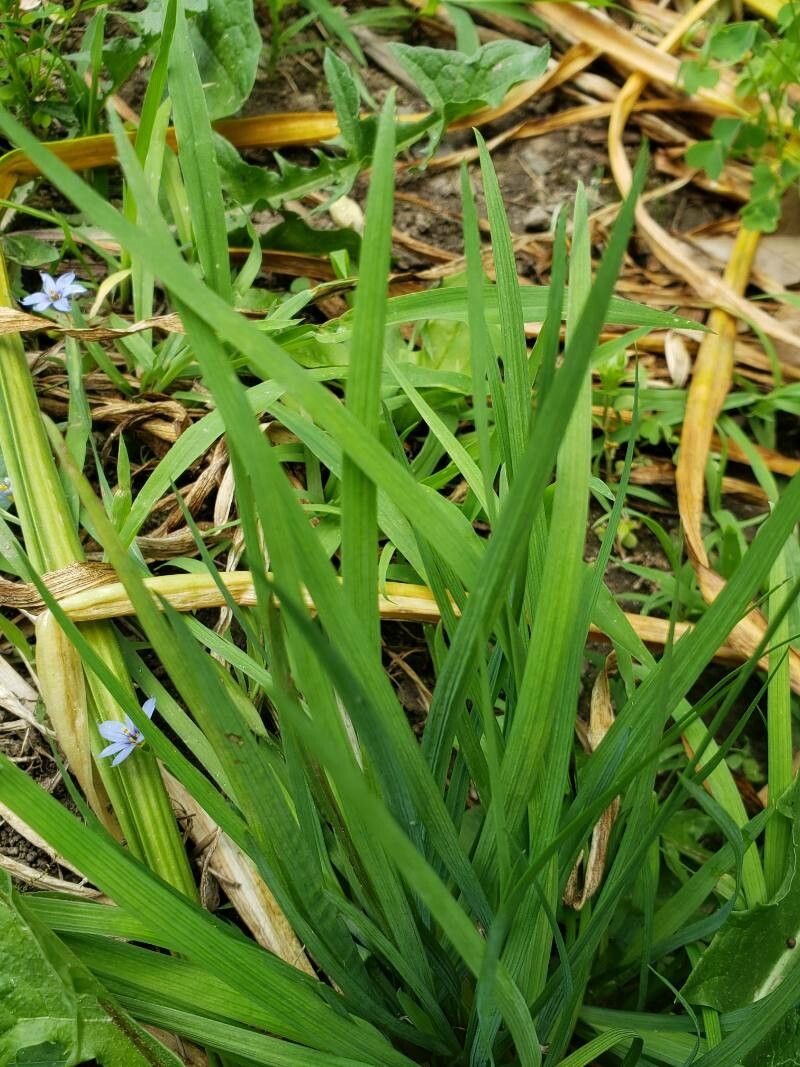
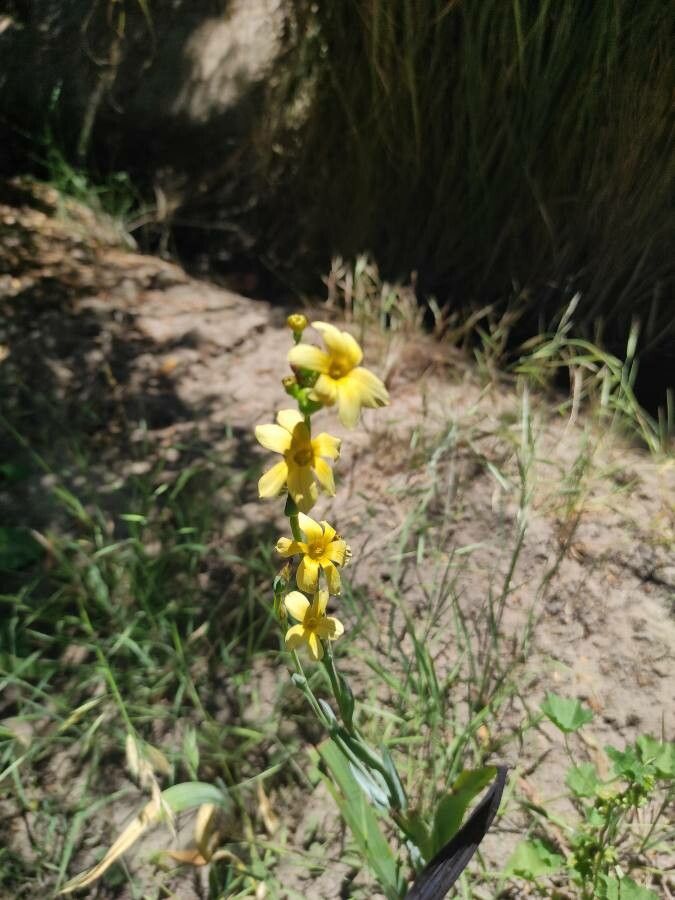
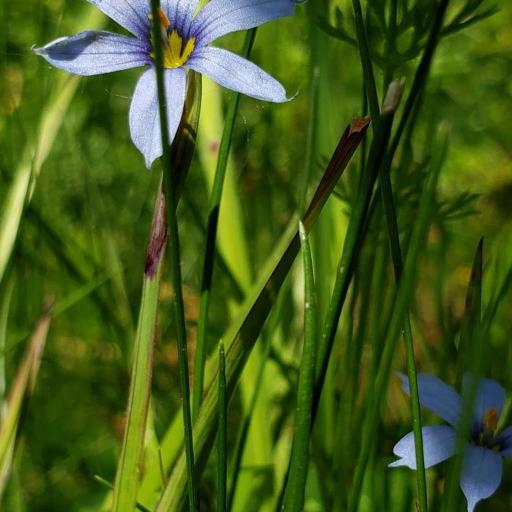
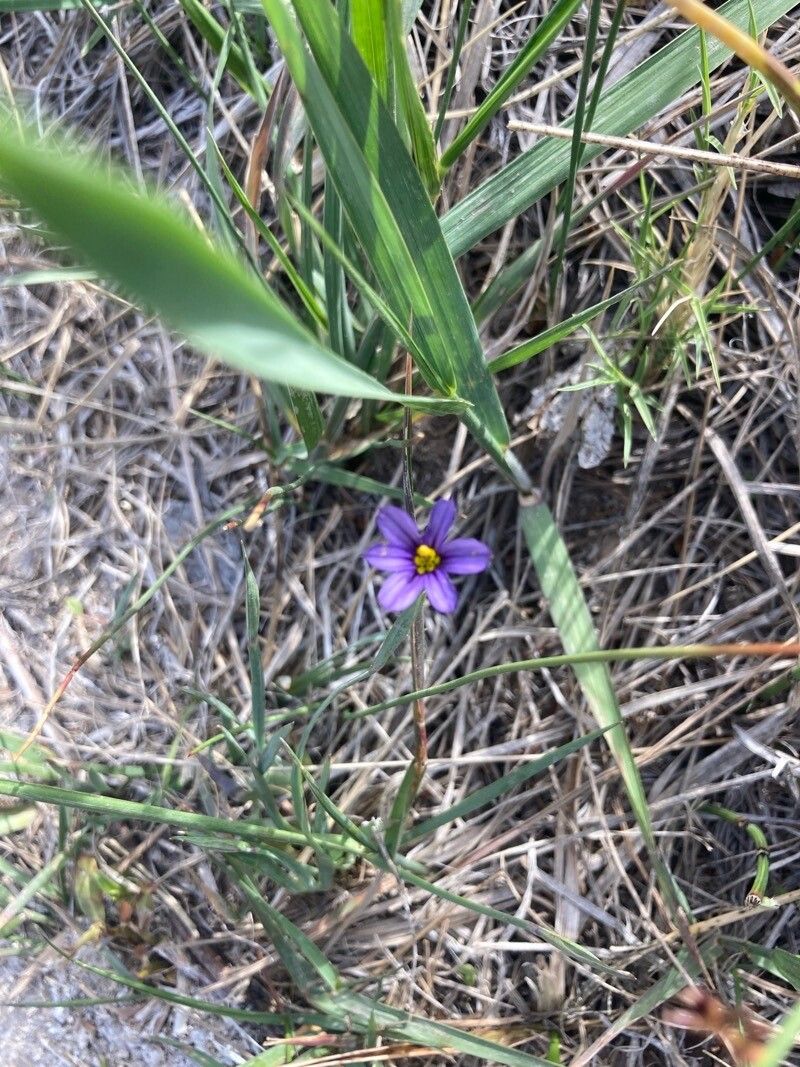
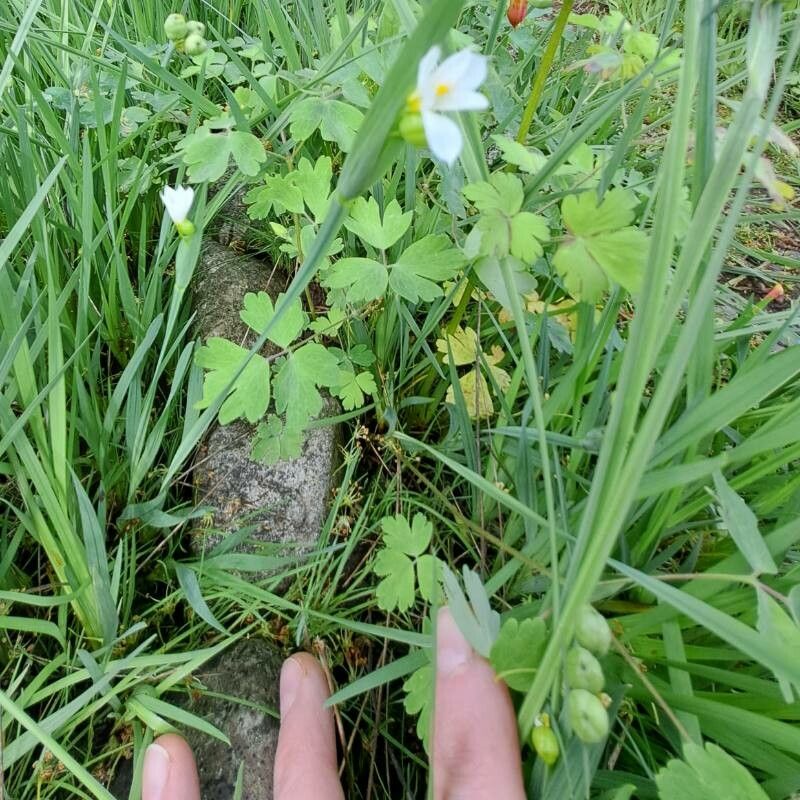
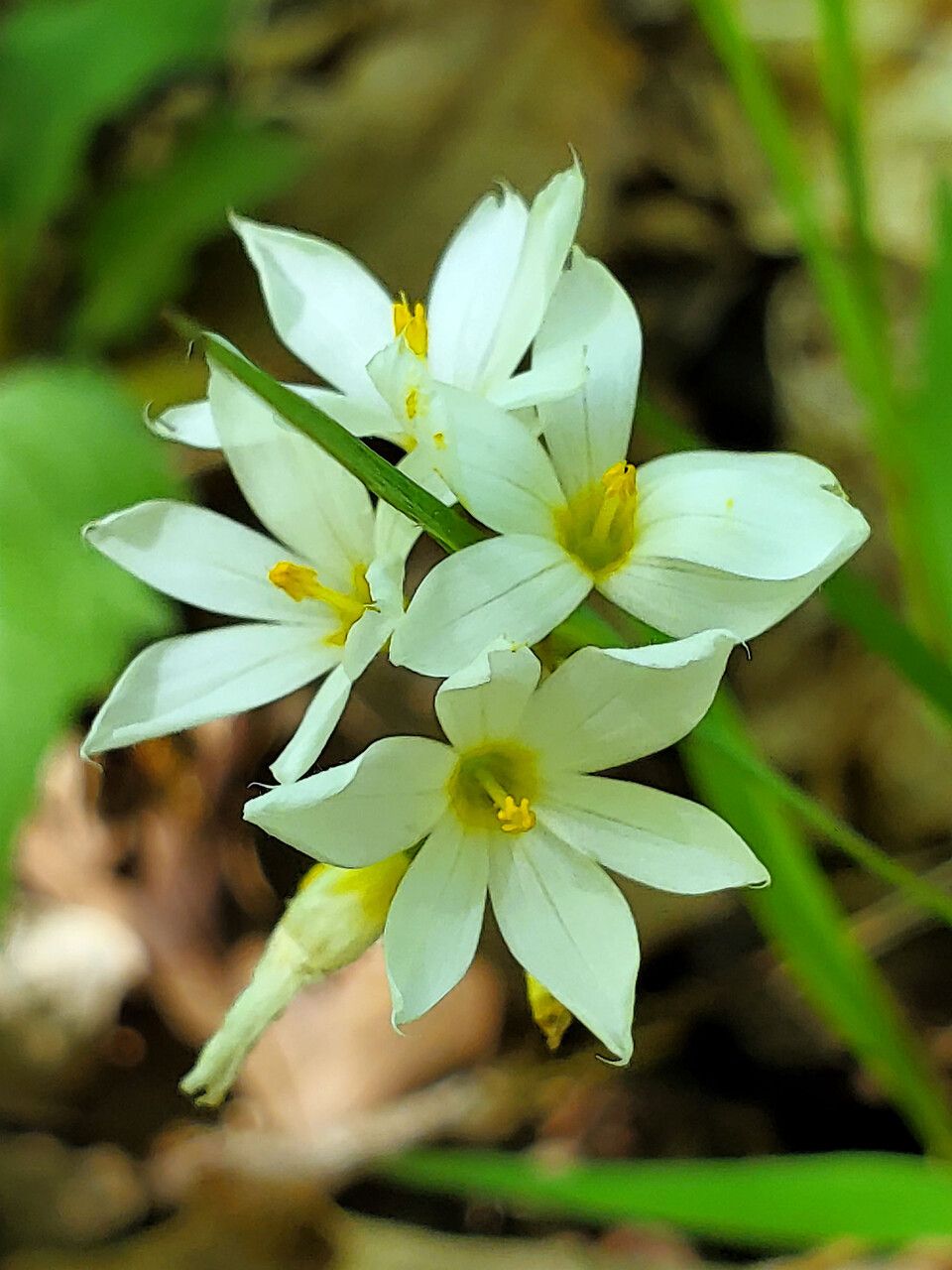
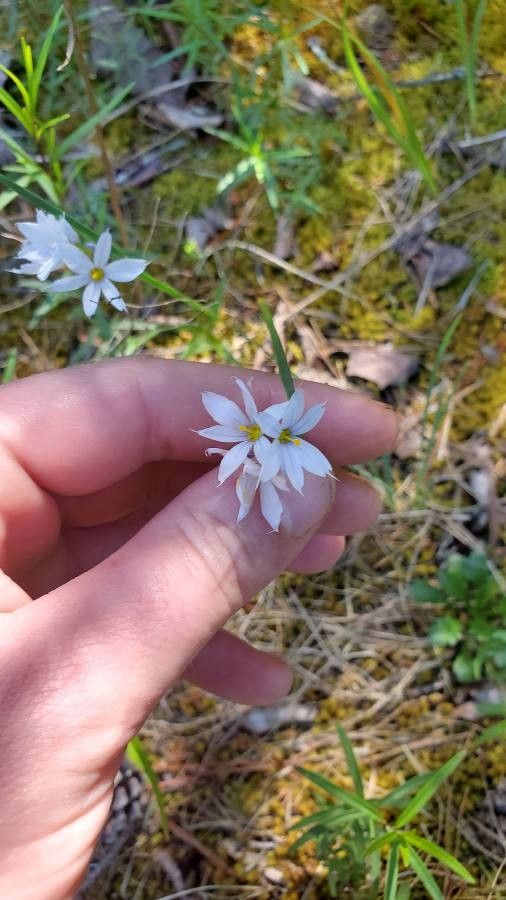
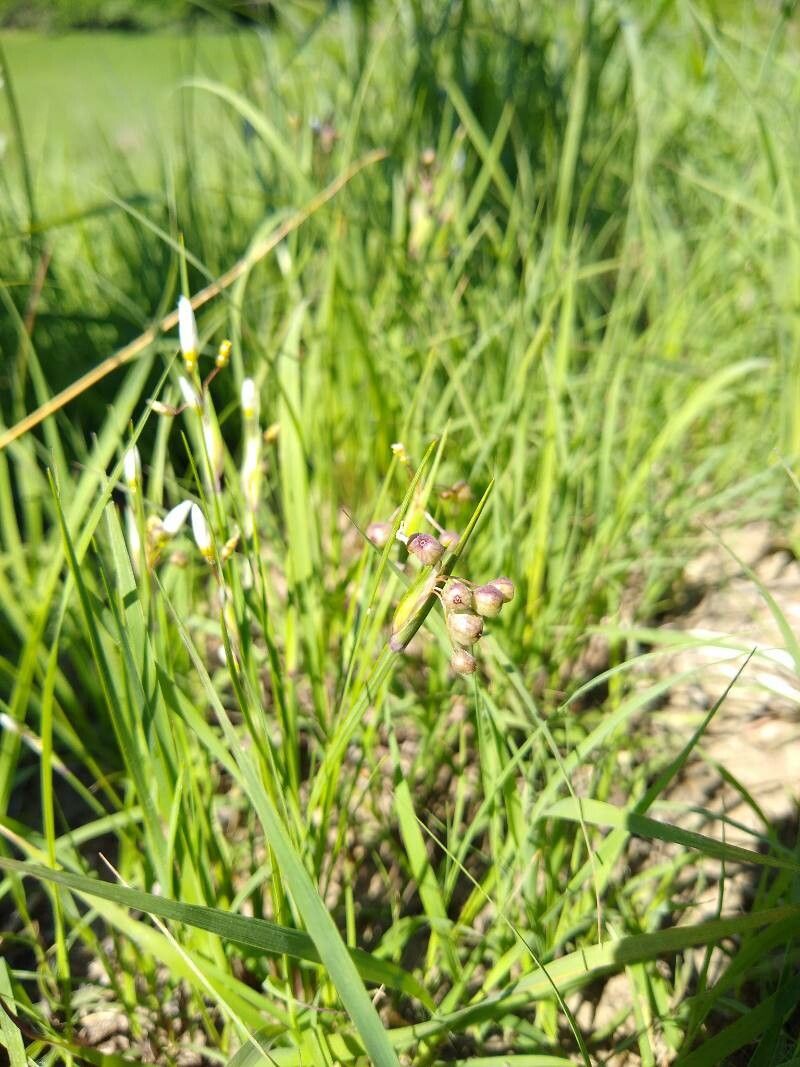
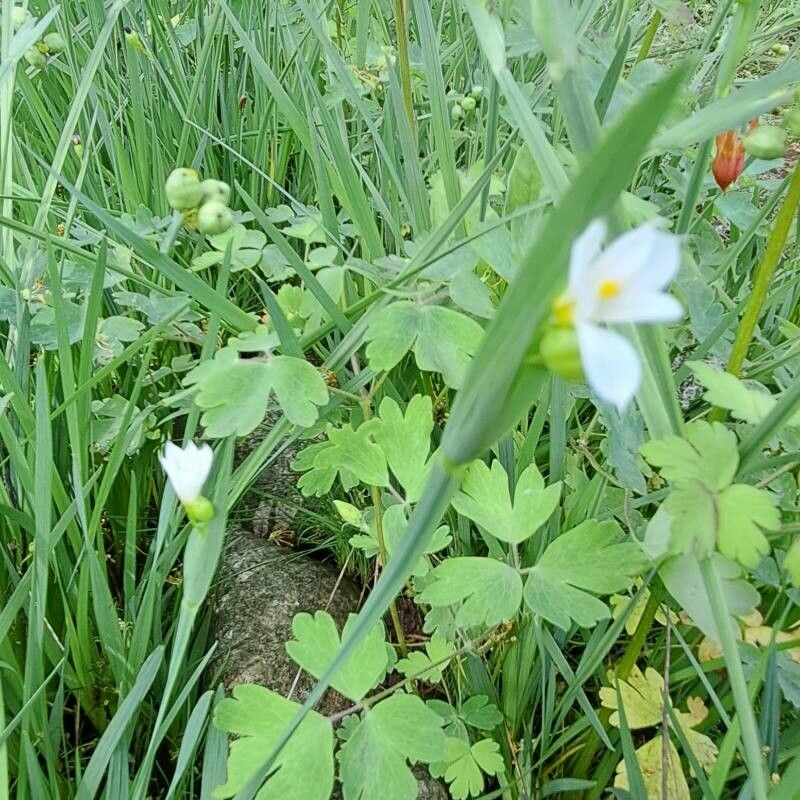
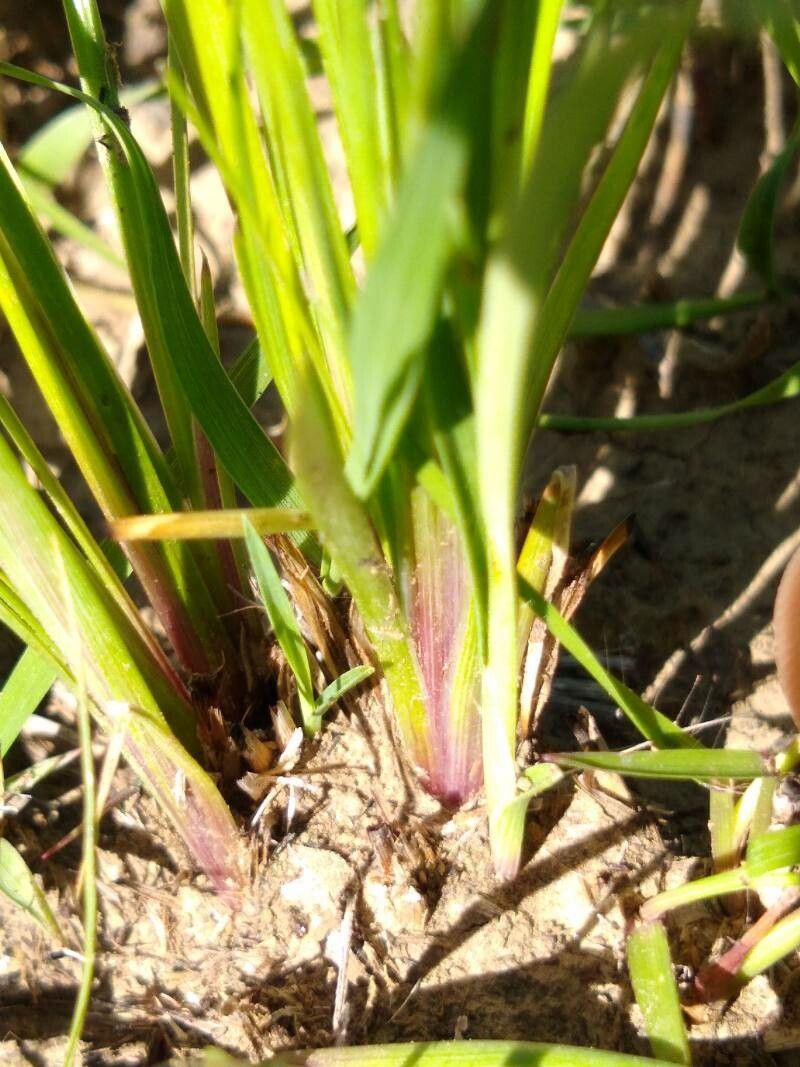
Sisyrinchium albidum, commonly known as white blue-eyed grass, is a species of flowering plant in the family Iridaceae. The stem of Sisyrinchium albidum is commonly pale grey and threadlike, measuring 0.2 to 0.5 m high and 0.5 to 1 mm wide. Similarly, its narrow, stiff leaves are 0.5 to 1 mm wide. Its twinned spathes (by which it is characterized, along with its leaves) are green and purple-tinged and 1.5 to 2 cm high. The outer part of the flower, including the petals, is white to violet and 8–10 mm long. Its fruits are 2–4 mm long and a pale yellow-green. It is found mostly in eastern North America.
In the Home
White blue-eyed grass has good resistance to diseases and is generally not prone to them. Nevertheless, it can be vulnerable to pests and diseases present in its environment. These infections are normally not serious. As for care, this plant requires a moderate level of maintenance. It should be pruned regularly to keep a neat appearance and support healthy growth. Fertilizing can also help encourage flowering. White blue-eyed grass is suitable for anyone with outdoor space, such as a garden or patio, and does not demand extensive care experience. It may need more attention when grown indoors.