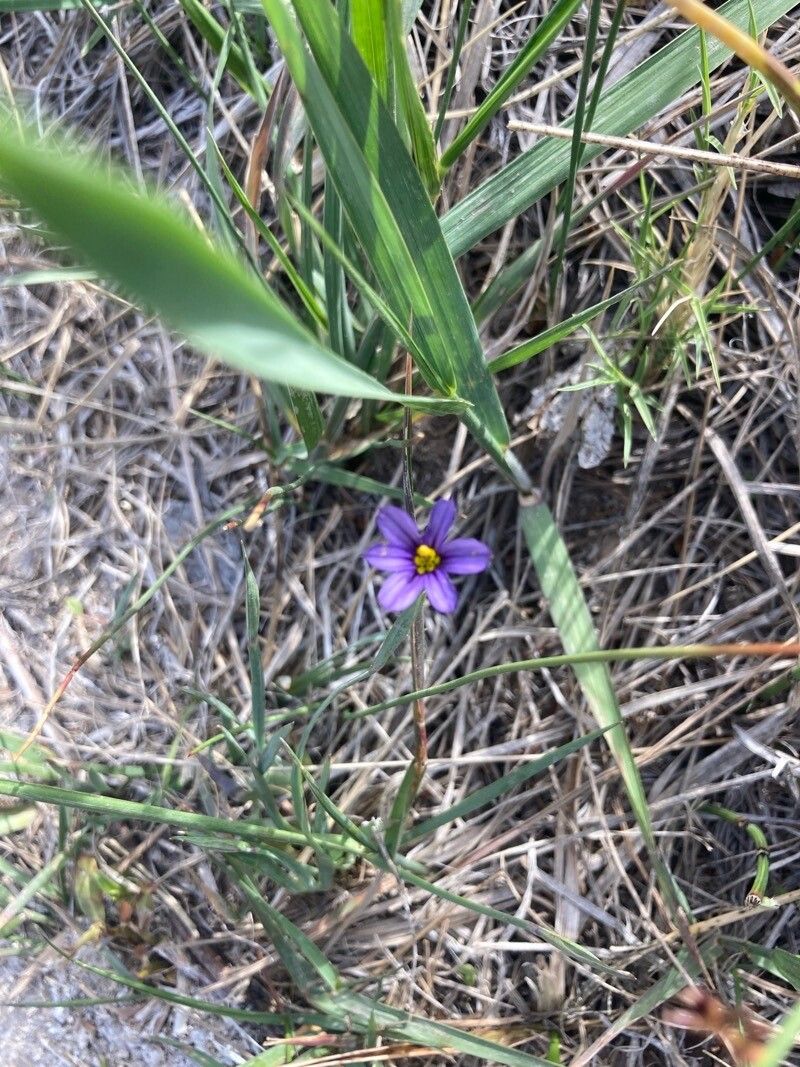
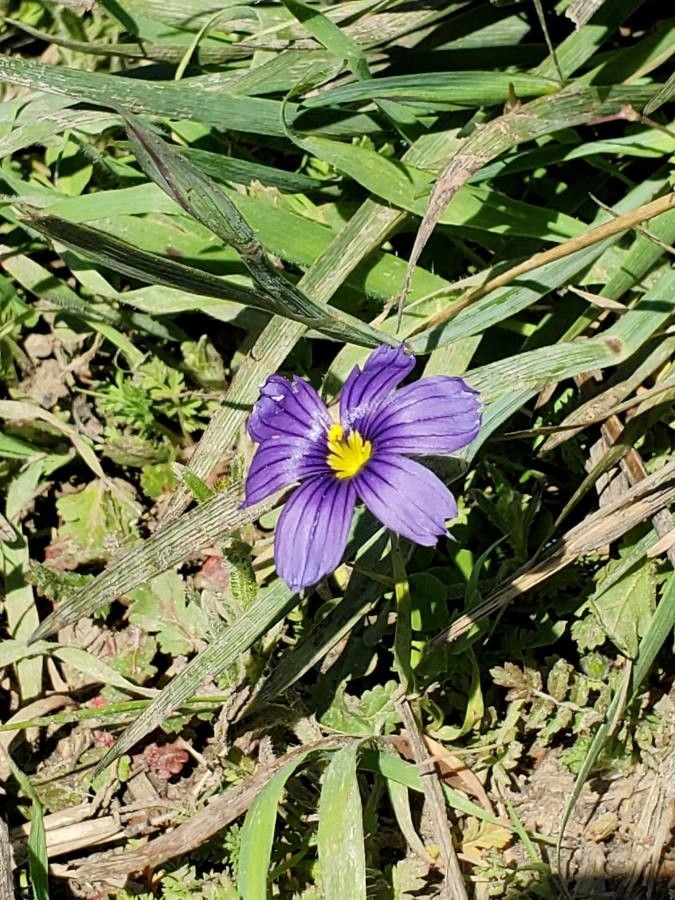
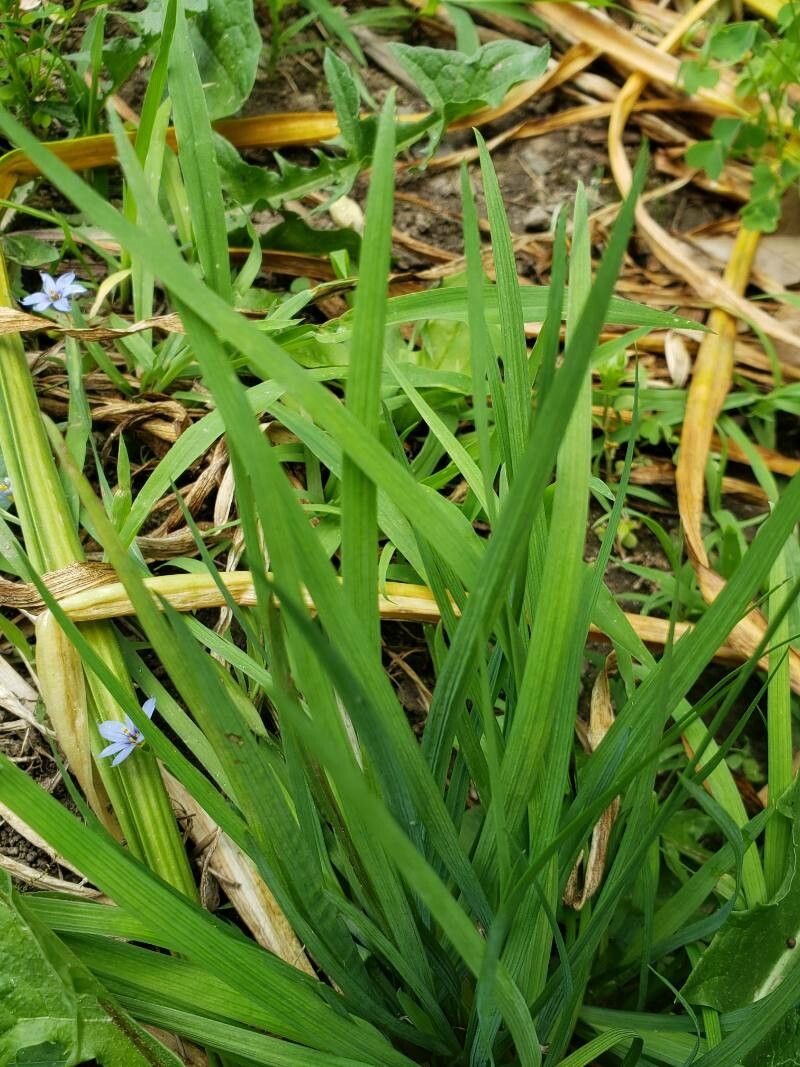
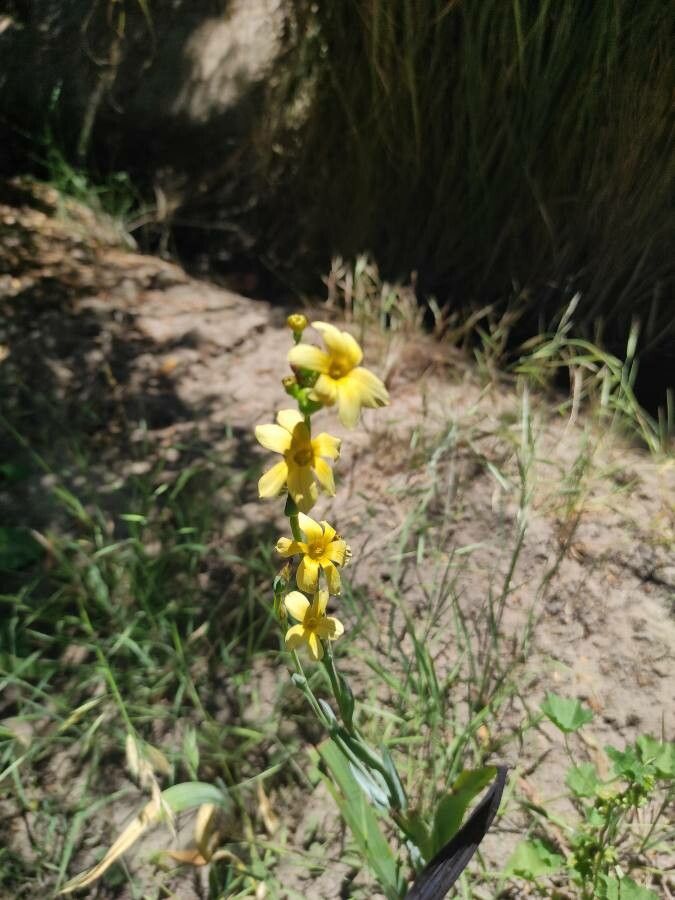
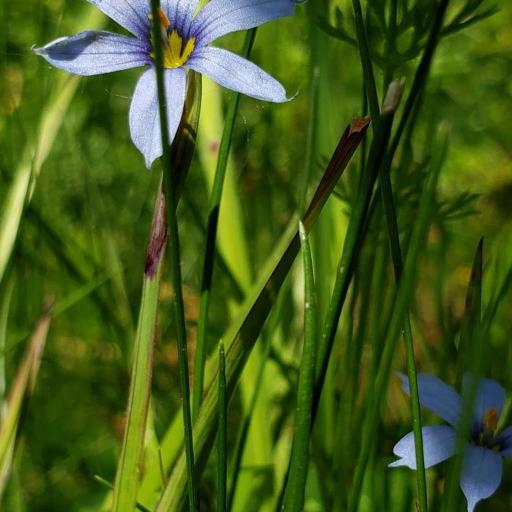
Sisyrinchium bellum, commonly known as western blue-eyed grass, is a perennial plant that belongs to the Iridaceae family. Native to western North America, it thrives in various habitats such as meadows, grasslands, and open woodlands. This plant typically reaches up to 30 cm in height and features narrow leaves approximately 20 cm long. Its small, blue-violet flowers with yellow centers bloom from late spring through summer.
Sisyrinchium bellum is a hardy plant that requires minimal care once established. It prefers well-drained soil with moderate moisture but can tolerate drought conditions. This species attracts pollinators like bees and butterflies, contributing positively to the ecosystem.
Traditional medicine has utilized Sisyrinchium bellum for its anti-inflammatory properties to treat ailments such as arthritis pain and digestive issues.
Overall, Sisyrinchium bellum is an attractive perennial that adds vibrant color to any garden or landscape. It provides ecological benefits by supporting pollinators and holds historical significance in traditional medicine. This makes it an excellent addition for garden enthusiasts and herbalists alike!
Western blue-eyed grass has strong resistance to disease and is typically not very susceptible to illnesses. However, it can still be vulnerable to pests and diseases found in its environment. When infections do occur, they are generally mild. Care-wise, this plant requires moderate attention. It should be pruned on a regular basis to keep an attractive appearance and encourage healthy growth. Fertilizing can also assist in stimulating blooms. This species is appropriate for anyone with an outdoor area, such as a garden or patio, and does not demand extensive care experience. It may need more attention if cultivated indoors.
How to keep Sisyrinchium Bellum.
Light
Western blue‑eyed grass prefers sites that are well lit by the sun all day. It can, however, tolerate locations where sunlight is present but not abundant. The amount of sunlight western blue‑eyed grass receives can greatly influence its growth and overall health, and excessive sun exposure may cause harm.
Water
Western blue-eyed grass thrives in well-drained soil with consistent moisture. Typically, it should be watered every 1-2 weeks, depending on the environmental conditions. Although it can handle occasional dryness, providing sufficient water during the growing season encourages lush foliage and vibrant blooms, particularly in temperate climates.
Temperature
Western blue-eyed grass comes from a region with moderate temperatures. It prefers warm conditions of 68 to 100 °F (20 to 38 ℃). To promote growth, keep temperatures within this range and adjust seasonally by providing shade or heat as needed.
Fertilizer
Appropriate fertilization is vital for the health and appearance of Western blue-eyed grass. Fertilize Western blue-eyed grass in summer, repeating the treatment monthly throughout the season. Nutrients support growth and help maintain the plant's parts. Feeding improves the flower display of Western blue-eyed grass, ensuring the best blooms.
Pruning
Western blue-eyed grass requires minimal pruning. To maintain the plant, focus on removing dead foliage in early spring and any spent flowers to prevent self-seeding. You can perform additional pruning in late winter to shape the plant and control its height. Regular maintenance will promote healthier blooms while respecting the plant's natural growth habit.
Pot & Repot
Western blue-eyed grass benefits from being repotted every 2 to 3 years in the spring, which aligns with its growth cycle. When repotting, choose a larger container to allow for root expansion and use well-draining soil. Maintain consistent moisture levels, but avoid waterlogging, to ensure the plant's optimal recovery and vitality.
Botanical profile.
- Plant Type
- Herb
- Life Cycle
- Perennial
- Genus
- Sisyrinchium
- Family
- Iridaceae
- Hardiness Zone
- 9-11
- Mature Height
- 10 cm to 40 cm
- Mature Spread
- 10 cm
- Leaf Color
- Green, Blue
- Leaf Type
- Evergreen, Semi-evergreen
- Flower Color
- Blue, White, Purple
- Flower Size
- 2.54 cm
- Bloom Time
- Spring
- Planting Time
- Spring
- Harvest Time
- Mid spring, Late spring, Early summer
- Native Area
- Mexico
Other names.
Reader questions.
What are the sunlight requirements for Western blue-eyed grass?
Western blue-eyed grass thrives in full sun conditions, requiring more than 6 hours of sunlight per day, but it can also adapt to partial sun with about 3-6 hours of sunlight. It's essential to observe the movement of sunlight through your garden to select the best spots that offer an ideal balance of light and shade, ensuring the plants' health and happiness.
What is the ideal temperature range for Western blue-eyed grass?
Western blue-eyed grass thrives in moderate temperatures, preferring a range between 68 to 100°F (20 to 38°C). To promote its growth, it's important to maintain this temperature range throughout the year. This can involve adjusting the plant's environment seasonally, such as providing shade during hotter periods or warmth during cooler times. Since the plant loves heat and is sensitive to cold, it’s beneficial to bring it indoors to a bright location away from heaters during autumn to protect it from cold temperatures while ensuring it remains above 20°C during winter. Exposure to temperatures near 0°C can harm the plant.
How does sunlight affect the growth and health of Western blue-eyed grass?
The growth and overall health of Western blue-eyed grass are significantly influenced by the amount of sunlight it receives. Preferably, it enjoys abundant sunlight throughout the day but can adapt to less sunny locales. Too much sun exposure, however, may cause harm. Artificial lighting can support growth when natural sunlight is insufficient, especially indoors during winter or in less sunny areas. Choosing the right type of artificial light, determining the appropriate distance and duration of exposure are crucial for supplementing natural sunlight.
How should you care for Western blue-eyed grass in low temperatures?
Western blue-eyed grass is not tolerant of low temperatures and prefers to be kept above 20°C. It is crucial, especially during winter, to ensure the temperature remains above 0°C to avoid damage. If the temperature dips below -5°C, the plant's leaves may lighten in color, and following frost damage, they might turn brown or black with symptoms such as wilting and drooping. To care for a frost-affected plant, trim off the damaged parts and move it to a warmer indoor environment immediately. Placing the plant near a south-facing window can ensure it receives enough sunlight without being exposed to excessive dryness from heaters or air conditioning vents.
What are the symptoms of light deficiency in Western blue-eyed grass?
Symptoms of light deficiency in Western blue-eyed grass include smaller new leaves, leggy or sparse growth, faster leaf drop, slower or no new growth, paler new leaves, and conditions such as chlorosis, sunscald, leaf curling, wilting, and leaf scorching. These symptoms indicate the plant may not be receiving adequate sunlight, affecting its ability to produce chlorophyll and essential nutrients.
What should be done if Western blue-eyed grass is exposed to high temperatures?
During the summer, it’s essential to ensure that the temperature surrounding Western blue-eyed grass does not exceed 38°C. Exposure to temperatures above 43°C can cause the leaves to lighten and increase the plant's susceptibility to sunburn. If the plant suffers from sunburn, trim the sunburned and dried parts away, and move it to a location that offers protection from the intense midday and afternoon sun. Additionally, watering the plant in the morning and evening can help keep the soil moist and further protect the plant from heat stress.
What solutions can help improve sunlight exposure for Western blue-eyed grass?
To improve sunlight exposure for Western blue-eyed grass, gradually move the plants to a location receiving at least 6 hours of direct sunlight daily, optimizing nutrient accumulation. For indoor plants or those not easily movable, consider using artificial light, keeping a desk or ceiling lamp on for at least 8 hours a day or investing in professional grow lights. Outdoors, adapt your plants to sunnier spots gradually to prevent sunburn. Additionally, minimize obstructions by pruning trees that block sunlight or transplanting smaller plants to more sunlit areas with good drainage during their dormant phase.