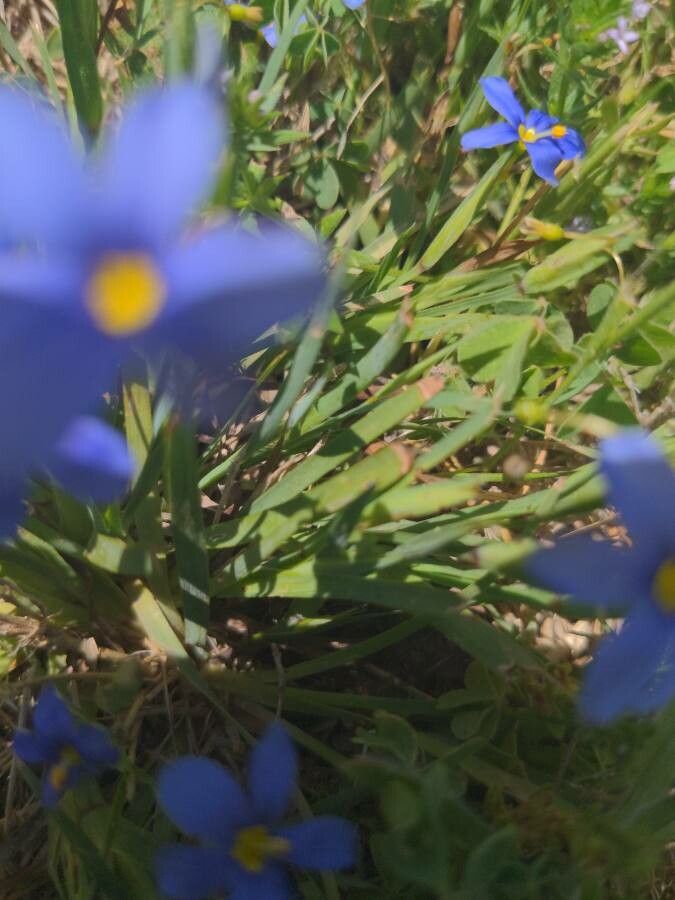
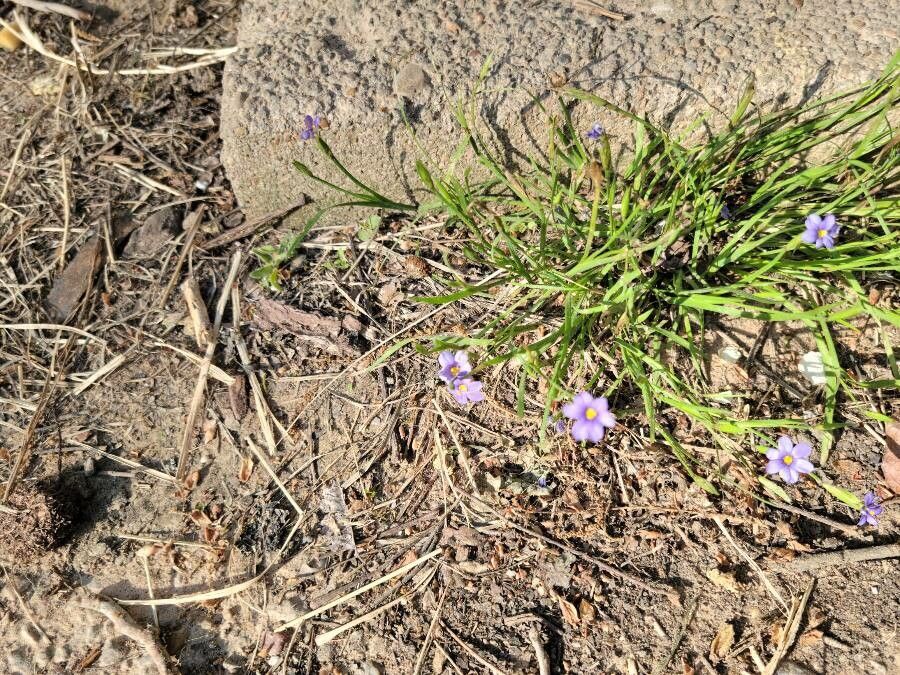
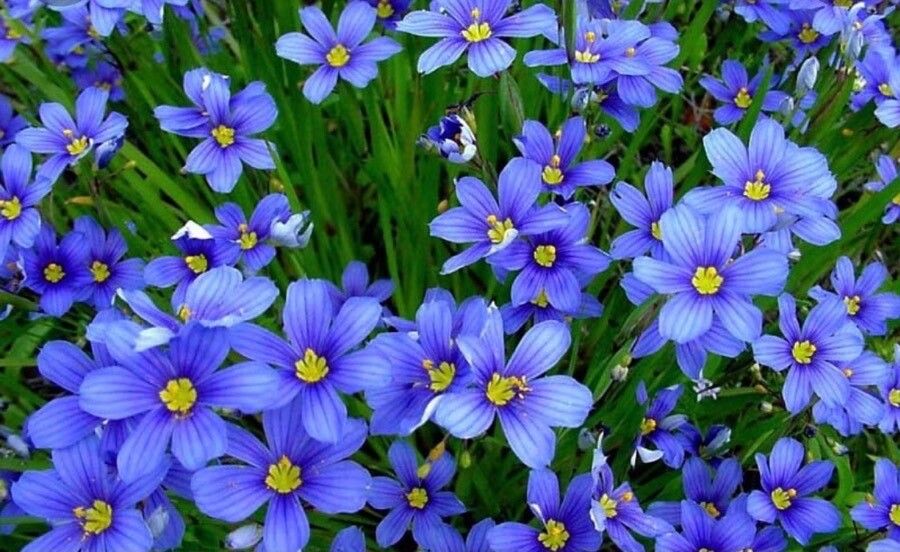
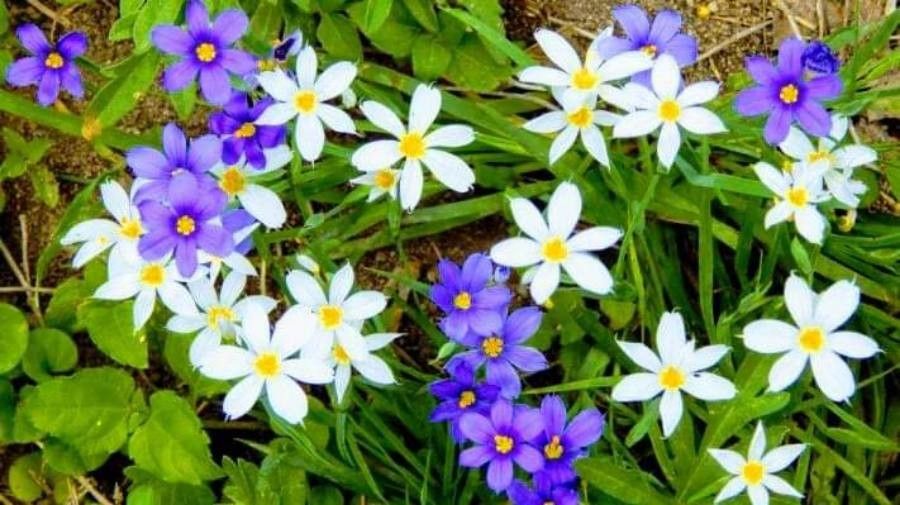
Sisyrinchium langloisii, commonly known as Langlois' blue-eyed grass, is a perennial plant species within the Iridaceae family. Native to the western United States, it thrives in diverse habitats including meadows, grasslands, and open woodlands.
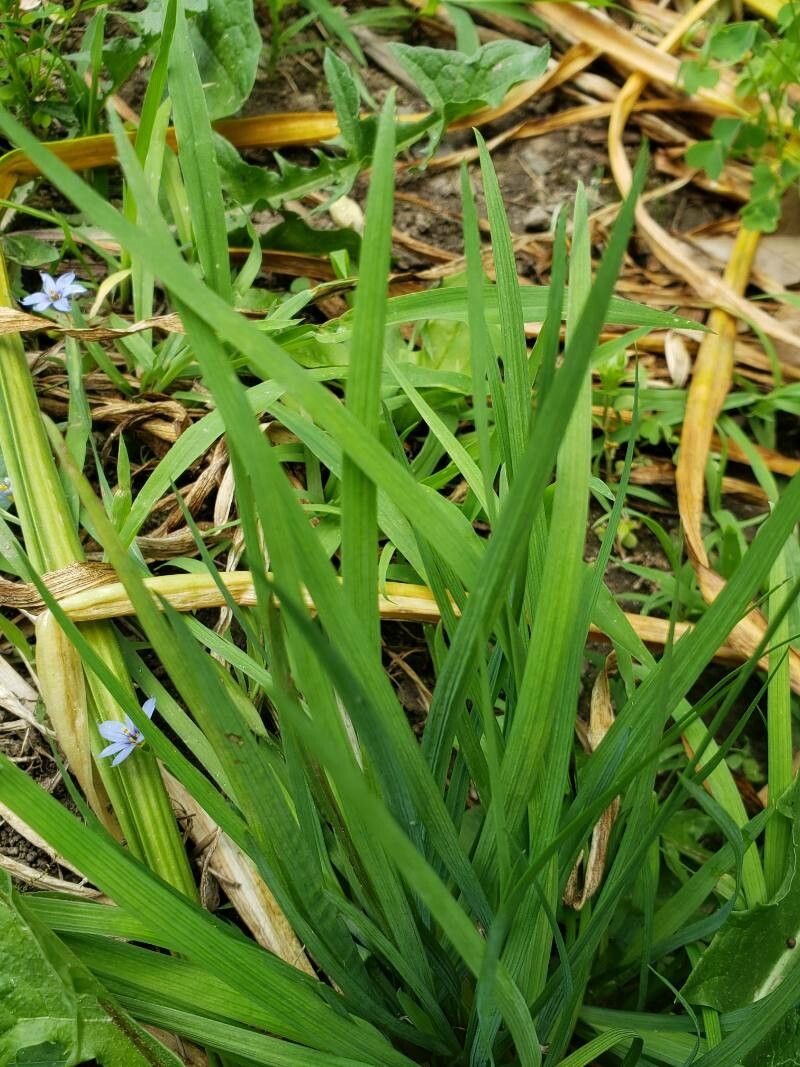
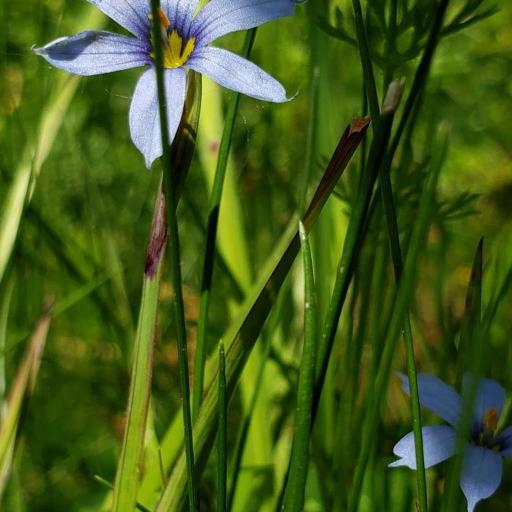
Typically reaching up to 30 cm in height, this plant features narrow leaves that range from 10-20 cm in length. Its small flowers are blue-violet with striking yellow centers and bloom from late spring through early summer.
Sisyrinchium langloisii is a hardy species that can withstand drought conditions, though it prefers moist soil with good drainage. Optimal growth is achieved with full sun or partial shade.
This species has been valued for its medicinal properties by Native American tribes, particularly for its anti-inflammatory effects. Additionally, it is a crucial food source for various pollinators, including bees and butterflies.
In summary, Sisyrinchium langloisii is a beautiful wildflower that enhances natural landscapes with its vibrant color while offering significant ecological benefits.
Roadside blue-eyed grass has strong resistance to disease and is generally unlikely to suffer from illnesses. Still, it can be vulnerable to pests and diseases present in its surroundings. These infections tend to be mild. Regarding care, this plant needs moderate maintenance. It should be pruned regularly to keep a good appearance and support healthy growth. Fertilizing can also help encourage flowering. Roadside blue-eyed grass is appropriate for anyone with outdoor space, such as a garden or patio, and does not require extensive care experience. It may need more attention when grown indoors.
How to keep Sisyrinchium Langloisii.
Light
Roadside blue-eyed grass is a sun-loving, perennial herbaceous plant native to open habitats, commonly thriving in meadows and grasslands. It prefers full sun but can also tolerate partial sun.
Temperature
Roadside blue-eyed grass can tolerate a wide range of temperatures, but its distribution may still be constrained by particular combinations of moisture and heat. It does best in warm summer climates with sufficient rainfall or watering. Extended periods of cloudy, rainy weather or prolonged high temperatures can raise the chance of Roadside blue-eyed grass dying. In winter, adequate protection from cold can increase the plant's survival rate.
Fertilizer
The best time to fertilize a Roadside blue-eyed grass is in early spring, when it is coming out of dormancy and starting active growth. Fertilizing supplies essential nutrients for healthy development. While Roadside blue-eyed grass has relatively modest fertilizer requirements, applying fertilizer once a year can improve its survival and encourage stronger, longer-lasting flowers.
Pruning
Roadside blue-eyed grass showcases grass-like leaves and beautiful blue flowers. Pruning it in early spring encourages new growth and helps prevent disease. To boost its health and appearance, remove any withered stalks and damaged leaves. This will also increase sunlight exposure and air circulation, keeping your garden looking neat and well-maintained.
Botanical profile.
- Plant Type
- Herb
- Life Cycle
- Perennial
- Genus
- Sisyrinchium
- Family
- Iridaceae
- Hardiness Zone
- 5-9
- Mature Height
- 0 cm to 30 cm
- Mature Spread
- 15 cm to 30 cm
- Leaf Color
- Light Green
- Leaf Type
- Deciduous
- Flower Color
- Blue
- Flower Size
- 1.02 cm to 2.03 cm
- Bloom Time
- Mid spring, Late spring
- Planting Time
- Spring, Summer
- Harvest Time
- Early summer, Mid summer
Other names.
Reader questions.
What are the sunlight requirements for Roadside blue-eyed grass?
Roadside blue-eyed grass, or Sisyrinchium langloisii, thrives in varying amounts of sunlight. Partial sun, defined as about 3-6 hours of sunlight daily, is acceptable for its growth. However, it can also flourish in full sun, which means the plant should receive more than 6 hours of sunlight each day. It's important to observe the movement of sunlight through your garden to find spots that offer an ideal balance of light and shade, ensuring the plant's well-being.
What is the botanical name of Roadside blue-eyed grass?
The botanical name of Roadside blue-eyed grass is Sisyrinchium langloisii.