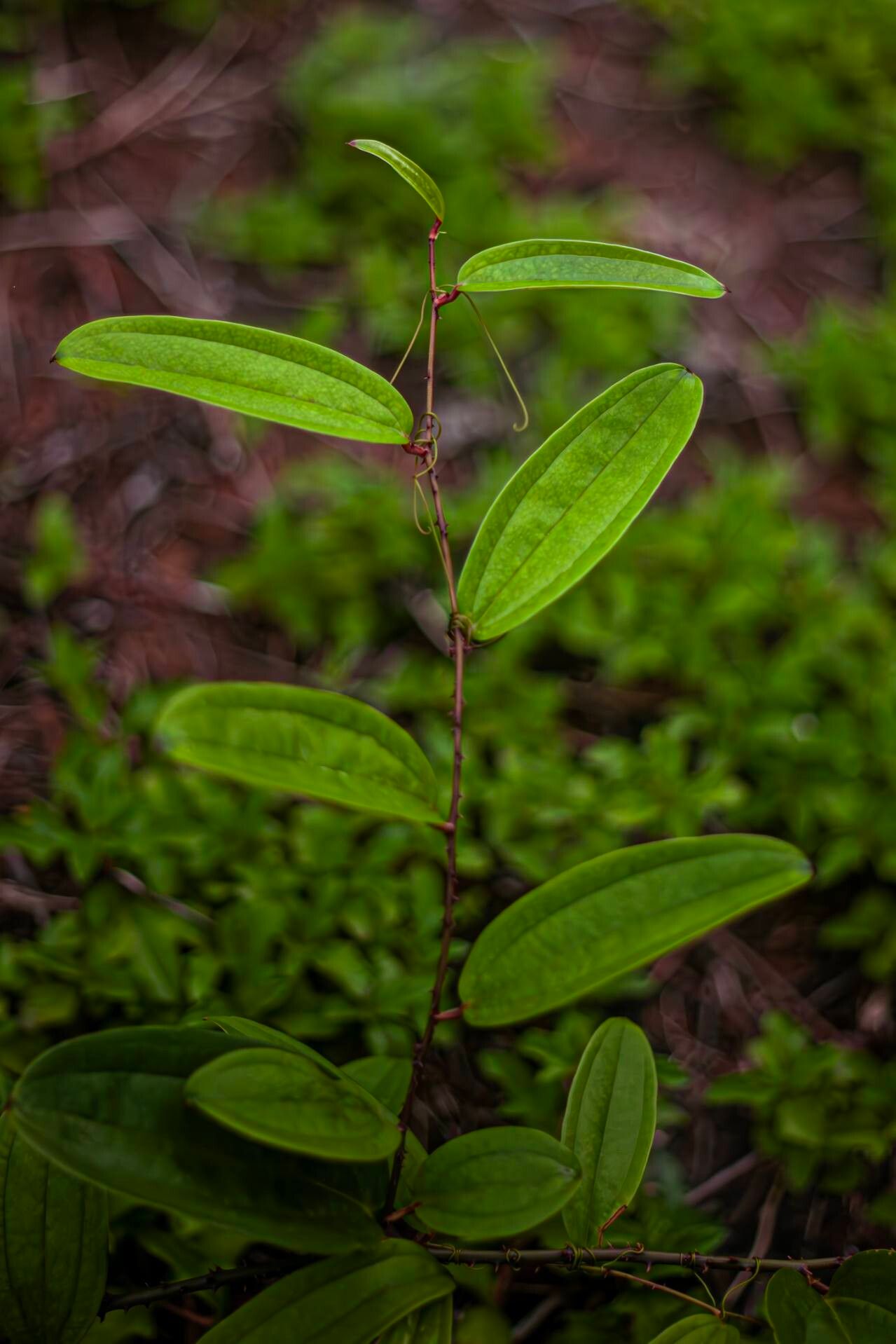
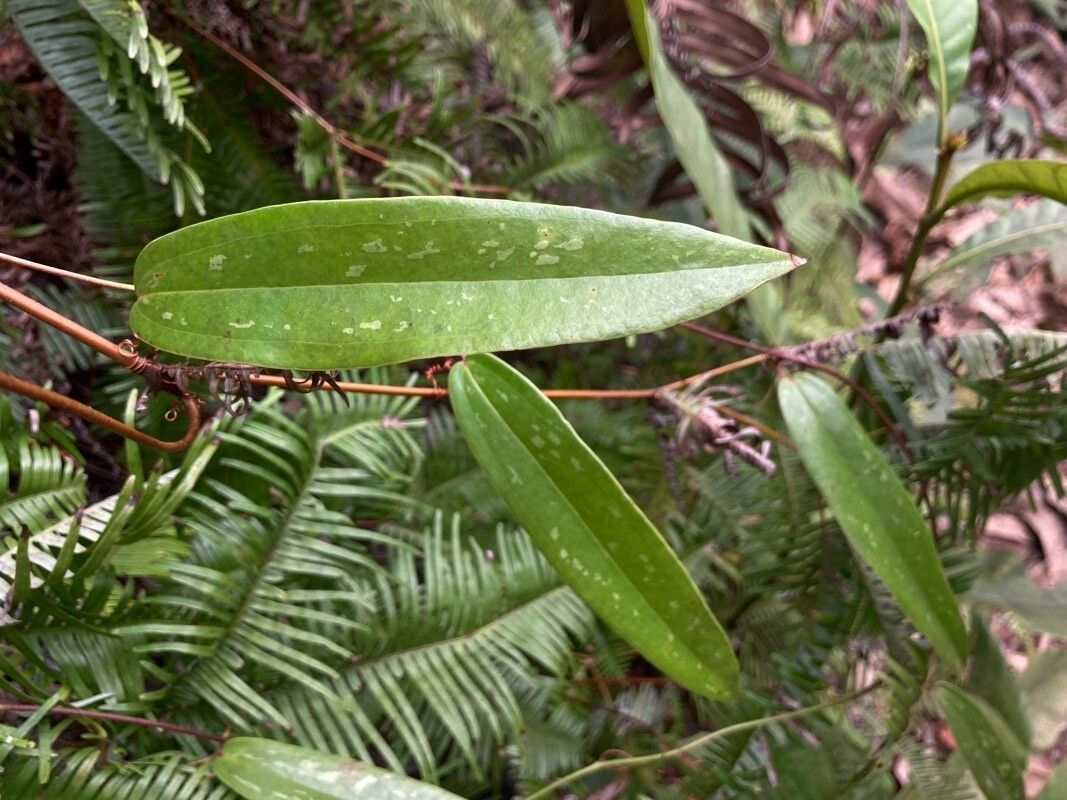
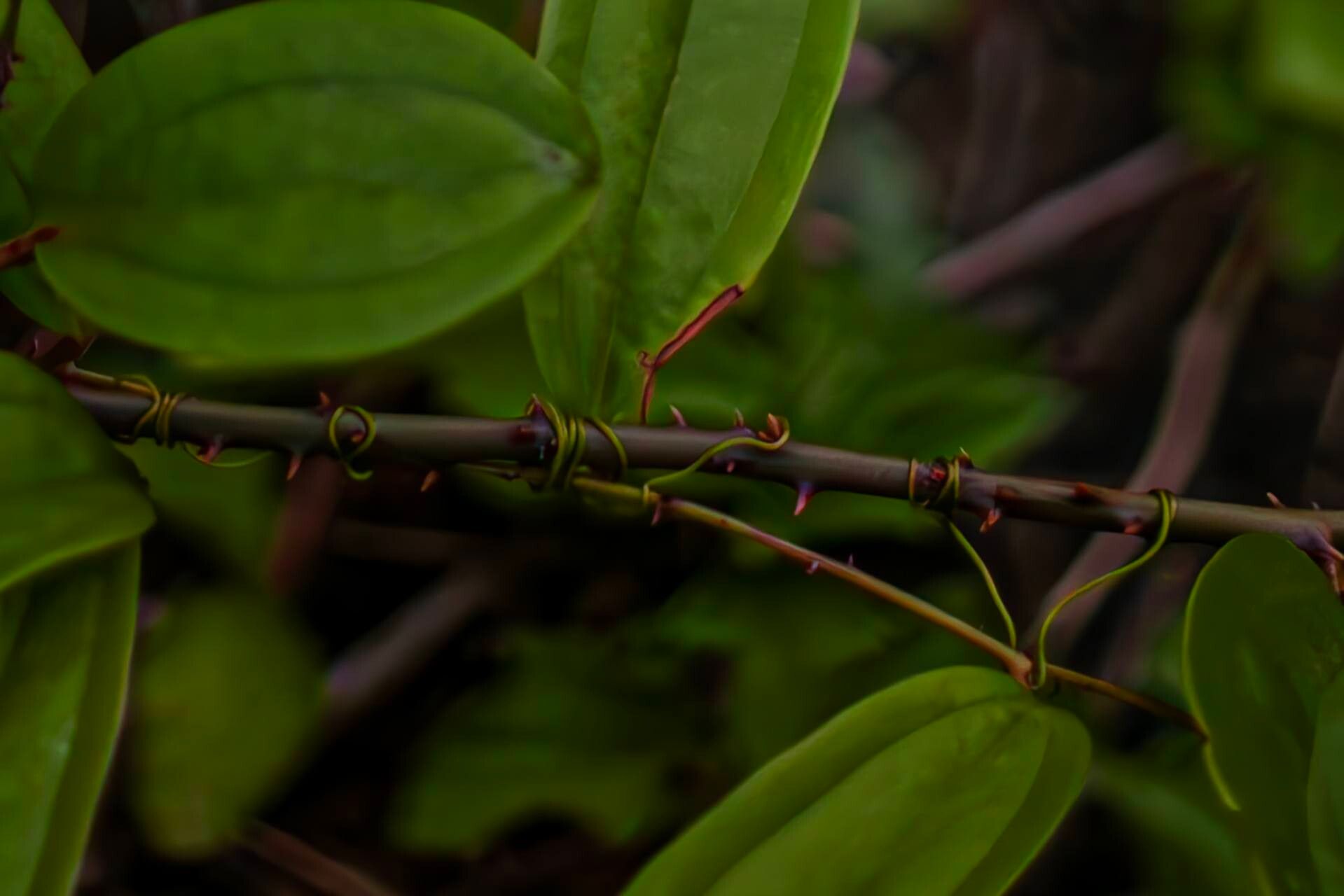
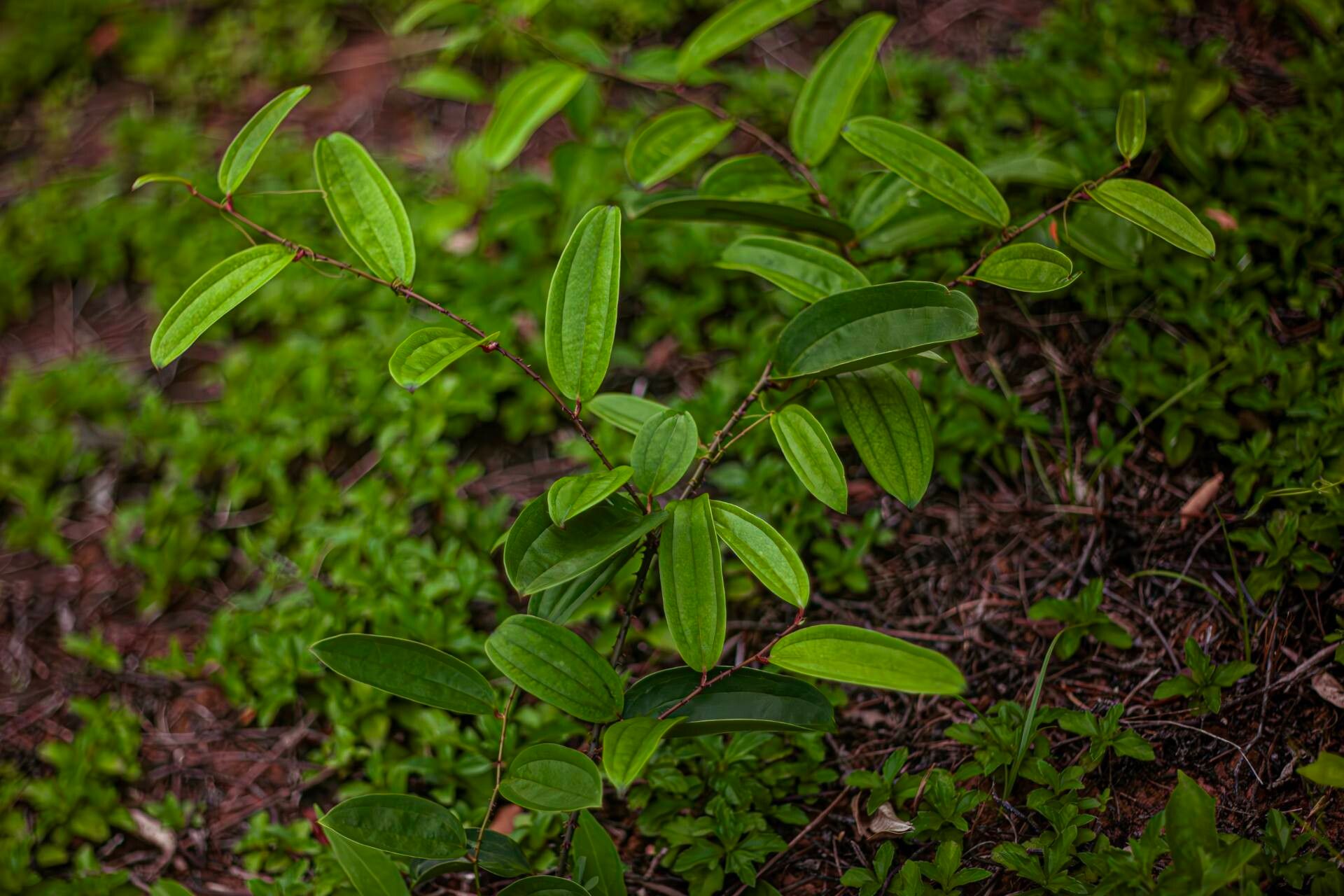
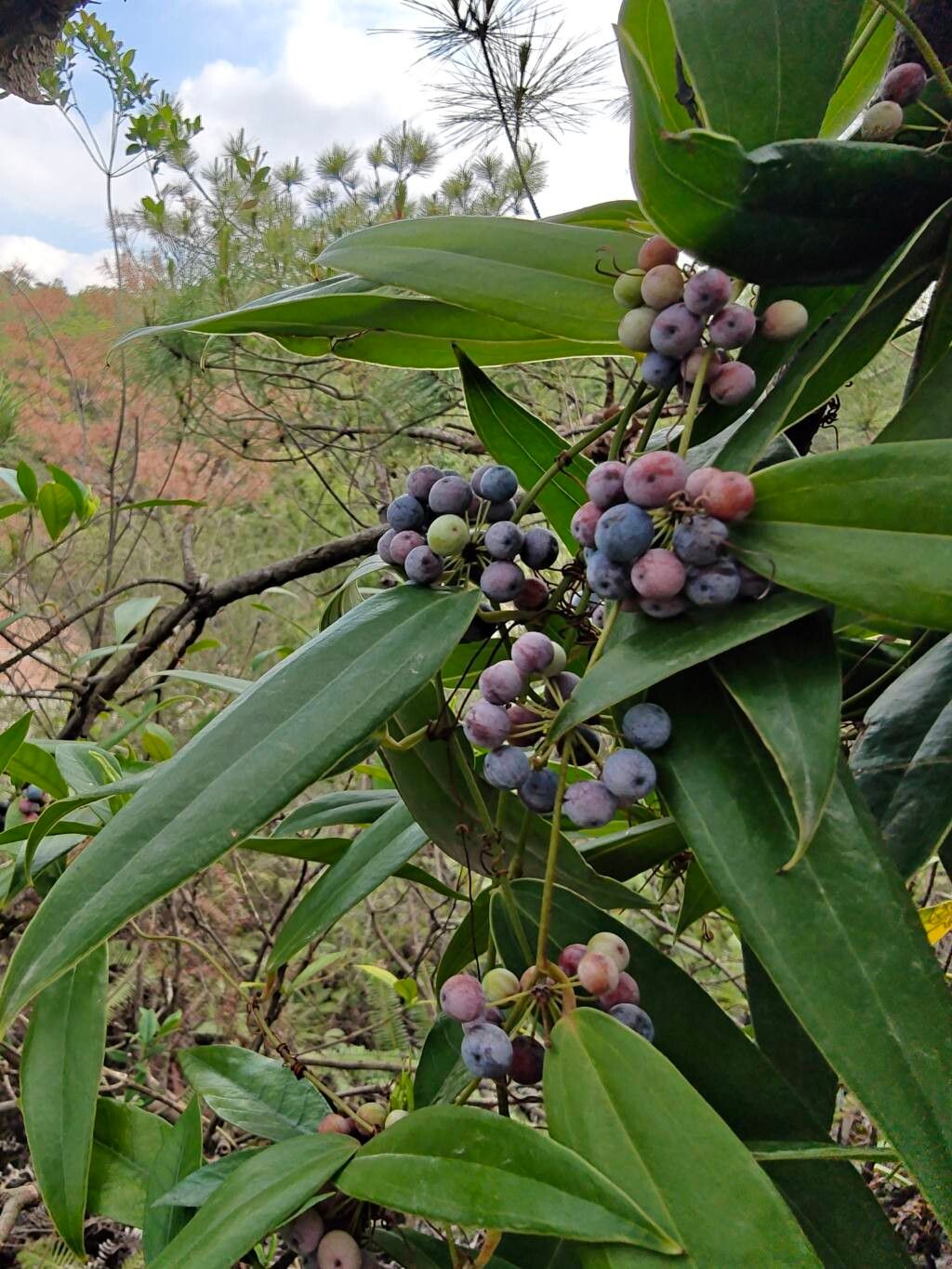
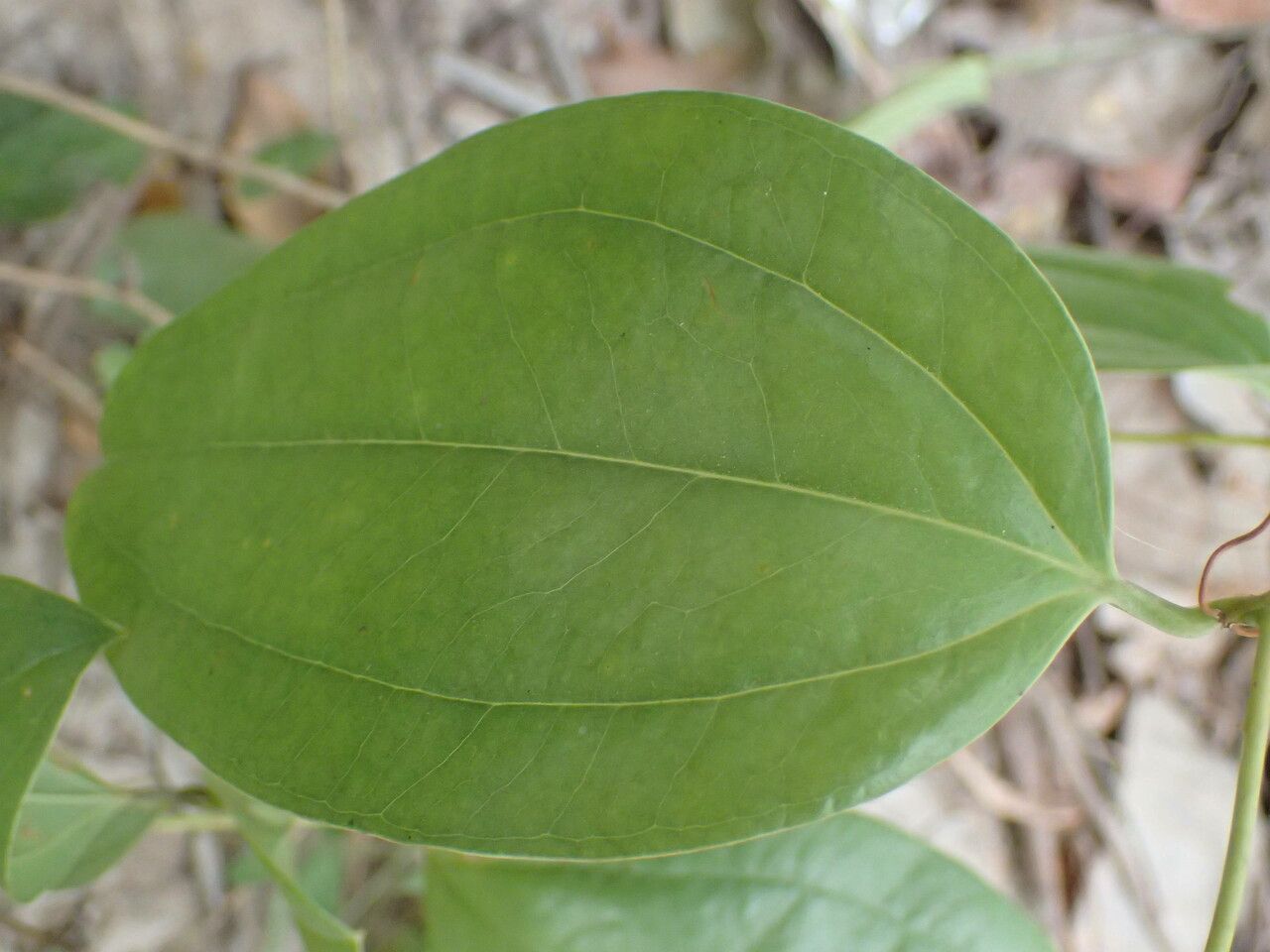
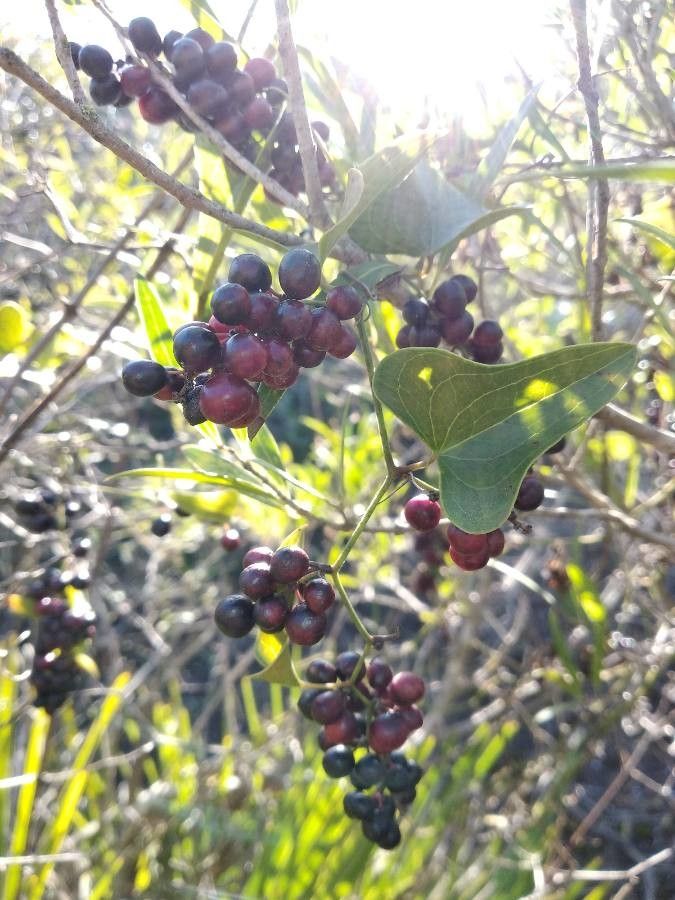
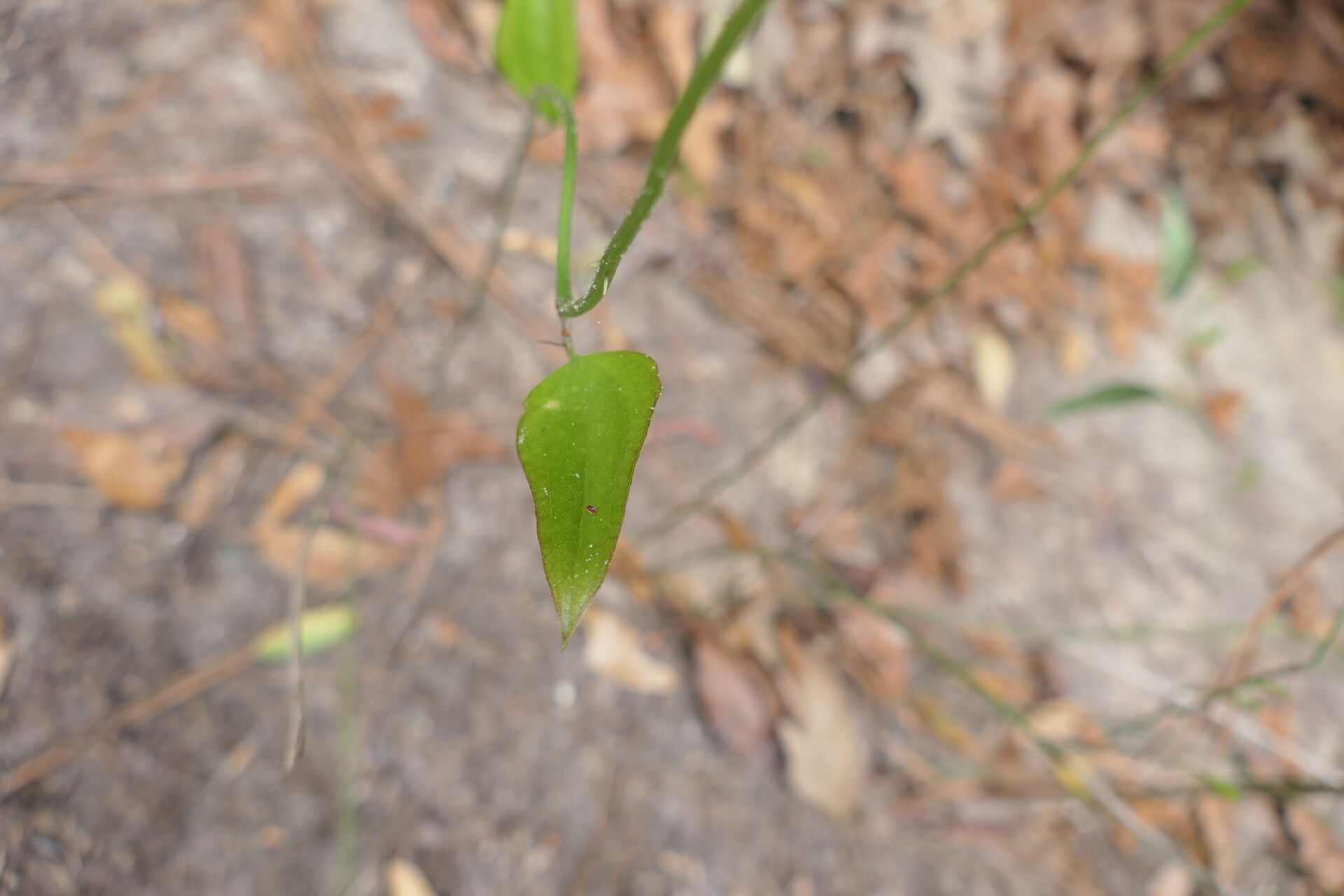
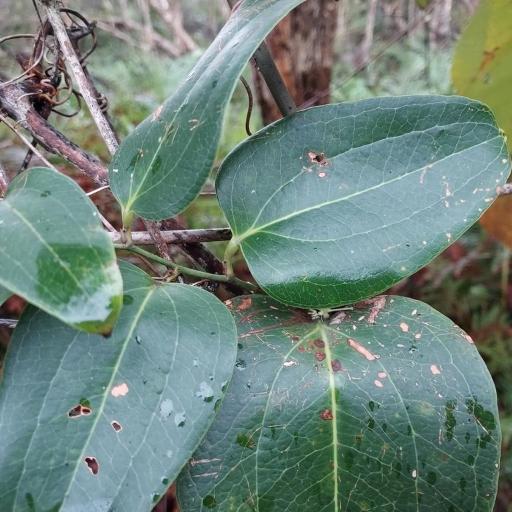
Rough bindweed has strong resistance to disease and is generally not susceptible to illnesses. Still, it can be affected by pests and diseases present in its environment. These infections are generally mild. Regarding care, this plant needs moderate maintenance. It requires regular pruning to preserve a neat appearance and support healthy growth. Fertilizing can also encourage flowering. Rough bindweed is appropriate for anyone with an outdoor area, such as a garden or patio, and does not demand extensive care experience. It may need extra attention when cultivated indoors.
How to keep Smilax Glabra.
Light
The rough bindweed is indigenous to shaded locales like forest understories or stony regions. It ideally flourishes in partial sun, but its robust and adaptable nature allows it to thrive in both full sun and complete shade.
Temperature
Rough bindweed has shown a notable resilience to temperature, having the ability to endure higher temperature levels and significant temperature changes. During periods of high temperatures, proper watering and suitable shading are needed to ward off sun damage. On the contrary, Rough bindweed has a comparatively low resistance to colder temperatures. While it can survive mild cold weather, extremely cold conditions may cause frost harm.
Fertilizer
Applying fertilizer once during the spring is generally adequate for Rough bindweed, however, to optimize growth, it could benefit from multiple nourishing sessions. A monthly to six-weekly feed schedule is recommended. Enhancements in leaf look and functionality, such as improved color consistency and texture health, can be achieved through fertilization. It also encourages the expansion of roots and absorption of nutrients, contributing towards overall plant well-being in the long term.
Botanical profile.
- Plant Type
- Vine, Herb
- Life Cycle
- Perennial
- Hardiness Zone
- 8-11
- Mature Height
- 2.74 m to 4.88 m
- Mature Spread
- 2.74 m to 4.88 m
- Leaf Color
- Green, Dark Green
- Leaf Type
- Evergreen
- Flower Size
- 2.54 cm
- Bloom Time
- Late spring, Early summer
- Planting Time
- Spring, Summer
- Harvest Time
- Late summer, Early fall, Mid fall
- Native Area
- India, Cambodia, Vietnam, Myanmar, Laos, Thailand, China
Other names.