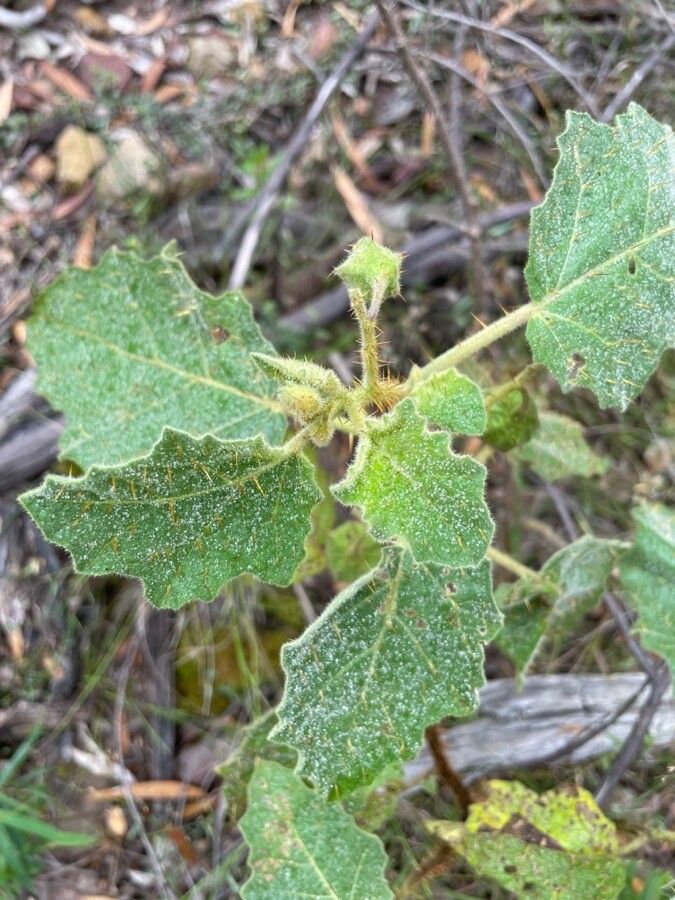
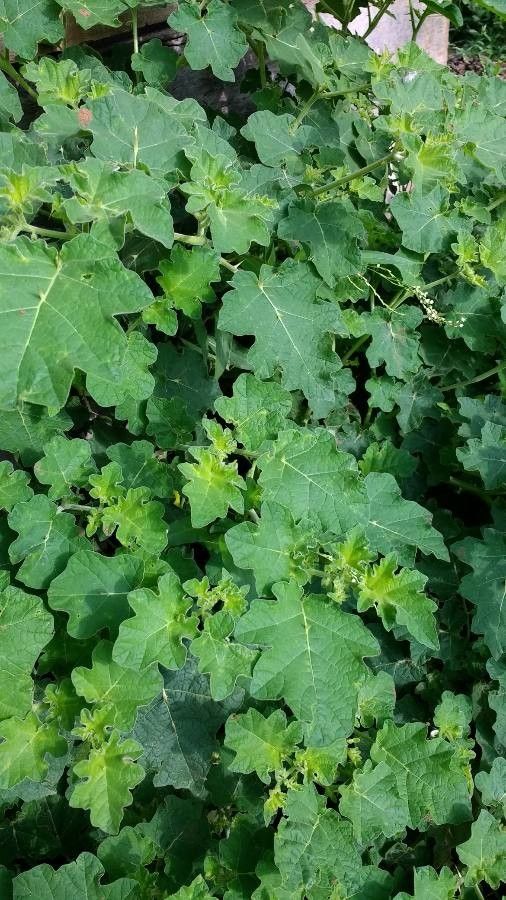
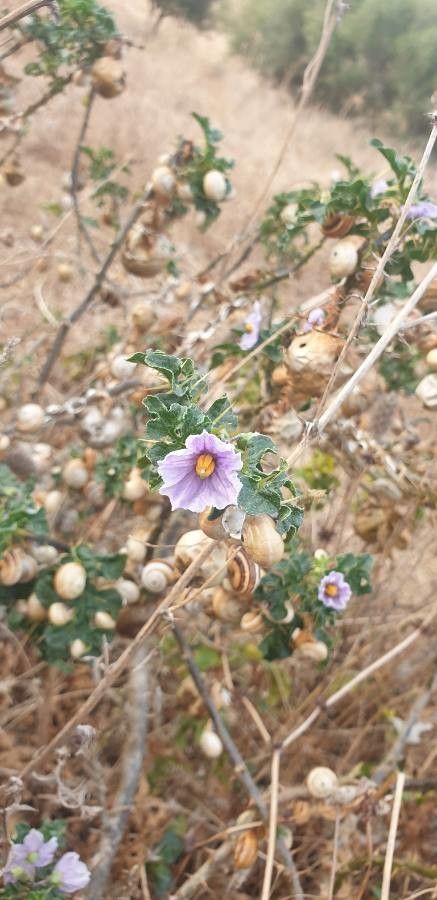
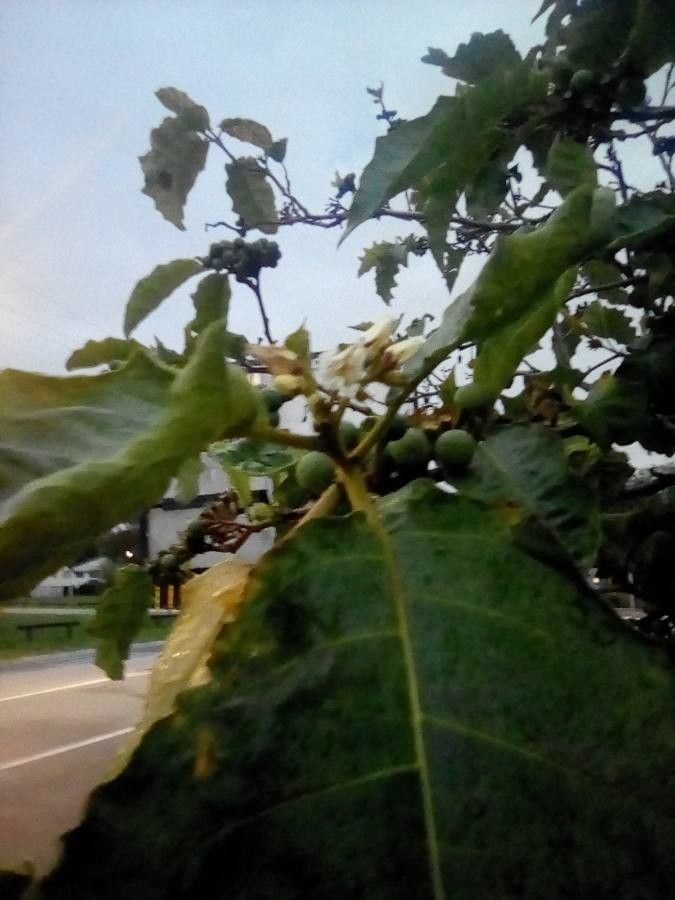
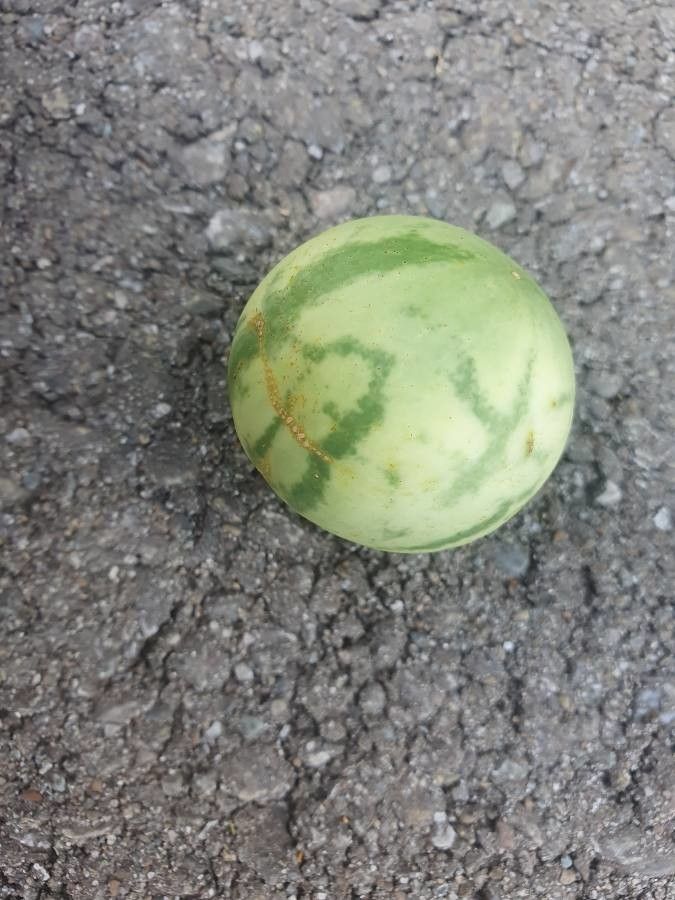
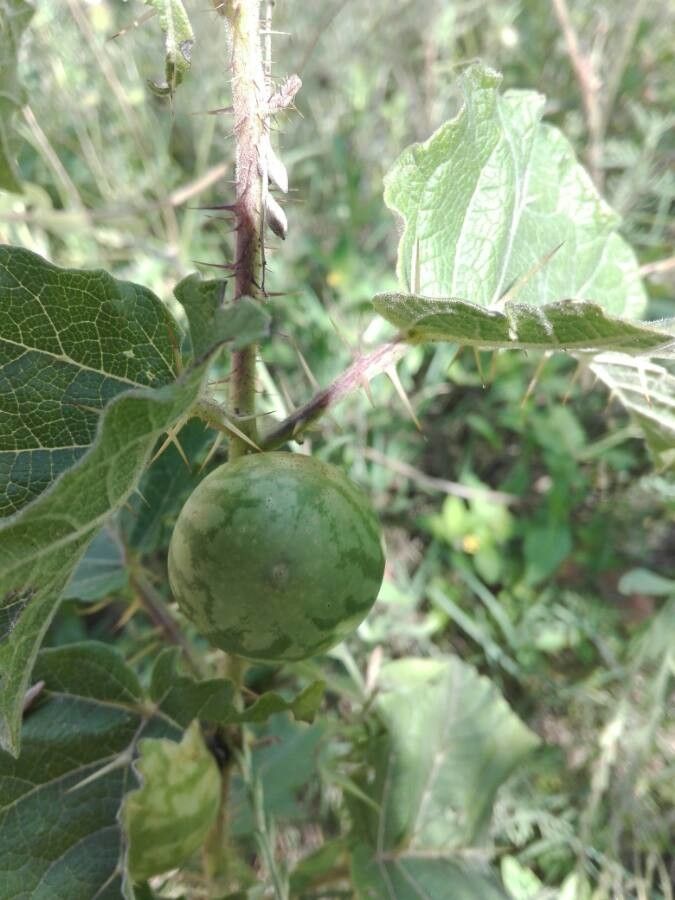
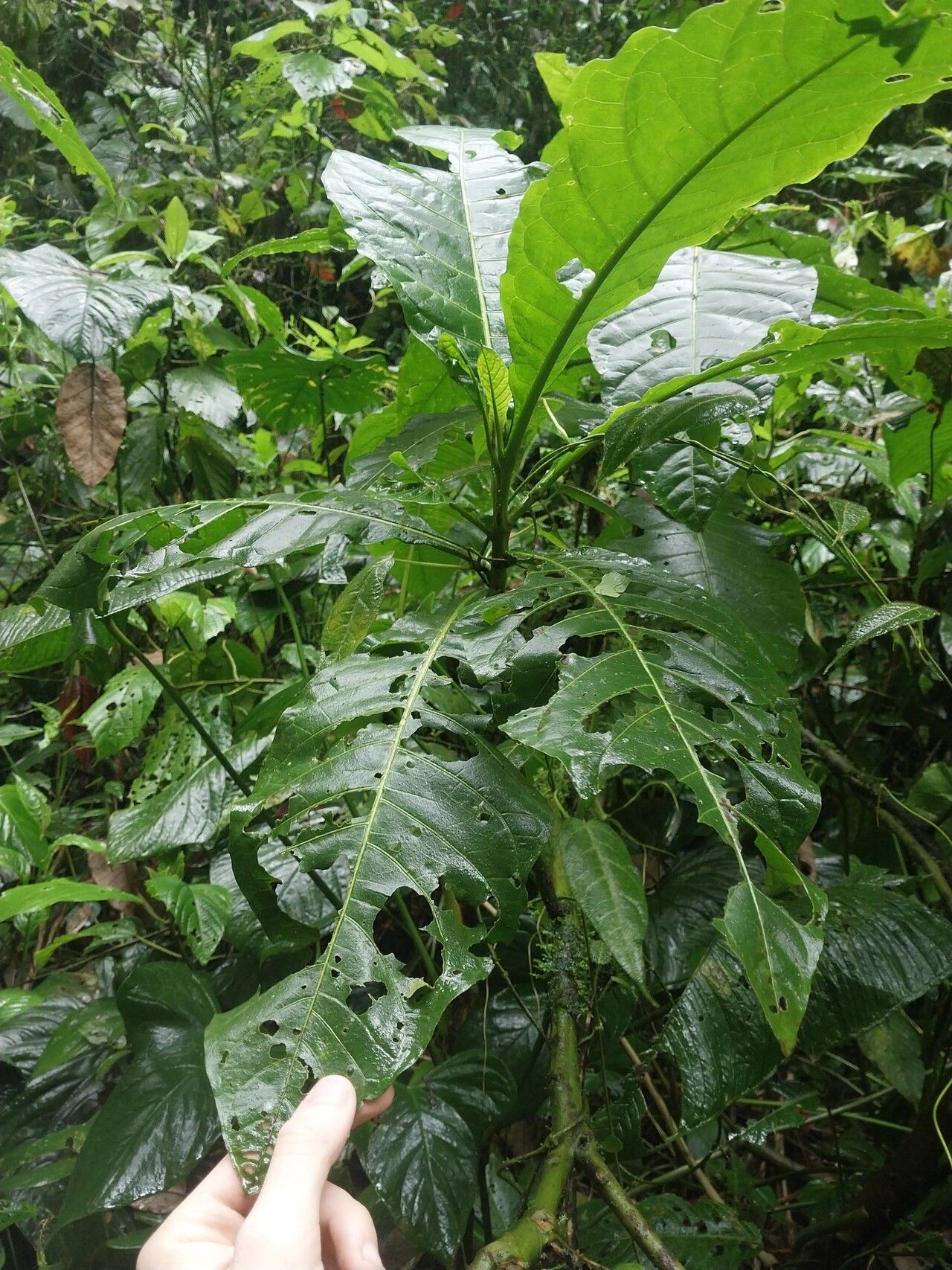
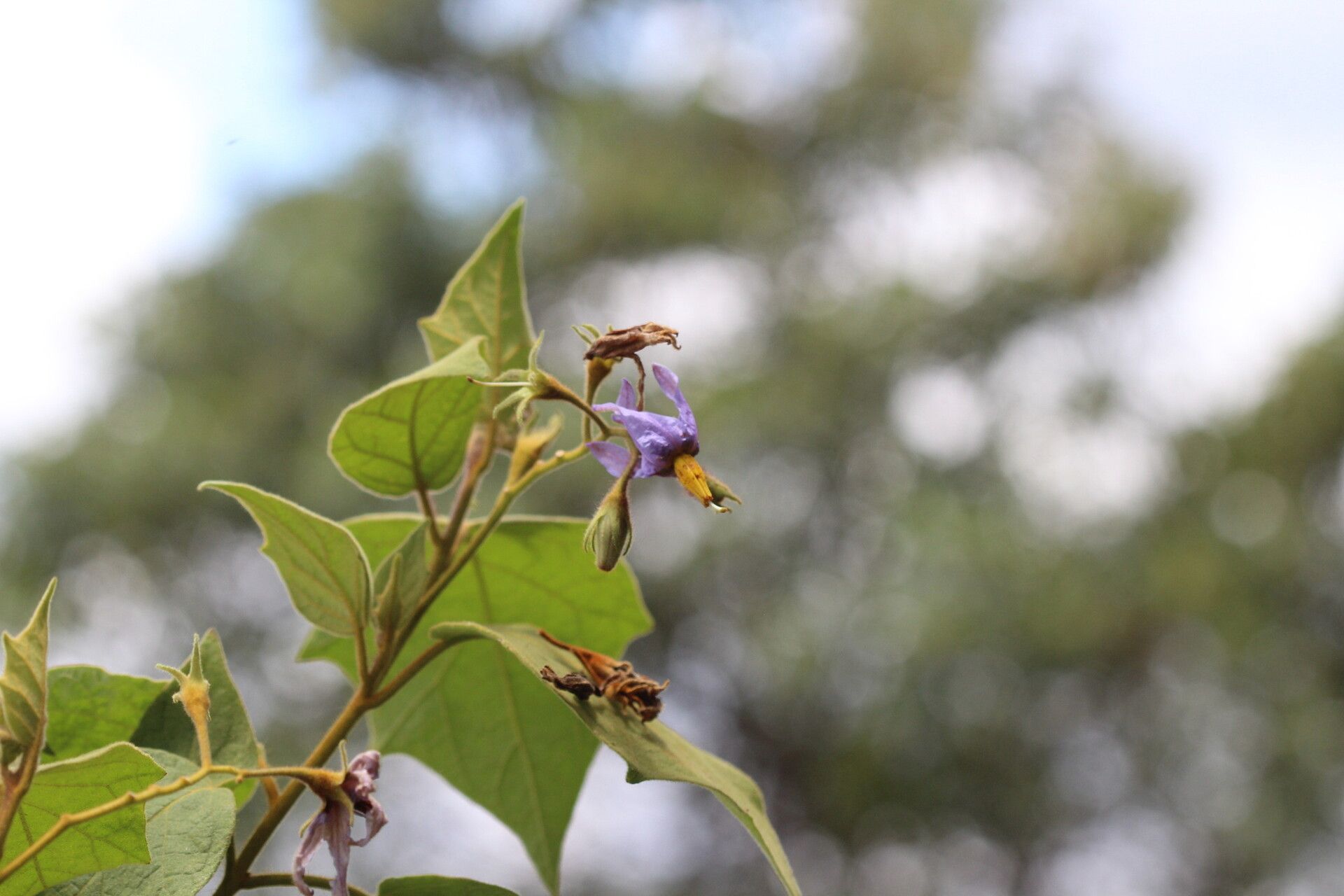
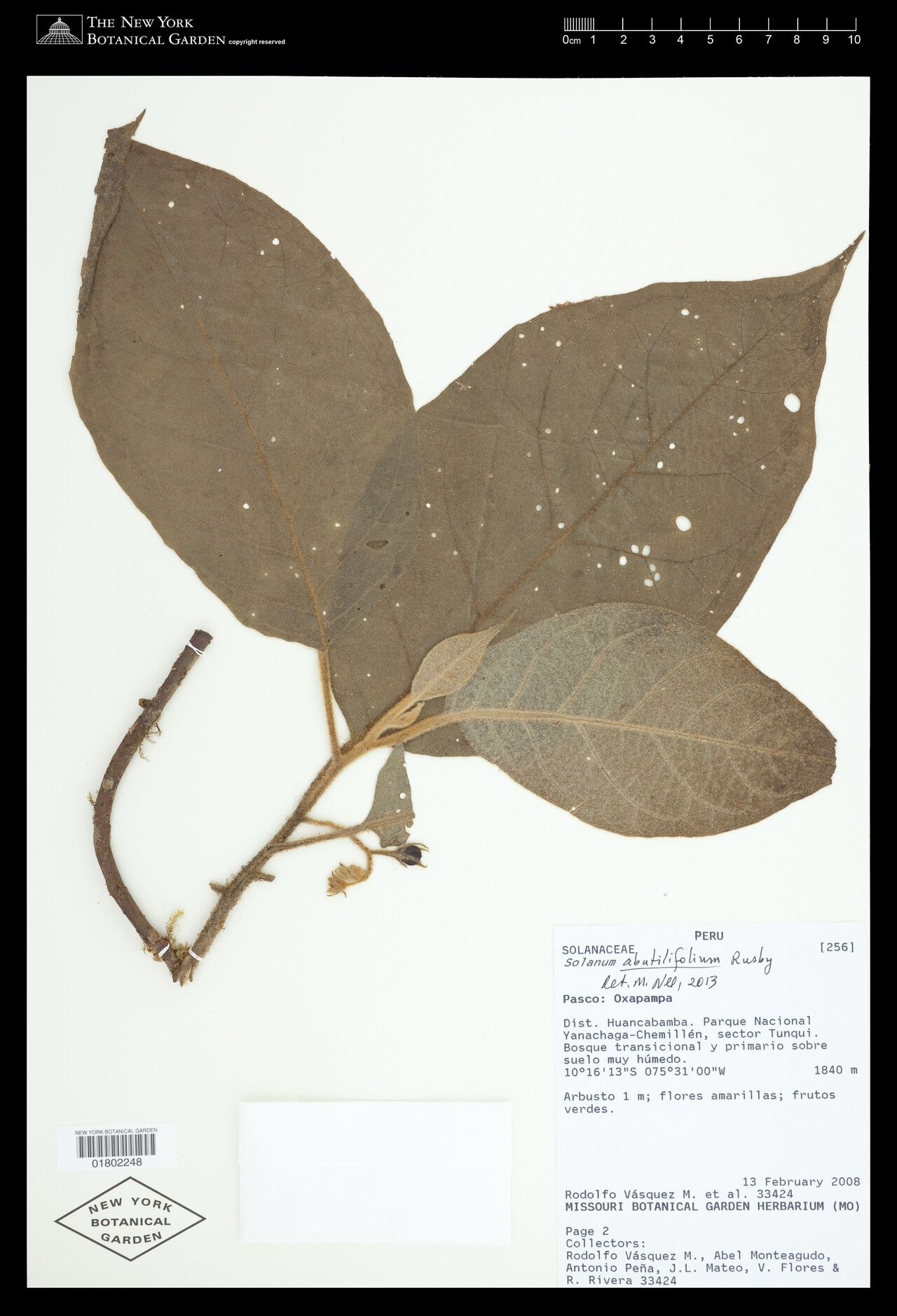
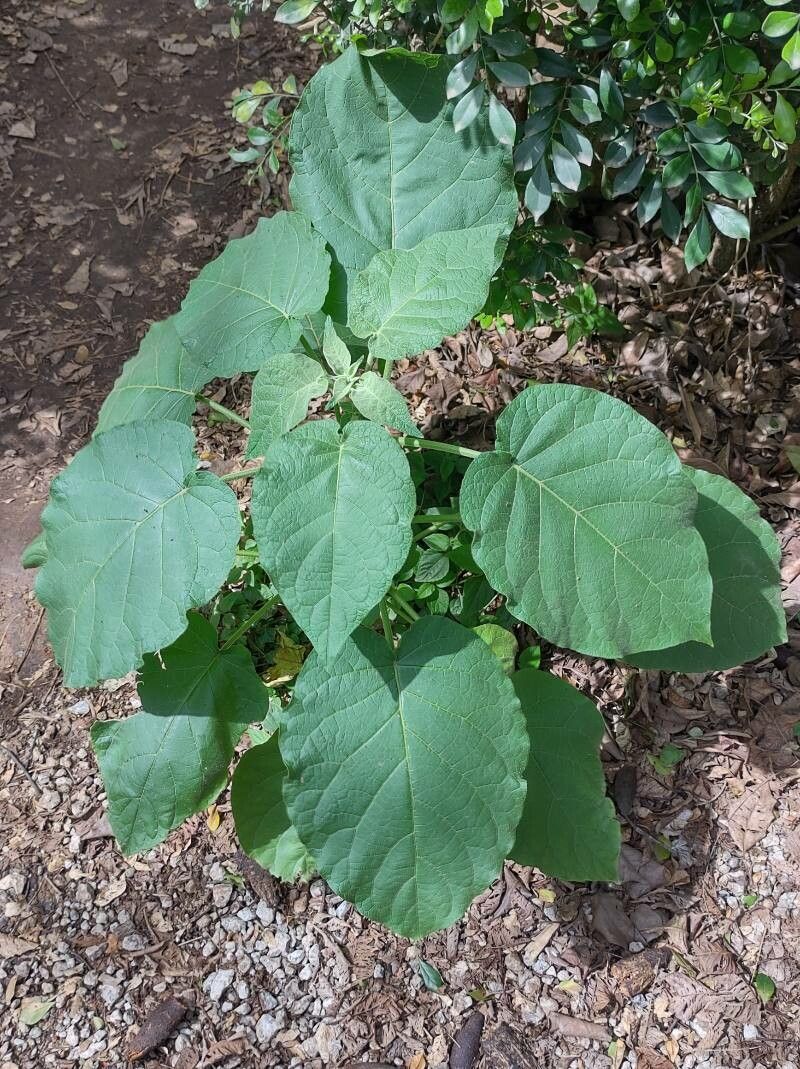
Solanum anguivi is a plant indigenous to non-arid parts of Africa, and is commonly known as forest bitterberry or African eggplant, although the latter term is most commonly associated with Solanum aethiopicum. It is a traditional ethnomedicine in India.
Forest bitterberry has good resistance to disease and usually does not suffer from illnesses. It can, however, be susceptible to pests and diseases found in its surroundings. These infections are generally not serious. For care, this plant requires a moderate amount of maintenance. It needs regular pruning to maintain a neat appearance and healthy growth. Fertilizing can also help encourage flowering. Forest bitterberry is suitable for anyone with outdoor space, such as a garden or patio, and does not demand extensive care experience. It may need more attention when kept indoors.
How to keep Solanum Anguivi.
Light
Forest bitterberry is a sun-loving, perennial herbaceous plant native to open habitats and commonly found in meadows and grasslands. It prefers full sun but can also tolerate partial sun.
Temperature
Forest bitterberry comes from tropical areas where the climate is usually warm and humid. Consequently, it is accustomed to high temperatures and humidity. It does not tolerate sudden temperature shifts and prefers a stable thermal environment, so avoiding temperature fluctuations indoors is important. It generally cannot withstand cold and needs higher temperatures to grow. If the surrounding temperature drops too low, the plant may stop growing or even die.
Fertilizer
Forest bitterberry needs the most fertilizer during its active growth period, which takes place mainly in spring, summer, and early fall. Fertilizing supplies essential nutrients the soil may lack, supporting healthy root and stem growth and encouraging attractive foliage, a key feature of this plant.
Botanical profile.
- Plant Type
- Herb, Shrub
- Life Cycle
- Perennial
- Genus
- Solanum
- Family
- Solanaceae
- Hardiness Zone
- 10-12
- Mature Height
- 0.91 m to 2.13 m
- Mature Spread
- 0.91 m to 1.52 m
- Leaf Color
- Green, Dark Green
- Leaf Type
- Deciduous
- Flower Color
- White, Lavender
- Flower Size
- 1.02 cm to 2.03 cm
- Bloom Time
- All year round
- Planting Time
- Spring, Summer
- Harvest Time
- All year round
- Native Area
- Djibouti, Somalia, Angola, Madagascar, Rwanda, Eritrea, Nigeria, Guinea-Bissau, Kenya, Uganda, Tanzania, Zimbabwe, Benin, Sierra Leone, Equatorial Guinea, Cameroon, Liberia, Mozambique, Burundi, Ghana, Ethiopia, Congo, Central African Republic, Malawi, South Africa, Zambia, Sudan, Guinea, Senegal, Eswatini, Côte d'Ivoire, Gambia, Congo (DRC)
Other names.