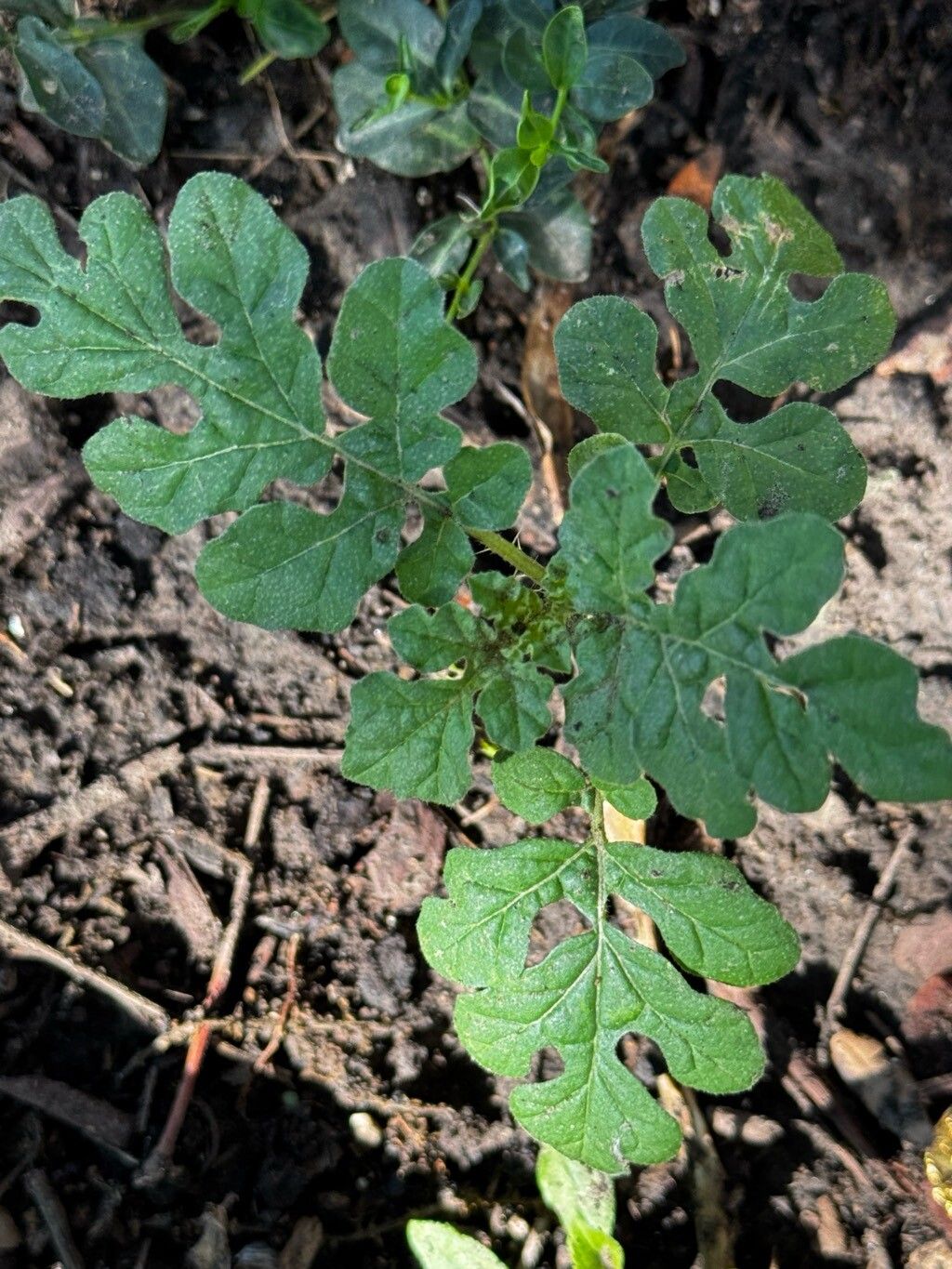
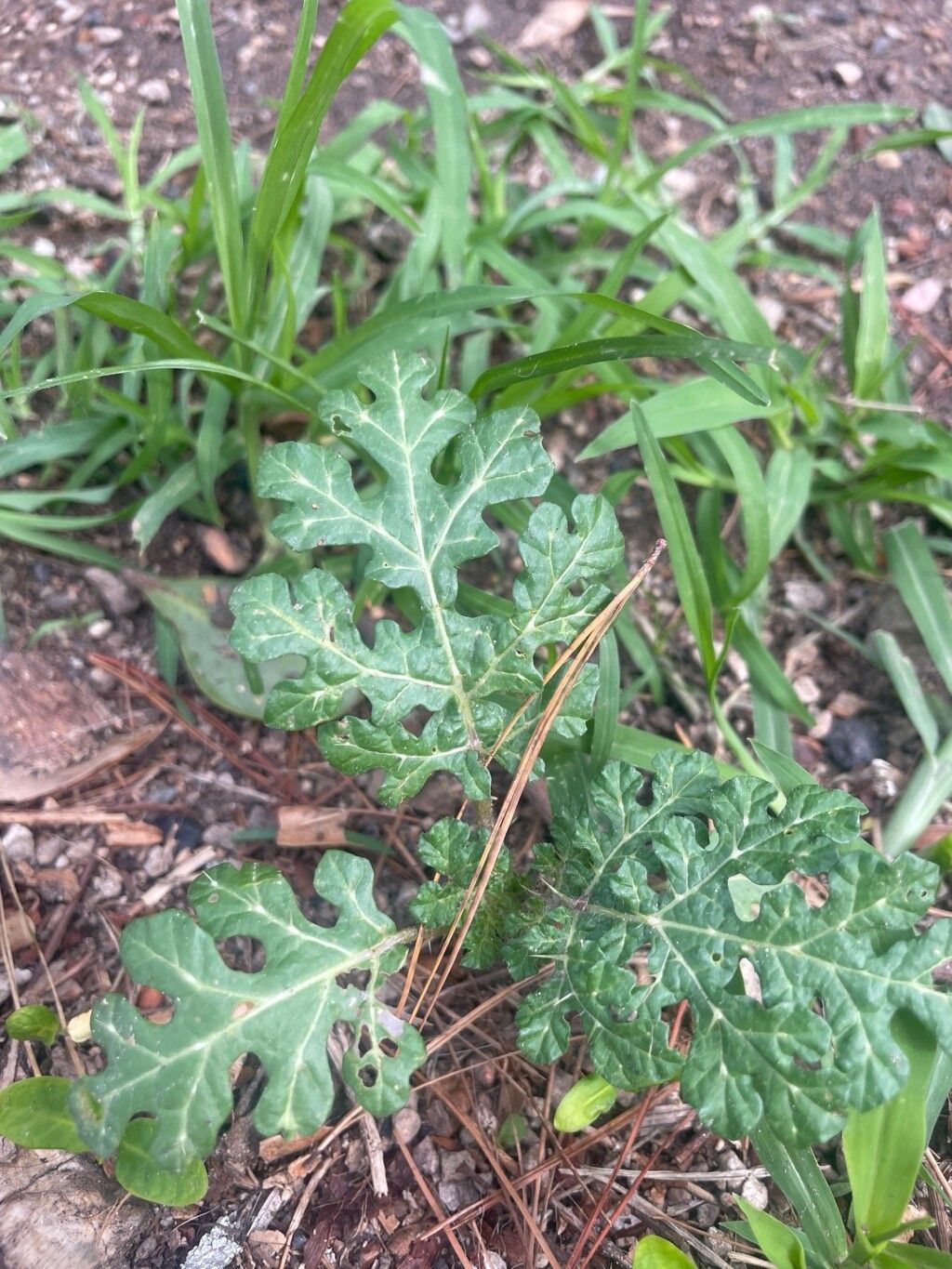
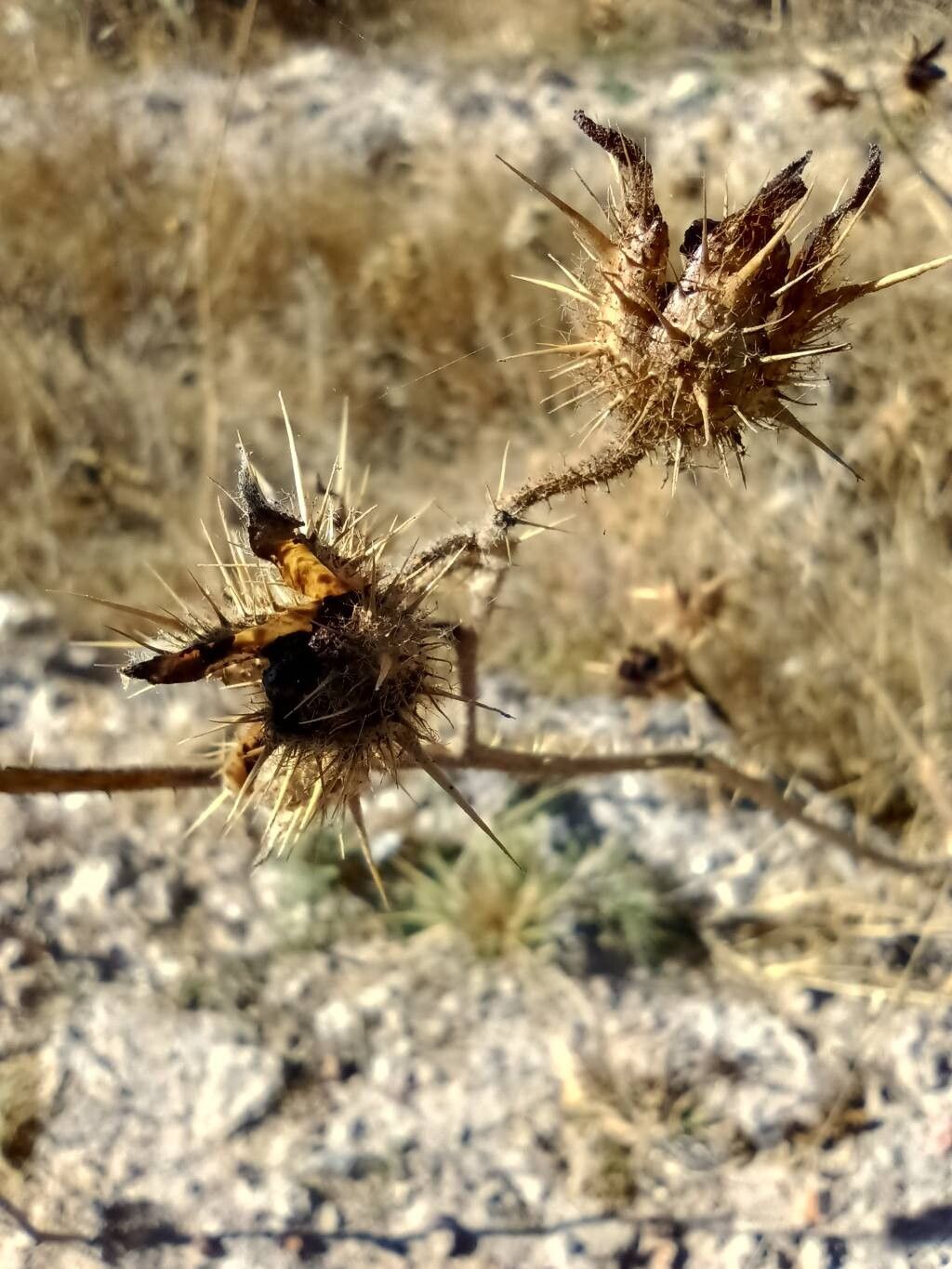
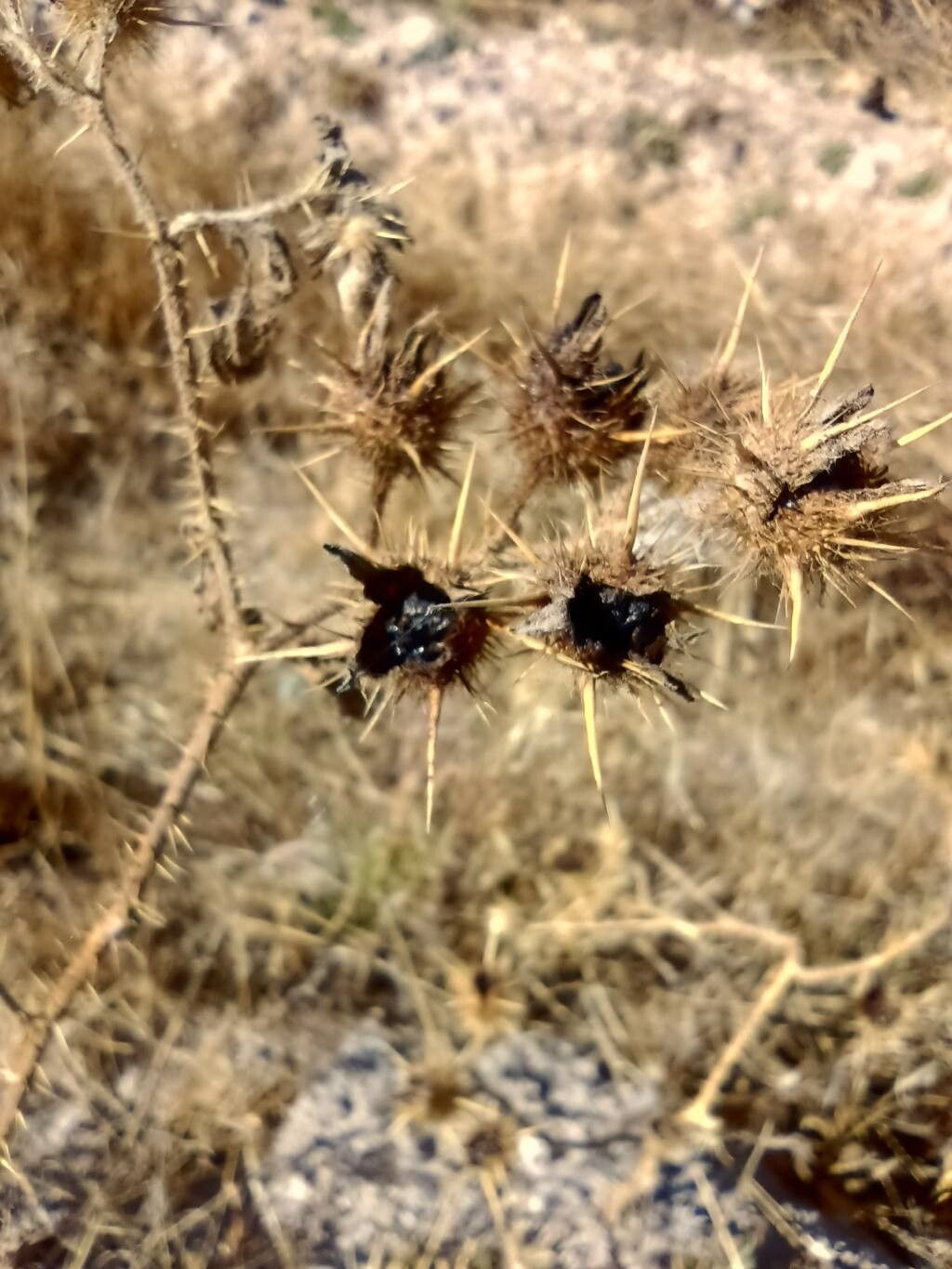
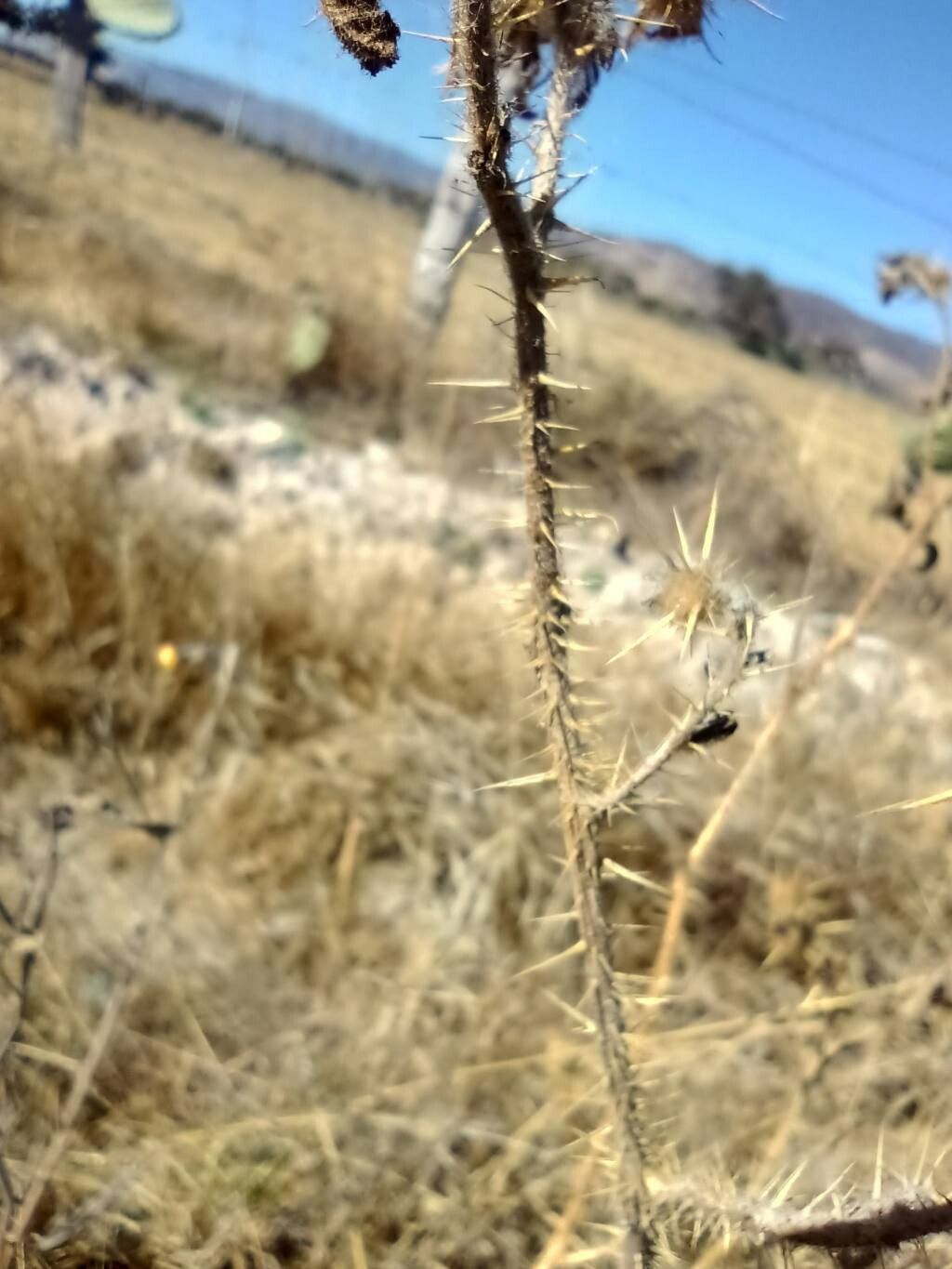
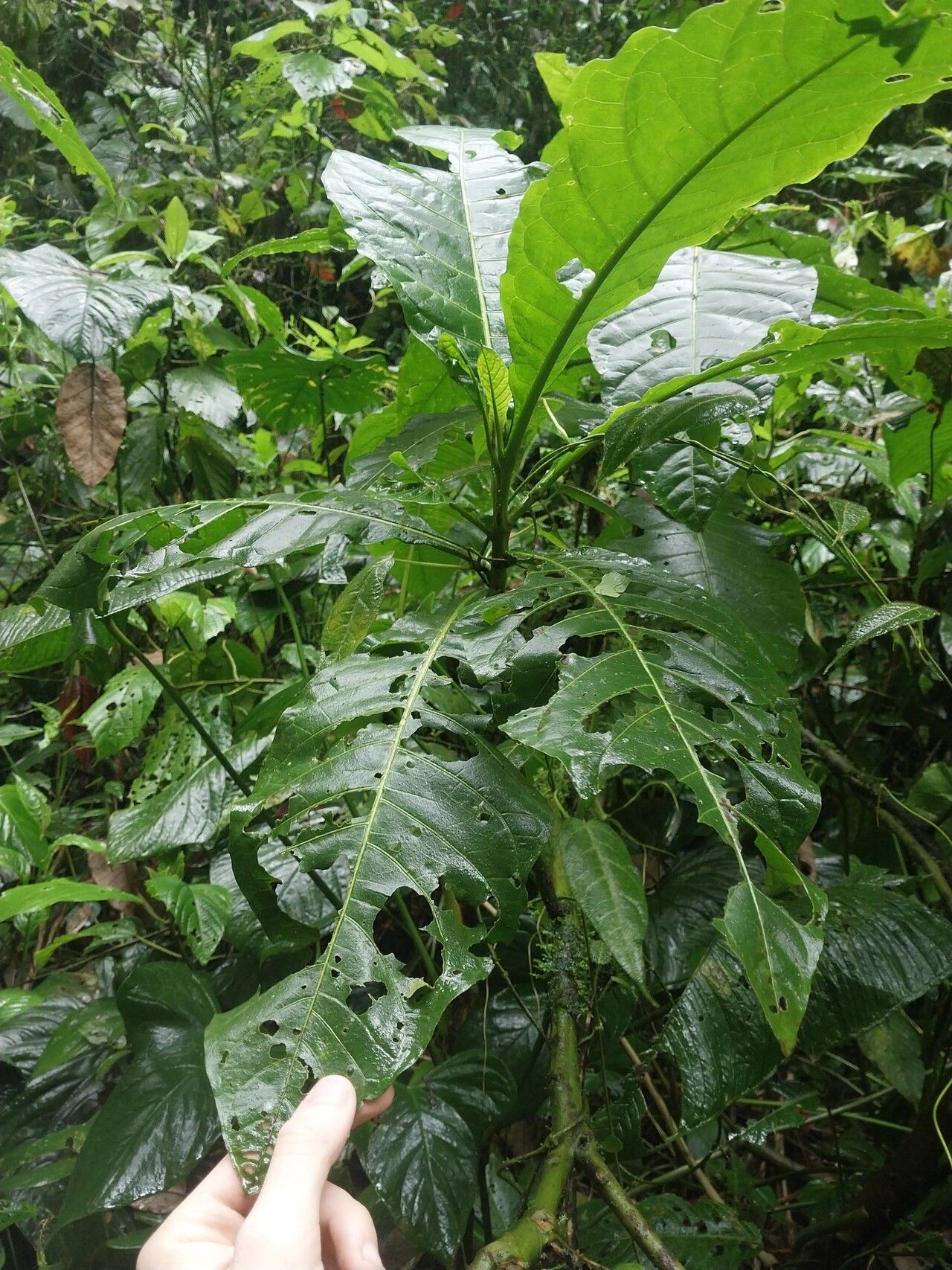
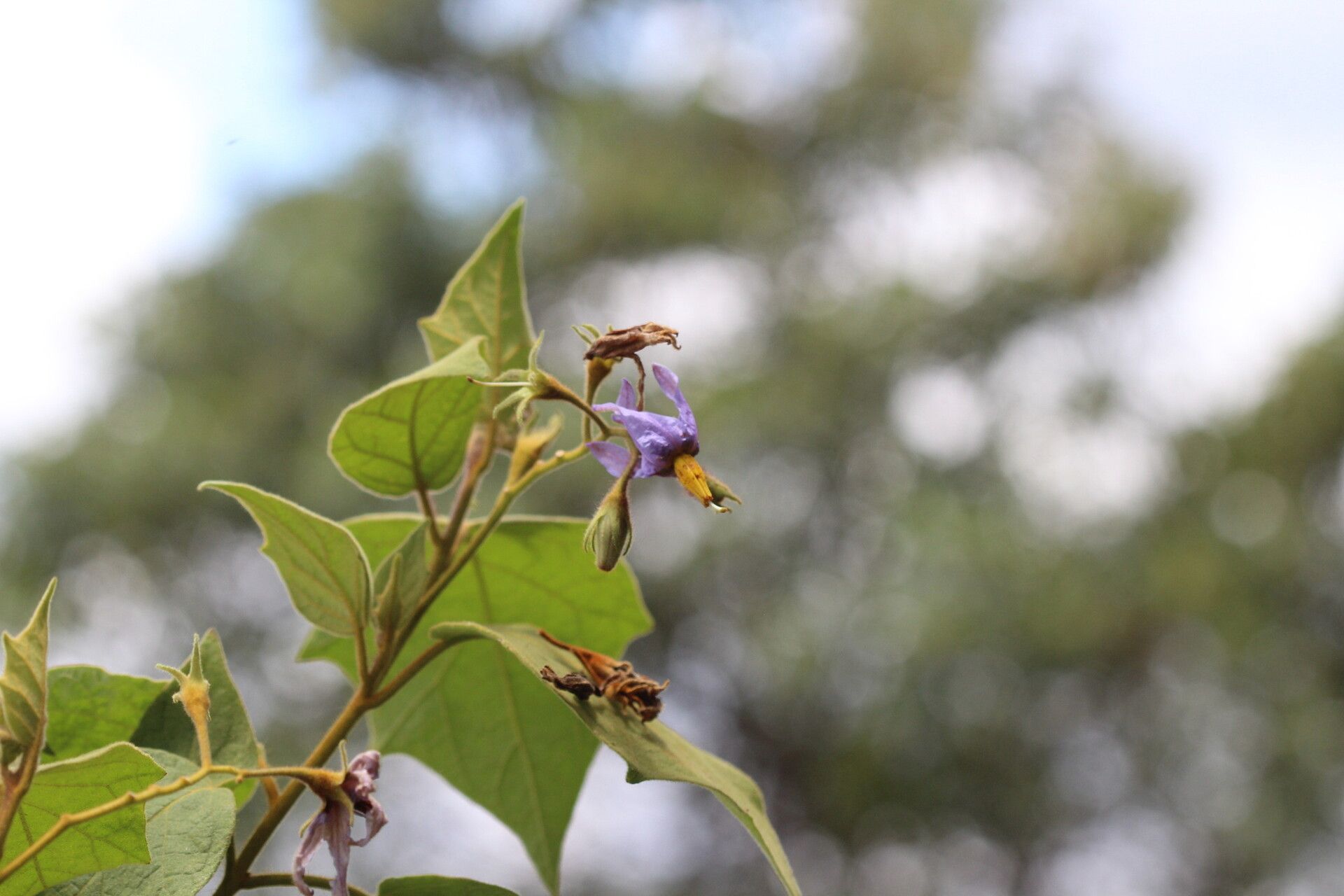
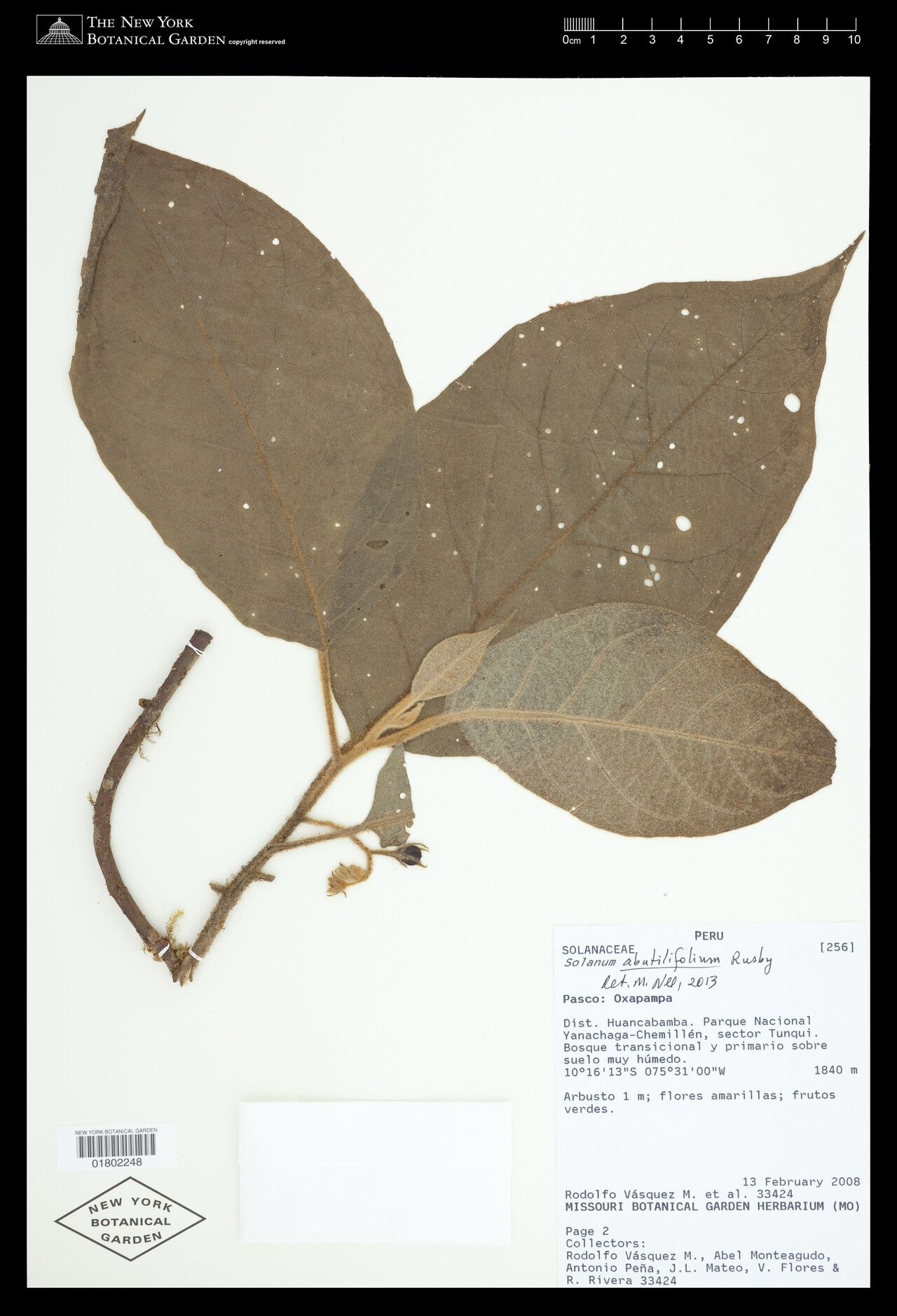
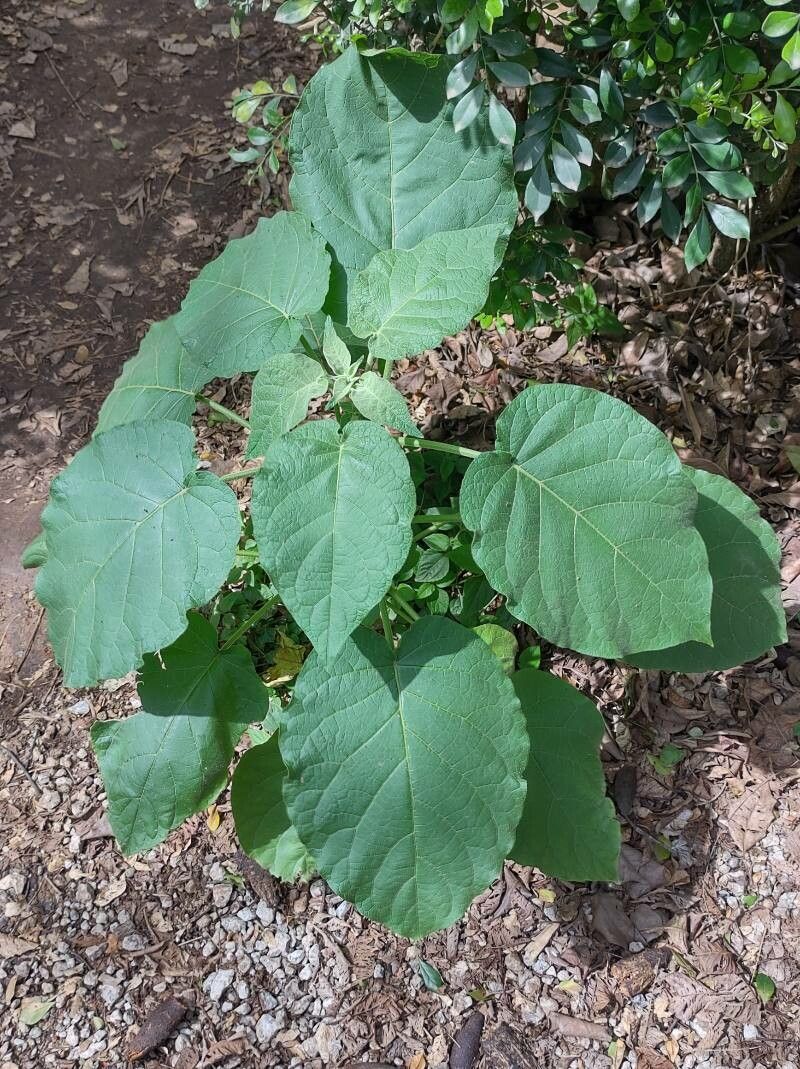
Buffalo bur has strong resistance to disease and is generally not prone to illnesses. Still, it can be affected by pests and diseases present in the surrounding area. These problems are typically not serious. Regarding care, this plant is moderate in maintenance. It should be pruned regularly to preserve a neat appearance and support healthy growth. Applying fertilizer can also encourage blooming. Buffalo bur is well suited for anyone with outdoor space, such as a garden or patio, and does not require extensive care experience. When kept indoors, it may need more attention.
How to keep Solanum Angustifolium.
Light
Buffalo bur grows best with abundant sunlight, though it can also tolerate shaded conditions. Bright surroundings encourage its vigorous growth. Throughout its various growth stages, consistent sunlight is important. Too little or too much light can cause stunted growth. Originally, it occupied sun-drenched landscapes.
Temperature
Buffalo bur naturally occurs in habitats with temperatures between 68 and 95°F (20 and 35°C). It prefers warm climates and performs best at the higher end of that range. In cooler seasons, consider using a greenhouse or other heating methods to keep conditions within its preferred temperature range.
Fertilizer
Buffalo bur does well with regular, dilute applications of fertilizer to encourage healthy leaf development. You should apply fertilizer to Buffalo bur about once a month during the summer. Nitrogen is important for foliage, and adding nitrogen-rich sources supports Buffalo bur's growth.
Botanical profile.
- Plant Type
- Herb
- Life Cycle
- Annual
- Genus
- Solanum
- Family
- Solanaceae
- Hardiness Zone
- 7-10
- Mature Height
- 30 cm to 91 cm
- Mature Spread
- 15 cm to 46 cm
- Leaf Color
- Green, Blue, Bronze
- Leaf Type
- Deciduous
- Flower Color
- Yellow, Purple
- Flower Size
- 2.54 cm
- Bloom Time
- Early summer, Mid summer
- Planting Time
- Spring
- Harvest Time
- Mid summer
- Native Area
- Honduras, Mexico, Guatemala
Other names.