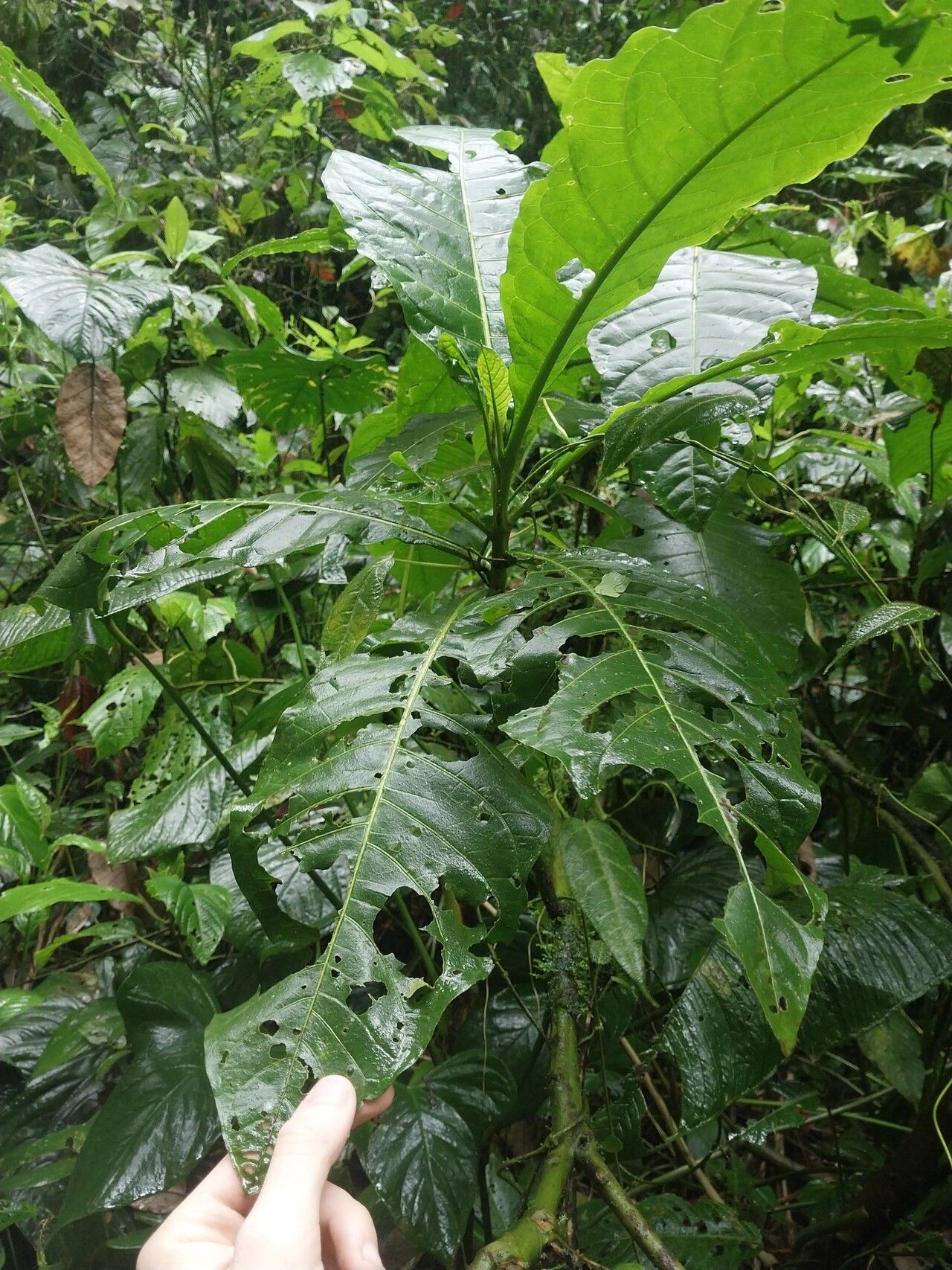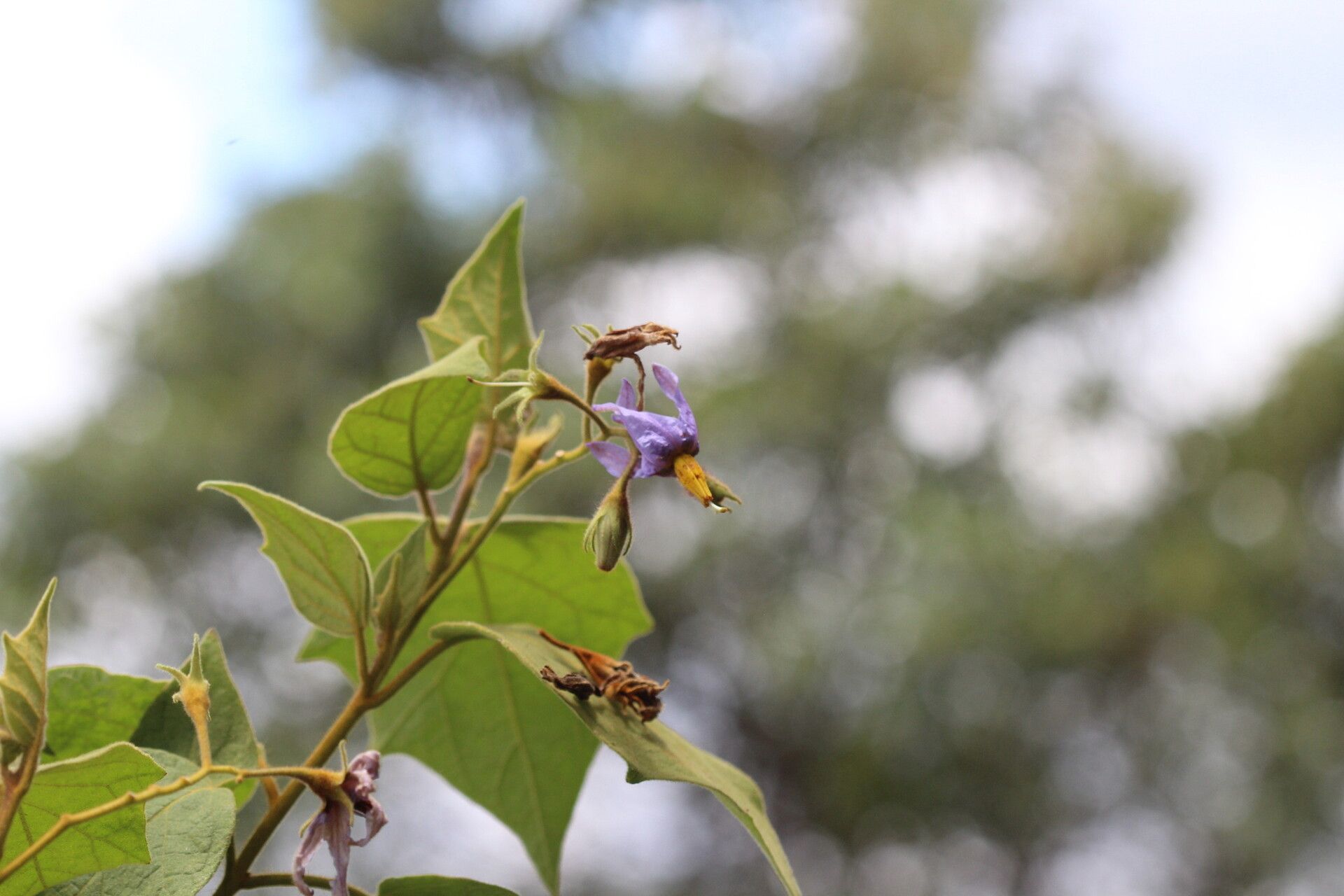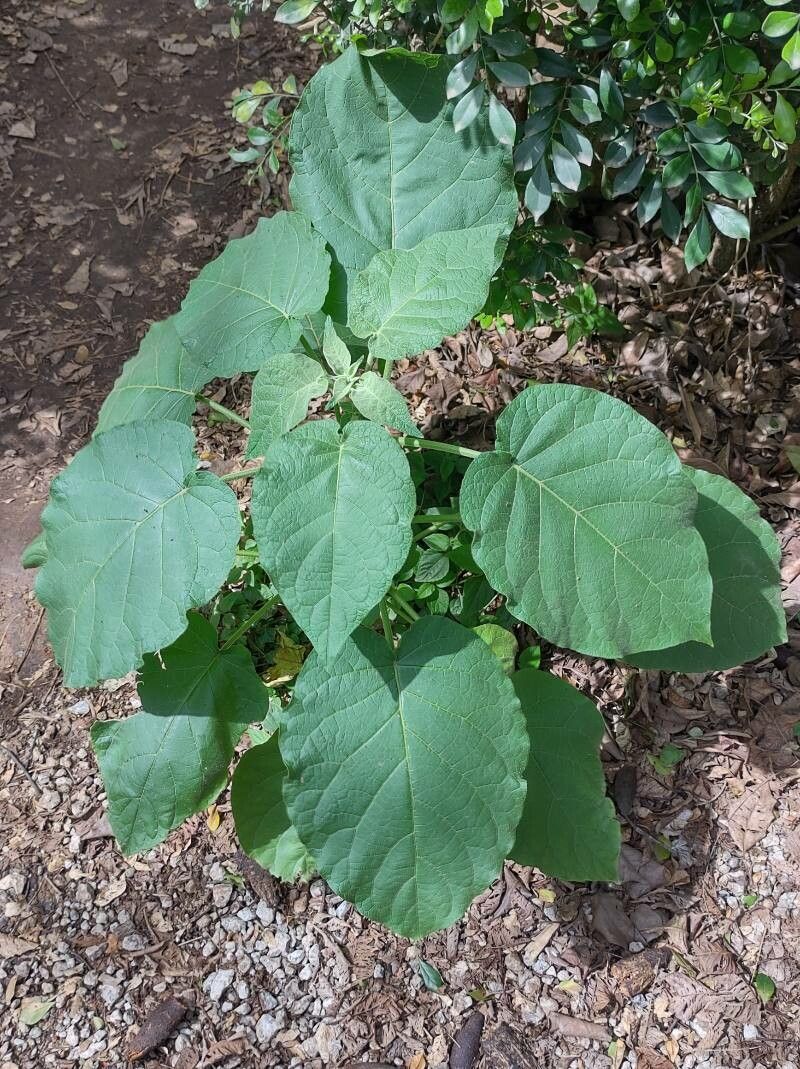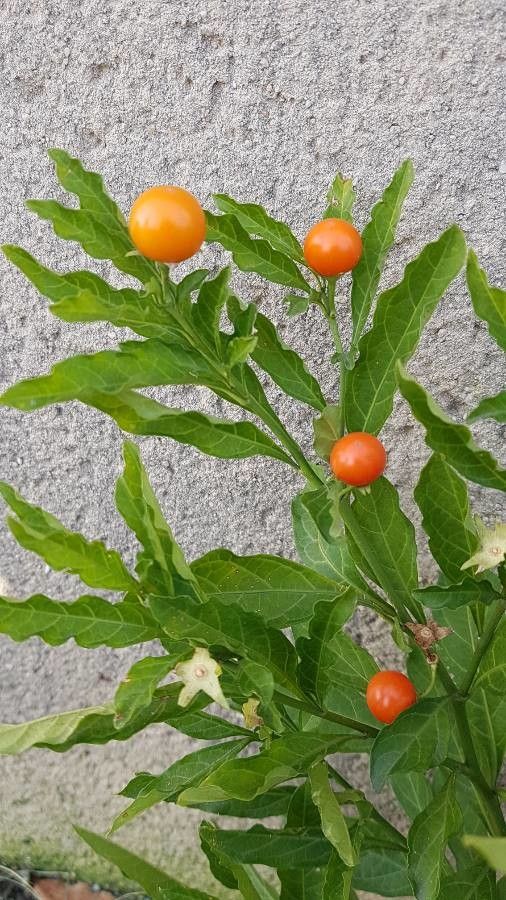
Solanum pseudocapsicum is a nightshade species with mildly poisonous fruit. It is commonly known as the Jerusalem cherry, Madeira winter cherry, or, ambiguously, "winter cherry". These perennials can be grown decoratively as house plants, but in some areas of South Africa, India, Australia and New Zealand it is regarded as a weed.
Jerusalem cherry has a fairly high level of disease resistance and is generally not susceptible to illnesses. However, when the plant is maintained in a poor environment it can become more prone to disease. It also has few insect pests. Regarding care, the plant has moderate requirements. It needs plenty of sunlight because inadequate light can make it more vulnerable to disease and cause thin, leggy growth. Since it is often kept indoors, it may need to be relocated regularly to a bright spot. It does not need frequent watering. Overall, Jerusalem cherry is suitable for most people, though it is best for those who can provide good light conditions.
How to keep Solanum Capsicastrum.
Light
The Jerusalem cherry thrives in full exposure to light for optimum growth. During its unique growth stages, it benefits from this generously lit environment that is similar to its original habitat. Being in this abundant light encourages thriving. However, excessive or inadequate light can impact the vitality of the Jerusalem cherry.
Humidity
This plant will thrive in moderate humidity, which is probably the level in your home. However, misting it a few times a week can be very beneficial. Make sure the room has good ventilation.
Temperature
The jerusalem cherry plant grows best in warm conditions and prefers temperatures between 68 to 100 ℉ (20 to 38 ℃). It is native to tropical regions and therefore must be protected from frost and very cold temperatures in winter. During the summer months it benefits from partial shade and adequate humidity in the air to maintain moisture.
Fertilizer
For the upkeep of Jerusalem cherry, fertilization plays a key role. Continuous feeding throughout the growth phase is necessary to maintain energy for the flamboyant leaves and aid in general growth. If fertilization is overlooked, it can lead to ill leaves, reduced decorative charm, and inhibited or frail growth which is susceptible to snapping.
Pot & Repot
When transplanting a Jerusalem cherry, opt for a pot that is 1-2 inches (2.5-5 cm) wider and has plenty of drainage. Employ a potting mix that drains effectively. Carry out the repotting process either in spring or autumn, making certain that the root ball sits a little lower than the flower pot's rim. After repotting, water the plant comprehensively and position it in a warm location with indirect sunlight.
Botanical profile.
- Plant Type
- Shrub
- Life Cycle
- Perennial
- Genus
- Solanum
- Family
- Solanaceae
- Hardiness Zone
- 9-11
- Mature Height
- 0.91 m to 2.13 m
- Mature Spread
- 34 cm
- Leaf Color
- Green
- Leaf Type
- Evergreen
- Flower Color
- White
- Flower Size
- 0.76 cm to 1.52 cm
- Bloom Time
- Late spring, Early summer, Mid summer
- Planting Time
- Spring, Summer
- Harvest Time
- Early spring, Mid summer, Late summer, Fall, Winter
- Native Area
- Colombia, Bolivia, Venezuela