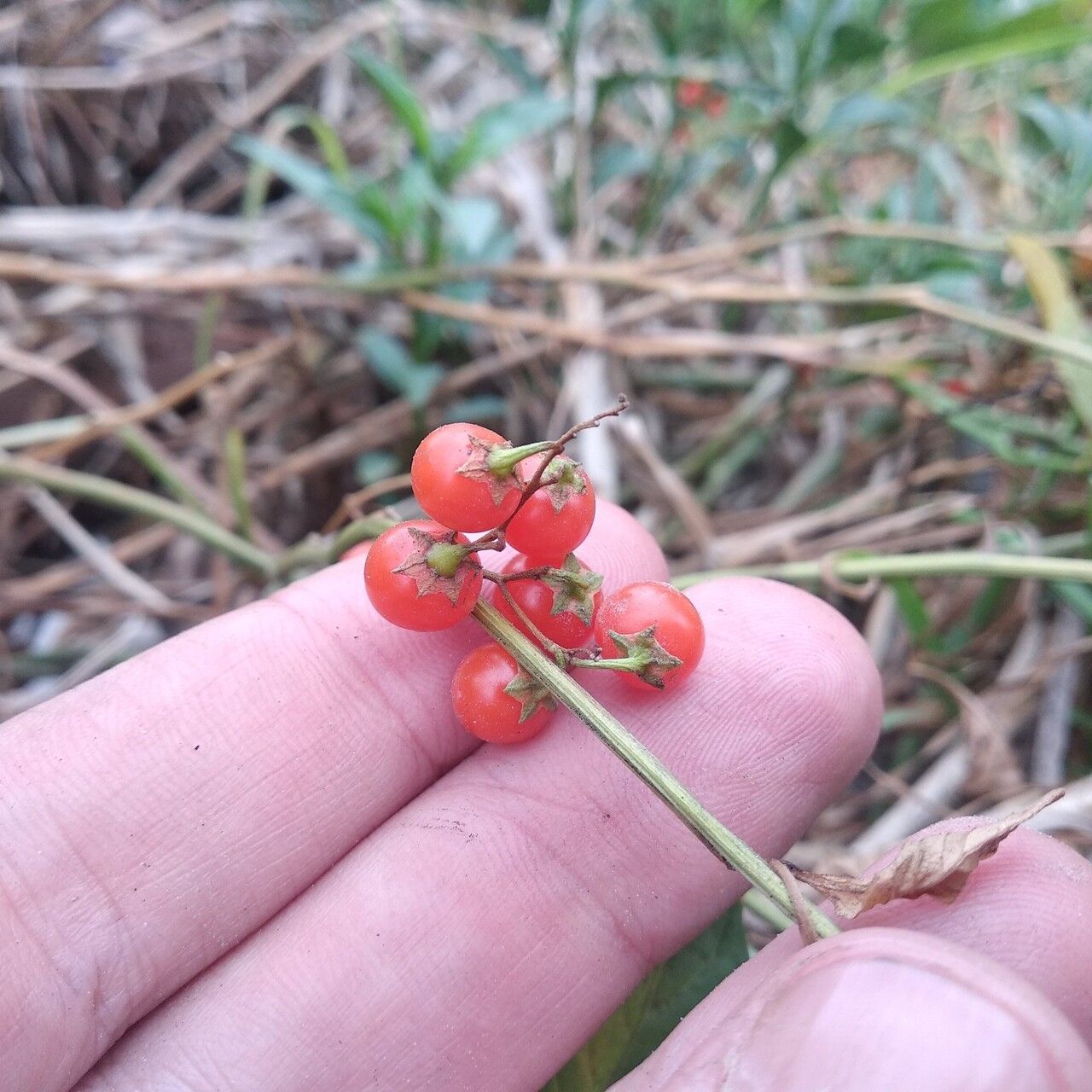
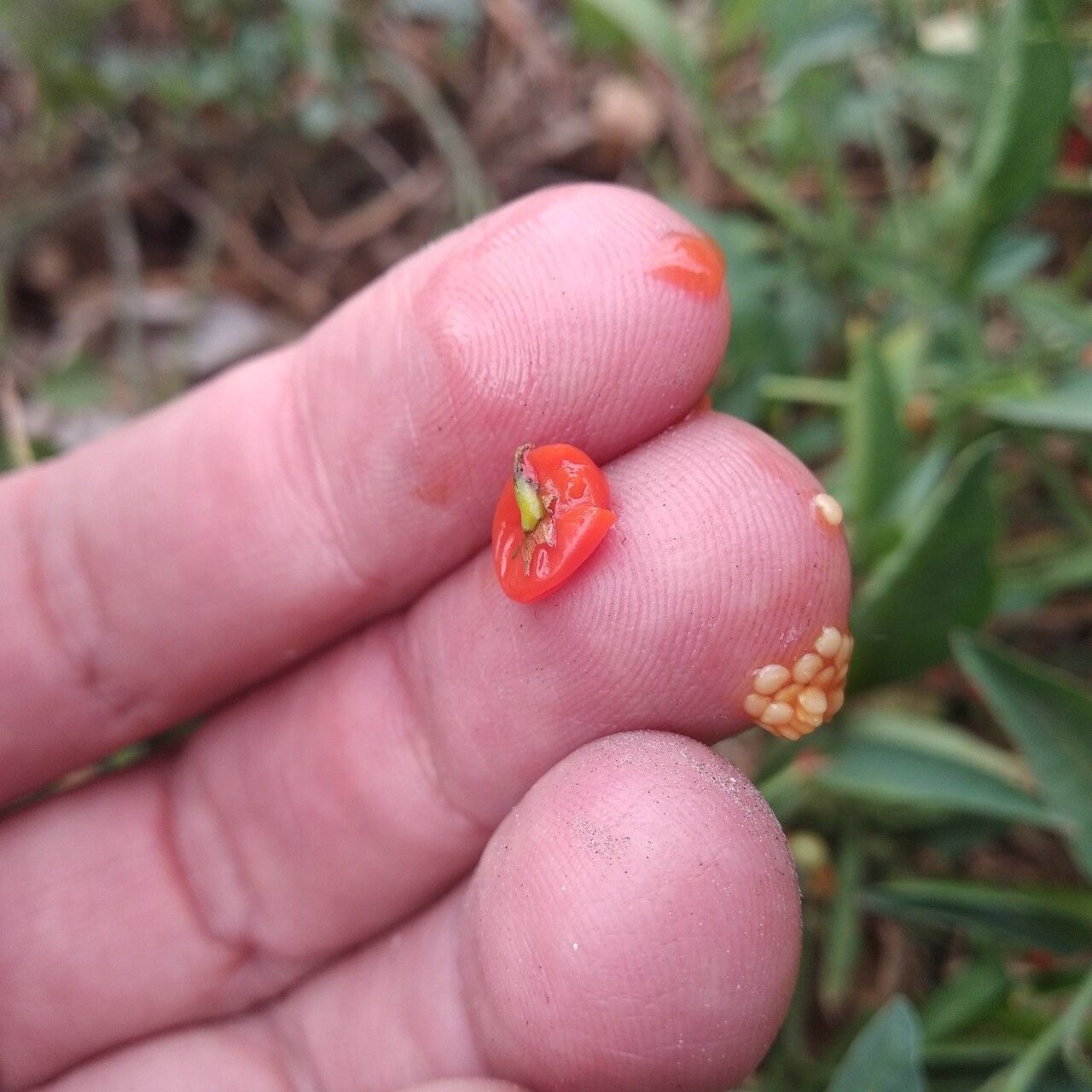
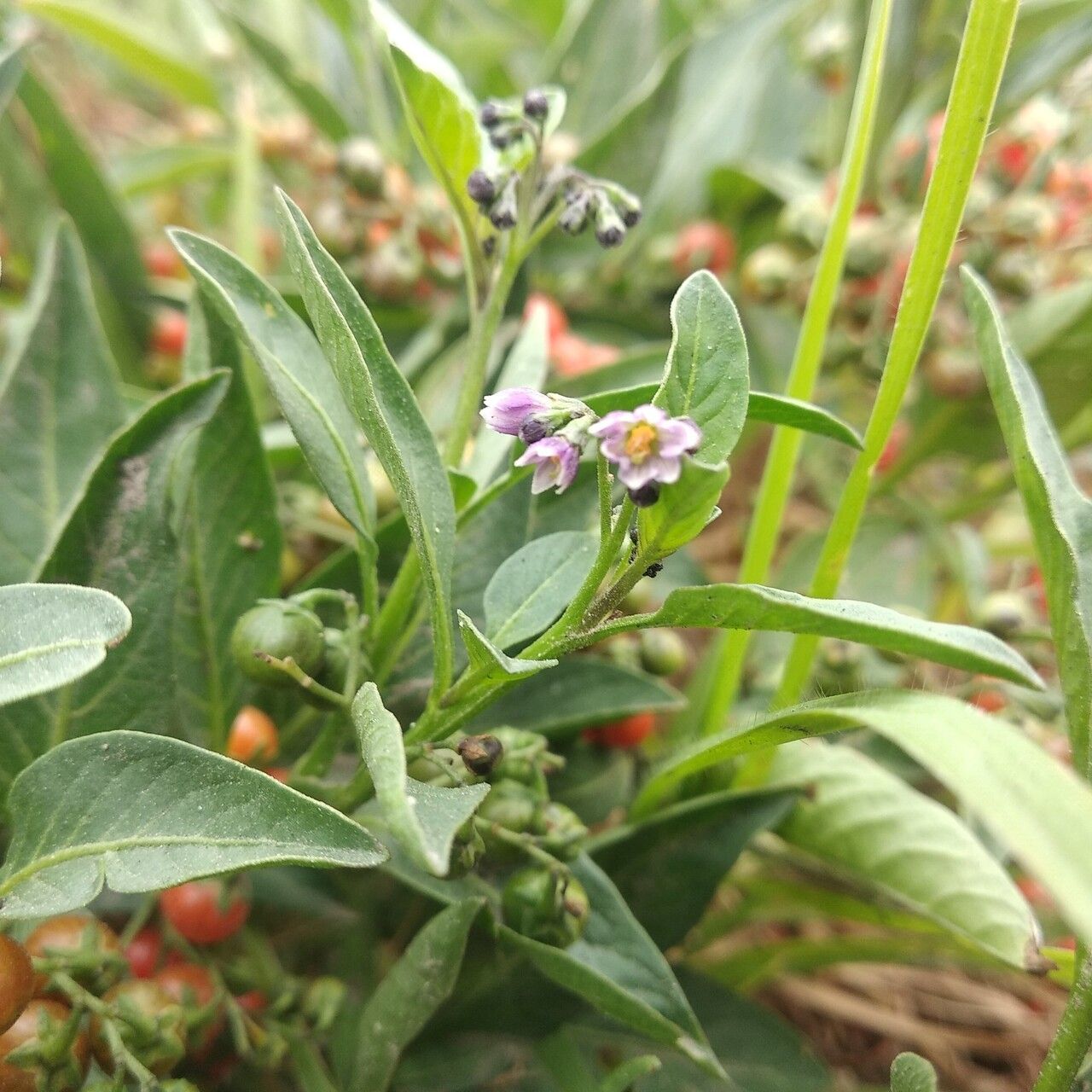
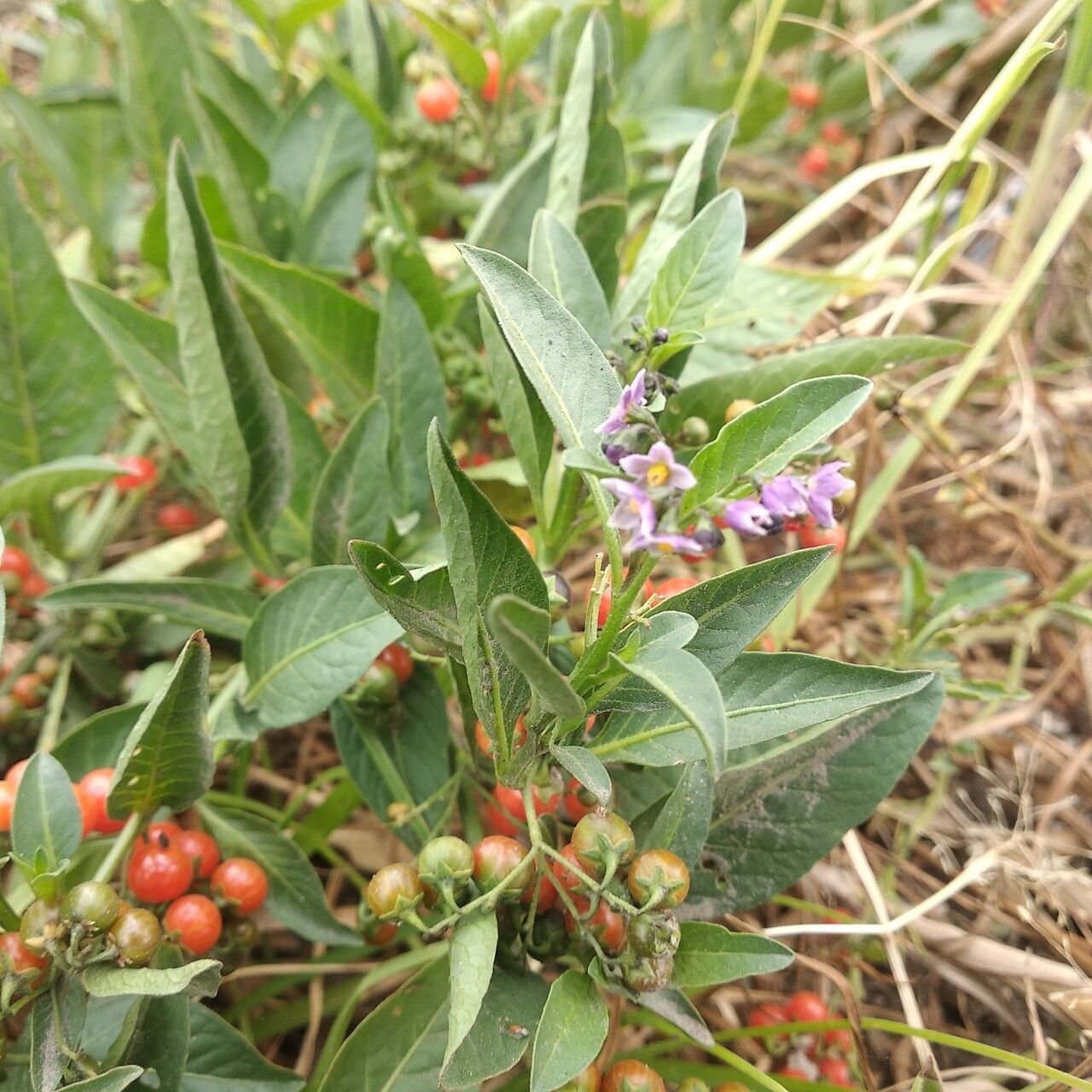
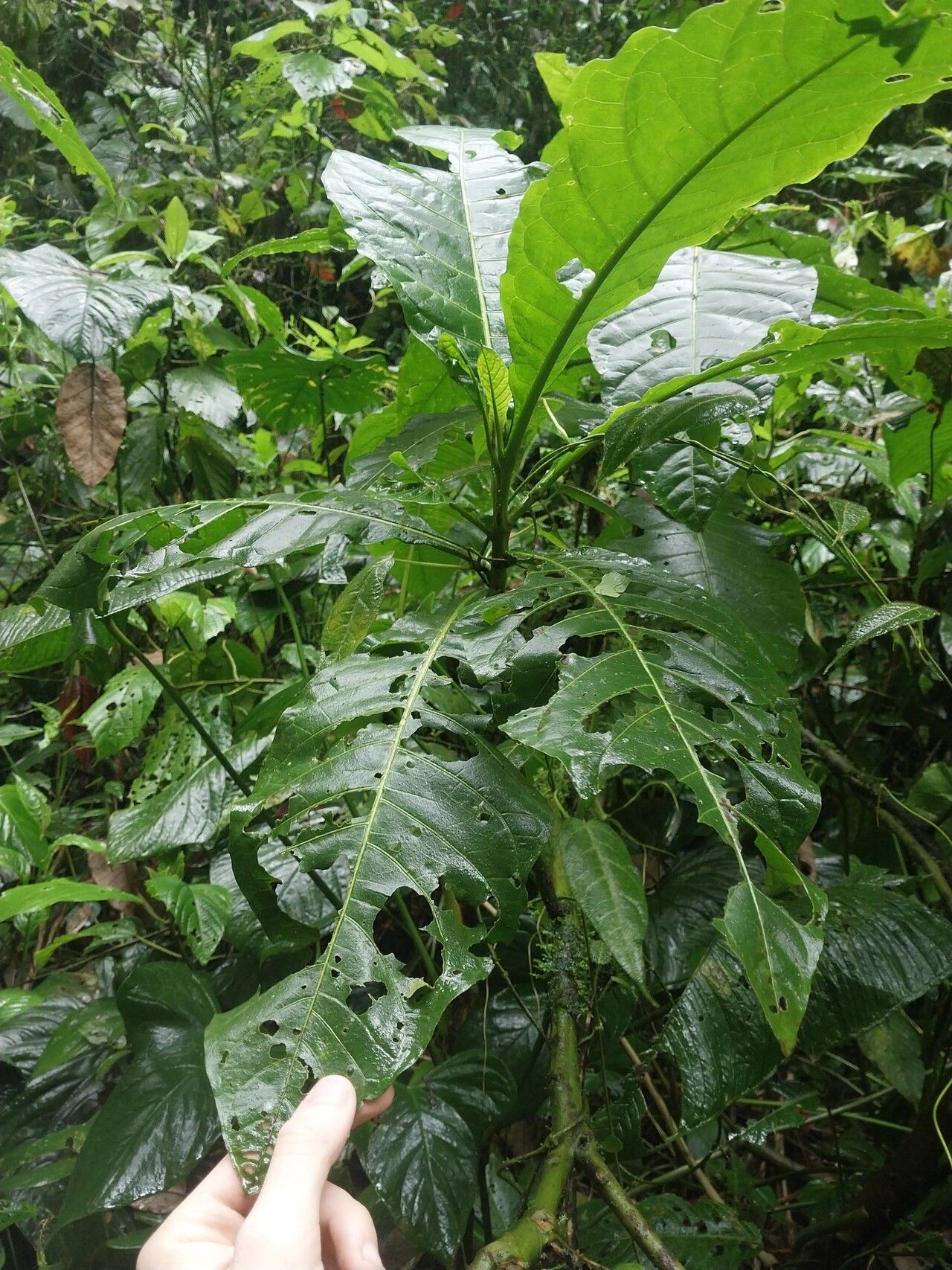
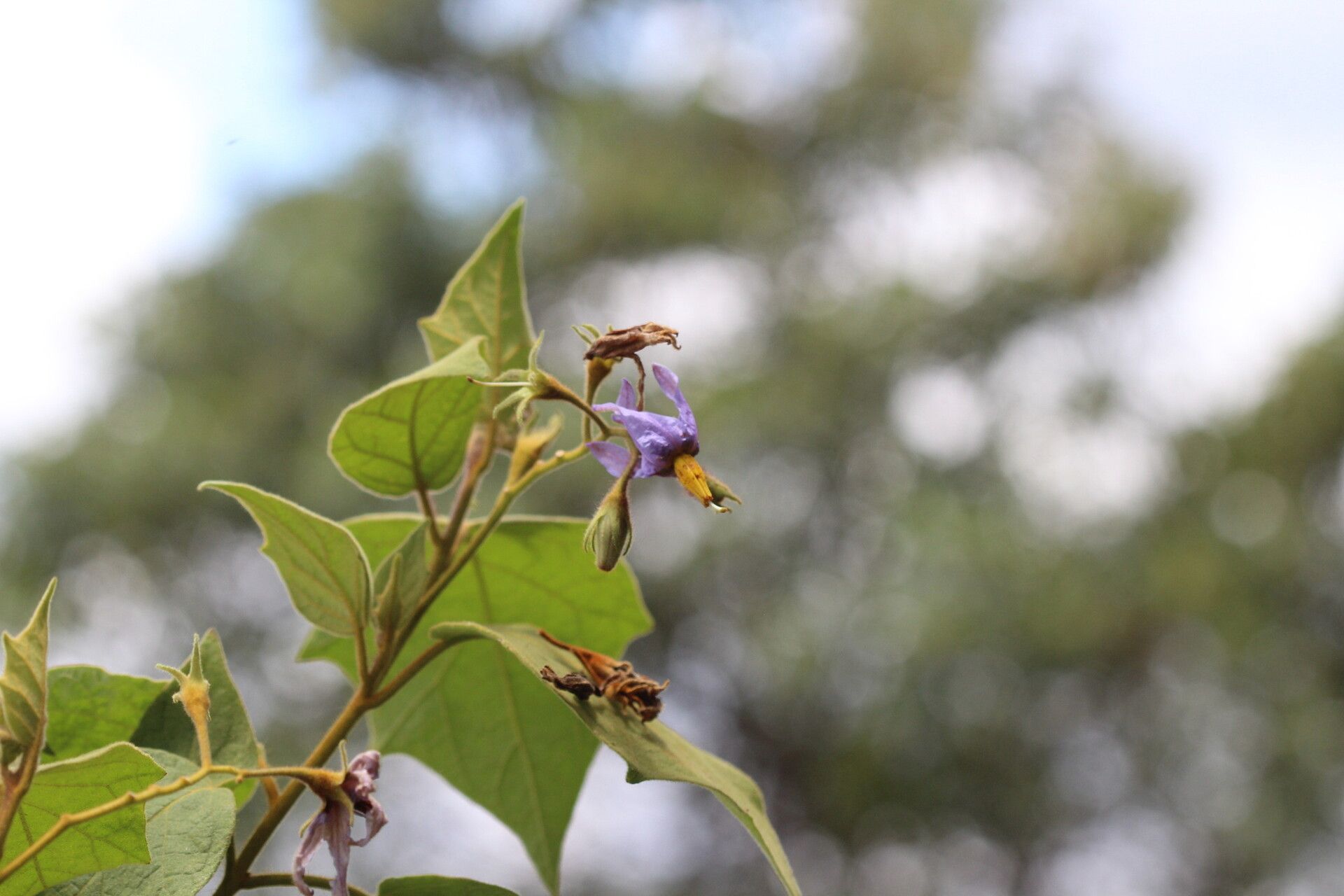
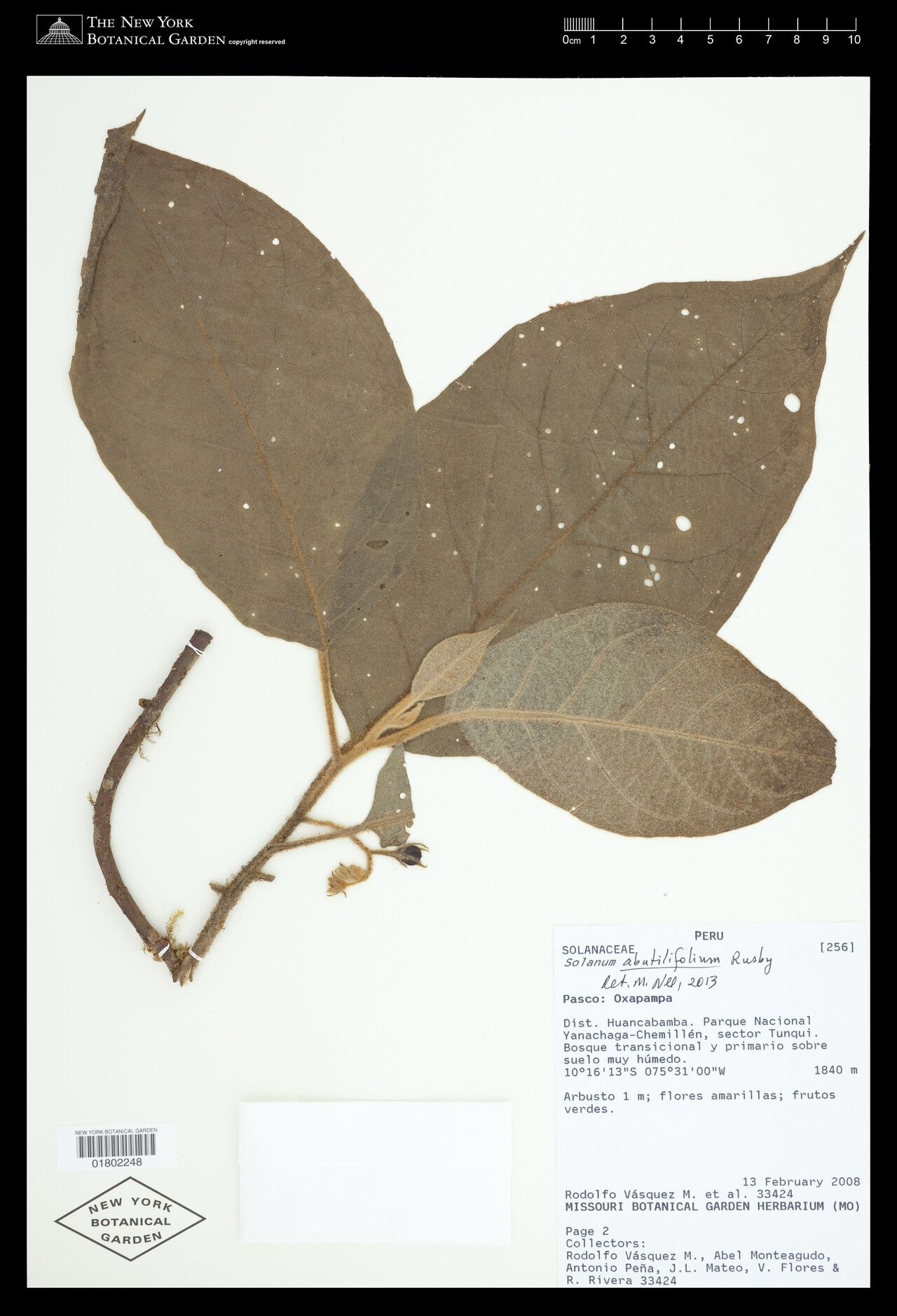
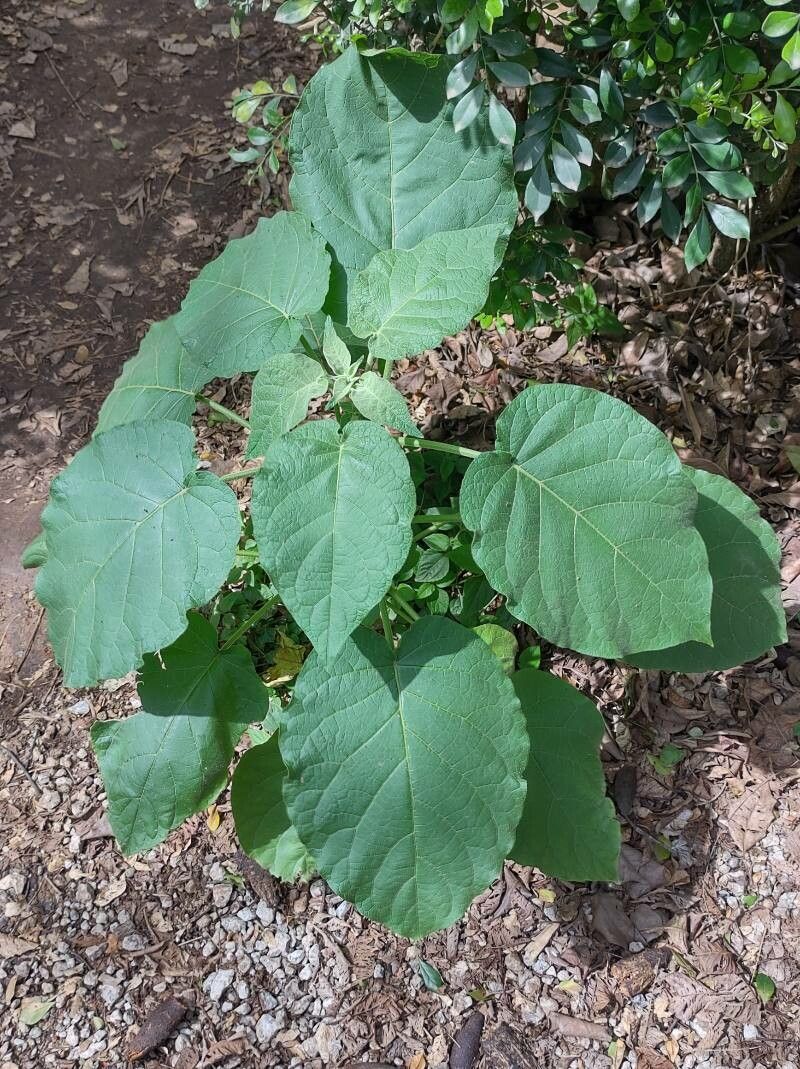
Potatotree has strong resistance to disease and is usually not susceptible to illnesses. Regarding maintenance, this plant is fairly low-maintenance. When grown outdoors it needs only infrequent watering, and mature specimens typically do not require pruning. Young or smaller plants, however, should be pruned after they finish blooming. Potatotree is appropriate for anyone who has an outdoor area, such as a garden or a deck, and it does not demand extensive gardening experience.
How to keep Solanum Corymbosum.
Light
The Potatotree flourishes with prolonged exposure to light during the day and can moreover adapt to slightly lower light conditions. The presence of sunlight is vital for its healthy evolution, particularly during important growth stages. This plant, stemming from brightly lit environments, modulates its surroundings to suit. Insufficient light can impede growth, while overexposure could lead to harm.
Temperature
The potatotree is versatile and can tolerate diverse temperatures from 32°F to 100°F (0 to 38℃). Initially, it thrived in its original habitats with chillier temperatures but has proven to adjust well to hotter climates. For the best results, it's advisable to manage the potatotree's temperature in line with changing seasonal temperatures.
Fertilizer
For encouraging healthy development, provide nourishment to your Potatotree during the onset of spring. Periodic fertilization boosts overall wellbeing, leading to robust growth, endurance in harsh environments, and elevated resistance to diseases and pests. Adhere to a precise fertilization timetable for your Potatotree to guarantee vivid leaves with rich color and a full look.
Botanical profile.
- Plant Type
- Shrub
- Life Cycle
- Perennial
- Hardiness Zone
- 2-12
- Mature Height
- 2.13 m to 7.92 m
- Mature Spread
- 2.44 m
- Leaf Color
- Green, Dark Green
- Leaf Type
- Semi-evergreen
- Flower Color
- White
- Flower Size
- 1.02 cm to 1.78 cm
- Bloom Time
- Late spring, Summer, Early fall, Mid fall
- Planting Time
- Spring, Summer, Autumn
- Harvest Time
- Mid summer, Late summer, Fall, Early winter
- Native Area
- Belize, Honduras, Mexico, Guatemala, Dominican Republic, Nigeria, Trinidad and Tobago, Panama, Jamaica, Colombia, Bahamas, Cuba, Haiti, El Salvador, Nicaragua, Ecuador, Costa Rica