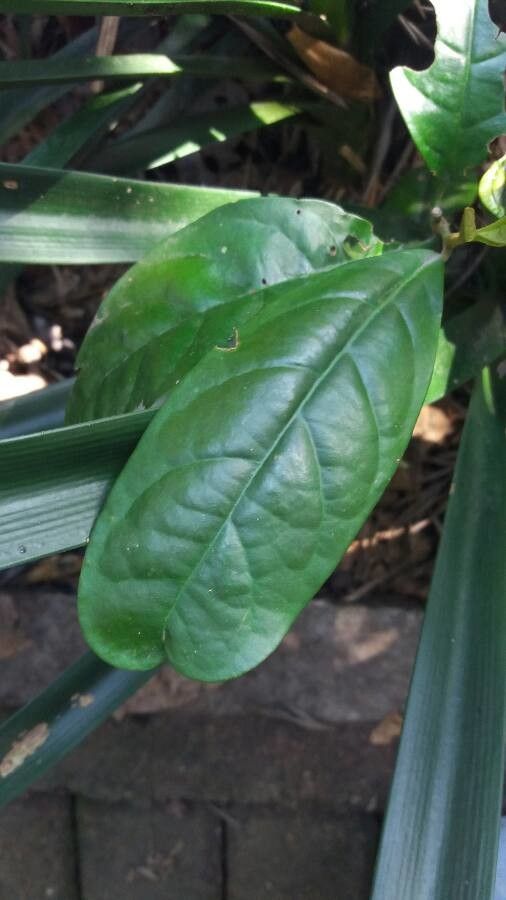
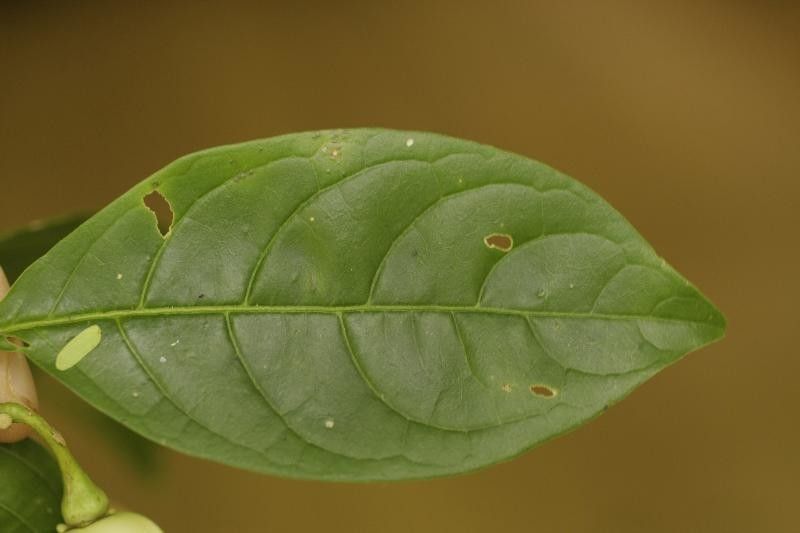
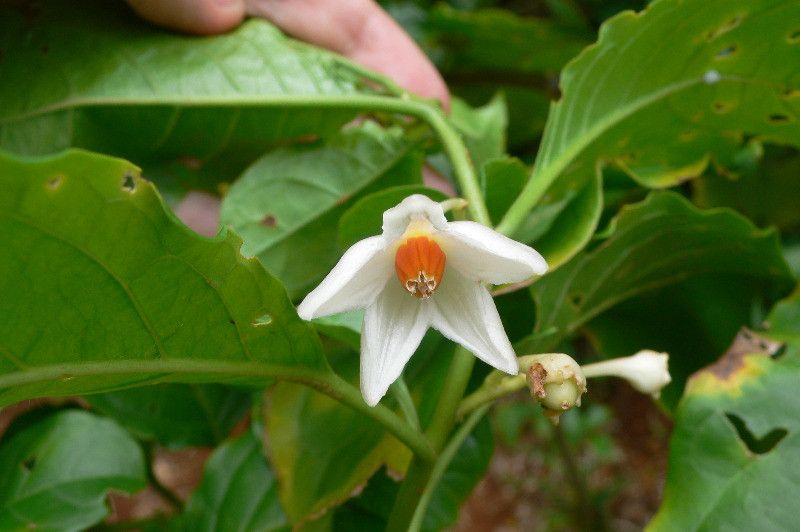
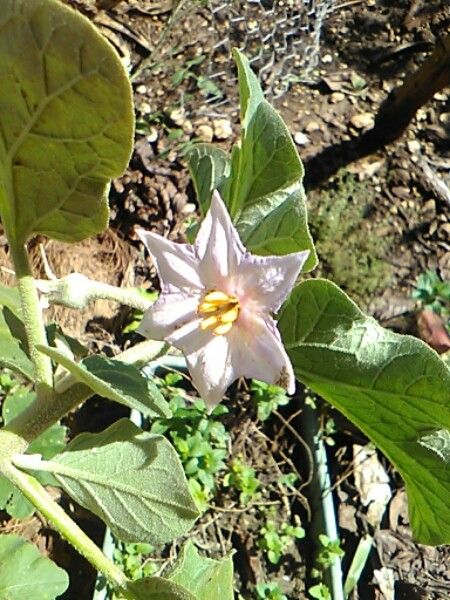
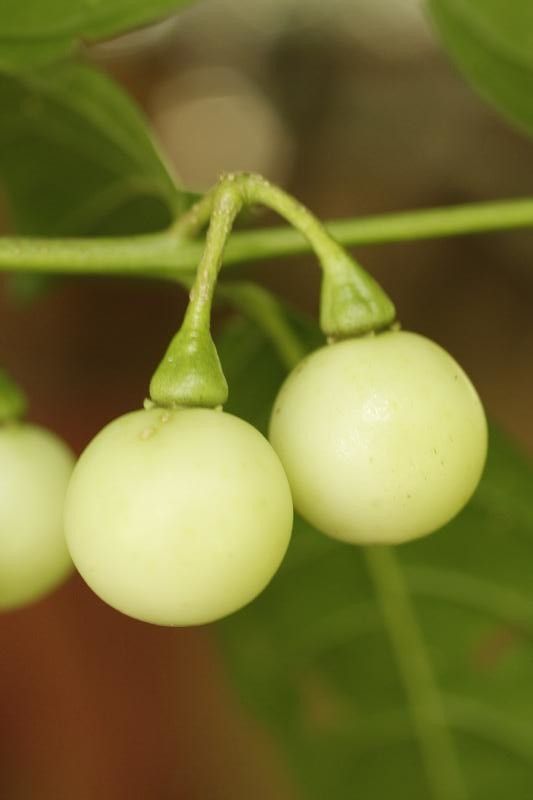
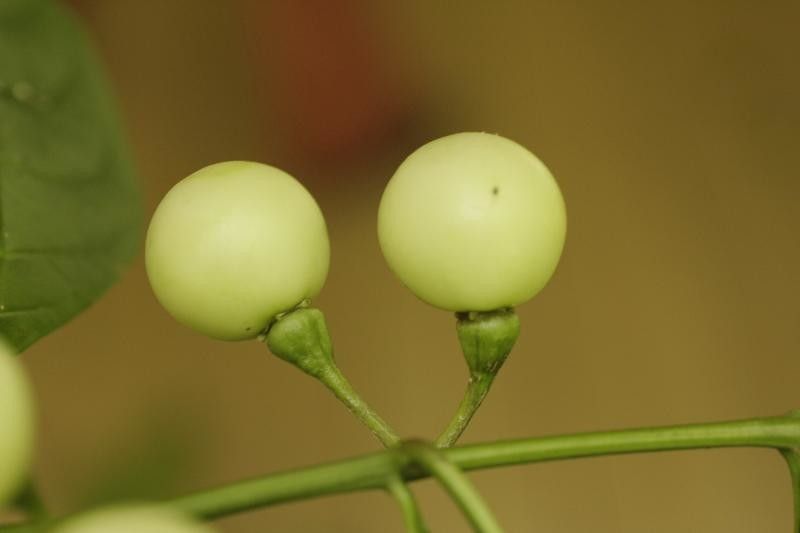
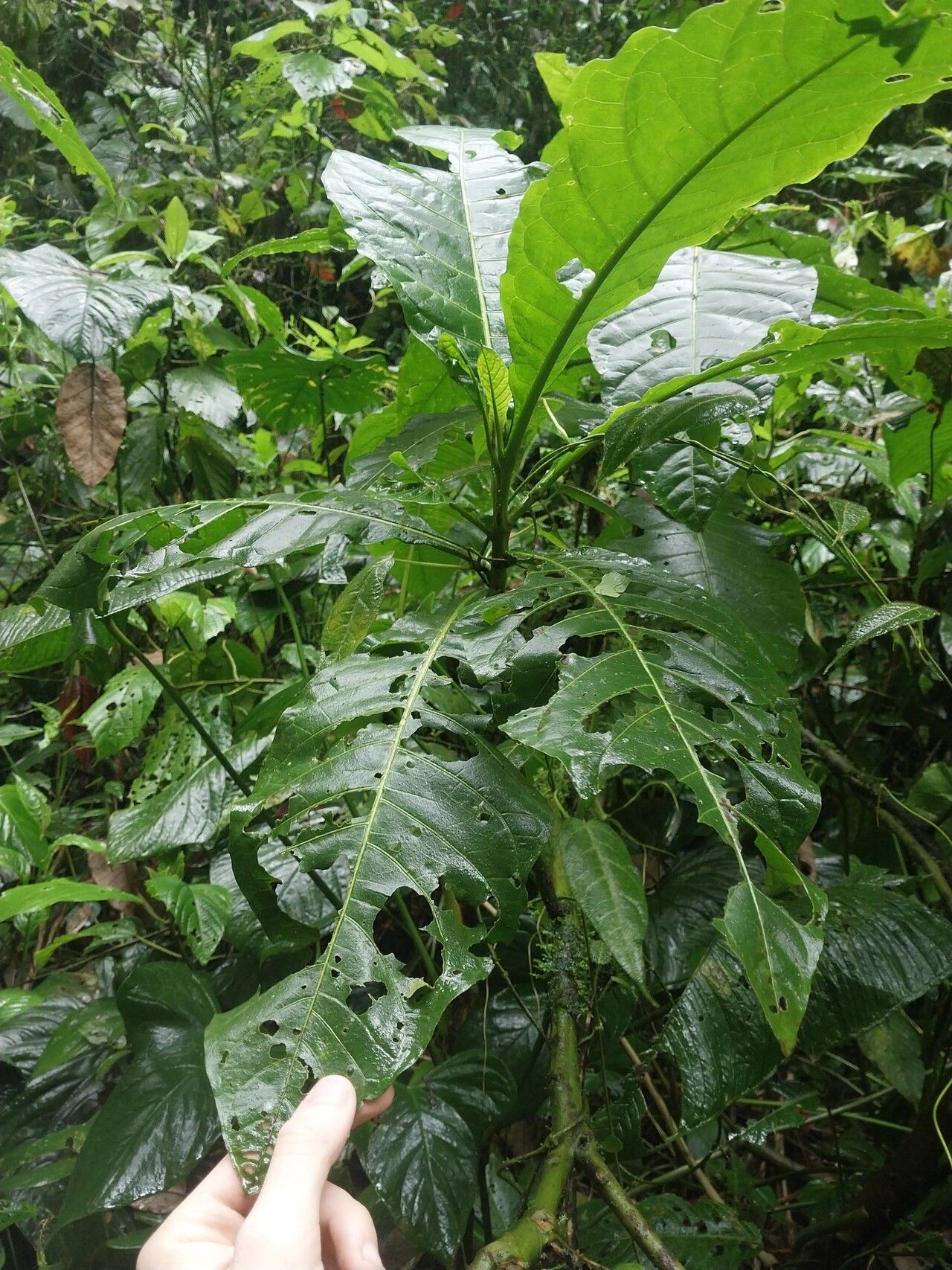
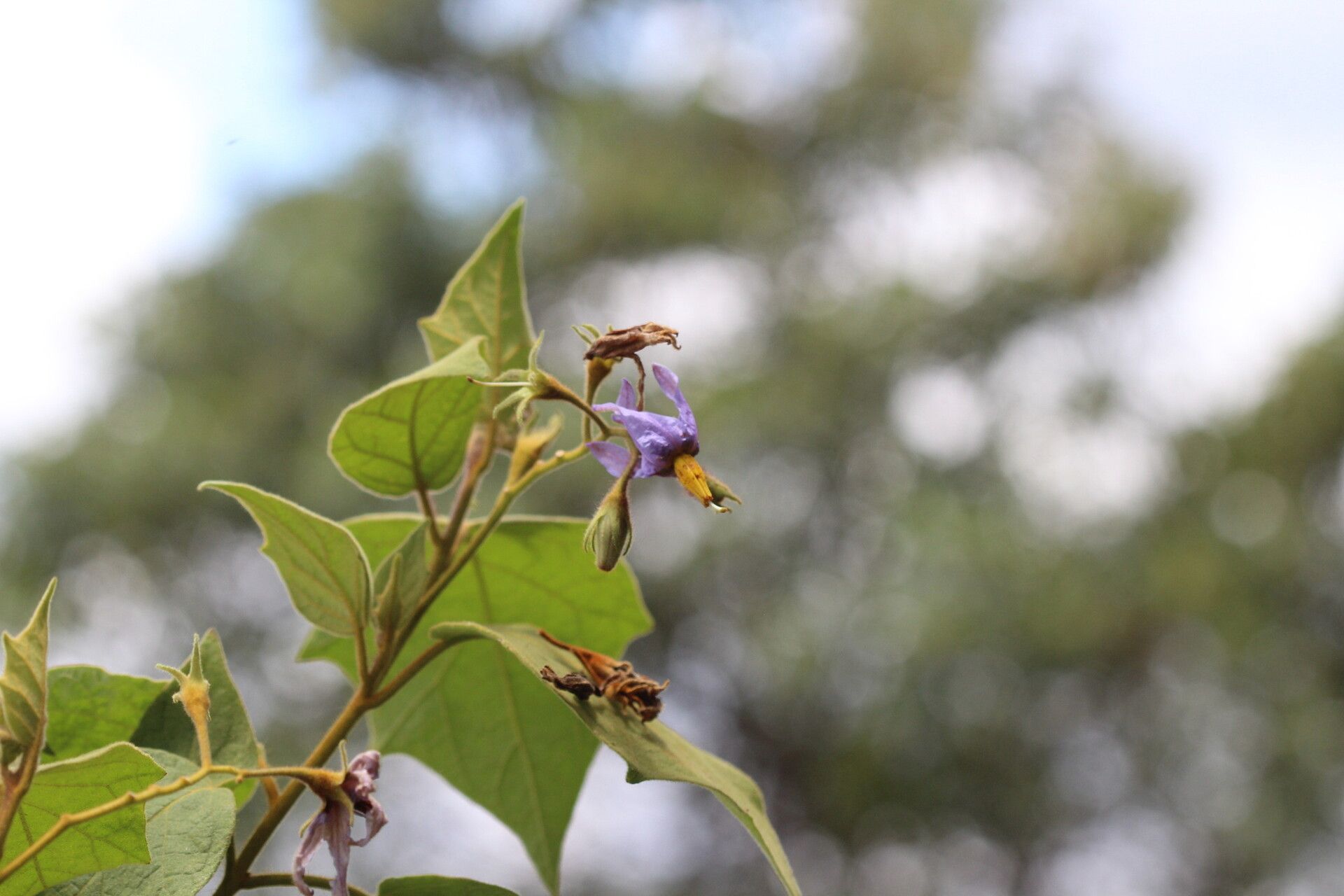
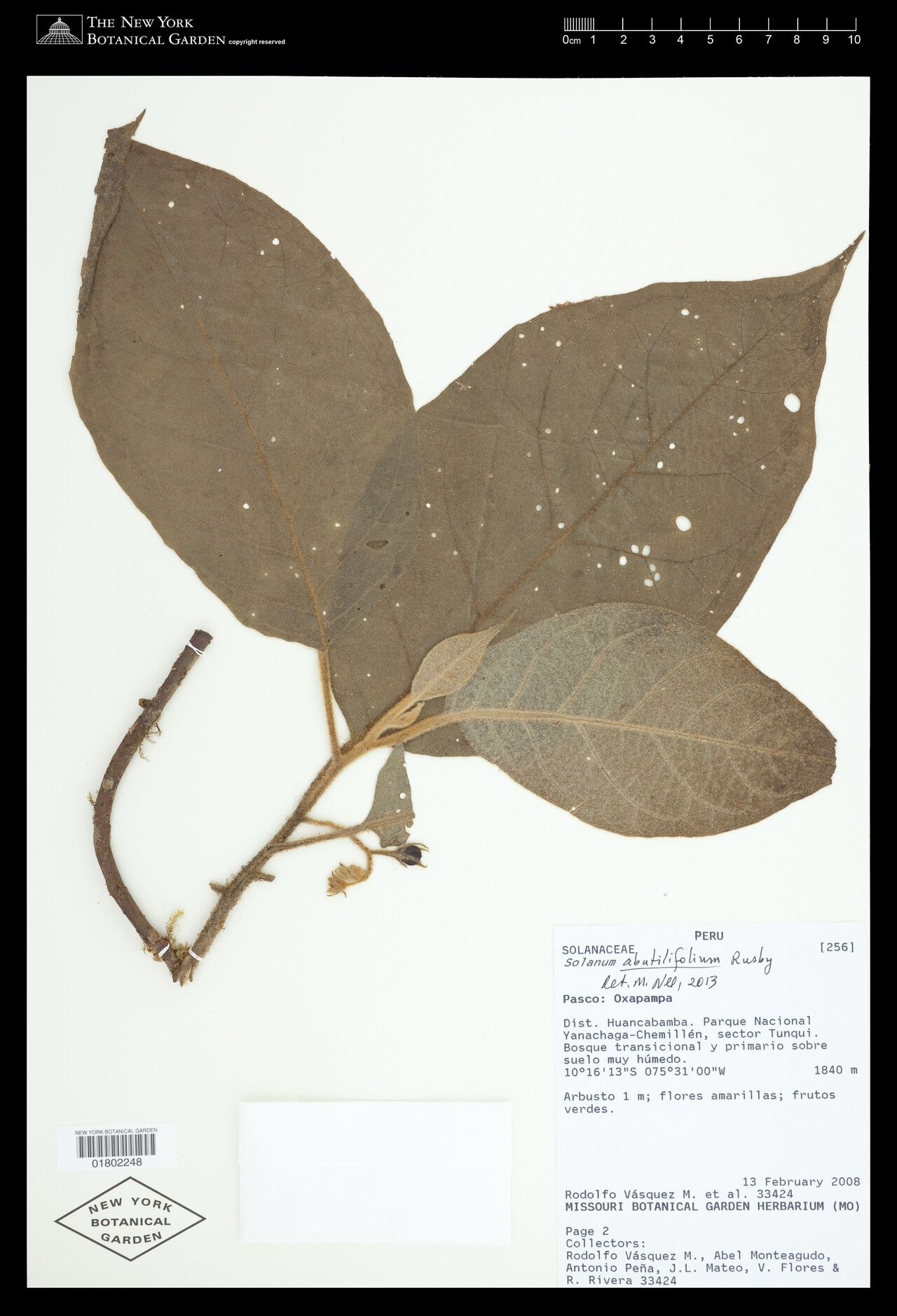
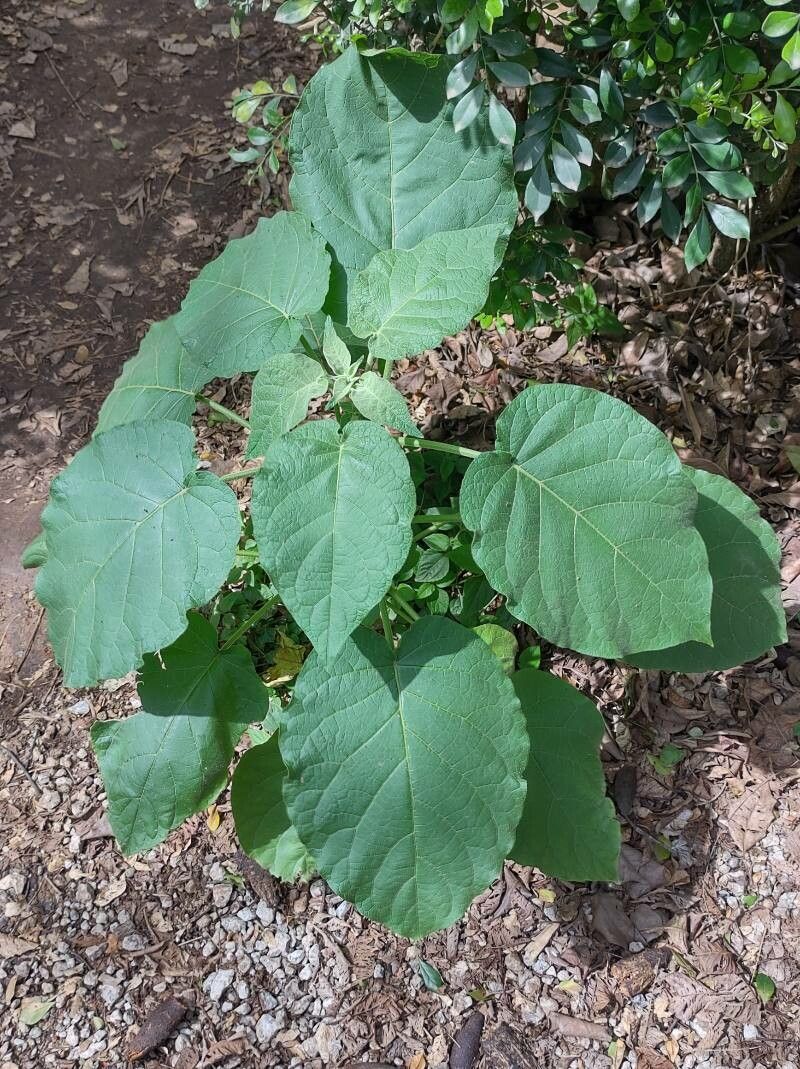
Solanum leucocarpon is resistant to disease and is typically not susceptible to illnesses. As for care, the plant is fairly low maintenance. When grown outdoors it needs little watering, and larger specimens usually do not require pruning. Smaller plants, however, should be trimmed after they finish blooming. Solanum leucocarpont is appropriate for anyone with an outdoor area, such as a garden or deck, and does not demand extensive experience in plant care.
How to keep Solanum Leucocarpon.
Light
Solanum leucocarpon requires plentiful, direct sunlight to achieve optimal growth. It tolerates milder light conditions but may not prosper. Its growth habit developed in habitats with prolonged exposure to the sun. Too little light can stunt its growth, while too much can cause stress and reduce its vigor.
Water
Solanum leucocarpon is well-suited to semi-arid environments with occasional rainfall, showing strong resilience to drought. It should be watered every 2-3 weeks, allowing the soil to dry out between waterings. This plant prefers full sunlight and should be grown outdoors in well-draining soil to avoid waterlogging, especially during its active growing season.
Temperature
Solanum leucocarpon comes from tropical areas, where the climate is generally warm and humid. As a result, it is adapted to high temperatures and humidity. It does not tolerate sudden temperature changes and prefers a stable thermal environment, so avoiding temperature fluctuations indoors is important. It usually cannot withstand cold conditions and requires relatively high temperatures to grow. If the surrounding temperature falls too low, the plant may stop growing or even die.
Fertilizer
Use organic fertilizers (for example, fish emulsion or compost) instead of chemical fertilizers for Solanum leucocarpon. Apply higher amounts of nitrogen and phosphorus to young plants in spring. Mix compost or fertilizer into the soil before planting or after planting. For mature plants, top up in spring with a balanced fertilizer or one aimed at the specific nutrient deficiency. Nutrient deficiency leads to small leaves, short branches, yellow or bronze foliage, acidic fruit, early fruit drop, and splitting.
Pruning
Prune Solanum leucocarpon in early spring. This involves removing dead branches, thinning crowded areas, and cutting back overgrown shoots. Doing so encourages healthy growth, improves the plant's overall health, maximizes flowering, and helps maintain its shape. Pruning at this time aligns with the plant's natural growth cycle and minimizes stress.
Botanical profile.
- Plant Type
- Tree, Shrub
- Life Cycle
- Perennial
- Genus
- Solanum
- Family
- Solanaceae
- Hardiness Zone
- 10-12
- Mature Height
- 2.13 m to 3.96 m
- Mature Spread
- 1.52 m to 3.05 m
- Leaf Color
- Dark Green, Forest Green
- Leaf Type
- Deciduous
- Flower Color
- White
- Flower Size
- 1.02 cm to 2.03 cm
- Bloom Time
- Late spring, Summer, Early fall
- Planting Time
- Spring, Summer, Autumn
- Harvest Time
- Late summer, Fall
- Native Area
- Colombia, Bolivia, Venezuela, Peru, Guyana, Ecuador, Panama