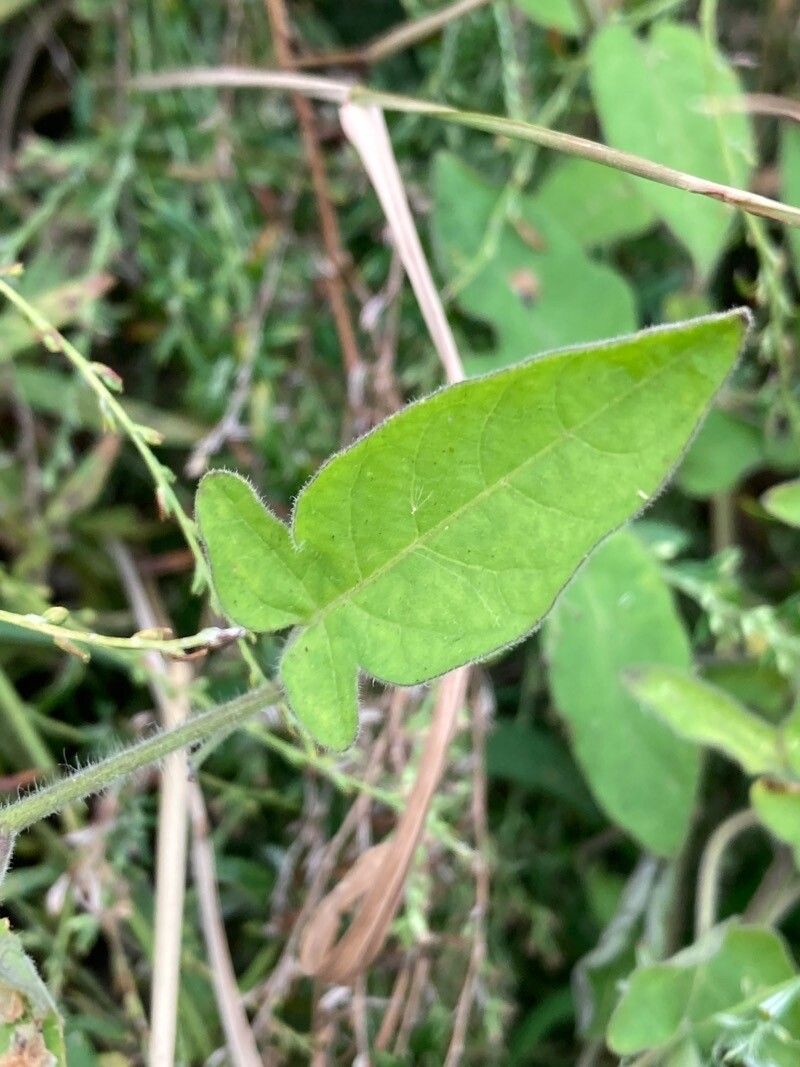
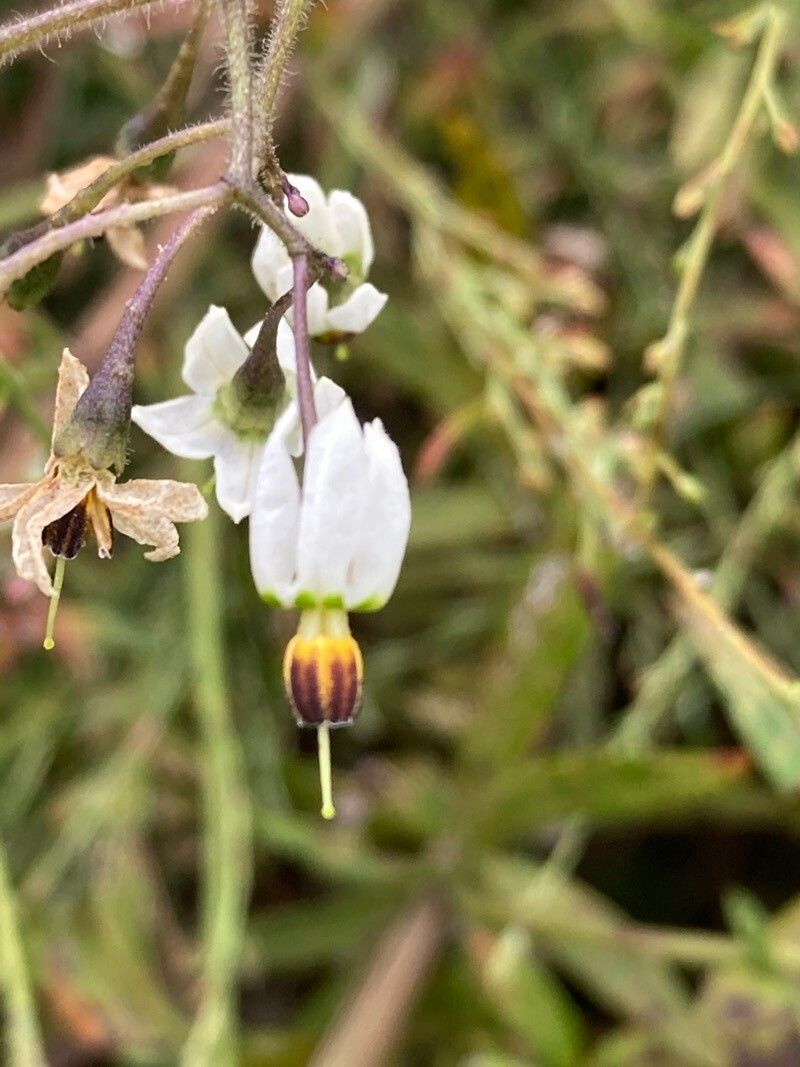
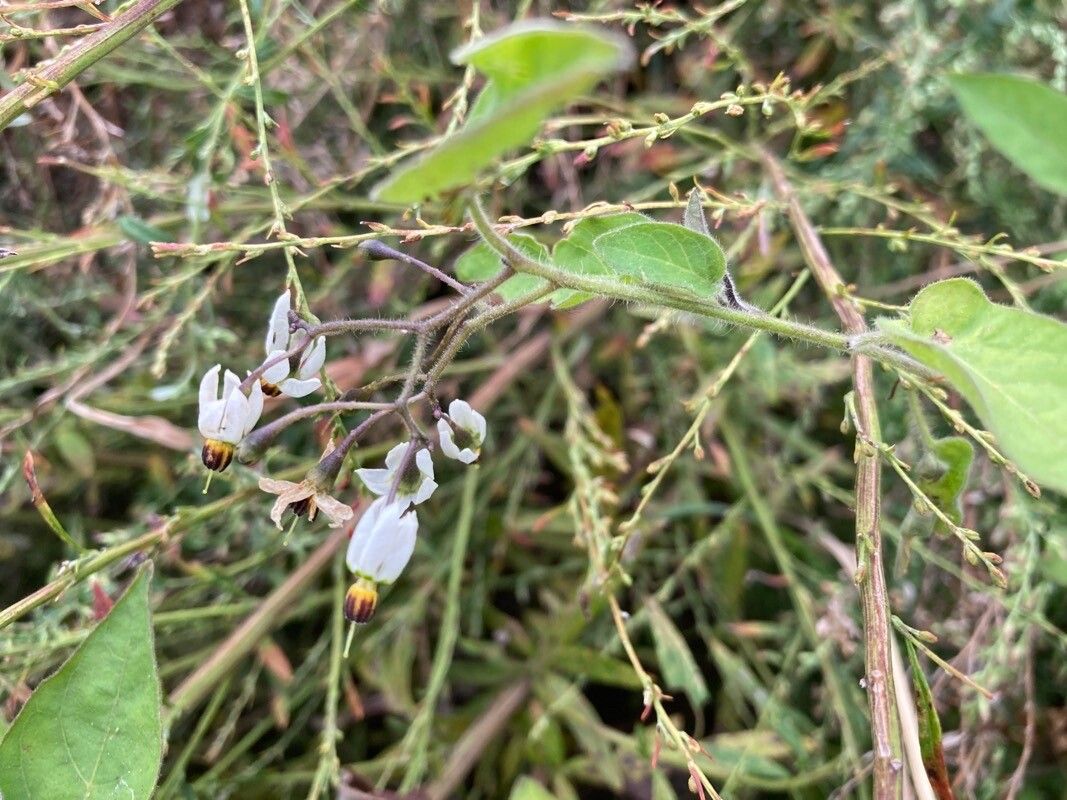
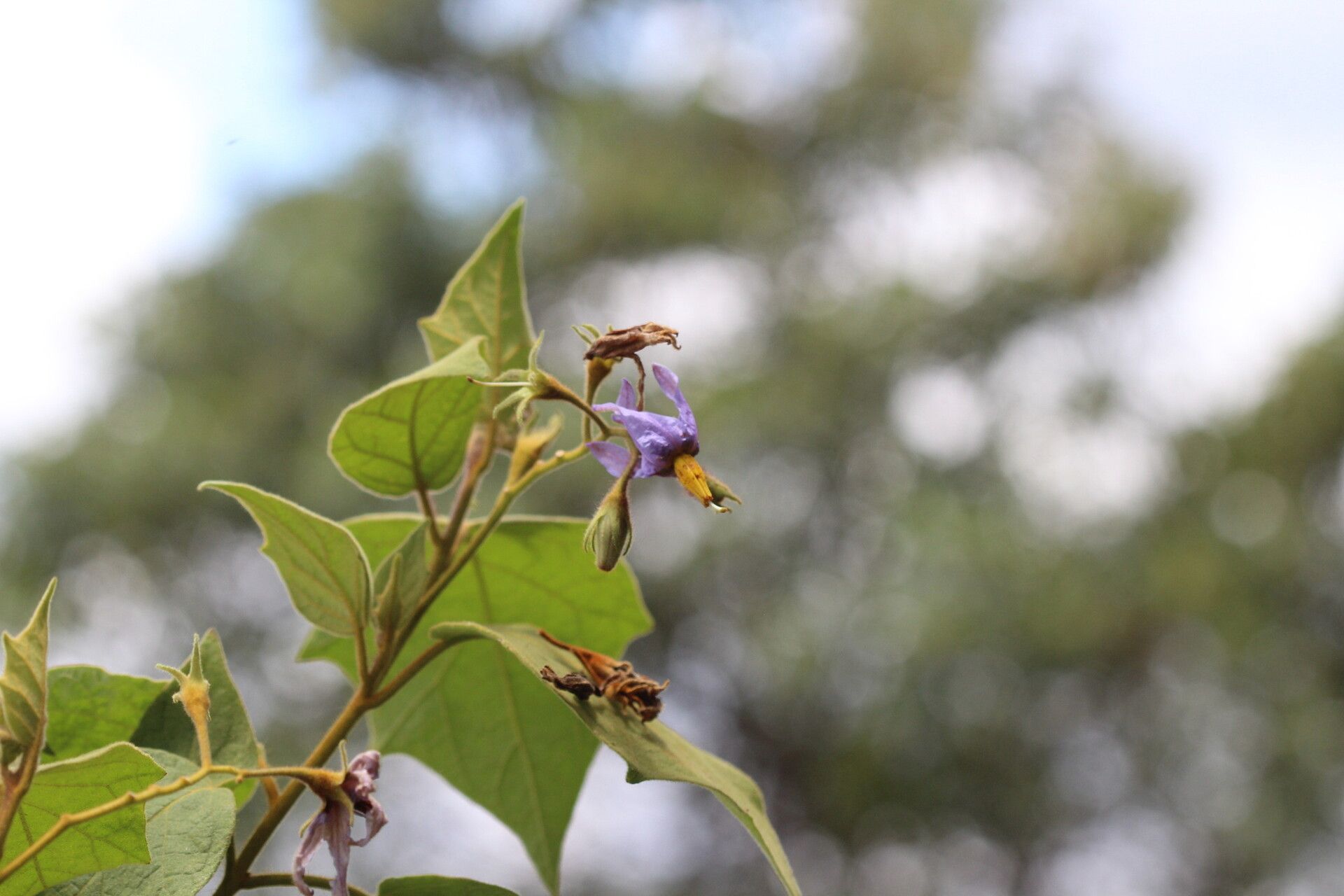
Solanum lyratum, the lyreleaf nightshade, is a species of flowering plant in the family Solanaceae, native to China, Taiwan, Vietnam, Cambodia, the Korean Peninsula, and Japan. Usually found in forests, it is also somewhat weedy and can be found on disturbed ground.
Lyreleaf nightshade is well resistant to disease and typically not susceptible to them. In terms of care, this plant is fairly low-maintenance. When grown outdoors it needs only light watering, and larger specimens usually do not need pruning. Smaller specimens, however, should be pruned after they have bloomed. Lyreleaf nightshadet is suitable for anyone with an outdoor area, such as a garden or deck, and does not require much care experience.
How to keep Solanum Lyratum.
Light
Lyreleaf nightshade naturally favors plentiful sunlight for optimal growth. Having evolved in a habitat with abundant sun, it performs best when given ample daylight. Any deviation from this light requirement, whether too little or too much, can impede its healthy development.
Temperature
Lyreleaf nightshade is fairly adaptable to temperature, tolerating higher heat and wide temperature fluctuations. In hot weather, attention should be paid to watering and suitable shading to prevent sunburn. On the other hand, it has relatively low tolerance for cold. While it can endure some chill, very cold conditions can cause frost damage.
Fertilizer
Fertilize your Lyreleaf nightshade in early spring to encourage robust growth. Consistent feeding improves overall health, leading to strong growth, greater tolerance of harsh conditions, and increased resistance to pests and diseases. Keep to a defined fertilization schedule for your Lyreleaf nightshade to maintain vivid foliage with rich color and a lush look.
Pruning
The Lyreleaf nightshade is characterized by its unique lyre-shaped leaves. To promote its optimal health, it benefits from pruning in early spring. During this time, remove any dead branches and thin out overcrowded areas to improve air circulation. Regularly cutting back the plant encourages bushier growth. These practices enhance the plant’s vigor, improve light penetration, and maintain a tidy appearance.
Botanical profile.
- Plant Type
- Vine
- Life Cycle
- Perennial
- Genus
- Solanum
- Family
- Solanaceae
- Hardiness Zone
- 8-11
- Mature Height
- 2.13 m
- Mature Spread
- 49 cm to 91 cm
- Leaf Color
- Green, Dark Green
- Leaf Type
- Deciduous
- Flower Color
- White, Lavender
- Flower Size
- 2.54 cm to 10.16 cm
- Bloom Time
- Summer, Early fall, Mid fall
- Planting Time
- Spring, Summer, Autumn
- Harvest Time
- Late summer, Fall, Early winter
- Native Area
- Cambodia, Vietnam, Myanmar, Japan, Koppen, South Korea, Thailand, China
Other names.
Reader questions.
What are the sun requirements for Lyreleaf nightshade?
Lyreleaf nightshade flourishes in environments that provide abundant sunlight, being naturally inclined towards full sun exposure for optimal growth. The plant thrives with above 6 hours of sunlight, categorized as full sun, but can also grow in conditions offering about 3-6 hours of sunlight, known as partial sun. It's essential to watch how sunlight moves through your garden to find spots offering the perfect balance of light and shade, ensuring the plant's well-being.
What is the botanical name of Lyreleaf nightshade?
The botanical name of Lyreleaf nightshade is Solanum lyratum.
How important is sunlight for the growth of Lyreleaf nightshade?
Sunlight plays a crucial role in the growth and health of Lyreleaf nightshade. Originating from a habitat that favors copious sunlight, this plant has evolved to require ample daylight for its healthful development. Inadequate exposure to natural light, whether it's too little or too much, can impede the plant's growth. For indoor plants where natural sunlight may be limited, especially in winter, artificial lighting becomes vital. Adequate lighting, including the choice of the right type of lights like LEDs and proper light intensity, is necessary for promoting faster, healthier plant growth.
What symptoms indicate light deficiency or excess in Lyreleaf nightshade?
Lyreleaf nightshade exhibits various symptoms in response to light deficiency or excess. Light deficiency can lead to smaller new leaves, leggy or sparse growth, faster leaf drop, slower or halted new growth, lighter-colored new leaves, and chlorosis. Symptoms of excess sunlight include sunscald, leaf curling, wilting, and leaf scorching. These conditions reflect the plant's struggle to adapt to inappropriate light levels, impacting its overall health and development.
How can you address light-related issues in Lyreleaf nightshade?
To address light-related issues in Lyreleaf nightshade, consider these solutions: For indoor plants, gradually increase sunlight exposure to at least 6 hours daily using a south-facing window or artificial lights. Outdoor plants should be moved progressively to sunnier spots to prevent sunburn. Reducing obstructions like pruning trees can help outdoor plants receive more sunlight. Transplanting smaller plants to sunnier locations during their dormant period can also benefit their growth. Remember, parts of the plant that suffered from insufficient light might not recover fully, but new growth should be healthy with adequate light exposure.