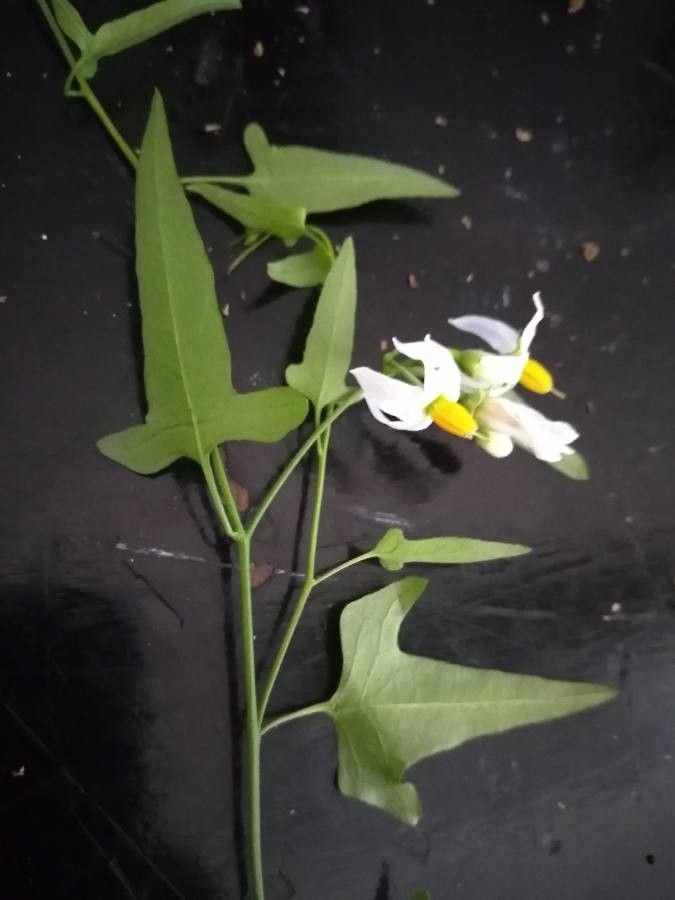
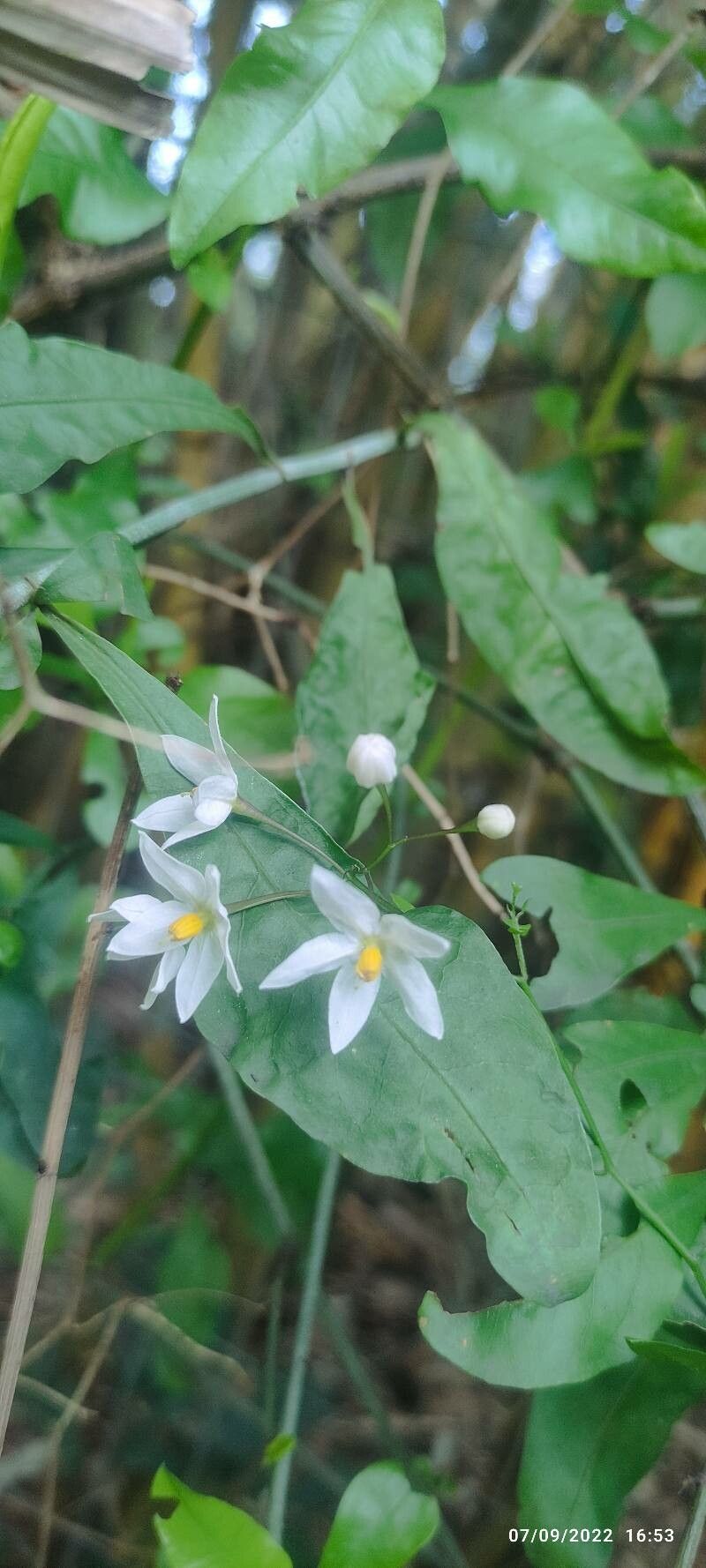
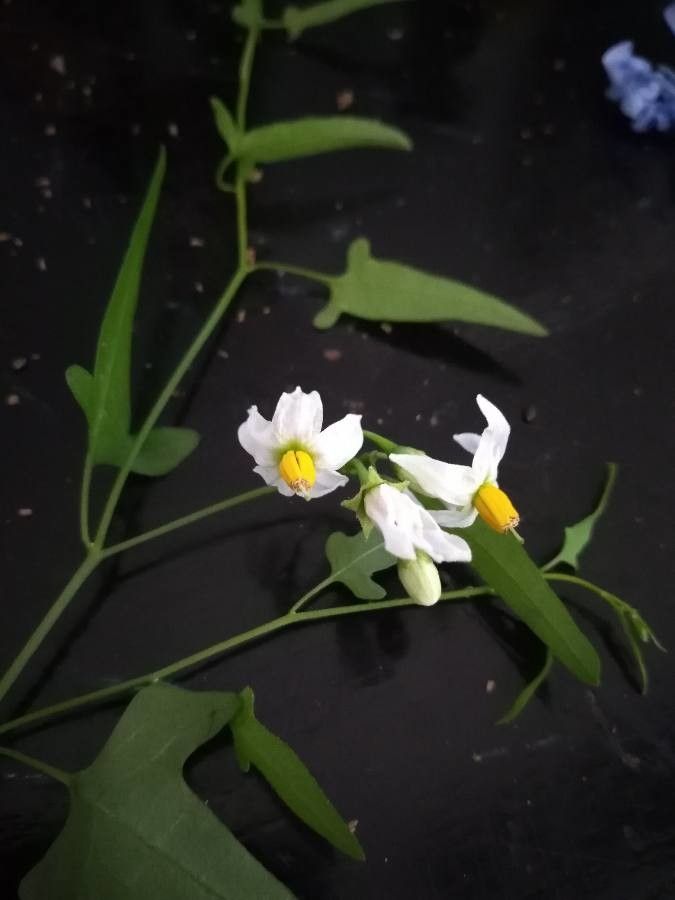
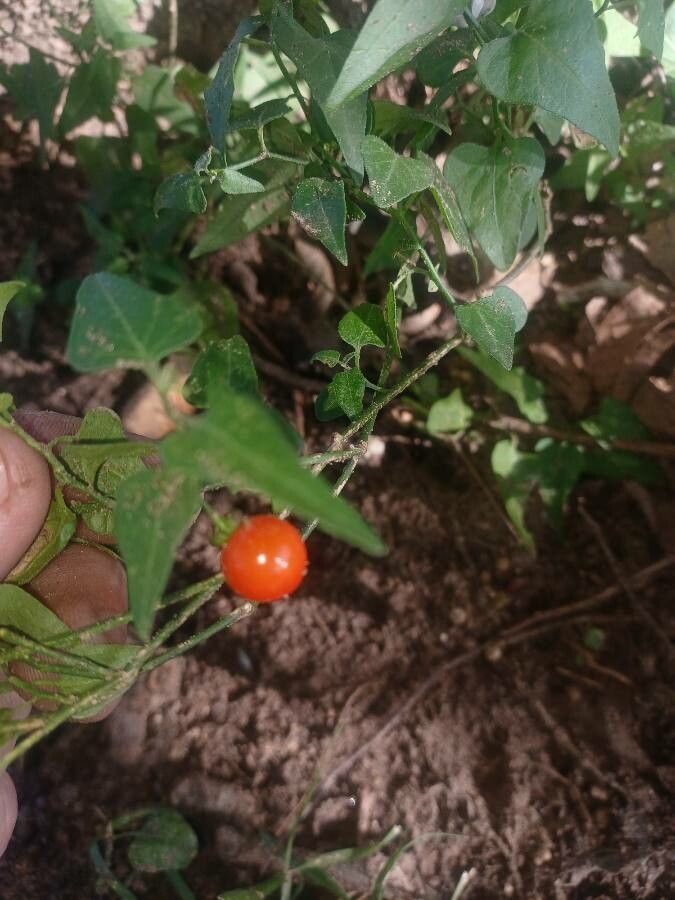
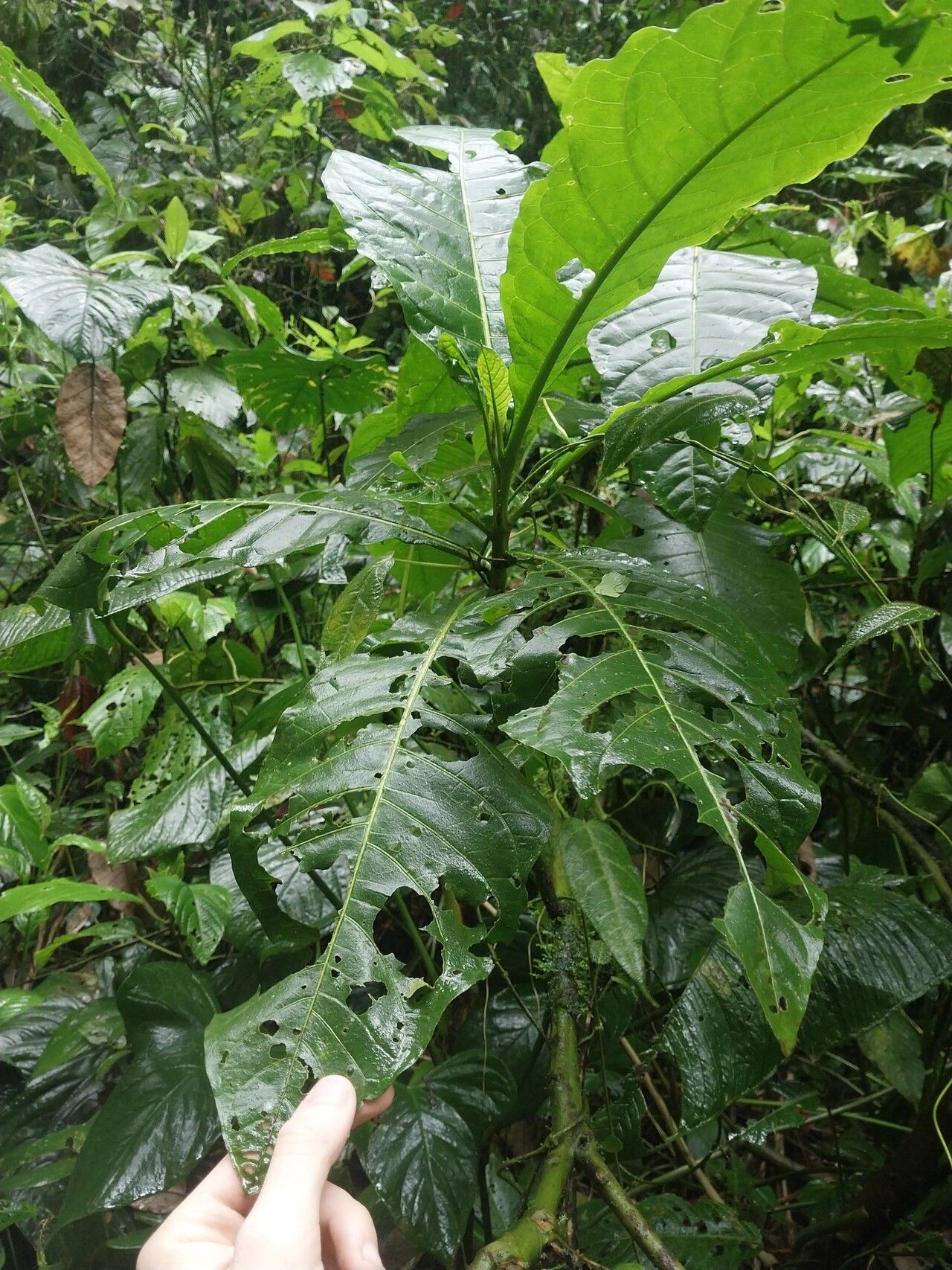
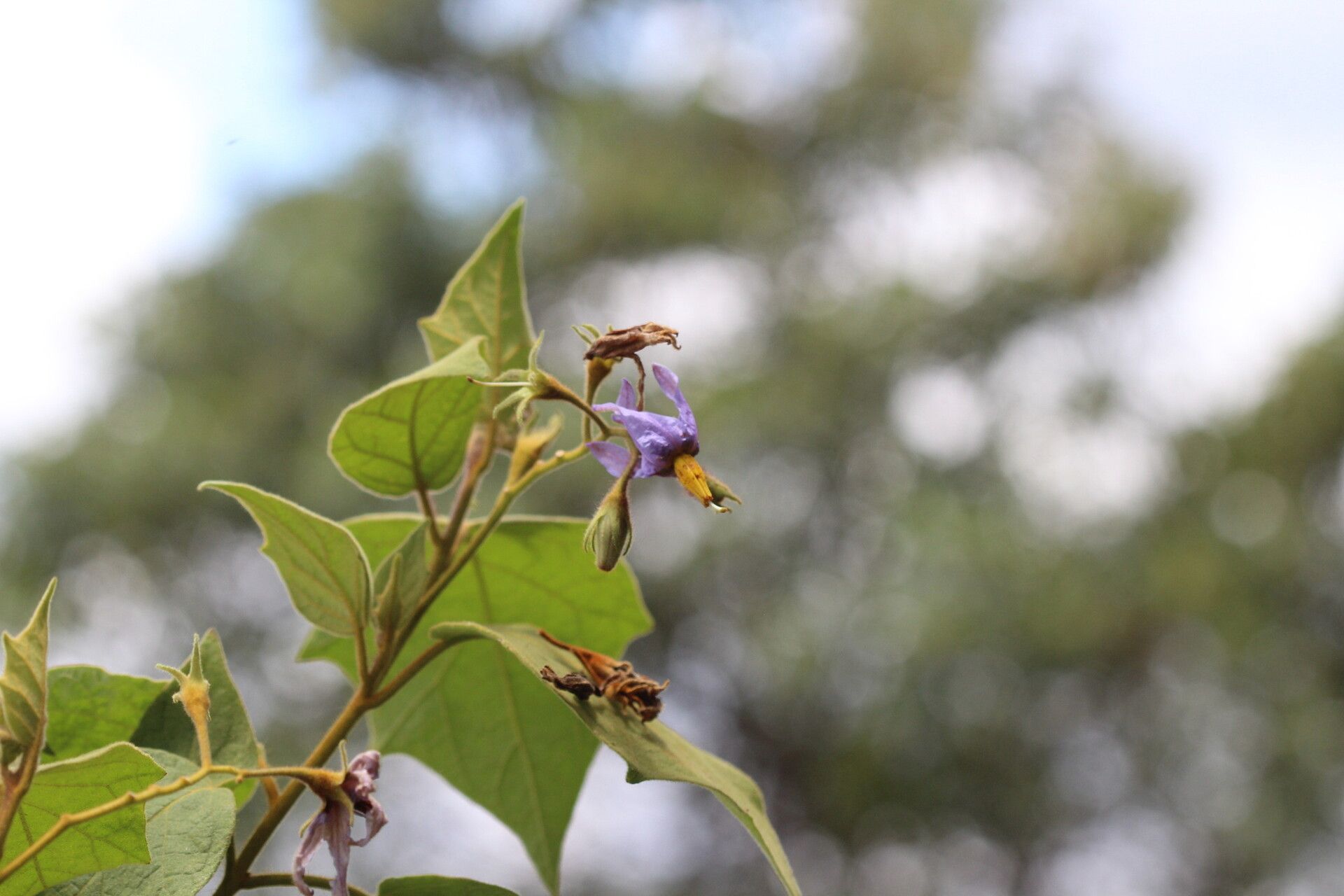
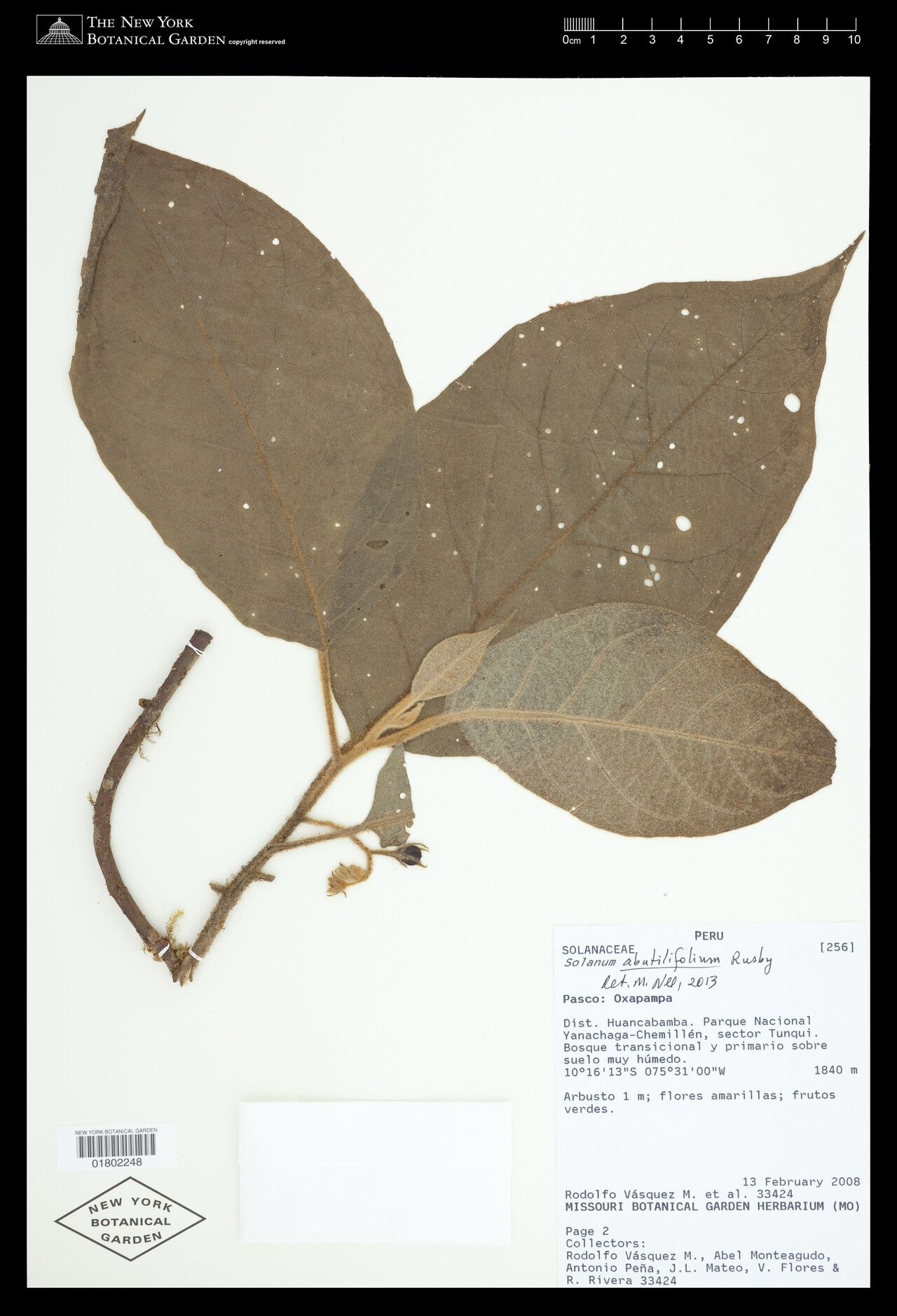
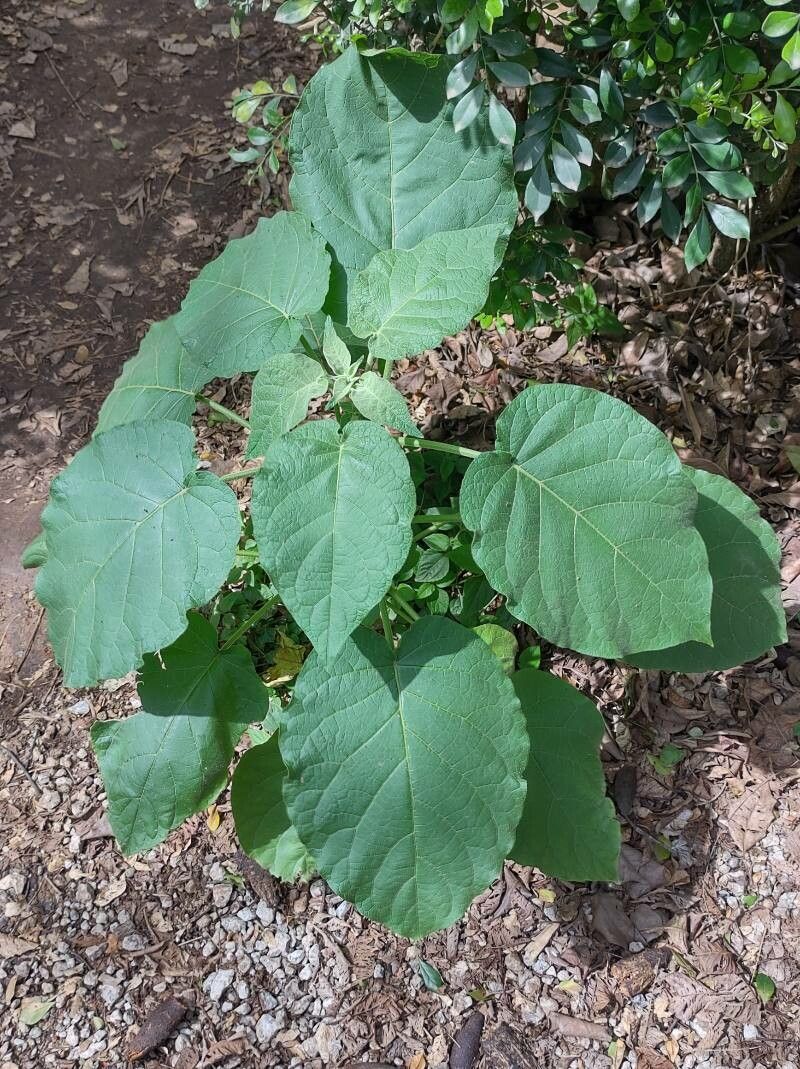
Solanum triquetrum, the Texas nightshade, is a species of flowering plant in the family Solanaceae, native to Texas and northeastern Mexico. A perennial, it is usually 1 to 2 ft tall, but if given a support to climb on it can reach 7 ft (2 m).
Texas Nightshade shows strong resistance to disease and is not usually susceptible to illnesses. Regarding upkeep, this plant is fairly low-maintenance. When grown outside it needs only light watering, and mature specimens typically do not require pruning. In contrast, smaller plants ought to be trimmed after they finish flowering. Texas Nightshade is appropriate for anyone with outdoor space, like a garden or deck, and does not demand extensive gardening experience.
How to keep Solanum Triquetrum.
Light
Texas Nightshade prefers prolonged exposure to sunlight during the day and does especially well in those conditions because it comes from a deep-rooted original ecosystem. However, it can still grow adequately with only a substantial portion of the day's sun. Excessive or insufficient sunlight can cause unhealthy growth or damage.
Water
Originating from arid regions, Texas Nightshade thrives with minimal moisture, needing water only every three weeks. It prefers well-draining soil to prevent waterlogged roots and is typically grown outdoors. Its drought tolerance makes it an ideal choice for xeriscaping.
Temperature
Texas Nightshade naturally grows in areas where temperatures fall between 59 and 100°F (15 to 38°C). As a temperate species, it prefers these milder conditions. In colder or warmer regions or seasons, modify its surroundings to keep it within this preferred temperature range.
Fertilizer
Fertilize your Texas Nightshade in early spring to encourage healthy growth. Regular feeding improves overall plant health, leading to vigorous growth, better tolerance of harsh conditions, and increased resistance to pests and diseases. Follow a consistent fertilization schedule for your Texas Nightshade to keep the foliage vibrant, richly colored, and lush in appearance.
Pruning
Texas Nightshade is characterized by its distinctive foliage and small flowers that range in color from white to purple. Pruning in early spring is essential to remove dead branches, improve the plant's shape, and enhance air circulation. This practice promotes vigorous blooming and follows the best horticultural methods for maintaining optimal plant health.
Botanical profile.
- Plant Type
- Vine, Shrub
- Life Cycle
- Perennial
- Genus
- Solanum
- Family
- Solanaceae
- Hardiness Zone
- 8-11
- Mature Height
- 1.07 m
- Mature Spread
- 0.49 m to 2.44 m
- Leaf Color
- Green, Dark Green
- Leaf Type
- Evergreen
- Flower Color
- Lavender, White
- Flower Size
- 1.02 cm to 1.52 cm
- Bloom Time
- Mid spring, Late spring, Summer, Fall
- Planting Time
- Spring, Summer
- Harvest Time
- Summer, Fall, Early winter
- Native Area
- Mexico
Other names.
Reader questions.
What are the sunlight requirements for Texas Nightshade?
Texas Nightshade is a plant that thrives in full sunlight, requiring more than 6 hours of sunlight per day to flourish optimally. It can also adapt to partial sun conditions, which means about 3-6 hours of sunlight daily. However, it's crucial to observe your garden's light patterns to place your Texas Nightshade in an area that provides a balance of light and shade, ensuring the plant's health and happiness.
What is the preferred temperature range for Texas Nightshade?
Texas Nightshade, known botanically as Solanum triquetrum, is native to environments where temperatures range from 59 to 100°F (15 to 38°C). This temperate plant thrives best in milder climates within this specific temperature range. During colder or warmer seasons or in regions outside this preferred range, it's important to adjust the plant's surroundings to keep the temperature within these limits for optimal growth.
How does Texas Nightshade react to different levels of sunlight exposure?
Texas Nightshade does best with extensive exposure to sunlight, reflecting its natural ecosystem preferences. While it can manage in partial sunlight, optimal growth is seen with abundant sun exposure. Both too much and too little sunlight can be detrimental, leading to unhealthy growth patterns or damage. Furthermore, when natural sunlight is insufficient, especially during winter or in less sunny spaces, artificial lighting can be employed to promote healthy growth. LED lights are recommended for their efficiency and the ability to customize the wavelength of light, with varying wattage requirements based on the plant's sunlight needs.
How does Texas Nightshade handle cold temperatures?
Texas Nightshade has a moderate tolerance to cold and generally doesn't require additional measures if the temperature stays above -5°C. However, if the temperature is expected to drop below -5°C, temporary measures for cold protection are necessary. Wrapping the plant with plastic film, fabric, or other suitable materials can help protect it from extreme cold. As soon as temperatures rise again, these protective measures should be promptly removed to avoid any potential damage to the plant.
What are the symptoms of inadequate light for Texas Nightshade?
If Texas Nightshade does not receive sufficient light, it may exhibit several symptoms indicating stress or poor health. These include smaller new leaves, leggy or sparse growth, faster leaf drop, slower or halted growth, lighter-colored new leaves, chlorosis (yellowing of leaves), sunscald, leaf curling, wilting, and leaf scorching. Each symptom reflects a deviation from the plant's optimal growing conditions and requires adjustments in care.
What should you do if Texas Nightshade experiences low temperatures?
If Texas Nightshade is exposed to temperatures below its moderate cold tolerance threshold of -5°C and especially if it falls below -10°C, the leaves may begin to droop. In mild cases, they can recover, but in severe cases, the leaves will wilt and eventually fall off. To mitigate frost damage, trim off the frost-damaged parts of the plant. Before the plant is exposed to low temperatures again, protect it by wrapping with non-woven fabric or cloth and constructing a wind barrier to shield it from cold winds.
How can I address light-related issues with my indoor and outdoor Texas Nightshade plants?
For indoor Texas Nightshade plants, gradually increasing sunlight exposure to at least 6 hours daily is crucial, which can be achieved by positioning the plant near a south-facing window or using artificial lighting like desk lamps or professional grow lights for 8 hours daily. For outdoor plants, finding the optimal sunlight spot and making gradual adjustments to avoid shock from sudden light intensity changes is recommended. If light obstruction is a concern, especially for ground-planted Texas Nightshade, consider pruning blocking foliage or transplanting the plant during its dormant period to a sunnier location with better drainage. Note that parts of the plant that suffered from light deficiency may not recover, but new growth after improving light conditions will be healthy.
How should Texas Nightshade be cared for in high temperatures?
During the summer months, it's important to ensure that Texas Nightshade is kept below 38°C to prevent heat stress. If the temperature rises above 43°C, the plant's leaves may lighten in color, and the tips can become dry and withered, leading to curling leaves and an increased risk of sunburn. To address these issues, any sunburned or dried-up parts of the plant should be trimmed away. Additionally, moving the plant to a shaded location or using a shade cloth can protect it from the intense midday and afternoon sun. Adequate watering in the morning and evening will help keep the soil moist and further mitigate the effects of high temperatures.