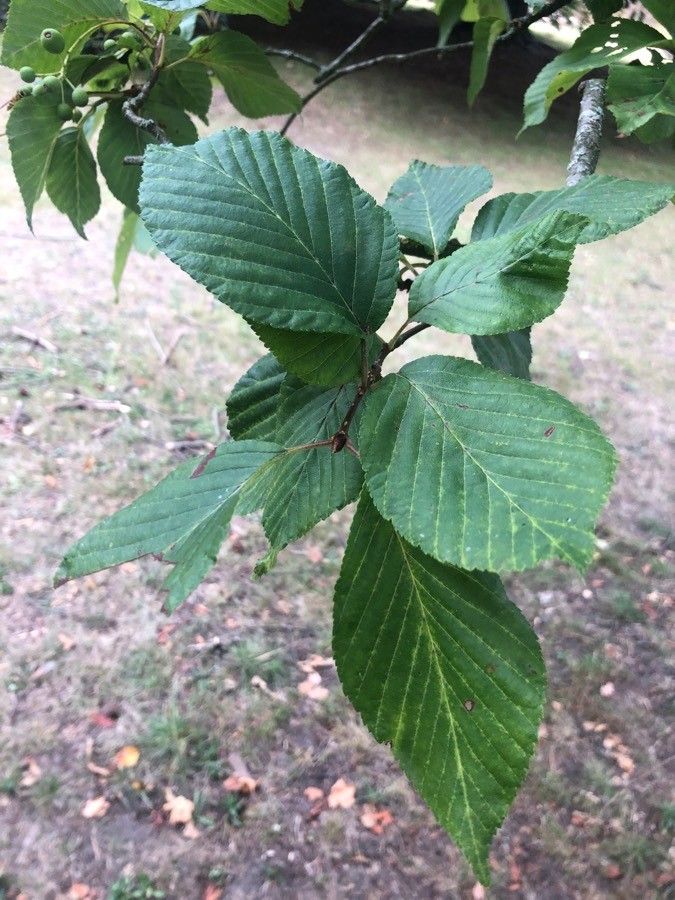
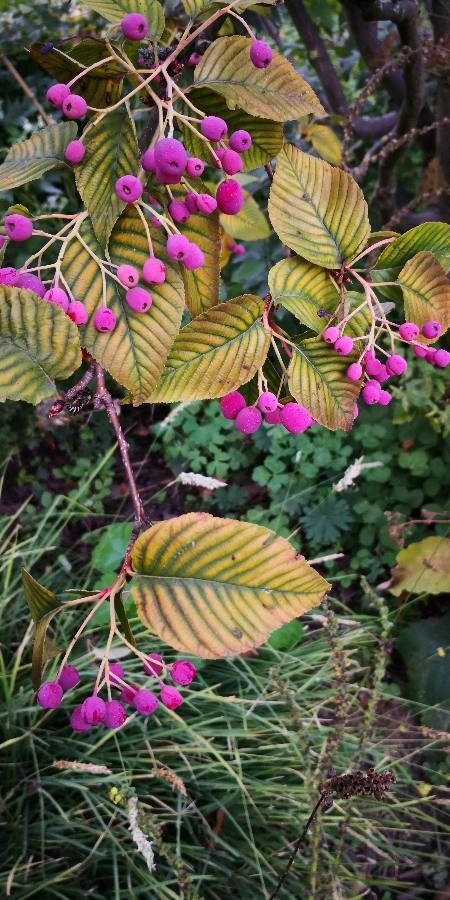
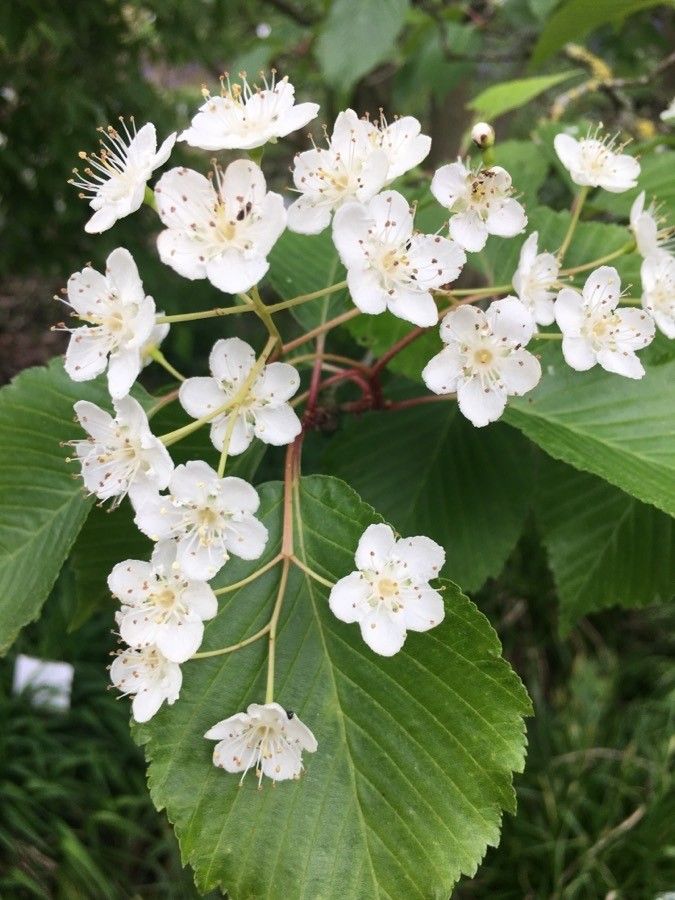
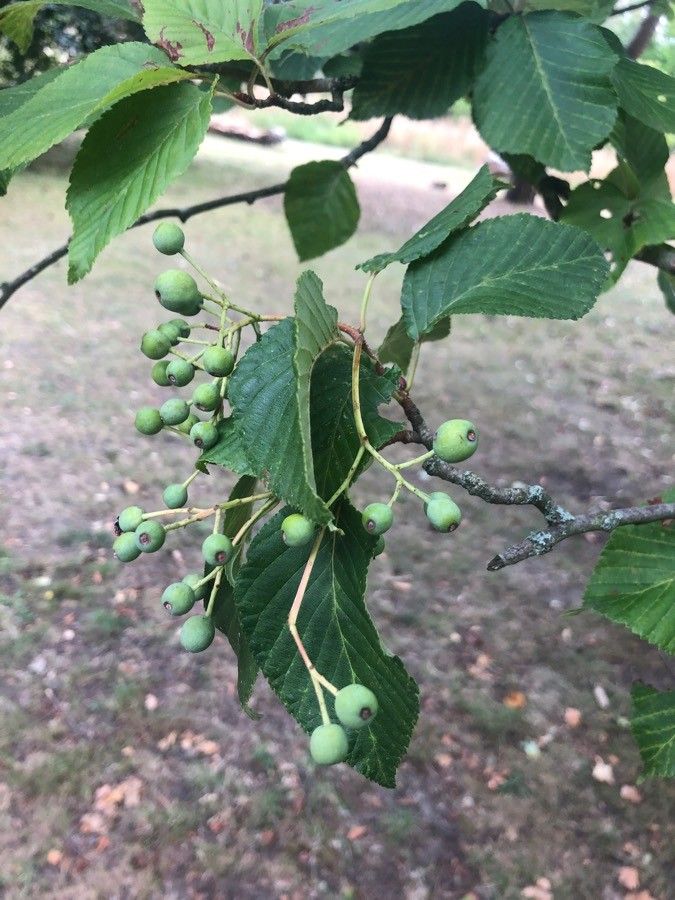
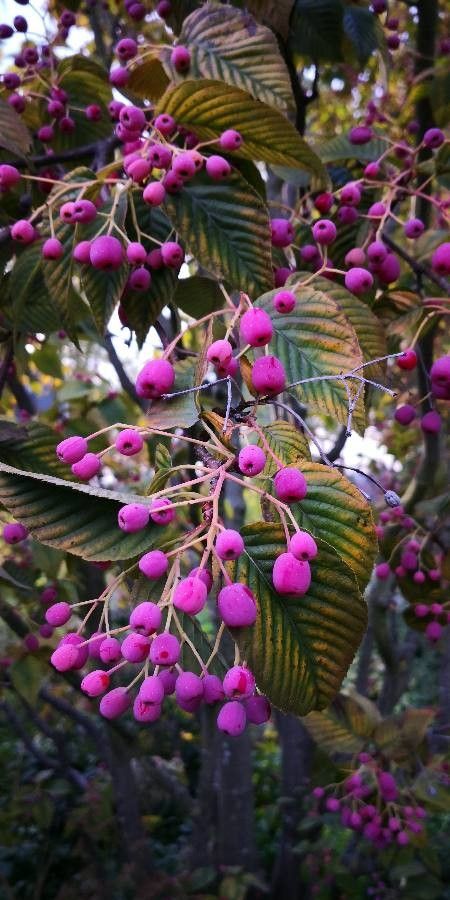
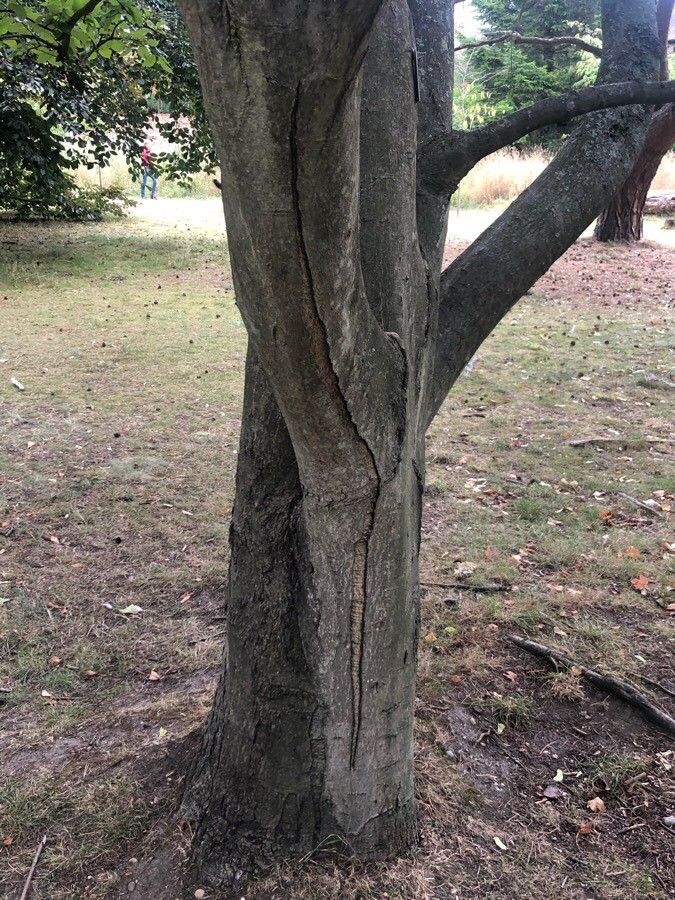
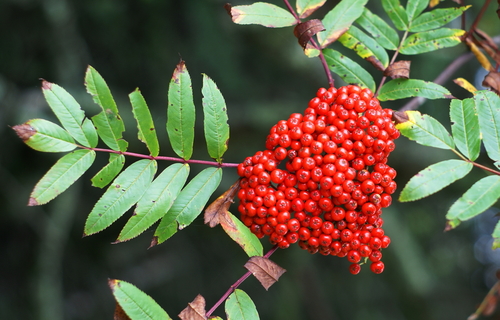
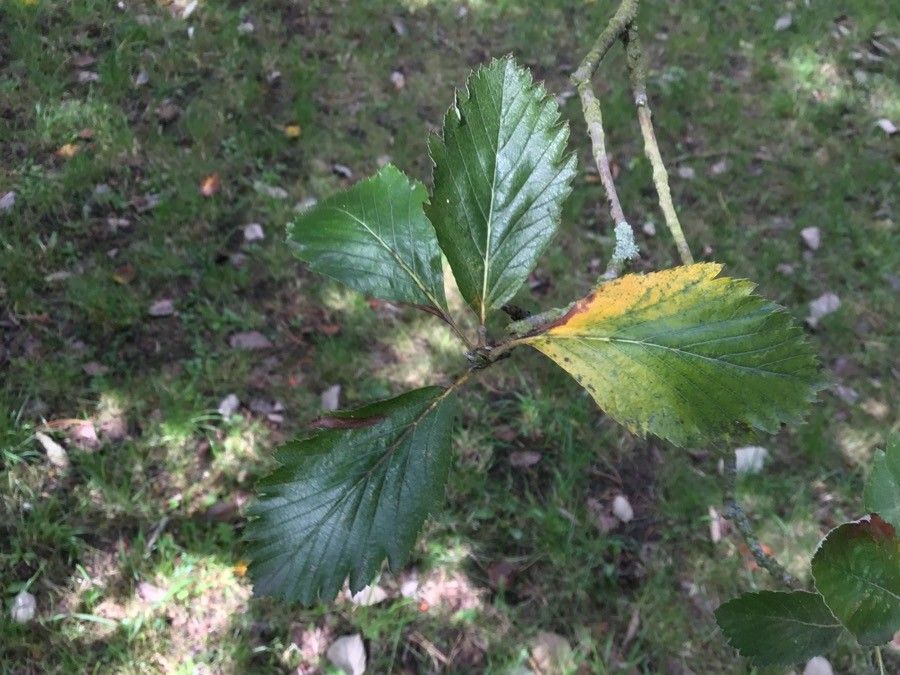
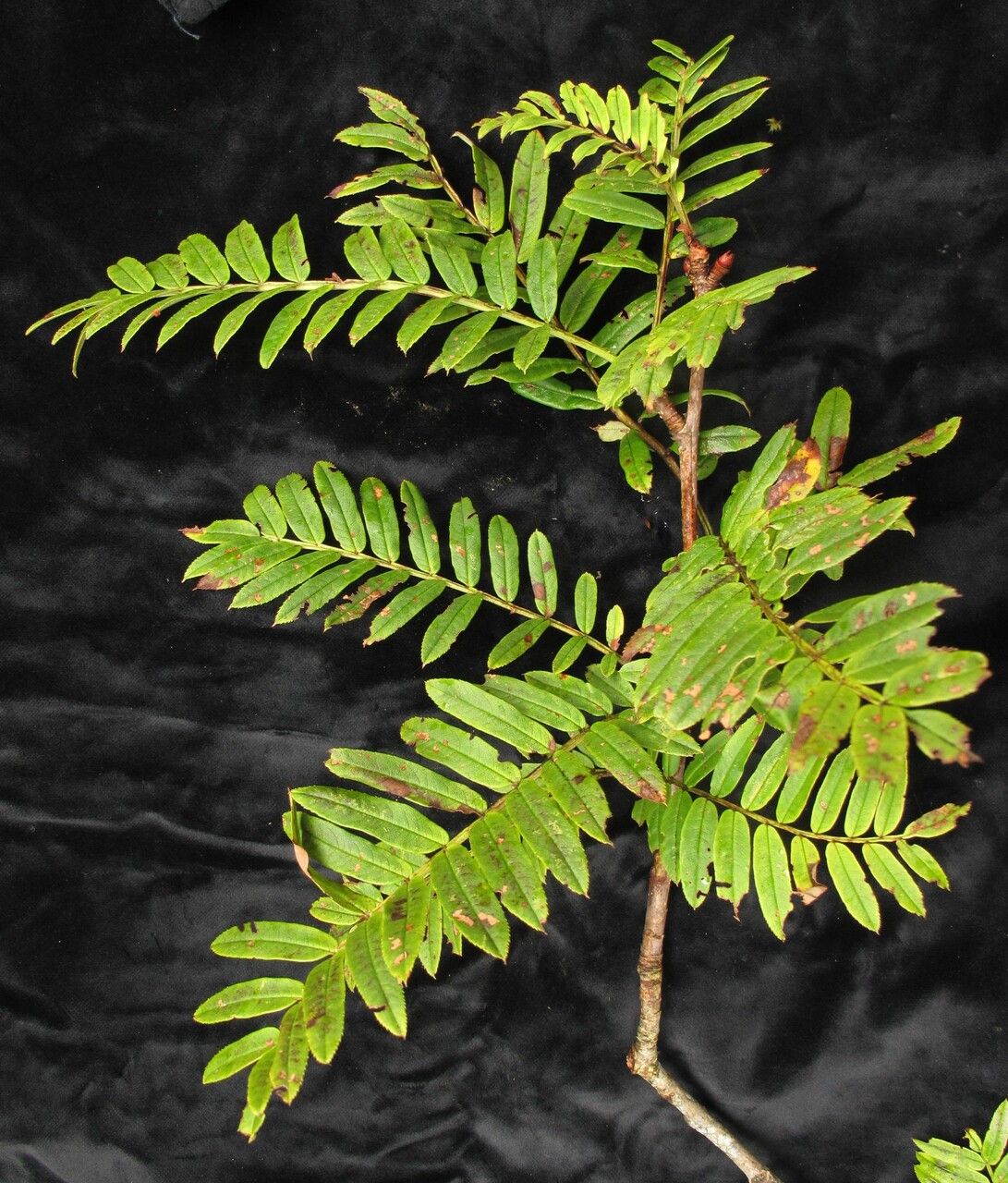
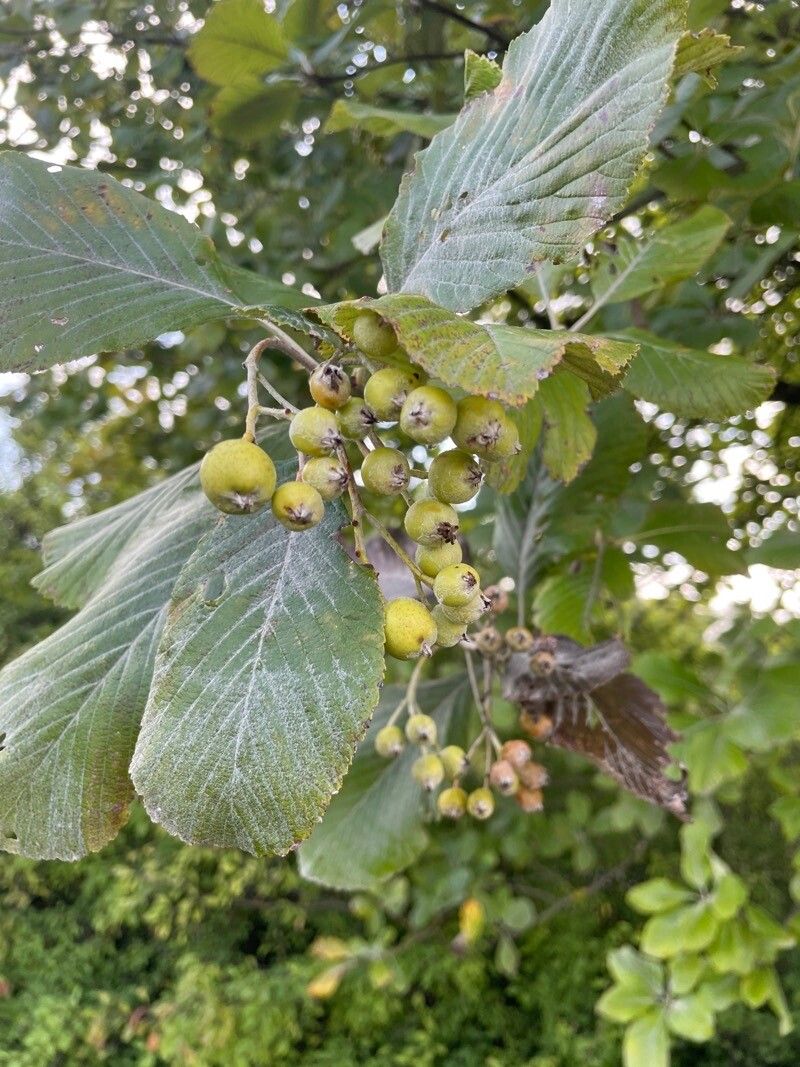
Alniaria alnifolia (syns. Sorbus alnifolia and Aria alnifolia), also called alder-leafed whitebeam, Korean whitebeam, or Korean mountain ash, Chinese: 水榆花楸; pinyin: shui yu hua qiu; lit. 'water elm rowan', is a species of whitebeam native to eastern Asia in eastern and northern China, Taiwan, Korea and Japan.
Korean mountain ash is highly resistant to disease and is generally unlikely to be affected by illnesses. In terms of care, this plant is fairly low maintenance. When grown outdoors it needs only minimal watering, and larger specimens typically do not require pruning. Smaller plants, however, should be pruned after they have finished blooming. Korean mountain ash is suitable for anyone with an outdoor area, such as a garden or deck, and does not demand extensive care experience.
How to keep Sorbus Alnifolia.
Light
Korean mountain ash performs best in sites that get full sun all day, though it still bears reasonably well in locations that only receive partial sun during the day. Too much shade will reduce its vigor and result in poor flowering. In its native habitat it is exposed to abundant sunlight.
Water
The Korean mountain ash thrives in temperate regions and shows moderate drought tolerance. It prefers well-drained soil and needs watering every two weeks. This tree is ideal for outdoor cultivation and can flourish in diverse climate zones with different rainfall patterns.
Temperature
Korean mountain ash is highly adaptable to a variety of climates, whether in sweltering summers or freezing winters. Nevertheless, it has a preferred temperature range for healthy growth. If temperatures climb too high, the plant becomes vulnerable to heat and humidity stress, which can lead to its death. In locations where temperatures approach the lower limit of its cold tolerance, providing insulation for the plant is necessary for protection.
Fertilizer
Timing matters when fertilizing Korean mountain ash. Apply fertilizer in early spring and continue once a month until early summer. Fertilizer encourages attractive blooms and supplies energy during both dormancy and active growth.
Pruning
The Korean mountain ash features oval leaves and white flowers that turn into red berries. For optimal plant health, prune in early spring by cutting away dead or diseased branches and thinning the tree to enhance air circulation. This encourages healthy growth and abundant blooms. To minimize damage and reduce the risk of disease, always use clean, sharp pruning tools.
Botanical profile.
- Plant Type
- Tree
- Life Cycle
- Perennial
- Genus
- Sorbus
- Family
- Rosaceae
- Hardiness Zone
- 4-7
- Mature Height
- 10.06 m to 20.12 m
- Mature Spread
- 6.1 m to 7.92 m
- Leaf Color
- Green, Yellow
- Leaf Type
- Deciduous
- Flower Color
- White
- Flower Size
- 1.02 cm to 1.78 cm
- Bloom Time
- Mid spring, Late spring
- Planting Time
- Spring, Summer, Autumn
- Harvest Time
- Late summer, Early fall, Mid fall
- Native Area
- Russia, Japan, Koppen, South Korea, China
Other names.
Reader questions.
What are the sunlight requirements for Korean mountain ash?
Korean mountain ash thrives best in full sun conditions, which means it requires more than 6 hours of sunlight daily. However, it can also tolerate partial sun, receiving about 3-6 hours of sunlight each day. It's important to monitor the movement of sunlight through your garden to find spots that provide a balanced mix of light and shade, ensuring the plants grow happy and healthy. Excessive shade may lead to reduced vigor and poor flowering for Korean mountain ash, indicating its preference for abundant sunlight, similar to its native habitat.
How can indoor plants receive adequate lighting?
Indoor plants, including those that require full sun, can thrive with the help of artificial lighting, especially when natural sunlight is insufficient. LED lights are an excellent choice because they can be tailored to provide specific wavelengths of light needed by plants. For full sun plants, 30-50W/sq ft of artificial light is recommended, while partial sun plants need 20-30W/sq ft, and full shade plants require 10-20W/sq ft. The artificial light source should be positioned 12-36 inches above the plant, replicating natural sunlight as closely as possible. Additionally, ensuring that plants receive 8-12 hours of light per day can promote healthier and faster growth.
What symptoms indicate insufficient sunlight for Korean mountain ash?
When Korean mountain ash does not receive enough sunlight, it may show several symptoms indicating light deficiency. These include the growth of smaller new leaves compared to older ones, leggy or sparse growth, premature leaf drop, halted or very slow new growth, and the development of lighter-colored or pale new leaves. Conditions such as chlorosis (yellowing leaves due to chlorophyll breakdown), sunscald, leaf curling, wilting, and leaf scorching can also manifest, especially under extreme sunlight conditions or when the plant receives too much direct light after being in low light conditions.
How can I improve sunlight exposure for my Korean mountain ash?
To enhance sunlight exposure for Korean mountain ash, gradually introduce the plant to sunnier locations each week, aiming for at least 6 hours of direct sunlight daily. For indoor plants, utilize a south-facing window and keep curtains open during the day. If necessary, use artificial lights, keeping them on for at least 8 hours daily. For outdoor plants, ensure a gradual adjustment to avoid shock and potential sunburn. Removing obstructions that block sunlight, such as pruning trees, can also help. For smaller, transplantable plants, consider relocating them to sunnier spots, especially during their dormant season, to ensure they receive adequate sunlight for optimal growth and health.