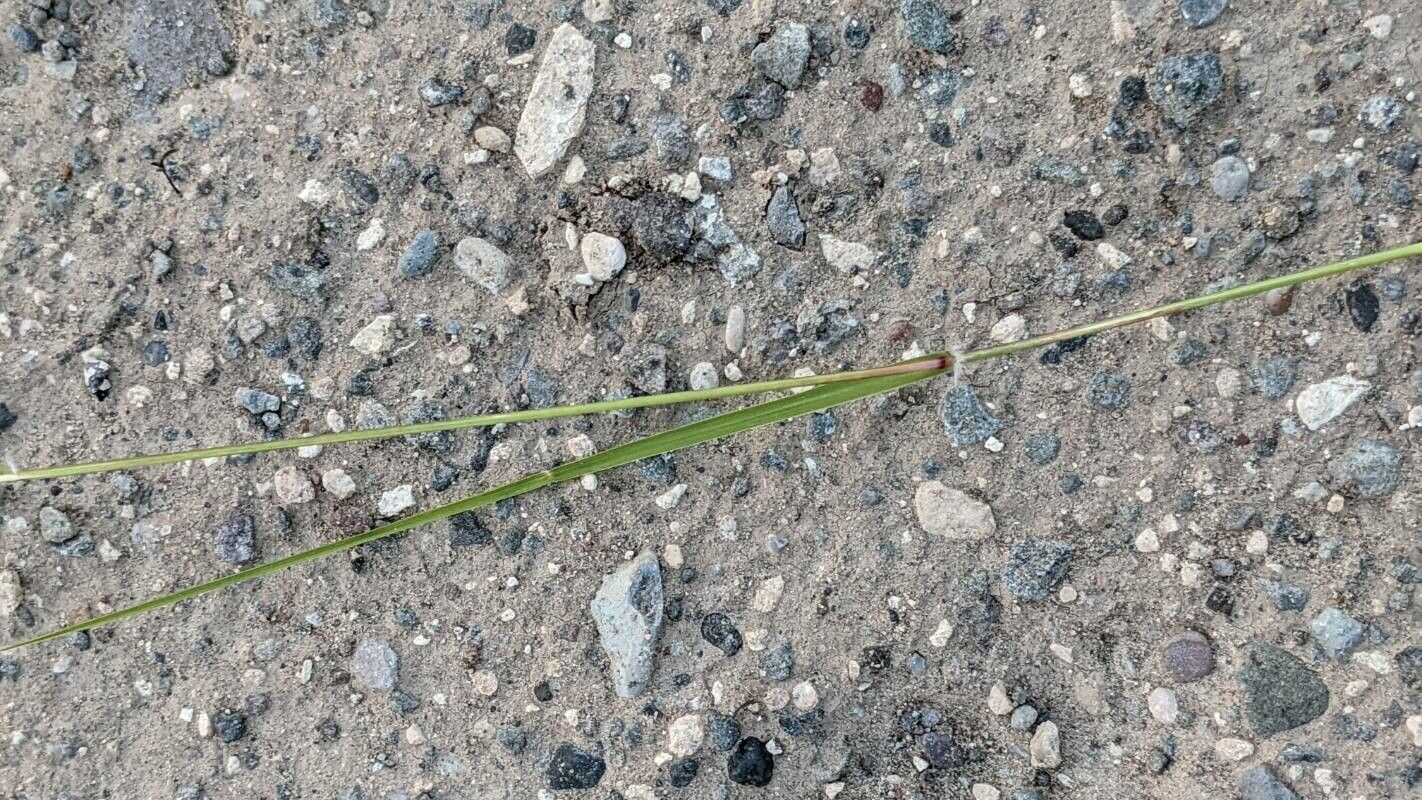
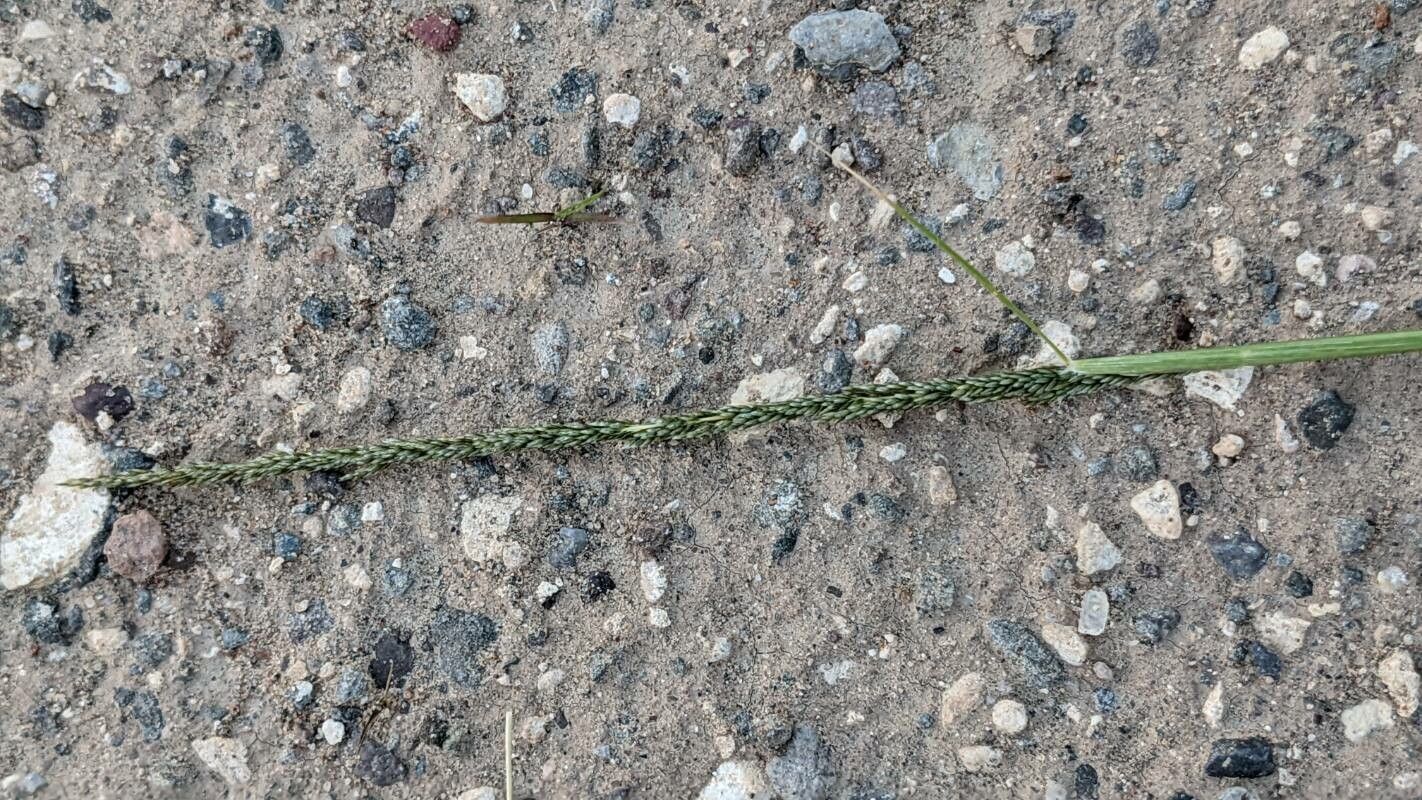
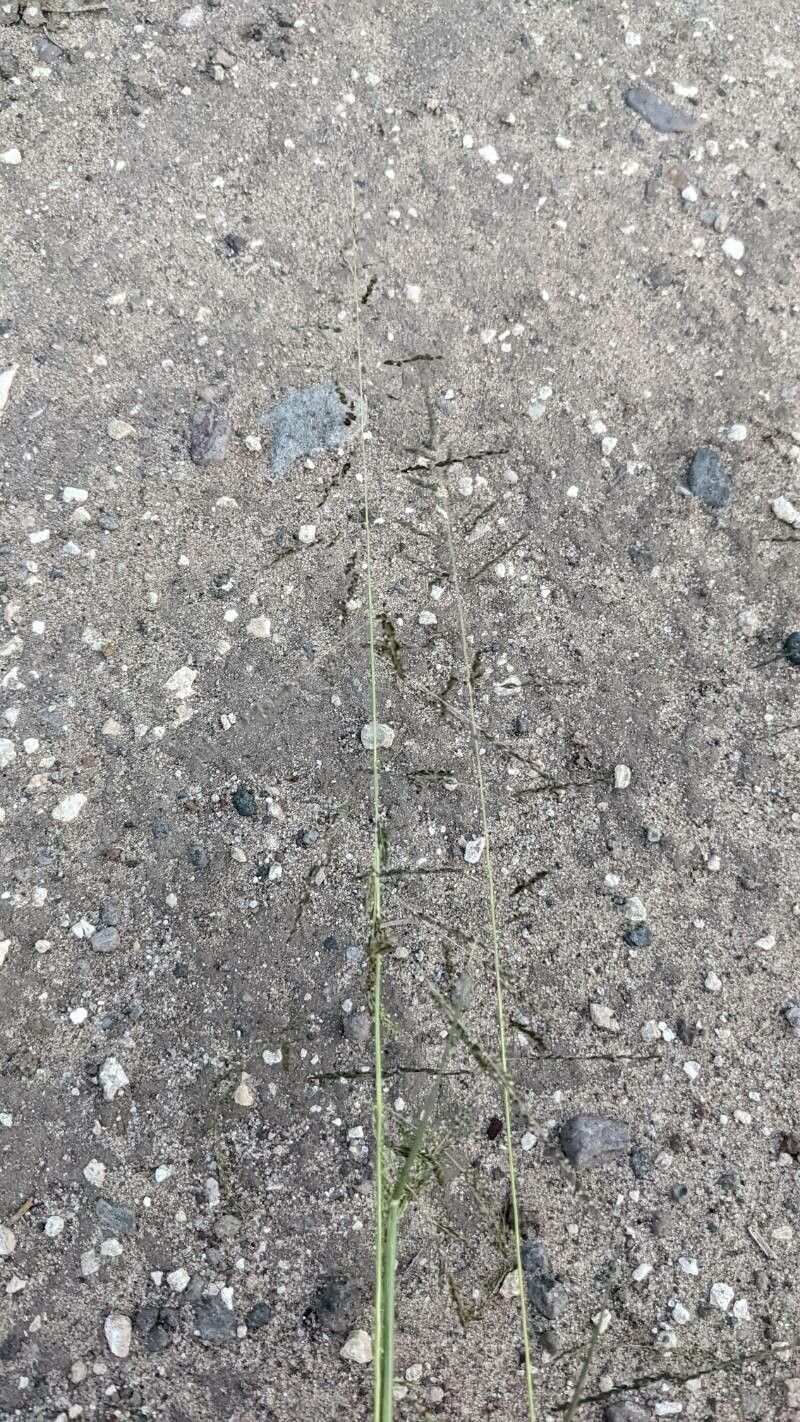
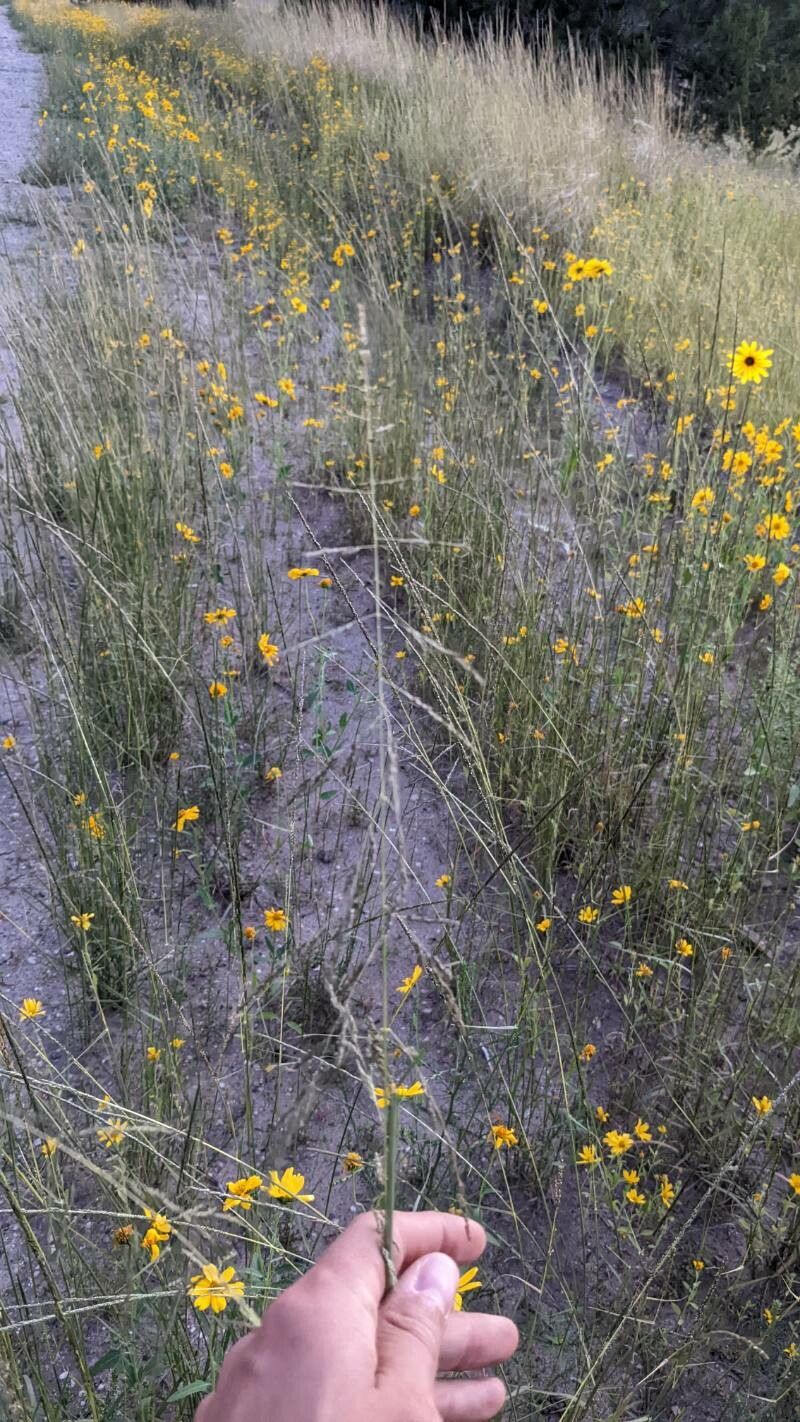
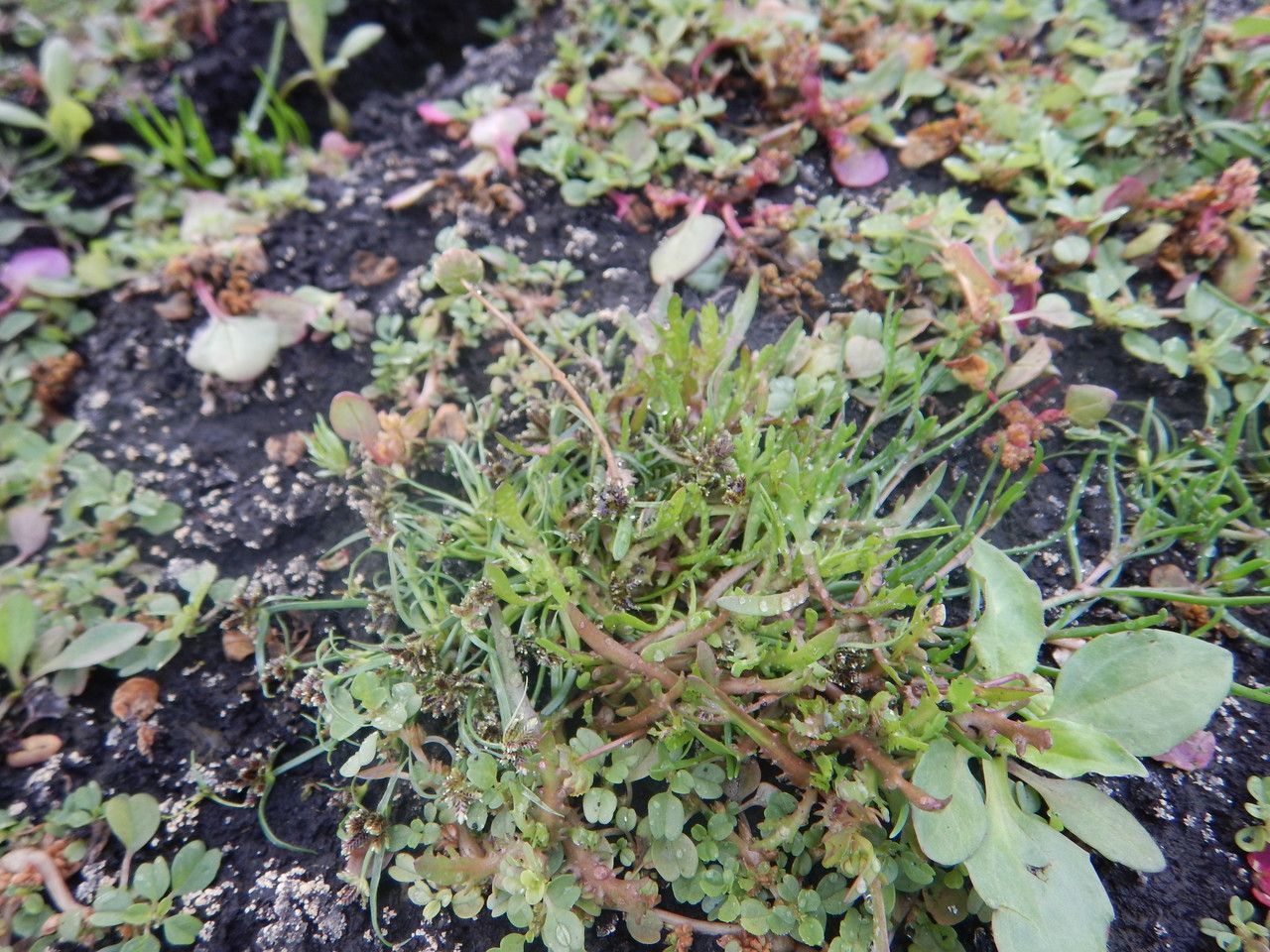
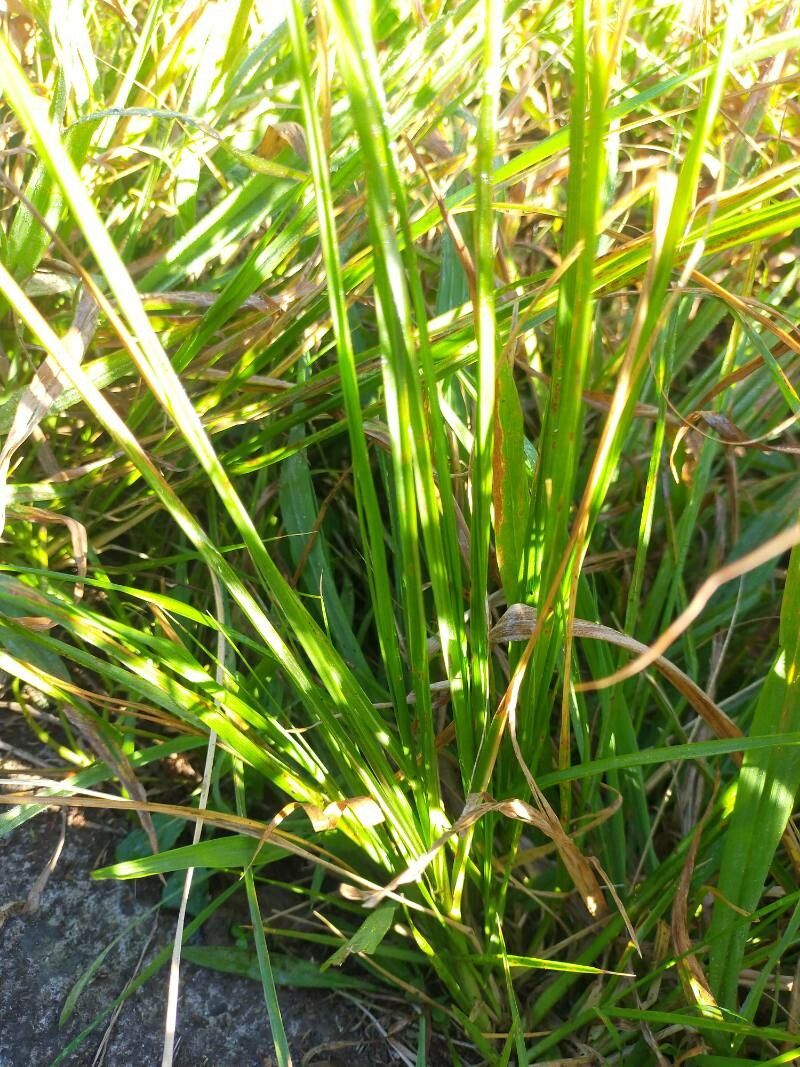
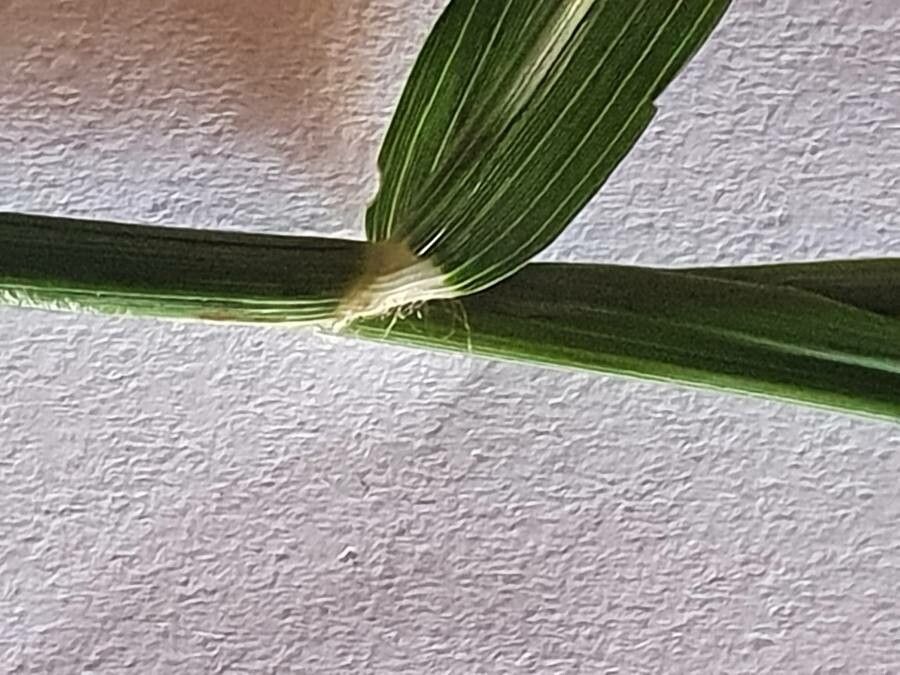
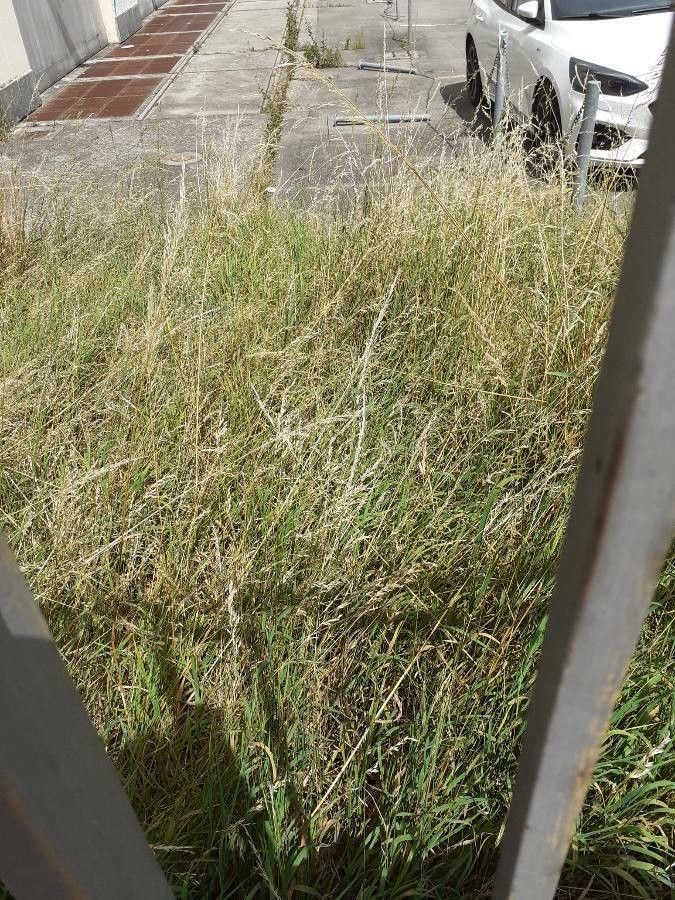
Sporobolus cryptandrus is a species of grass known as sand dropseed. It is native to North America, where it is widespread in southern Canada, most of the United States, and northern Mexico.
Sand dropseed has strong resistance to disease and is typically not susceptible to illnesses. Regarding care, this plant is fairly low-maintenance. When grown outdoors, it needs little watering, and larger specimens usually do not require pruning. However, smaller plants should be pruned after they have bloomed. Sand dropseedt is suitable for anyone with outdoor space, such as a garden or a deck, and does not require much care experience.
How to keep Sporobolus Cryptandrus.
Light
Sand dropseed grows best in places that get plenty of sunlight each day. This bright exposure greatly supports its healthy growth. Over the years it has adjusted to these light conditions, and a lack of light can hinder its development. Its requirement for sunlight stays the same as it matures and does not vary with growth stages. Excessive light is not a major issue.
Water
Sand dropseed is well-suited to arid environments thanks to its high drought tolerance. To mimic its natural habitat's infrequent rainfall, it requires watering only once a week. It thrives in well-draining soil, which helps prevent waterlogged roots. This plant is best grown outdoors and is an excellent choice for xeriscaping in appropriate climate zones.
Temperature
Sand dropseed flourishes in its native habitat when temperatures range from 32 to 90°F (0 to 32°C). It favors these moderate temperature conditions. In different climates, seasonal adjustments may be required to replicate these conditions.
Fertilizer
Sand dropseed needs extra nutrients to encourage healthy new growth. In spring, placing some compost around the plant’s base can effectively supply the nutrition it requires. Fertilizing helps support vigorous growth and improves the plant’s resistance to diseases and pests.
Pruning
Sand dropseed is well-suited to sandy soils and is known for its delicate seedheads. To promote new growth and maintain plant health, prune it in early spring to remove any dead foliage. Consistent pruning not only boosts its aesthetic appeal but also enhances its vigor, ensuring a strong presence in the landscape.
Botanical profile.
- Plant Type
- Grass
- Life Cycle
- Perennial
- Genus
- Sporobolus
- Family
- Poaceae
- Hardiness Zone
- 3-8
- Mature Height
- 0.3 m to 1.07 m
- Mature Spread
- 20 cm to 40 cm
- Leaf Color
- Light Green, Pale Green
- Leaf Type
- Semi-evergreen
- Flower Color
- Yellow, Green, Purple, Brown
- Flower Size
- 0.20 cm to 0.25 cm
- Bloom Time
- Summer
- Planting Time
- Summer, Autumn
- Harvest Time
- Late summer, Early fall, Mid fall
- Native Area
- Georgia, Mexico
Other names.
Reader questions.
What are the sunlight requirements for Sand dropseed?
Sand dropseed requires full sun, meaning it needs above 6 hours of sunlight daily to thrive. Observing how sunlight moves through your garden helps in selecting spots that provide a balance of light and shade, ensuring the plant's happiness. Sand dropseed performs best in areas with generous daily sunlight, which significantly aids its growth. Even as it matures, its sunlight needs remain consistent, with excessive light posing no serious concerns.
What are the ideal temperature conditions for Sand dropseed?
Sand dropseed, or Sporobolus cryptandrus, thrives best in its native environment with temperature requirements ranging from 32°F to 90°F (0°C to 32°C). The plant prefers these moderate temperatures for optimal growth. Seasonal adjustments may need to be made to mimic these conditions in different climates, ensuring the plant continues to thrive throughout the year.
How does artificial lighting benefit indoor Sand dropseed plants?
Indoor Sand dropseed plants require adequate lighting to grow optimally. When natural sunlight is insufficient, artificial lights provide a vital solution, promoting faster, healthier growth. LED lights are popular for indoor plant lighting as they can be customized to provide specific wavelengths needed by the plants. For full sun plants, 30-50W per square foot of artificial light is needed; partial sun plants require 20-30W per square foot, and full shade plants need 10-20W per square foot. The light source should be placed 12-36 inches above the plant to mimic natural sunlight, with 8-12 hours of light per day.
How does Sand dropseed handle cold temperatures and frost?
Sand dropseed exhibits strong cold resistance, meaning special frost protection measures are typically not necessary. However, in extremely cold climates where winter temperatures are expected to drop below -35°C, it's important to provide additional cold protection. This protection can be achieved by covering the plant with insulating materials like soil or straw. Also, watering the plant abundantly before the first freeze in autumn is recommended to ensure the soil is moist and enters a frozen state, which helps prevent drought and water scarcity during winter and early spring.
What are the symptoms of inadequate lighting in Sand dropseed?
Symptoms of inadequate lighting in Sand dropseed include smaller new leaves, leggy or sparse growth, faster leaf drop, slower or no new growth, lighter-colored new leaves, chlorosis, sunscald, leaf curling, wilting, and leaf scorching. These symptoms arise from insufficient sunlight, indicating issues like a lack of chlorophyll and essential nutrients or damage from excessive sunlight, which affects the plant’s ability to photosynthesize and maintain hydration.
What should be done if Sand dropseed is exposed to temperatures below its cold tolerance?
If Sand dropseed is exposed to temperatures below its cold tolerance, specifically below -35°C, there may be a decrease in sprouting or even no sprouting at all during springtime. To address this, in spring, remove any parts of the plant that have failed to sprout. This helps in promoting the growth of new, healthy parts of the plant.
What solutions can alleviate lighting issues for indoor and outdoor Sand dropseed plants?
To solve lighting issues, gradually move indoor plants to sunnier locations each week until they receive at least 6 hours of direct sunlight daily. For plants that are large or not easily movable, consider using artificial light, keeping a lamp on for at least 8 hours daily or investing in professional grow lights. For outdoor plants, gradually moving them to sunnier spots can help them adapt and avoid sunburn. It’s crucial to reduce obstructions like trimming branches of trees that block sunlight. For smaller plants, transplanting during their dormant period to a location with ample sunlight and good drainage can be beneficial. Note that parts of the plant affected by insufficient sunlight may not recover, but new growth will be healthy after adjusting light exposure.
How does Sand dropseed react to high temperatures and how can these effects be mitigated?
During the summer, it's important to ensure that Sand dropseed is kept below 32°C. When temperatures exceed 35°C, the plant's leaves may become lighter in color, prone to curling, susceptible to sunburn, and, in severe cases, the entire plant may wilt and dry up. To mitigate these effects, trim away sunburned and dried-up parts of the plant. Moving the plant to a shadier location, especially away from the midday and afternoon sun, or using a shade cloth can also be beneficial. Additionally, watering the plant in the morning and evening helps to keep the soil moist and supports the plant's wellbeing in high temperatures.