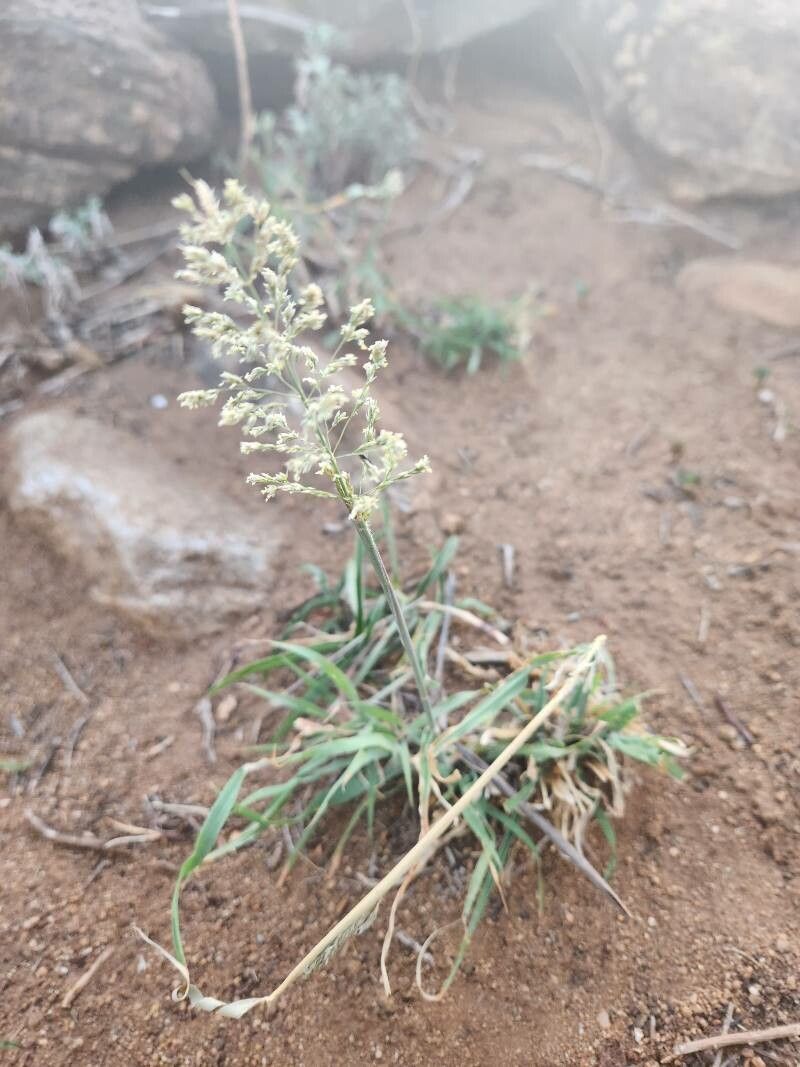
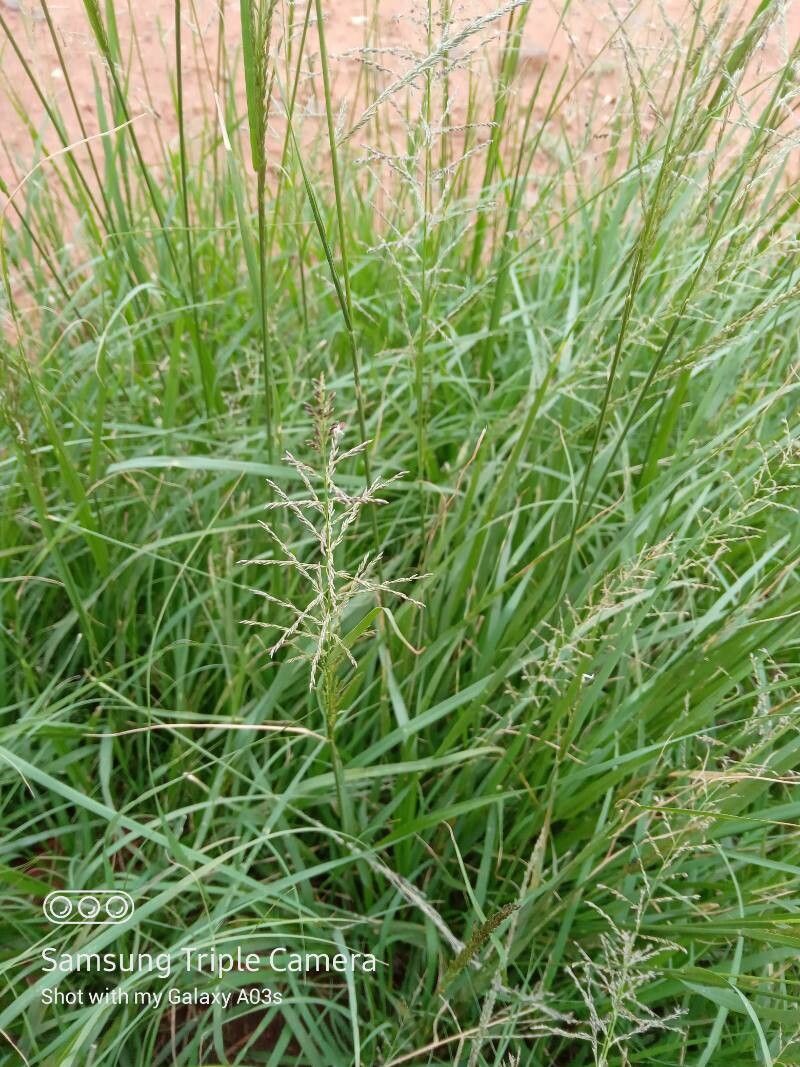
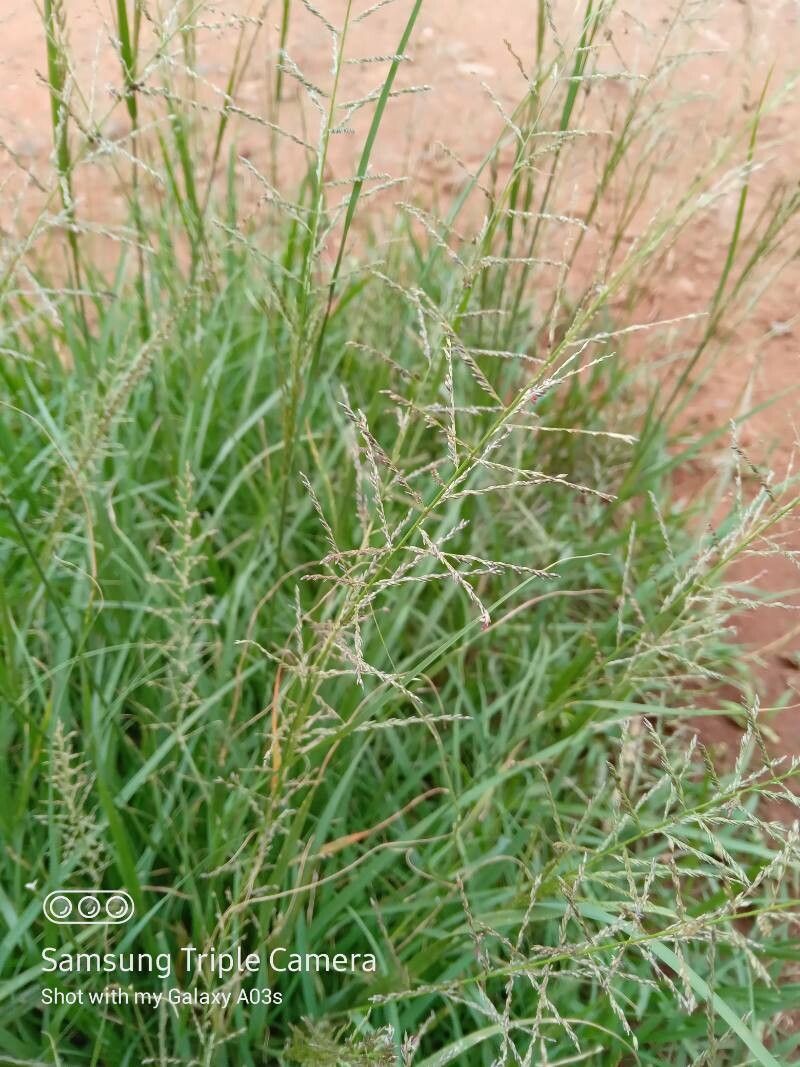
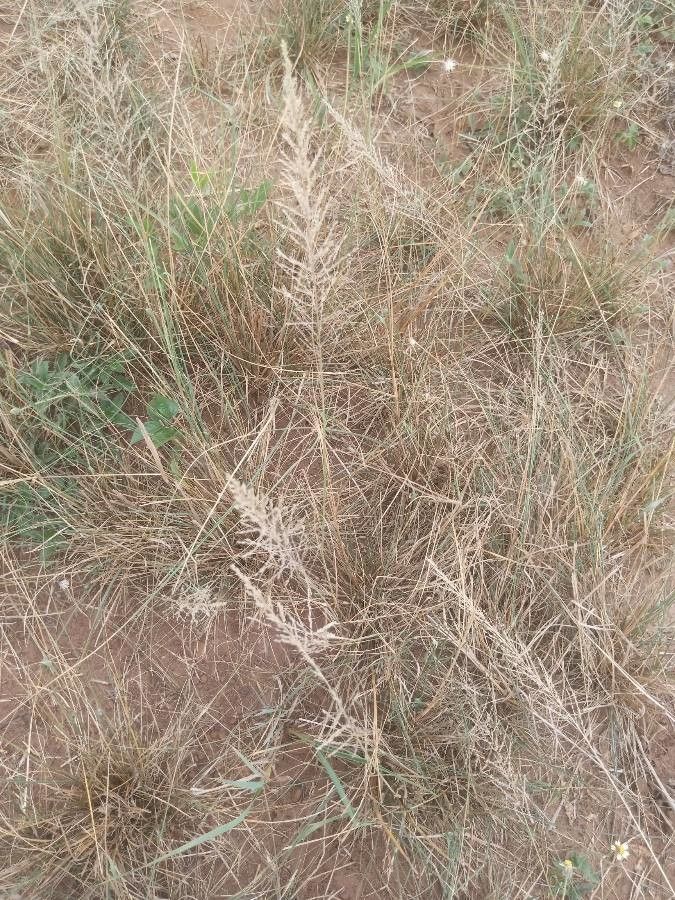
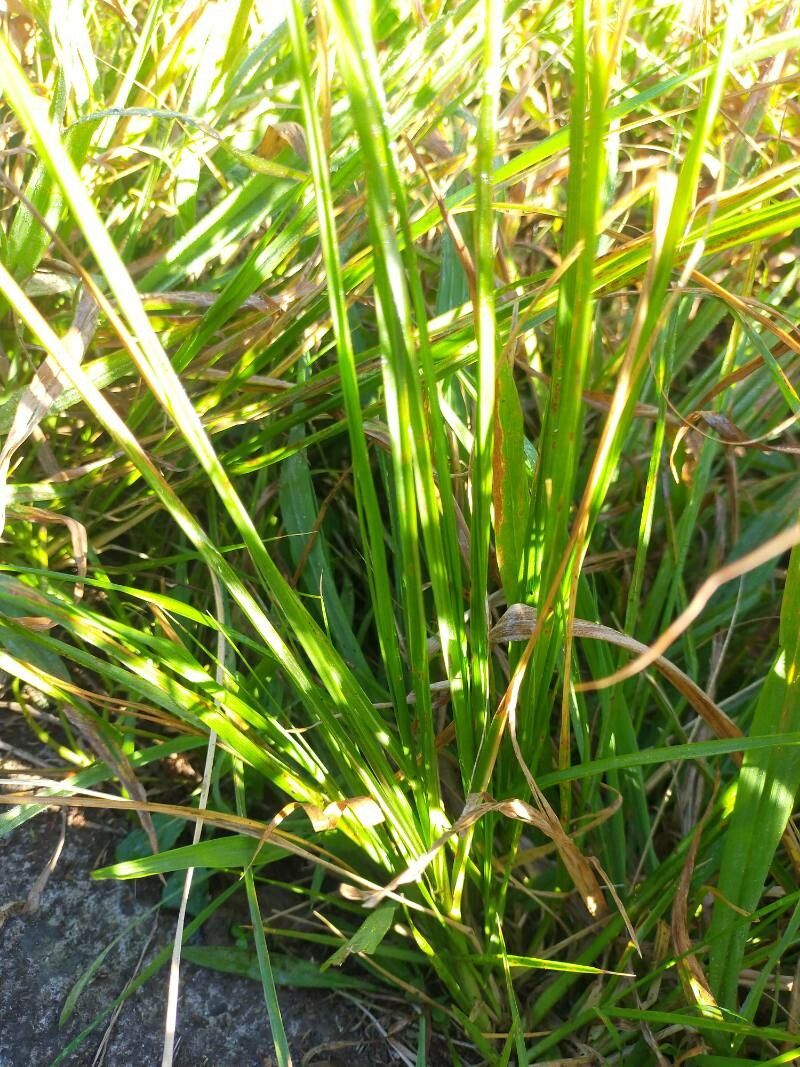
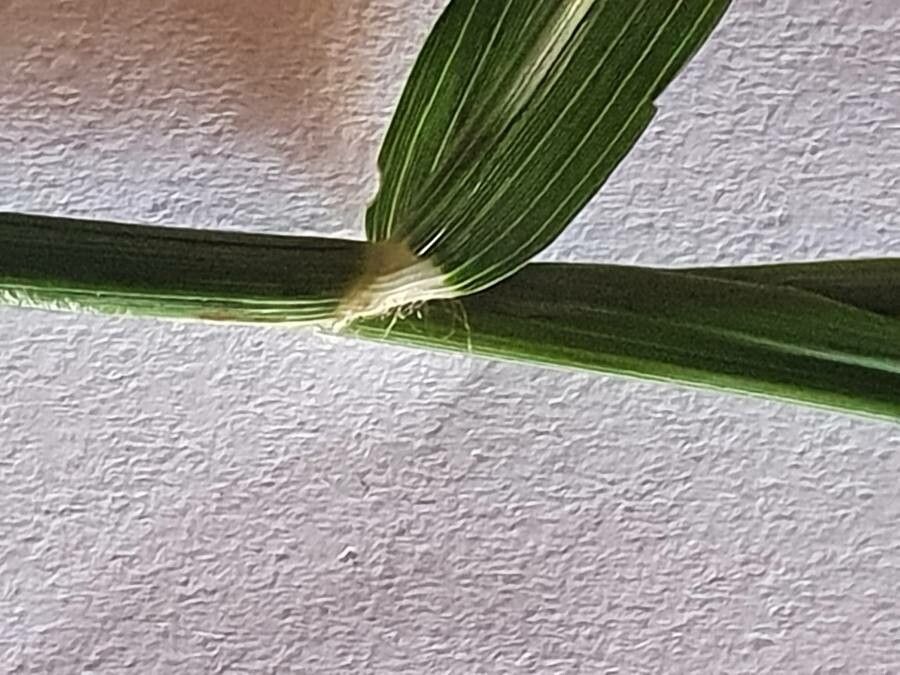
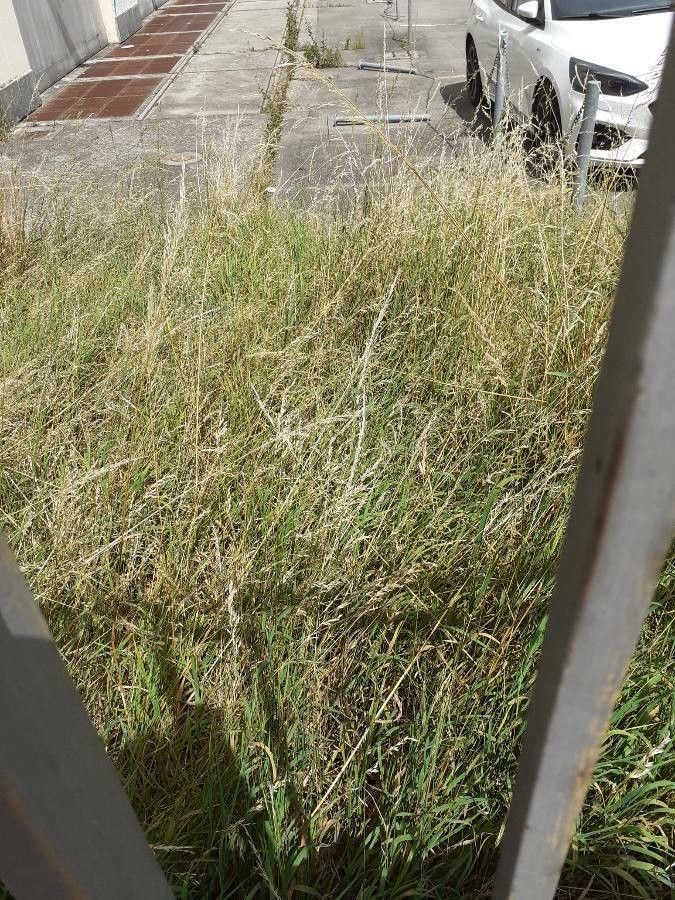
Sporobolus pyramidalis, commonly known as giant rat's tail grass, is a species of grass native to Africa and Yemen. It has become a weed in eastern Australia.
Giant ratstail grass is resistant to many diseases and is generally not susceptible to illness. Regarding maintenance, this plant is fairly low-maintenance. When grown outdoors it needs little watering, and larger specimens usually do not require pruning. Smaller plants, however, should be pruned after they finish blooming. Giant ratstail grass is appropriate for anyone with an outdoor area, such as a garden or deck, and does not demand extensive care experience.
How to keep Sporobolus Pyramidalis.
Light
The giant ratstail grass is a perennial herb that thrives in sunny environments and is native to open terrains, particularly flourishing in meadows and grasslands. It predominantly prefers full sunlight but can withstand conditions of partial sun as well.
Temperature
The giant ratstail grass is native to tropical climates, marked by constant heat and moisture. Therefore, it is highly suited to environments with high humidity and warmth. It does not favor abrupt shifts in temperature, favoring a consistent temperature setting, thereby necessitating the avoidance of indoor temperature swings. It typically shows an intolerance to low temperatures, needing elevated temperatures for its growth. Should the ambient temperature fall excessively, the plant might stop growing or even perish.
Fertilizer
To encourage robust new growth, giant ratstail grass needs extra nourishment. Supplying the required nutrients can be achieved effectively by spreading compost around the plant's base during spring. Providing fertilizer assists in promoting dynamic growth and increases the plant's resilience against diseases and pests.
Botanical profile.
- Plant Type
- Grass
- Life Cycle
- Perennial
- Genus
- Sporobolus
- Family
- Poaceae
- Hardiness Zone
- 8-11
- Mature Height
- 0.61 m to 1.52 m
- Mature Spread
- 30 cm to 61 cm
- Leaf Color
- Green
- Leaf Type
- Deciduous
- Flower Size
- 0.20 cm to 0.25 cm
- Bloom Time
- Summer, Early fall, Mid fall
- Planting Time
- Spring, Autumn
- Harvest Time
- Late summer, Fall, Early winter
- Native Area
- Burkina Faso, Belize, Mexico, Guatemala, Madagascar, Dominican Republic, Guinea-Bissau, Uganda, Tanzania, Fiji, Benin, Sierra Leone, Haiti, Cameroon, Mozambique, Ethiopia, Suriname, Central African Republic, Saudi Arabia, Malawi, Honduras, Peru, Panama, Chad, Colombia, Togo, El Salvador, Senegal, Eswatini, Côte d'Ivoire, Ecuador, Costa Rica, Gambia, Congo (DRC), Angola, Namibia, Rwanda, Yemen, Kenya, Niger, Jamaica, Zimbabwe, Mali, Cuba, Equatorial Guinea, Burundi, Liberia, Venezuela, Brazil, Oman, Ghana, Botswana, Congo, South Africa, Zambia, Sudan, Guinea, Bahamas, Bolivia, Myanmar, Guyana, Nicaragua, Gabon
Other names.