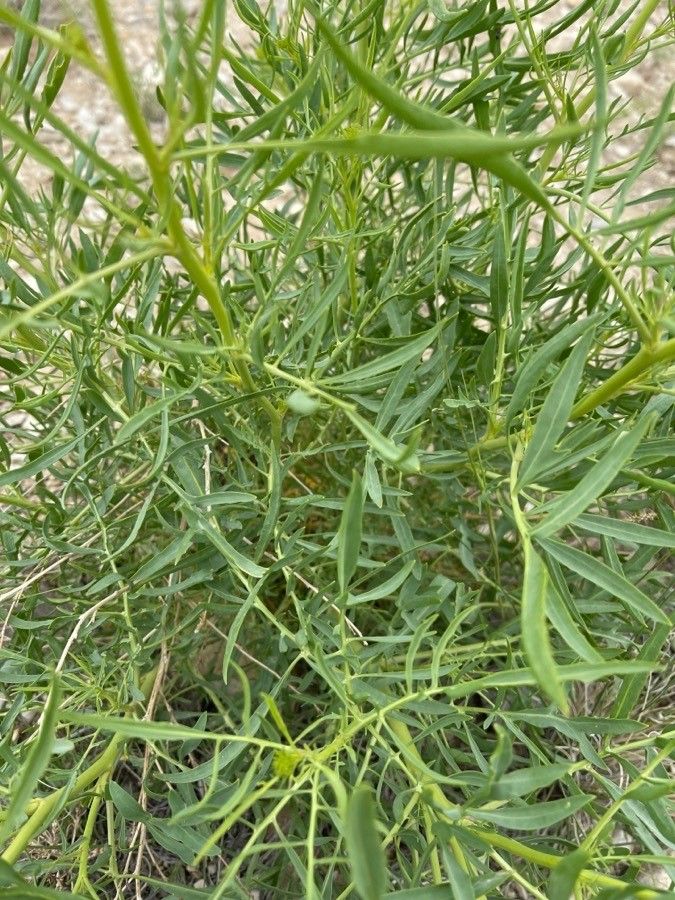
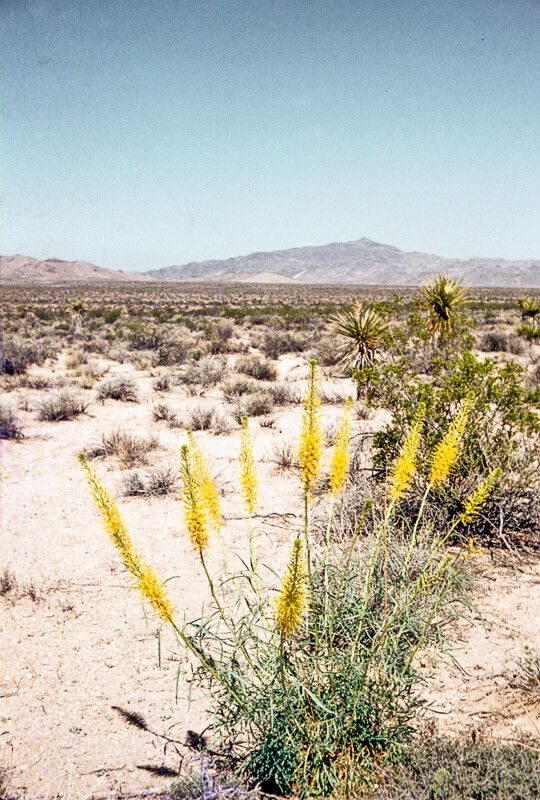
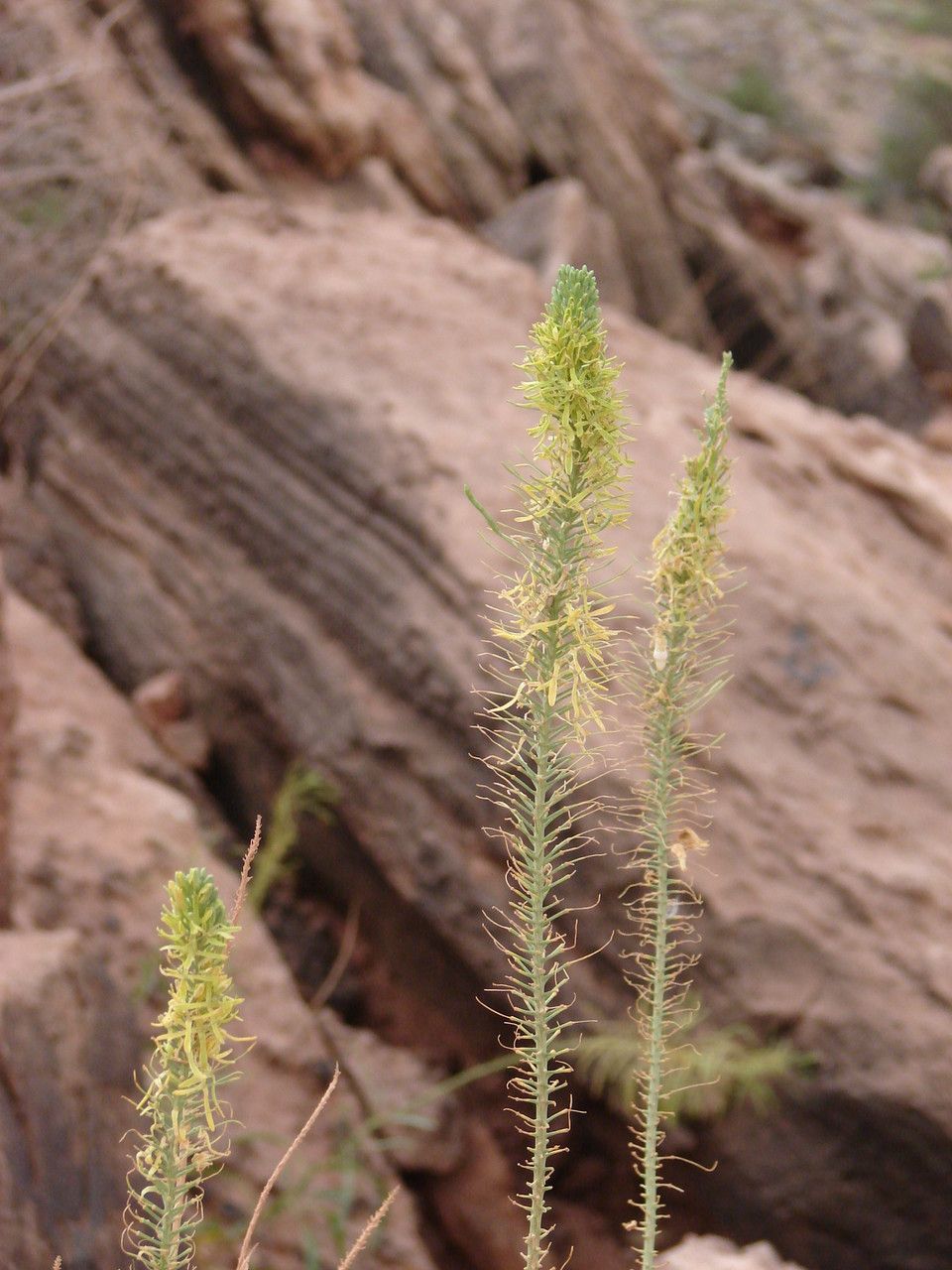
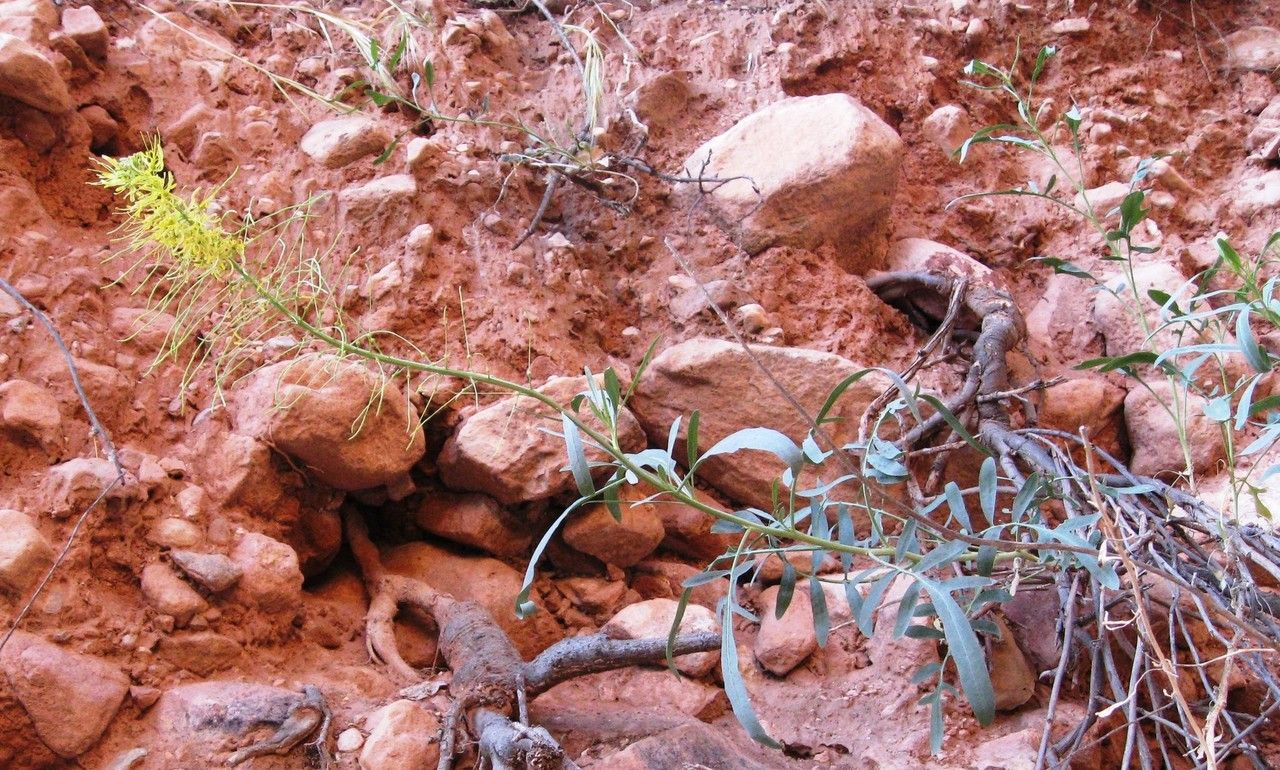
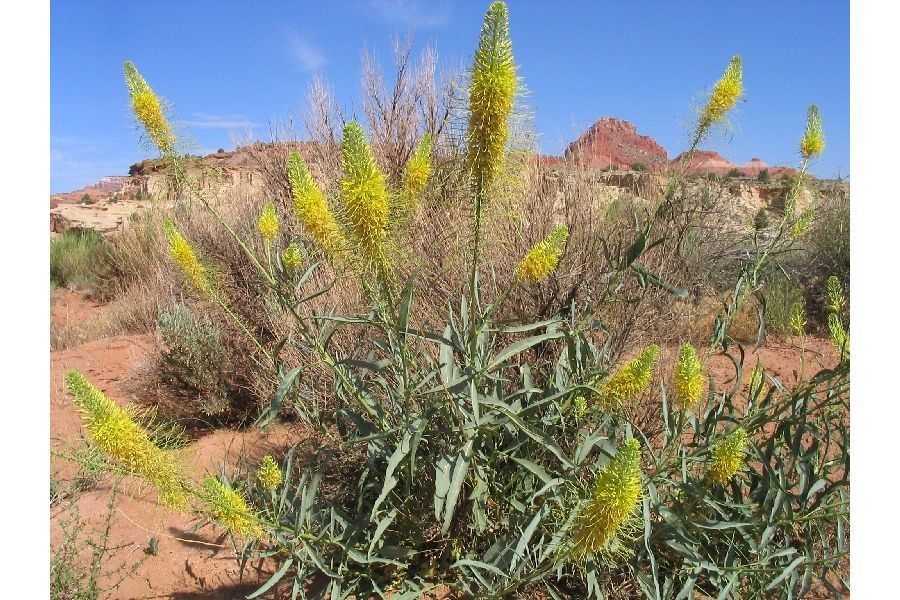
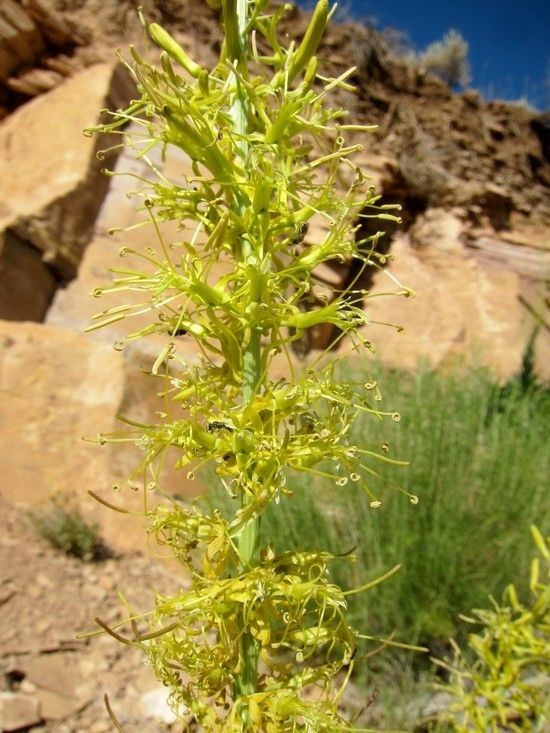
Stanleya pinnata is a species of flowering plant in the family Brassicaceae known as desert princesplume. It is a perennial herb or shrub native to North America.
Desert princesplume has strong disease resistance and is generally not susceptible to illnesses. Still, it can be affected by pests and diseases present in its environment. These infections tend to be mild. Regarding care, the plant needs moderate maintenance. It should be pruned regularly to preserve an attractive appearance and support healthy growth. Applying fertilizer can also help encourage flowering. Desert princesplume is appropriate for anyone with outdoor areas, such as a garden or patio, and does not demand extensive care experience. It may need more attention if kept indoors.
How to keep Stanleya Pinnata.
Light
Desert princesplume does best with plentiful sunlight. It tolerates low light, but abundant sun promotes healthy growth by increasing photosynthesis. Native to desert habitats, it is accustomed to strong light levels year-round. However, it should be monitored carefully to avoid damage from excessive light, while inadequate light can cause poor development.
Water
Desert princesplume is well-suited to arid environments, thriving with minimal moisture due to its high drought tolerance. To prevent over-saturation, it should ideally be watered only once a week. Thanks to its efficient water storage capabilities, desert princesplume is an excellent choice for outdoor growth in desert climates and for xeriscaping projects.
Temperature
Native to warmer environments, desert princesplume does best at temperatures between 50 to 95 °F (10 to 35 ℃). These plants favor steady warmth but can adapt if given proper care during colder, less favorable seasons.
Fertilizer
The best time to fertilize a Desert princesplume is in early spring, as it leaves dormancy and begins active growth. Fertilizing supplies essential nutrients for healthy growth. Although Desert princesplume has relatively low fertilizer requirements, applying fertilizer once a year can improve its survival and encourage more robust, longer-lasting flowers.
Pruning
Prune desert princesplume in the early to late spring, before new growth begins. This timing allows you to remove dead stems, promoting the plant's health. Light shaping will help maintain its form, encourage flowering, and prevent legginess. Always use clean tools while pruning to avoid infections, which enhances both its ornamental appeal and its resilience in arid landscapes.
Botanical profile.
- Plant Type
- Herb
- Life Cycle
- Perennial
- Genus
- Stanleya
- Family
- Brassicaceae
- Hardiness Zone
- 6-9
- Mature Height
- 0.3 m to 1.52 m
- Mature Spread
- 49 cm
- Leaf Color
- Green, Gray
- Leaf Type
- Deciduous
- Flower Color
- Yellow
- Flower Size
- 1.02 cm to 2.03 cm
- Bloom Time
- Mid spring, Late spring, Early summer
- Planting Time
- Spring, Summer, Autumn
- Harvest Time
- Summer
- Native Area
- Mexico
Other names.
Reader questions.
How should I water my Desert princesplume plant?
To properly care for the Desert princesplume plant, it's important to water it using filtered water at room temperature or slightly warmer. This is because tap water may contain harmful particles. The plant prefers warm water as it is native to warm environments, and cold water can be a shock to its system. Instead of watering from above, it is advised to apply filtered room temperature water directly to the soil until it is completely soaked. This allows the roots to absorb moisture and nutrients, promoting healthy growth.
What are the sunlight requirements for Desert princesplume?
Desert princesplume thrives in conditions of abundant sun exposure and can endure some limitations in light. For optimal growth, full sun, which is above 6 hours of sunlight, is essential, although the plant can manage with partial sun, about 3-6 hours of sunlight. It's important to monitor the sunlight exposure to ensure the plant does not suffer from too much or too little light, as both can adversely affect its growth.
What temperatures are ideal for the Desert Princesplume to thrive?
Desert Princesplume, with its botanic name Stanleya pinnata, thrives best in warmer environments, preferring temperatures ranging between 50 to 95 °F (10 to 35 °C). These plants are well-suited to consistent warmth, yet they are adaptable and can adjust well with proper care during the colder, less optimal seasons. Despite its strong cold resistance, it's crucial to provide protection when winter temperatures are expected to drop below -25°C, employing measures like covering the plant with soil or straw.
What should I do if I give too much or too little water to my Desert princesplume?
Overwatering and underwatering can harm your Desert princesplume plant, but overwatering is a more common problem. Too much water can cause the stems and leaves of your plant to wilt and turn yellow. It can also lead to diseases like root rot, mold, and mildew, which can kill the plant. Underwatering is less likely, as this plant can tolerate drought. However, if it does happen, the leaves may become brittle and brown. It's important to recognize the early signs of overwatering and take action. Some diseases, such as root rot, may become irreversible if not addressed promptly. If you notice early signs, reduce your watering schedule and check if the soil drains well. Replace it with a loose, well-draining potting mix if necessary. If your plant shows signs of not getting enough water, simply water it more regularly until the signs disappear.
What additional care should be taken for Desert princesplume regarding lighting?
For indoor plants, adequate lighting is crucial, especially when natural sunlight is insufficient. Artificial lights can be a vital solution, promoting healthier growth. LED lights are recommended because they can provide specific wavelengths needed by the plants. Full sun plants need 30-50W/sq ft of artificial light, partial sun plants need 20-30W/sq ft, and full shade plants require 10-20W/sq ft. The light source should be placed 12-36 inches above the plant, mimicking natural sunlight for 8-12 hours per day.
How should I prepare Desert Princesplume for winter?
To prepare Desert Princesplume for winter, especially before the first freeze in autumn, it's recommended to water the plant abundantly to ensure the soil stays moist and enters a frozen state. This preparation helps prevent drought and water scarcity for the plant during the winter and early spring. If winter temperatures are anticipated to fall below -25°C, providing cold protection by covering the plant with materials such as soil or straw is important to shield it from extreme cold.
How frequently do I need to water my Desert princesplume plant?
If your Desert princesplume plant is in a pot, the most precise way to determine if it needs water is to stick your finger in the soil. If you find that the top two to three inches of soil are dry, then it's time to water it. For Desert princesplume plants growing outdoors in the ground, you can use a similar method to test the soil. Once again, if the top few inches of soil have dried out, it's time to water. During the spring and early fall seasons, following this method will generally lead you to water the plant about once a week. However, during extremely hot weather, you may need to water it two or more times per week. It's important to note that mature, well-established Desert princesplume plants have a remarkable ability to tolerate drought.
What are the symptoms of inadequate lighting for Desert princesplume?
Symptoms of inadequate lighting include small or pale new leaves, leggy or sparse growth, faster leaf drop, slower or no new growth, chlorosis, sunscald, leaf curling, wilting, and leaf scorching. These signs indicate a lack of appropriate sunlight exposure, either too little or too much, affecting the plant's health and ability to photosynthesize effectively.
What are the symptoms of exposure to low temperatures for Desert Princesplume, and how do I address them?
Desert Princesplume is cold-tolerant and performs best when temperatures remain above 10°C. However, during winter, it is crucial to ensure that temperatures stay above -15°C to avoid damage. When temperatures fall below -25°C, you might not see noticeable changes during the winter, but there could be a decrease in sprouting or even no sprouting during the spring. If this occurs, it's advisable to remove any parts of the plant that have failed to sprout in the spring as part of your care routine.
How much water does my Desert princesplume plant need?
When watering your Desert princesplume, don't be afraid to give it a generous amount of water. Make sure the top two to three inches of soil are dry before watering, and then water the plant thoroughly to completely soak the soil. It's important to add enough water so that it flows out of the drainage holes at the bottom of the pot. If you don't see excess water draining, you may not have given enough water. However, be cautious not to let water accumulate in the soil, as this can harm the plant. Additionally, if water doesn't drain properly from the pot, it may indicate that the soil doesn't have good drainage, which can be harmful to the plant's health. If the plant is outside, one inch of rain per week should be enough.
How can you address lighting issues for Desert princesplume?
To remedy lighting issues, gradually moving plants to sunnier locations can help, aiming for at least 6 hours of direct sunlight daily. For indoor plants large or not easily movable, consider using artificial lighting, keeping a lamp on for at least 8 hours a day or investing in professional grow lights. Outdoors, avoid sudden changes in light intensity to prevent sunburn. Reducing obstructions, such as pruning trees that block sunlight, and transplanting to better-lit locations, are effective strategies for outdoor plants. Note that parts of the plant damaged by insufficient light may not recover, but new growth should be healthy with improved lighting conditions.
How does high temperature affect Desert Princesplume, and what measures should be taken?
High temperatures, specifically above 35°C during summer, can adversely affect Desert Princesplume. Exceeding 38°C may lead to the plant's leaves becoming lighter in color, curling, being prone to sunburn, and in severe cases, the entire plant may wilt and dry out. To mitigate these effects, trim away the sunburned and dried-up parts. Relocating the plant to a shaded area or using a shade cloth to protect it from the midday and afternoon sun can be beneficial. Additionally, watering the plant in the morning and evening helps keep the soil moist and supports the health of the plant.