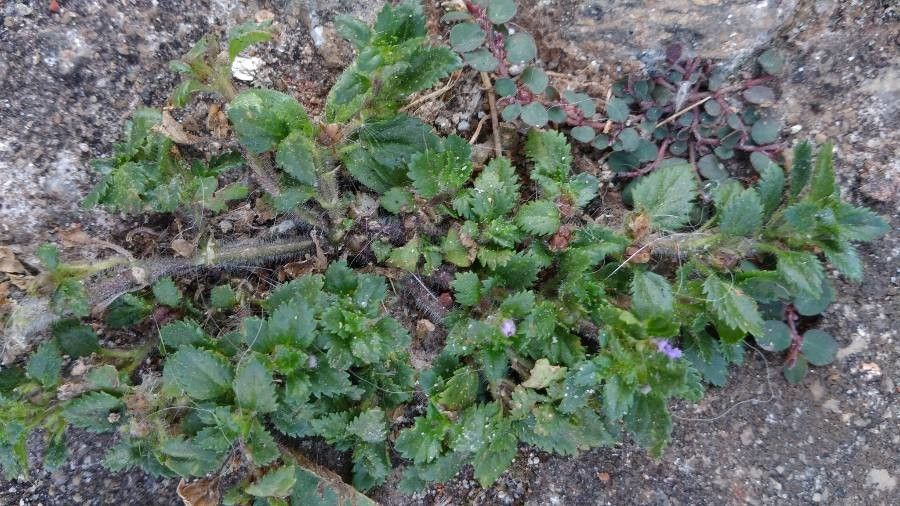
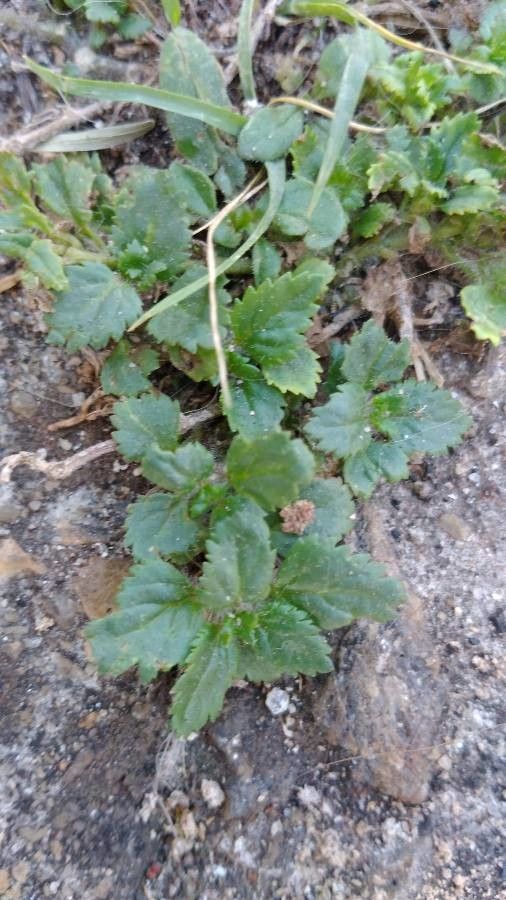
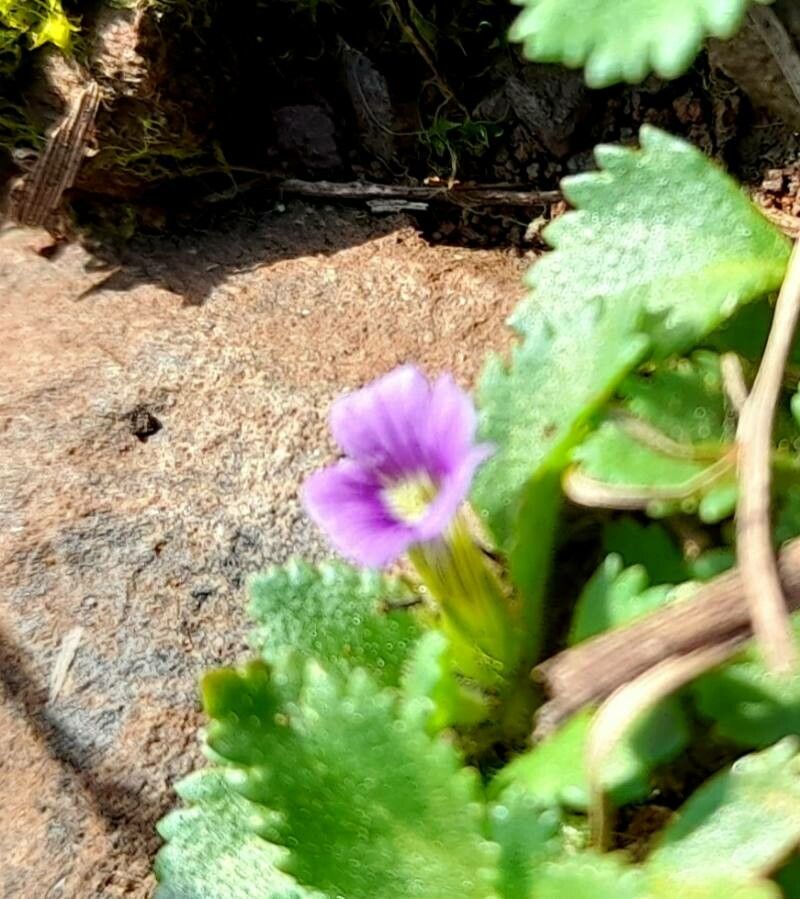
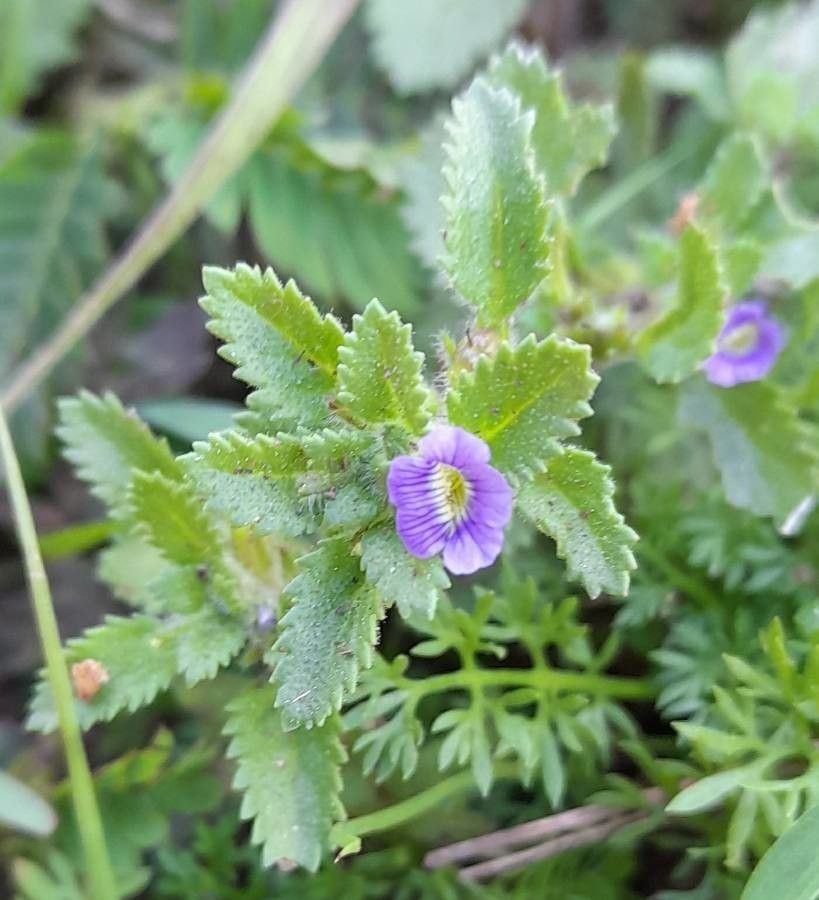
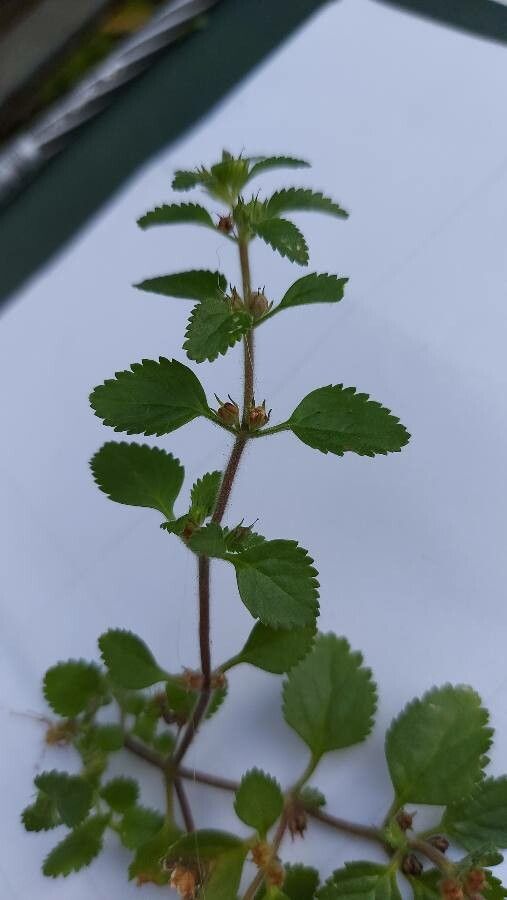
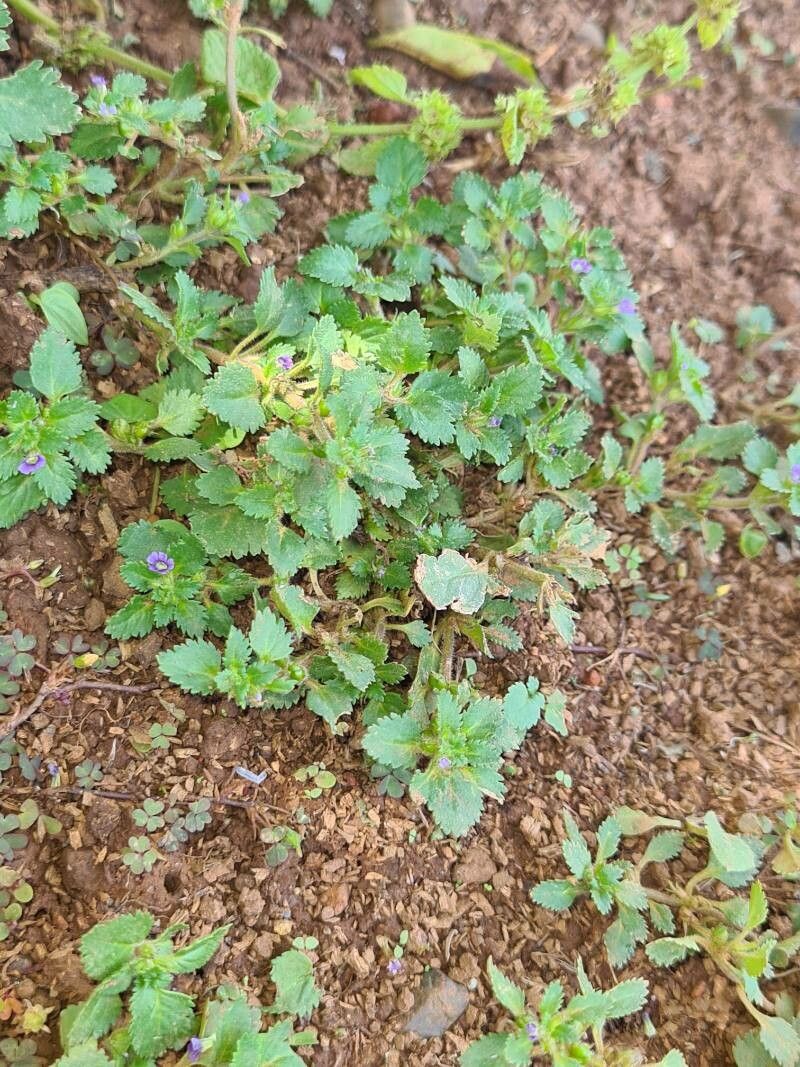
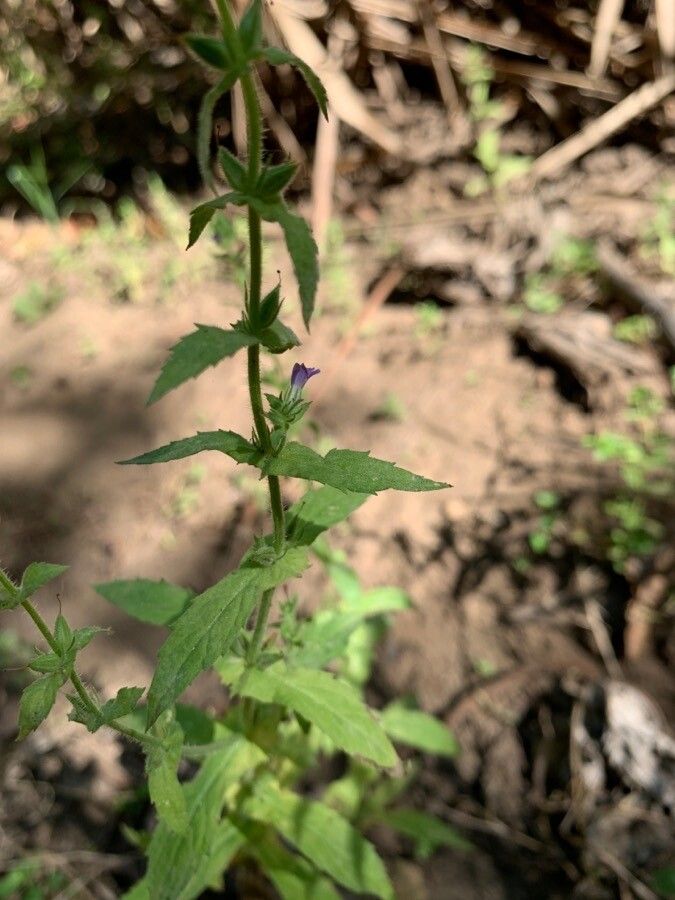
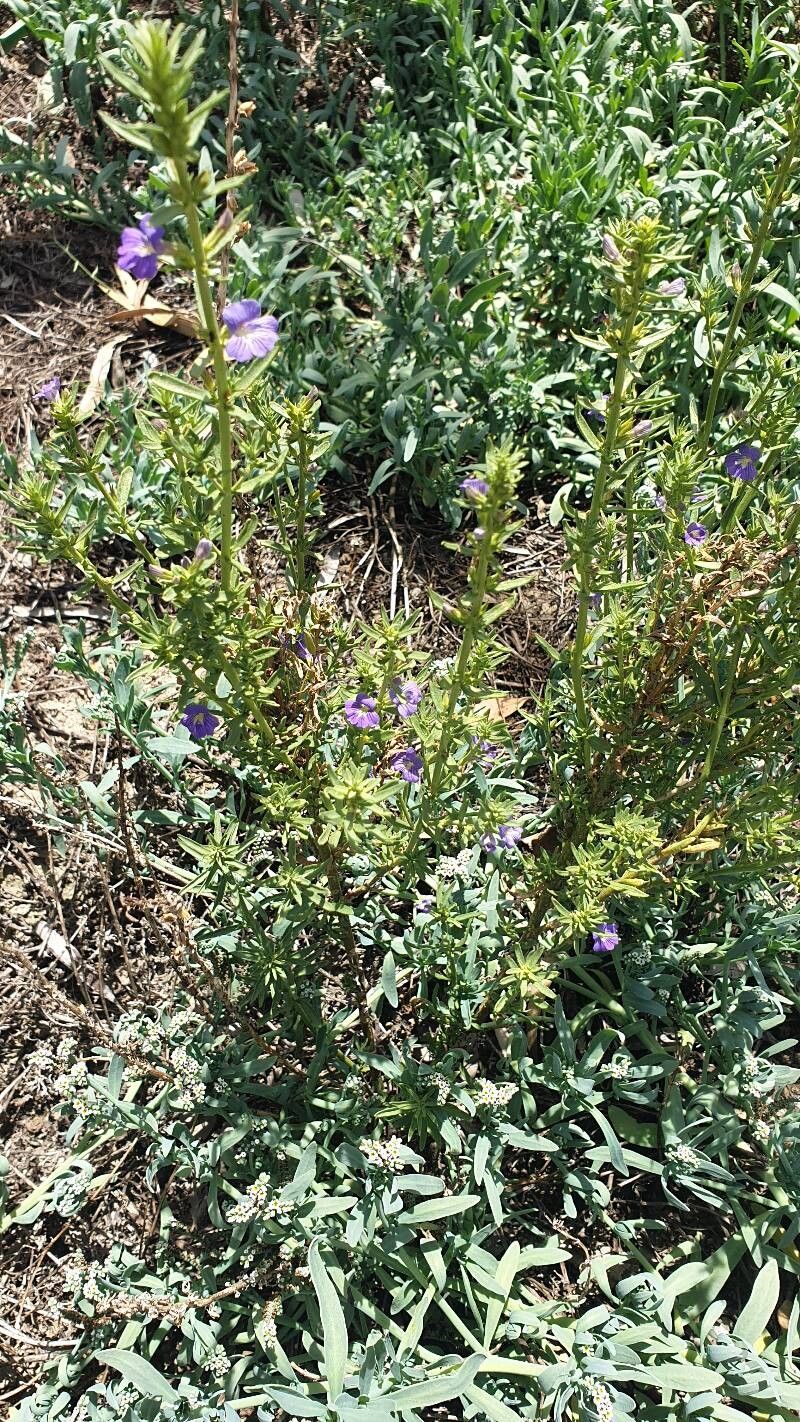
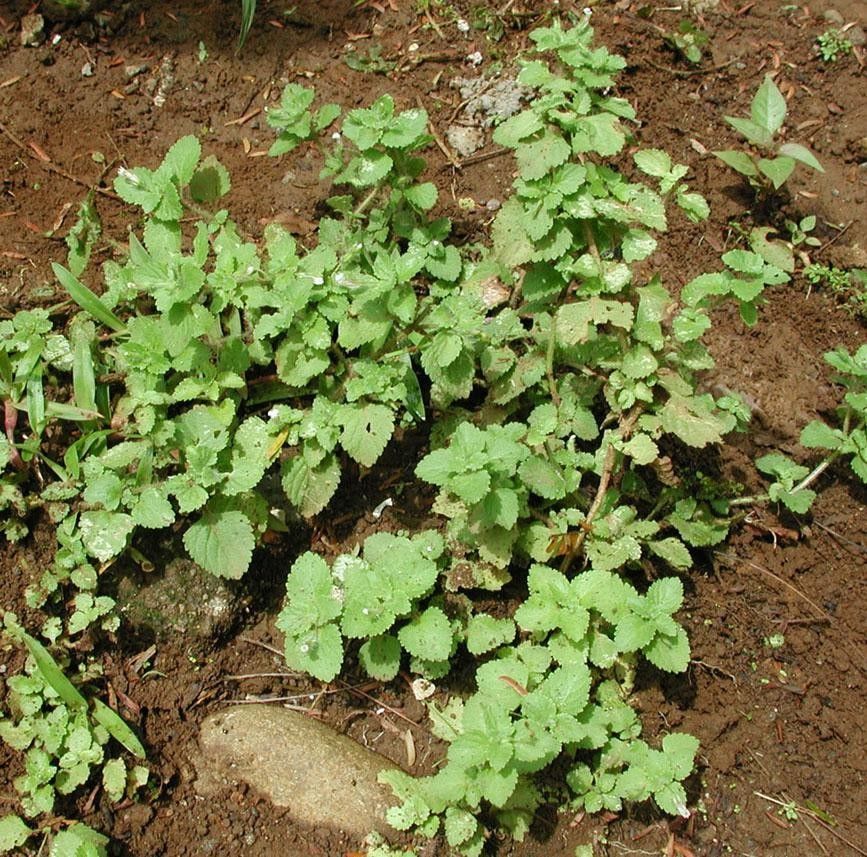
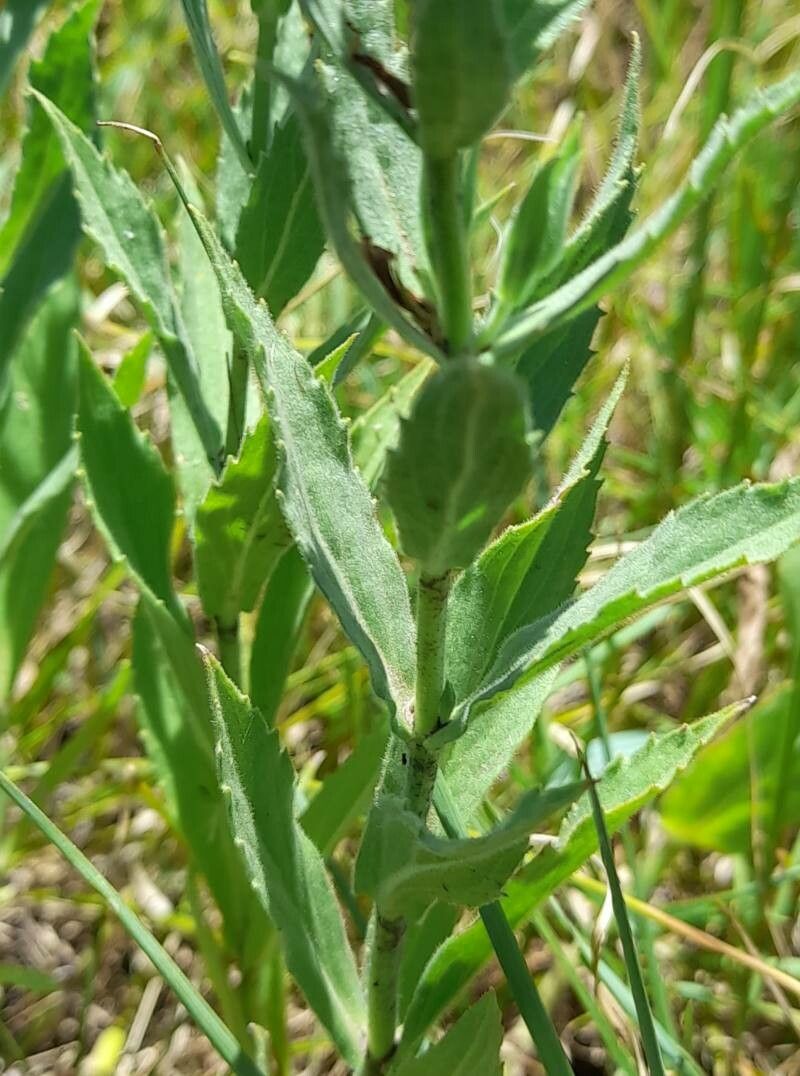
Stemodia verticillata: An Attractive and Useful Perennial Stemodia verticillata, commonly known as whorled stemodia or whorled false pennyroyal, is a perennial herbaceous plant belonging to the Plantaginaceae family. Native to North and South America, this plant thrives in various habitats such as prairies, savannas, and open woodlands. The stem of Stemodia verticillata can grow up to 60 cm tall and is square-shaped with oppositely arranged leaves that form whorls of four or five. The lance-shaped leaves are green, serrated, and slightly hairy. The flowers of Stemodia verticillata bloom on long stalks emerging from the leaf axils. These small flowers, about 1 cm long, have five petals fused at the base to form a tube-like structure. They are typically white or pale blue-purple in color. Traditionally, indigenous peoples have used Stemodia verticillata for medicinal purposes to treat ailments such as fever, coughs, colds, and headaches. In landscaping, Stemodia verticillata makes an excellent ground cover due to its low-growing habit. It is ideal for rock gardens or as a border around flower beds, adding an attractive touch of blue-purple color during its blooming period from late spring through summer. Overall, this plant is an appealing addition to any garden. Its low-maintenance requirements and beautiful foliage add texture and provide medicinal benefits, making it both aesthetically pleasing and useful.
Whorled twintip is fairly disease-resistant and typically does not suffer from illnesses. However, it can be vulnerable to pests and diseases present in its surroundings. Such infections are generally not severe. As for care, this plant requires moderate maintenance. Regular pruning is necessary to keep a good appearance and support healthy growth. Fertilizing can also help encourage flowering. Whorled twintip is suitable for anyone with outdoor space, such as a garden or patio, and does not demand much care experience. It may need more attention when grown indoors.
How to keep Stemodia Verticillata.
Light
Whorled twintip comes from habitats with dappled light, such as forest understories or rocky areas that provide natural shade. It does best in partial sun but can also tolerate full sun conditions.
Water
Whorled twintip, a plant native to tropical regions, thrives in consistently moist, well-drained soil with high humidity. To maintain its moisture levels, it needs to be watered weekly. It does best in sunny outdoor environments and benefits from natural rainwater, showing adaptability to natural watering cycles.
Temperature
Whorled twintip adapts well to heat, tolerating higher temperatures and wide temperature swings. In hot conditions, attention to watering and providing adequate shade is necessary to prevent sunburn. Conversely, Whorled twintip is not very tolerant of low temperatures; it can handle some cold, but very cold conditions may cause frost damage.
Fertilizer
Whorled twintip benefits from frequent, light applications of fertilizer to encourage healthy leaf growth. You should fertilize Whorled twintip roughly once a month during the summer. Nitrogen is important for foliage, and providing nitrogen-rich sources helps Whorled twintip thrive.
Pruning
The whorled twintip has leaves arranged in a whorl and features small flowers. To care for this plant, prune it from early to late spring. Use clean, sharp tools to remove dead stems and enhance air circulation. This will encourage denser foliage and improved flowering. Avoid heavy pruning during the dormant season to prevent stressing the plant.
Botanical profile.
- Plant Type
- Herb
- Life Cycle
- Annual
- Genus
- Stemodia
- Family
- Plantaginaceae
- Hardiness Zone
- 9-11
- Mature Height
- 15 cm
- Mature Spread
- 20 cm to 40 cm
- Leaf Color
- Green, Dark Green
- Leaf Type
- Deciduous
- Flower Color
- Purple
- Flower Size
- 0.25 cm
- Bloom Time
- All year round
- Planting Time
- Spring, Summer, Autumn
- Harvest Time
- All year round
- Native Area
- Colombia, Belize, Honduras, Mexico, Guatemala, Bolivia, Venezuela, Peru, Guyana, El Salvador, Nicaragua, Ecuador, Costa Rica, Panama
Other names.
Reader questions.
How should I water my Whorled twintip plant?
There are several ways to water Whorled twintip: using a garden hose with a spray nozzle, a watering can, or any other common watering tool. Whorled twintip is not too picky about its water source - rainwater, tap water, or filtered water will do. It's best to avoid watering this plant from above, as it can harm the leaves and flowers and potentially cause disease. Setting up a drip irrigation system is often the most effective watering method for Whorled twintip, as it distributes water evenly and directly to the soil. If you have a container-grown Whorled twintip, you can follow a similar approach but change the watering tools - use a cup, watering can, or tap to water the soil directly.
What should I do if I give my Whorled twintip too much or too little water?
The solution for underwatering Whorled twintip is simple. If you notice your plant lacks moisture, start watering it more regularly. On the other hand, overwatering can be a bigger problem if not caught early. When your Whorled twintip is overwatered, it may get sick and eventually die. To prevent this, choose a suitable spot with enough sunlight to dry the soil and good drainage to let excess water drain instead of pooling and causing waterlogged soil. If your potted Whorled twintip is overwatered, consider changing it to a new pot. The old container might not have proper drainage holes or soil with good drainage. When repotting your overwatered plant, use loose soil and an efficient draining pot.
How often do I need to water my Whorled twintip?
Whorled twintip requires regular watering during the growing season. In the spring, water the plant once a week. As the season progresses and temperatures rise, you may need to increase watering to two or three times a week. However, be cautious not to exceed this rate as it can be harmful to the plant. Regardless of the watering frequency, make sure the soil remains moist but not overly wet for the Whorled twintip to thrive. When it comes to potted Whorled twintip, the watering schedule needs to be adjusted since the soil in pots can dry out faster. Generally, you should water a container-grown Whorled twintip a few times per week, while an in-ground plant only requires watering once a week.
How much water does my Whorled twintip require?
There are various ways to decide how much water to give your Whorled twintip plant. Some gardeners prefer to check the soil to gauge moisture levels. For this method, you should water until the top six inches of soil feel damp. Another approach is to use a specific measurement as a guideline. Generally, it is recommended to provide your Whorled twintip with around two gallons of water per week, adjusting for hotter weather and faster soil drying. However, strictly following this guideline might cause overwatering if your plant actually requires less water. When growing Whorled twintip in a container, you need to adopt a different method. In this case, water enough to moisten all the layers of dry soil. You can check this by inserting your finger into the soil for moisture or continue watering until you observe a slight flow of excess water from the drain holes in the pot.
How do I know if I'm watering my Whorled twintip plant enough?
Avoiding overwatering your Whorled twintip can be a bit tricky. On one hand, you need to keep the soil moist by watering weekly because these plants have deep roots. On the other hand, these plants are highly prone to root rot, which can lead to browning. Underwatering is less of a concern since Whorled twintip can survive without extra watering for a period of time. However, if you wait too long to water, the plant will start to wilt and the leaves may become dry.
How do I water my Whorled twintip plant throughout the seasons?
As the season progresses, you can expect your Whorled twintip's water needs to increase. In spring, watering once a week should be sufficient. However, as the summer heat arrives, you will likely need to water your Whorled twintip more frequently, potentially three times per week. This is especially important for Whorled twintip grown in containers, as the soil in a container tends to dry out faster than ground soil when it's warm. In autumn, when your Whorled twintip is still blooming, it may need less water due to the lower temperatures and less intense sun compared to summer.
How much water does my Whorled twintip need at different growth stages?
Throughout the year, Whorled twintip will go through different growth stages, each with varying water requirements. It starts as a seed, during which you should provide more water to ensure proper germination. This means watering frequently to maintain consistent soil moisture. After a few weeks, the plant will emerge from the soil and will need slightly less water compared to the seedling phase. Once the plant is fully mature, you can water it once per week. During flower development, you may need to increase watering slightly to support the process.
What's the difference in how you water Whorled twintip plants inside compared to outside?
Most Whorled twintip plants prefer to grow outdoors instead of indoors for several reasons. The first reason is that these plants tend to grow quite tall. Additionally, they require more daily sunlight than most indoor growing locations are able to provide. However, if you are able to offer a suitable indoor growing spot, you may find that you need to water your Whorled twintip more frequently compared to an outdoor location. This is due to indoor areas being generally drier, thanks to HVAC units. Furthermore, soil in containers can dry out more rapidly than soil in the ground.