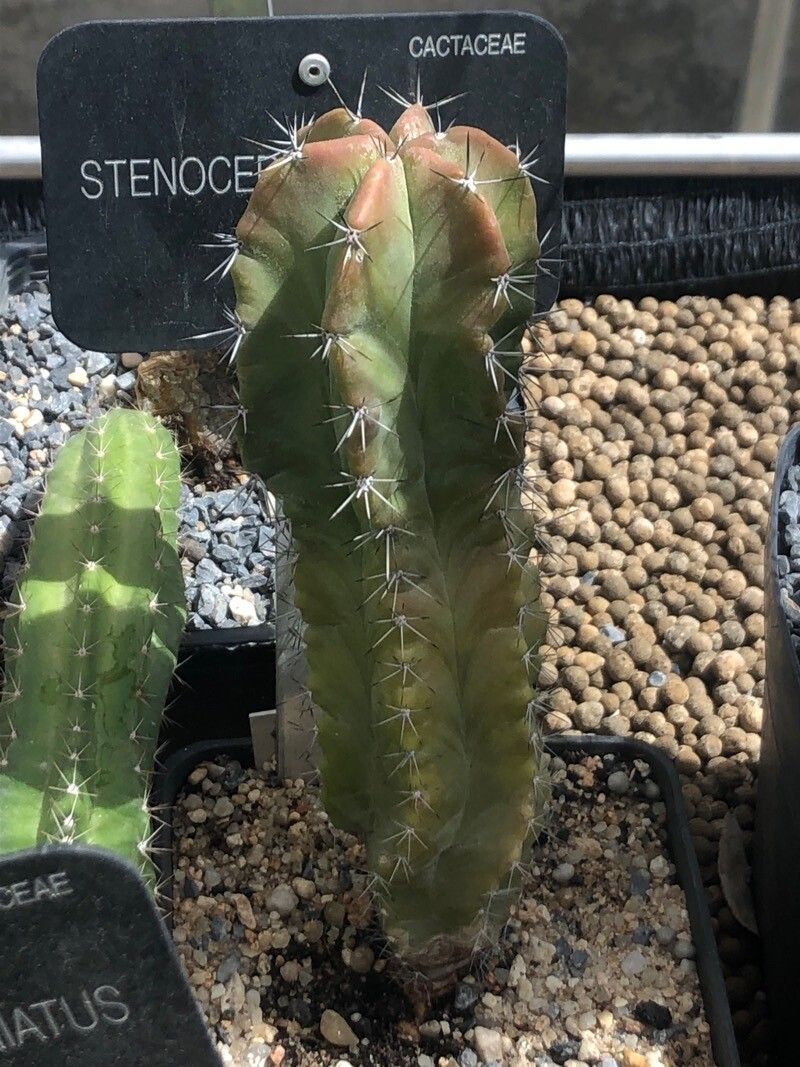
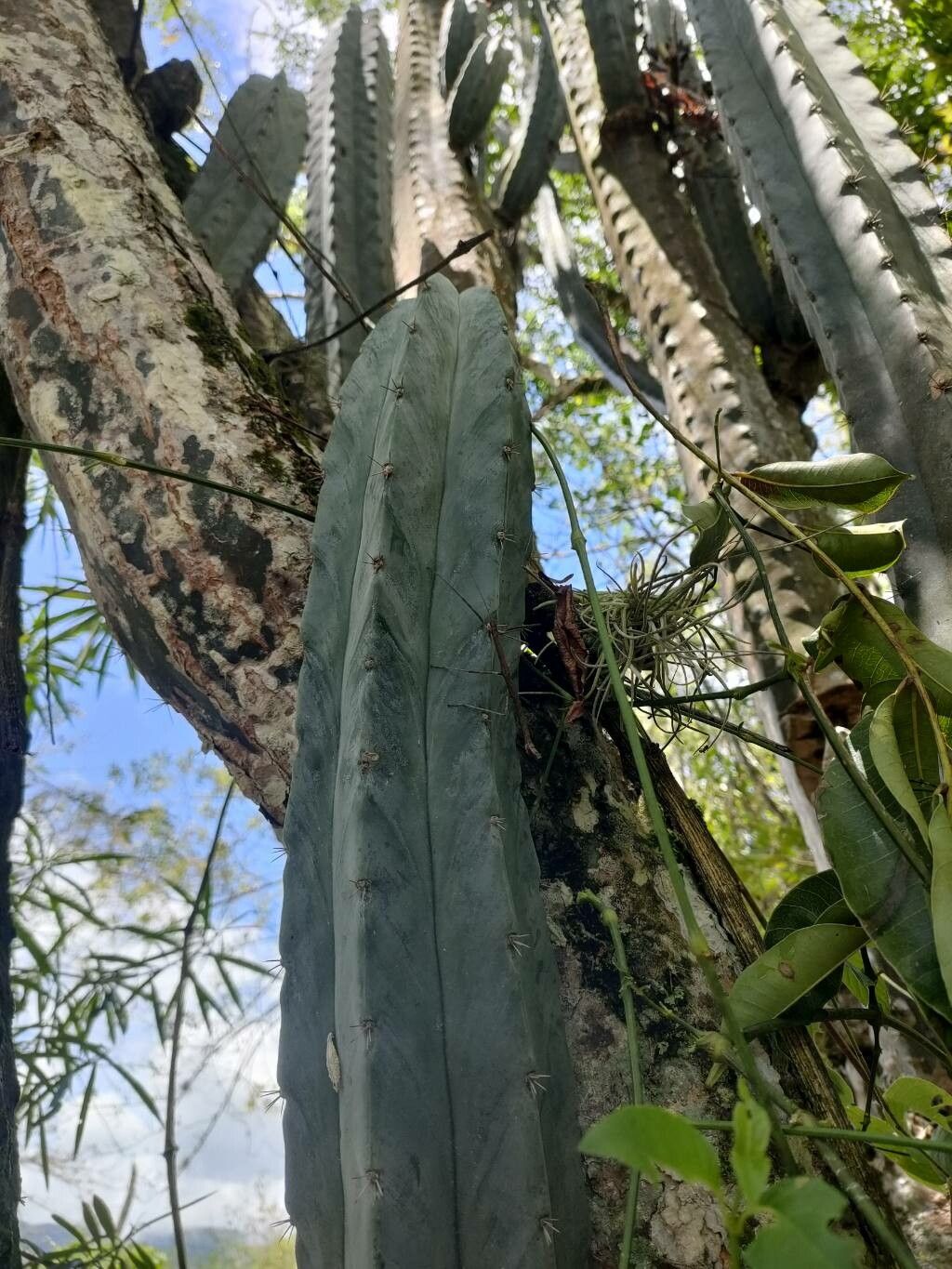
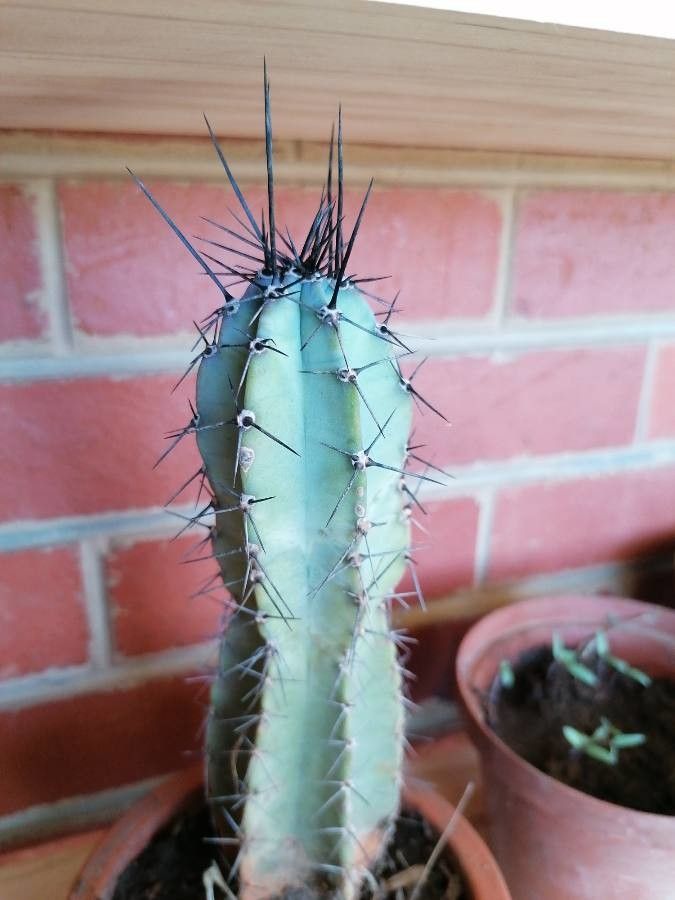
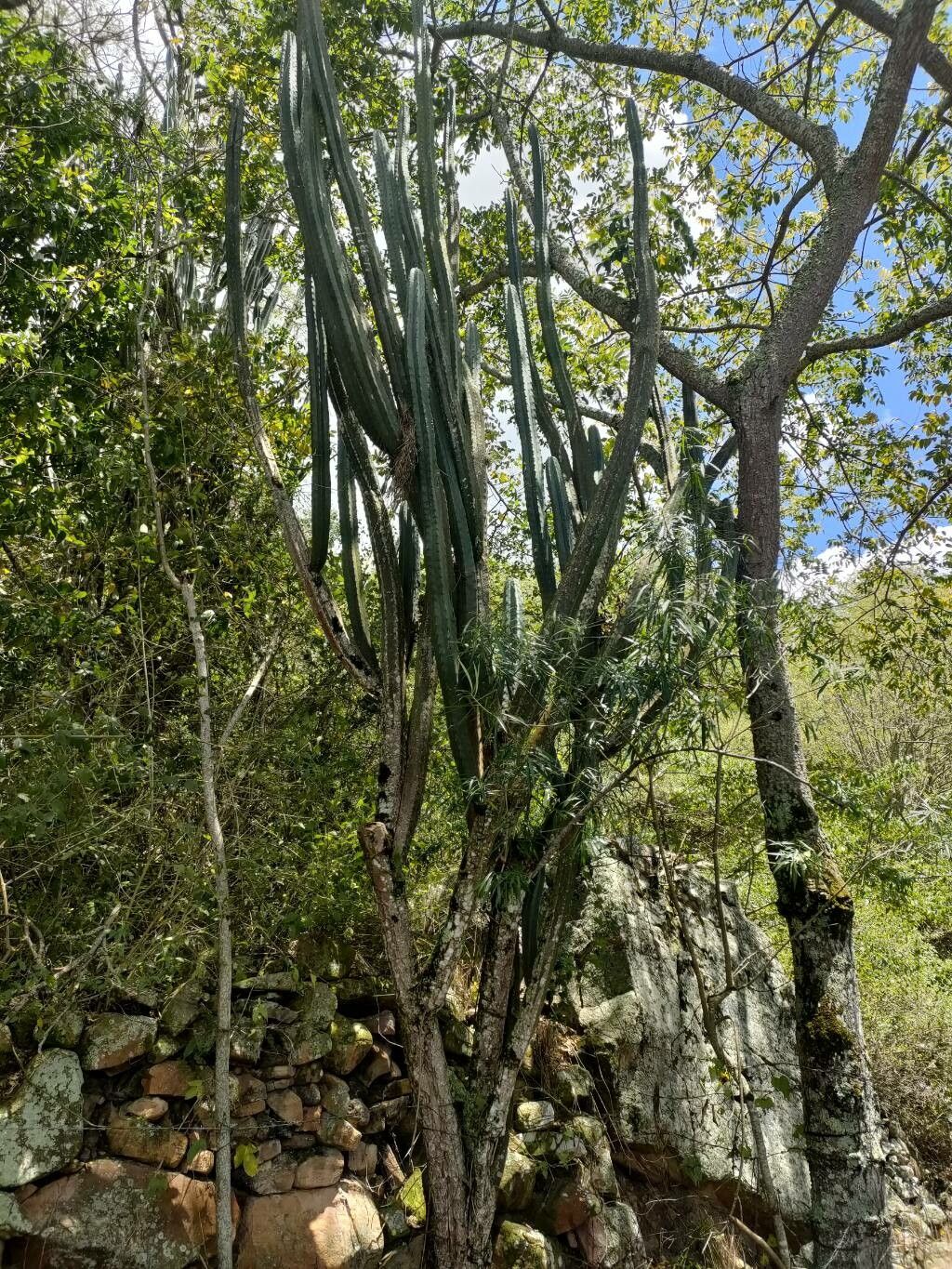
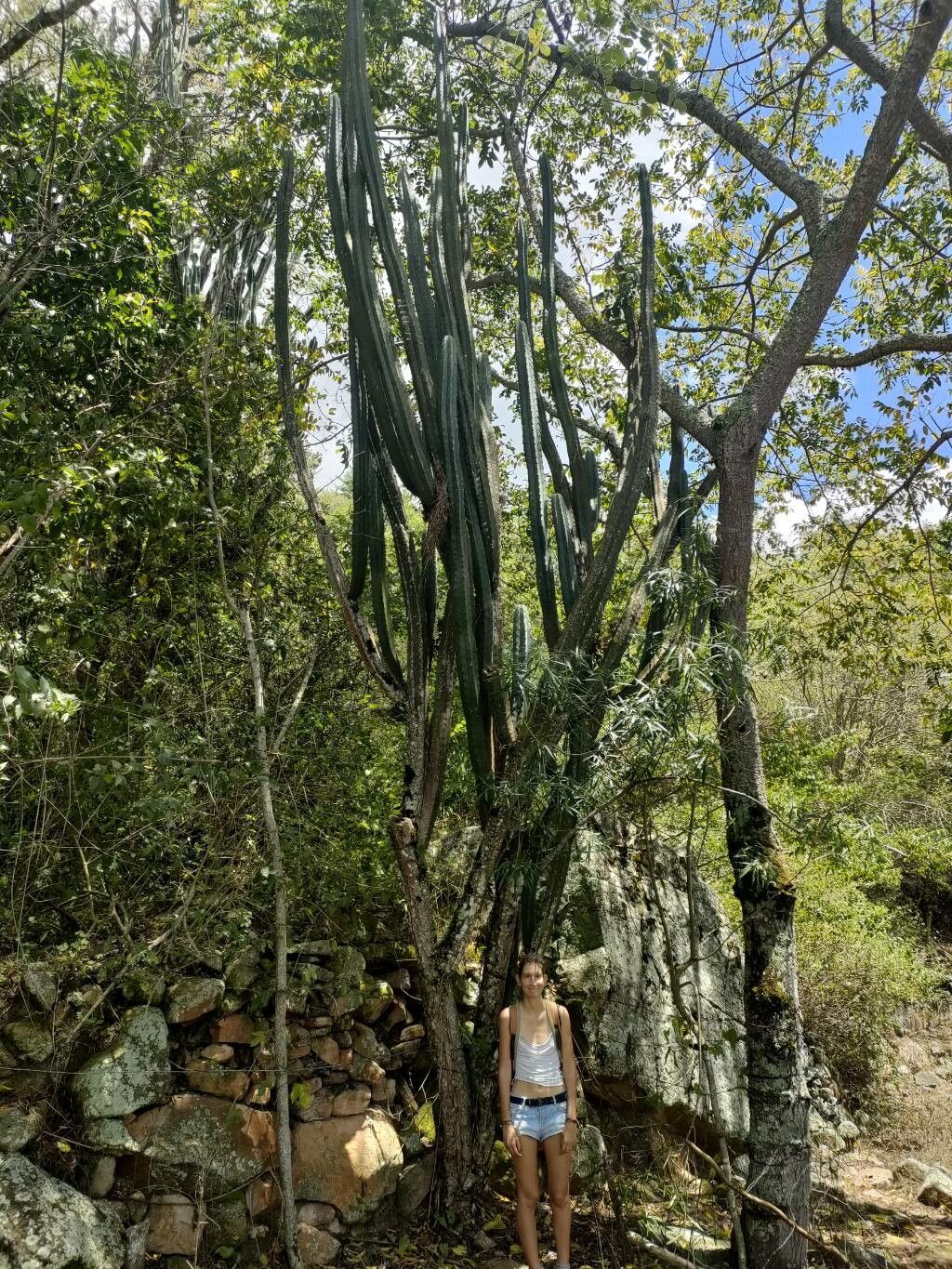
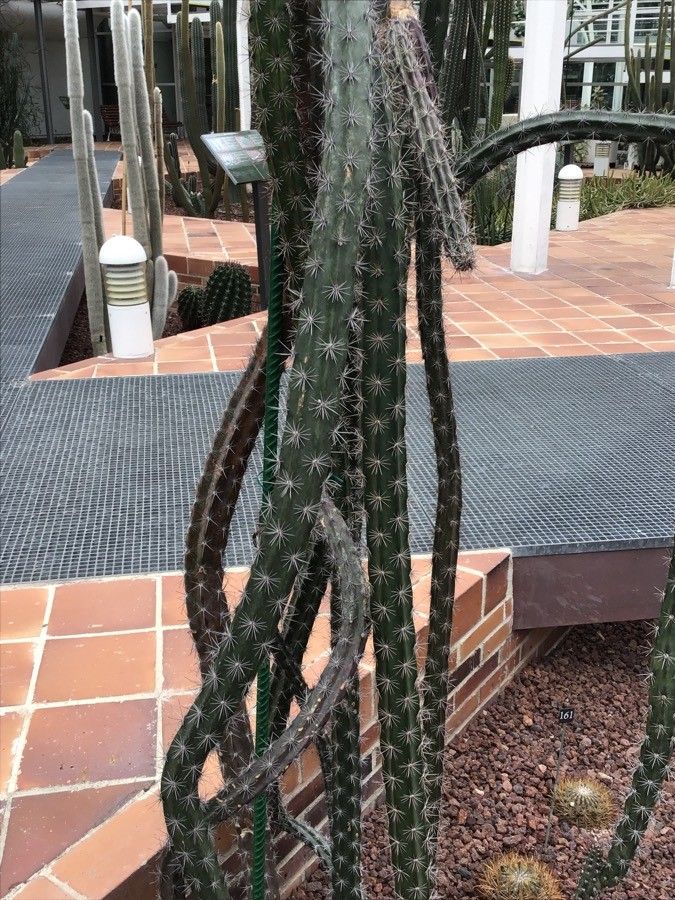
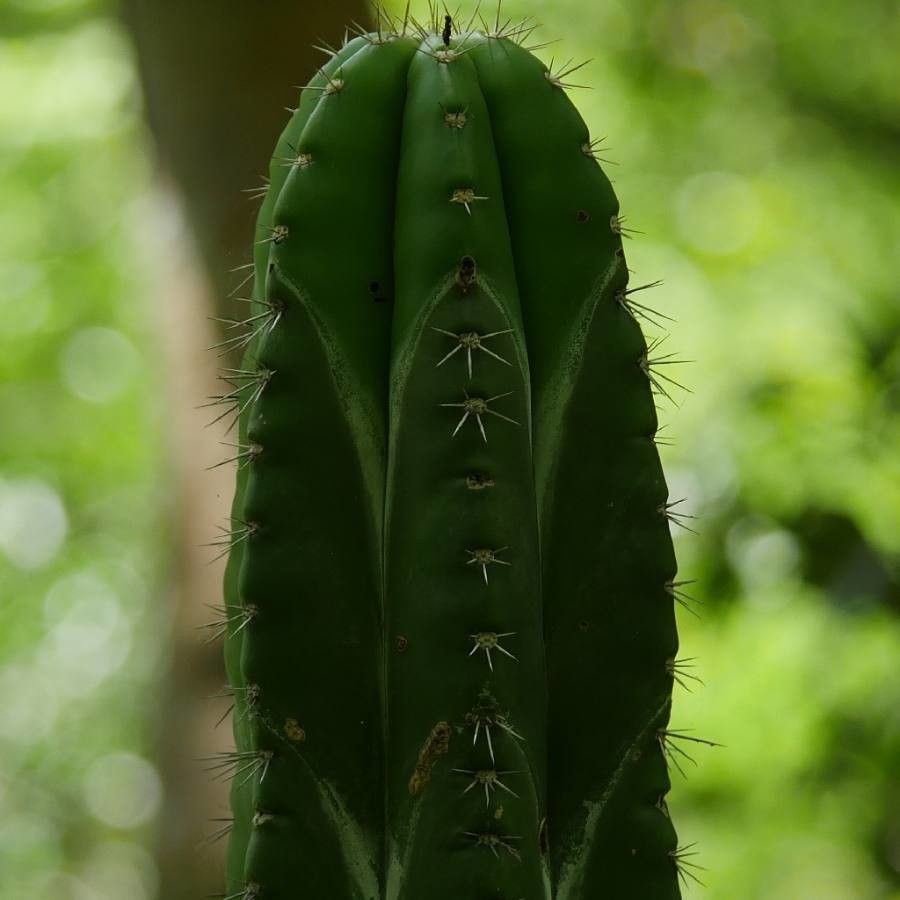
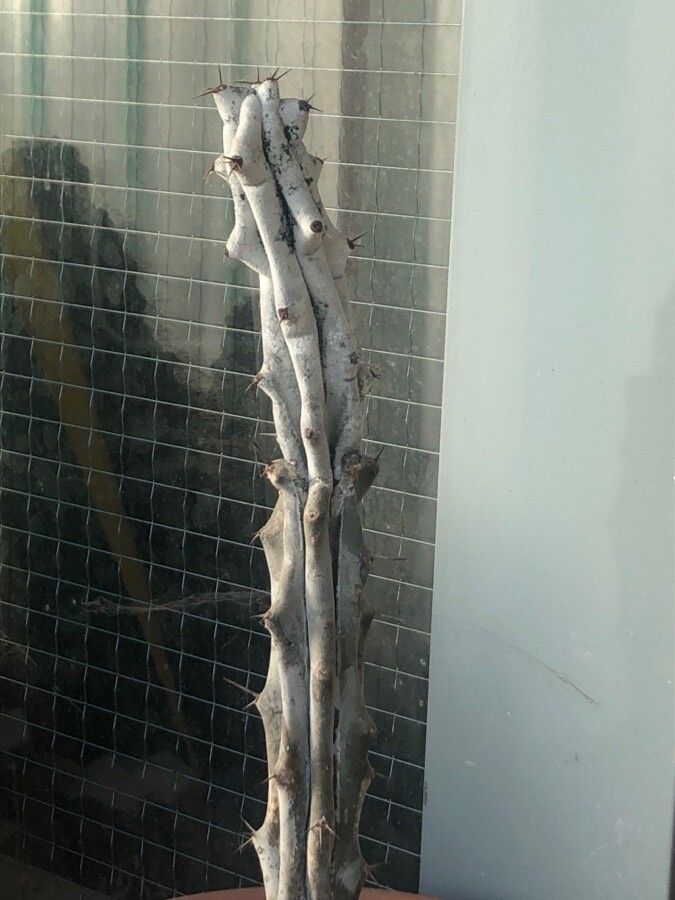
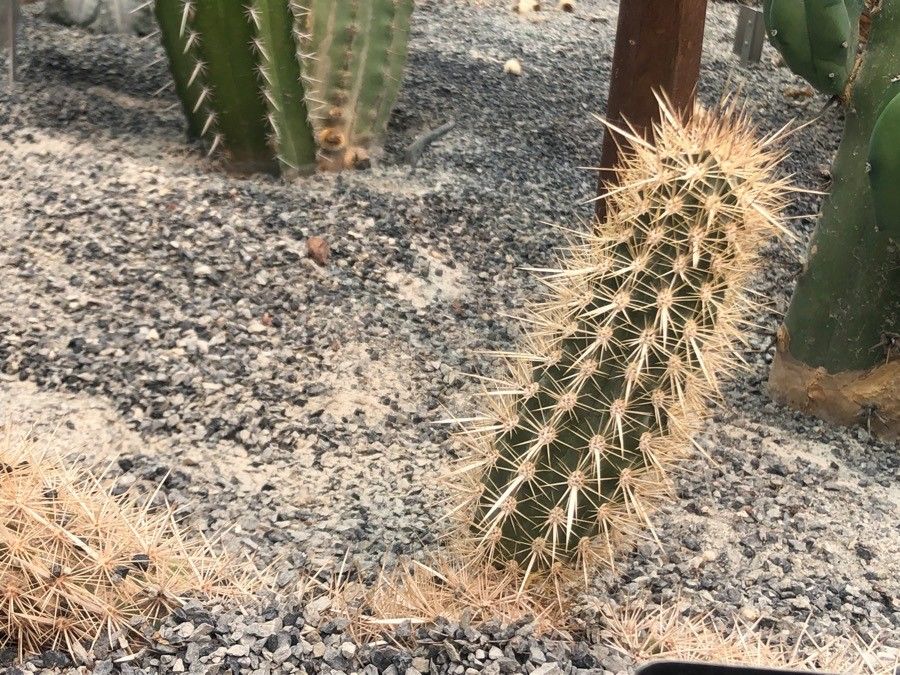
Stenocereus griseus, commonly known as the Organ Pipe Cactus, is a cactus species native to the Sonoran Desert in North America. This slow-growing plant can reach heights of up to 20 feet and widths of up to 10 feet. The cactus features multiple stems emerging from a single base, all covered in spines. While the stems are green when young, they gradually turn gray as they age.
The Organ Pipe Cactus blooms from May to June, producing large white flowers that open at night and close during the day. These flowers are followed by edible red fruit, which can be eaten raw or used to make jams and jellies.
This cactus prefers well-drained soil and full sun exposure but can also tolerate partial shade. It is drought-tolerant but requires occasional watering during hot summer months.
Stenocereus griseus plays a crucial role in its ecosystem by providing shelter for birds, insects, and other animals. It also serves as a food source for various wildlife species, including bats, birds, rodents, and deer.
Due to habitat loss from human activities such as agricultural expansion and urbanization, the Organ Pipe Cactus has been listed under the Endangered Species Act. Conservation efforts have been initiated, including habitat restoration programs aimed at protecting this unique desert species from extinction and promoting sustainable land use practices within its range.
Mexican organ pipe has strong resistance to diseases and can tolerate ordinary care without becoming sick easily. It can, however, be vulnerable to mealybugs; these pests can cause some harm but are typically not a major problem. Regarding care, Mexican organ pipe is drought-tolerant and does not need frequent watering. It can endure extended periods without water and requires little fertilizer. Still, it is very prone to root rot if kept in poor light and overwatered. In general, Mexican organ pipe is a good choice for people who prefer low-maintenance plants, though it remains important to know and meet its basic needs. It is especially suitable for those who are away for long stretches and might often forget to water their plants.
How to keep Stenocereus Griseus.
Light
Native to dry areas, the Mexican organ pipe does best in full sun; its native habitat features intense sunlight and little shade. It also tolerates partial sun, which gives it some flexibility in how it grows.
Temperature
The Mexican organ pipe does best in warm conditions and needs higher temperatures during the growing season to support growth and metabolism. It prefers plenty of sunlight, proper moisture levels, and good ventilation. However, it is vulnerable to harm from very low temperatures and from overwatering. It's important to maintain a balance and avoid both excessively high temperatures and overly dry conditions.
Fertilizer
For Mexican organ pipe, small amounts of fertilizer once or twice a year during the growing season are enough. Do not fertilize in winter or summer when the plant is dormant. Cut back on fertilizer for repotted plants and wait a couple of months after repotting before applying fertilizer. Fertilizing helps maintain healthy growth and encourages flowering.
Botanical profile.
- Plant Type
- Succulent
- Life Cycle
- Perennial
- Genus
- Stenocereus
- Family
- Cactaceae
- Hardiness Zone
- 10-12
- Mature Height
- 4.88 m to 9.14 m
- Mature Spread
- 2.13 m to 3.96 m
- Leaf Color
- Dark Green, Gray
- Leaf Type
- Evergreen
- Flower Color
- White
- Flower Size
- 7.62 cm to 11.43 cm
- Bloom Time
- Summer
- Planting Time
- Spring, Summer, Autumn
- Harvest Time
- Late summer, Early fall, Mid fall
- Native Area
- Colombia, Mexico, Venezuela
Other names.