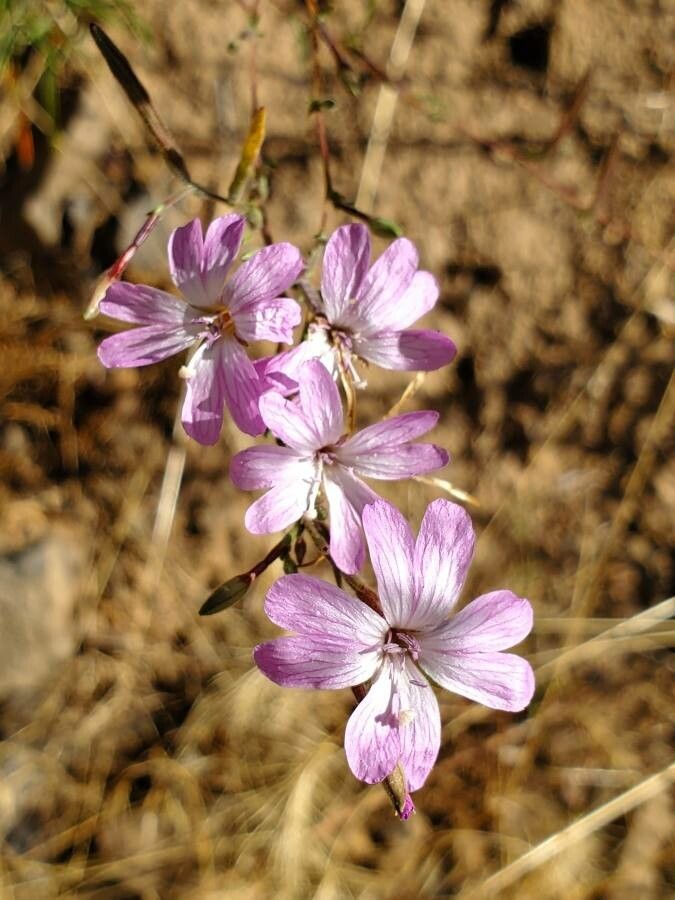
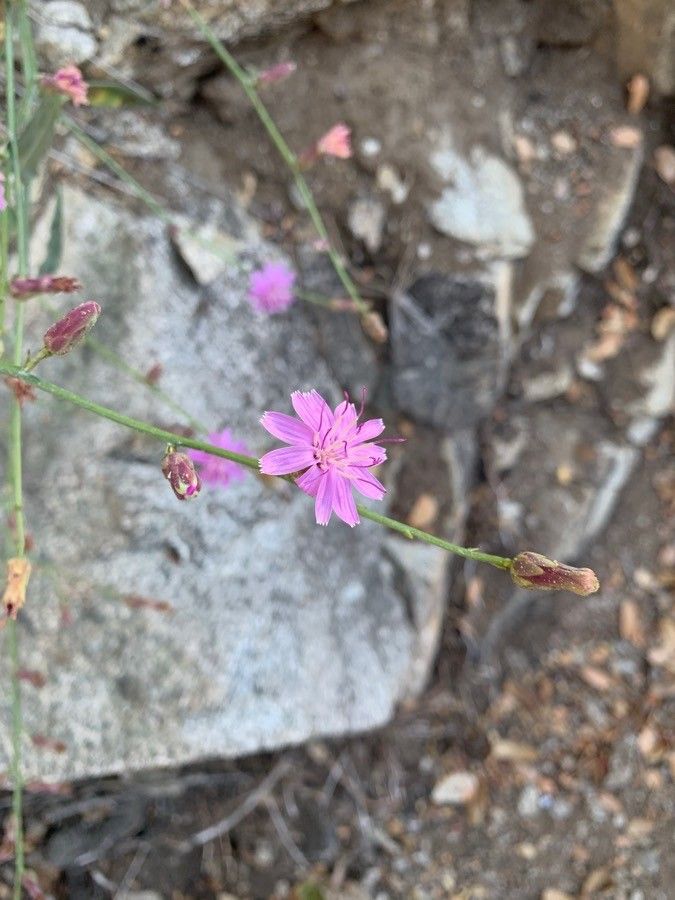
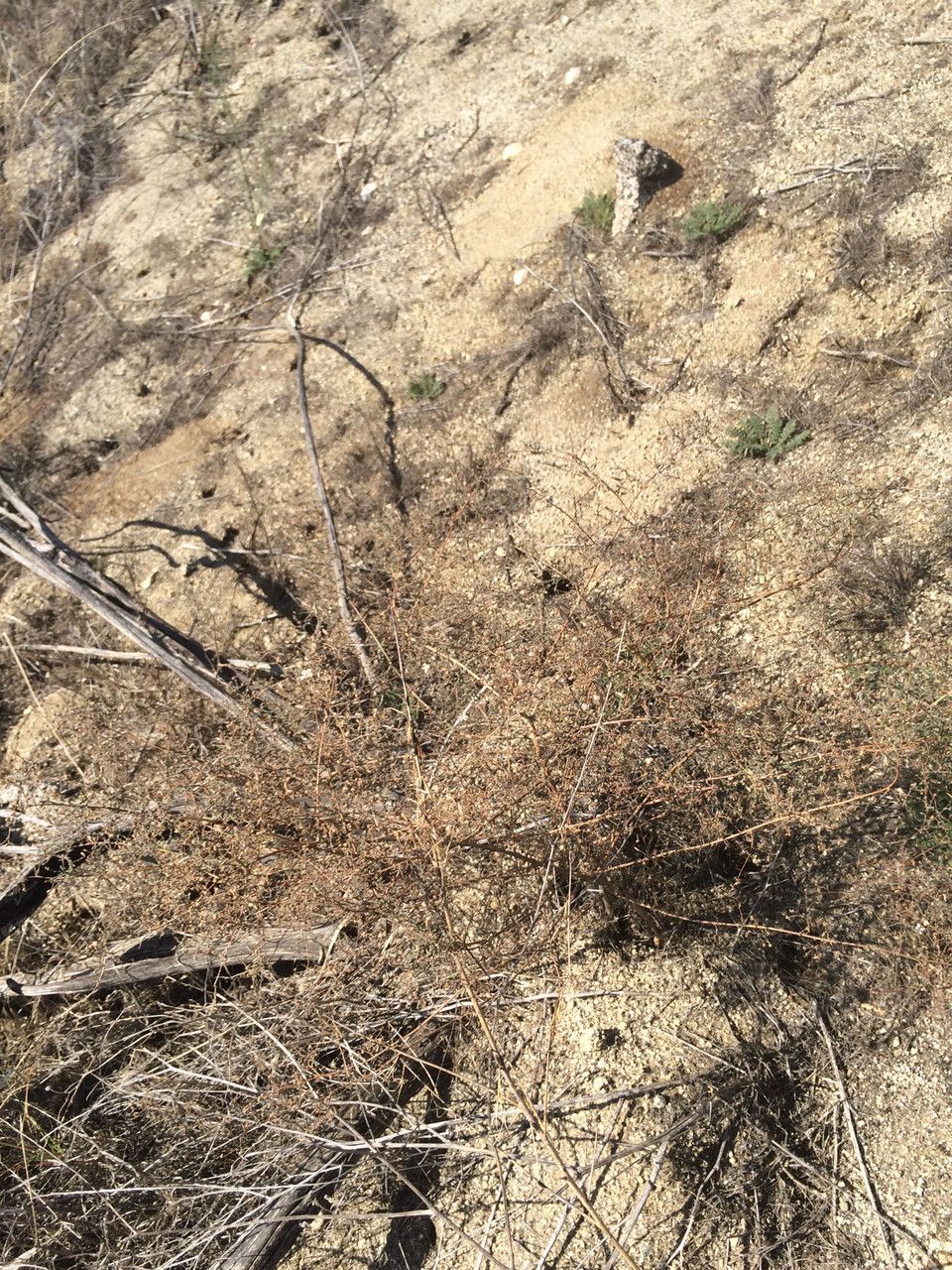
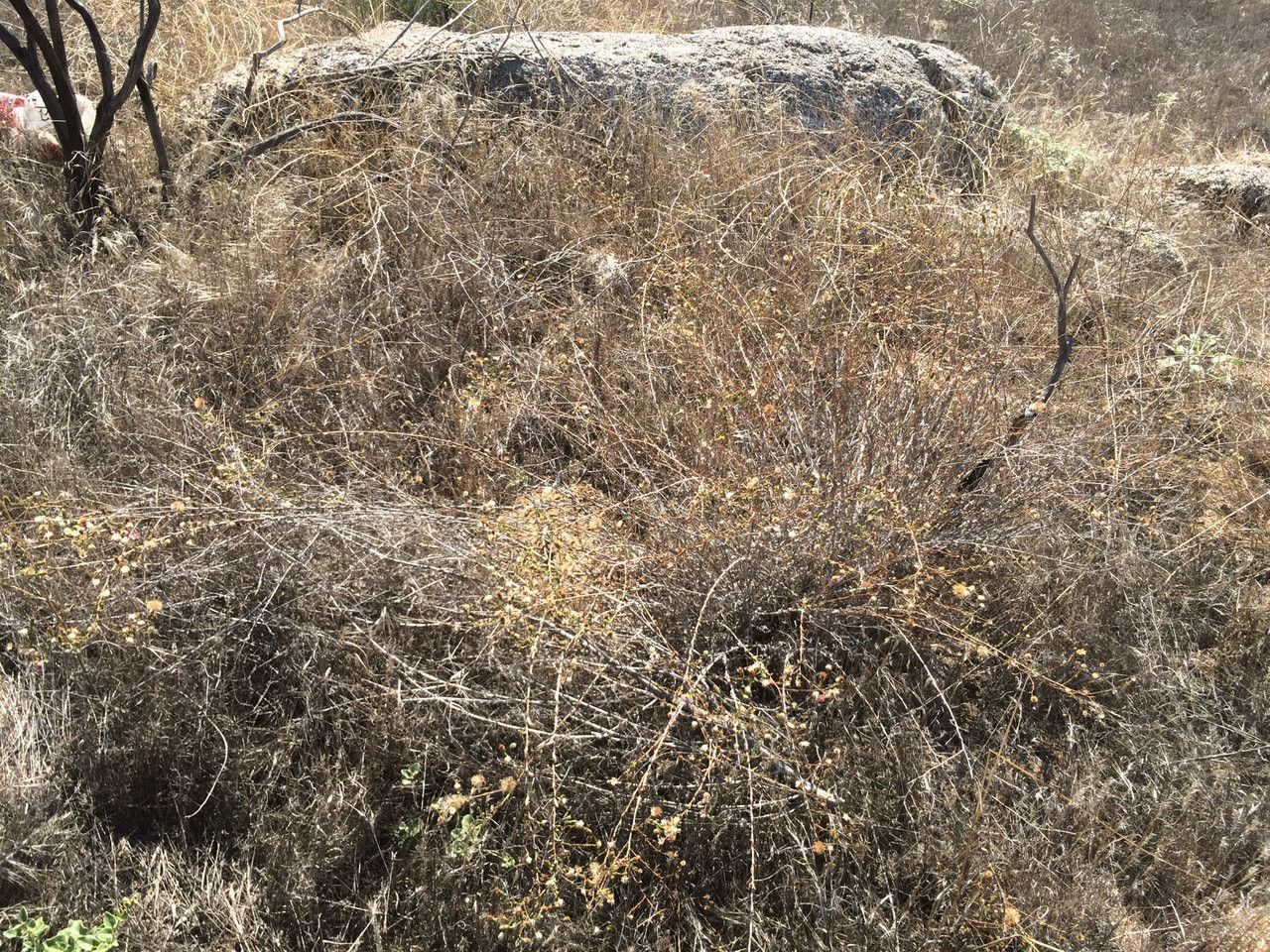
Stephanomeria virgata, commonly known as the wand goldenbush, is a perennial herbaceous plant that belongs to the Asteraceae family. Native to western North America, it thrives in various habitats such as grasslands, sagebrush scrublands, and open woodlands.
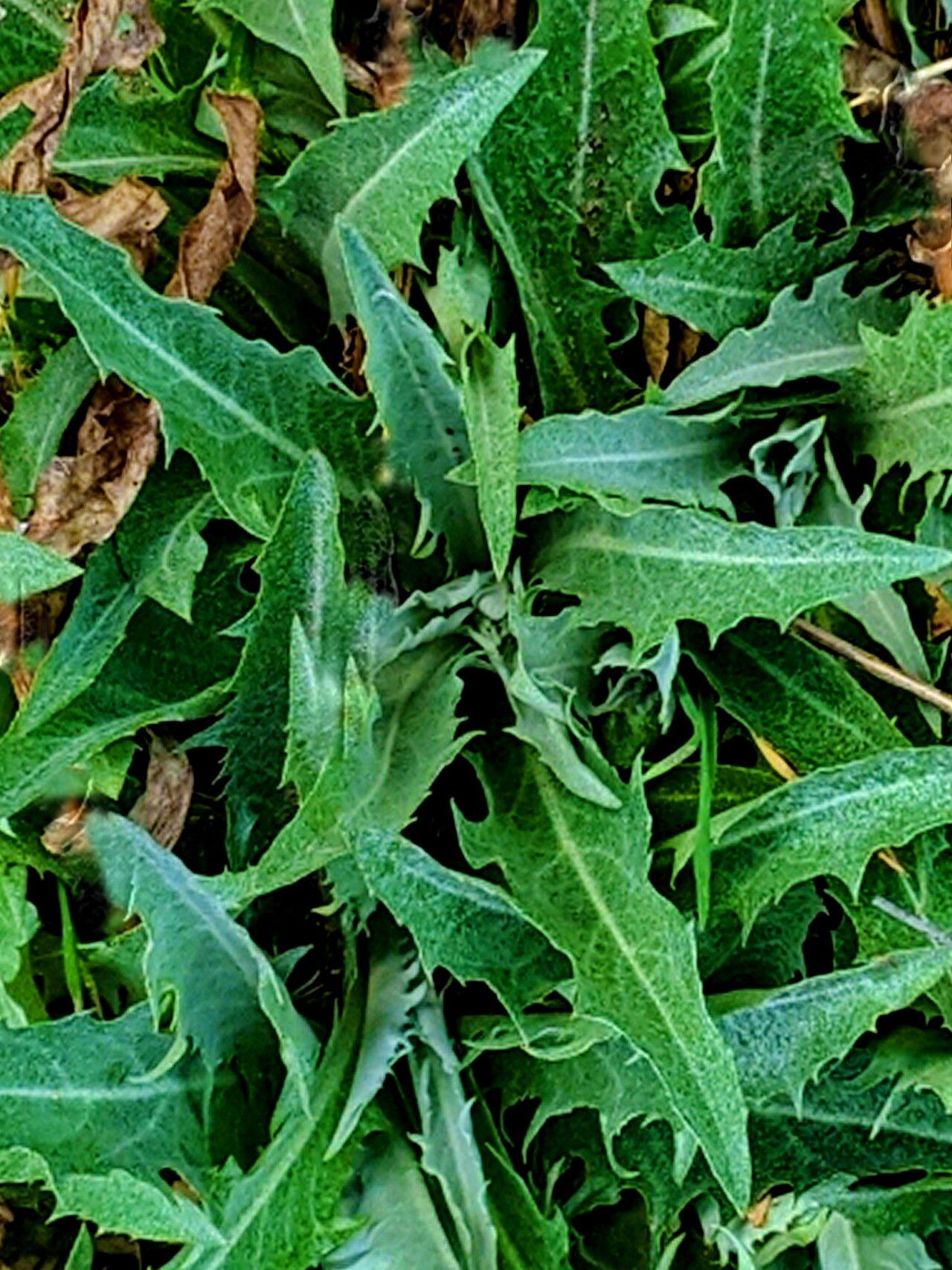
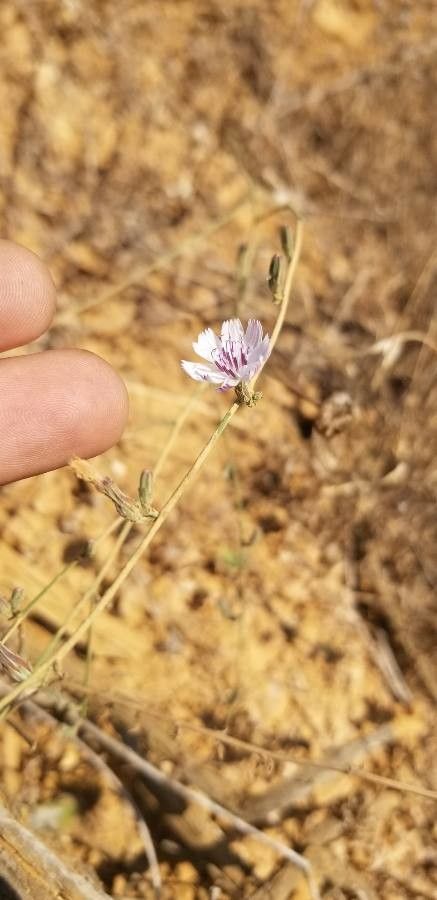
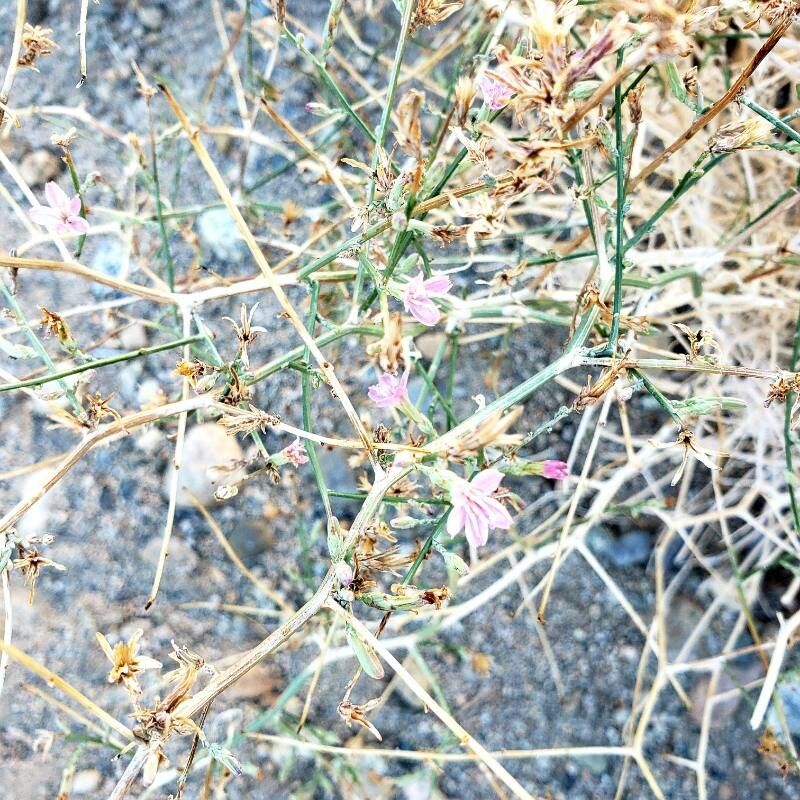
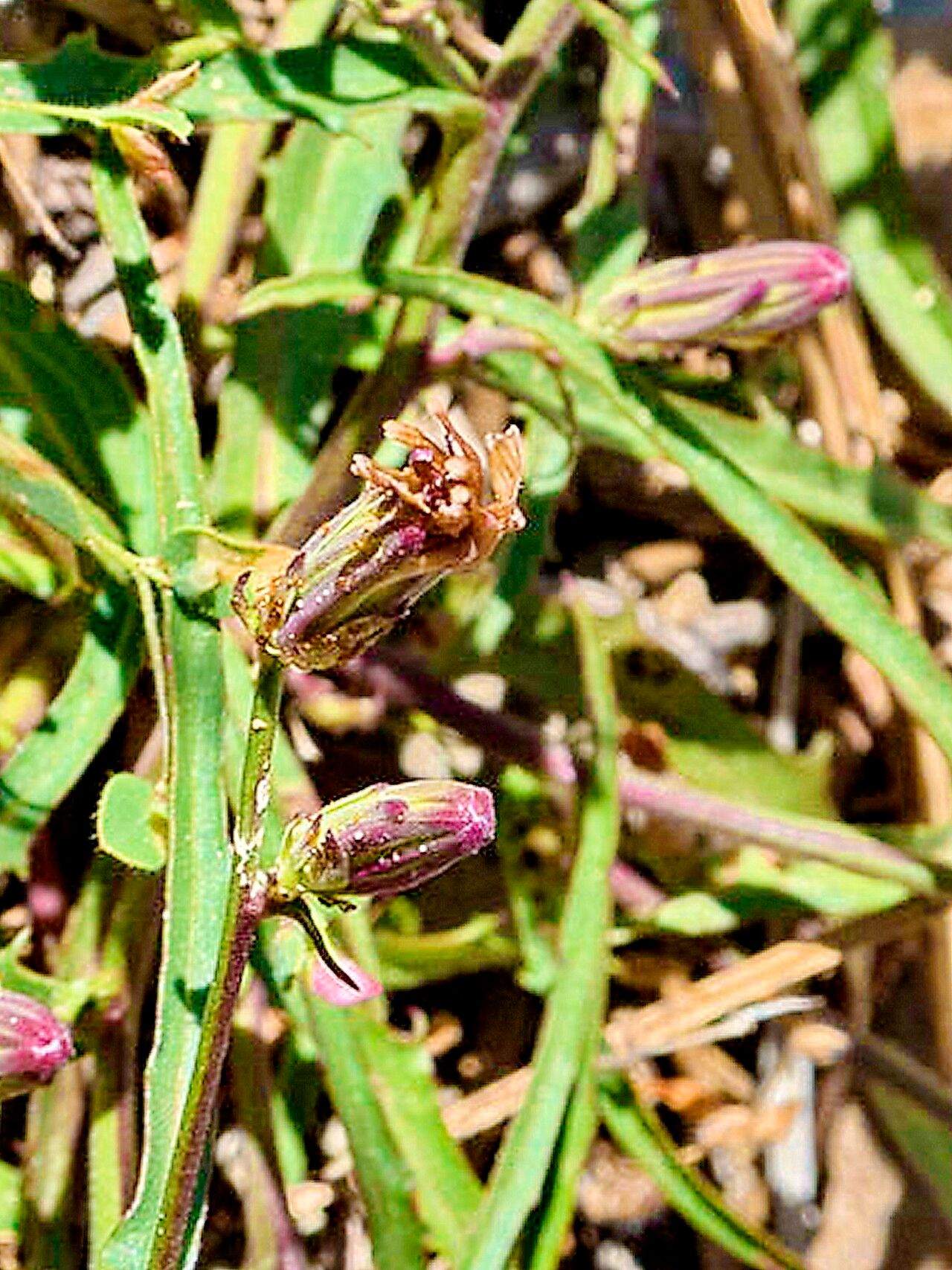
The plant can grow up to 1 meter tall, featuring a woody base and numerous branches covered in small, narrow leaves with pointed tips. The flowers of Stephanomeria virgata are small, pinkish-purple, and clustered densely at the ends of branches. They bloom from late summer through fall.
Stephanomeria virgata serves as an important food source for wildlife, including deer, elk, rabbits, rodents, and birds, which feed on its seeds and foliage.
Native American tribes have utilized this plant for medicinal purposes, using it to treat stomach ailments or applying it topically for skin conditions.
In addition to its ecological importance, Stephanomeria virgata is an attractive ornamental plant suitable for gardens or naturalized areas. Its drought tolerance once established makes it an excellent choice for xeriscaping projects.
Rod wirelettuce is fairly disease-resistant and usually not susceptible to illnesses. Nevertheless, it can be vulnerable to pests and diseases found in its surroundings. These problems are typically minor. For care, the plant has moderate maintenance needs. It should be pruned regularly to keep a tidy appearance and support healthy growth. Fertilizing can also help encourage flowering. Rod wirelettuce is well suited to anyone with outdoor space, such as a garden or patio, and does not require extensive care experience. It may need more attention when grown indoors.
How to keep Stephanomeria Virgata.
Light
Rod wirelettuce is a sun-loving perennial herbaceous species native to open habitats, commonly thriving in meadows and grasslands. It prefers full sun but can also tolerate partial sun conditions.
Temperature
Rod wirelettuce can tolerate a wide range of temperature conditions, though its distribution may still be restricted by different combinations of moisture and heat. It grows best in warm summer climates with sufficient rainfall or watering. Extended periods of cloudy, rainy weather, as well as prolonged high temperatures, can raise the chance of Rod wirelettuce dying. In winter, appropriate protection from the cold can increase the plant's survival rate.
Fertilizer
A single spring application of fertilizer is generally enough for Rod wirelettuce, but additional feedings can enhance growth. Feed about once every month to six weeks. Fertilization improves the leaves' appearance and function, helping maintain even color and a healthy texture. It also encourages root development and nutrient uptake for the plant's long-term health.
Pruning
Rod wirelettuce is a slender shrub with delicate flowers. To encourage healthy growth and abundant blooms, prune it from early to late spring. Remove any dead branches and thin out overcrowded areas to enhance air circulation. Make clean cuts at a 45-degree angle to minimize damage, which will support vigorous flowering in the summer.
Botanical profile.
- Plant Type
- Herb
- Life Cycle
- Perennial
- Genus
- Stephanomeria
- Family
- Asteraceae
- Hardiness Zone
- 7-10
- Mature Height
- 30 cm to 91 cm
- Mature Spread
- 20 cm to 49 cm
- Leaf Color
- Green
- Leaf Type
- Deciduous
- Flower Size
- 1.02 cm to 2.03 cm
- Bloom Time
- Summer
- Planting Time
- Spring, Summer, Autumn
- Harvest Time
- Late summer, Early fall, Mid fall
Other names.