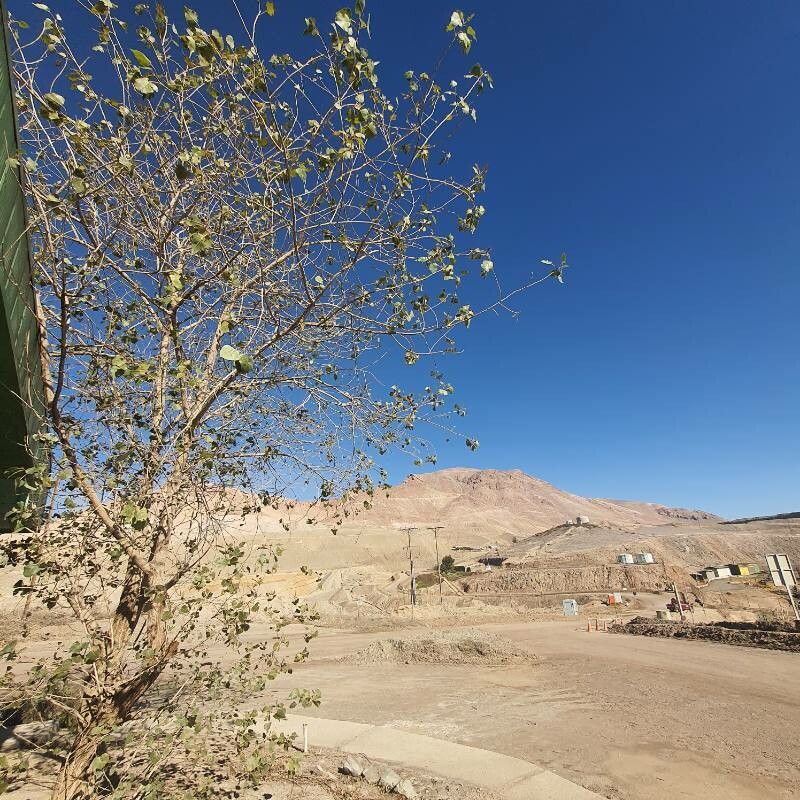
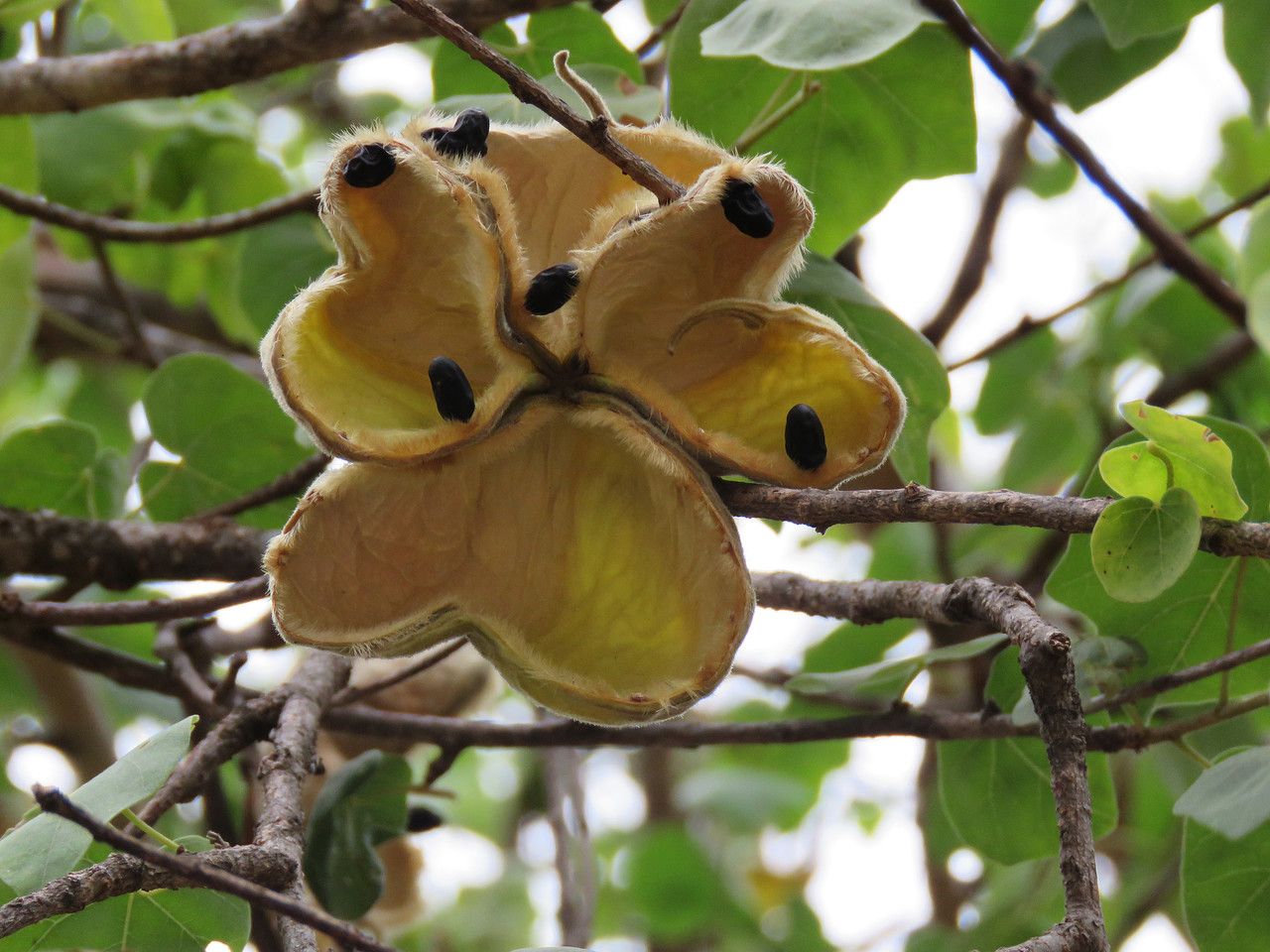
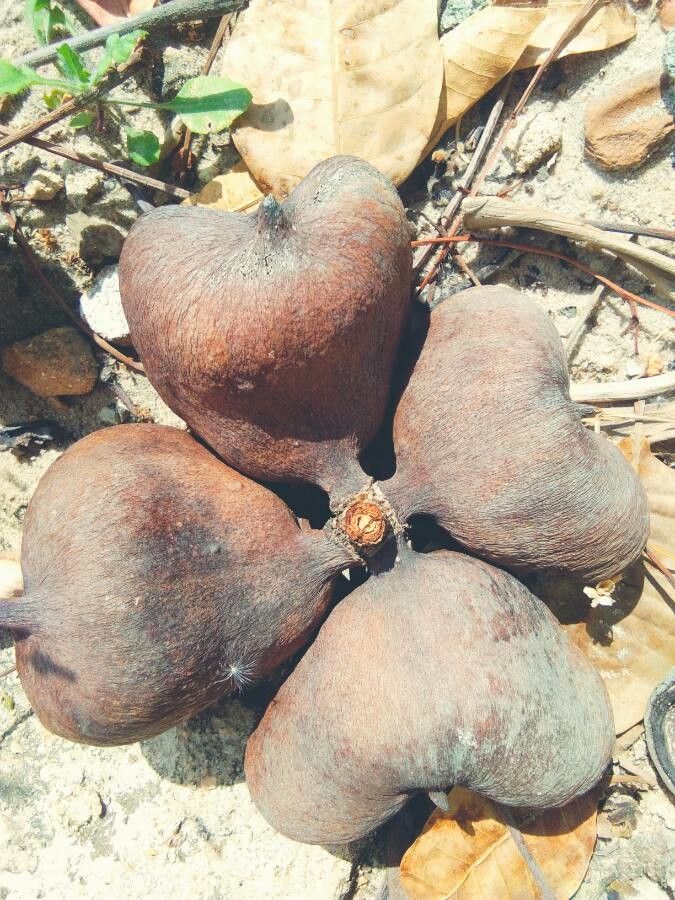
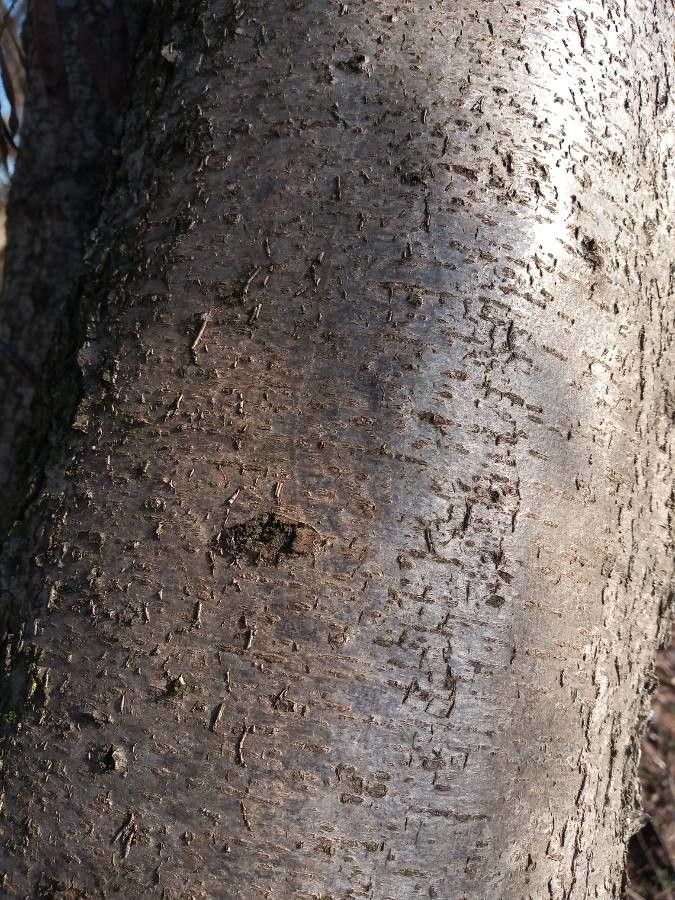
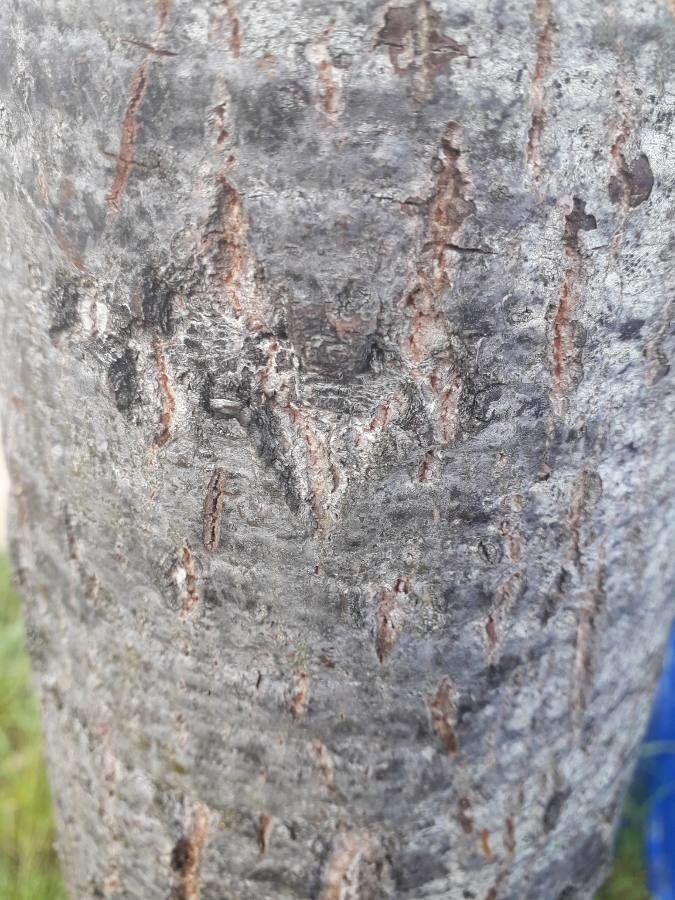
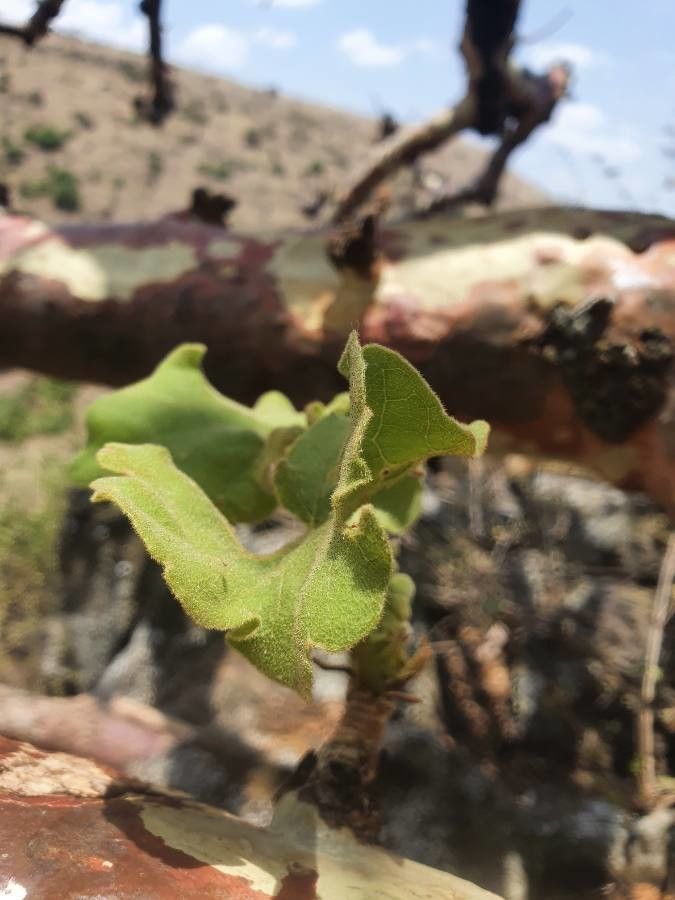
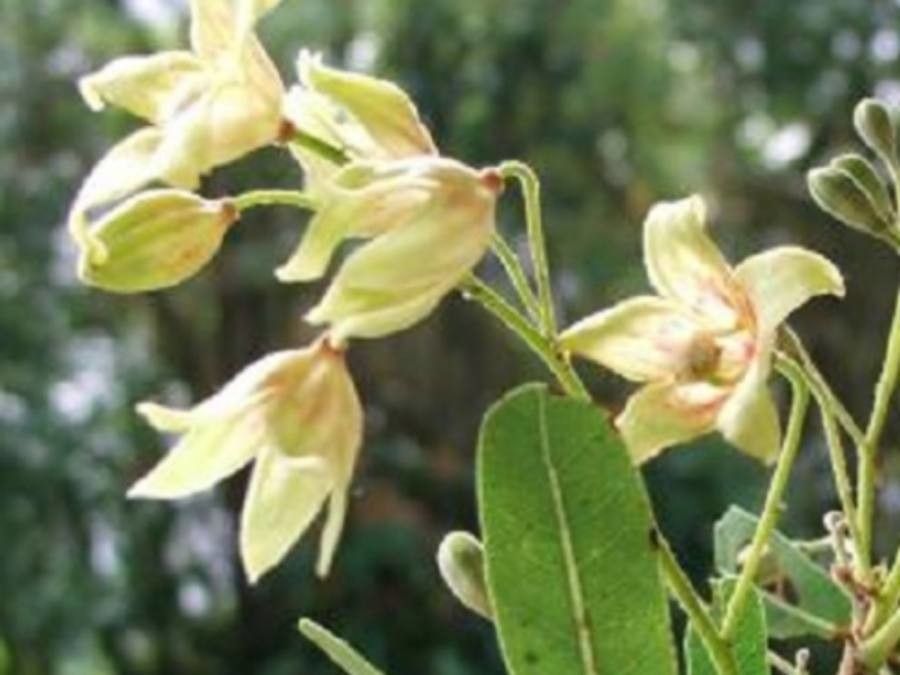
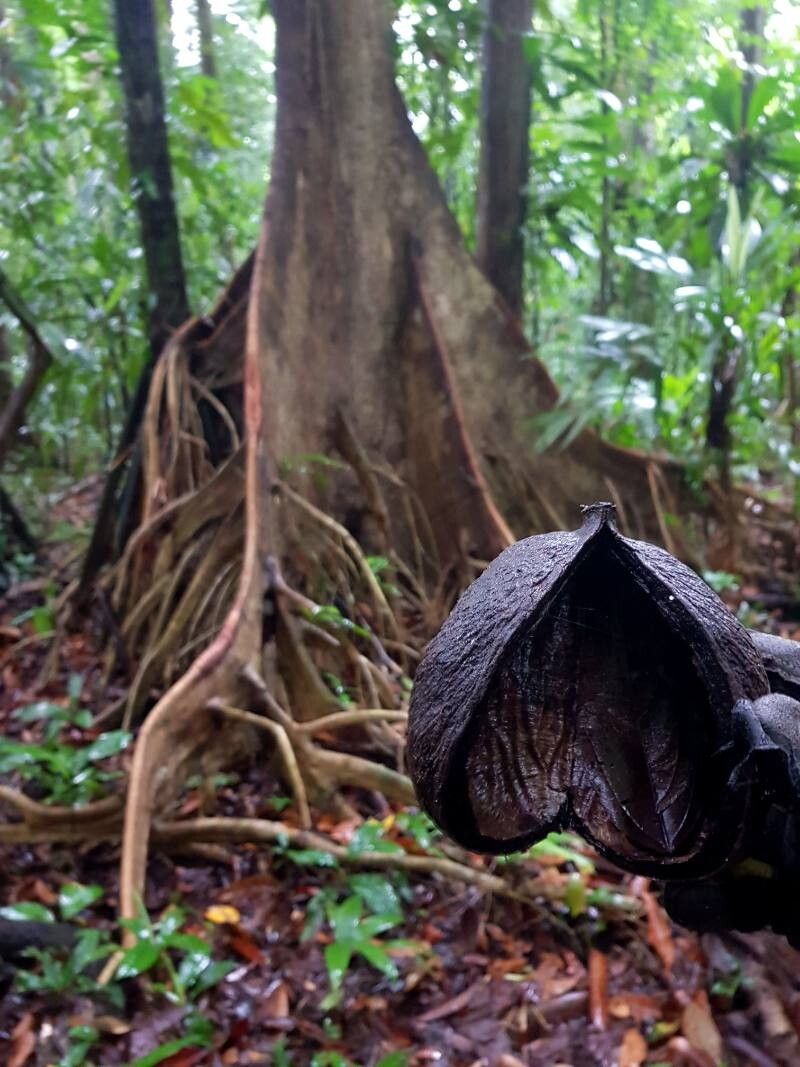
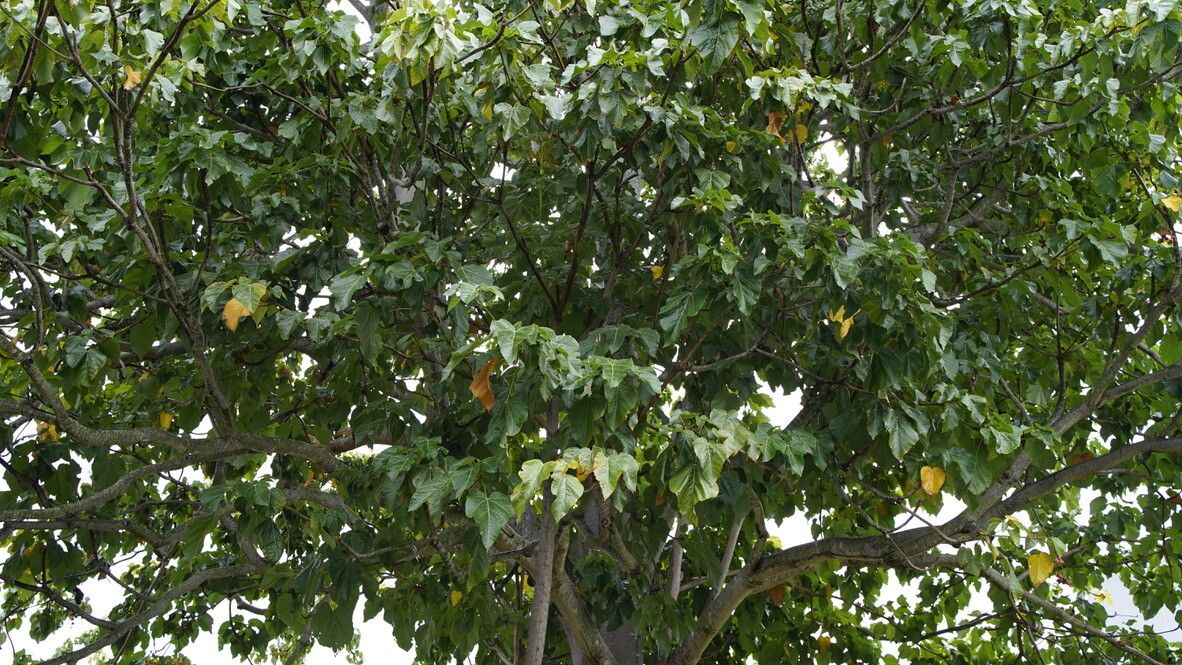
Sterculia rogersii, a species of flowering plant in the Malvaceae family, is native to the tropical rainforests of Papua New Guinea. This medium-sized tree can reach heights of up to 30 meters, with a straight trunk and smooth bark. Its large, glossy leaves are oval-shaped with pointed tips. While the flowers are small and inconspicuous, the fruit is substantial, measuring up to 20 centimeters in diameter, and is woody with numerous seeds surrounded by edible pulp.
The tree has various applications in traditional medicine. Its bark can be used as an antiseptic or for treating skin diseases, while the leaves can be used to treat fever or as a poultice for wounds. Indigenous people have also used the seeds as a food source.
Sterculia rogersii has gained popularity among horticulturists due to its attractive foliage, making it suitable for ornamental purposes in gardens or parks. Its dense foliage provides ample shade, making it ideal for planting along roadsides or near buildings.
However, like many other tropical rainforest trees, Sterculia rogersii faces threats from deforestation caused by logging activities. If not properly managed through conservation efforts such as reforestation programs aimed at restoring degraded forest areas, this species could be driven towards extinction.
Small-leaved star-chestnut is resistant to disease and is generally not prone to illnesses. In terms of care, this plant is fairly low maintenance. When grown outdoors it needs little watering, and larger specimens typically do not require pruning. Smaller plants, however, should be pruned after they have finished blooming. Small-leaved star-chestnut is suitable for anyone with an outdoor space, such as a garden or deck, and does not require much prior experience in plant care.
How to keep Sterculia Rogersii.
Light
Small-leaved star-chestnut comes from open habitats, including sunlit meadows and forest edges, that offer abundant light. It performs best in full sun but can also tolerate partial sun, adapting well to a range of light conditions.
Temperature
The small-leaved star-chestnut comes from tropical areas where the climate is usually warm and humid. Consequently, it is well-suited to high temperatures and humidity. It does not like sudden temperature changes and prefers a stable thermal environment, so indoor temperature fluctuations should be avoided. It typically cannot tolerate cold and needs higher temperatures to grow. If the ambient temperature falls too low, the plant may stop growing or even die.
Fertilizer
The best time to fertilize a Small-leaved star-chestnut is in early spring, as it breaks dormancy. This supports overall growth and flower development. Fertilization improves foliage, stems, and branches, and encourages large, vivid, long-lasting flowers. It helps move nutrients from the roots to the flowers and enhances the plant’s health and resistance to disease.
Pruning
The small-leaved star-chestnut, known for its tiny leaves and star-shaped fruit, can greatly benefit from pruning in early spring. Start by removing any dead branches to improve air circulation and encourage new growth. Be sure to make clean, angled cuts to prevent rot, which will promote healthier growth and enhance the tree’s appearance in your garden.
Botanical profile.
- Plant Type
- Shrub
- Life Cycle
- Perennial
- Genus
- Sterculia
- Family
- Malvaceae
- Hardiness Zone
- 10-12
- Mature Height
- 10.06 m to 14.94 m
- Mature Spread
- 4.88 m to 7.92 m
- Leaf Color
- Dark Green, Forest Green
- Leaf Type
- Deciduous
- Flower Size
- 0.51 cm to 1.02 cm
- Bloom Time
- Late spring, Early summer
- Planting Time
- Spring, Summer, Autumn
- Harvest Time
- Late summer, Early fall
- Native Area
- Mozambique, South Africa, Eswatini, Botswana, Zimbabwe
Other names.