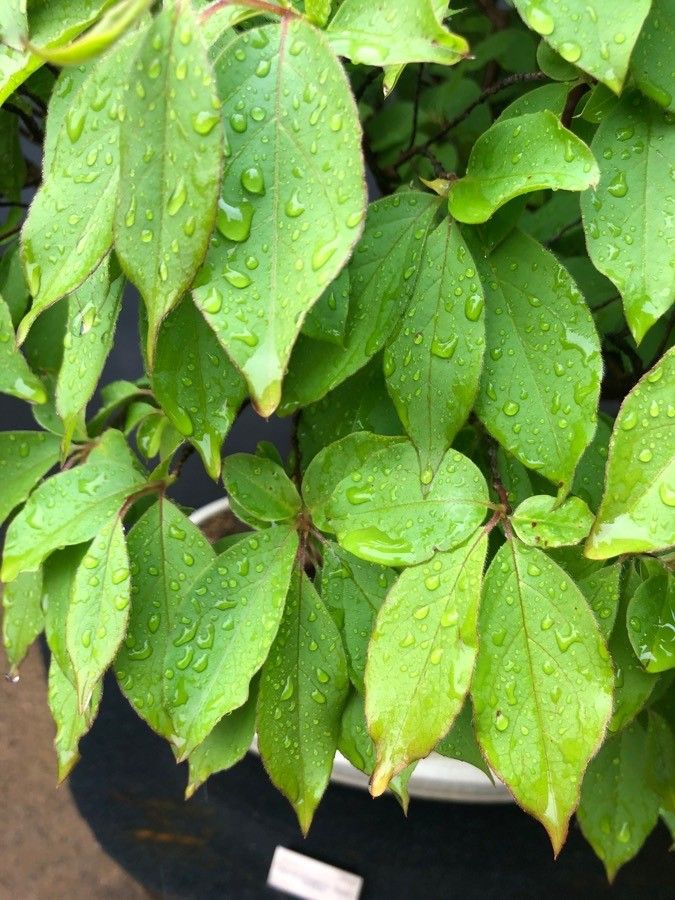
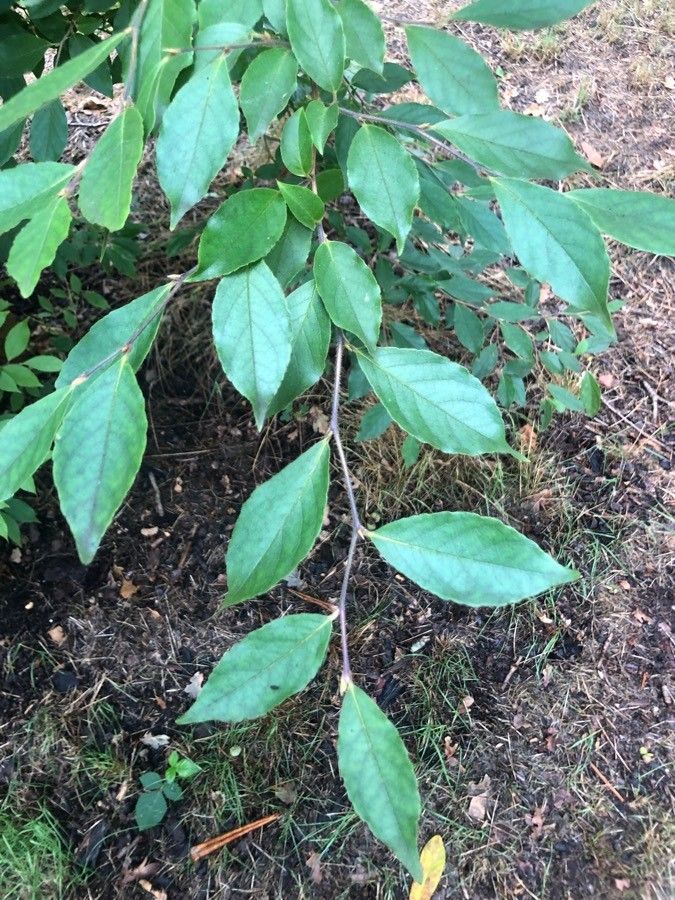
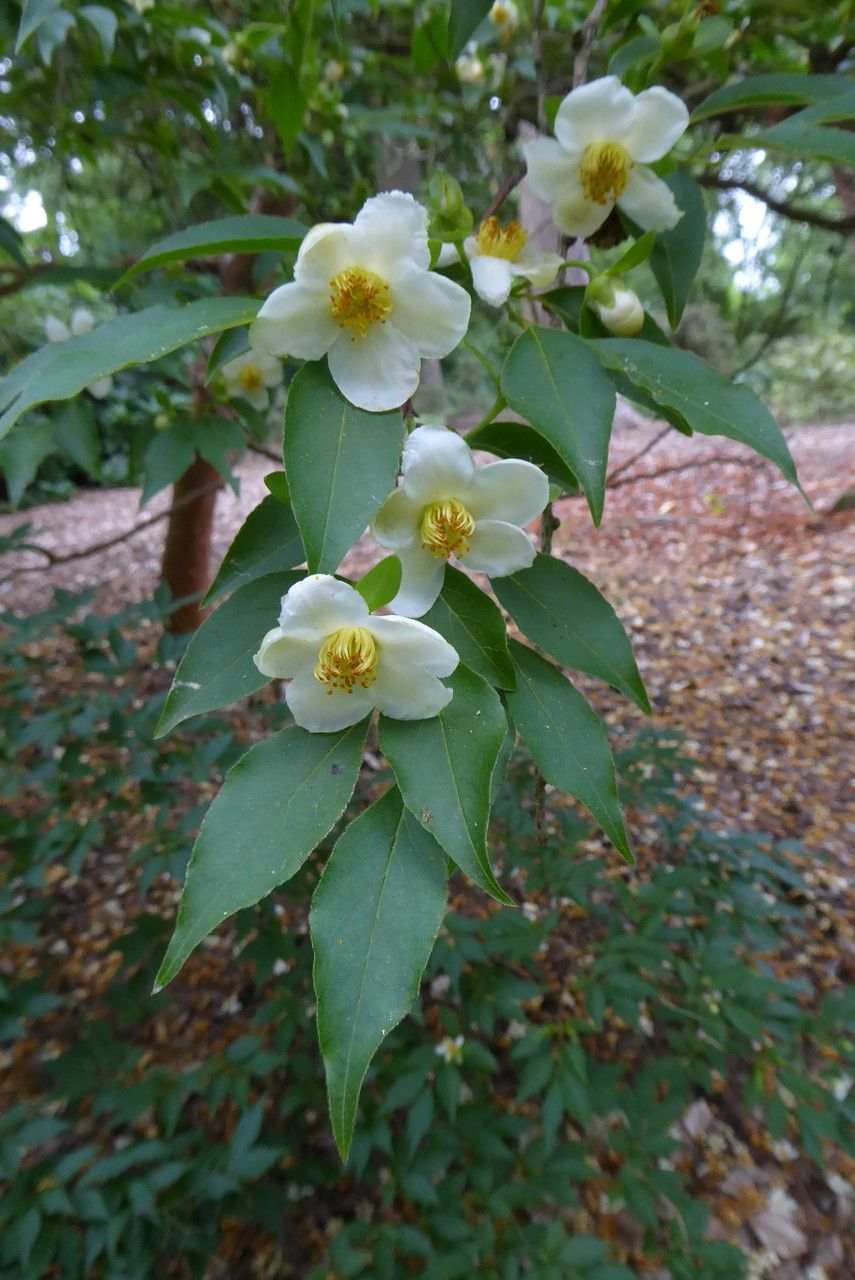
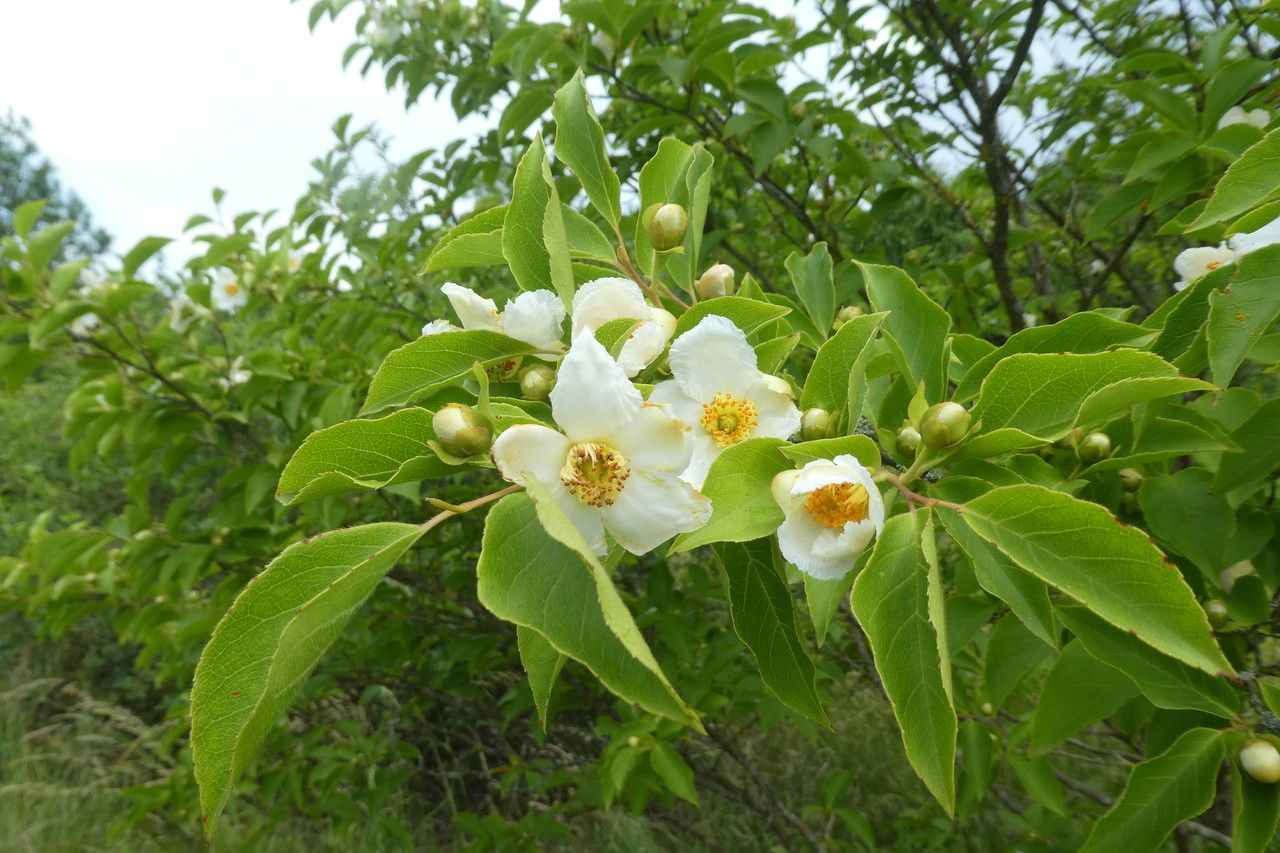
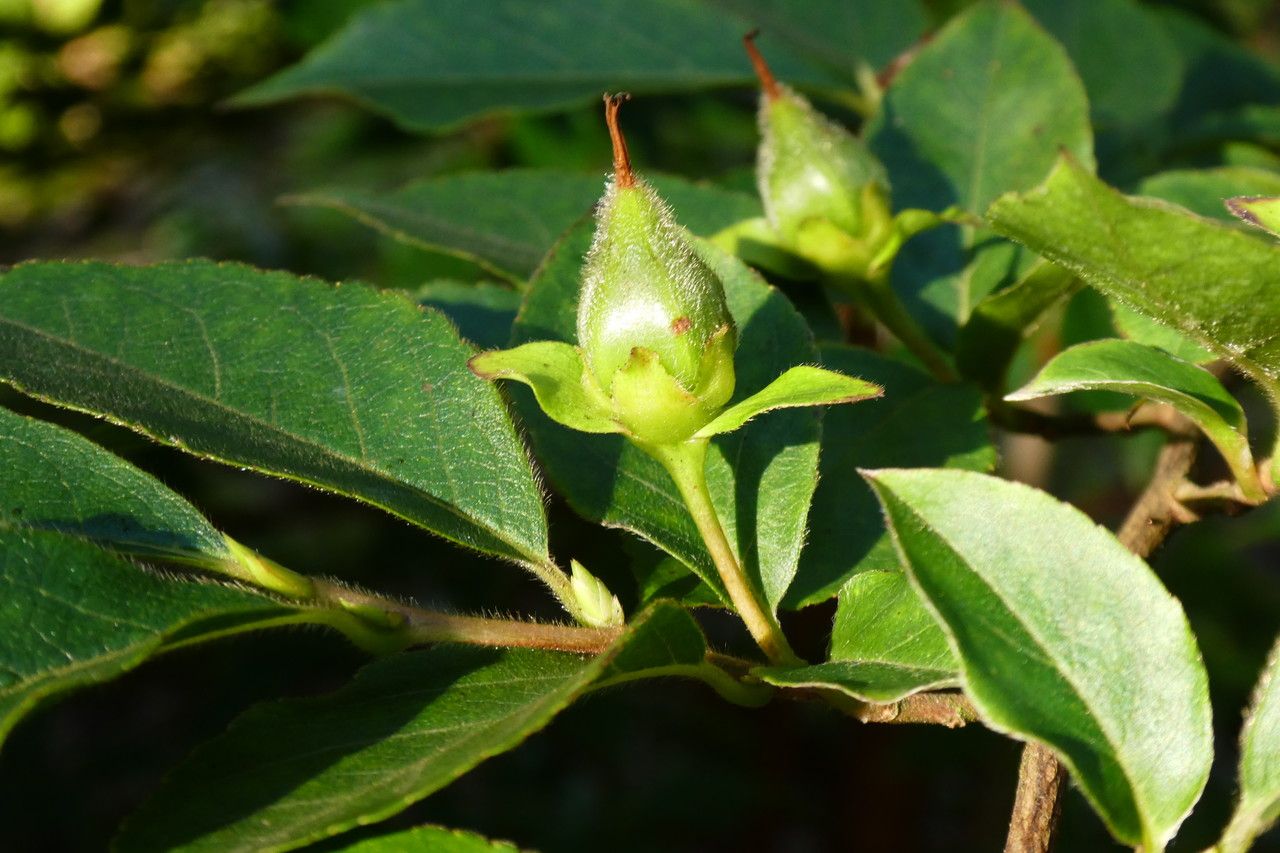
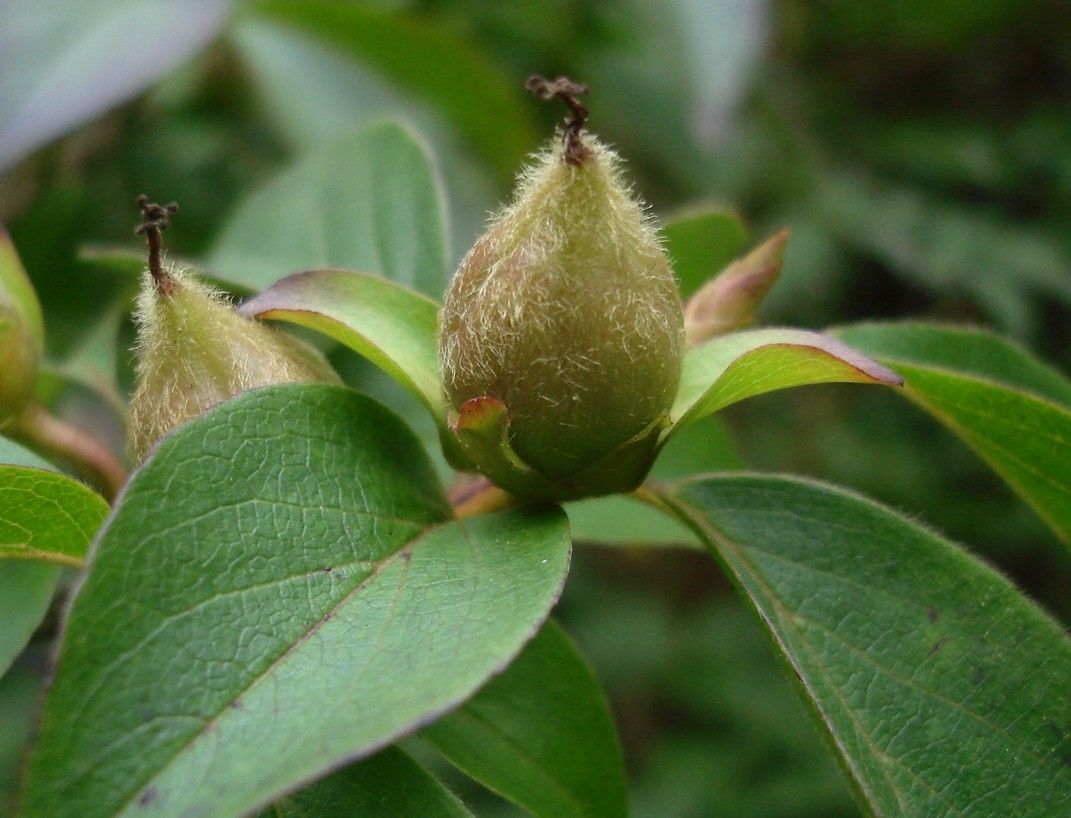
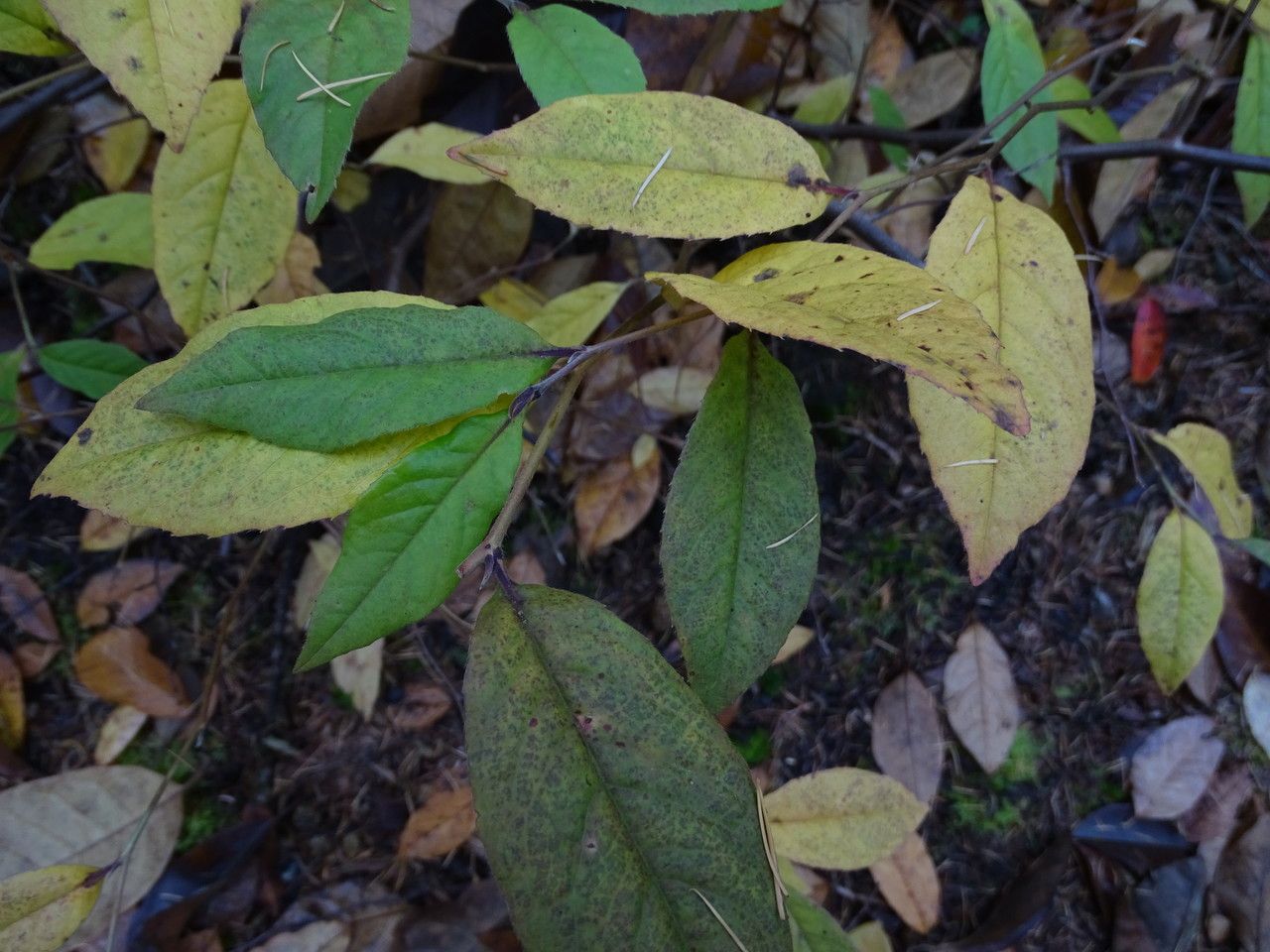
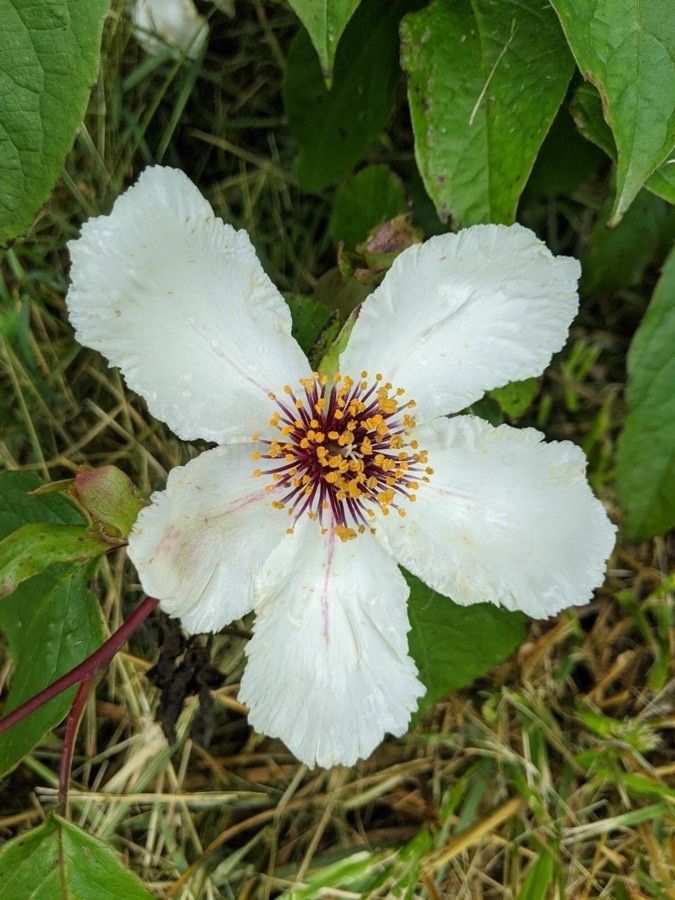
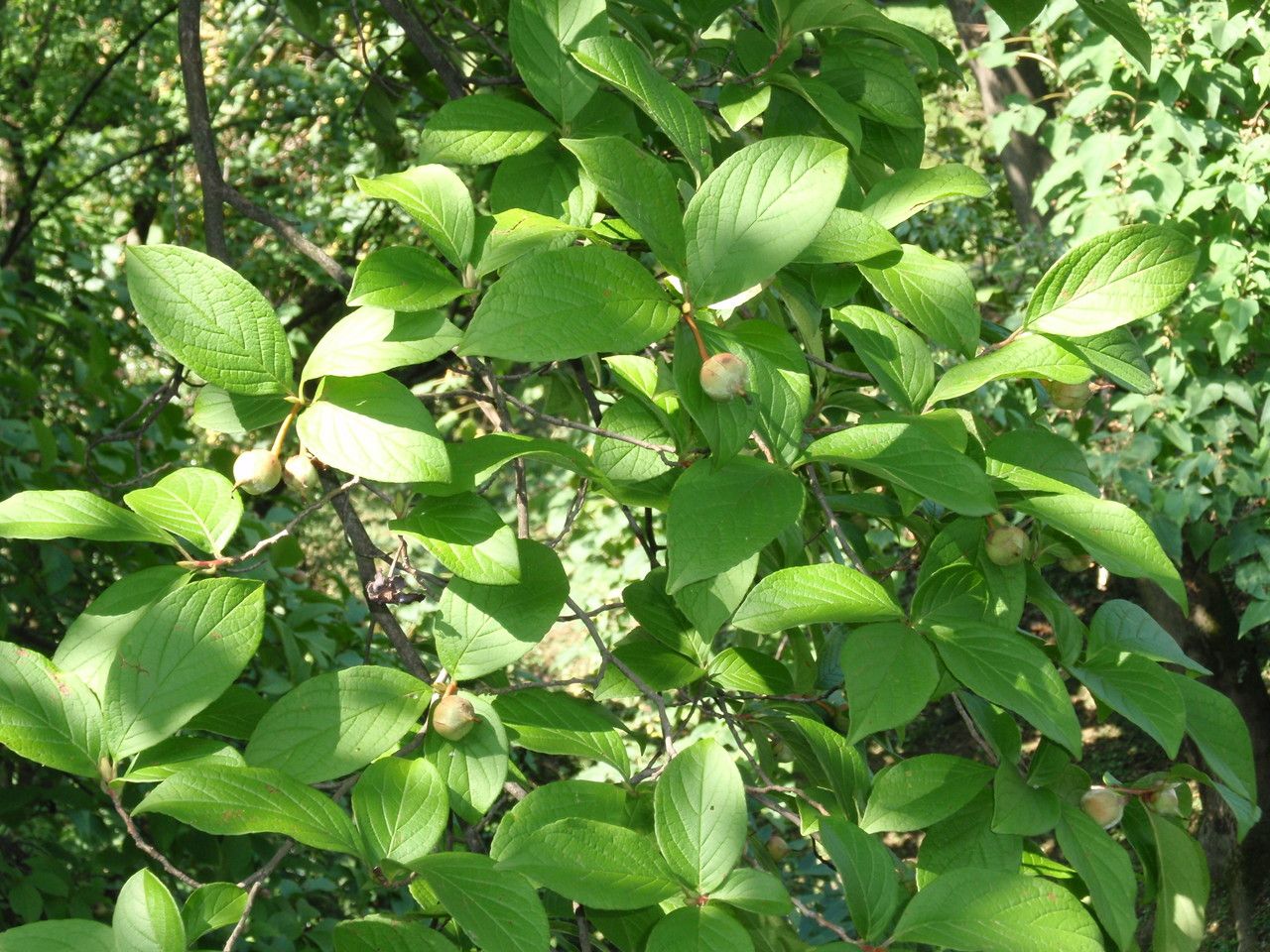
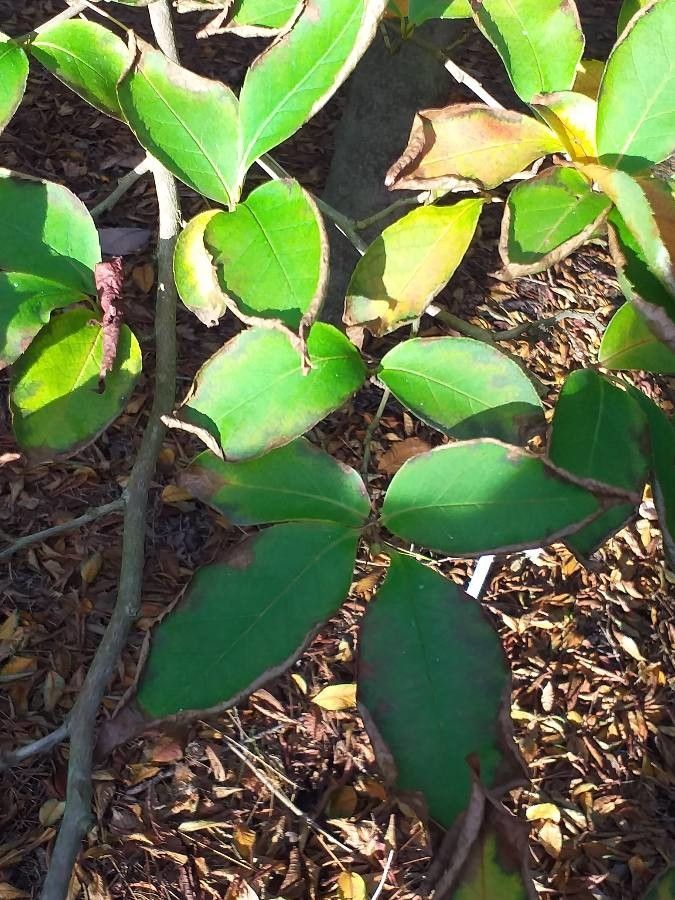
Stewartia monadelpha, known as tall stewartia or orangebark stewartia, is a deciduous shrub or multi-stemmed tree native to the temperate rainforests of Japan. Stewartia is a genus of flowering plants in the family Theaceae. The genus name Stewartia is in honor of 16th century Scottish botanist, John Stuart.
Orange-bark stewartia has strong disease resistance and is generally not prone to illnesses. In terms of care, this plant is fairly low-maintenance. Planted outdoors it needs minimal watering, and larger plants typically do not require pruning; smaller plants should be pruned after they have bloomed. Orange-bark stewartia is suitable for anyone with an outdoor space, such as a garden or deck, and does not demand extensive care experience.
How to keep Stewartia Monadelpha.
Light
Orange-bark stewartia naturally occurs in places like forest understories and rocky sites, where it is subject to natural shade. It favors partial sun but will tolerate both full sun and full shade, reflecting its versatile, hardy character.
Water
Orange-bark stewartia originates from East Asian woodlands and thrives in humid, well-drained soil. It needs watering every one to two weeks and displays moderate drought tolerance. This plant thrives outdoors and benefits from mulching, which helps retain moisture during the growing season, enhancing its health and floral display.
Temperature
Orange-bark stewartia tolerates a wide variety of climate conditions, from blistering summers to freezing winters. Still, it has an optimal temperature range for growth. When temperatures rise too high, the plant can suffer from heat and humidity stress, which may lead to its death. In areas where temperatures approach the lower limit of its cold tolerance, it's necessary to provide insulation to protect the plant.
Fertilizer
The timing of fertilizer applications is essential for Orange-bark stewartia. Apply fertilizer in early spring and continue monthly through early summer. Fertilizer promotes lovely blooms and supplies energy during both dormant and active growth periods.
Pruning
The orange-bark stewartia is known for its stunning orange bark. To keep this plant healthy and its appearance appealing, it benefits from early spring pruning. This process involves removing dead wood, thinning the branches, and shaping the plant to enhance its form. Doing so promotes better air circulation and light penetration, which boosts the plant's vitality. It's also important to prune after the plant has flowered to maintain its blooms. Regular maintenance not only improves the plant's aesthetic appeal but also supports its overall growth.
Botanical profile.
- Plant Type
- Tree
- Life Cycle
- Perennial
- Genus
- Stewartia
- Family
- Theaceae
- Hardiness Zone
- 6-9
- Mature Height
- 7.92 m
- Mature Spread
- 6.1 m
- Leaf Color
- Dark Green, Olive Drab
- Leaf Type
- Deciduous
- Flower Color
- White
- Flower Size
- 5.08 cm to 6.35 cm
- Bloom Time
- Early summer, Mid summer
- Planting Time
- Spring, Summer, Autumn
- Harvest Time
- Fall
- Native Area
- Japan
Other names.