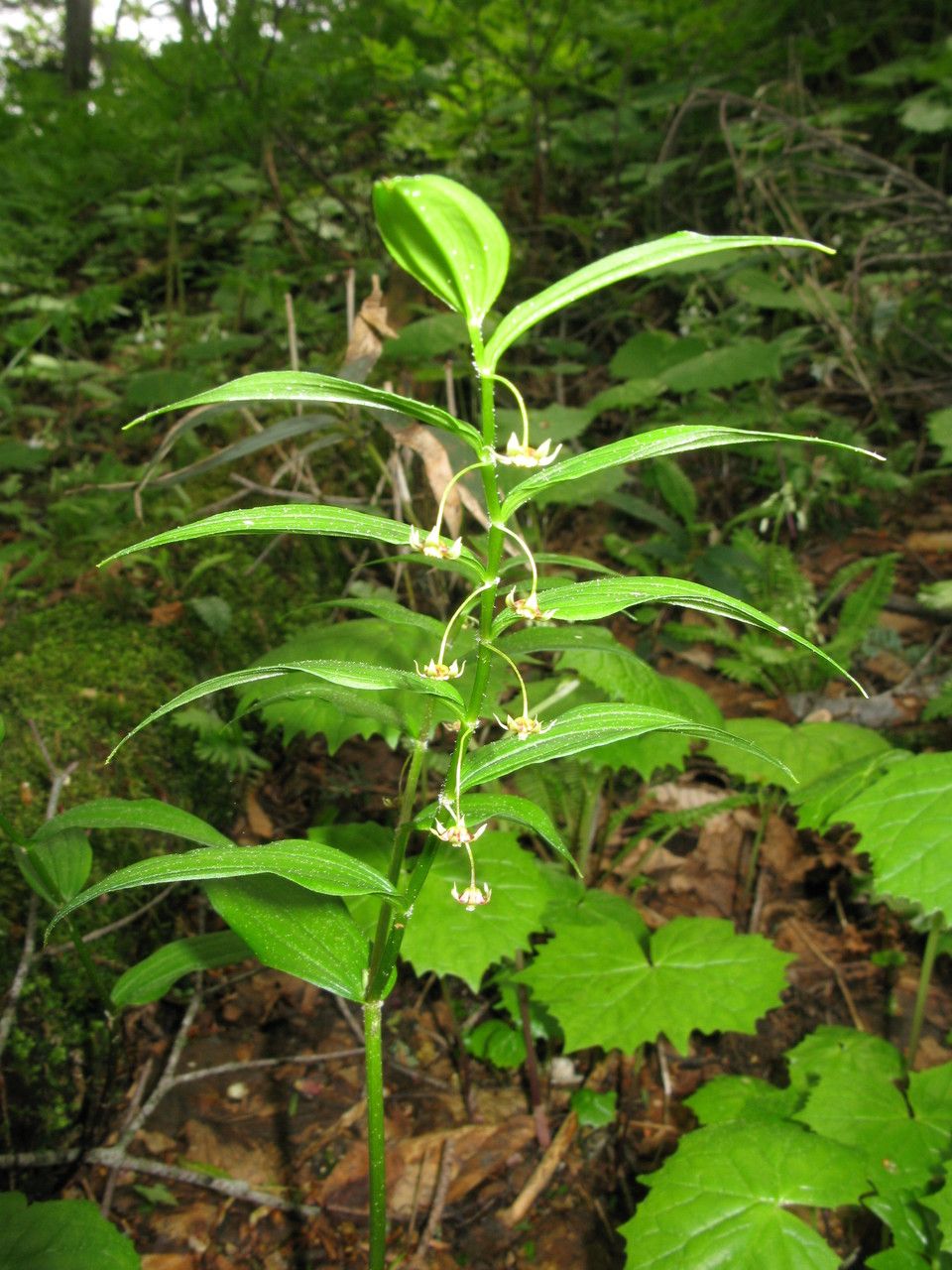
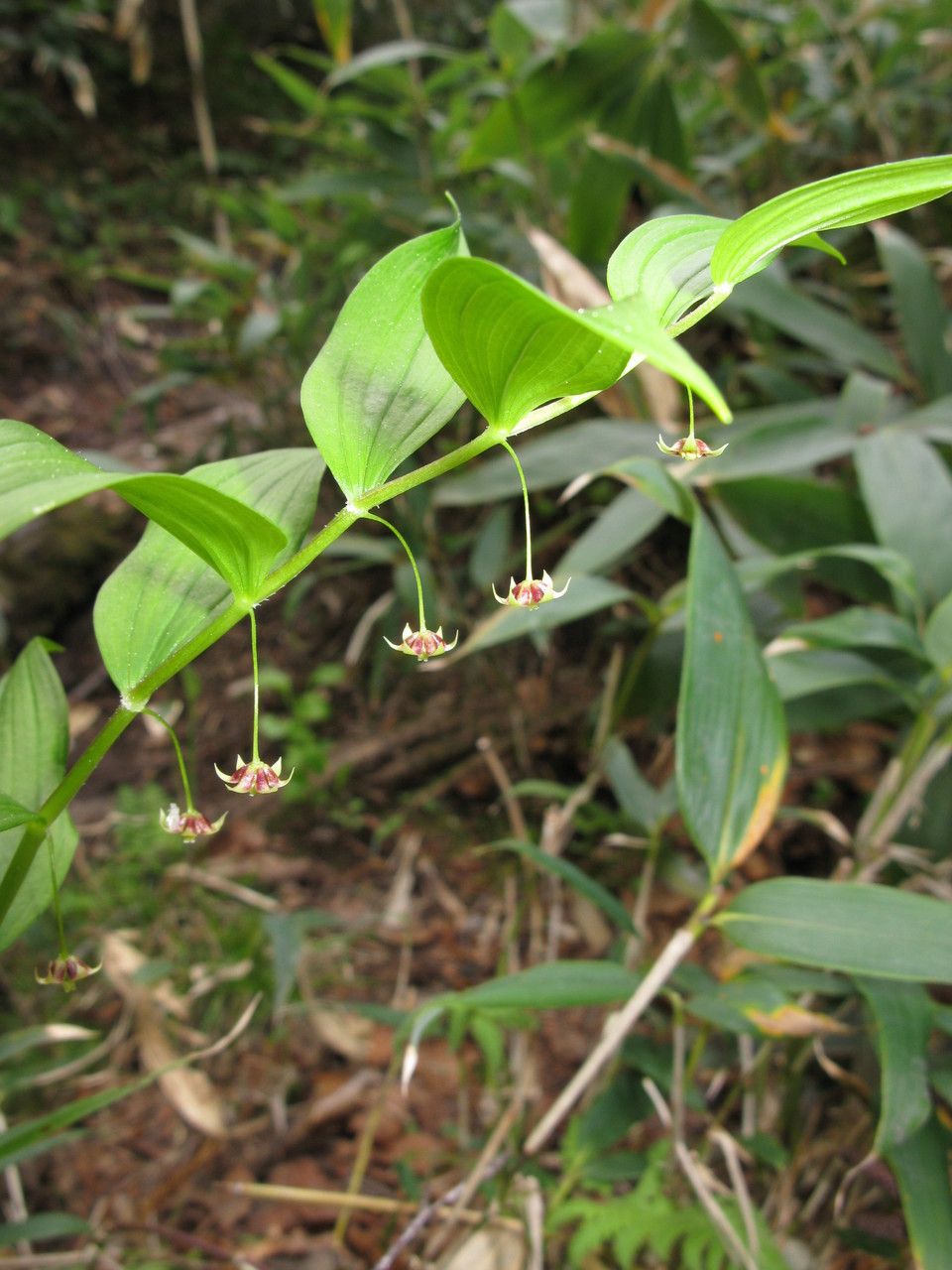
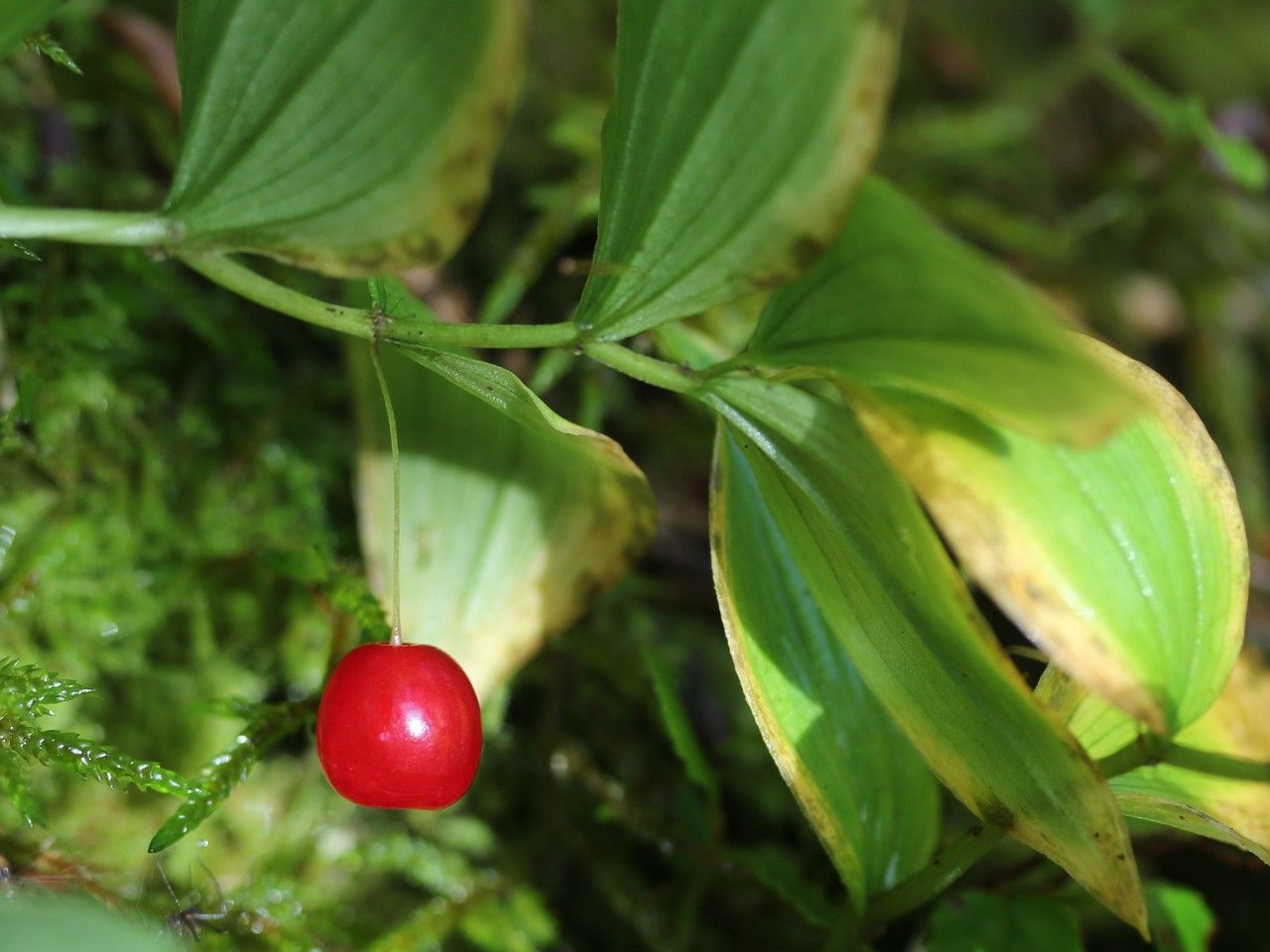
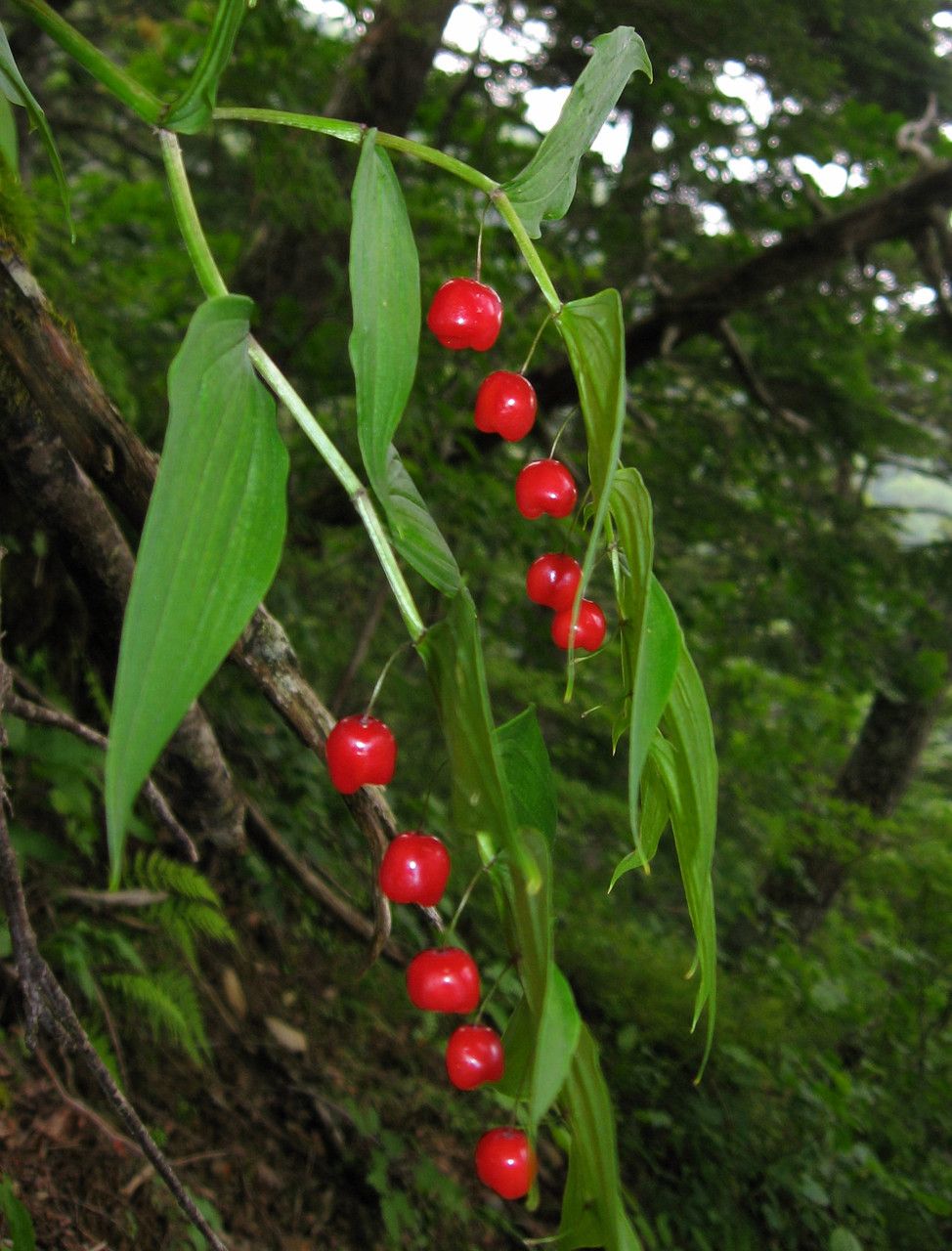
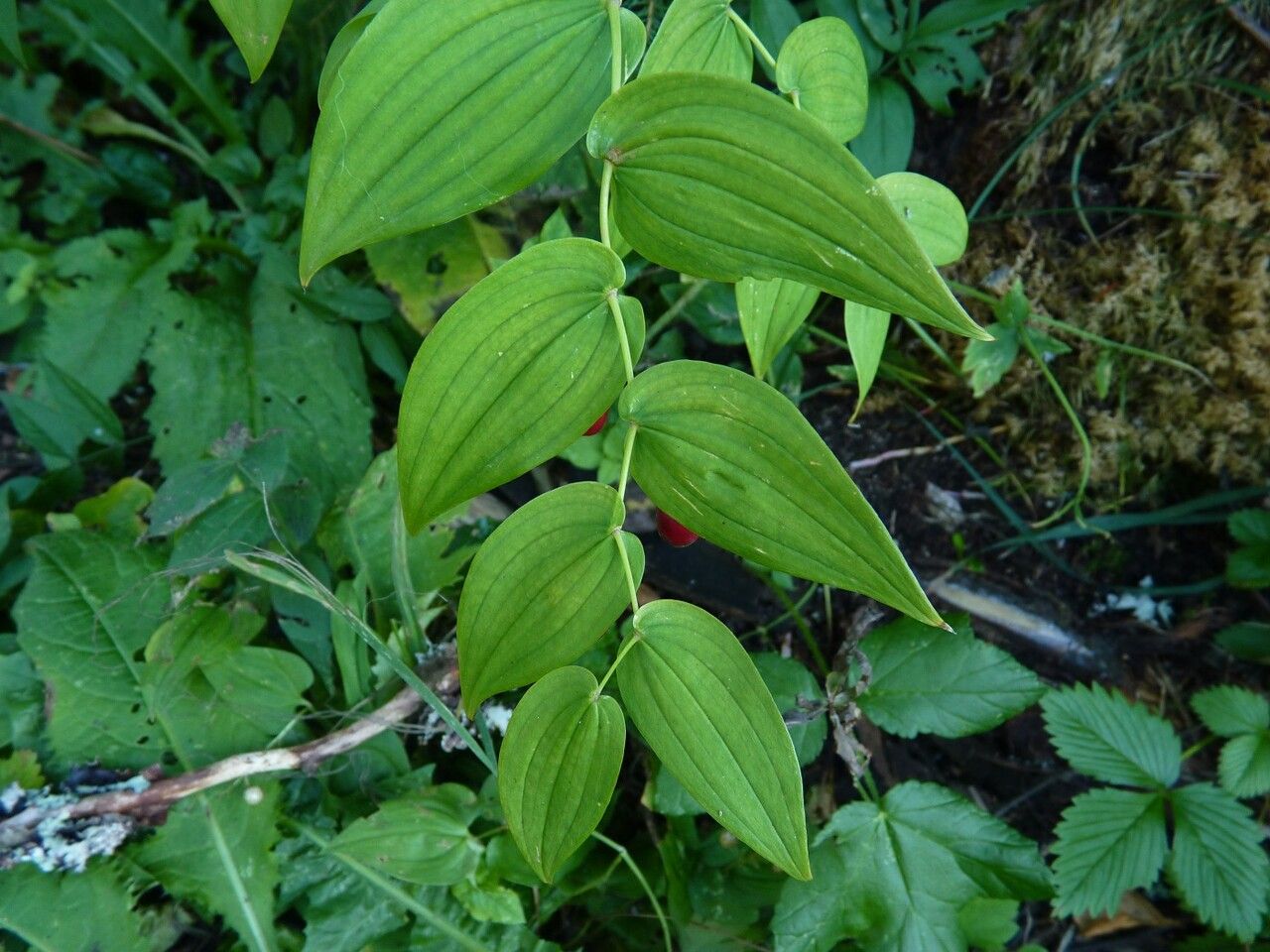
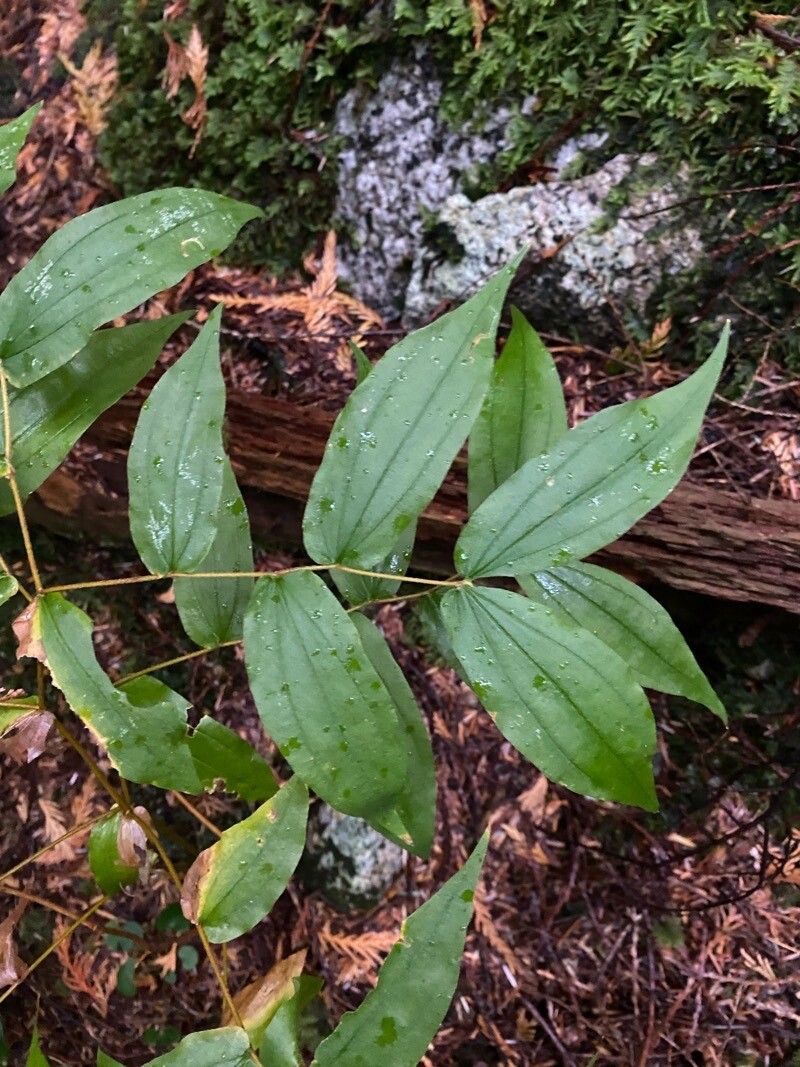
Small twisted-stalk is fairly disease-resistant and generally does not succumb to illnesses. However, it can be affected by pests and diseases present in its environment. When these occur, they are typically not serious. In terms of care, the plant requires moderate maintenance. It should be pruned regularly to keep a tidy appearance and encourage healthy growth. Fertilizing can also aid in promoting flowers. Small twisted-stalk is suitable for people with outdoor areas such as a garden or patio and does not demand extensive care experience. It may need more attention if grown indoors.
How to keep Streptopus Streptopoides.
Light
Small twisted-stalk is native to habitats such as forest understories or rocky sites, where it provides natural shade. It prefers Full Shade but can tolerate Partial Sun.
Water
The small twisted-stalk flourishes in moist environments, favoring consistent hydration while being able to withstand brief dry periods. A weekly watering schedule is ideal, particularly during its active growth phase. As an understory plant, the small twisted-stalk is best grown indoors, where moisture and humidity can be effectively managed.
Temperature
Small twisted-stalk can tolerate a wide range of temperatures, but its distribution may still be restricted by various combinations of moisture and heat. It does best in warm summer climates with sufficient rainfall or irrigation. Extended periods of cloudy, rainy conditions, or sustained high temperatures, can raise the chance of Small twisted-stalk dying. In winter, appropriate protection from cold can improve the plant's survival rate.
Fertilizer
Usually a single fertilizer application in spring is enough for Small twisted-stalk, though multiple feedings can maximize growth. Feed every one to one and a half months. Fertilizing improves the leaves' appearance and function, helping them retain even color and a healthy texture. It also promotes root development and nutrient uptake for long-term plant health.
Pruning
Small twisted-stalk plants have arching stems and bell-shaped flowers. Prune them from early to late spring, removing any dead foliage and long stems to encourage healthy growth. Always use clean tools to prevent the spread of disease, and avoid heavy pruning during the growing season to ensure a fuller plant.
Botanical profile.
- Plant Type
- Herb
- Life Cycle
- Perennial
- Genus
- Streptopus
- Family
- Liliaceae
- Hardiness Zone
- 3-7
- Mature Height
- 30 cm
- Mature Spread
- 15 cm to 30 cm
- Leaf Color
- Forest Green, Dark Green
- Leaf Type
- Deciduous
- Flower Color
- Pink
- Flower Size
- 0.76 cm
- Bloom Time
- Mid spring, Late spring
- Planting Time
- Spring, Summer
- Harvest Time
- Mid summer, Late summer
- Native Area
- Russia, Japan
Other names.
Reader questions.
What are the sunlight requirements for Small twisted-stalk (Streptopus streptopoides)?
Small twisted-stalk (Streptopus streptopoides) thrives under specific lighting conditions to ensure its growth and health. For those areas that receive less than 3 hours of sunlight daily, selecting a spot that offers full shade is crucial. Conversely, areas where sunlight is present for about 3-6 hours a day should be considered for partial sun exposure. It's essential to observe how sunlight navigates through your garden over time, enabling you to identify locations that offer an optimal mix of light and shade. This mindful approach assists in securing the well-being of your plants by placing them in environments that cater to their lighting needs.